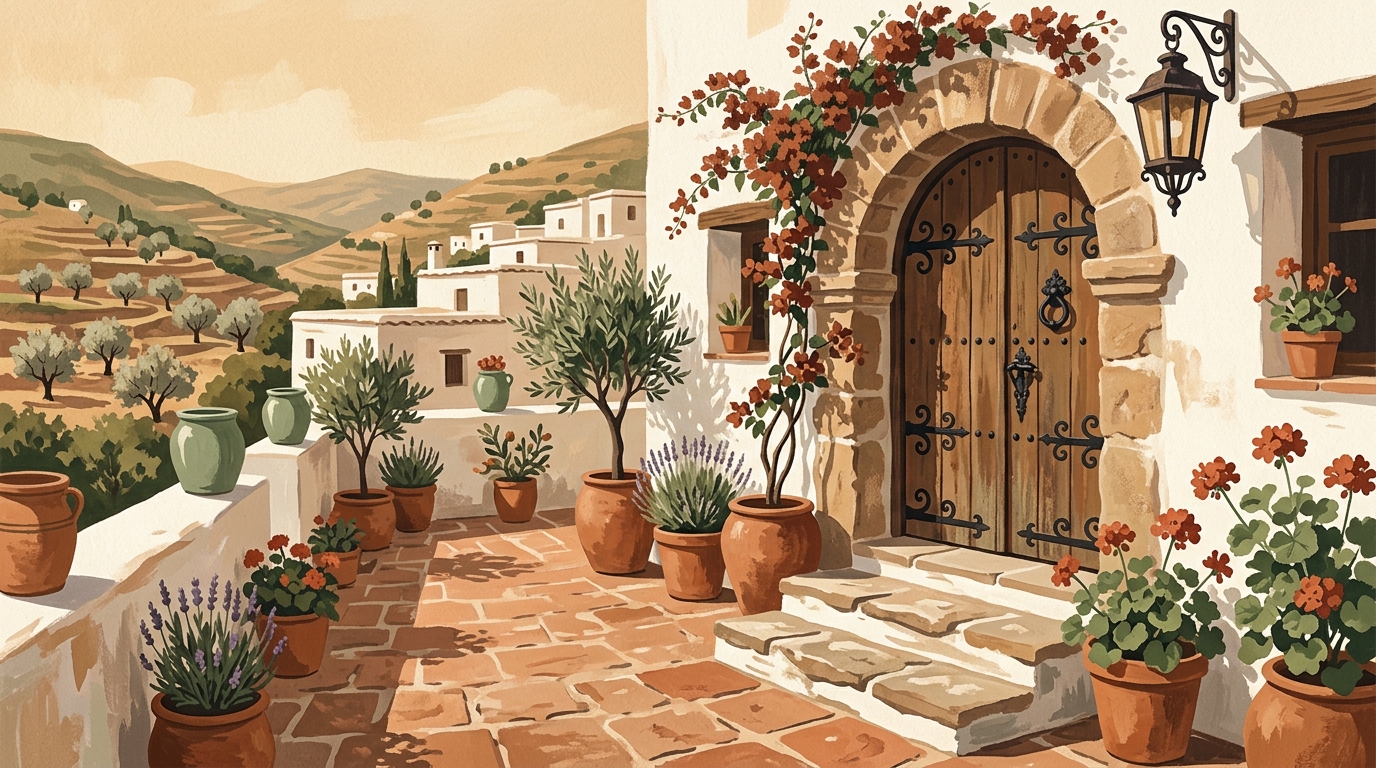
where to stay · Granada
Discover the best village houses, traditional cortijos, and rural hotels in Granada's Alpujarra mountains, from the heights of Trevélez to the valley of Órgiva.
where to stay · Granada
Where to Stay in Rural Granada: Alpujarra Village Houses and Cortijos
By Andalucia 365 Editorial Team
Published 14 April 2026 · Updated 1 May 2026 · 7 min read · 1,389 words
Staying in the villages of the Alpujarra offers a direct link to the Berber-style architecture and slow-paced mountain life of southern Spain. It is a region where the sound of goat bells is more common than traffic, making it ideal for those who prioritise hiking trails and crisp air over city convenience.
Granada is far more than just its namesake city and the Alhambra. To the south, the southern slopes of the Sierra Nevada mountains drop into a series of deep valleys and whitewashed villages known collectively as Las Alpujarras. This region is a specific choice for travellers; you don't come here for high-end luxury chains or late-night clubbing. You come for the network of walking trails, the distinct flat-roofed architecture inherited from the Moors, and the opportunity to stay in a renovated cortijo (a traditional farmhouse) or a steep-sided village house.
For hikers, the geography is the main draw. The altitude varies significantly, from the subtropical climate of the lower valleys near Órgiva to the high-mountain chill of Trevélez. Remote workers are also increasingly drawn here, though internet reliability can vary wildly between a modern apartment in Lanjarón and a secluded stone cottage on a hillside. This guide focuses on the most practical areas for different types of travellers, looking at the realities of the terrain and the specific styles of accommodation available across this rugged landscape.
The Poqueira Gorge: Pampaneira, Bubión, and Capileira
The Barranco de Poqueira is the most famous valley in the Alpujarra, containing three villages that seem to hang off the mountainside. These villages - Pampaneira (the lowest), Bubión (the middle), and Capileira (the highest) - are where you will find the classic Alpujarran aesthetic: narrow, winding streets, tinaos (beamed walkways over the road), and chimneys topped with slate hats. Because of their popularity, these villages have the best range of small rural hotels and self-catering apartments.
Who it suits: First-time visitors, serious hikers, and photographers. Capileira is the best base for those aiming to hike towards the Mulhacén summit, while Pampaneira has more shops and local crafts. Bubión is often the quietest of the three, suited to those who want to avoid the day-trip crowds that can arrive at weekends.
Price range: Typically €60 to €130 per night, though prices change based on the season and local festivals.
- - A very well-maintained rural hotel that stays true to local building styles with exposed beams and stone. It is located at the top of the village, which is great for mountain views but requires a bit of legwork to get back from the restaurants.
- - This is a complex of small houses rather than a single hotel building. It’s practical for families or groups who want the space of a village house with the amenities of a hotel, like a reception and a seasonal pool.
- - A simple, honest guesthouse right in the centre of the village. It is basic but clean and perfectly positioned for exploring the local rug-making shops and chocolate factory.
Trevélez: High Altitude and Rugged Stays
At 1,476 metres above sea level, Trevélez claims to be the highest village in Spain (a title often contested, but it’s certainly the highest in the region). The village is famous for its air-cured ham (jamón serrano), which benefits from the dry, cold mountain air. Staying here feels different from the Poqueira Gorge; it is more rugged, the air is noticeably thinner, and the landscape is dominated by the high peaks of the Sierra Nevada. Accommodation here tends to be more traditional and functional, catering to those who spend their days on the trails.
Who it suits: Mountaineers, food enthusiasts, and those looking for a cooler climate during the height of the Andalucían summer. It is a no-nonsense village where the focus is on outdoor pursuits and agriculture.
Price range: €50 to €100 per night. Prices change depending on the time of year, with winter being particularly quiet and cold.
- - Located in the upper district (Barrio Alto), this family-run hotel is deeply integrated into the village. It has a well-regarded restaurant serving local mountain trout and, of course, plenty of ham.
- - These are self-catering apartments that offer a bit more independence for hikers who might be leaving at dawn. They are practical, clean, and offer views across the valley.
Órgiva: The Valley Hub for Long Stays
Órgiva is located in the valley floor and serves as the administrative capital of the region. It lacks the steep, whitewashed drama of the higher villages, but it makes up for it with a warmer climate and a more diverse community. It has a significant international population, including a long-standing bohemian and eco-conscious community. This makes it one of the best places for remote workers or those looking for a longer stay in a cortijo with a bit of land, often including olive or orange groves.
Who it suits: Remote workers, long-term travellers, and those who prefer a flatter terrain with more amenities like larger supermarkets and a weekly market. It’s also better for those who find the winding mountain roads of the higher Alpujarra a bit too daunting for daily travel.
Price range: €70 to €150 per night for a full cortijo, often with better rates for stays of a week or more.
- - A good example of a traditional farmhouse converted for guests. It usually offers more outdoor space and a private or shared pool, which is essential here as the valley gets much hotter than the mountain villages.
- - Situated just outside the town centre, this hotel is known for its extensive gardens. It’s a comfortable middle-ground between a rustic stay and a conventional hotel.
Lanjarón: The Gateway and Spa Town
Lanjarón is the first town you hit when entering the Alpujarra from the direction of Granada city. It is synonymous with water - specifically the mineral water bottled here and the historic spa (balneario) that has drawn visitors for centuries. The town is more linear and accessible than the higher villages, with a busy main street lined with shops selling wickerwork and honey. Accommodation here ranges from grand, older hotels to simple apartments.
Who it suits: People seeking wellness retreats, older travellers who want fewer steep stairs, and those using public transport (the bus service from Granada is frequent and easy).
Price range: €55 to €120 per night. Prices change particularly during the San Juan festival in June when the town holds its famous water fight.
- - If you are coming for the water treatments, this is the place to stay. It has a classic, slightly old-fashioned feel that fits the town’s history as a health resort.
- - A more intimate, rustically styled hotel that offers great views over the valley and the ruins of the Moorish castle. It feels more like a mountain retreat than the larger hotels on the main road.
Practical Tips for Staying in Rural Granada
When booking accommodation in the Alpujarra, lead time is important for peak periods like Semana Santa (Easter) and long bank holiday weekends (Puentes), when Spaniards flock to the mountains. During these times, prices rise significantly and the quietest villages can become quite crowded. In winter, specifically from November to March, ensure your accommodation has adequate heating; these stone houses are built to stay cool in summer and can be incredibly chilly in the evenings. Wood-burning stoves are common, but check if wood is provided or if there is a supplementary charge.
Roads in this region are exceptionally twisty. If you are prone to motion sickness, take the drive slowly or consider staying in Lanjarón or Órgiva to minimise mountain driving. For remote workers, always ask for a recent speed test from the host; while some cortijos now use satellite internet like Starlink, others rely on weak signals that may not support video calls. Finally, be aware that many village hotels do not have lifts, and you may need to carry luggage up steep, cobbled streets from the nearest parking area.
More from Granada
Granada Pool Hotels: How to Choose
Finding a hotel with a pool in Granada requires understanding seasonal limits and the difference between a rooftop plunge and a full-sized basin.
5 min read
Read guide →
Granada Boutique Hotels: How to Choose
Choose between historical cármenes in the Albaicín and modern palacetes in the city centre with our guide to Granada boutique hotels.
5 min read
Read guide →
Granada Adults Only Hotels: How to Choose
A practical guide to choosing the best adults only accommodation in Granada, from quiet Albaicín boutiques to luxury Realejo retreats.
5 min read
Read guide →
Granada Romantic Hotels: A Practical Guide to Choosing Your Stay
Choosing a romantic hotel in Granada requires balancing iconic Alhambra views against the logistical challenges of the city's historic hillside neighbourhoods.
5 min read
Read guide →
Granada Luxury Hotels: How to Choose
Discover the best luxury hotels in Granada, from historic Albaicín palaces with Alhambra views to sophisticated five-star properties in the city centre.
5 min read
Read guide →
Granada Alhambra View Hotels: How to Choose the Right Outlook
Secure the perfect view of Granada's palace complex by choosing the right neighbourhood and room category for your budget.
5 min read
Read guide →
Granada Family Friendly Hotels: How to Choose
Discover the most practical neighbourhoods and hotel configurations for a family stay in Granada, from the flat streets of the Centro to the modern parks of the Ronda district.
5 min read
Read guide →
Granada Pet-Friendly Hotels: How to Choose
A practical guide to booking pet-friendly accommodation in Granada, including neighbourhood recommendations, weight limits, and essential Alhambra logistics.
4 min read
Read guide →
Where to Stay in Granada: Best Neighbourhoods and Hotels
Choosing where to stay in Granada determines whether you spend your mornings navigating medieval alleyways or flat city streets. This guide helps you navigate the best neighbourhoods for every budget.
7 min read
Read guide →Newsletter
More stories from Andalucía
Weekly notes, seasonal picks, and the next guides worth bookmarking.