
Feature · Almería
Málaga and the Carretera de Almería: The Tragedy of La Desbandá
In February 1937, tens of thousands of civilians fled Málaga along a narrow coastal road to escape advancing troops. The ensuing bombardment from sea and air created one of the deadliest civilian tragedies in modern European history.
By Dan · Updated 22 June 2026 · 8 min read
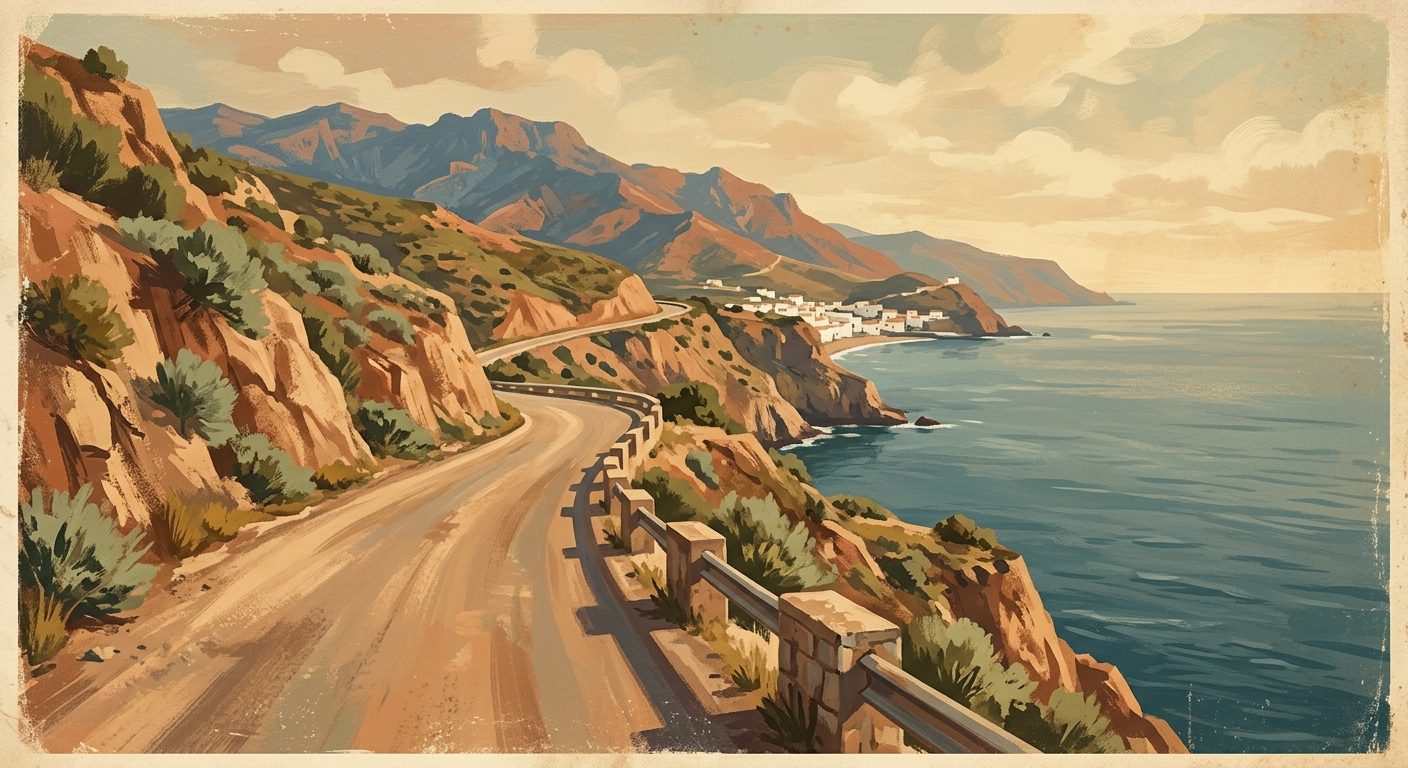
In February 1937, tens of thousands of men, women and children fled the besieged city of Málaga along a coastal highway, carrying whatever they could hold. Their desperate flight towards Almería became a tragic gauntlet of naval and aerial bombardment, leaving a permanent scar on the historical memory of southern Spain.
Early February 1937 brought panic to the streets of Málaga. During the Spanish Civil War (1936 to 1939), the city had become an isolated Republican stronghold on the southern coast, cut off from the main zone of government control by a vast swathe of Nationalist territory. Food was scarce, political factions within the city were deeply divided, and thousands of refugees from surrounding villages had already swelled the population. When the Nationalist offensive finally breached the city limits, it triggered a mass civilian exodus that would become known as La Desbandá (The Stampede). This event was a civilian catastrophe of immense proportions, fundamentally altering the demographic and psychological landscape of the region.
The Vulnerability of Málaga
In the early months of the conflict, Málaga operated almost as an independent canton. The local worker committees and militias held more practical power than the distant central government. While this fiercely independent spirit defined the city, it also left its defences disorganised and poorly supplied. The geographical position of Málaga compounded the danger. The city was pinned against the Alboran Sea to the south, with rugged mountain ranges isolating it to the north and west. The only viable land route connecting Málaga to the rest of Republican Spain was the Carretera de Almería, a narrow coastal highway heading eastwards.
By late 1936, Nationalist forces under the command of General Gonzalo Queipo de Llano began a steady advance. Queipo de Llano was notorious for his nightly radio broadcasts from Sevilla, using psychological warfare to terrify the Republican population. He routinely promised brutal reprisals and mass executions once his troops took Málaga. These broadcasts were highly effective in sowing terror among the civilian population, laying the psychological groundwork for the panic that would follow.
The military balance shifted decisively in early 1937 when the Italian Corpo Truppe Volontarie, a Fascist expeditionary force sent by Benito Mussolini, joined the offensive. Armed with light tanks and modern artillery, the Italian troops overwhelmed the lightly armed Republican militias defending the mountain passes. As the defensive lines crumbled on the 6th and 7th of February, the reality of an imminent occupation set in.
The Exodus on the Coastal Road
Realising the city was lost, military commanders and civilian authorities began to evacuate, largely abandoning the broader population to their fate. Driven by the fear of Queipo de Llano and his promised retribution, civilians took matters into their own hands. On the 7th of February, a massive, uncoordinated stream of people poured out of the eastern suburbs of Málaga onto the N-340 road.
This was not a military retreat, but a desperate civilian flight. Families walked with whatever possessions they could carry on their backs, on donkeys, or in handcarts. The demographics of the crowd included the elderly, pregnant women, and thousands of young children. Historians continue to debate the exact number of people who took to the road, as the chaos of the evacuation left no formal records. Estimates typically range between 60,000 and 100,000 refugees, though some local historians argue the influx from surrounding rural areas could have pushed the figure even higher.
The physical environment immediately turned against them. The Carretera de Almería in 1937 was a treacherous route. In many places, the road was merely a dirt track carved directly into the cliff faces, squeezed tightly between the foothills of the Sierra Nevada and the sea. There was no cover, no alternative route inland, and virtually no source of fresh water or food along the initial stretches of the journey.
Death from Land, Sea and Air
The tragedy of La Desbandá lies primarily in the deliberate targeting of this exposed civilian column. As the refugees marched slowly eastwards, Nationalist forces pursued them relentlessly. On land, advancing Italian and Spanish troops fired upon the rearguard of the column, forcing the exhausted civilians to keep moving at a frantic pace.
The most devastating attacks came from the sea. Nationalist cruisers, notably the Canarias, Baleares and Almirante Cervera, sailed in parallel with the refugee column. Unopposed by any Republican naval forces, these ships trained their heavy artillery on the coastal road. The bombardment caused massive casualties, not only from direct hits but also by triggering rockfalls from the cliffs above, which crushed people and blocked the narrow path. Panic ensued as families were separated in the smoke and confusion, with many people falling to their deaths on the rocks below.
From the air, Italian and German aircraft flew low over the road, dropping incendiary bombs and strafing the tightly packed crowds with machine-gun fire. The combination of naval artillery and aerial strafing created a gauntlet of death that stretched for nearly 200 kilometres towards Almería. Bridges over rivers, such as the Guadalfeo near Motril, had been destroyed by retreating Republican troops, forcing the terrified refugees to cross the freezing winter waters on foot, leading to further drownings and deaths from exposure.
The death toll of La Desbandá remains a subject of intense historical debate. Conservative estimates place the number of dead at around 3,000, while more comprehensive modern studies, including those by the University of Málaga, suggest fatalities easily exceeded 5,000. Because bodies were left by the roadside, washed out to sea, or buried in shallow, unmarked pits by survivors, a definitive count will never be possible.
Norman Bethune and the Mobile Blood Bank
Much of what the world knows about this atrocity is due to the presence of Dr Norman Bethune, a Canadian thoracic surgeon. Bethune had travelled to Spain to support the Republican cause and pioneered a mobile blood transfusion unit, adapting a Ford station wagon with a kerosene-powered refrigerator to bring life-saving blood directly to the front lines.
Hearing reports of the fall of Málaga, Bethune and his assistants, Hazen Sise and Thomas Worsley, drove south from Almería expecting to treat wounded soldiers. Instead, they encountered a relentless stream of exhausted, starving and wounded civilians. Bethune quickly realised that blood transfusions were of no use to people dying of starvation and exposure. In a profound humanitarian gesture, he ordered his team to empty the vehicle of its medical equipment.
For several days, Bethune and his team drove back and forth along the most dangerous sections of the road, loading the station wagon with the most vulnerable refugees. They prioritised children separated from their parents, the severely wounded, and the elderly, ferrying them to safety in Almería. During this harrowing operation, Hazen Sise used a camera to document the crisis. These photographs captured the exhaustion, the terror, and the sheer scale of the civilian suffering. When Bethune later published his account and photographs in a pamphlet titled The Crime on the Road Malaga-Almeria, it provided undeniable visual proof of the atrocity, decisively refuting Nationalist claims that the coastal route had been an exclusive military target.
The Repression in Málaga
For the tens of thousands of civilians who were unable to escape, or who chose to turn back from the horrors of the coastal road, the situation in occupied Málaga was grim. The occupation forces immediately instituted a systematic campaign of repression against anyone suspected of Republican sympathies, trade union membership, or left-wing political affiliations.
Military tribunals were established, operating with devastating speed and minimal regard for legal defence. The chief military prosecutor in the city was Carlos Arias Navarro, a man whose zeal for signing death warrants earned him the moniker of The Butcher of Málaga. Arias Navarro would survive the regime to eventually serve as the final Prime Minister of Spain under the dictatorship, but his legacy in Andalucía remains forever tied to the mass executions of 1937.
Executions were carried out daily, often against the walls of the Cementerio de San Rafael on the outskirts of the city. The bodies of the condemned were unceremoniously dumped into vast mass graves. The scale of this repression makes Málaga one of the cities that suffered the highest concentration of post-capture executions during the entire conflict.
Where to see it today
The physical evidence of these events has been carefully recovered and memorialised over the last two decades, offering visitors a profound insight into the history of La Desbandá.
The most significant site within the city is the Cementerio de San Rafael. Originally a standard municipal cemetery, it became the focus of the largest mass exhumation in modern Spanish history. Between 2006 and 2009, forensic archaeologists from the Association for the Recovery of Historical Memory systematically excavated the site, recovering the remains of more than 4,000 individuals from unmarked pits. Today, the former cemetery is a dedicated memorial park. At its centre stands a large, striking pyramidal structure constructed from marble. The inner walls of this pyramid are inscribed with the names of over 4,300 known victims of the repression. The park also preserves the physical outlines of the original mass graves, marked with white stones, providing a stark visual representation of the scale of the executions.
To trace the path of the exodus, visitors can follow the Memorial de la Carretera de Almería along the coastline. In Málaga city, the Paseo de los Canadienses is a coastal promenade named in honour of Norman Bethune and his team, featuring a commemorative plaque detailing their humanitarian efforts. Further east, in towns like Torre del Mar and Almuñécar, specific monuments have been erected near the old N-340 road to honour the victims of the naval bombardment. Driving the coastal route, particularly the stretches where the old road still hugs the cliffs near Maro and the Cerro Gordo natural park, offers a sobering perspective on the inescapable geography that trapped the refugees.
If you visit
The Cementerio de San Rafael memorial park is located in the Cruz de Humilladero district of Málaga. It is generally open to the public year round, but visitors should check the official municipal website for exact seasonal opening times before travelling. There is no entrance fee, and the site offers quiet spaces for reflection alongside detailed informational panels in Spanish. To fully grasp the sheer scale and terror of La Desbandá, rent a car and drive the sections of the old N-340 coastal route from Málaga eastwards towards Nerja, Almuñécar and Salobreña. The cooler months between November and February provide the most comfortable weather for exploring these outdoor sites, while also reflecting the actual time of year when this tragic historical exodus occurred.
Last reviewed: 14 July 2026 · Editorial policy
Related guides
A Guide to the Alcazaba de Almería: Spain’s Coastal Citadel
Discover the Alcazaba de Almería, Spain's largest Moorish fortress. Explore its three enclosures, stunning gardens, and the filming locations for Game of Thrones.
6 min read
The Last Almadraba: Blood, Steel, and the Silver Ghost of Barbate
In the coastal town of Barbate, a three-thousand-year-old ritual of blood and silver continues as the bluefin tuna begin their ancient migration.
7 min read
Gadir: Founding the Western Mediterranean
At the edge of the known world, Phoenician sailors established a fortified trading post on a small Atlantic archipelago. Known as Gadir, this settlement anchored a vast maritime network and laid the foundations for the oldest continuously inhabited city in Western Europe.
7 min read

Phoenician Religion in the South: The Sanctuaries of Melqart and Astarte
At the extreme edge of the known world, Phoenician mariners raised monumental sanctuaries to Melqart and Astarte, transforming the coast of Andalucía.
7 min read
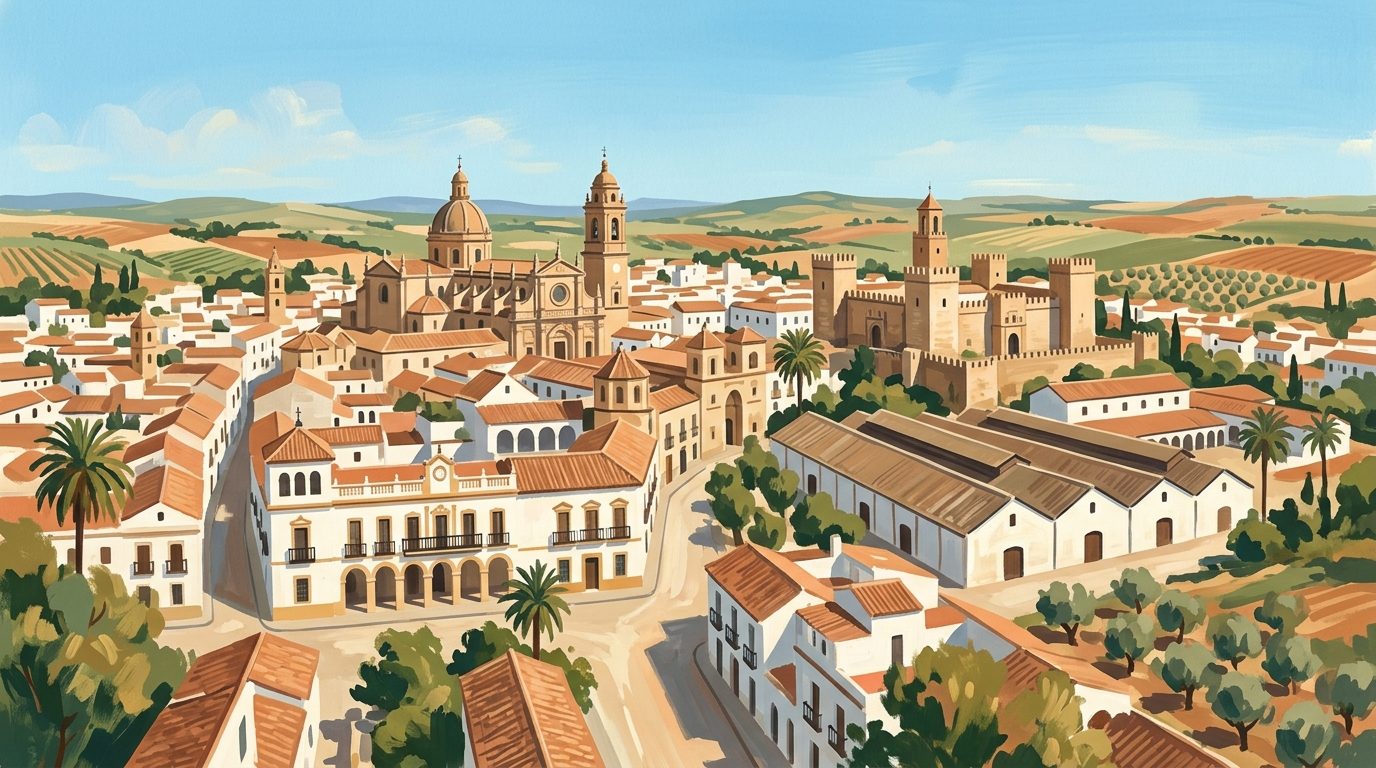
Jerez de la Frontera: A Guide to the City of Sherry and Horses
Discover the heart of the Sherry Triangle in Jerez de la Frontera, a city where aristocratic bodegas, elite equestrian schools, and authentic flamenco traditions create a unique Andalucían experience.
6 min read
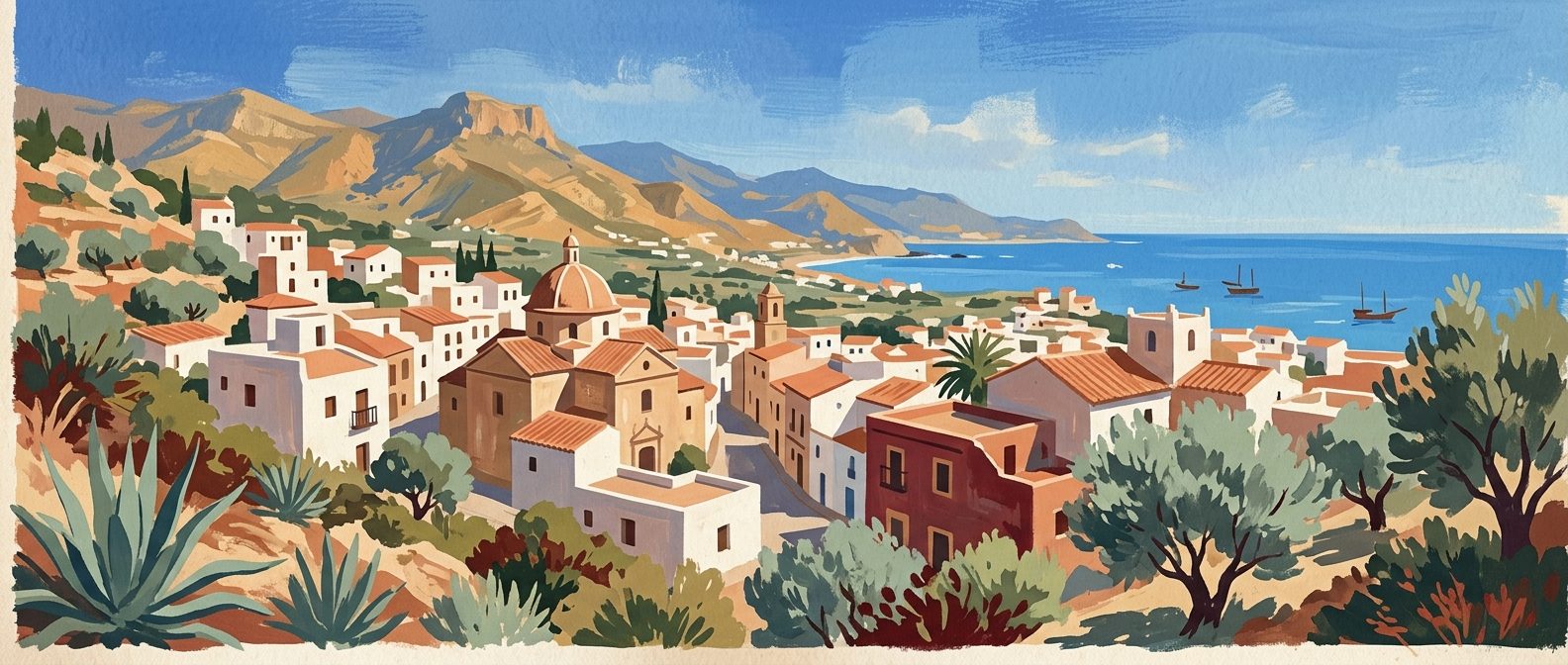
Exploring Vera: From Medieval Ruins to Europe’s Leading Naturist Shores
Vera offers a dual experience, combining a traditional Almerian town full of archaeological significance with one of Europe's most famous naturist beaches.
5 min read
More from Almería
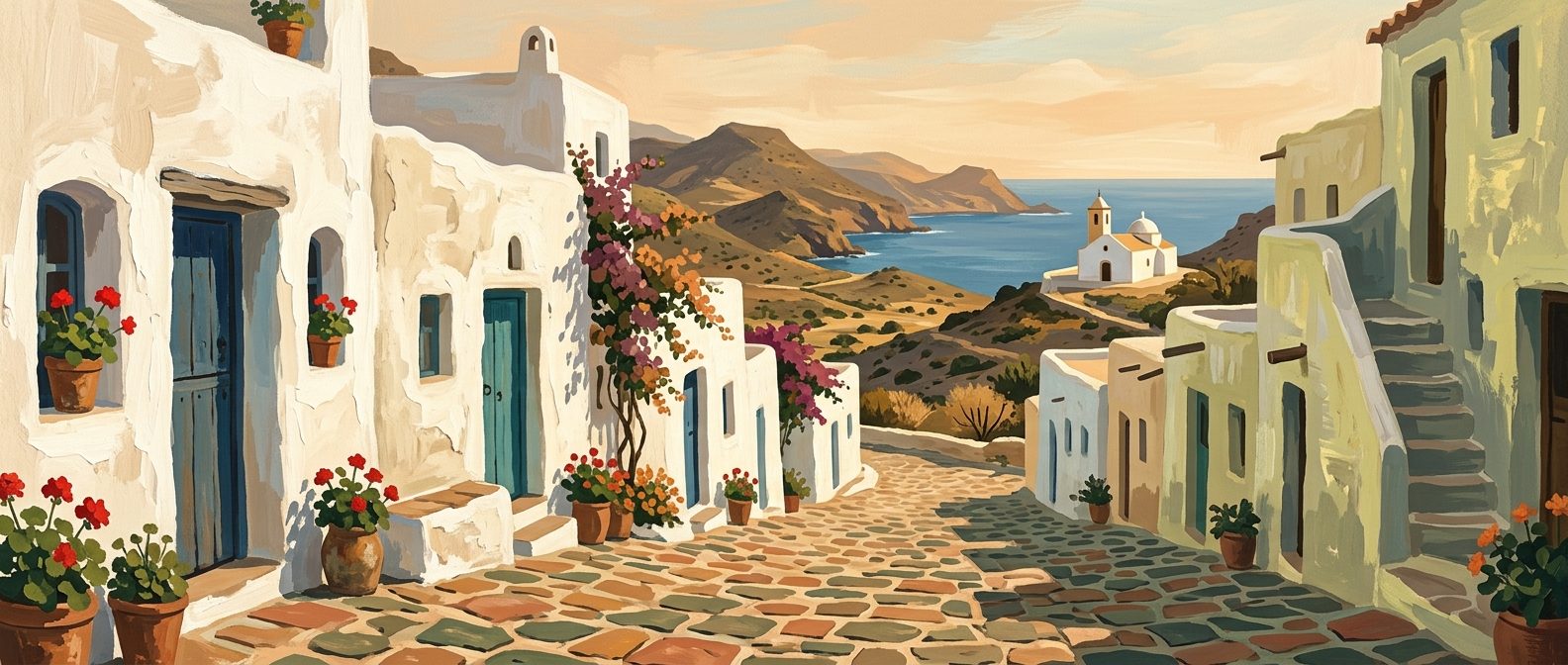
Costa de Almería: The Complete Guide
The Costa de Almería is an arid, volcanic stretch of coastline where the Mediterranean meets the desert. It is the least developed of the Andalucían costas and offers vast natural parks alongside quiet fishing villages.
9 min read

Beneath the White Canopy: Understanding Almería’s Extraordinary Sea of Plastic
A deep dive into Almería's 'Mar de Plástico', the 30,000-hectare sea of greenhouses that transformed a desert into Europe's primary winter garden.
7 min read
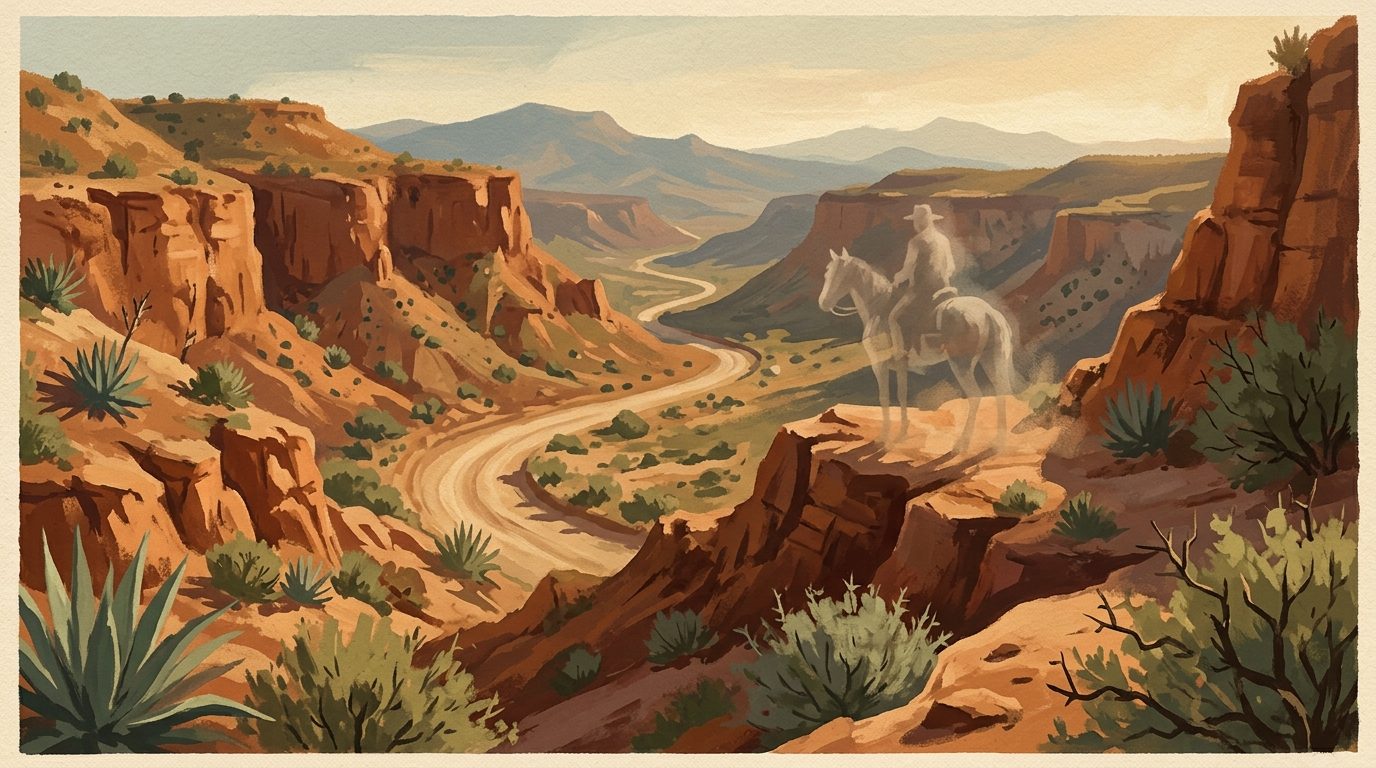
The Ghost of the Outlaw in the Badlands of Almería
The dust in Tabernas does not merely sit on the surface; it inhabits the lungs, a fine, ochre silt that has tasted both Hollywood gunpowder and the silence of the ancient seabed.
6 min read
Newsletter
More stories from Andalucía
Weekly notes, seasonal picks, and the next guides worth bookmarking.