
Megalithic Landscapes of Andalucía: Ancient Stone Monuments
Discover the monumental stone structures and burial chambers that define the prehistoric landscape of southern Andalucía. These ancient sites offer a profound connection to the Neolithic and Bronze Age civilisations.
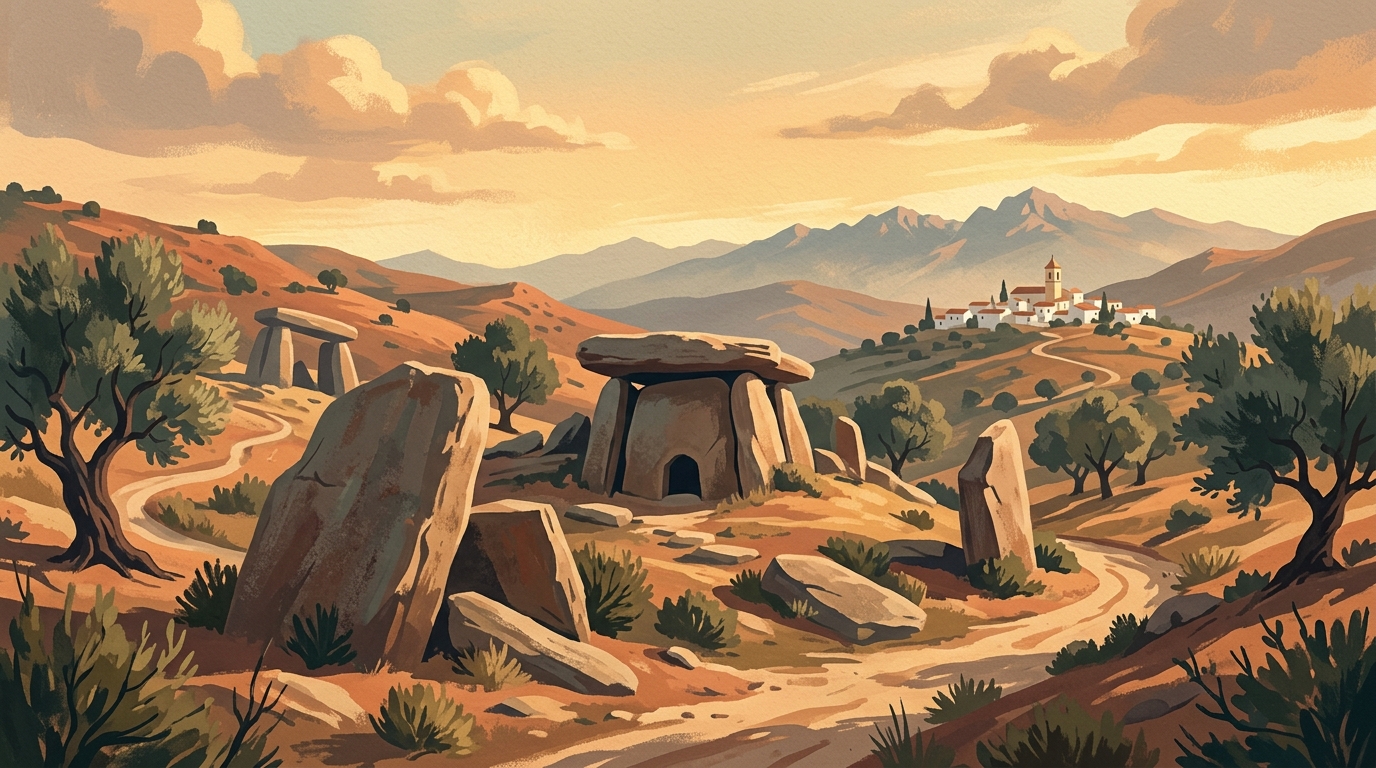
The ancient landscapes of Andalucía hold some of the most significant megalithic structures in Europe, representing a transition from nomadic existence to settled agrarian societies. These colossal stone monuments serve as silent witnesses to the sophisticated engineering and spiritual depth of the prehistoric peoples who once inhabited the Iberian Peninsula.
The megalithic heritage of Andalucía shows the ingenuity of early human societies. These structures, primarily dating from the Neolithic to the Bronze Age, are more than simple stone piles; they are complex architectural feats that demonstrate an advanced understanding of geometry, astronomy, and communal effort. In Almería, the Los Millares site (check the official portal for the current enclave page) showcases one of the most important Copper Age settlements in Europe, complete with a massive defensive system and a vast necropolis. In Málaga, the Antequera Dolmens Site, a UNESCO World Heritage site, illustrates the unique relationship between human construction and the natural landscape, particularly the orientation towards the Peña de los Enamorados. This theme allows travellers to step back thousands of years and contemplate the origins of social hierarchy, religious belief, and funerary rites. Understanding these sites provides a foundation for appreciating the later Phoenician, Roman, and Moorish layers of Andalucían culture. By exploring these monuments, one gains perspective on the enduring human desire to mark the landscape and honour the dead through permanent, monumental architecture.
How they cluster
The megalithic sites of the region are broadly distributed across three primary hubs, each offering a distinct window into prehistoric life. The eastern cluster in Almería is dominated by the Los Millares culture. Here, the sites are often associated with early metallurgy and large-scale settlements. The arid landscape has preserved these stone structures exceptionally well, allowing visitors to see the remnants of fortresses and circular tombs that defined the life of the Almerían Copper Age. These sites are typically characterised by their defensive walls and organised residential zones, reflecting a society capable of complex resource management.
In the central province of Málaga, the concentration around Antequera represents the pinnacle of megalithic architecture. This cluster is famous for its massive scale and the unusual orientation of its dolmens. Unlike most megalithic sites that align with the sun, the Menga Dolmen is oriented towards a specific natural landform. This area serves as a focal point for understanding how prehistoric builders integrated natural features into their sacred geography. The proximity of these three massive dolmens makes it a highly efficient location for those with limited time.
The western cluster, located in Huelva, features sites like the Dolmen de Soto. This region is characterised by passage graves that often contain intricate carvings and engravings. These sites demonstrate the artistic expression of the era, with symbols that suggest a complex belief system and a preoccupation with light and shadow. The Huelva sites often feel more intimate than the massive Almerían settlements, providing a sense of the personal and familial nature of prehistoric burial practices.
In what order to visit
A comprehensive exploration of Megalithic Andalucía is best conducted as a cross-regional journey from east to west. Starting in Almería allows for an introduction to the earliest urban developments. Begin at Los Millares to understand the defensive and communal aspects of the Copper Age. From there, the route heads west into the heart of Málaga province. This direction follows the general spread of various archaeological influences and provides a narrative of increasing architectural complexity.
Upon reaching Antequera, the scale of the monuments increases significantly. Spending a full day here is essential to appreciate the three distinct dolmens and the surrounding natural park. This central location acts as a bridge between the eastern settlement patterns and the western funerary traditions. The transition from the dry, open plains of Almería to the limestone crags of Antequera provides a stark visual change that mirrors the architectural shifts found in the stone structures themselves.
The final leg of the journey takes you into Huelva. This stage of the trip focuses on the detail and decoration of the megalithic era. The Dolmen de Soto provides a fitting conclusion to the sequence, as its long passage and decorated orthostats offer some of the most evocative imagery found in the region. This east-to-west trajectory allows for a gradual deepening of knowledge as the sites become more artistically complex and visually striking in their interior details.
When to go
Timing is a critical factor when visiting these ancient monuments, as many of them are located in exposed, rural areas with little shade. The spring months of April, May, and June are generally ideal, though heat increases significantly toward the end of June. For those travelling from late June onwards, it is best to strictly follow the summer caution advice regarding heat. During the earlier spring period, the countryside is green and the temperatures are moderate, making the outdoor walks between different parts of a site enjoyable. The clear skies also provide the best light for photographing the stone textures and the surrounding landscapes.
Autumn, specifically October and November, is another excellent choice. The intense heat of the Andalucían summer has faded, yet the days remain long enough for thorough exploration. Many of these sites are oriented towards celestial events, such as the equinoxes. Visiting during the spring or autumn equinox can provide a unique perspective on how the ancient builders used the sun to illuminate the interior chambers of their tombs, although these specific days often require advance planning and may be subject to special events or limited access.
The summer months of July and August should be approached with caution. Temperatures in Almería and the inland areas of Málaga and Huelva can exceed 40 degrees Celsius. If visiting during this time, it is vital to arrive at the sites as soon as they open in the morning. Conversely, winter can be a peaceful time to visit, with fewer crowds and crisp, clear air, though one should be prepared for cooler temperatures and the possibility of rain, which can make some rural paths muddy and difficult to navigate.
Practical notes
Planning a visit to Andalucían megalithic sites requires attention to seasonal opening hours. Most sites are managed by the Junta de Andalucía and transition to summer hours (typically earlier closing) starting 1 June. It is common for sites to close on Mondays, unless the day coincides with a public holiday (check the operator's website before travelling, as schedules for specific sites like Dolmen de Soto occasionally deviate from the regional standard). Accessibility varies between locations. Major sites like the Antequera Dolmens have visitor centres and accessible facilities, but sites in Almería or rural Huelva may involve walking on uneven ground. Sturdy footwear is essential.
While many sites are free to enter, some significant archaeological complexes charge a nominal fee for non-EU visitors (typically around €1.50, but check the official Museos de Andalucía website for current rates before travelling), while remaining free for EU citizens with valid ID. Photography is generally permitted for personal use, but flash or tripods inside chambers are often restricted to protect the ancient stones and engravings. Guided tours are often available and provide invaluable insight into the excavations. Pre-booking these tours online is often necessary during peak seasons or for smaller sites with limited capacity.
5 guides in this collection

Antequera: The Historic Heartland of Inland Málaga
Discover Antequera, the historic heart of inland Málaga, featuring UNESCO World Heritage dolmens, the extraordinary karst landscape of El Torcal, and a Moorish fortress.
6 min read
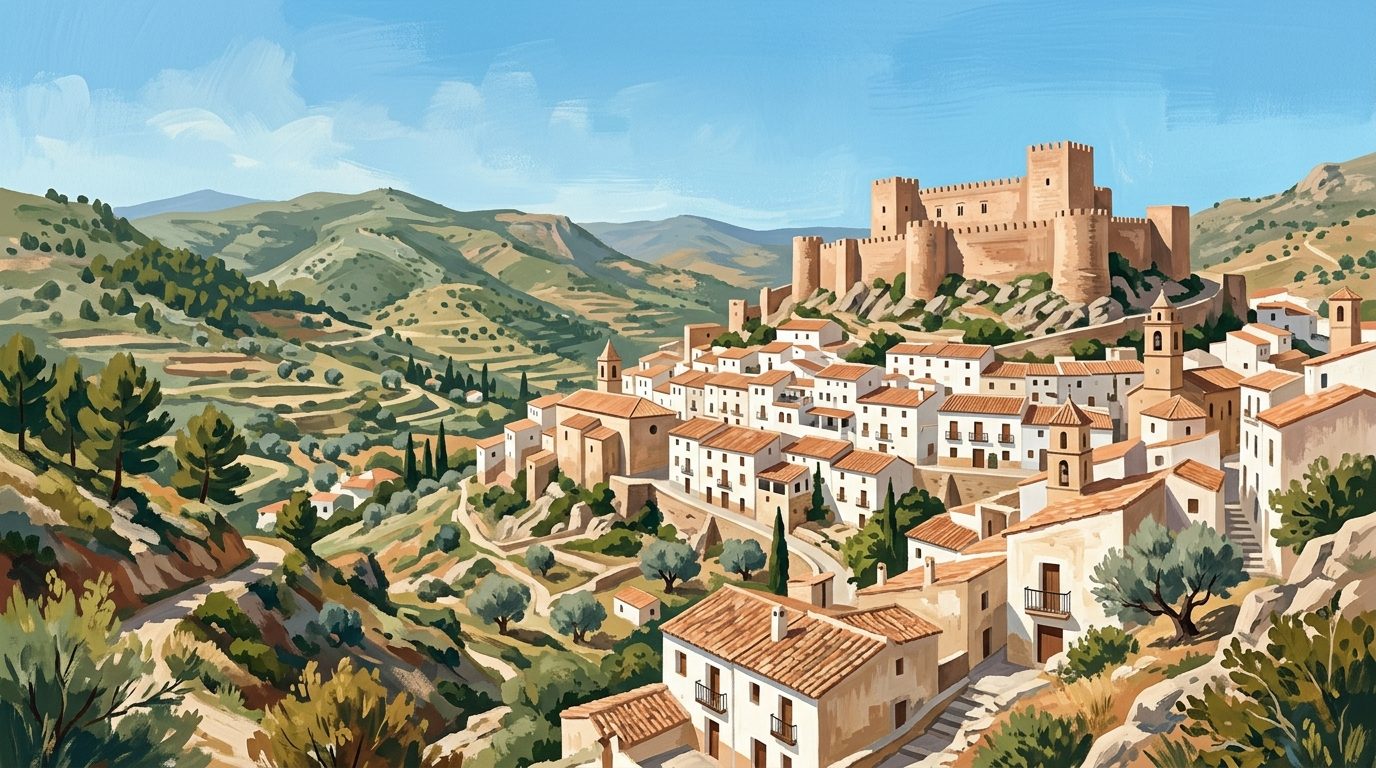
Los Vélez: Almería’s High-Altitude Renaissance Borderlands
Escape the desert and discover Los Vélez, Almería's mountain stronghold where Renaissance castles, Baroque churches, and prehistoric rock art meet the rugged peaks of the Sierra de María.
7 min read
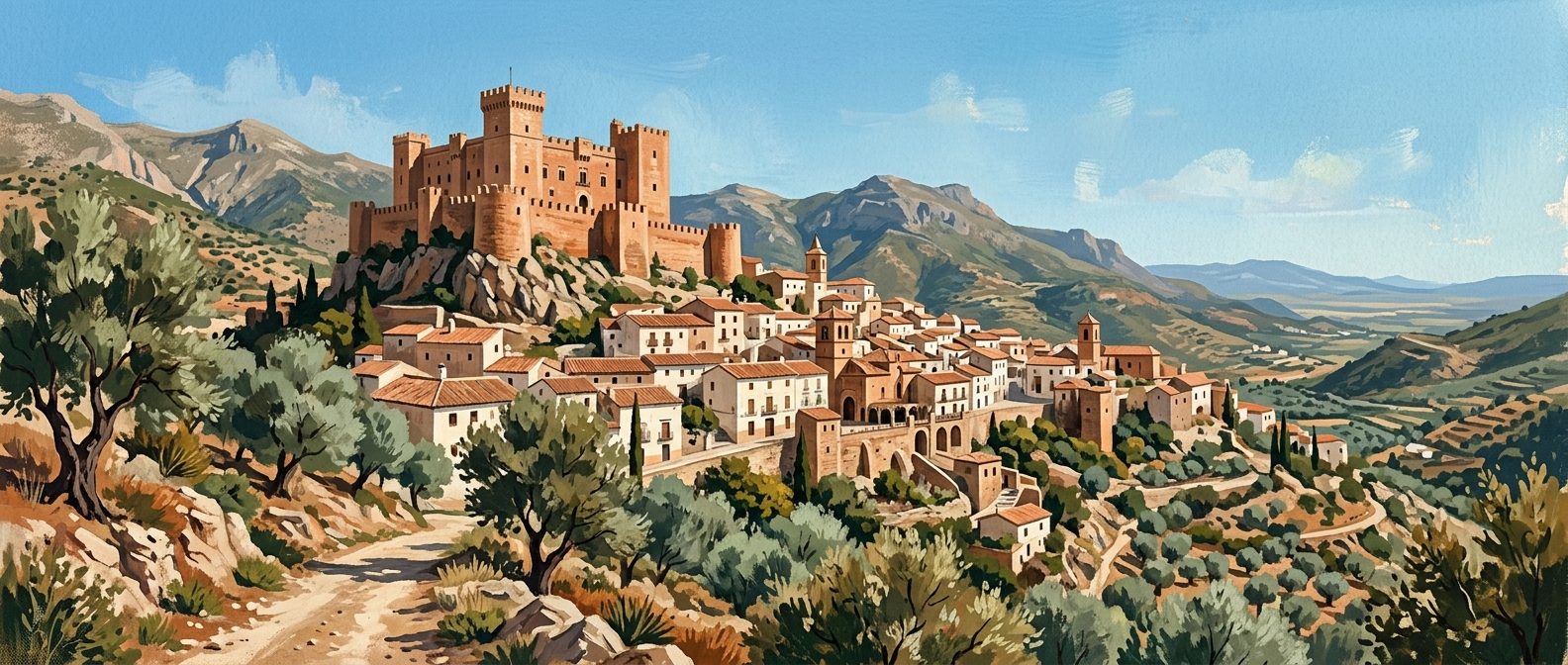
Vélez-Blanco: The Renaissance Stronghold of the Almería Highlands
Discover Vélez-Blanco, a high-altitude Almerían village featuring a 16th-century Renaissance castle and UNESCO-listed prehistoric cave art.
6 min read

The Subterranean Soul of Granada: Life Beneath the Earth in Guadix and The Marquesado
Discover a prehistoric landscape of red clay badlands and whitewashed chimneys in the Marquesado and Guadix, where centuries-old cave dwellings offer a unique way of life.
6 min read
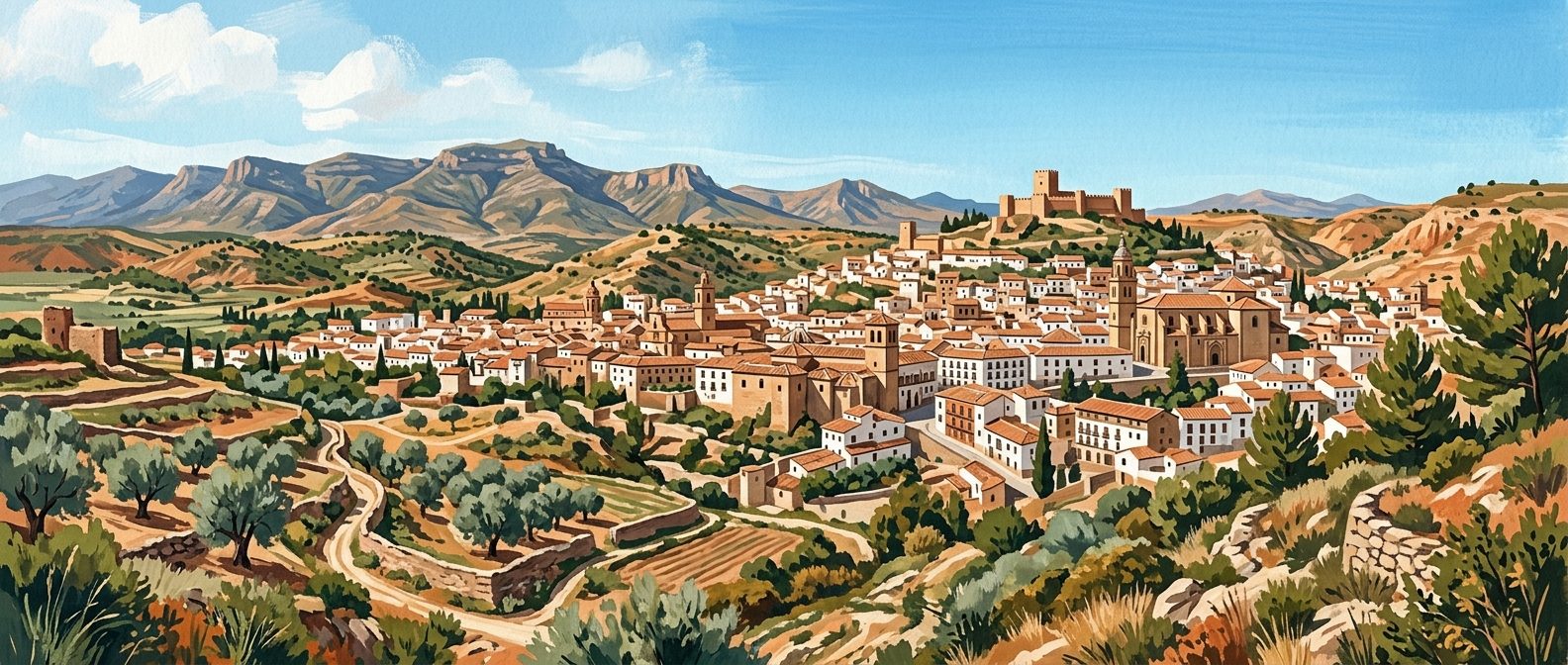
Exploring Baza: The Gateway to Granada’s High Plateau
Discover Baza, a historic gateway to Granada's Altiplano featuring ancient cave dwellings, remarkably preserved Arab baths, and the legacy of the Iberian Lady of Baza.
6 min read