
The White Villages of Andalucía: A Guide to the Pueblos Blancos
Discover the iconic white villages of Cádiz and Málaga, where lime-washed houses and narrow Moorish streets define the rugged mountain landscape of Andalucía.
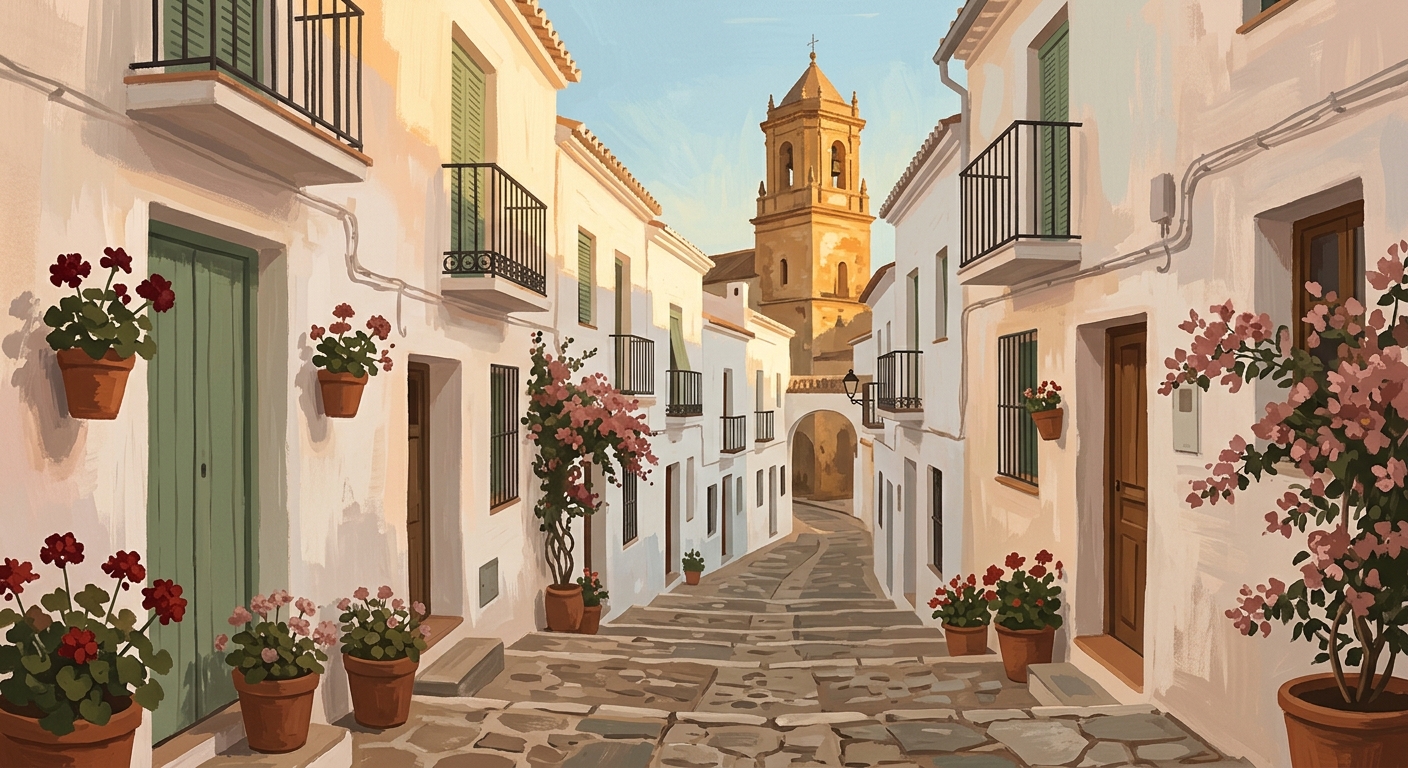
The whitewashed facades of the Pueblos Blancos serve as a striking reminder of the region's agricultural past and defensive architecture. These villages, often perched upon craggy limestone outcrops, represent a way of life that has persisted for centuries against the backdrop of the rugged sierras.
The Pueblos Blancos represent more than just a attractive aesthetic: they are the physical manifestation of the complex heritage of southern Spain. These settlements evolved through a specific set of geographical and historical pressures, largely originating during the Al-Andalus period. Established by Berber farmers who sought refuge in the high altitudes of the Cádiz and Málaga mountains, their defensive positioning on steep ridges allowed for protection during the centuries of conflict between Moorish and Christian forces. The characteristic white colour comes from the traditional practice of lime washing the exterior walls, known as cal. Historically, this served a dual purpose: reflecting the intense southern sun to keep interiors cool and acting as a natural disinfectant during times of plague. The suffix de la Frontera, found in many village names, denotes their location on the shifting frontier between the Kingdom of Castile and the Nasrid Kingdom of Granada. Today, these villages provide a direct connection to the rural identity of Andalucía, serving as centres for traditional craftsmanship, from leatherwork to olive oil production. Understanding these villages is essential for anyone wishing to grasp the social structure and architectural ingenuity of the Andalucían interior.
How they cluster
The Pueblos Blancos are primarily concentrated in the mountainous areas of the Cádiz and Málaga provinces, forming the famous Ruta de los Pueblos Blancos. While the term is broad, these villages typically fall into three distinct geographical clusters that share similar topographies and architectural styles. The most famous group is found within the Sierra de Grazalema Natural Park. This area is characterised by dramatic limestone peaks and high rainfall, creating a lush, green environment where villages like Grazalema and Zahara de la Sierra appear to cling to the mountainsides. Here, the focus is on nature, hiking, and the production of woollen textiles.
A second cluster resides in the Serranía de Ronda in Málaga. This group includes the iconic town of Ronda and the unique settlement of Setenil de las Bodegas, where houses are built directly into the overhanging rock of a river gorge. These villages are often more integrated with the wine-growing traditions of the region. Finally, there is the southern Cádiz cluster, including villages like Vejer de la Frontera. While these are closer to the Atlantic coast, they maintain the same Moorish urban planning: narrow, winding streets, secluded courtyards, and a total lack of linear organisation. The landscape here transitions from the high mountains to rolling hills covered in sunflowers and olive groves, providing a different perspective on the white village phenomenon.
In what order to visit
A logical progression for exploring the Pueblos Blancos usually begins at the western entrance to the sierra. Starting in Arcos de la Frontera provides an ideal introduction, as it sits on a massive sandstone ridge overlooking the Guadalete River. From Arcos, the route moves eastwards into the heart of the Sierra de Grazalema. This allows for a sequential visit through the high-altitude villages, where the roads are winding and the views across the turquoise waters of the Zahara-El Gastor reservoir are most impressive.
After crossing the mountain passes of Cádiz, the journey naturally leads into the province of Málaga. Ronda serves as the central hub for this stage of the trip, offering the largest selection of services and a dramatic base from which to explore the smaller satellites like Montejaque or Benaoján. The sequence should ideally conclude with a visit to Setenil de las Bodegas or Olvera. This eastwards trajectory follows the historical line of the frontier and provides a gradual transition from the Atlantic-influenced climate of the west to the drier, more rugged interior of the Málaga mountains. For those starting from the coast, a south-to-north route beginning in Vejer de la Frontera offers a spectacular climb from the sea into the clouds of the Grazalema range.
When to go
Timing a visit to the white villages is crucial for both comfort and visibility. Spring, specifically from late March to early June, is widely considered the optimal period. During these months, the wildflowers of the Grazalema and Ronda mountains are in full bloom, and the temperatures are mild enough for the steep walks required within the villages. The light during spring is particularly clear, making it the best time for photography of the brilliant white facades against the blue sky.
Autumn, from late September to November, is another excellent choice. This is the season of the olive and grape harvests, and the air is crisp. While winter can be cold and surprisingly wet, especially in Grazalema, it offers a quiet, atmospheric experience with fewer visitors. Summer is the most challenging time to visit: temperatures in the interior of Cádiz and Málaga can exceed 40 degrees Celsius. (Current note for summer 2026 travellers: severe heatwaves are already beginning across the interior mountains, so visitors should plan excursions for the early morning.) However, the thick stone walls of the traditional houses and the narrow, shaded streets were designed precisely to combat this heat, providing a natural cooling system that remains effective today.
Practical notes
Navigating the Pueblos Blancos requires careful planning regarding transport and timing. A car is almost essential for reaching the more remote villages, as public transport links between the smaller settlements can be infrequent (it is recommended to check the Damas, Transportes Comes, or the Consorcio de Transportes de la Bahía de Cádiz websites for live bus timetables before travelling). When driving, be prepared for narrow, winding roads and limited parking. Most villages have designated car parks at the entrance; visitors are encouraged to use the 'Park and Ride' or peripheral lots specifically marked for tourists to avoid fines in ZBE (Zona de Gran Afluencia Turística) areas. It is highly recommended to leave vehicles there rather than attempting to drive into the historic centres, where streets are often only wide enough for a single donkey or a very small car, and many villages (notably Arcos de la Frontera and Vejer de la Frontera) now enforce strict 'Resident Only' parking zones during peak season. Visitors should aim for designated public areas, such as Plaza de la Paz in Arcos or Los Remedios in Vejer (check the 'Turismo' section of the specific municipal websites for the most recent traffic maps before travelling).
The siesta is still a vital part of life in rural Andalucía. Shops and many smaller monuments will close between 14:00 and 17:00, with life resuming in the late afternoon. Booking accommodation in advance is advised during the spring festivals and public holidays, as the small guesthouses and boutique hotels fill up quickly. Finally, ensure you have comfortable walking shoes: the charm of these villages lies in their steep, cobbled alleys and hidden viewpoints, which can only be explored on foot.
16 guides in this collection
The White Villages of Cádiz: A High-Altitude Journey Through Andalucía’s Limestone Heartland
Beyond the coastal buzz, these mountain outposts offer a look into a slower, vertical way of life. This is where lime-washed walls meet rugged limestone peaks and ancient cork forests.
10 min read
The Pueblos Blancos Road Trip: A Five-Day Route Through Andalucía’s White Villages
A definitive five-day driving route from the cliffs of Ronda to the Atlantic-facing walls of Vejer de la Frontera, focusing on limestone peaks and Moorish history.
9 min read
Exploring Arcos de la Frontera: The Gateway to the White Villages
Perched on a sheer limestone ridge, Arcos de la Frontera provides a dramatic introduction to the White Villages of Cádiz, where narrow streets end in vertical drops.
5 min read
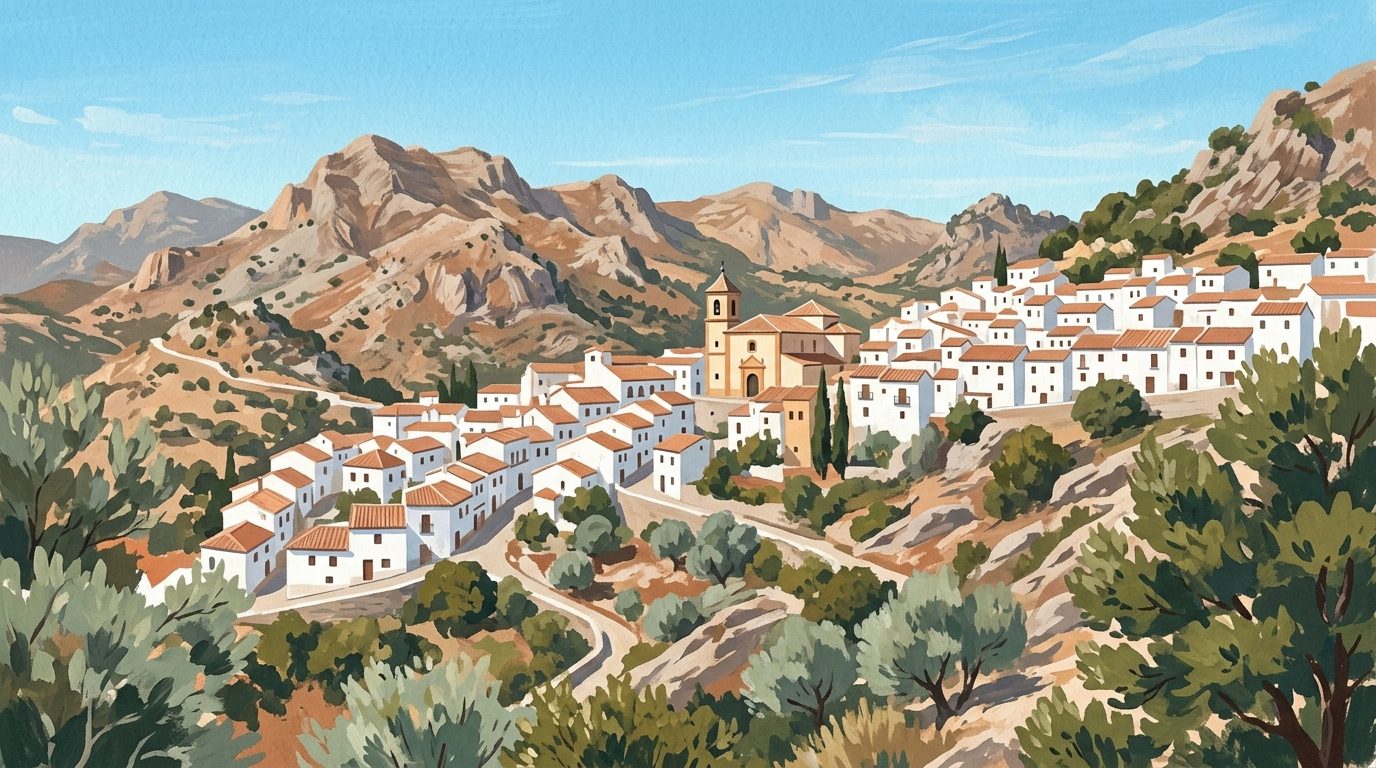
A Guide to Grazalema: The High-Altitude Heart of the Sierra
Grazalema holds the surprising title of the wettest place in Spain, a status that feeds the lush greenery and limestone peaks of its surrounding natural park.
6 min read
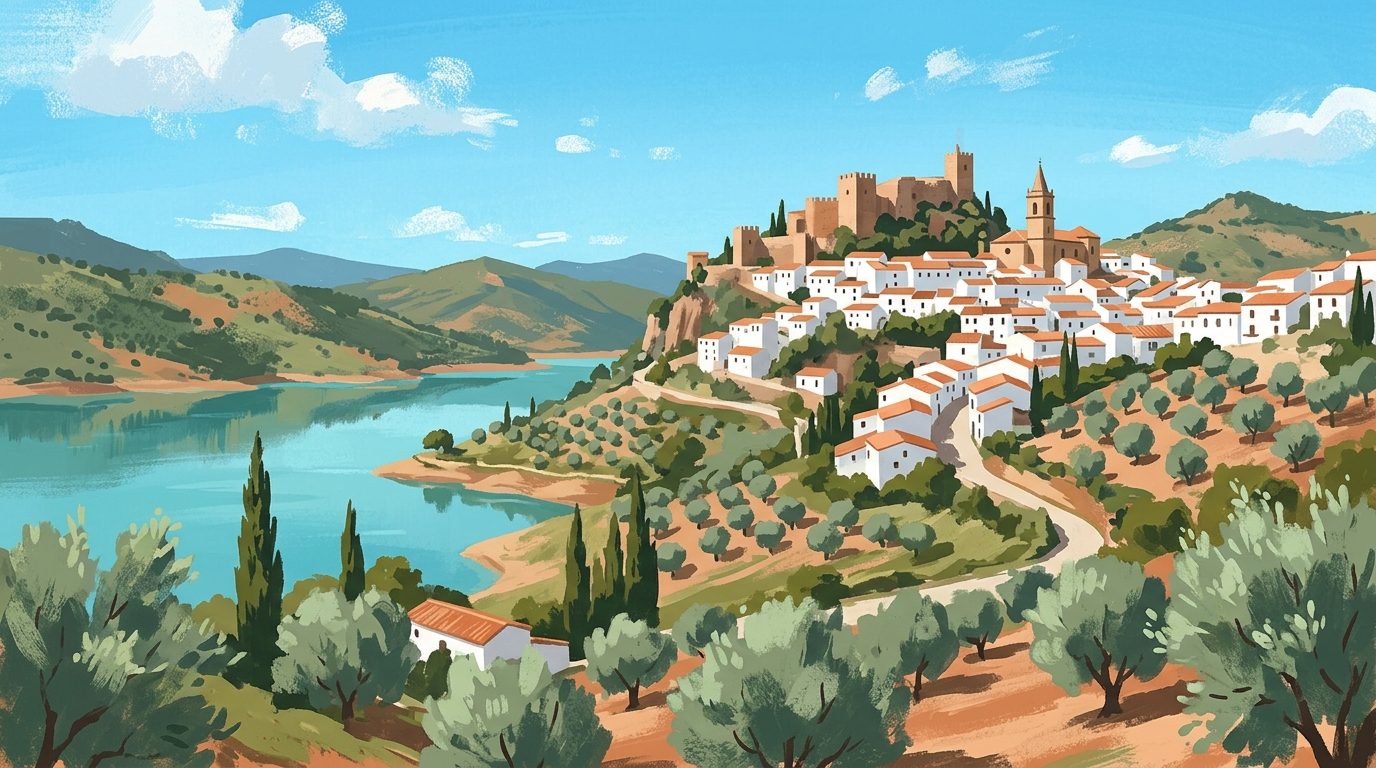
Exploring Zahara de la Sierra: A Guide to Cádiz's Lakeside Hilltop Village
Perched on a craggy peak overlooking a turquoise reservoir, Zahara de la Sierra is one of the most visually striking villages in the Sierra de Grazalema. This former Moorish stronghold offers a blend of medieval architecture and a unique freshwater beach.
6 min read
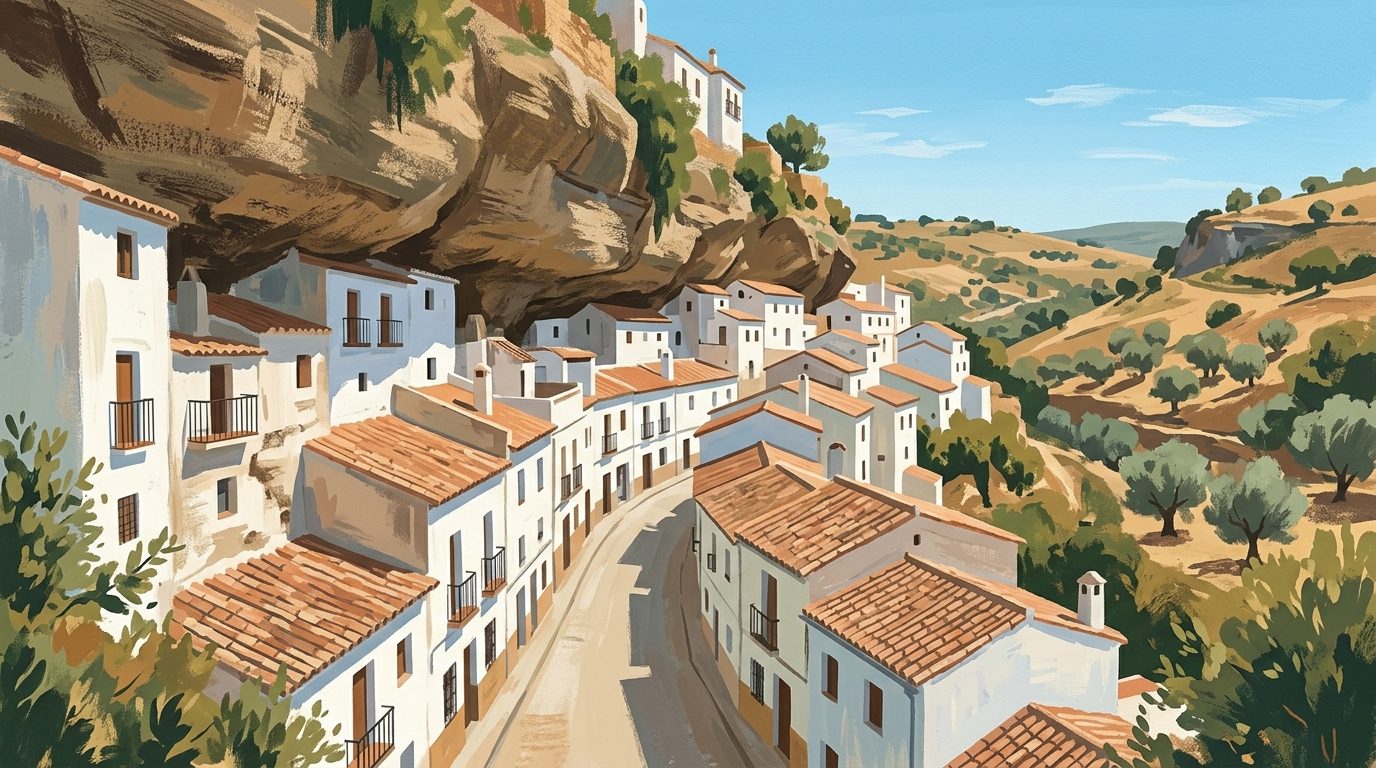
Setenil de las Bodegas: A Guide to the Village Built Under the Rocks
Setenil de las Bodegas turns the traditional concept of a mountain village upside down, with its houses carved directly into the limestone cliffs of the Trejo river gorge.
6 min read
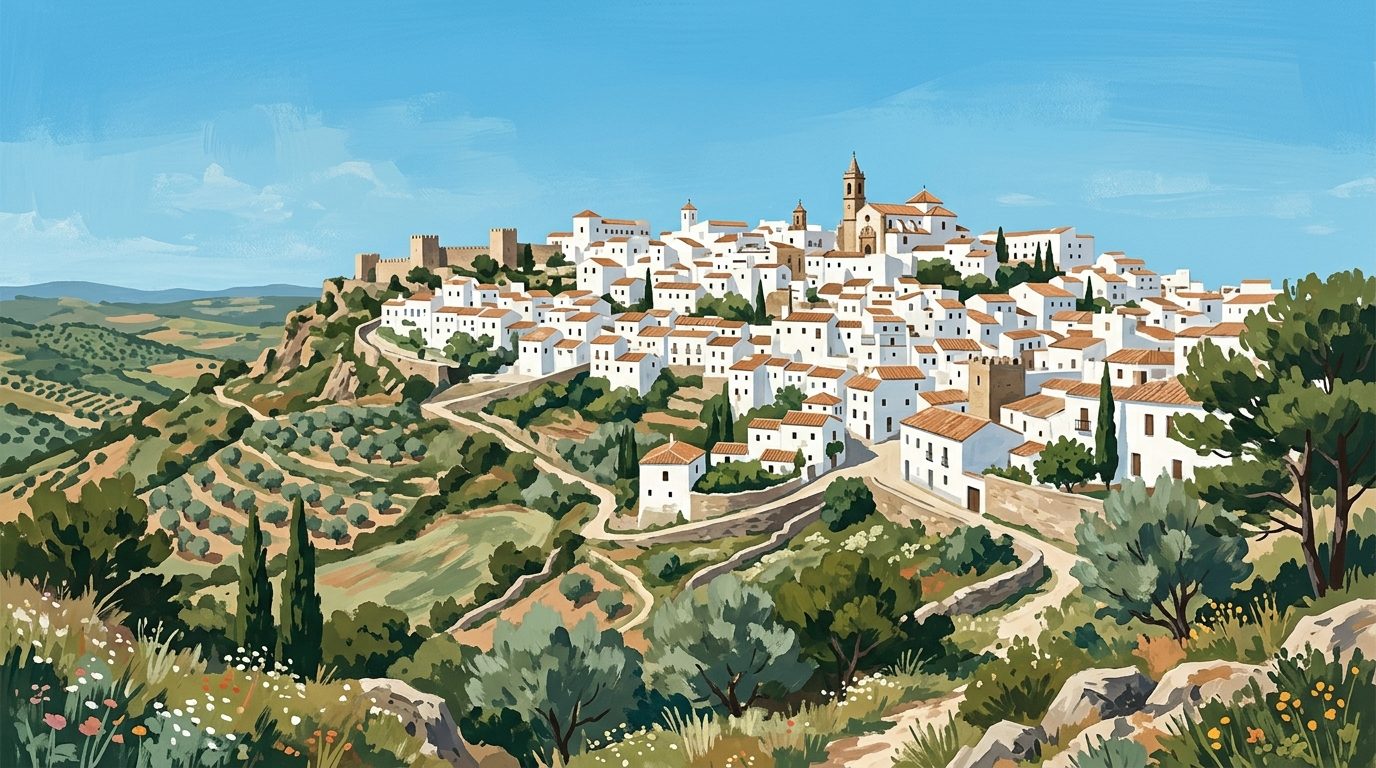
A Guide to Vejer de la Frontera: The Hilltop Sentinel of Cádiz
Perched on a limestone cliff overlooking the Atlantic, Vejer de la Frontera is a perfectly preserved white village where Moorish history and modern gastronomy meet.
6 min read
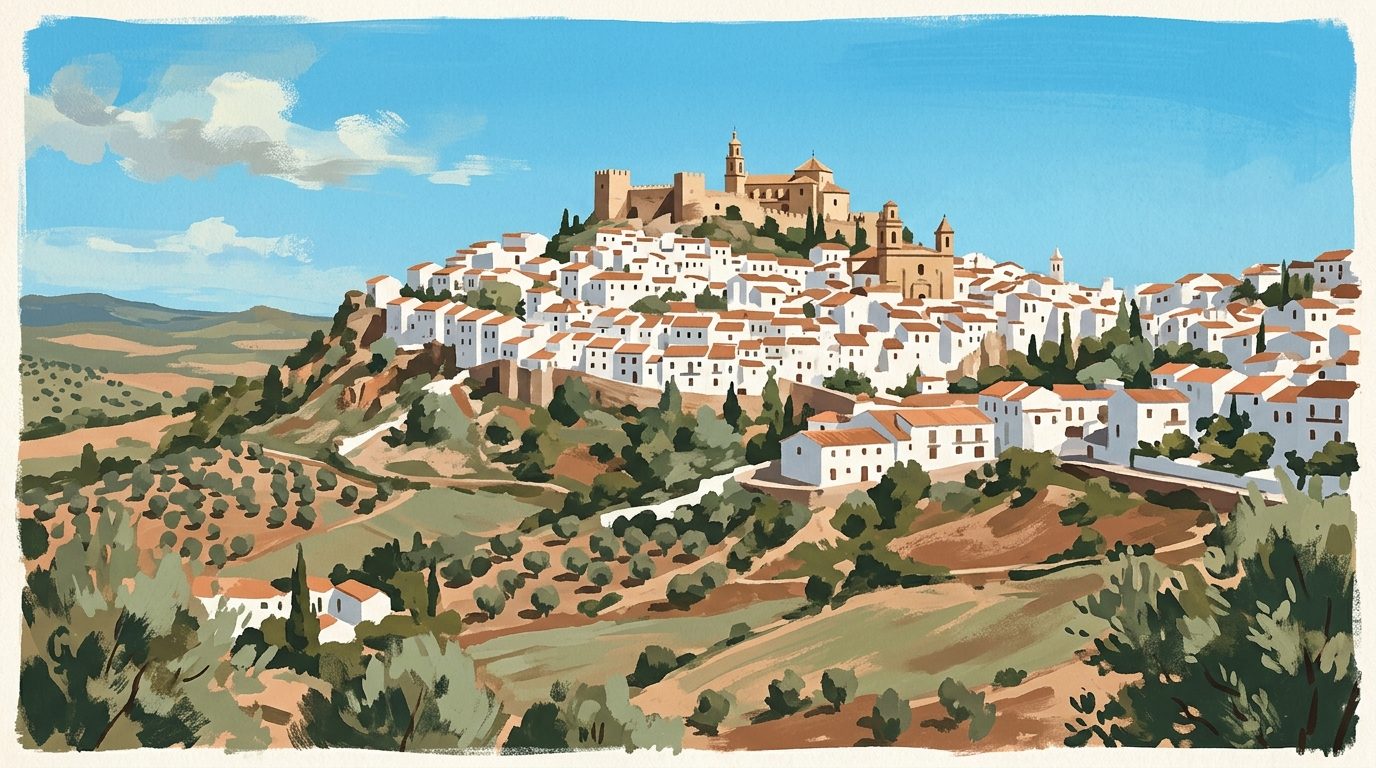
A Guide to Olvera: The Dramatic Silhouette of the Sierra de Cádiz
Discover Olvera, the dramatic white village of Cádiz known for its spectacular hilltop castle, grand neoclassical church, and the scenic Vía Verde de la Sierra.
6 min read
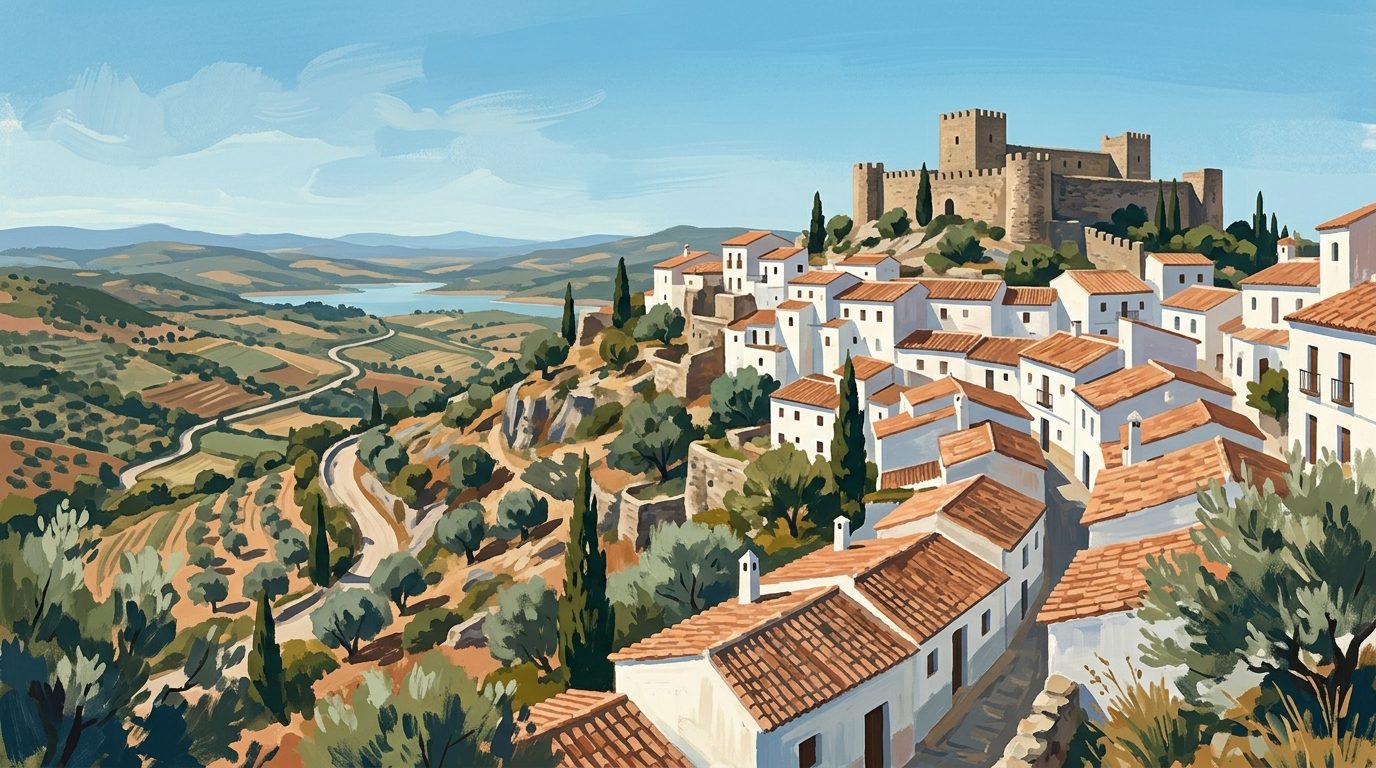
Exploring Castellar de la Frontera: The Fortress Village of Cádiz
Discover Castellar de la Frontera, a unique medieval village contained entirely within a Moorish fortress in the heart of the Alcornocales forest.
5 min read
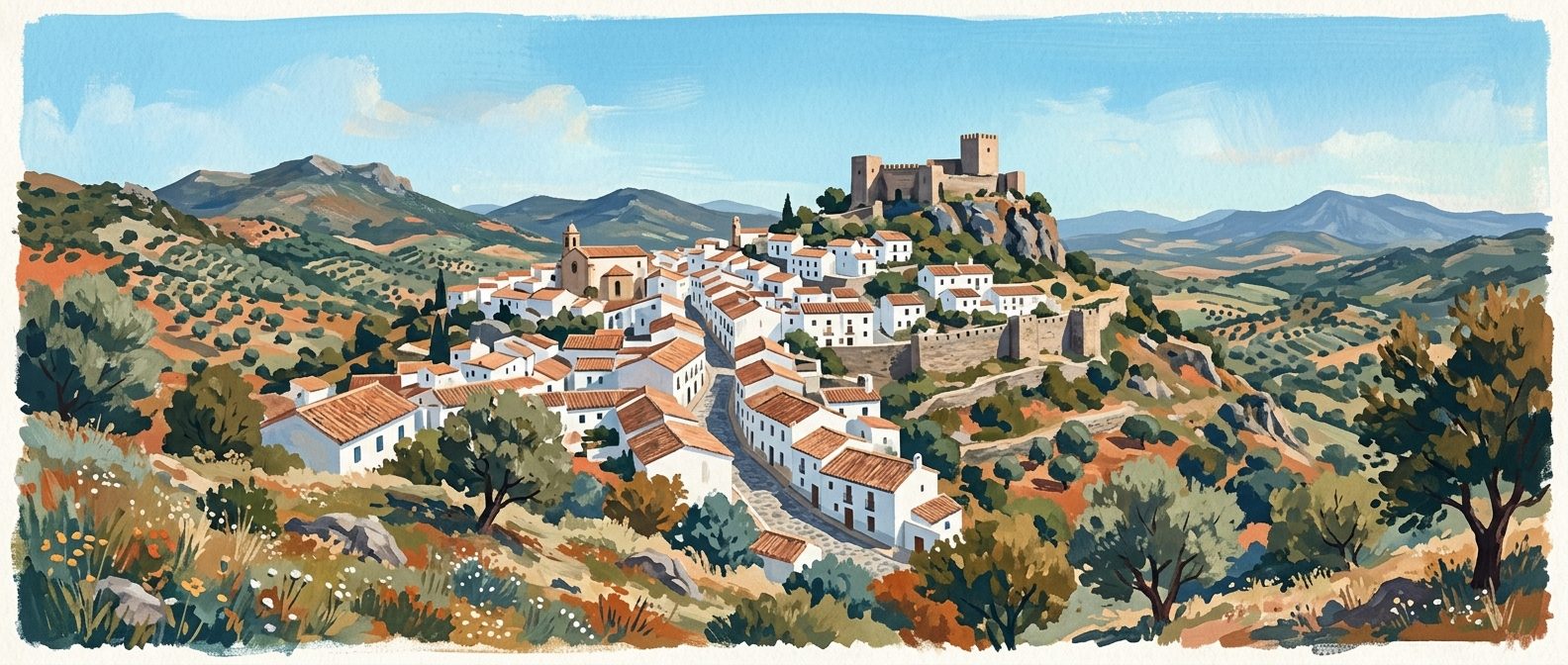
Jimena de la Frontera: A Frontier Stronghold in the Cork Oak Forests
With its commanding Moorish castle and gateway status to the vast Alcornocales Natural Park, Jimena de la Frontera is a quiet alternative to the busier white villages of Cádiz.
6 min read
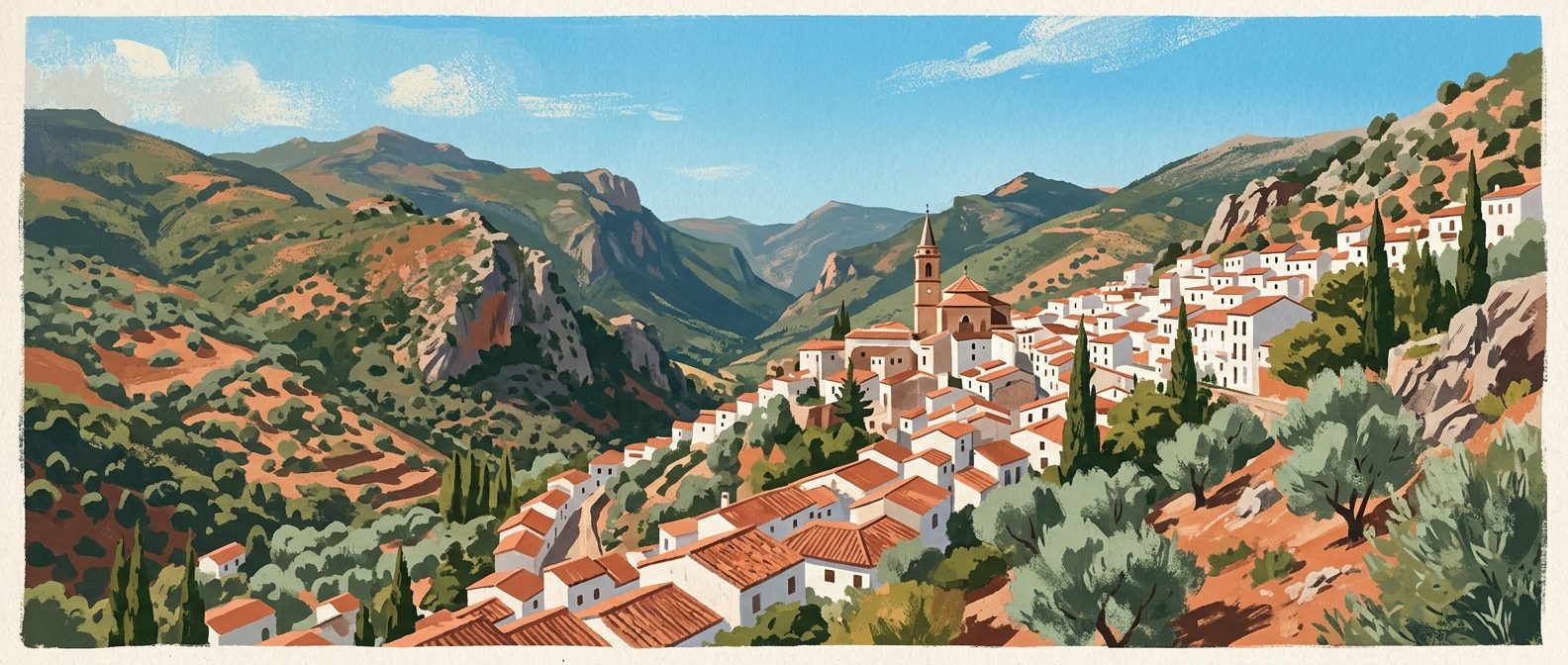
Ubrique: The Industrial Heart of the Sierra de Cádiz
Discover the leather-working capital of Spain, where high-end luxury manufacturing meets ancient Roman ruins and dramatic mountain scenery in the Sierra de Cádiz.
6 min read
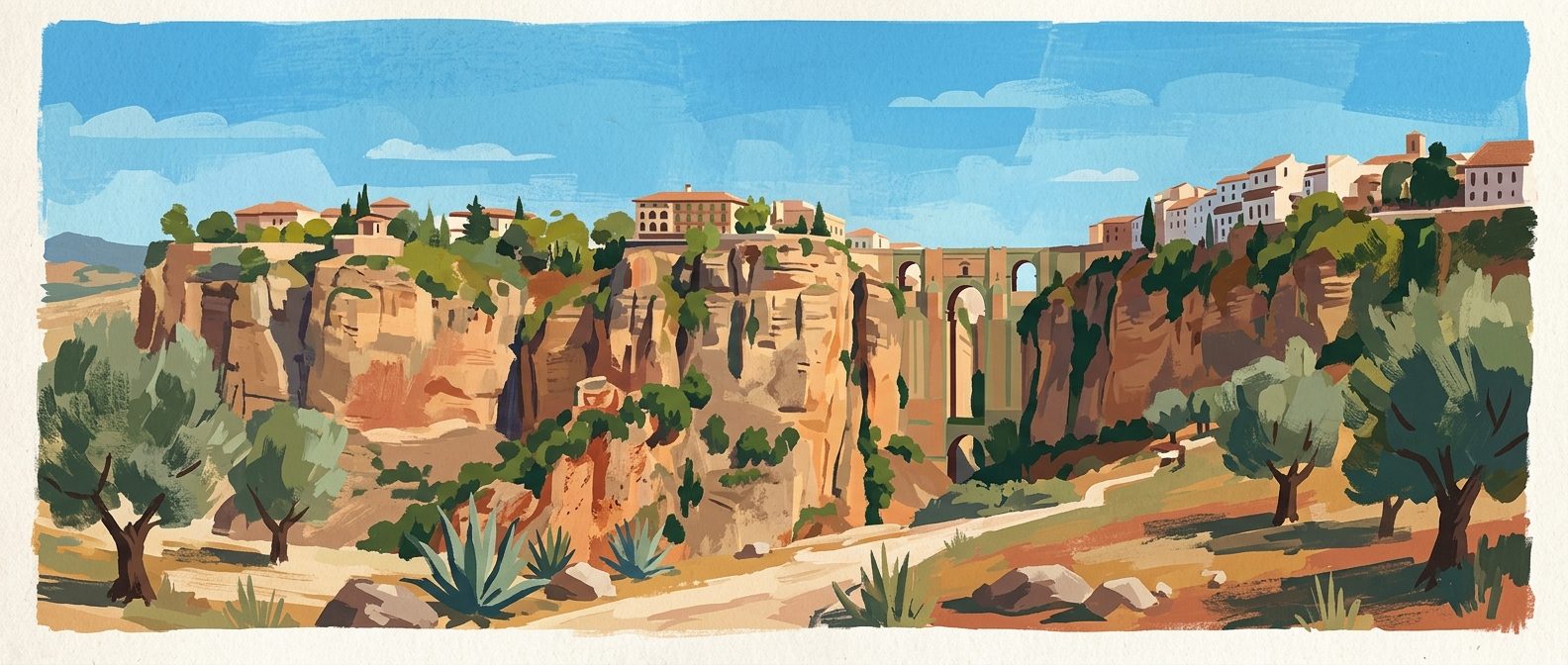
Ronda: The City Defying Gravity Above El Tajo
Ronda is a dramatic clifftop city in Málaga, split by a 120-metre-deep gorge and joined by the iconic 18th-century Puente Nuevo bridge. This guide explores its bullfighting heritage, ancient Arab baths, and the rugged landscape of the Serranía.
6 min read
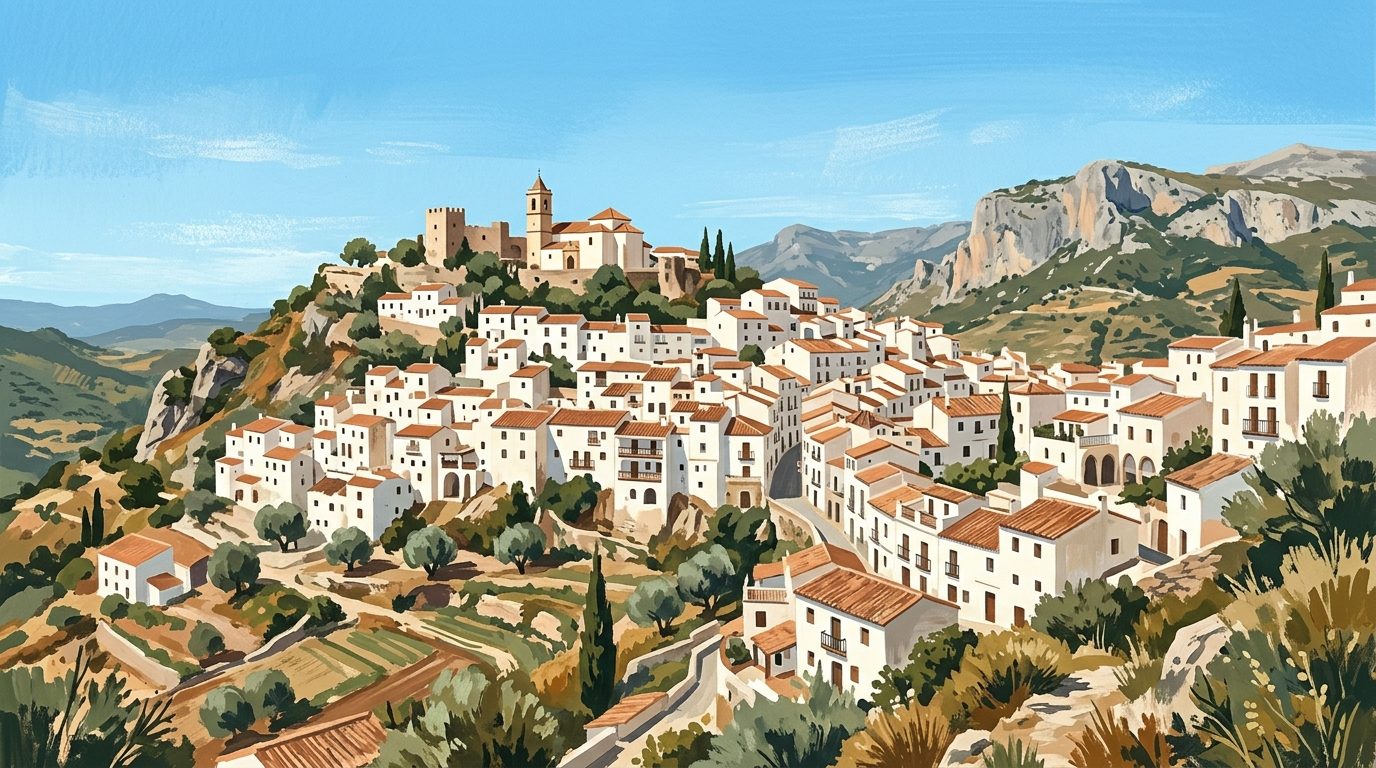
Casares: A Guide to the White Village of the Sierra Cristellina
Casares sits precariously on a limestone ridge, its whitewashed houses stacked like sugar cubes beneath the remains of a Moorish fortress.
6 min read
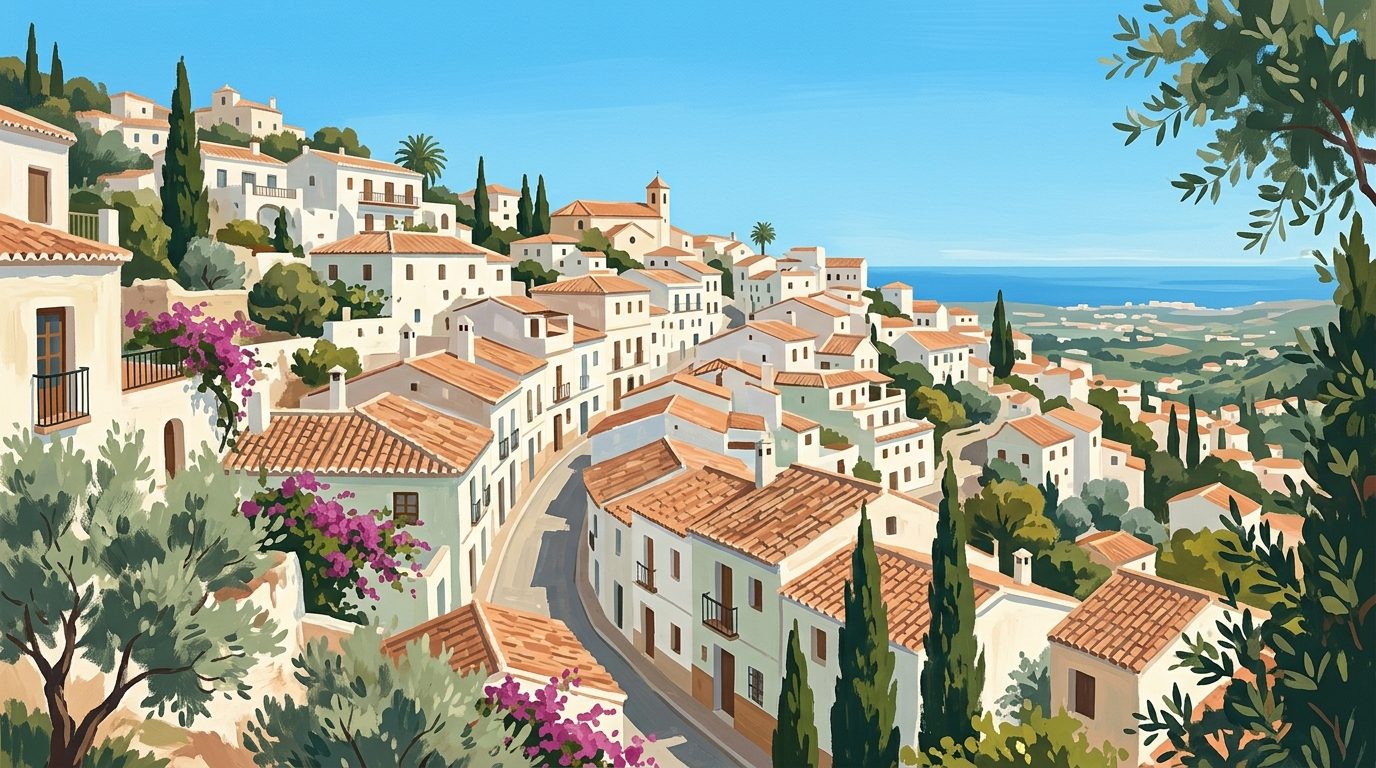
A Guide to Mijas Pueblo: Whitewashed Streets and Coastal Vistas
Perched on the slopes of the Sierra de Mijas, this whitewashed village offers views across the Mediterranean towards the African coast.
6 min read
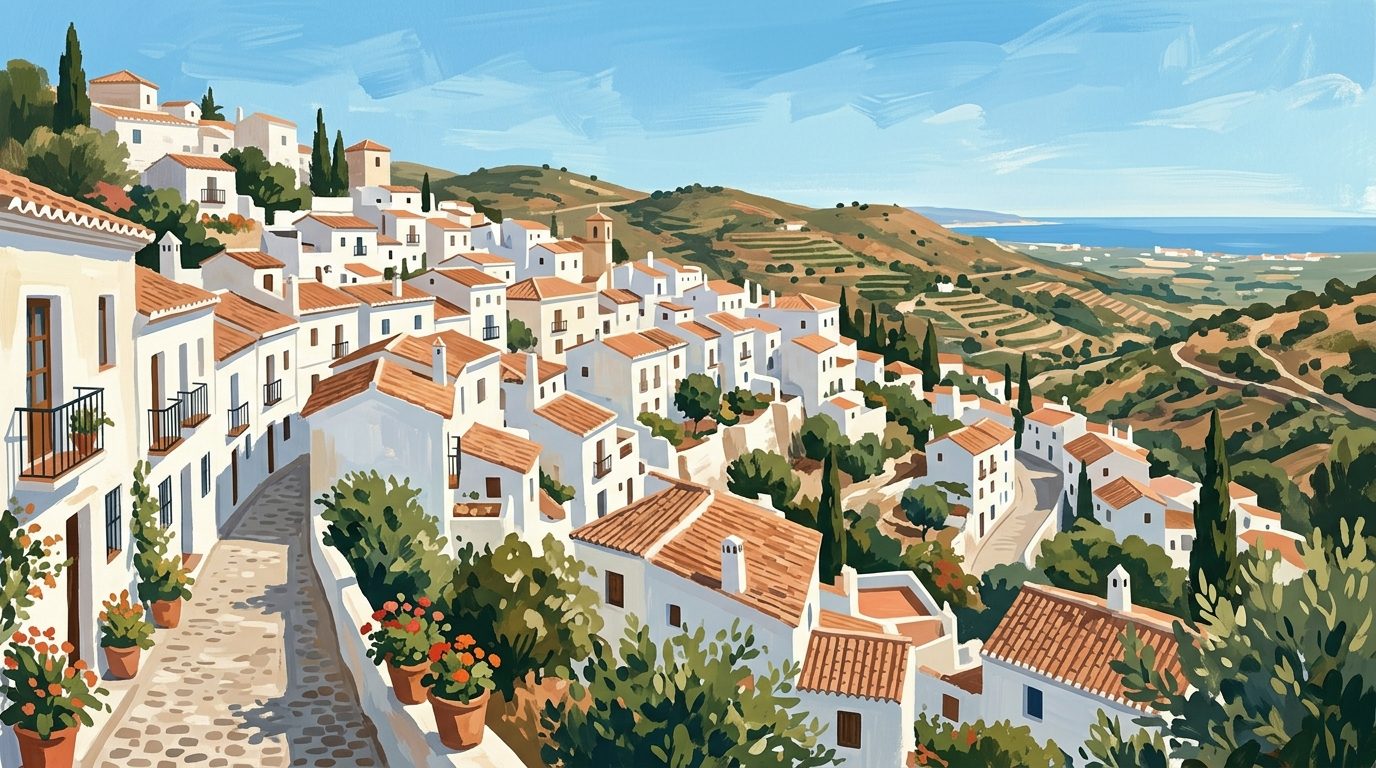
Exploring Frigiliana: The Mudéjar Heart of the Axarquía
Often cited as the most beautiful village in Spain, Frigiliana is a steep labyrinth of whitewashed houses and cobalt-blue doors overlooking the Mediterranean. Its Moorish legacy remains etched into every winding alleyway and ceramic plaque found within the historic Mudéjar quarter.
6 min read
The White Wall Paradox: What It Actually Costs to Live in a Pueblo Blanco
Beyond the postcard-perfect façades of Andalucía's white villages lies a reality of vertical commutes, damp stone walls, and a community that sees everything.
7 min read