
Seasonal guide · Jaén
Winter Gold: Visiting Jaén in December
December in Jaén is defined by the heavy scent of crushed olives and the crisp, clear air of the high Sierras. It is a month of industrial energy in the groves and quiet, atmospheric beauty in the Renaissance cities.
By Dan · Updated 22 June 2026 · 6 min read
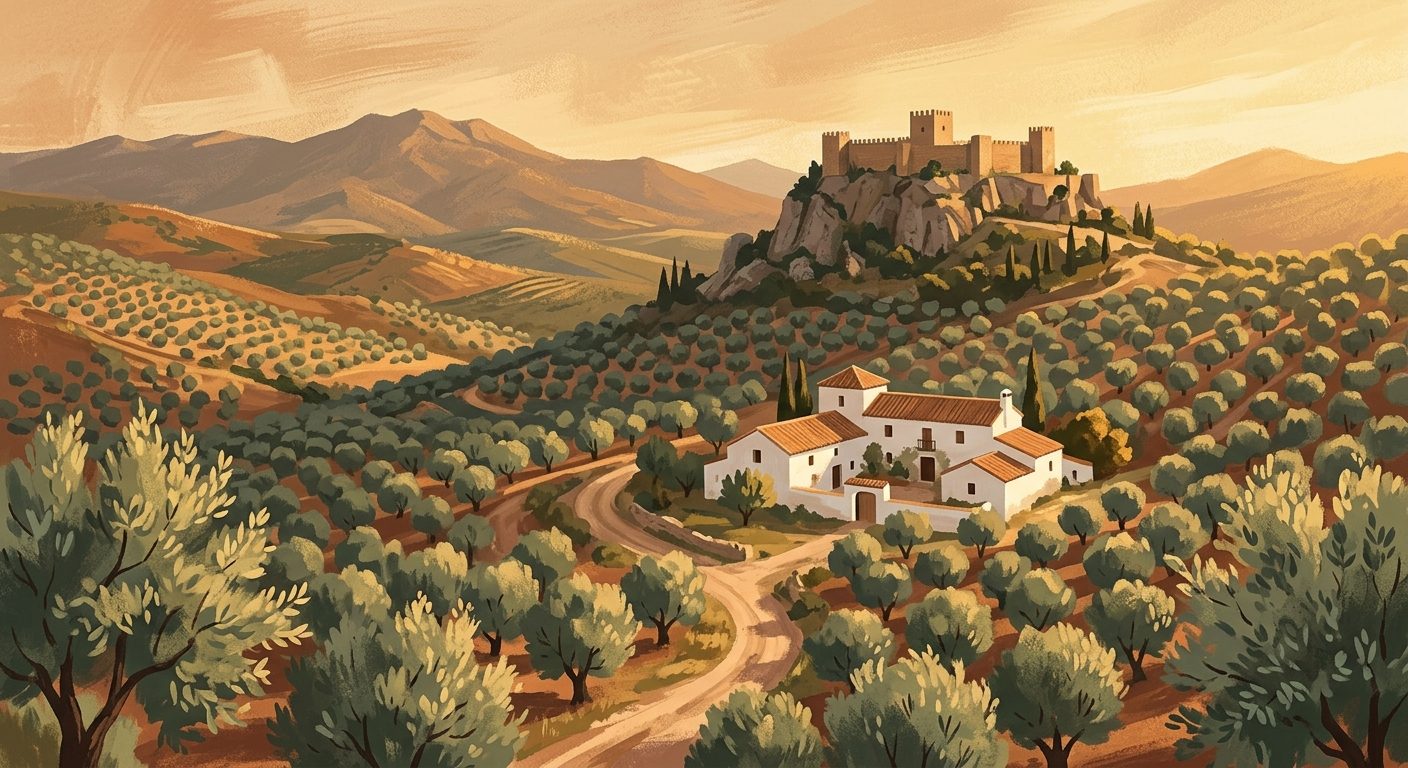
December in Jaén is defined by the heavy scent of crushed olives and the crisp, clear air of the high Sierras. It is a month of industrial energy in the groves and quiet, atmospheric beauty in the Renaissance cities.
Introduction: What to Expect
To visit Jaén in December is to witness a province in its most industrious and authentic state. While the rest of Andalucía prepares for the slow pace of the festive season, Jaén is alive with the recolección (harvest). This is the peak of the olive oil season, and the province, which produces a significant portion of the world's olive oil, is consumed by the task. The air in towns like Martos, Úbeda, and Villacarrillo carries a distinct, heavy aroma: a mix of damp earth, woodsmoke, and the peppery, fruit-scented clouds of steam rising from the almazaras (olive mills).
Visually, the landscape is striking. The endless sea of silver-green olive trees is punctuated by the bright yellow of tractors and the sound of mechanical shakers. In the cities, the atmosphere shifts to one of dignified winter charm. The golden sandstone of the Renaissance palaces in Úbeda and Baeza glows under the low winter sun, often framed by a pale blue, cloudless sky. It is cold, certainly, but it is a dry, invigorating cold that makes the local cocido (chickpea stew) taste all the better. Visitors this month trade the heat of summer for the sensory experience of the harvest and the intimate, local feel of the Christmas preparations.
Weather
December is one of the coldest months in Jaén, and because much of the province sits at a higher elevation than the Guadalquivir valley or the coast, you should prepare for a true winter experience. Unlike the mild winters of Málaga or Almería, Jaén feels decidedly continental.
Inland Cities (Jaén City, Úbeda, Baeza): Daytime highs typically reach 11°C to 13°C, but as soon as the sun sets, temperatures drop sharply toward 2°C or 3°C. Frosty mornings are common, particularly in the open plains. Rainfall is moderate, averaging about 60mm for the month, usually appearing as steady, soaking rain rather than short thunderstorms.
Mountain Regions (Sierra de Cazorla, Segura y Las Villas): Here, conditions are significantly harsher. High-altitude villages like Segura de la Sierra can see daytime temperatures struggle to rise above 5°C. Snow is a frequent occurrence on the peaks of the Empanadas or Cabañas, often dusting the higher pine forests by mid-month. If you are driving in the mountains, winter tyres or snow chains are occasionally necessary after a storm.
What to wear: Layers are essential. A heavy wool coat or a down jacket is necessary for the evenings. Thermal base layers are highly recommended if you plan on walking the wind-whipped streets of the hill towns or hiking in the Sierras. A scarf and gloves are not just accessories here; they are practical requirements for the biting evening wind.
Events & Festivals
December is a month of dual celebrations: the industrial triumph of the olive and the traditional religious festivities of the Spanish calendar.
Fiesta de la Aceituna (8 December): Held in Martos, the self-proclaimed olive oil capital of the world, this festival officially marks the start of the harvest (check on the operator's website before travelling for specific event times). It involves the symbolic extraction of the first oil of the season using a traditional press. Visitors can sample hoyo, a traditional miller's breakfast consisting of bread rubbed with garlic, salt, and a generous drenching of fresh, green olive oil.
Día de la Inmaculada Concepción (8 December): A public holiday across Spain, this day sees religious processions and the opening of many Belenes (Nativity scenes). In Jaén city, the cathedral becomes a focal point for choral performances.
Navidad (24 and 25 December): Christmas in Jaén is a family-centric affair. On Nochebuena (Christmas Eve), shops and restaurants close early as families gather for a massive feast. The streets become quiet until the Misa del Gallo (Midnight Mass). On Christmas Day, the atmosphere is sleepy and relaxed.
Día de los Santos Inocentes (28 December): The Spanish equivalent of April Fools' Day. While largely a day for practical jokes, some smaller villages in the province maintain older, more obscure folk traditions involving costumes and mock-authorities, though these are becoming rarer.
What to Do
Oil Tourism (Oleoturismo): December is the premier month for this. Many almazaras open their doors for tours where you can see the olives being washed, sorted, and cold-pressed. Seeking out the Aceite Temprano (early harvest oil) is a priority; this oil is bright emerald green and has an intense, grassy flavour. Head to the Interpretive Centre for Olive Oil and Orchards in Úbeda for a professional tasting session (check on the operator's website before travelling for current prices and times).
The Renaissance Trail: Walking the streets of Úbeda and Baeza in December is a delight for those who dislike crowds. The Plaza Vázquez de Molina in Úbeda is arguably the finest architectural ensemble in Andalucía, and in the clear December light, the detail on the Sacra Capilla del Salvador is exceptionally sharp. The lack of tour groups allows for a quiet, contemplative exploration of the interior courtyards and chapels.
Winter Hiking in Cazorla: The Sierra de Cazorla, Segura y Las Villas Natural Park is the largest protected green space in Spain. In December, the deciduous trees have lost their leaves, opening up vast views that are obscured in summer. The Cerezuelo river path near the village of Cazorla is particularly beautiful this month, with the water running high and the possibility of seeing deer and mountain goats (Cabra Montés) venturing lower down the slopes in search of food.
Cosy Gastronomy: Use the cold weather as an excuse to indulge in Jaén’s heavy winter cuisine. Look for Andrajos, a hearty stew made with torn pieces of flour dough, rabbit, and vegetables, often flavoured with mint. In the mountains, try Gamo en salsa (venison in sauce). This is the season for warm interiors and long, slow lunches.
Who Should Visit
- Food Lovers: Specifically those interested in provenance. Seeing the harvest and tasting the oil at the source is a world-class culinary experience.
- Culture Seekers: Those who want to photograph the Renaissance architecture without the distractions of summer umbrellas and large tour groups.
- Hikers: People who prefer crisp air and dramatic mountain scenery over the sweltering heat of the southern summer.
- Budget Travellers: Outside of the week between Christmas and New Year, accommodation prices in the cities are at their lowest for the year.
Practical Notes
Crowds: For the first three weeks of December, Jaén is remarkably quiet. You will mostly share the cities with locals. However, during the Puente de la Constitución (the bank holiday period around 6 to 8 December), Spanish domestic tourists flock to Úbeda and Baeza. In 2026, with the holidays falling on Sunday and Tuesday, a four-day 'puente' is expected; book accommodation well in advance.
Prices: Expect excellent value. Jaén remains one of the most affordable provinces in Spain. A tapa is still traditionally served free with a drink in most bars in Jaén city, and a high-quality three-course menú del día can often be found for around 15 to 18 Euros.
Booking: If you want to visit a specific olive mill for a tour, call ahead. Because December is their busiest operational month, some smaller mills may be too busy with the harvest to accept casual visitors, while larger ones will have set tour times.
Monthly Verdict
December is the most honest month to visit Jaén. It is a time when the province isn't putting on a show for tourists but is instead deeply involved in its own ancient traditions and industry. While the temperatures require a heavy coat, the rewards are immense: the freshest olive oil you will ever taste, quiet Renaissance squares, and the rugged, snow-capped beauty of the Sierras. It is an ideal choice for the traveller who values authenticity and atmosphere over beach weather.
Last reviewed: 14 July 2026 · Editorial policy
Related guides
Jaén in February: Almond Blossom and Renaissance Silence
Experience the quiet beauty of Jaén in February, from the almond blossom in the foothills to the crisp, crowd-free Renaissance streets of Úbeda and Baeza (UNESCO World Heritage sites).
6 min read
Córdoba in November: Olive Groves and Autumn Stillness
November in Córdoba is defined by the heavy scent of crushed olives and the golden light of the Subbética mountains. As the summer heat fades, the province settles into a quiet, productive rhythm.
6 min read
Jaén in June: Navigating the Golden Heat and High Sierras
June marks the transition from spring freshness to the serious heat of the high Andalucían summer, as the olive groves of Jaén turn silver under a relentless sun.
7 min read
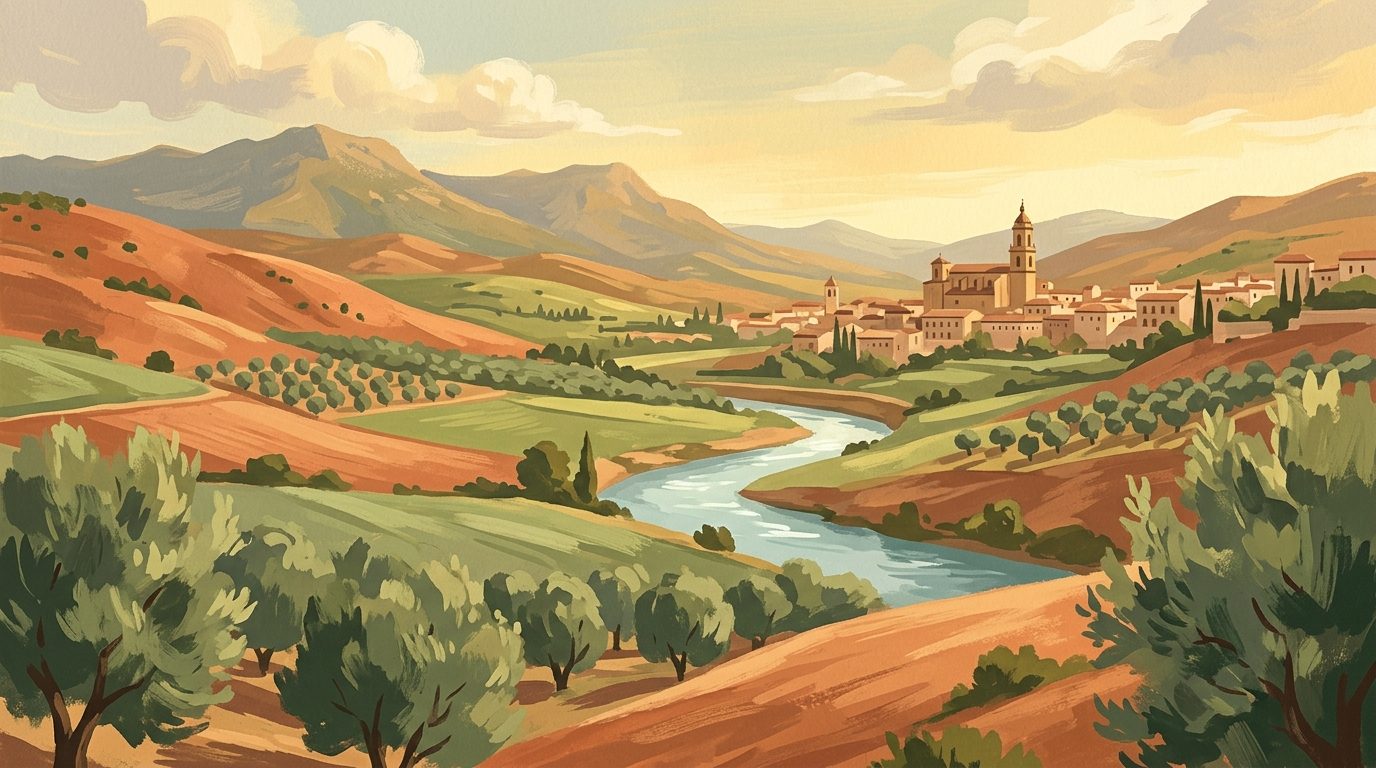
Jaén in March: Mountain Waters and Renaissance Rites
March in Jaén is a month of renewal, where the high sierras shed their winter snows to feed the headwaters of the Guadalquivir.
6 min read
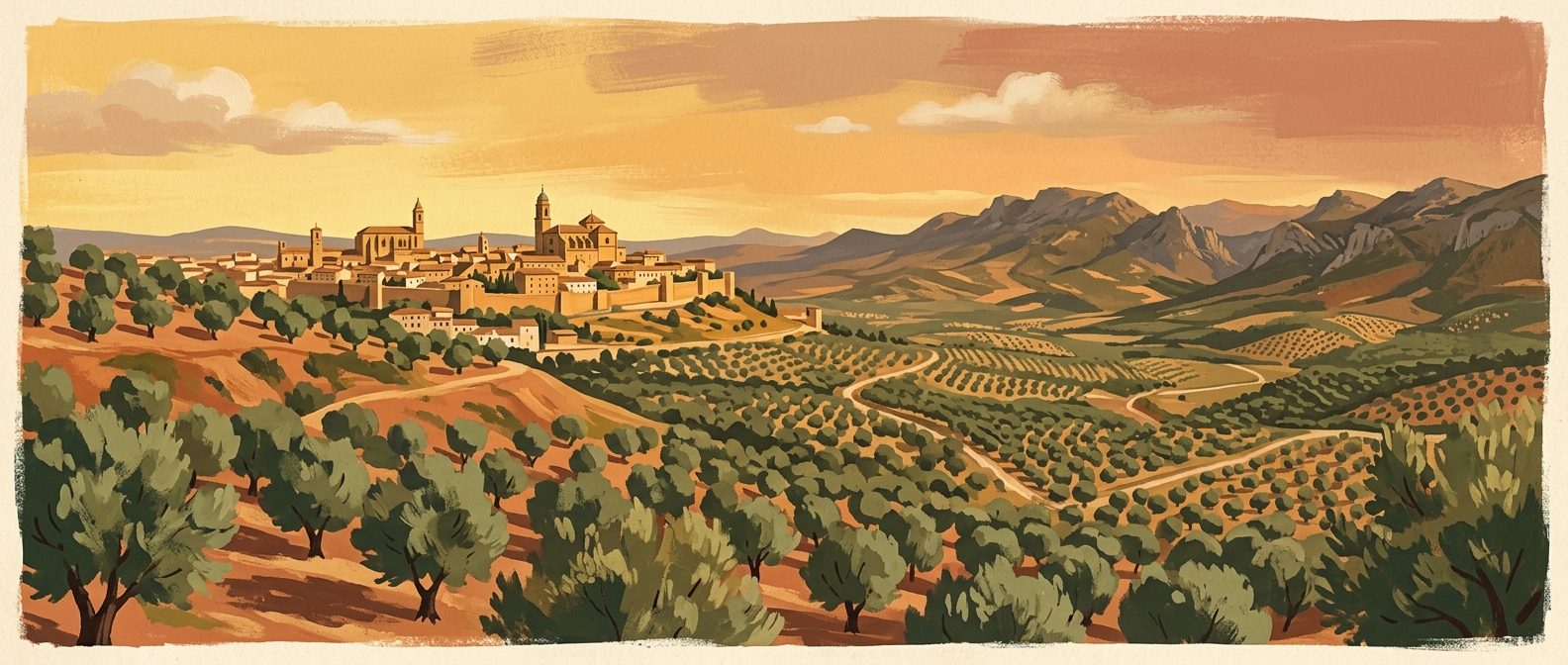
Jaén in May: Renaissance Cities and Untamed Wilderness
Experience Jaén at its peak in May, from the blooming olive groves and the rushing rivers of Cazorla to the sun-drenched Renaissance squares of Úbeda.
6 min read
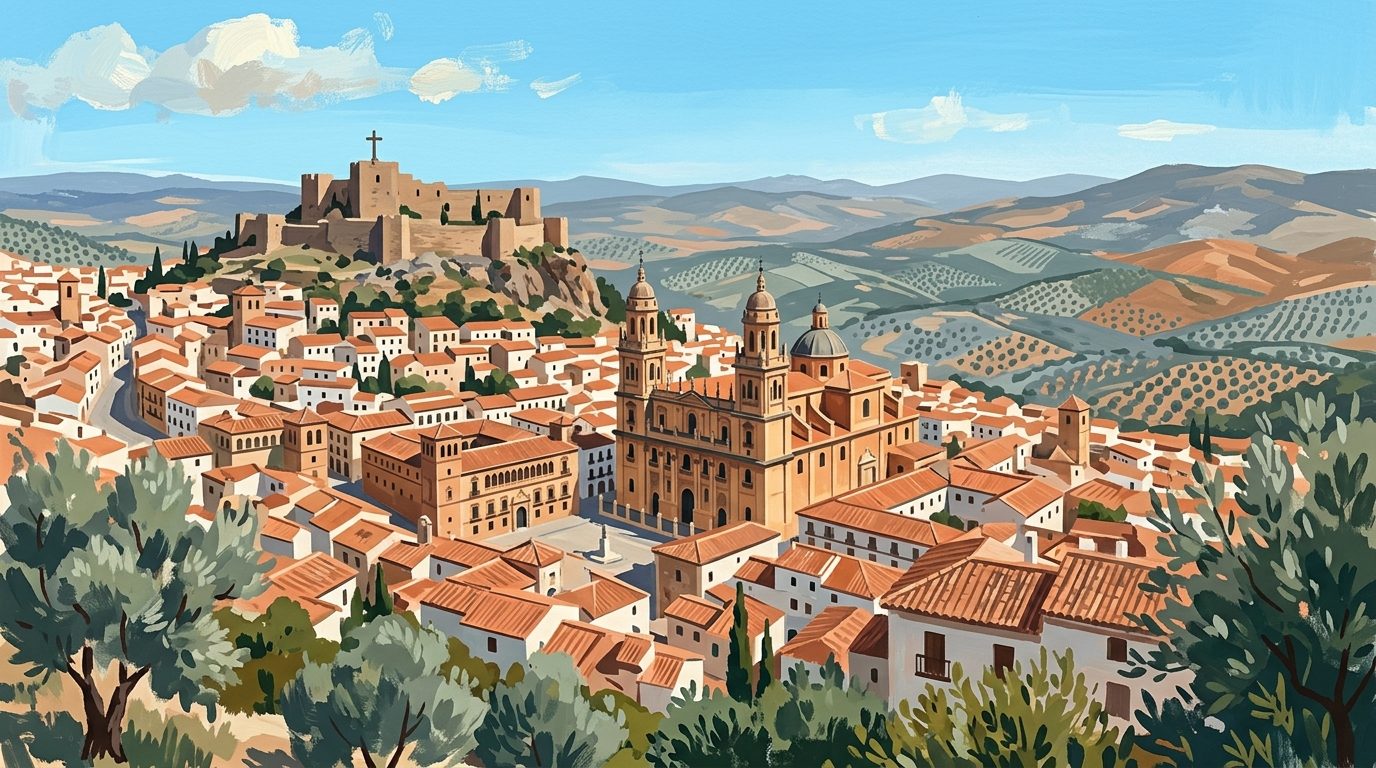
A Tale of Two Cities: The Golden Stone of Úbeda and Baeza
Beyond the endless olive groves of Jaén lie Úbeda and Baeza, two cities that define the Spanish Renaissance with their golden sandstone and quiet nobility.
7 min read
More from Jaén
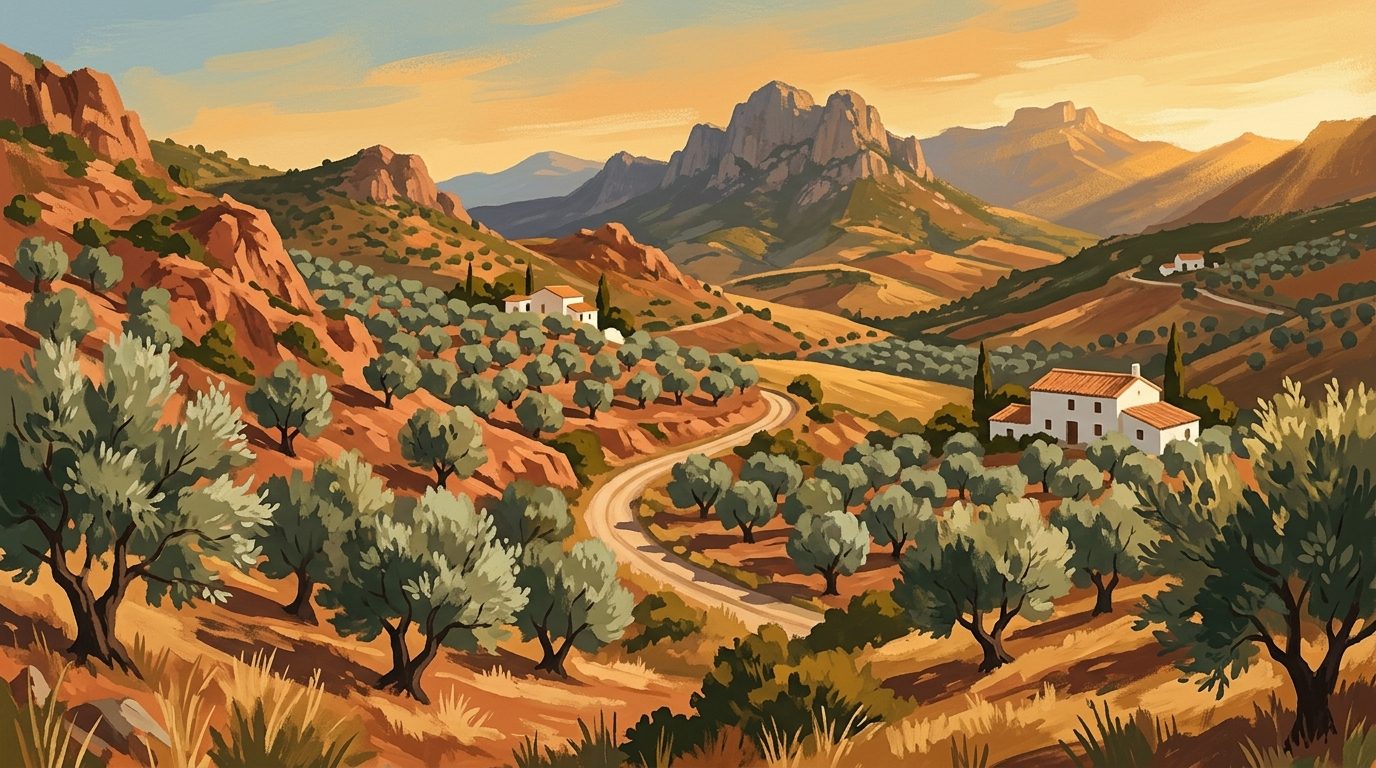
September in Jaén: Golden Light and the Call of the Wild
Experience the cooling temperatures and the dramatic start of the deer rut in Jaén this September. Discover the golden light of Úbeda and Baeza as the province transitions from the heat of summer to the clarity of autumn.
7 min read
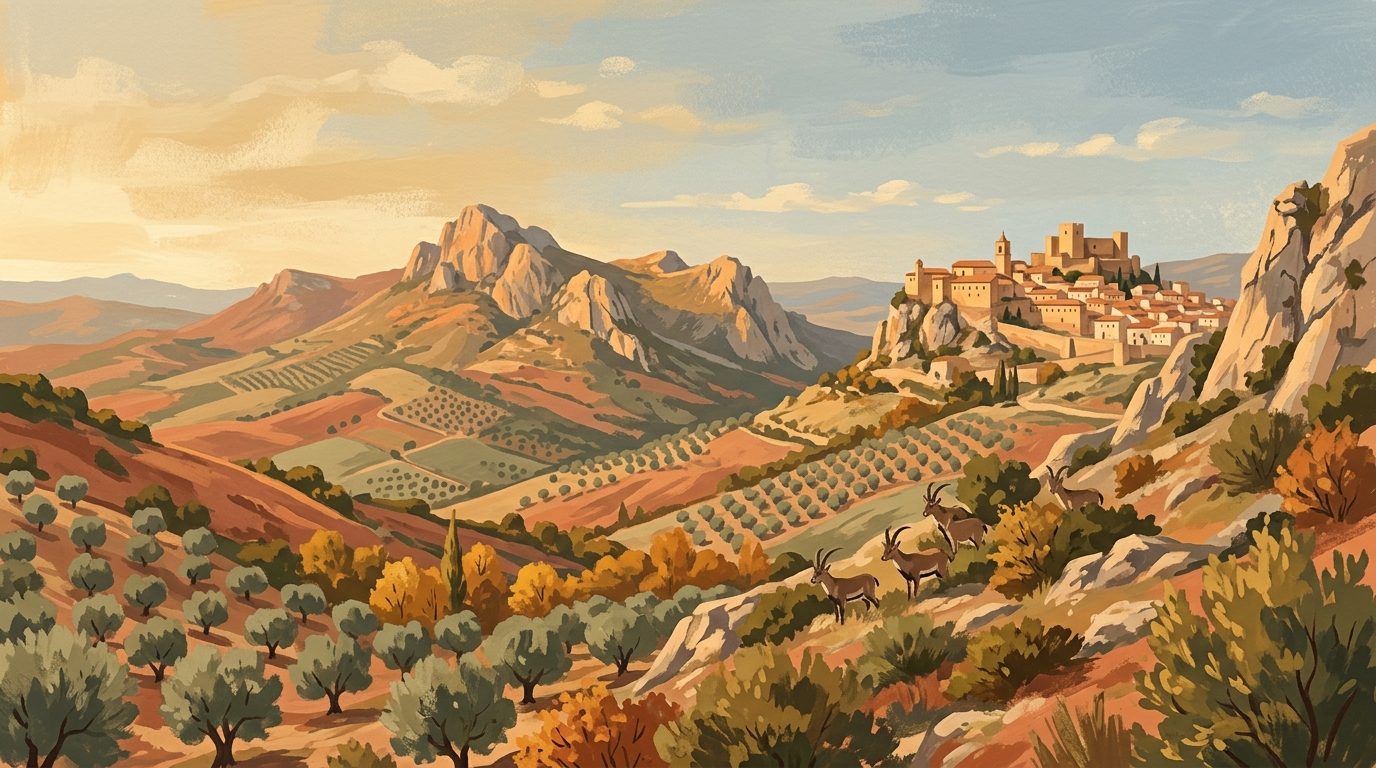
Jaén in October: Autumn Wildlife and Renaissance Gold
October in Jaén is a month of natural drama, featuring the spectacular deer rut in Cazorla and the golden light of the Renaissance cities of Úbeda and Baeza.
6 min read
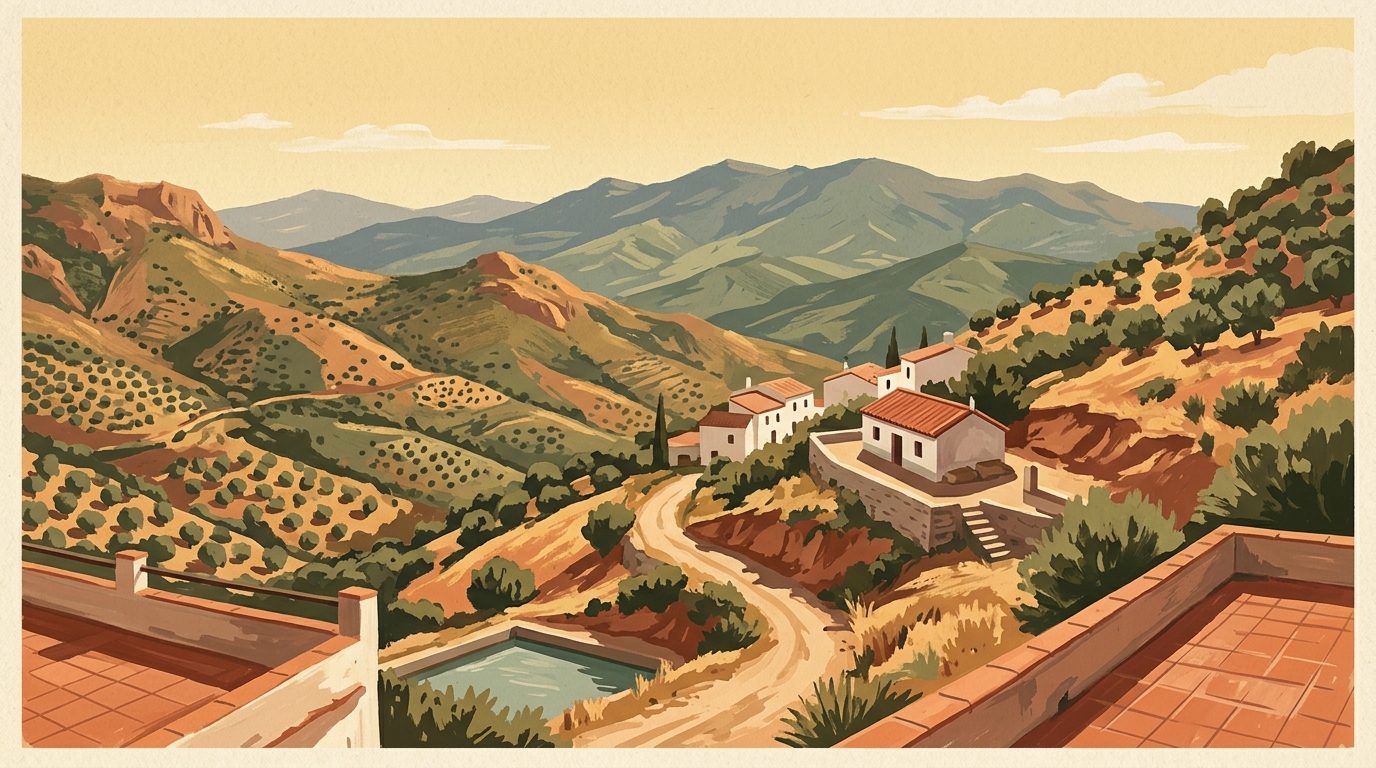
Jaén in July: High Heat and Mountain Refuges
Experience the intense high summer of Jaén, where lowland olive groves bake in 40°C heat while the cool waters of Tranco reservoir and the high peaks of Cazorla provide a necessary refuge.
6 min read
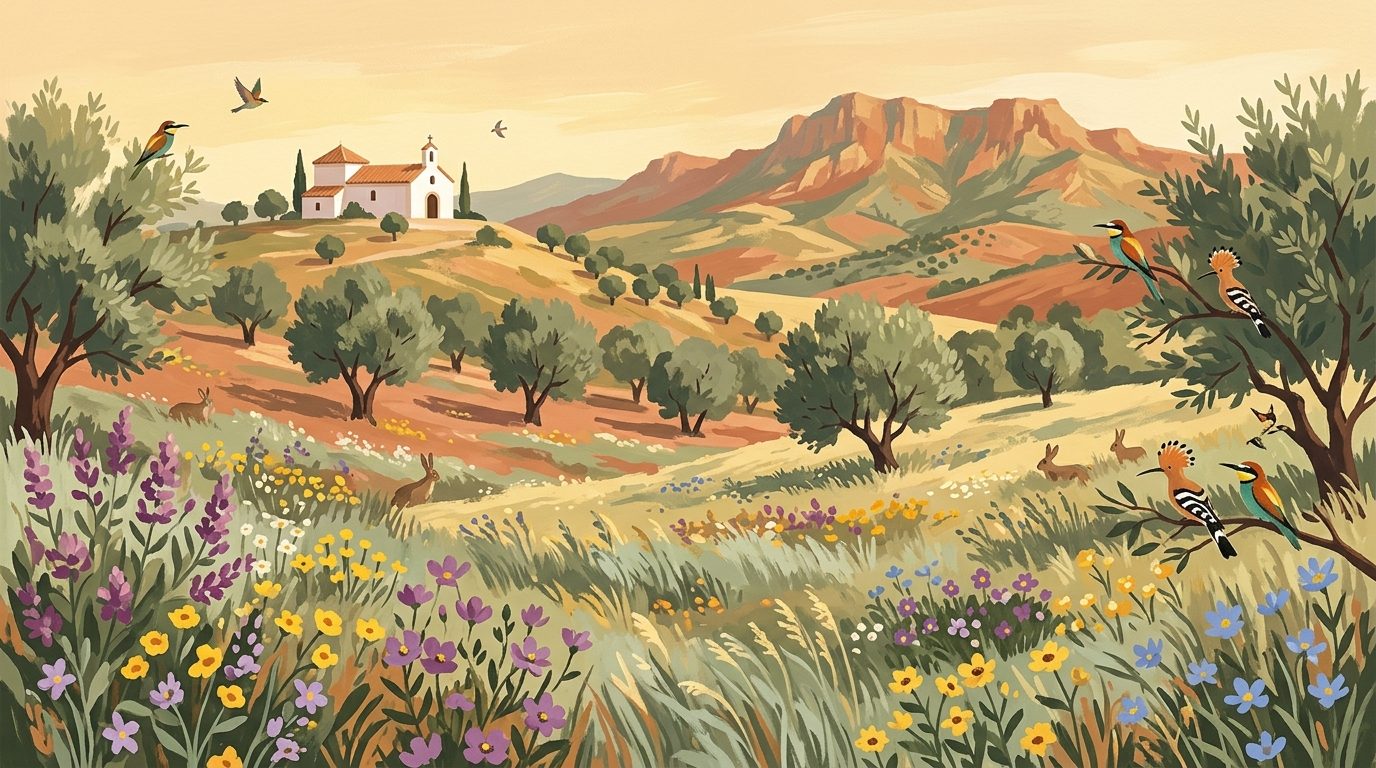
Jaén in April: Wildflowers, Wildlife, and Local Devotion
April in Jaén is a time of rushing mountain rivers, carpets of wildflowers, and authentic religious traditions that remain untouched by mass tourism.
6 min read
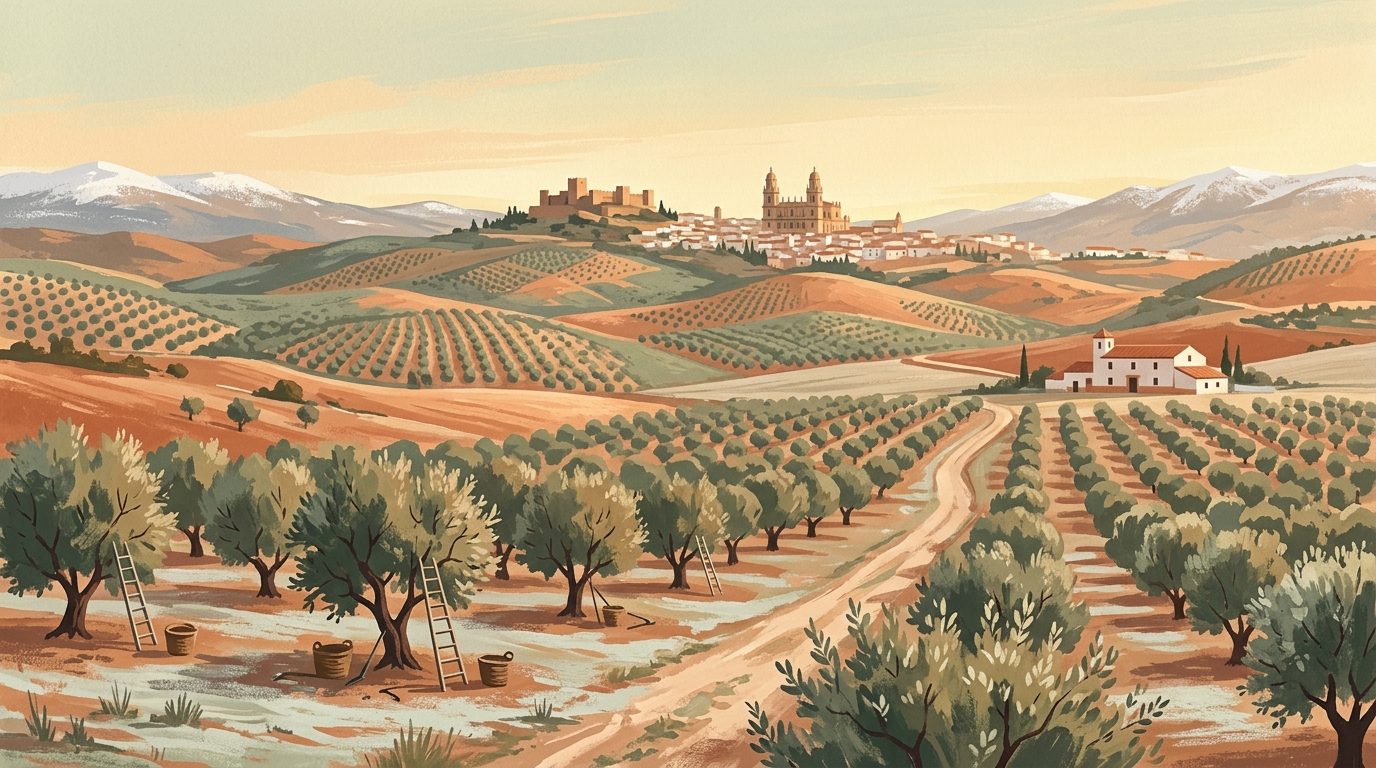
Jaén in January: Olive Harvests and Renaissance Frost
Experience the world's olive capital at its most authentic. January in Jaén offers crisp mountain air, fresh 'aceite nuevo' oil, and the striking bonfires of San Antón.
6 min read
Jaén in August: Mountain Escapes and Midnight History
Escape the intense summer heat by heading to the high-altitude forests and freshwater pools of Jaén's mountainous interior this August.
6 min read
Jaén in November: The Rhythm of the Olive Harvest
Experience the peak of the olive harvest in Jaén this November, from tasting electric-green fresh oils to exploring the quiet Renaissance streets of Úbeda and Baeza.
7 min read
Newsletter
More stories from Andalucía
Weekly notes, seasonal picks, and the next guides worth bookmarking.