
Seasonal guide · Jaén
Jaén in July: High Heat and Mountain Refuges
Experience the intense high summer of Jaén, where lowland olive groves bake in 40°C heat while the cool waters of Tranco reservoir and the high peaks of Cazorla provide a necessary refuge.
By Dan · Updated 14 July 2026 · 6 min read
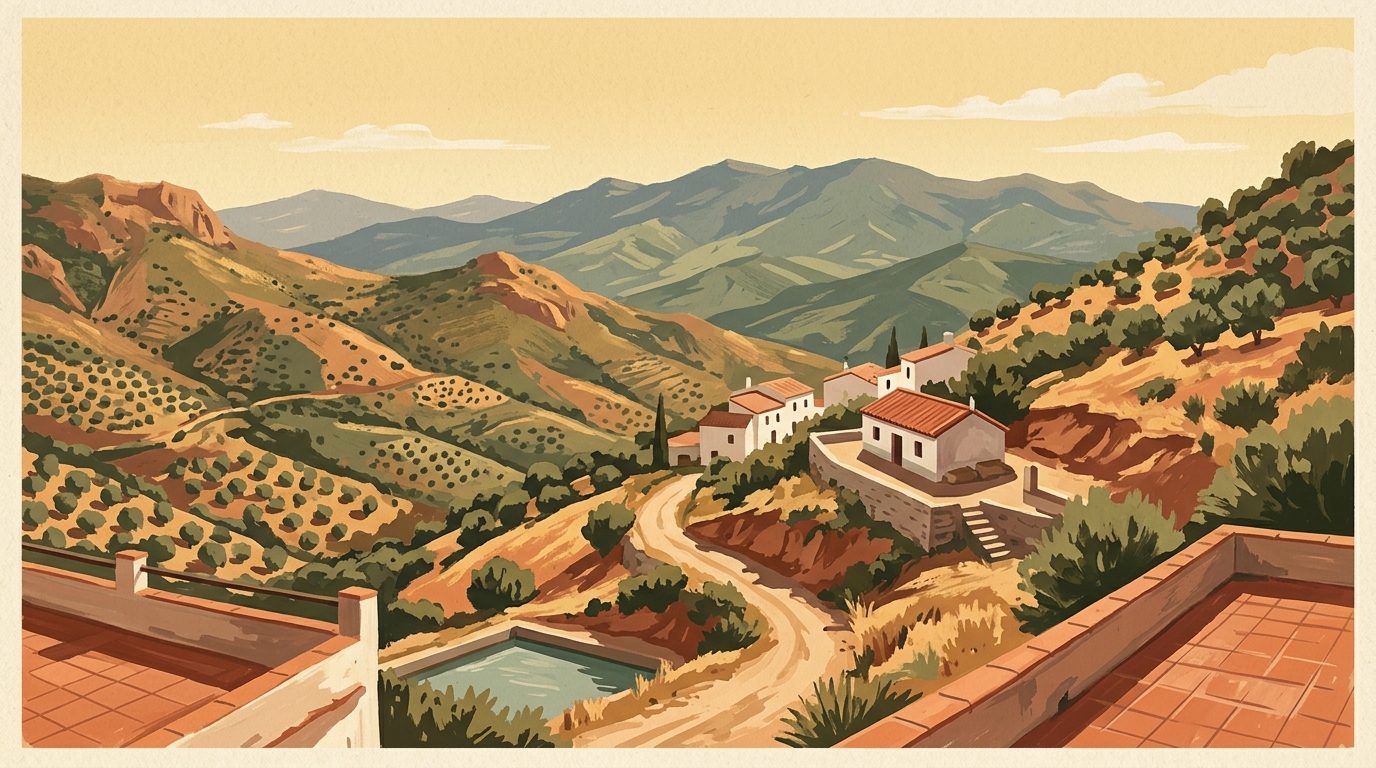
July in Jaén is a month of two distinct realities: the searing, sun-baked olive oceans of the Guadalquivir valley and the cool, pine-scented sanctuaries of the high sierras. It is a time for slow mornings, long siestas, and finding relief in the deep blue waters of mountain reservoirs.
To visit Jaén in July is to experience the Andalucían summer in its most potent form. This is the heart of the dry season, where the landscape is defined by the silver-green leaves of millions of olive trees standing resolute against a deep indigo sky. In the low-lying areas and the provincial capital, the heat is an absolute authority, dictating the pace of life. Yet, Jaén is also home to the largest protected natural space in Spain (the Sierras de Cazorla, Segura y Las Villas) which offers a much-needed escape for those who know where to look.
During this month, the provincial character shifts. The urban centres of Úbeda, Baeza, and Jaén city grow quiet during the daylight hours as residents retreat behind heavy shutters. Activity moves to the mountains and the water. The air is thick with the scent of dried wild thyme and resinous pine, and as the sun sets, the province transforms into an open-air stage for music and communal dining under the stars.
The Weather: Understanding the Inland Heat
Weather in Jaén during July is predictably fierce but varies significantly depending on your altitude. In the valley floors and the cities, temperatures frequently climb to 40°C or 42°C during the mid-afternoon. It is a dry heat, lacking the humidity of the coast, which some find more bearable, though it remains physically taxing. Rainfall is almost non-existent; you might see a rare, spectacular dry lightning storm over the mountains, but measurable precipitation is unlikely.
In the higher reaches of the Sierras, the conditions are more temperate. While midday in the village of Cazorla may still reach 34°C, the higher trails and shaded river valleys stay significantly cooler. Crucially, the nighttime temperatures in the mountains drop to a refreshing 16°C or 18°C, providing a stark relief from the "tropical nights" (above 20°C) experienced in the lowlands.
What to wear: Lightweight linen and cotton are essential. A wide-brimmed hat is a requirement, not an accessory. If you are heading into the natural parks for evening walks or stargazing, a light layer is recommended as the temperature drop at altitude can be surprisingly sharp once the sun disappears.
Events & Festivals
July is a significant month for cultural gatherings, often designed to take place in the cooler evening hours. The most famous is BluesCazorla, bringing international acts to the mountain town annually in early July (the 2026 edition ran from 2 to 4 July). Stages are set against the backdrop of limestone cliffs and ancient towers. It attracts a dedicated crowd, and the atmosphere is relaxed and friendly. As the primary website is currently experiencing outages, check the festival's official social media channels or a primary ticket vendor before travelling for future confirmed dates.
On the 25th of July, many towns celebrate the Fiesta de Santiago (Feast of Saint James). In the Renaissance city of Úbeda, this coincides with local ferias and outdoor concerts. Additionally, the Festivales de los Castillos (Castle Festivals) often see performances of theatre, dance, and music staged in the courtyards of the province’s many fortresses, such as those in Alcaudete or Segura de la Sierra. These events typically start at 10:00 PM or later, taking advantage of the cooling night air.
What to Do: Surviving and Thriving
Morning Heritage in the Renaissance Cities
The UNESCO World Heritage sites of Úbeda and Baeza are spectacular in the low morning light. Plan to be on the streets by 8:00 AM. The golden sandstone of the Palacio de las Cadenas and the Sacra Capilla del Salvador is most photogenic at this hour, and you will have the plazas almost to yourself. By 11:30 AM, you should be retreating to a shaded museum or a cool café to enjoy a tostada con aceite, toasted bread with the province's world-class extra virgin olive oil.
Reservoir Swimming at El Tranco
The Embalse del Tranco de Beas is one of the largest reservoirs in Spain and serves as Jaén’s inland sea during July. The water is a striking turquoise and remains cool throughout the summer; however, check local water levels via the Confederación Hidrográfica del Guadalquivir (SAIH) during periods of prolonged drought for any temporary restrictions on motorised solar-powered boats. You can hire kayaks, paddleboards, or take a trip on the water. It is a family-friendly destination where the surrounding pine forests provide natural shade for picnics.
Wildlife Spotting in the Velvet Season
For nature lovers, July is a fascinating time in the Sierras de Cazorla. This is the height of the "velvet" season for the red deer (Cervus elaphus). The stags' antlers are fully grown but still covered in a soft, vascular skin known as velvet. They are frequently seen in the early mornings or late evenings near water sources. Look for them in the Parque Cinegético Collado del Almendral, where they are easily observed alongside mountain goats (Capra pyrenaica).
Astronomy in the Starlight Reserve
The Sierra Morena and the Sierras de Cazorla are certified Starlight Reserves. The clear, cloudless July nights offer some of the best conditions in Europe for stargazing. Numerous local companies offer guided night walks to observe the Milky Way, which is vividly visible to the naked eye away from the town lights.
Who Should Visit Jaén in July?
- Culture Seekers: Those who enjoy architecture and history but prefer to avoid the massive crowds of Sevilla or Granada.
- Music Fans: Specifically those with an interest in blues, jazz, and folk, who will appreciate the mountain festival circuit.
- Budget Travellers: July is technically low season for the urban hotels in Jaén, leading to lower prices than in the spring or autumn.
- Wildlife Enthusiasts: Those looking to spot Iberian fauna in a rugged, mountainous setting.
- Nature Lovers: People who prefer freshwater swimming and forest shade over salty beaches and coastal humidity.
Practical Notes
Crowds and Capacity: While the cities are quiet, the mountain villages and hotels in the natural parks reach peak capacity in July. If you plan to attend BluesCazorla or stay near the Tranco reservoir, book your accommodation at least three months in advance. Campsites in the mountains are popular with Spanish families during this month.
Prices: Expect to pay a premium for accommodation in the Sierras during the weekends. Conversely, you can find excellent deals in the city of Jaén or in the hotels of the olive-growing plains, as business travel slows down and the heat deters some tourists.
Dining: Adapt to the local schedule. Lunch is rarely served before 2:00 PM, and dinner often starts at 9:30 PM or 10:00 PM. Seek out Pipirrana, a local summer salad made with finely chopped tomatoes, green peppers, cucumber, and hard-boiled eggs, heavily dressed in olive oil. It is incredibly hydrating and refreshing in the heat.
Monthly Verdict
July in Jaén is an intense experience that rewards the disciplined traveller. If you attempt to sightsee in the mid-afternoon, the heat will be overwhelming. However, by embracing the mountain altitudes and the local tradition of the siesta, you can discover a province that feels authentic and unhurried. It is a month for appreciating the quiet power of the Andalucían interior, the cooling influence of the highlands, and the simple pleasure of a cold drink in a moonlit plaza.
Best for: Stargazers, blues music fans, and those who enjoy mountain cooling over coastal humidity.
Not ideal for: Travellers sensitive to high heat, those looking for traditional beach resorts, or hikers wanting to complete long-distance valley trails in the daytime.
Last reviewed: 14 July 2026 · Editorial policy
Related guides
Córdoba in July: Surviving and Thriving in the Spanish Oven
July in Córdoba is a month of sensory extremes, where the white-hot intensity of the Spanish afternoon gives way to extraordinary nocturnal energy.
6 min read
Almería in July: A Guide to Spain's Volcanic Summer Coast
Discover the rugged beauty of Almería in July, where volcanic beaches and desert landscapes meet the clearest waters in the Mediterranean.
7 min read
Málaga in August: Feria Season and Peak Summer Heat
August in Málaga is defined by the high-energy celebrations of the city fair and the intense heat of the terral wind. It is a month for late nights, sea swims, and embracing the slow pace of peak summer.
6 min read
Andalucía in August: Navigating the Peak of the Southern Summer
August brings the height of the Andalucían summer, where life shifts to the coastline and the evenings become the primary time for socialising. While inland cities bake under a relentless sun, the beaches offer a social and lively escape for those seeking the ultimate summer holiday.
7 min read
Andalucía in June: Heat, Heritage, and Midsummer Magic
June in Andalucía offers reliable sunshine, lively midsummer festivals, and the perfect balance between the freshness of spring and the intense heat of high summer.
7 min read
Cádiz in June: Atlantic Breezes and Midsummer Magic
June in Cádiz offers the perfect balance of warm Atlantic sunshine and refreshing coastal winds before the peak summer heat and crowds arrive in July.
6 min read
More from Jaén
September in Jaén: Golden Light and the Call of the Wild
Experience the cooling temperatures and the dramatic start of the deer rut in Jaén this September. Discover the golden light of Úbeda and Baeza as the province transitions from the heat of summer to the clarity of autumn.
7 min read
Jaén in October: Autumn Wildlife and Renaissance Gold
October in Jaén is a month of natural drama, featuring the spectacular deer rut in Cazorla and the golden light of the Renaissance cities of Úbeda and Baeza.
6 min read
Jaén in May: Renaissance Cities and Untamed Wilderness
Experience Jaén at its peak in May, from the blooming olive groves and the rushing rivers of Cazorla to the sun-drenched Renaissance squares of Úbeda.
6 min read
Jaén in March: Mountain Waters and Renaissance Rites
March in Jaén is a month of renewal, where the high sierras shed their winter snows to feed the headwaters of the Guadalquivir.
6 min read
Jaén in June: Navigating the Golden Heat and High Sierras
June marks the transition from spring freshness to the serious heat of the high Andalucían summer, as the olive groves of Jaén turn silver under a relentless sun.
7 min read
Winter Gold: Visiting Jaén in December
December in Jaén is defined by the heavy scent of crushed olives and the crisp, clear air of the high Sierras. It is a month of industrial energy in the groves and quiet, atmospheric beauty in the Renaissance cities.
6 min read
Jaén in April: Wildflowers, Wildlife, and Local Devotion
April in Jaén is a time of rushing mountain rivers, carpets of wildflowers, and authentic religious traditions that remain untouched by mass tourism.
6 min read
Jaén in January: Olive Harvests and Renaissance Frost
Experience the world's olive capital at its most authentic. January in Jaén offers crisp mountain air, fresh 'aceite nuevo' oil, and the striking bonfires of San Antón.
6 min read
Jaén in February: Almond Blossom and Renaissance Silence
Experience the quiet beauty of Jaén in February, from the almond blossom in the foothills to the crisp, crowd-free Renaissance streets of Úbeda and Baeza (UNESCO World Heritage sites).
6 min read
Newsletter
More stories from Andalucía
Weekly notes, seasonal picks, and the next guides worth bookmarking.