
Seasonal guide · Jaén
Jaén in April: Wildflowers, Wildlife, and Local Devotion
April in Jaén is a time of rushing mountain rivers, carpets of wildflowers, and authentic religious traditions that remain untouched by mass tourism.
By Dan · Updated 8 May 2026 · 6 min read
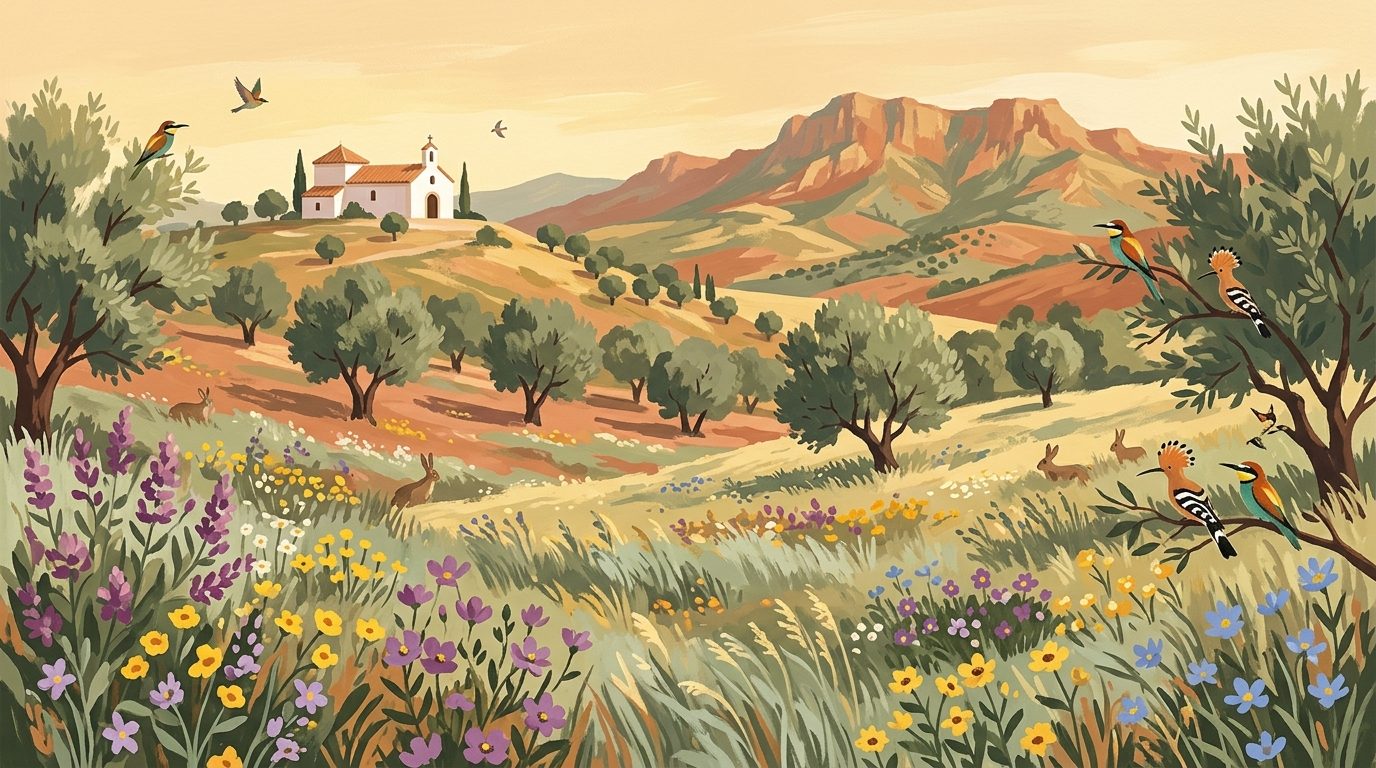
April transforms the province of Jaén from a silver-green sea of olive groves into a landscape defined by rushing mountain streams and a spectacular carpet of wildflowers. It is the bridge between the sharp winter chill and the heavy heat of the southern summer, offering the most comfortable window for exploration.
What to Expect: Jaén in April
While the popular coastal provinces of Andalucía begin to stir with early holidaymakers, Jaén remains a bastion of authentic Spanish life. In April, the province sheds its winter dormancy. The olive trees, which dominate the horizon for miles, begin their subtle flowering process, but it is the mountains of the Sierras de Cazorla, Segura y Las Villas Natural Park that provide the real visual drama. Here, the melting snow from high peaks feeds the headwaters of the Guadalquivir River, creating a soundtrack of moving water throughout the valleys.
The atmosphere is one of quiet anticipation. Local residents are focused on two major pillars of Jaenese culture: the solemnity of Semana Santa (Holy Week) and the preparation for the Romería de la Virgen de la Cabeza. Unlike the more commercialised spring events in Sevilla or Málaga, April in Jaén feels intimate. You will find that the air is crisp and carries the scent of azahar (orange blossom) in the plazas of Úbeda and Baeza, while the mountain air is perfumed with wild rosemary and thyme. Crowds are thin, prices remain stable, and the landscape is at its most lush before the sun turns the hills yellow in July.
Weather & Climate
Weather in Jaén during April is characterised by its variability. It is a month of transition where you can experience four seasons in a single afternoon. In the provincial capital, Jaén city, and the Renaissance towns of Úbeda and Baeza, daytime temperatures typically hover between 18°C and 22°C. However, the lack of coastal influence means that once the sun sets, temperatures drop rapidly, often reaching 8°C or 9°C.
In the mountainous regions, such as the Sierra Mágina or Cazorla, the conditions are noticeably cooler. Higher altitudes may still experience frost during the night, and daytime temperatures might only reach 15°C. Rainfall is a factor to consider; April showers are a reality here, with an average of eight days of rain across the month. These are rarely persistent downpours, but rather short, heavy bursts that leave the countryside looking incredibly green. Visitors should pack layers: light cottons for the afternoon sun, a waterproof jacket for sudden showers, and a substantial wool sweater or light coat for the evenings.
Events & Festivals
April is a significant month for local traditions, dominated by religious devotion and communal celebrations that have remained unchanged for centuries.
Semana Santa (Holy Week)
Depending on the lunar calendar, Semana Santa typically falls between late March and mid-April (looking ahead to next year, the week runs from 21 to 28 March 2027). In Jaén, this is a deeply moving experience. The processions in the capital are famous for 'El Abuelo' (Our Father Jesus Nazarene), a 16th-century statue that draws thousands of followers. In the smaller towns of the Sierra, the processions are smaller but perhaps more atmospheric, as the heavy wooden floats (tronos) are carried through narrow, steep streets where the only sound is the rhythmic beat of a drum or a spontaneous saeta (a mournful religious song) sung from a balcony.
Romería de la Virgen de la Cabeza
On the last Sunday of April (save the date for 25 April 2027), the town of Andújar hosts one of the oldest and most significant pilgrimages in Spain. The Romería de la Virgen de la Cabeza involves hundreds of thousands of pilgrims (romeros) travelling on foot, horseback, or in decorated wagons to the sanctuary located in the heart of the Sierra de Andújar. It is a spectacle of colour, traditional dress, and music that offers a profound insight into the rural identity of the province. While the crowds are immense at the sanctuary itself, the atmosphere is welcoming and celebratory.
What to Do in April
This is the premier month for outdoor enthusiasts and those who appreciate architectural heritage without the queues.
Hiking the Sendero del Borosa
April is the ideal time to tackle the Sendero del Borosa in the Cazorla Natural Park. This is one of the most famous walks in southern Spain for a reason. In spring, the water levels are high, making the waterfalls, such as the Salto de los Órganos, particularly impressive. The route takes you through the Cerrada de Elías, a narrow limestone gorge where you walk on wooden walkways suspended over the turquoise water. The temperatures in April allow you to complete the full 21-kilometre return trek to the Laguna de Valdeazores without the risk of heat exhaustion.
Wildlife Spotting
As the mountains warm up, wildlife becomes more active and visible. April is an excellent time for spotting the Spanish ibex (cabra montés) on the rocky crags. Look out for red deer and fallow deer in the lower meadows, where they graze on the fresh spring grass. For birdwatchers, the griffon vultures are particularly active around the cliffs of El Chorro, and you may even spot the rare bearded vulture (quebrantahuesos), which has been successfully reintroduced to this area.
The Renaissance Circle: Úbeda and Baeza
The twin UNESCO World Heritage towns of Úbeda and Baeza are at their most pleasant in April. Walking between the honey-coloured stone palaces and cathedrals is a delight when the sun is gentle. Visit the Sacra Capilla del Salvador in Úbeda or the 16th-century University in Baeza. Because the peak summer tourism season hasn't yet arrived, you can often enjoy these architectural masterpieces in near-solitude. The local olive oil shops also offer tastings of the 'early harvest' oils produced a few months prior, which are at their peak of freshness and peppery flavour.
Who Should Visit?
- Hikers and Nature Lovers: The combination of flowing rivers, moderate temperatures, and blooming wildflowers makes this the best month of the year for the trails.
- Culture Seekers: Those looking for authentic religious traditions will find Semana Santa in Jaén far more intimate than in the larger Andalucían cities.
- Photography Enthusiasts: The clarity of the air after an April shower and the carpet of red poppies against the silver olive leaves provide exceptional light and colour.
- Budget Travellers: Outside of the specific Holy Week dates, accommodation prices in Jaén are significantly lower than in Sevilla, Granada, or the coast.
Practical Notes
Crowds: Expect high numbers of domestic visitors during Semana Santa and the weekend of the Romería. Outside of these windows, the province is remarkably quiet. You will rarely need to book restaurants in advance, and museum entry is usually immediate.
Prices: Jaén is one of the most affordable provinces in Spain. A menú del día (three-course lunch) will typically cost between €12 and €15. Tapas culture here is generous; in most bars in Jaén city or Linares, a substantial free tapa is served with every drink ordered.
Booking Advice: When planning your visit for next year's Holy Week, book your hotel at least three months in advance, especially in Jaén city or Úbeda. For the Romería de la Virgen de la Cabeza, accommodation in Andújar is often booked a year ahead, so consider staying in nearby towns like Martos or even the capital.
Monthly Verdict
Jaén in April is a revelation for those who prefer the natural world to the resort lifestyle. It is a month where the province feels alive and refreshed, offering the perfect balance between the cultural intensity of its spring festivals and the serene, green expanses of its mountain parks. While you must be prepared for the occasional shower and cool evenings, the reward is seeing this often-overlooked corner of Andalucía in its most beautiful and authentic state.
Last reviewed: 21 June 2026 · Editorial policy
Related guides
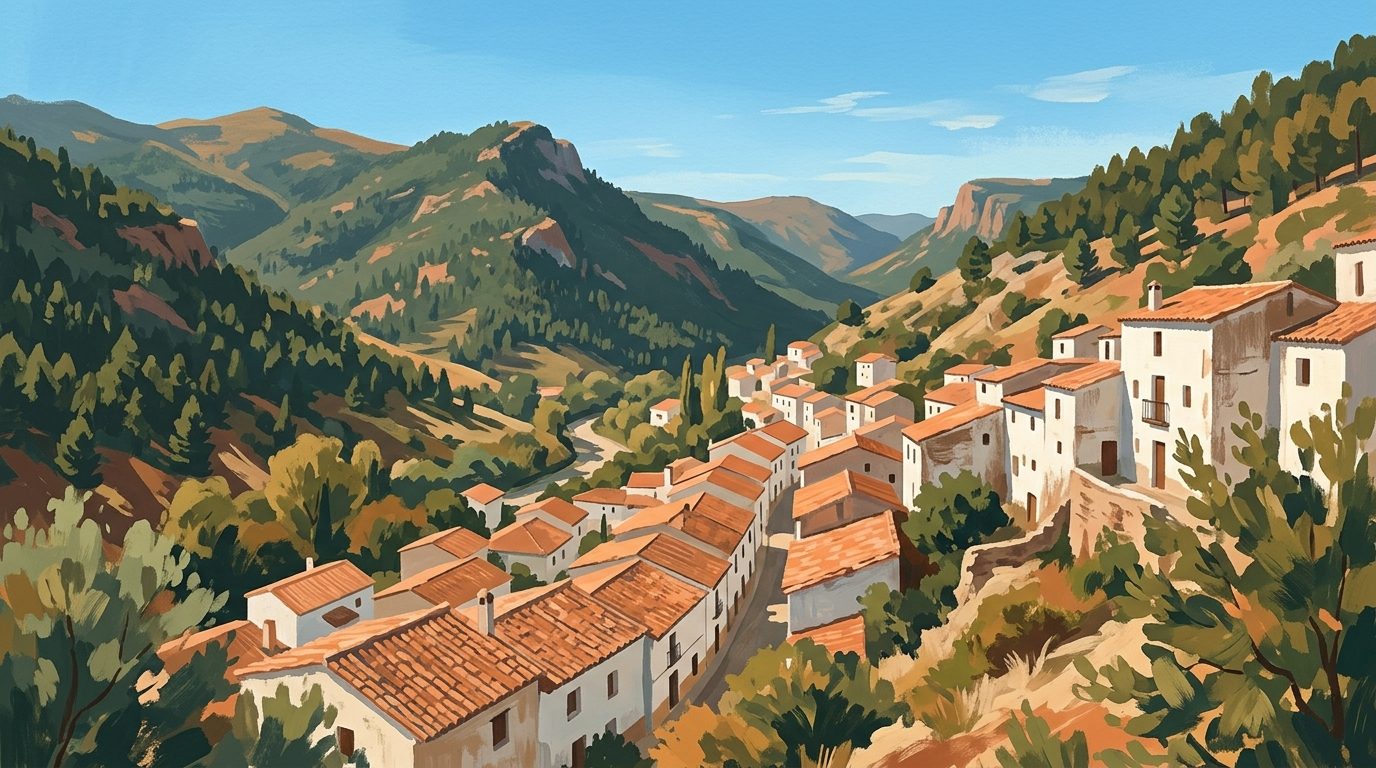
Exploring Arroyo Frío: The Natural Hub of the Sierra de Cazorla
Arroyo Frío serves as the primary base for exploring the wild heart of the Sierras de Cazorla, Segura y Las Villas Natural Park. It provides a central point from which to launch excursions into the deep river valleys and high limestone peaks of Jaén’s wilderness.
5 min read
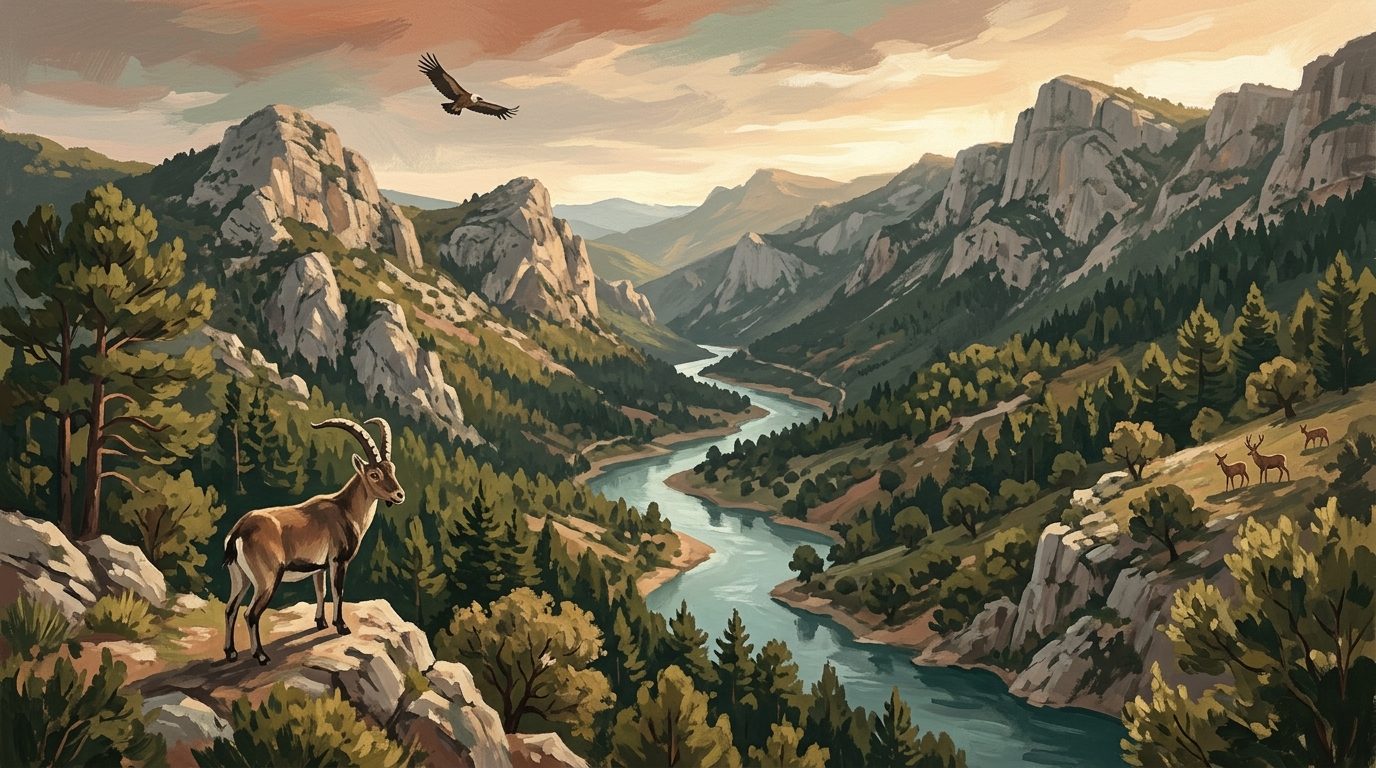
Sierra de Cazorla: Spain's Largest Protected Area
Covering over 200,000 hectares of rugged limestone peaks and deep river canyons, the Sierra de Cazorla forms the green heart of the Iberian Peninsula.
7 min read
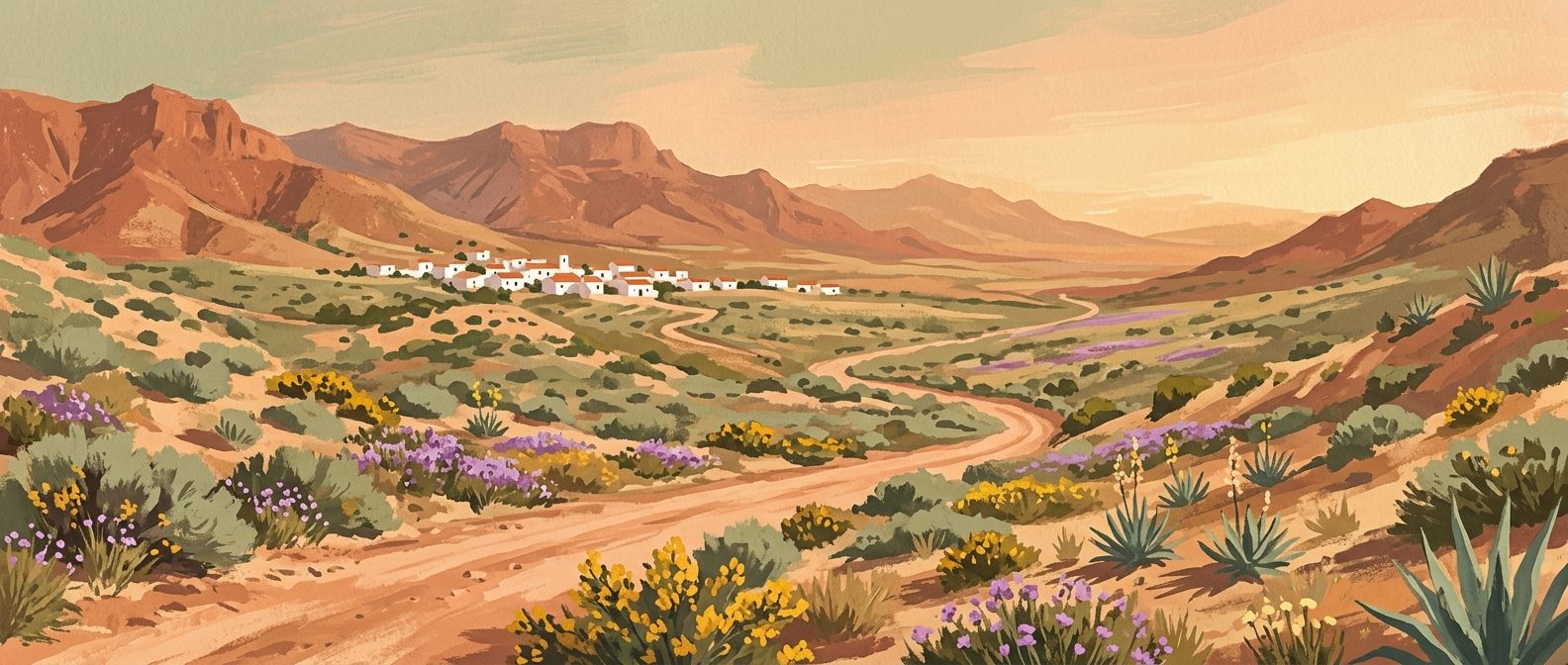
Almería in May: Desert Blooms and Pre-Summer Solitude
Experience Almería in May, where the Tabernas desert blooms and the Cabo de Gata coastline offers quiet beaches and perfect hiking weather before the summer heat.
6 min read
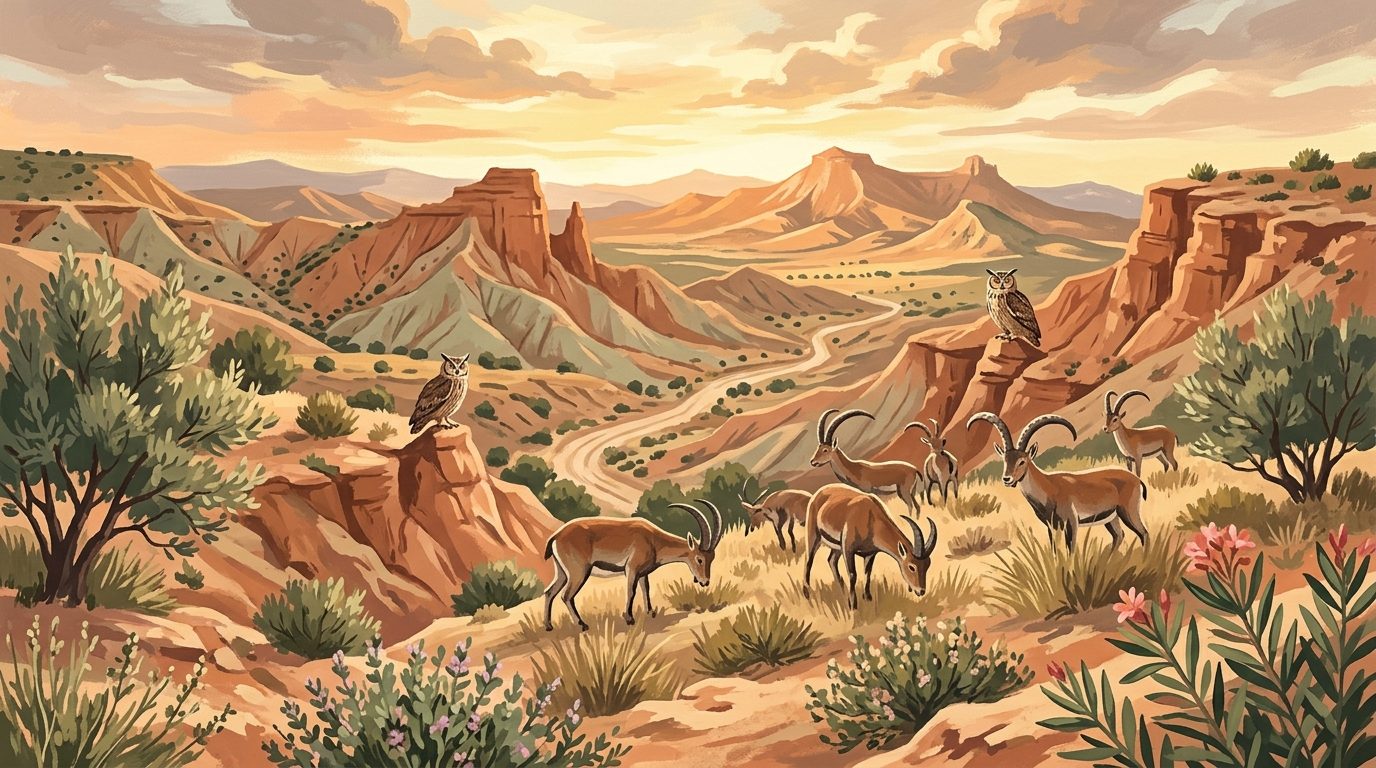
Tabernas Desert: Europe's Only True Desert
Explore the unique ecology of the Tabernas Desert, Europe's only true desert, where Saharan-style badlands provide a sanctuary for rare Trumpeter Finches and specialist flora.
7 min read
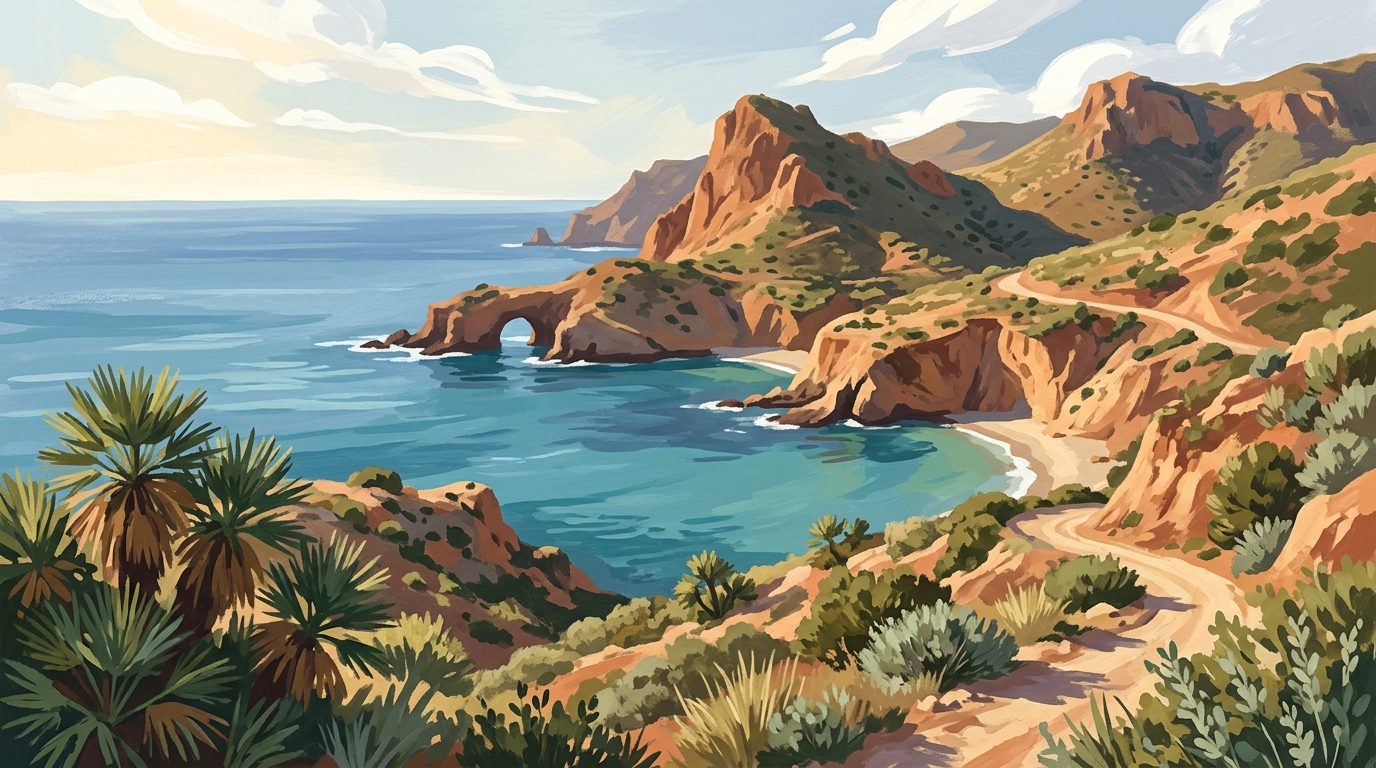
Cabo de Gata Natural Park: Wild Coast Guide
Discover the volcanic cliffs, salt lagoons, and crystalline waters of Cabo de Gata-Níjar Natural Park, Europe’s only warm desert landscape and a haven for rare Mediterranean wildlife.
7 min read
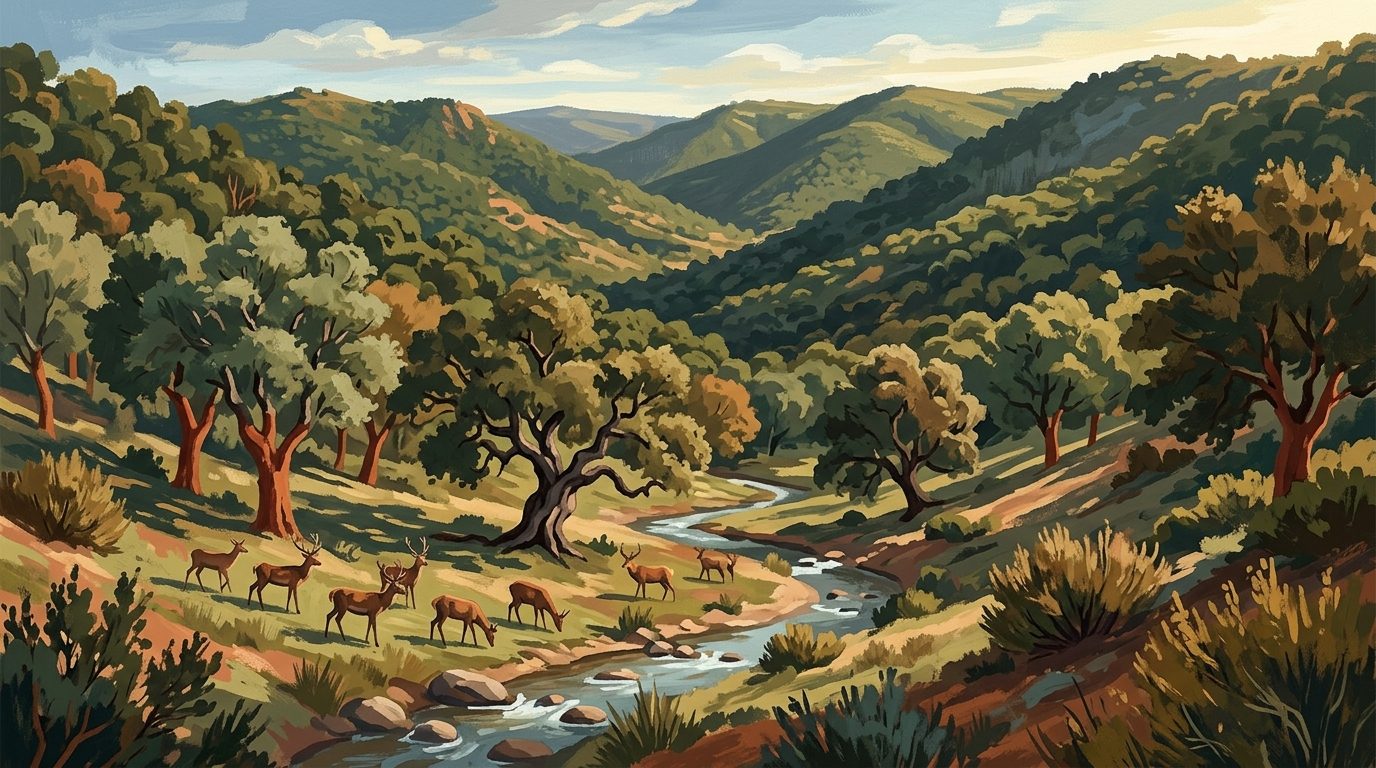
Los Alcornocales: Europe's Finest Cork Oak Forest
Spanning the Cádiz mountains, Los Alcornocales preserves a prehistoric ecosystem of subtropical cloud forests and vast cork oak woodlands unique in Europe.
7 min read
More from Jaén
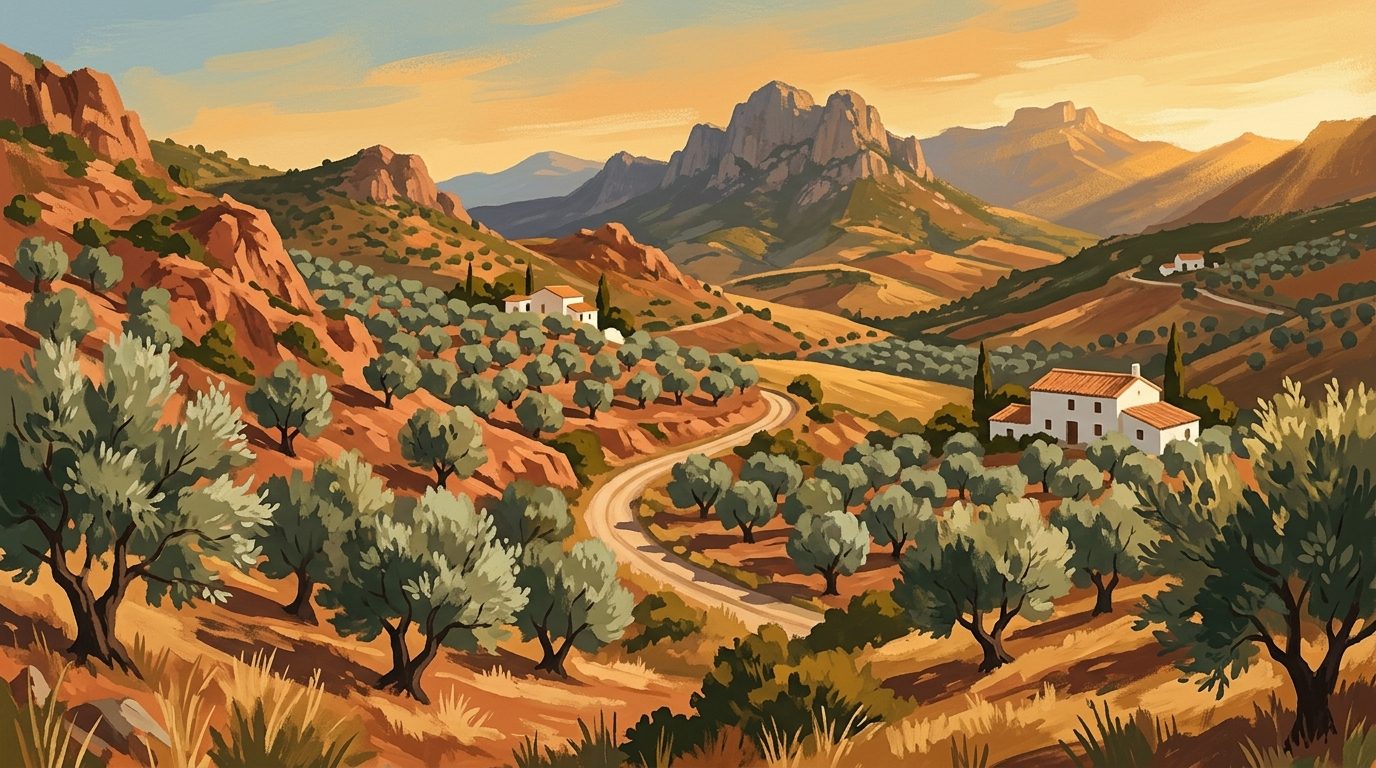
September in Jaén: Golden Light and the Call of the Wild
Experience the cooling temperatures and the dramatic start of the deer rut in Jaén this September. Discover the golden light of Úbeda and Baeza as the province transitions from the heat of summer to the clarity of autumn.
7 min read
Jaén in October: Autumn Wildlife and Renaissance Gold
October in Jaén is a month of natural drama, featuring the spectacular deer rut in Cazorla and the golden light of the Renaissance cities of Úbeda and Baeza.
6 min read
Jaén in May: Renaissance Cities and Untamed Wilderness
Experience Jaén at its peak in May, from the blooming olive groves and the rushing rivers of Cazorla to the sun-drenched Renaissance squares of Úbeda.
6 min read
Jaén in March: Mountain Waters and Renaissance Rites
March in Jaén is a month of renewal, where the high sierras shed their winter snows to feed the headwaters of the Guadalquivir.
6 min read
Jaén in June: Navigating the Golden Heat and High Sierras
June marks the transition from spring freshness to the serious heat of the high Andalucían summer, as the olive groves of Jaén turn silver under a relentless sun.
7 min read
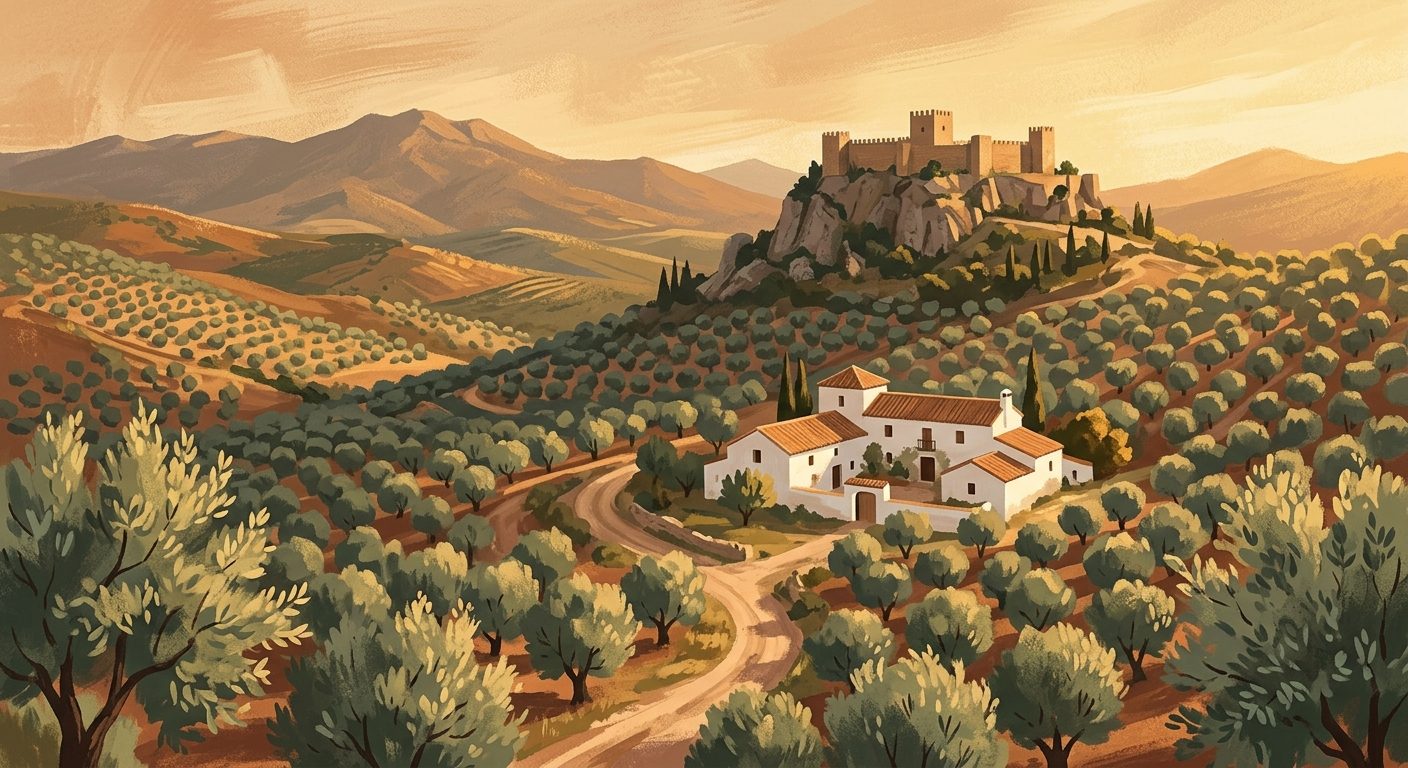
Winter Gold: Visiting Jaén in December
December in Jaén is defined by the heavy scent of crushed olives and the crisp, clear air of the high Sierras. It is a month of industrial energy in the groves and quiet, atmospheric beauty in the Renaissance cities.
6 min read
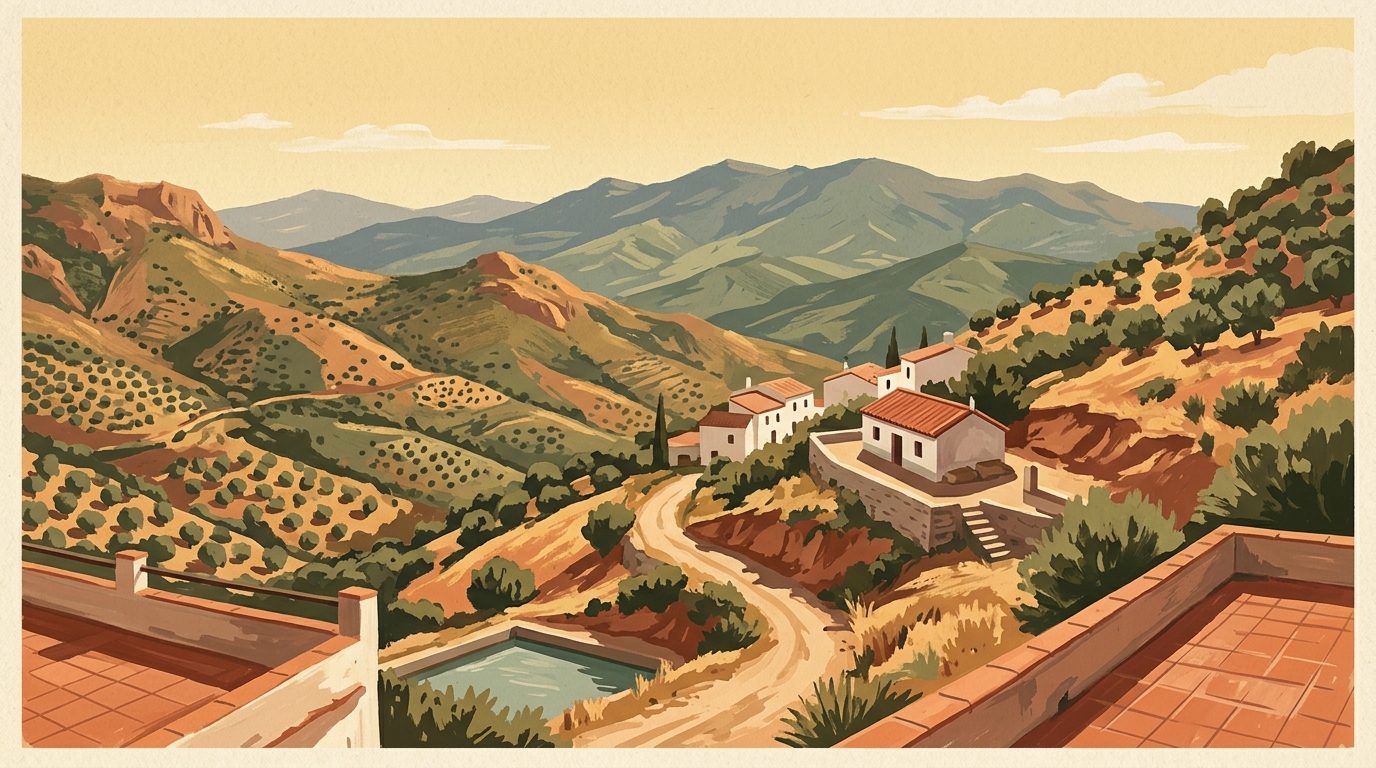
Jaén in July: High Heat and Mountain Refuges
Experience the intense high summer of Jaén, where lowland olive groves bake in 40°C heat while the cool waters of Tranco reservoir and the high peaks of Cazorla provide a necessary refuge.
6 min read
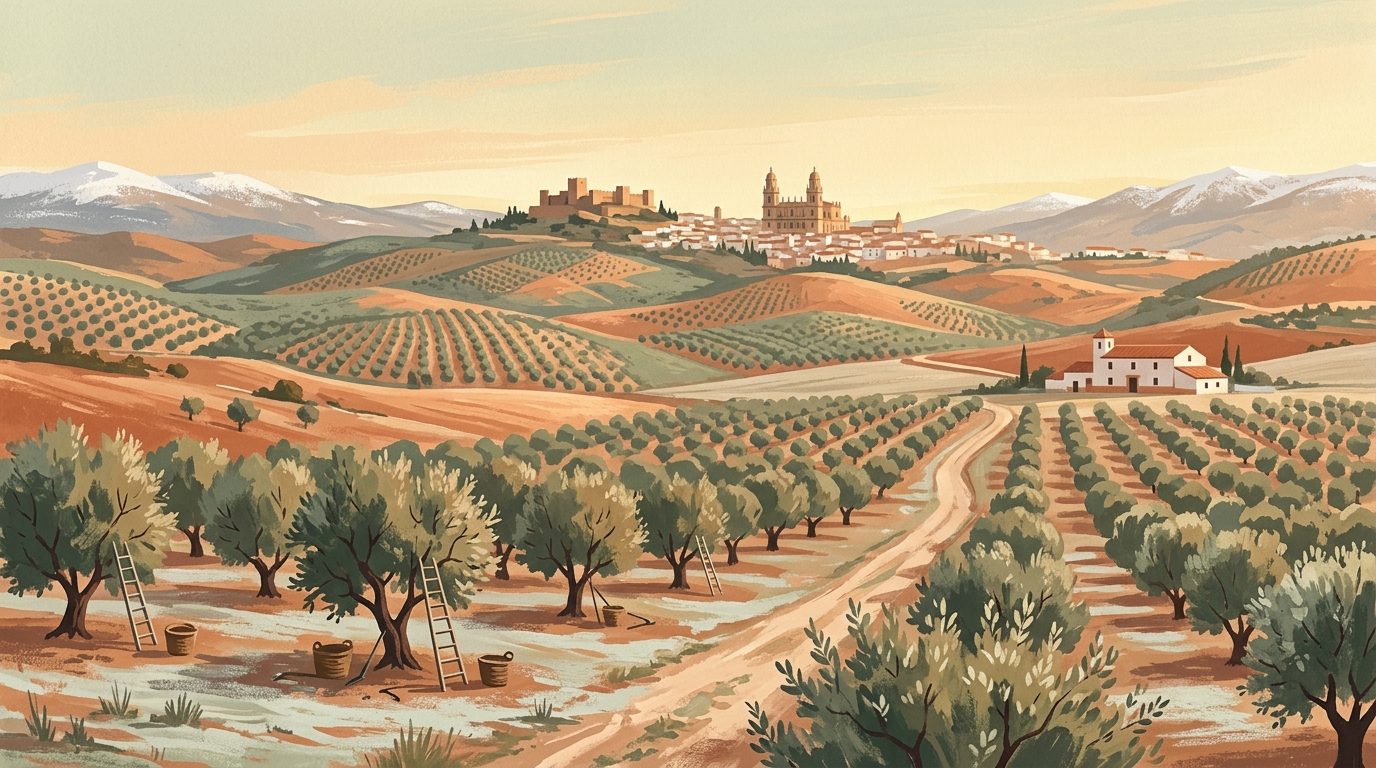
Jaén in January: Olive Harvests and Renaissance Frost
Experience the world's olive capital at its most authentic. January in Jaén offers crisp mountain air, fresh 'aceite nuevo' oil, and the striking bonfires of San Antón.
6 min read
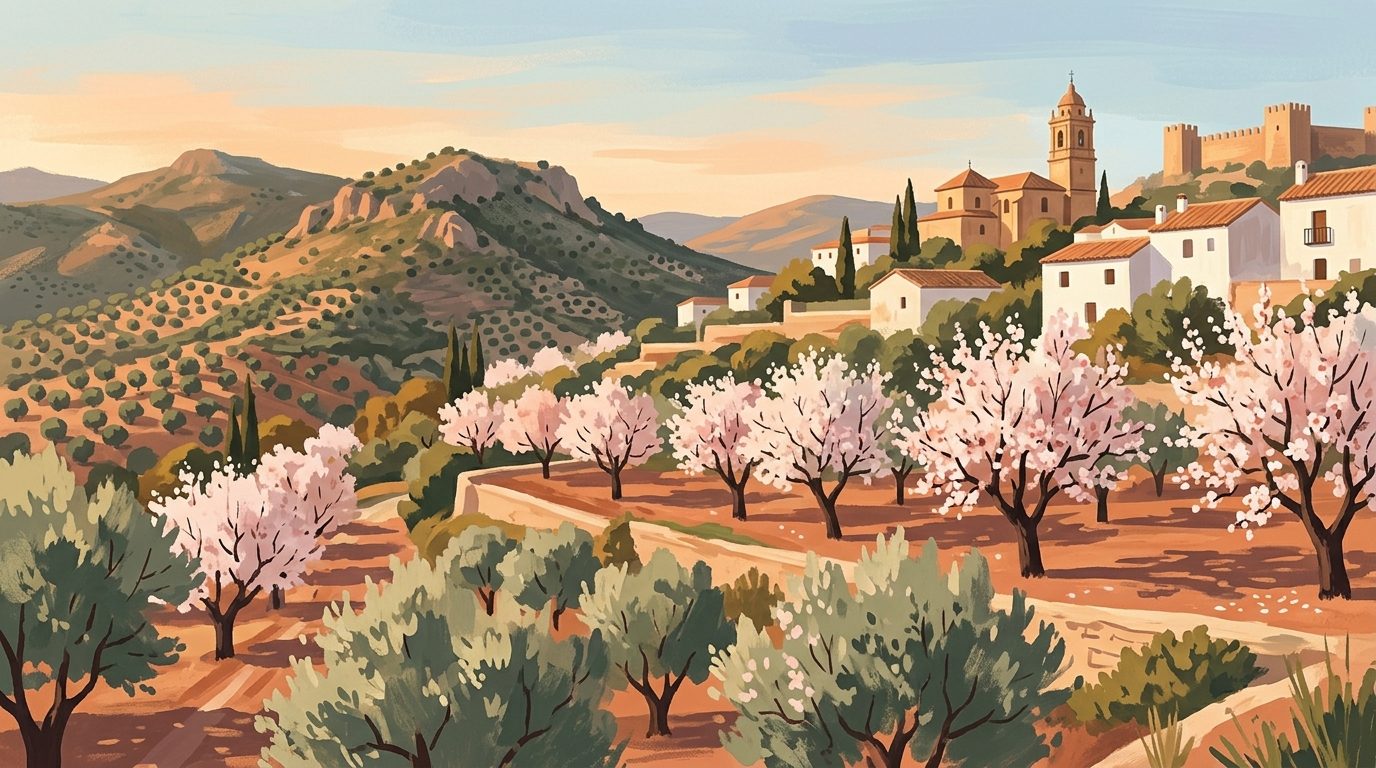
Jaén in February: Almond Blossom and Renaissance Silence
Experience the quiet beauty of Jaén in February, from the almond blossom in the foothills to the crisp, crowd-free Renaissance streets of Úbeda and Baeza (UNESCO World Heritage sites).
6 min read
Newsletter
More stories from Andalucía
Weekly notes, seasonal picks, and the next guides worth bookmarking.