
Seasonal guide · Jaén
Jaén in February: Almond Blossom and Renaissance Silence
Experience the quiet beauty of Jaén in February, from the almond blossom in the foothills to the crisp, crowd-free Renaissance streets of Úbeda and Baeza (UNESCO World Heritage sites).
By Dan · Updated 16 July 2026 · 6 min read
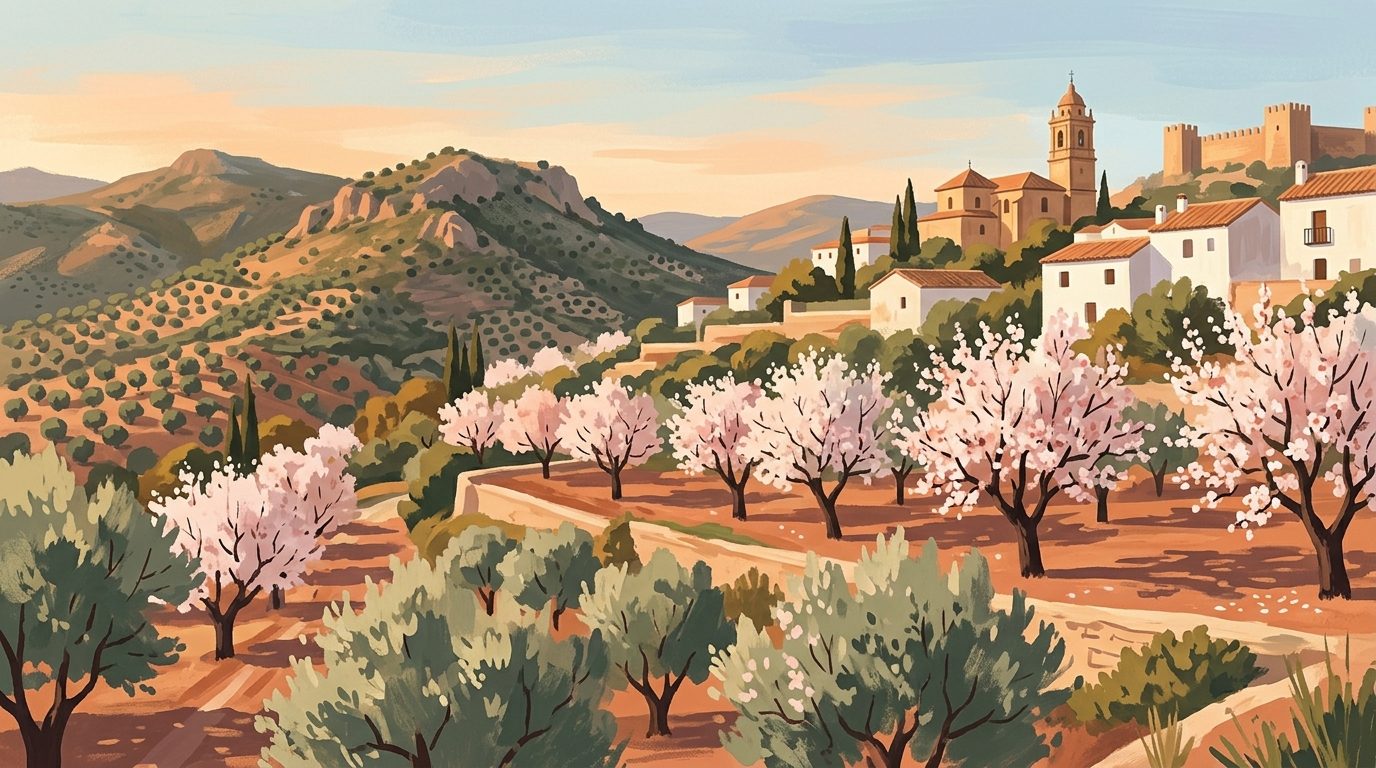
February in Jaén is a time of sharp clarity, where the silver-green sea of olive trees meets the pale pink of early almond blossom. It is a month for those who appreciate crisp mountain air, quiet Renaissance streets, and the hearty, warming cuisine of the Andalucían interior.
What to Expect
February is a transitional month in the province of Jaén. The frantic activity of the olive harvest, which dominates the province from November to January, begins to wind down, leaving a sense of calm across the countryside. This is the deepest part of winter, yet there are unmistakable signs of an early spring. While the peaks of the Sierra de Cazorla and Sierra Mágina remain capped with snow, the valleys start to glow with the soft pink and white of almond trees in flower, typically peaking between late January and mid-February.
Visually, the province is at its most stark and beautiful. The light is exceptionally clear, making it a favoured time for photographers. You will find the World Heritage cities of Úbeda and Baeza largely devoid of the tour groups that arrive in April, allowing for a contemplative experience of their golden-stone plazas. In the evening, the scent of olive-wood smoke hangs over the whitewashed villages, and the local taverns are at their most welcoming, serving up heavy stews and game meats to locals seeking refuge from the dusk chill.
Weather
The weather in Jaén during February is defined by its wide temperature fluctuations between day and night. It is a dry cold, which often feels more manageable than the damp winter of the coast, but it requires careful planning with your wardrobe.
Temperatures and Rainfall
In the provincial capital and the lower Guadalquivir valley, daytime highs average around 14°C to 16°C. However, as soon as the sun disappears behind the mountains, temperatures drop rapidly, often hovering just above freezing (2°C to 4°C). In high-altitude towns like Segura de la Sierra or Cazorla, sub-zero nights are common, and frost is a daily occurrence.
Rainfall is moderate, averaging about 50mm for the month, usually falling as short, sharp showers rather than prolonged grey days. If it does rain heavily, the higher elevations of the Sierras de Cazorla, Segura y Las Villas will likely see significant snowfall, which often stays on the ground throughout the month.
What to Wear
The "onion method" of layering is essential. You will need a heavy wool coat or a down jacket for the mornings and late evenings. During the middle of the day, if you are walking in the sun, a light sweater or even a shirtsleeve may suffice. Sturdy, waterproof boots are recommended if you plan to explore the olive groves or hiking trails, as the clay-heavy soil becomes sticky after rain.
Events & Festivals
While February is generally quiet, there are several cultural markers that provide a window into the local way of life.
Carnaval de Jaén (February)
Like the rest of Spain, Jaén celebrates Carnaval in the week leading up to Lent. While not as famous as the celebrations in Cádiz, the city of Jaén and the town of Úbeda host lively street parades and chirigotas, satirical singing groups that perform humorous songs about local politics and social life. It is a local affair, free from the crushing crowds of the coastal cities.
Día de Andalucía (28 February)
The regional holiday of Andalucía is celebrated with pride across the province. You will see the green and white flag hanging from balconies, and many towns hold public desayunos andaluces (Andalucían breakfasts) consisting of toasted bread drizzled with the province’s world-famous extra virgin olive oil. Most shops and public buildings will be closed, and public transport may run on a reduced holiday schedule, but it is an excellent day to witness local community spirit.
Semana de los Enamorados
The romantic, quiet nature of the Renaissance cities makes them popular for San Valentín (Valentine's Day). Many hotels and paradores in Úbeda, Baeza, and Cazorla offer special programmes during the week of the 14th, making it a popular time for couples from across Spain to visit.
What to Do
Explore the Renaissance Cities
The twin cities of Úbeda and Baeza are the province's architectural crowns. In February, the lack of crowds means you can stand alone in the Plaza de Vázquez de Molina in Úbeda and appreciate the symmetry of the Sacra Capilla del Salvador without distraction. The cool air is perfect for the steep climbs and narrow alleys of Baeza, where the local university creates a lively, academic atmosphere despite the winter cold.
The Almond Blossom Route
The foothills of the Sierra Mágina and the area around Alcalá la Real become a spectacle of Almendros en flor (almonds in bloom) by mid-February. Driving the backroads between small villages offers views of pink orchards contrasting against the deep green of the surrounding olive groves. It is a fleeting, beautiful herald of spring.
Winter Hiking in Cazorla
The Sierras de Cazorla, Segura y Las Villas Natural Park is the largest protected area in Spain. In February, the lower-altitude trails near the Coto Ríos or the source of the Guadalquivir are crisp and invigorating. The waterfalls are usually flowing strongly from winter rains. Keep a lookout for mountain goats (cabra montés) and wild boar (jabalí), which are often easier to spot against the sparser winter vegetation.
Olive Oil Tourism (Oleoturismo)
As the harvest concludes, the almazaras (oil mills) are still operational but less frantic. It is a fantastic time for a cata de aceite (olive oil tasting). The "early harvest" oils produced just weeks prior are at their peak of pungency and flavour. Many mills offer guided tours where you can learn about the extraction process and the different varieties of olives, such as the local Picual.
Who Should Visit
- Culture Lovers: Those wanting to see UNESCO sites without the pressure of tourism.
- Gourmet Travellers: February is the best time for game meat and the freshest olive oils.
- Hikers: Ideal for those who prefer cold-weather trekking and snow-capped scenery.
- Budget Travellers: Accommodations are at their lowest price points of the year.
- Couples: The atmospheric streets and fireplace-lit hotels provide a romantic setting.
Practical Notes
Crowd levels in February are at their lowest, meaning you can often walk into top-tier restaurants without a prior booking, though weekend reservations are still wise for popular spots in Úbeda. Prices for hotels and rural houses (casas rurales) are very competitive, often 30 to 40% lower than in the peak spring or autumn months.
Be aware that while days are sunny, the lack of insulation in some older, traditional buildings can make them feel very cold. If booking a rural house, ensure it has central heating or a working fireplace with plenty of wood provided. Public transport between smaller villages can be infrequent, so a hire car is highly recommended for exploring the mountain regions.
Monthly Verdict
Jaén in February is a quiet, authentic experience that rewards those who don't mind the cold. It offers a rare opportunity to witness the turning of the seasons in a landscape that remains largely untouched by mass tourism. Between the snow in the mountains and the blossom in the valleys, it provides a sense of peace and a deep connection to the agricultural rhythms of the interior.
Last reviewed: 16 July 2026 · Editorial policy
Related guides
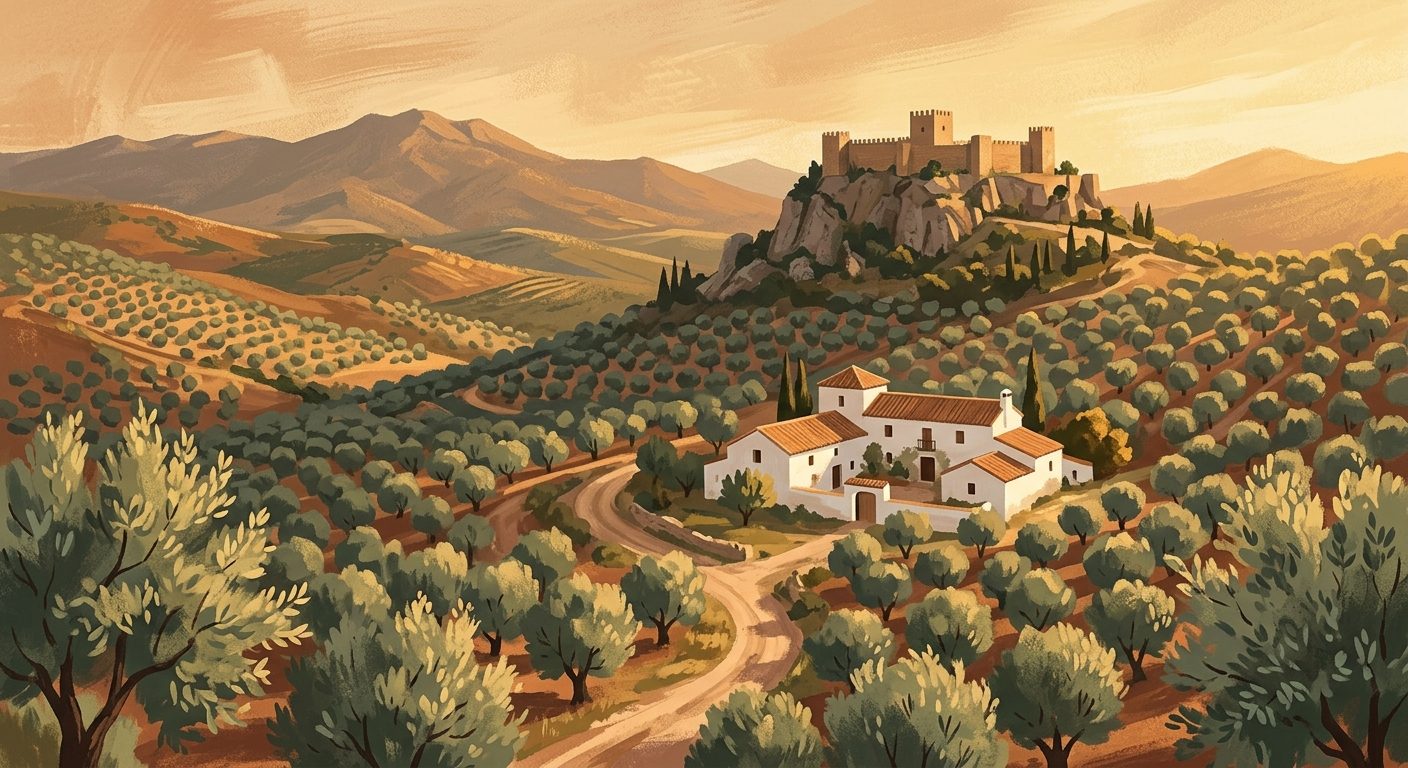
Winter Gold: Visiting Jaén in December
December in Jaén is defined by the heavy scent of crushed olives and the crisp, clear air of the high Sierras. It is a month of industrial energy in the groves and quiet, atmospheric beauty in the Renaissance cities.
6 min read
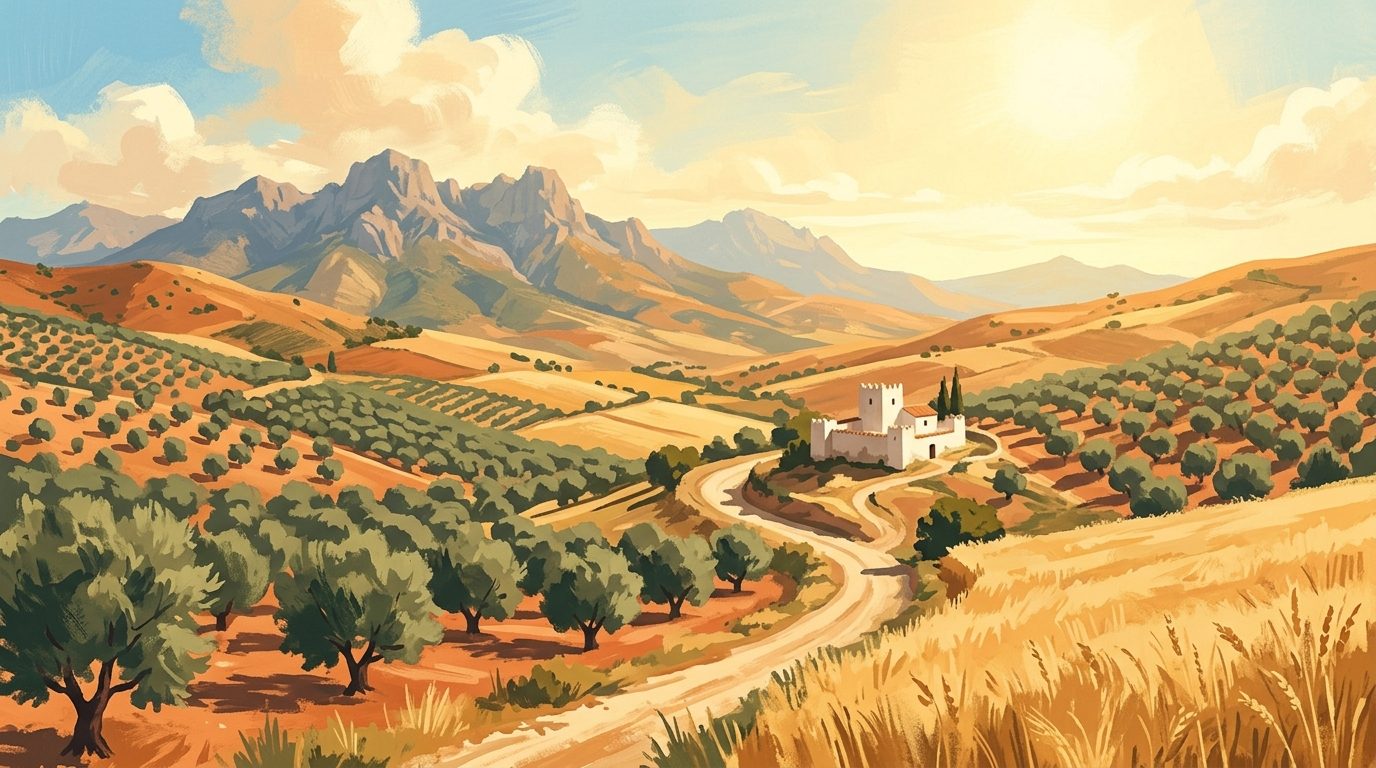
Jaén in June: Navigating the Golden Heat and High Sierras
June marks the transition from spring freshness to the serious heat of the high Andalucían summer, as the olive groves of Jaén turn silver under a relentless sun.
7 min read
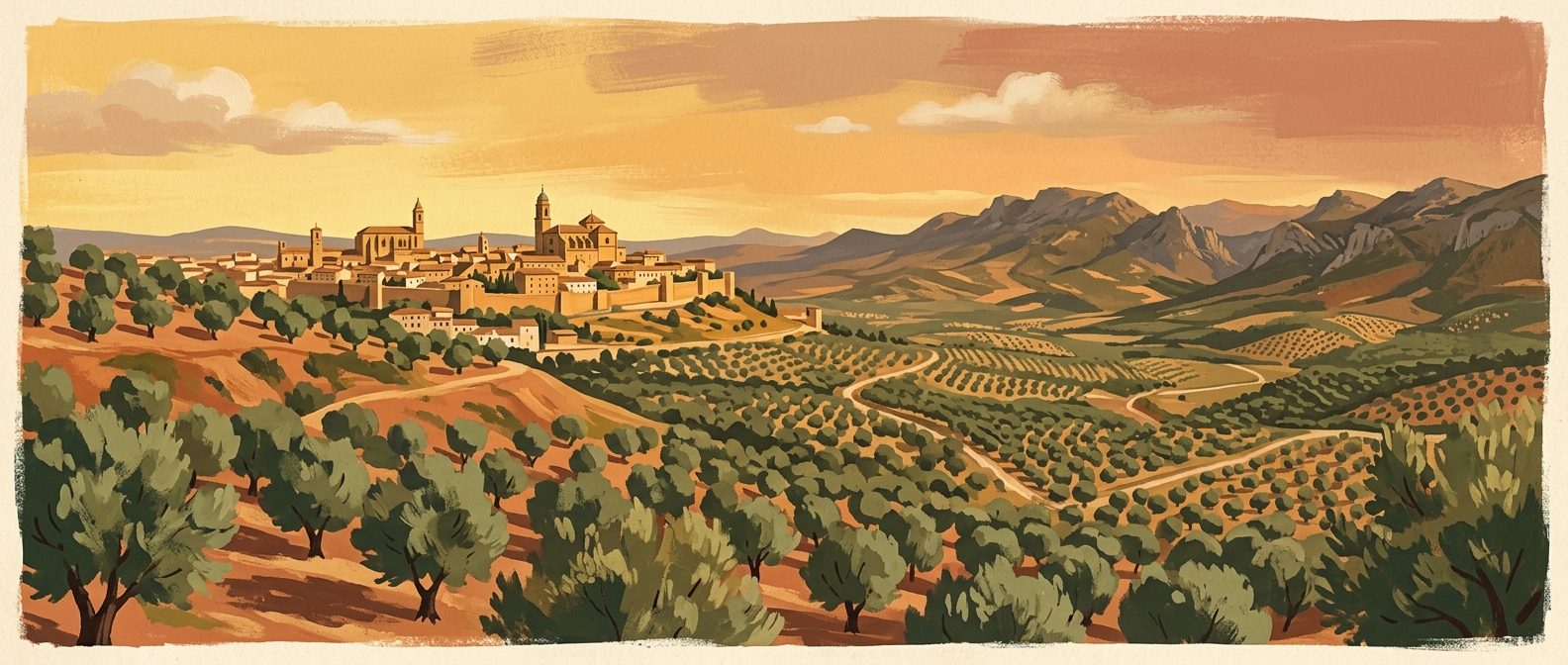
Jaén in May: Renaissance Cities and Untamed Wilderness
Experience Jaén at its peak in May, from the blooming olive groves and the rushing rivers of Cazorla to the sun-drenched Renaissance squares of Úbeda.
6 min read
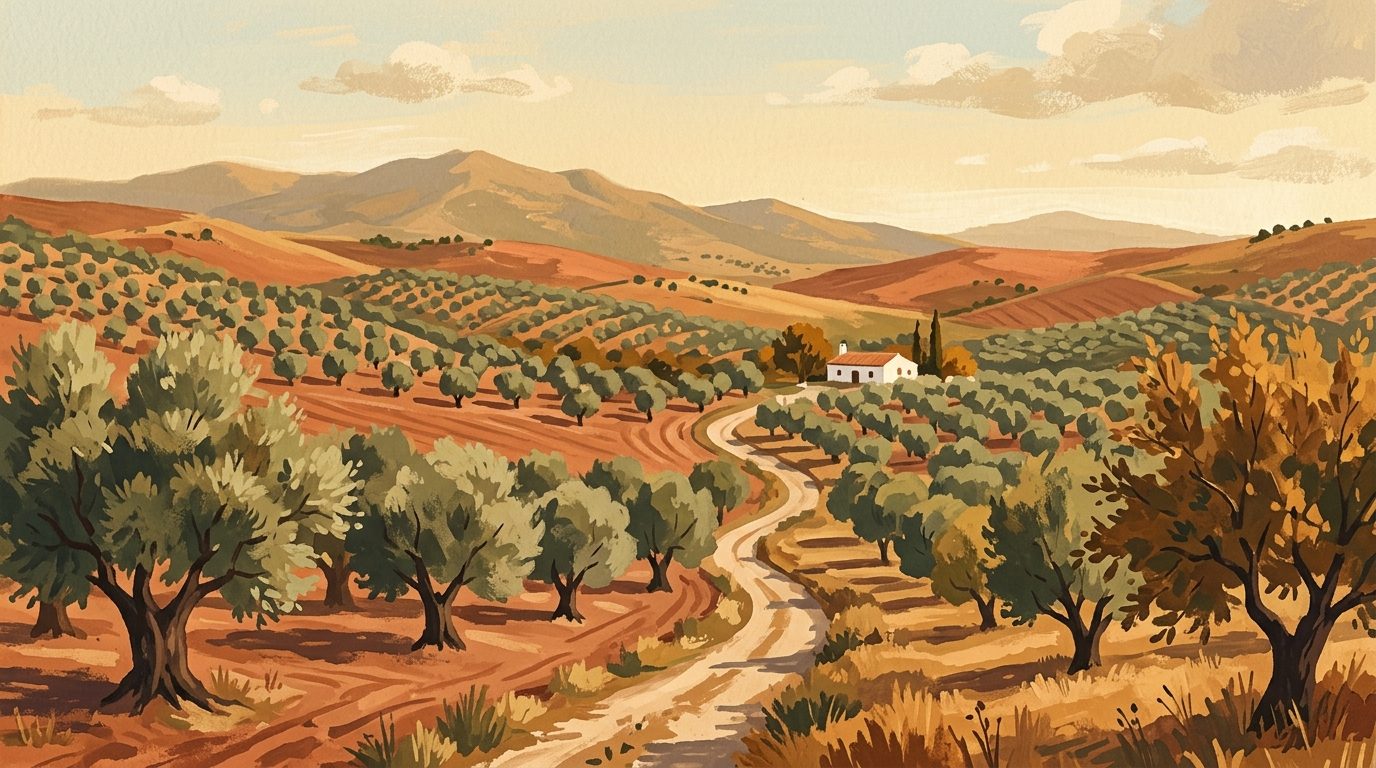
Córdoba in November: Olive Groves and Autumn Stillness
November in Córdoba is defined by the heavy scent of crushed olives and the golden light of the Subbética mountains. As the summer heat fades, the province settles into a quiet, productive rhythm.
6 min read
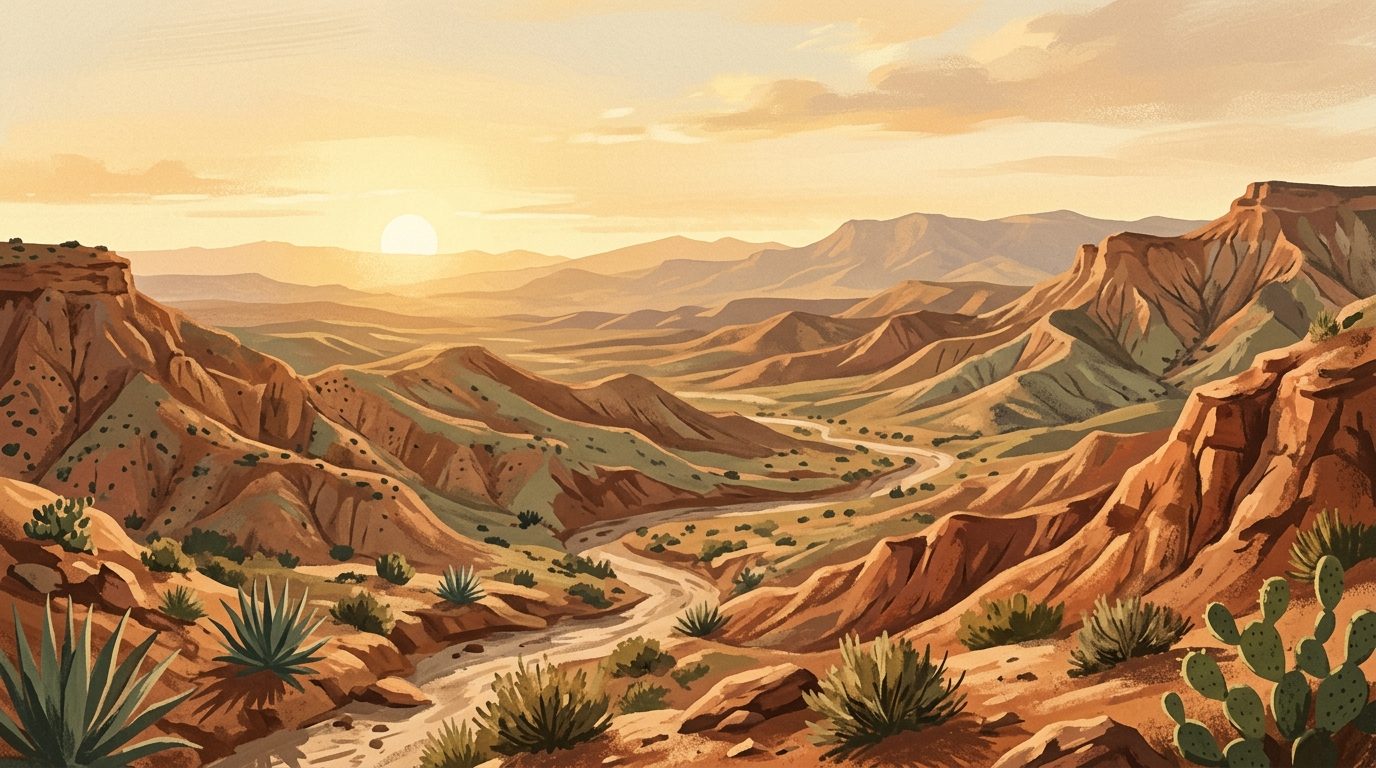
Almería in January: Desert Solitude and Winter Sun
January in Almería offers the sunniest winter skies in Europe, with crisp desert air, empty volcanic beaches, and the lowest prices of the year.
7 min read
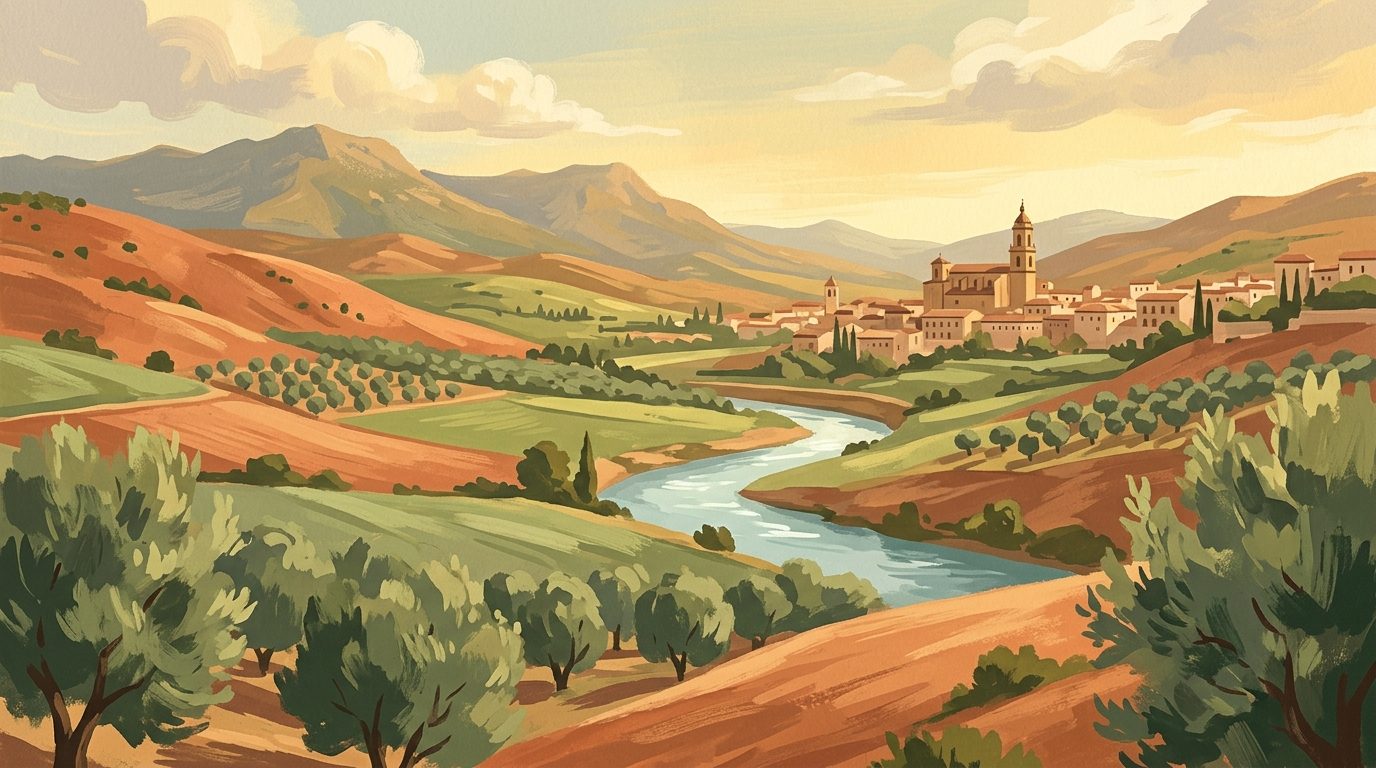
Jaén in March: Mountain Waters and Renaissance Rites
March in Jaén is a month of renewal, where the high sierras shed their winter snows to feed the headwaters of the Guadalquivir.
6 min read
More from Jaén
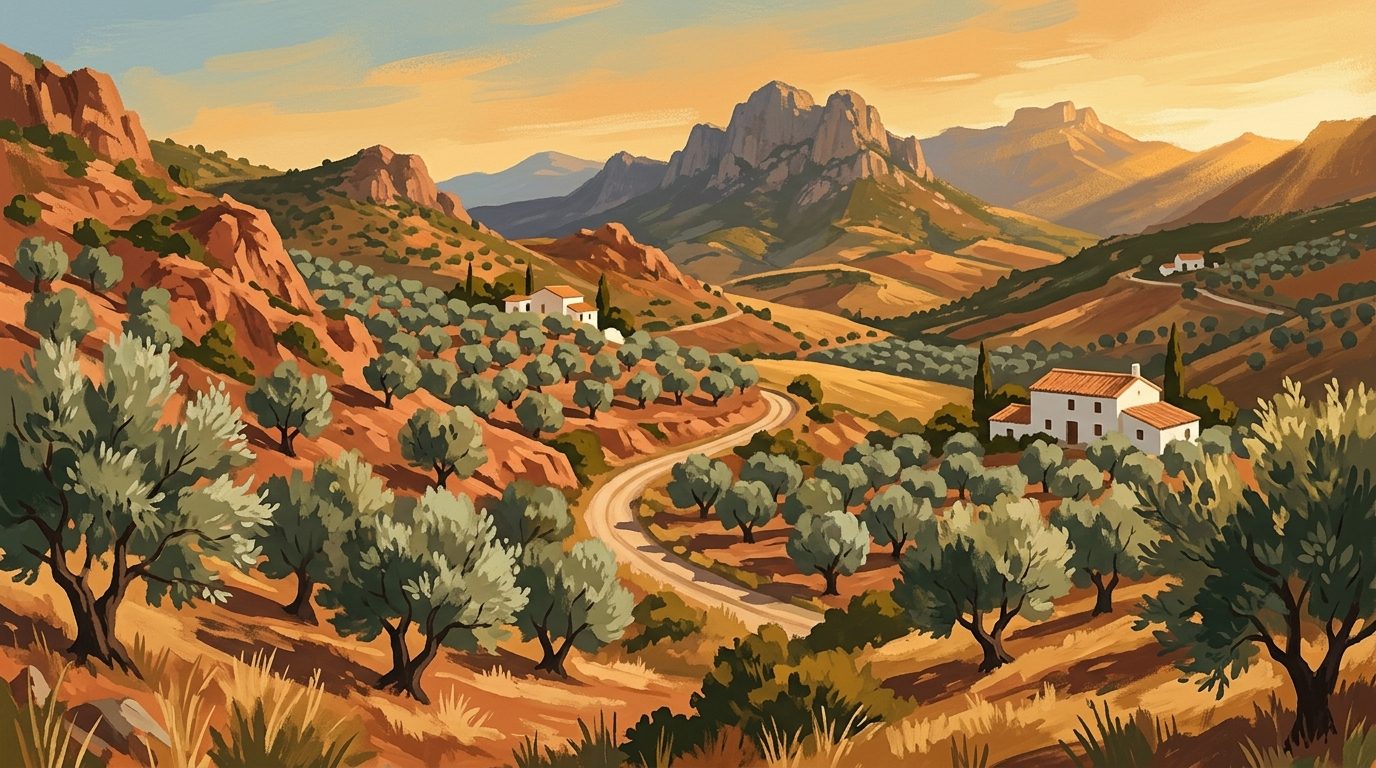
September in Jaén: Golden Light and the Call of the Wild
Experience the cooling temperatures and the dramatic start of the deer rut in Jaén this September. Discover the golden light of Úbeda and Baeza as the province transitions from the heat of summer to the clarity of autumn.
7 min read
Jaén in October: Autumn Wildlife and Renaissance Gold
October in Jaén is a month of natural drama, featuring the spectacular deer rut in Cazorla and the golden light of the Renaissance cities of Úbeda and Baeza.
6 min read
Jaén in July: High Heat and Mountain Refuges
Experience the intense high summer of Jaén, where lowland olive groves bake in 40°C heat while the cool waters of Tranco reservoir and the high peaks of Cazorla provide a necessary refuge.
6 min read
Jaén in April: Wildflowers, Wildlife, and Local Devotion
April in Jaén is a time of rushing mountain rivers, carpets of wildflowers, and authentic religious traditions that remain untouched by mass tourism.
6 min read
Jaén in January: Olive Harvests and Renaissance Frost
Experience the world's olive capital at its most authentic. January in Jaén offers crisp mountain air, fresh 'aceite nuevo' oil, and the striking bonfires of San Antón.
6 min read
Jaén in August: Mountain Escapes and Midnight History
Escape the intense summer heat by heading to the high-altitude forests and freshwater pools of Jaén's mountainous interior this August.
6 min read
Jaén in November: The Rhythm of the Olive Harvest
Experience the peak of the olive harvest in Jaén this November, from tasting electric-green fresh oils to exploring the quiet Renaissance streets of Úbeda and Baeza.
7 min read
Newsletter
More stories from Andalucía
Weekly notes, seasonal picks, and the next guides worth bookmarking.