
Seasonal guide · Jaén
Jaén in March: Mountain Waters and Renaissance Rites
March in Jaén is a month of renewal, where the high sierras shed their winter snows to feed the headwaters of the Guadalquivir.
By Dan · Updated 16 July 2026 · 6 min read
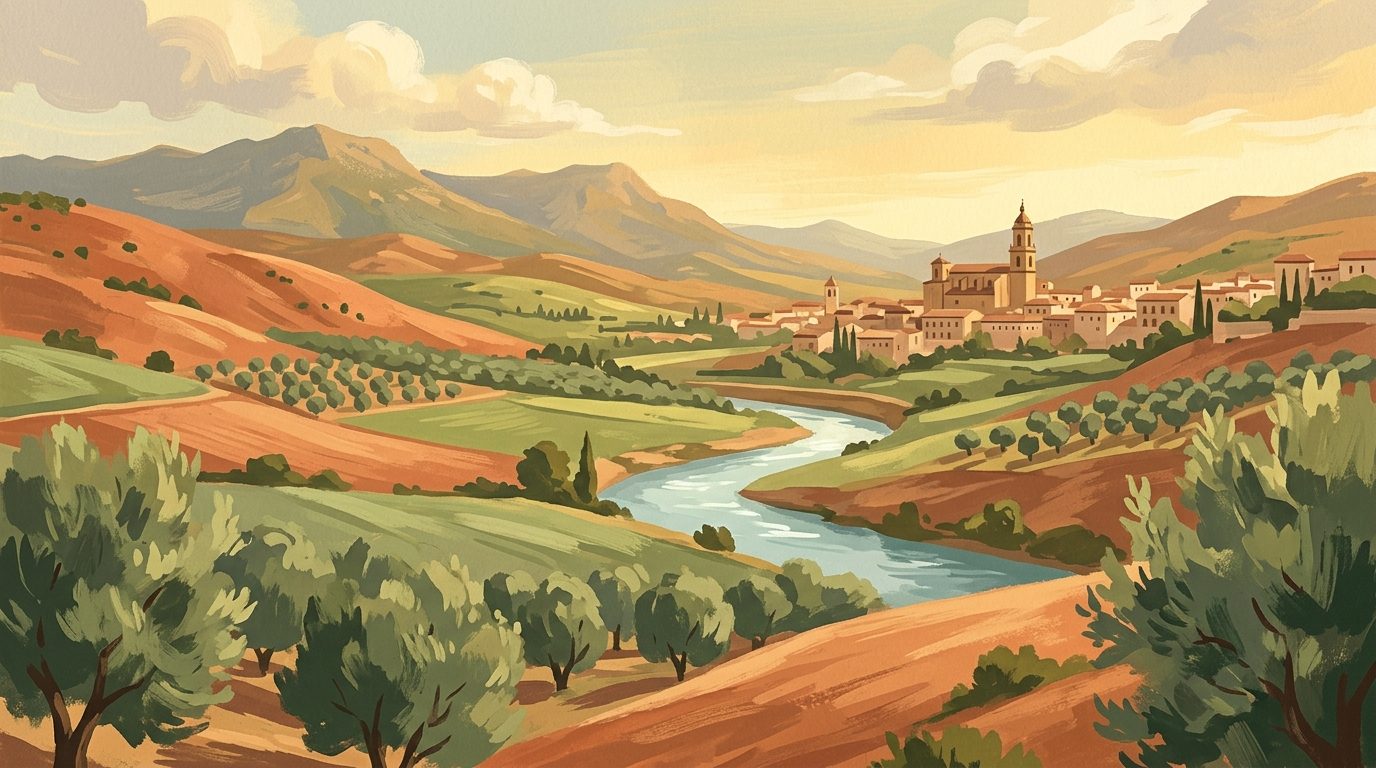
March in Jaén is a month of renewal, where the high sierras shed their winter snows to feed the headwaters of the Guadalquivir. It is a period of transition, offering the sharp clarity of mountain air alongside the solemnity of early spring traditions.
To visit the province of Jaén in March is to witness a landscape in the midst of a quiet awakening. While the coastal provinces of Andalucía may already be flirting with early summer temperatures, Jaén retains a crisp, invigorating edge. This is the month when the vast 'sea of olives', the millions of trees that define the provincial horizon, begins to shift from the silver-grey of winter to a more hopeful, tempered green. The heat of the coming summer is still a distant thought, leaving the air clear and the visibility across the sweeping valleys almost limitless.
In the high peaks of the Sierras de Cazorla, Segura y Las Villas, March signals the start of the thaw. The sound of running water becomes the defining soundtrack of the province, as narrow streams transform into torrents and waterfalls find their full voice. It is a month for those who prefer the scent of damp pine and woodsmoke to the salt of the sea, and for those who wish to see Andalucía's interior at its most authentic. For following the solemn path of a religious procession (check the lunar calendar for Semana Santa dates) through stone-carved Renaissance streets or tracking the elusive Iberian lynx through the Mediterranean scrub, March provides a window of opportunity before the crowds and the mercury rise in unison.
Weather: The Transition from Winter
The weather in Jaén during March is characterised by its variability. It is essential to understand that this is an inland province with significant topographical diversity; the conditions in the city of Jaén or the Guadalquivir valley differ greatly from the high-altitude villages of the Sierra de Segura.
In the provincial capital and the central plains, daytime temperatures typically reach between 16°C and 19°C. However, once the sun dips behind the mountains, the temperature drops rapidly, often falling to 5°C or 7°C. In the mountain regions, such as Santiago-Pontones or the higher reaches of Cazorla, night-time frosts remain common, and snow can still linger on the north-facing slopes of peaks like La Sagra. Rainfall is a possibility, with March often bringing short, sharp showers that clear the atmosphere and keep the river levels high. Visitors should pack for several seasons in one day: lightweight layers for the sunny afternoons and a substantial wool coat or insulated jacket for the mornings and evenings. Waterproof footwear is highly recommended for anyone planning to explore the natural parks.
Events & Festivals: The Solemnity of Stone
The cultural calendar in March is frequently dominated by Semana Santa (Holy Week). While the specific dates fluctuate according to the lunar calendar, the preparations and the atmosphere of Lent permeate the entire month. Unlike the more exuberant displays found in Sevilla or Málaga, the Holy Week in Jaén, particularly in the UNESCO-listed towns of Úbeda and Baeza, is marked by an austere, profound beauty.
Semana Santa de Úbeda is particularly noteworthy for its processional imagery. The town's Renaissance backdrop, designed by Andrés de Vandelvira, provides a cinematic setting for the heavy wooden 'tronos' (floats) that navigate the narrow streets. The General Procession on Good Friday is a significant event, but throughout March, you will likely hear the distant rehearsal of drum corps and see the doors of local churches open as 'hermandades' (brotherhoods) prepare their icons (check the official Úbeda and Baeza tourism portal for confirmed procession times). In the city of Jaén, the Nuestro Padre Jesús Nazareno, affectionately known as 'El Abuelo', is the focal point of local devotion.
In mid-March, many smaller municipalities celebrate Las Fiestas de San José (the Feast of Saint Joseph) on the 19th. In villages like Peal de Becerro, this often involves the lighting of large bonfires, known as luminarias, around which neighbours gather to share local produce and wine, celebrating the arrival of spring and the passing of the harshest winter days.
What to Do: Peaks, Pines, and Palaces
March is arguably the finest month for hiking in the Parque Natural de las Sierras de Cazorla, Segura y Las Villas. The Cerrada de Elías, a wooden walkway suspended over the Borosa river, is spectacular this time of year. The water is high, clear, and turquoise, rushing through the limestone gorges with immense power. For those interested in flora, the headwaters of the Guadalquivir begin to show the first signs of wildflowers, including endemic species of daffodils and violets that thrive in the cool, damp shade of the forest floor.
Wildlife enthusiasts should turn their attention to the Sierra de Andújar. March is a prime time for spotting the Iberian lynx; the cooler temperatures mean these rare cats are more active during the daylight hours than they are in the summer heat. Guided tours through the Mediterranean forest of holm oaks and cork trees (which can be researched via the Junta de Andalucía visitor window) also offer the chance to see Spanish imperial eagles and griffon vultures, which are active during their nesting season.
In the towns, this is the month to appreciate the architecture of Úbeda and Baeza without the mid-summer heat haze or the autumn rains. The Palacio de las Cadenas in Úbeda and the Catedral de Baeza are best viewed in the sharp, angled light of a March afternoon. Gastronomy also takes a seasonal turn; look for Andrajos, a hearty winter stew of thin pasta strips, vegetables, and often rabbit or hare, which remains a staple on menus as long as the evenings stay cool. It is also the perfect time to visit an almazara (olive oil mill) to taste the 'early harvest' oils that have settled since the winter pressing, showcasing a peppery, grassy profile that is unique to the region.
Who Should Visit?
- Hikers and Nature Lovers: The river trails and mountain paths are at their most dramatic with the spring snowmelt.
- Photographers: The clarity of the air and the dramatic clouds of the transitional season provide exceptional light for capturing the Renaissance architecture.
- Culture Seekers: Those who appreciate the more sombre and artistic side of Spanish religious traditions will find the processions in Úbeda deeply moving.
- Wildlife Enthusiasts: The chance to spot the world's most endangered feline in its natural habitat is highest during these cooler months.
Practical Notes: Crowds and Costs
For most of March, Jaén remains a very affordable destination, a fact echoed by the official Andalucía tourism board. Hotel prices in the mountains and the major towns are generally lower than during the peak summer months. However, should Semana Santa fall in late March, prices will rise significantly, and accommodation in Úbeda and Baeza will be booked out months in advance. If your visit coincides with Holy Week, ensure you book your restaurant tables for dinner, as many locals will be out following the processions.
In terms of crowds, the natural parks are refreshingly quiet during the week, though they can see an influx of local hikers on weekends. The city of Jaén remains largely a local affair, devoid of the mass tourism found elsewhere in Andalucía, allowing for an authentic experience in its tapas bars and plazas. Always check the opening times for smaller monuments and mountain interpretation centres (check on the operator's website before travelling), as some may still be operating on reduced winter hours until the end of the month.
Monthly Verdict
Jaén in March is a destination for the thoughtful traveller who appreciates the raw beauty of the mountains and the intricate detail of a carved stone facade. It is a time when the province feels alive with the movement of water and the weight of tradition. While you will need a warm coat for the evenings, the reward is an Andalucía that is fresh, green, and entirely sincere, far removed from the manicured experiences of the southern coast.
Last reviewed: 21 June 2026 · Editorial policy
Related guides
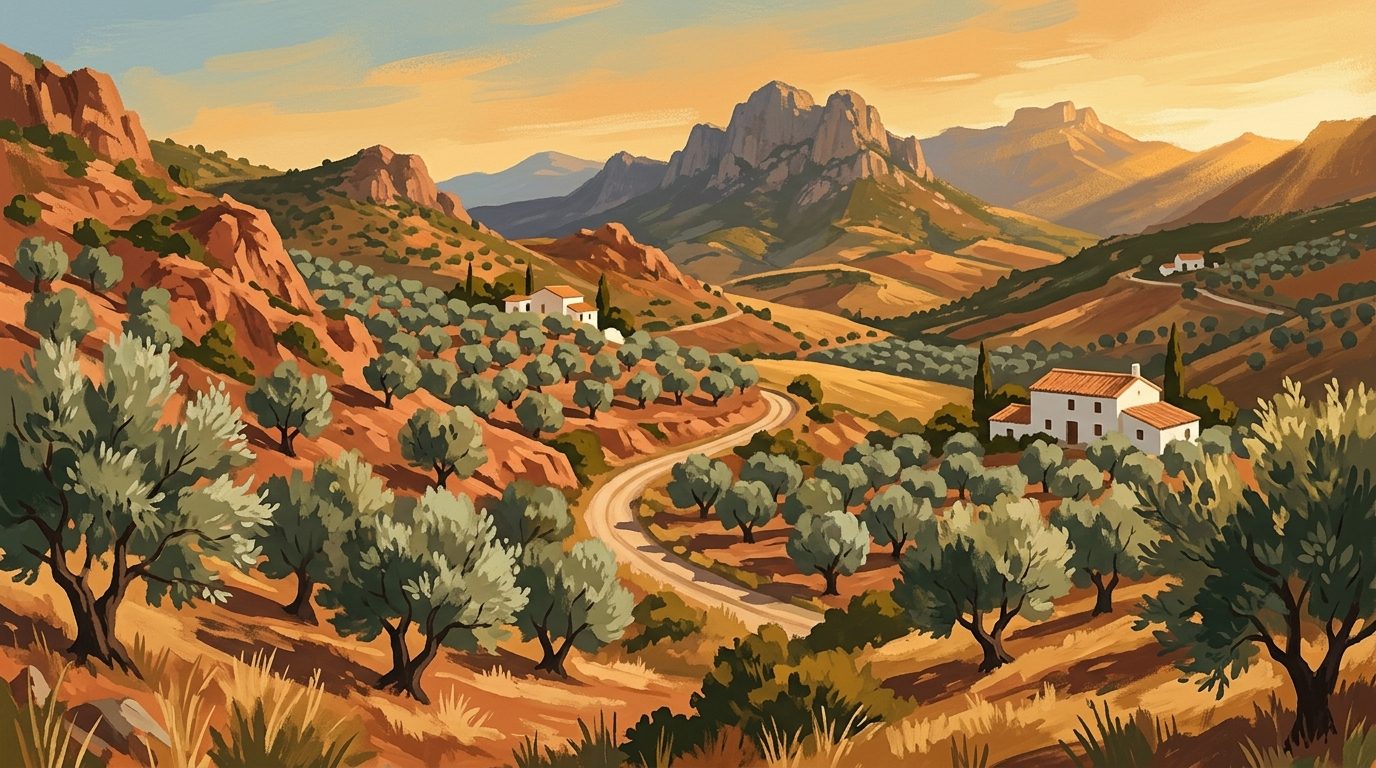
September in Jaén: Golden Light and the Call of the Wild
Experience the cooling temperatures and the dramatic start of the deer rut in Jaén this September. Discover the golden light of Úbeda and Baeza as the province transitions from the heat of summer to the clarity of autumn.
7 min read
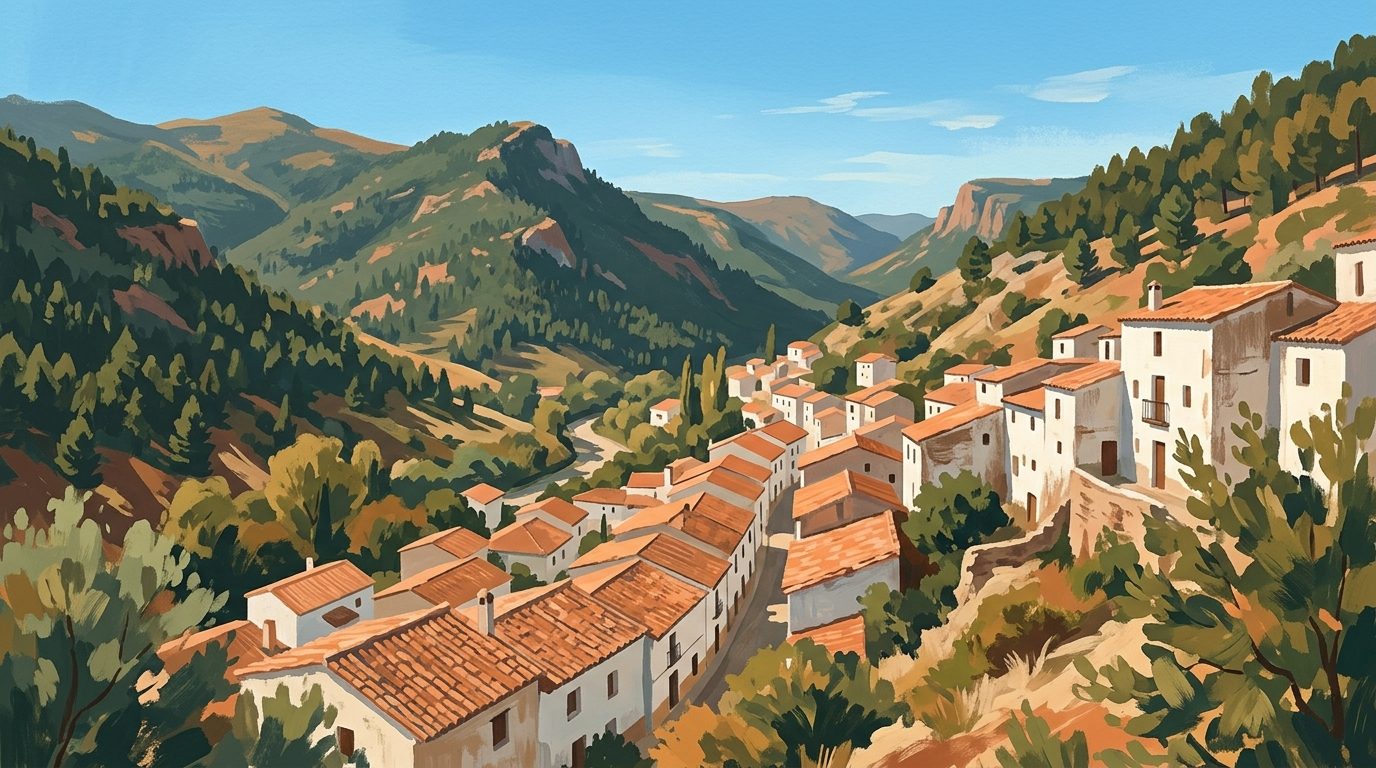
Exploring Arroyo Frío: The Natural Hub of the Sierra de Cazorla
Arroyo Frío serves as the primary base for exploring the wild heart of the Sierras de Cazorla, Segura y Las Villas Natural Park. It provides a central point from which to launch excursions into the deep river valleys and high limestone peaks of Jaén’s wilderness.
5 min read
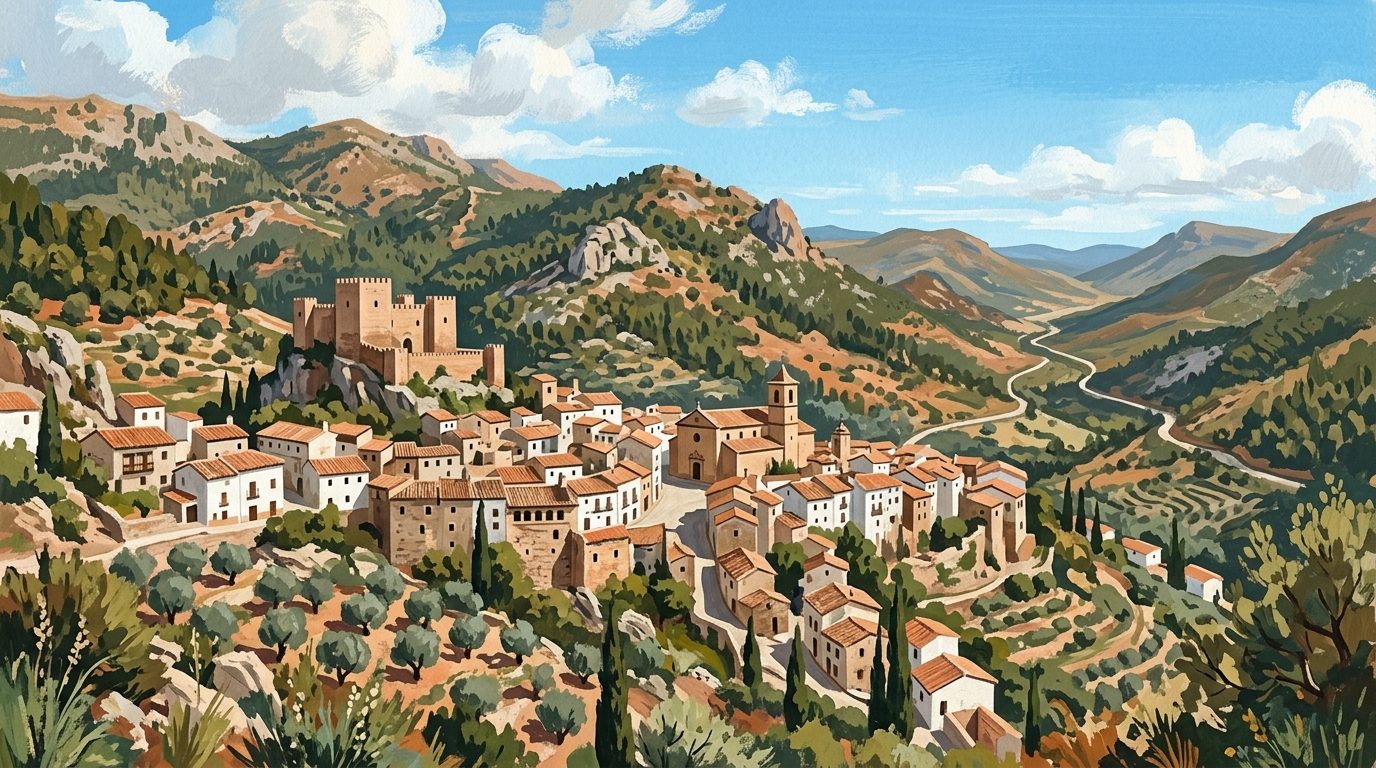
Deep Into the Wilderness: A Guide to the Sierra de Cazorla, Segura y Las Villas
Discover Spain's largest protected wilderness, a landscape of limestone peaks, turquoise rivers, and high-altitude villages in the heart of Jaén.
7 min read
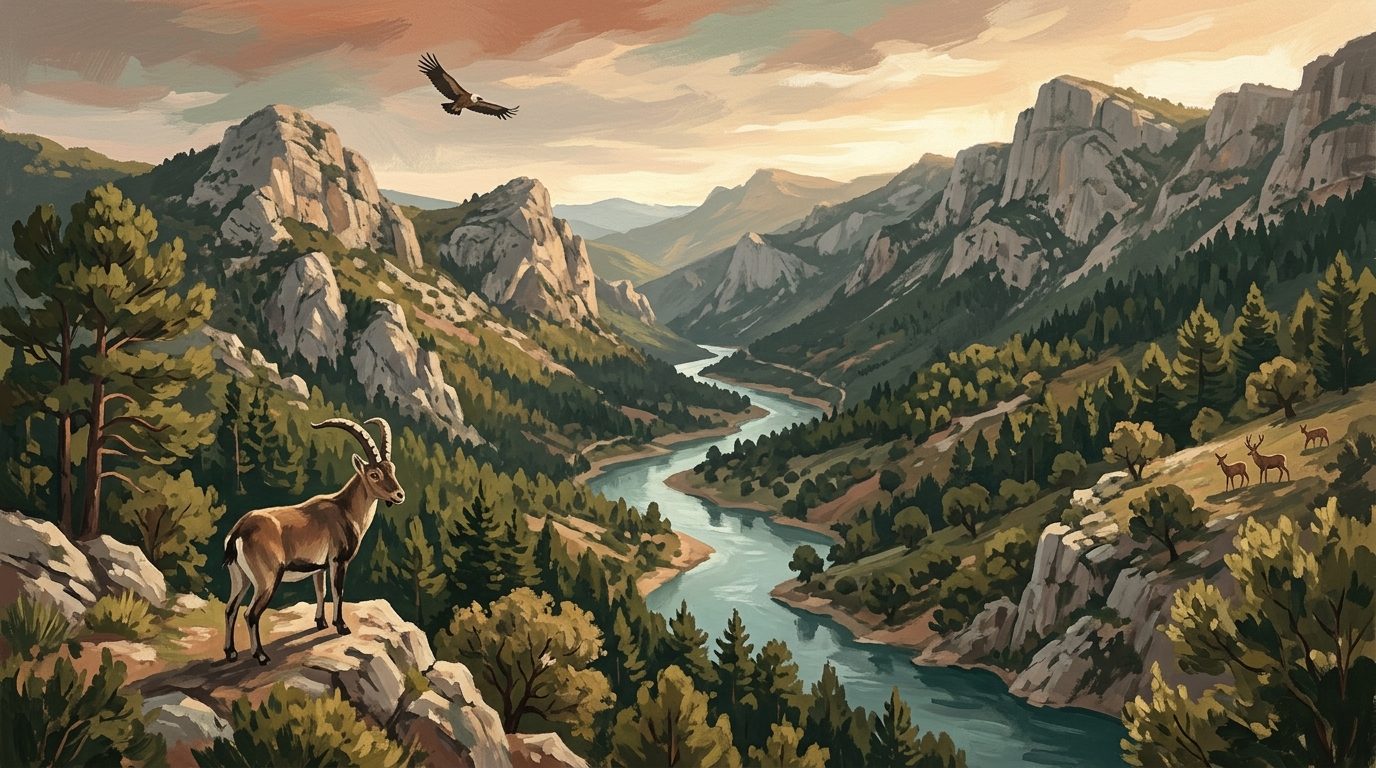
Sierra de Cazorla: Spain's Largest Protected Area
Covering over 200,000 hectares of rugged limestone peaks and deep river canyons, the Sierra de Cazorla forms the green heart of the Iberian Peninsula.
7 min read
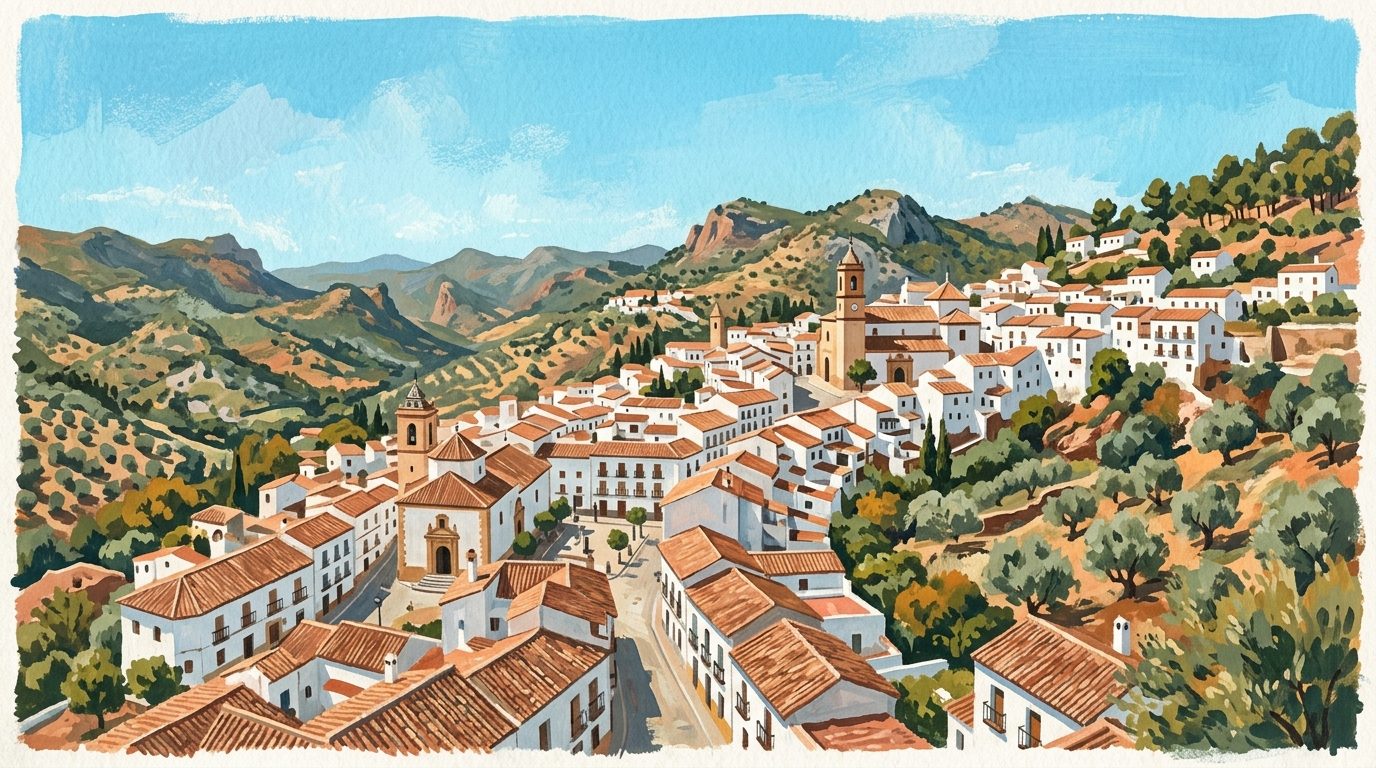
A Guide to Cazalla de la Sierra: Anisette, Wilderness, and Renaissance Grandeur
Discover Cazalla de la Sierra, the historic anisette capital of the Sierra Norte de Sevilla, where Renaissance architecture meets rugged mountain trails.
6 min read
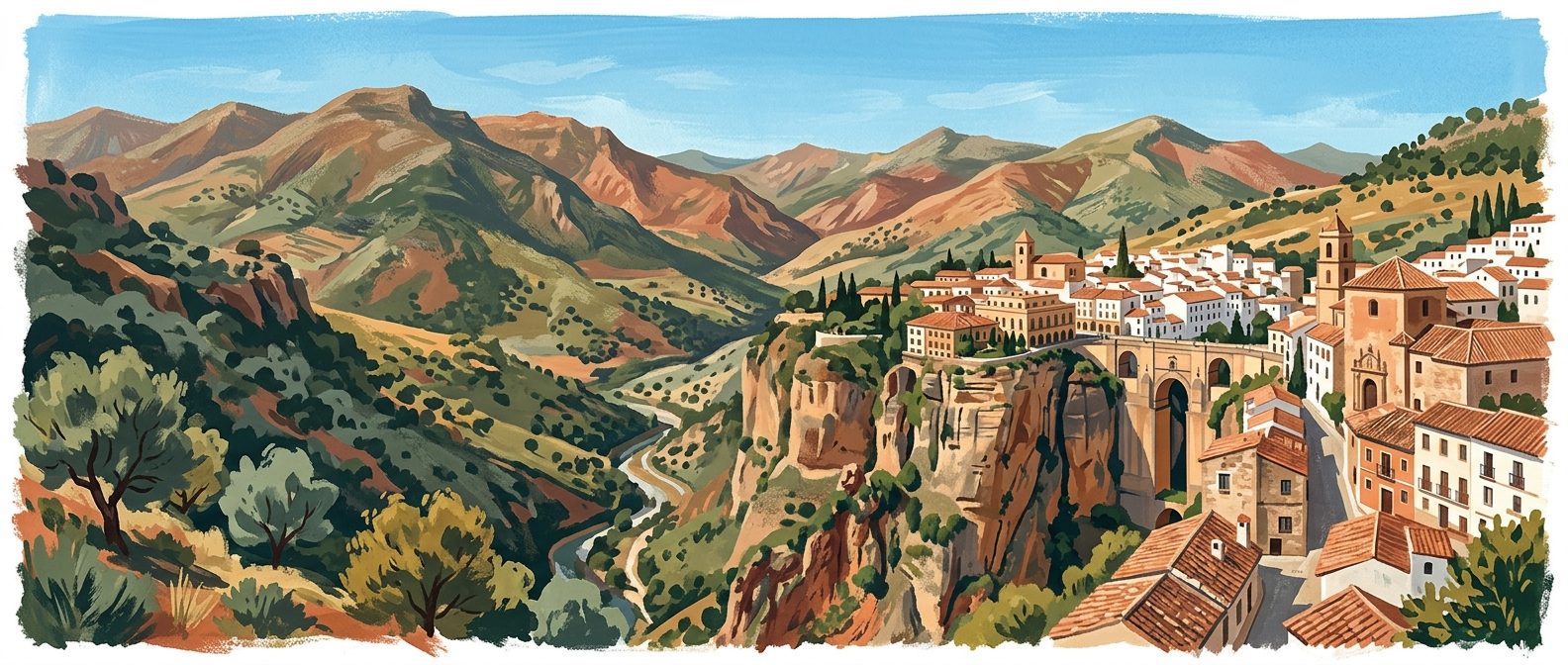
Exploring Sierra de las Nieves National Park
Discover the prehistoric Spanish fir forests and the rugged limestone peaks of the Sierra de las Nieves, Málaga’s first National Park.
6 min read
More from Jaén
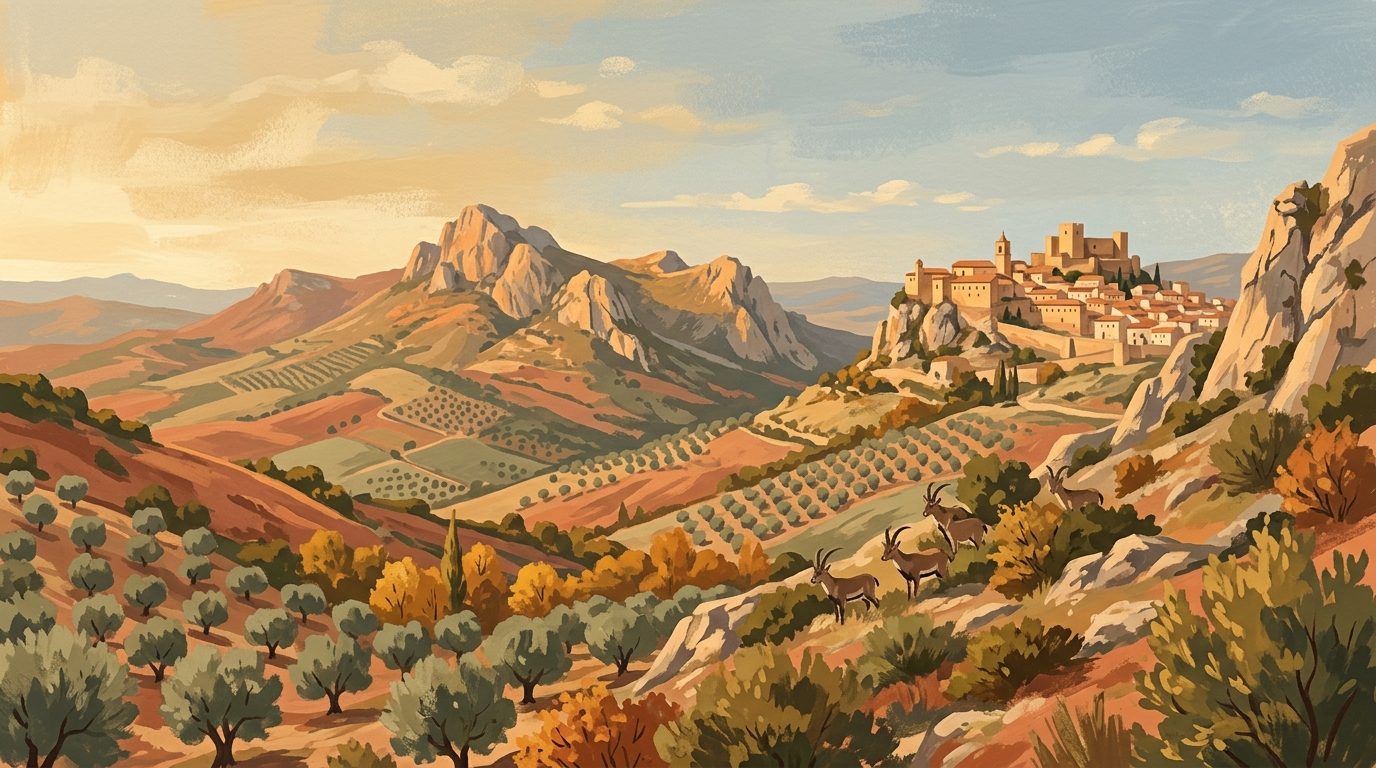
Jaén in October: Autumn Wildlife and Renaissance Gold
October in Jaén is a month of natural drama, featuring the spectacular deer rut in Cazorla and the golden light of the Renaissance cities of Úbeda and Baeza.
6 min read
Jaén in May: Renaissance Cities and Untamed Wilderness
Experience Jaén at its peak in May, from the blooming olive groves and the rushing rivers of Cazorla to the sun-drenched Renaissance squares of Úbeda.
6 min read
Jaén in June: Navigating the Golden Heat and High Sierras
June marks the transition from spring freshness to the serious heat of the high Andalucían summer, as the olive groves of Jaén turn silver under a relentless sun.
7 min read
Winter Gold: Visiting Jaén in December
December in Jaén is defined by the heavy scent of crushed olives and the crisp, clear air of the high Sierras. It is a month of industrial energy in the groves and quiet, atmospheric beauty in the Renaissance cities.
6 min read
Jaén in July: High Heat and Mountain Refuges
Experience the intense high summer of Jaén, where lowland olive groves bake in 40°C heat while the cool waters of Tranco reservoir and the high peaks of Cazorla provide a necessary refuge.
6 min read
Jaén in April: Wildflowers, Wildlife, and Local Devotion
April in Jaén is a time of rushing mountain rivers, carpets of wildflowers, and authentic religious traditions that remain untouched by mass tourism.
6 min read
Jaén in January: Olive Harvests and Renaissance Frost
Experience the world's olive capital at its most authentic. January in Jaén offers crisp mountain air, fresh 'aceite nuevo' oil, and the striking bonfires of San Antón.
6 min read
Jaén in February: Almond Blossom and Renaissance Silence
Experience the quiet beauty of Jaén in February, from the almond blossom in the foothills to the crisp, crowd-free Renaissance streets of Úbeda and Baeza (UNESCO World Heritage sites).
6 min read
Jaén in August: Mountain Escapes and Midnight History
Escape the intense summer heat by heading to the high-altitude forests and freshwater pools of Jaén's mountainous interior this August.
6 min read
Newsletter
More stories from Andalucía
Weekly notes, seasonal picks, and the next guides worth bookmarking.