
Seasonal guide · Jaén
September in Jaén: Golden Light and the Call of the Wild
Experience the cooling temperatures and the dramatic start of the deer rut in Jaén this September. Discover the golden light of Úbeda and Baeza as the province transitions from the heat of summer to the clarity of autumn.
By Dan · Updated 16 July 2026 · 7 min read
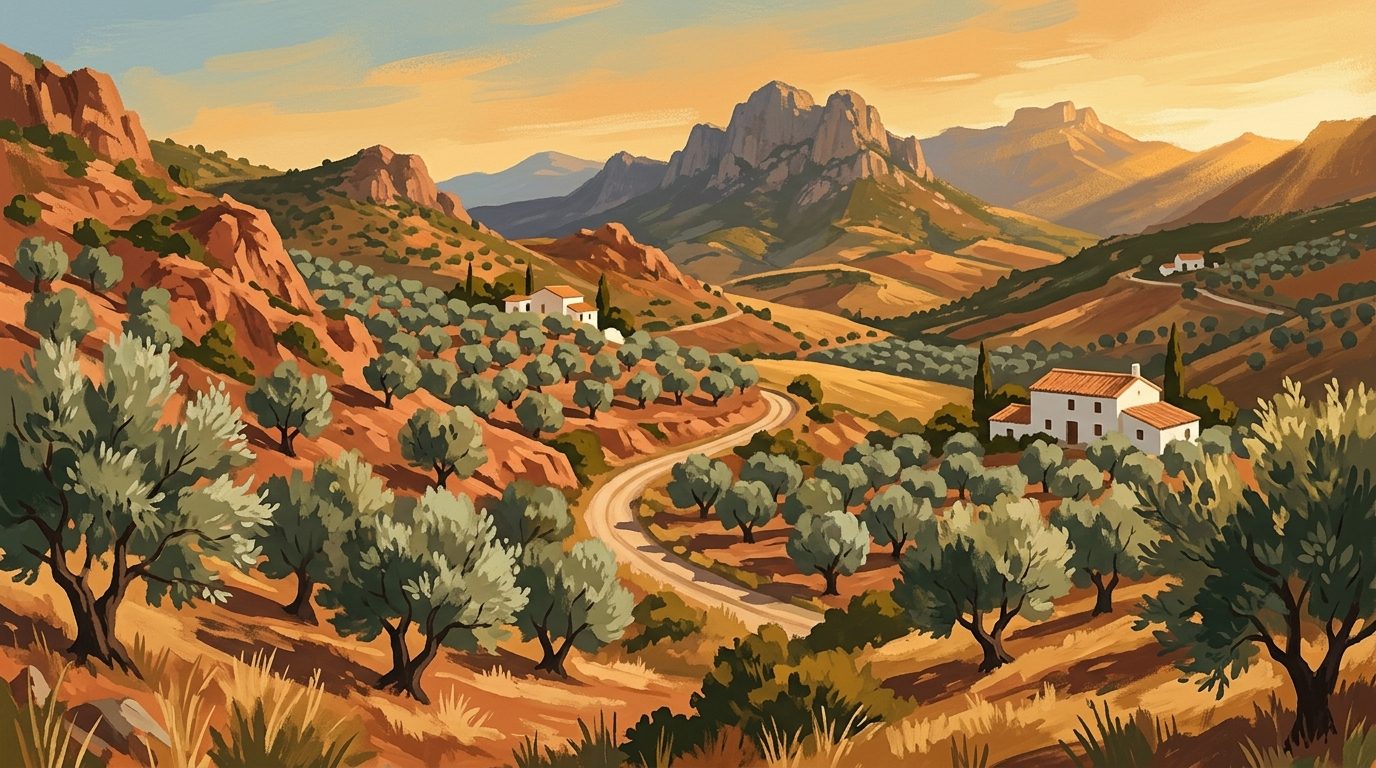
As the relentless summer heat withdraws from the Guadalquivir valley, Jaén transforms into a province of soft golden light and cooling mountain trails. September marks the return of the walker and the naturalist, drawn by the first stirrings of the deer rut in the deep woods of Cazorla.
September in Jaén is a month of transition where the oppressive weight of the Andalucían summer finally begins to lift. For those who find the 40°C peaks of July and August intolerable, this month provides a welcome reprieve. The province, often overlooked in favour of the coastal strips, reveals its true character during these thirty days. The vast "mar de olivos" (sea of olives), containing over 60 million trees, begins to lose its parched, dusty summer coat as the first hints of autumn humidity arrive, though the landscape remains predominantly tawny and scorched until the heavier rains of October.
In the lowlands, the pace of life shifts. The locals return from their August holidays on the coast, and the cities of Jaén, Úbeda, and Baeza regain their authentic rhythm. There is a sense of preparation in the air; the olive harvest is still a few months away, but the infrastructure of the province, from the oil mills to the rural tracks, is being readied. For the visitor, the greatest appeal lies in the duality of the month: the first half still feels like a manageable summer, perfect for late-night tapas in stone-paved plazas, while the second half introduces the crisp mountain air that makes the Parque Natural de Cazorla, Segura y Las Villas one of the premier outdoor destinations in Spain.
Weather: The Cooling Trend
Weather in Jaén during September is characterised by a significant drop in average temperatures compared to August, though it remains warm by any Northern European standard. In the provincial capital and the lower-lying areas like Andújar or Linares, daytime highs typically hover around 30°C to 32°C. While this is still hot, the lack of intense humidity makes it comfortable for sightseeing, provided you avoid the direct sun between 2:00 PM and 5:00 PM. Nights in the lowlands drop to a pleasant 16°C or 17°C, allowing for restorative sleep without the constant hum of air conditioning.
The mountainous regions, specifically the Sierra de Cazorla and the Sierra Mágina, offer a different climate entirely. Here, the altitude plays a decisive role. Daytime temperatures in mountain villages like Segura de la Sierra might reach 25°C, but as soon as the sun dips behind the limestone crags, the thermometer can quickly fall to 10°C or 12°C. Rainfall is generally low, averaging about 25mm for the month, but September is known for the occasional "tormenta de verano" (summer storm). These are often dramatic, short-lived electrical storms that clear the dust from the air and leave the scent of damp earth and pine needles in their wake.
When packing, layers are essential. Light linen and cotton are perfect for the daytime, but a medium-weight jacket or fleece is necessary if you plan to spend evenings in the mountains or participate in late-night nature excursions.
Events & Festivals
The cultural calendar in September is dominated by the end-of-summer fairs, which are less tourist-centric and more community-focused than those found in Sevilla or Málaga.
Feria de San Miguel (Úbeda): Starting in late September (typically around the 28th, though check exact dates with the Úbeda tourism office) and running into early October, this is the most significant event in the city’s calendar. It celebrates Saint Michael with a mixture of traditional "casetas" (tents for eating and dancing), concerts, and cultural performances. The city’s Renaissance backdrop adds a unique gravity to the festivities. It is an excellent time to see the local population in traditional attire without the overwhelming crowds of the larger Andalucían fairs.
Real Feria de San Mateo (Alcalá la Real): Held in the third week of September, this fair in the south of the province is a major draw for the region. It features livestock markets alongside modern fairground attractions, providing a glimpse into the agricultural roots of the Jaén countryside.
Fiestas de la Virgen de la Fuensanta (Alcaudete): In early September, this town hosts celebrations in honour of its patron saint. The atmosphere is deeply local, involving religious processions and street parties that transform the town’s narrow, winding streets into communal dining rooms.
What to Do: Nature and Renaissance
September is arguably the best month of the year for active travel in Jaén. As the temperatures ease, the province’s natural parks become accessible once more. The highlight of the month is La Berrea del Ciervo (the deer rut). Starting in late September, the red deer in the Sierra de Cazorla and the Sierra de Andújar begin their mating season. The forest echoes with the guttural bugling of stags competing for dominance. Several local outfitters, such as those based in Arroyo Frío, offer guided 4x4 tours at dusk and dawn to witness this primal spectacle. It is a haunting, evocative experience that defines the start of the Iberian autumn.
For those who prefer the water, the Embalse del Tranco de Beas (Tranco Reservoir) remains a focal point. September is the tail end of the prime fishing season for black bass and barbel. The solar-powered boat that tours the reservoir is still in operation (check the official provincial tourism site or the operator's website before travelling), offering a quiet way to see the surrounding mountains without the August crowds. Hiking the Ruta del Río Borosa is also highly recommended this month. While the water levels are lower than in spring, the cooler air makes the steep climb to the Laguna de Valdeazores far more enjoyable.
In the cities of Úbeda and Baeza, September provides the perfect lighting for photography. The "Golden Hour" in these UNESCO World Heritage towns is spectacular, as the low sun hits the honey-coloured sandstone of the Palacio de las Cadenas or the Vázquez de Molina square. With the school year beginning in mid-September, the streets are quieter, allowing for a contemplative exploration of the Vandelvira-designed architecture. The interior of the Sacra Capilla del Salvador in Úbeda is particularly striking in the late afternoon September light.
Who Should Visit?
- Hikers and Naturalists: The cooling weather and the onset of the deer rut make the sierras a primary destination.
- Culture Lovers: Those wanting to explore the Renaissance heritage of Úbeda and Baeza without the summer heat or the spring crowds.
- Photographers: The atmospheric light and the dramatic storms provide exceptional conditions for landscape and architectural photography.
- Peace Seekers: Since the coastal resorts are still relatively active, the inland rural houses (casas rurales) of Jaén offer a quiet alternative.
Practical Notes
In terms of crowds, September is a quiet month for Jaén. You will rarely find a queue for monuments or museums. However, if you plan to visit the Sierra de Cazorla during the final weekend of the month to witness the deer rut, you should book accommodation several weeks in advance, as this is a popular time for domestic Spanish tourists and nature enthusiasts.
Prices for accommodation are lower than in August, though not as cheap as they will become in the deep winter months of January and February. You can expect to pay around €60 to €80 for a high-quality double room in a boutique hotel or a well-equipped rural house. Dining out remains very affordable; remember that Jaén is famous for its generous "tapa" culture, where a free plate of food is served with every drink ordered, making it one of the most budget-friendly provinces in Spain.
Transportation Tip: While there are bus links between the major towns, a car is essential to explore the natural parks and the smaller white villages. Roads are in excellent condition, but be prepared for winding mountain passes in the south and east of the province.
Monthly Verdict
September is the thinking person's month in Jaén. It avoids the physical exhaustion of the summer heat while retaining enough warmth for long, outdoor evenings. For anyone listening to the echoes of stags in the deep forest or walking the quiet, sun-drenched streets of a Renaissance plaza, the province feels both ancient and alive. It is a month for slow travel, fine olive oil, and the quiet appreciation of a landscape that is finally catching its breath.
Last reviewed: 21 June 2026 · Editorial policy
Related guides
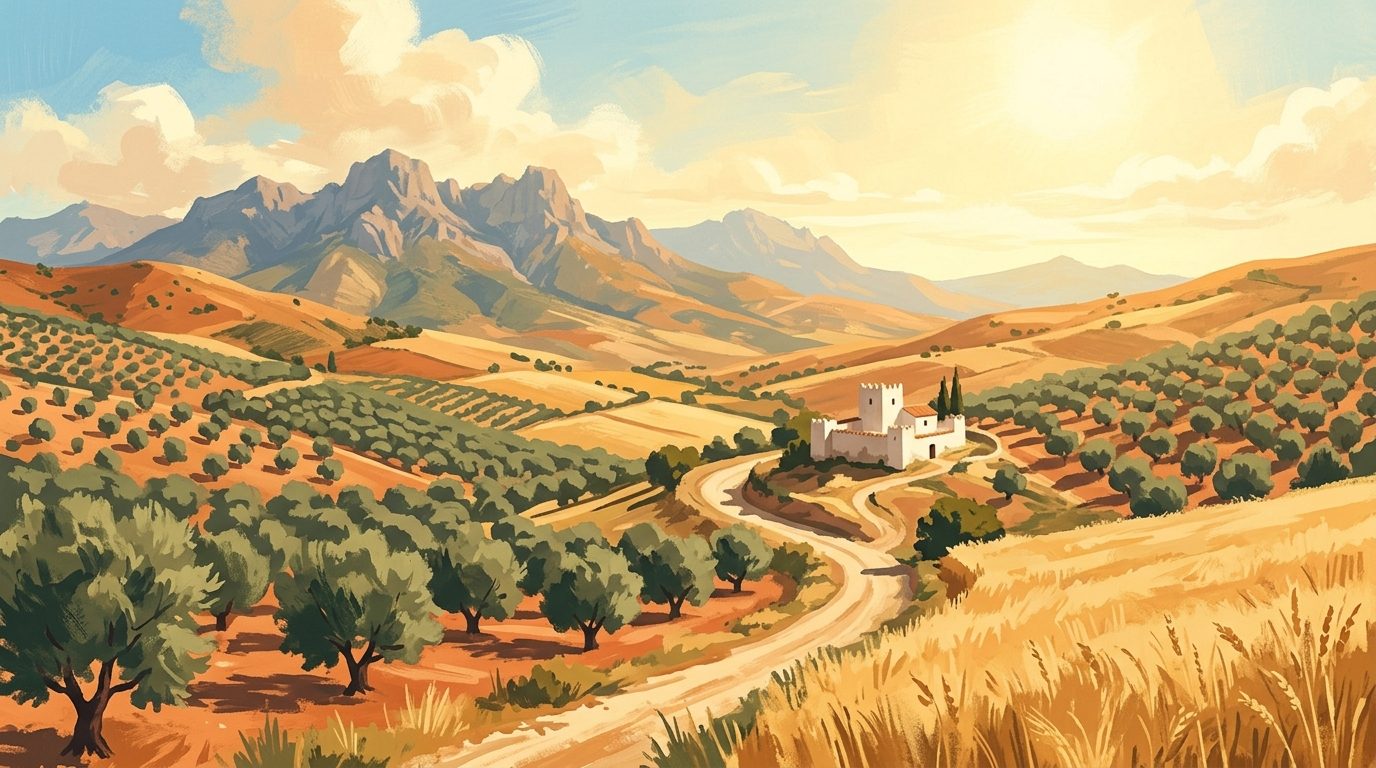
Jaén in June: Navigating the Golden Heat and High Sierras
June marks the transition from spring freshness to the serious heat of the high Andalucían summer, as the olive groves of Jaén turn silver under a relentless sun.
7 min read
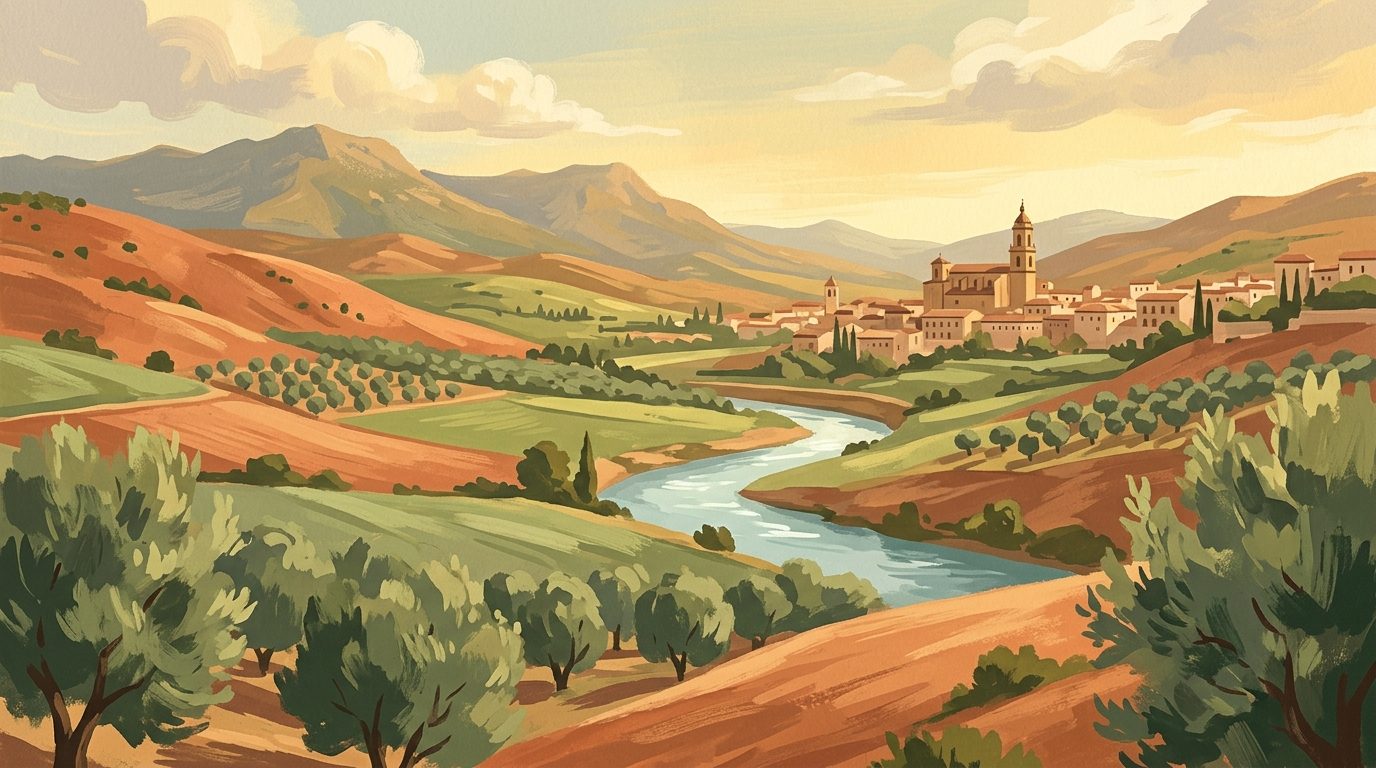
Jaén in March: Mountain Waters and Renaissance Rites
March in Jaén is a month of renewal, where the high sierras shed their winter snows to feed the headwaters of the Guadalquivir.
6 min read
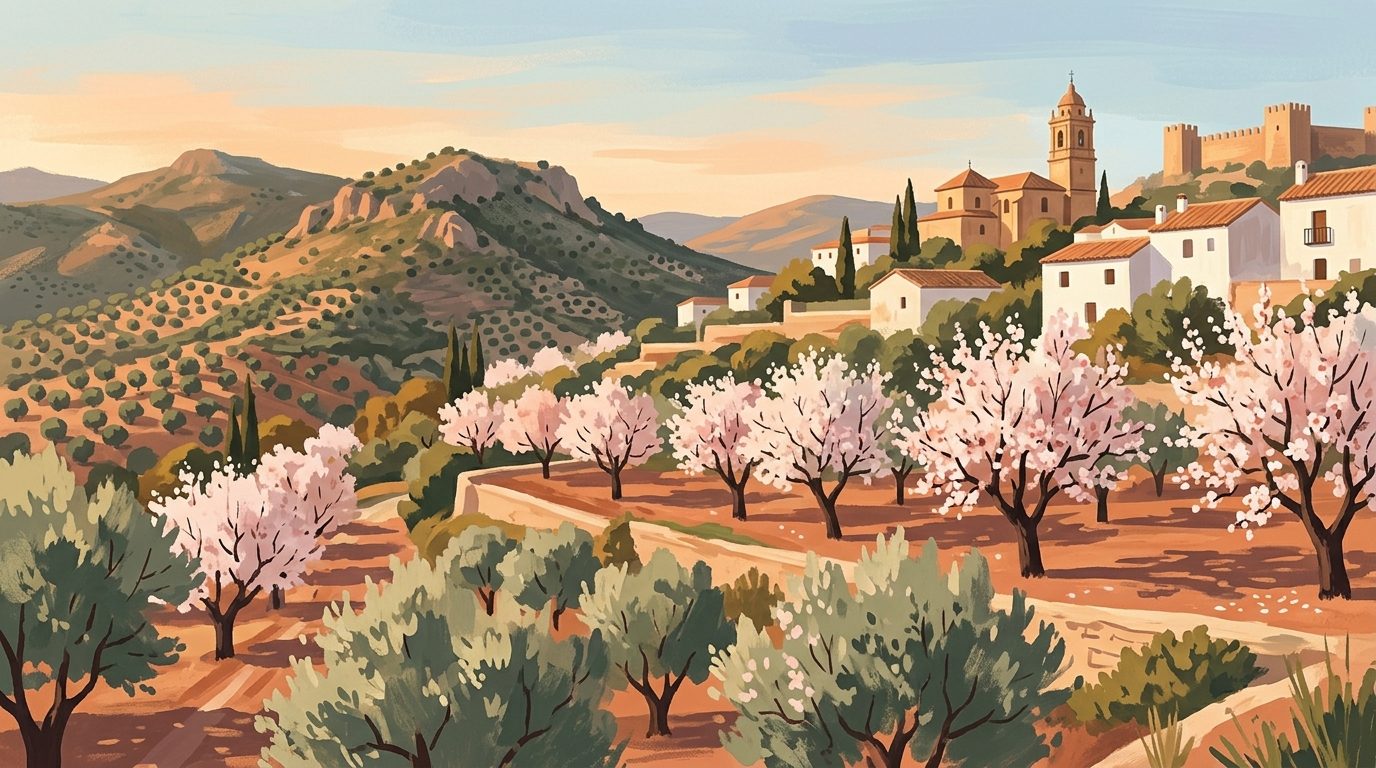
Jaén in February: Almond Blossom and Renaissance Silence
Experience the quiet beauty of Jaén in February, from the almond blossom in the foothills to the crisp, crowd-free Renaissance streets of Úbeda and Baeza (UNESCO World Heritage sites).
6 min read
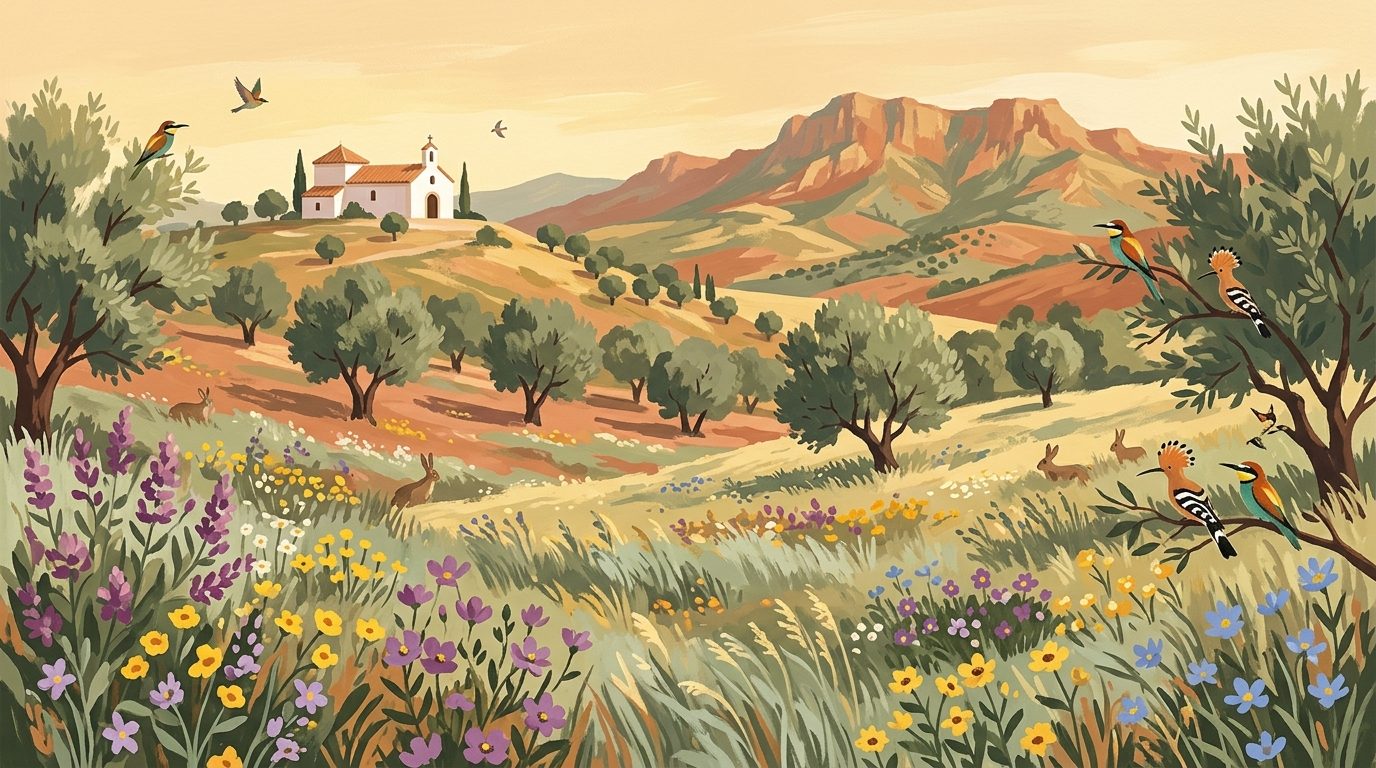
Jaén in April: Wildflowers, Wildlife, and Local Devotion
April in Jaén is a time of rushing mountain rivers, carpets of wildflowers, and authentic religious traditions that remain untouched by mass tourism.
6 min read
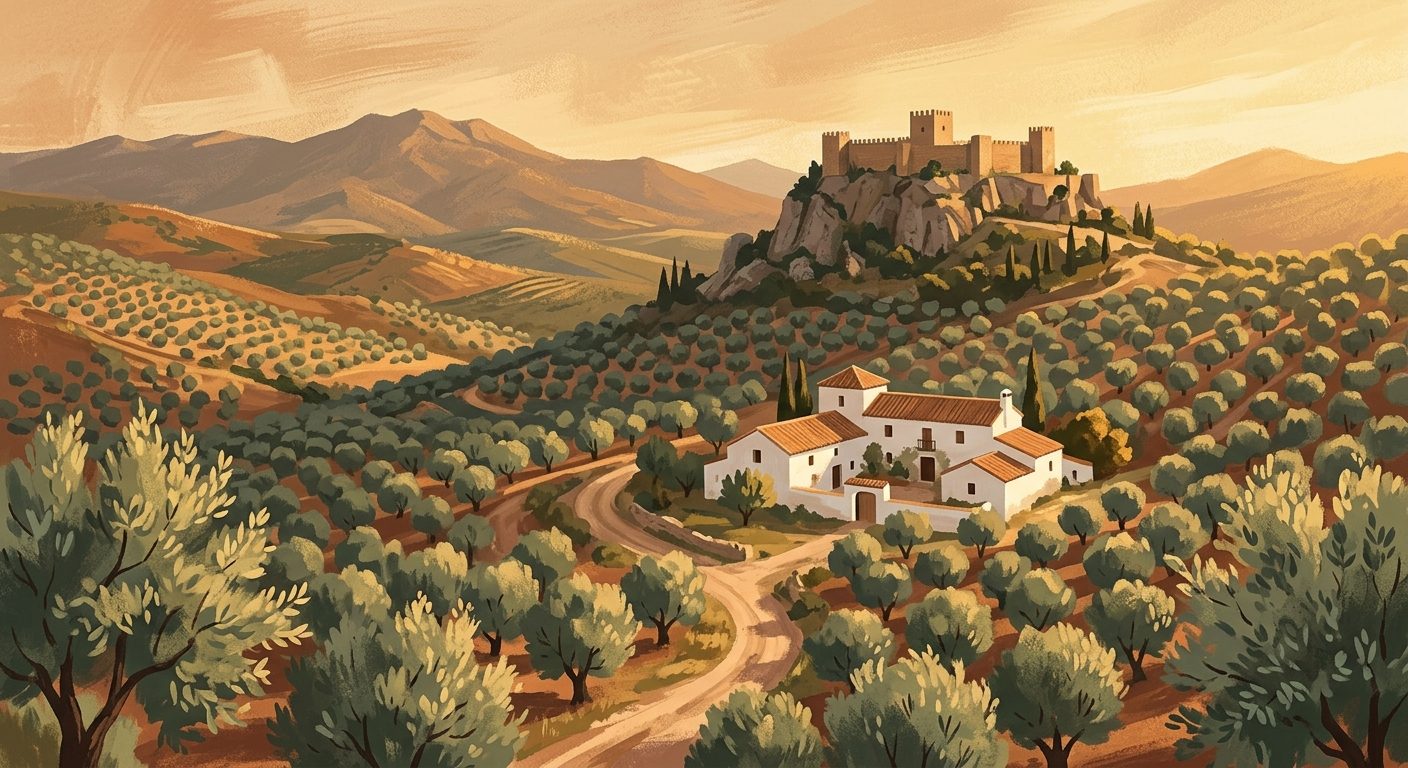
Winter Gold: Visiting Jaén in December
December in Jaén is defined by the heavy scent of crushed olives and the crisp, clear air of the high Sierras. It is a month of industrial energy in the groves and quiet, atmospheric beauty in the Renaissance cities.
6 min read
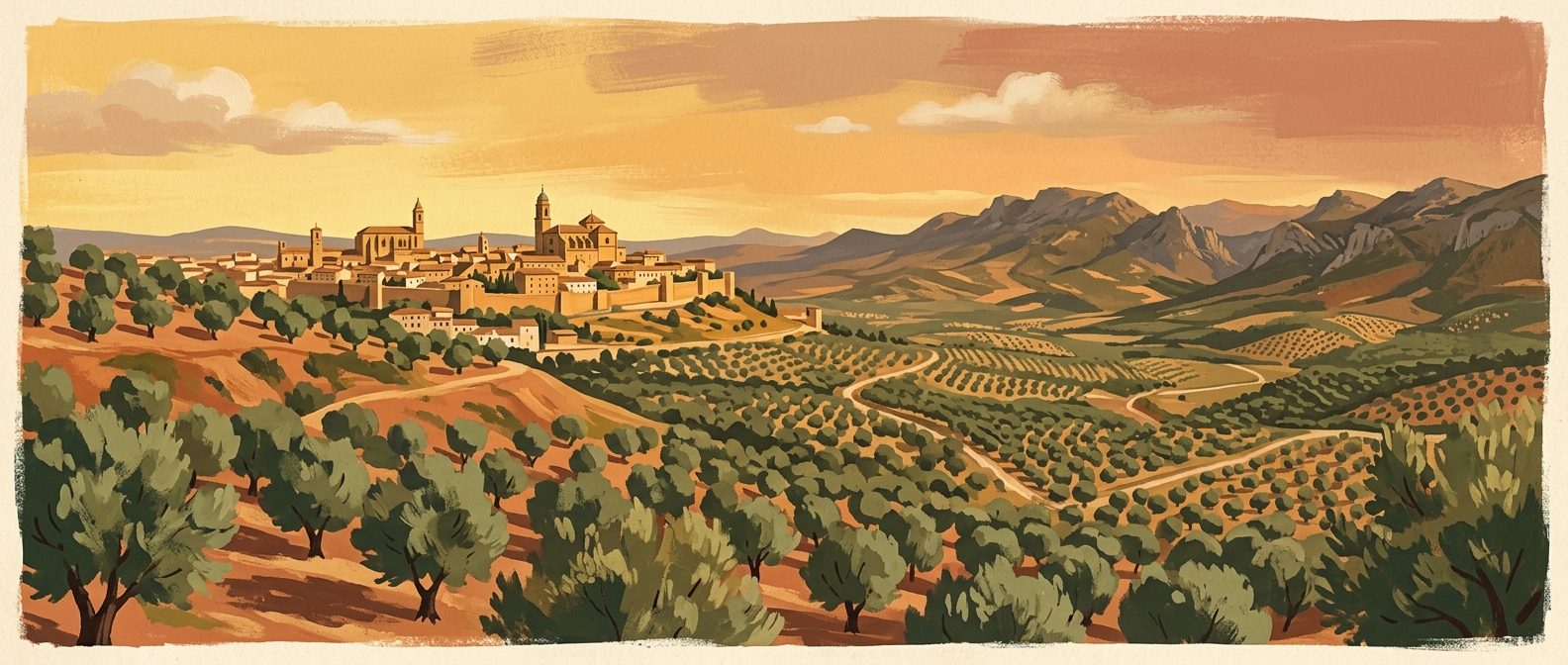
Jaén in May: Renaissance Cities and Untamed Wilderness
Experience Jaén at its peak in May, from the blooming olive groves and the rushing rivers of Cazorla to the sun-drenched Renaissance squares of Úbeda.
6 min read
More from Jaén
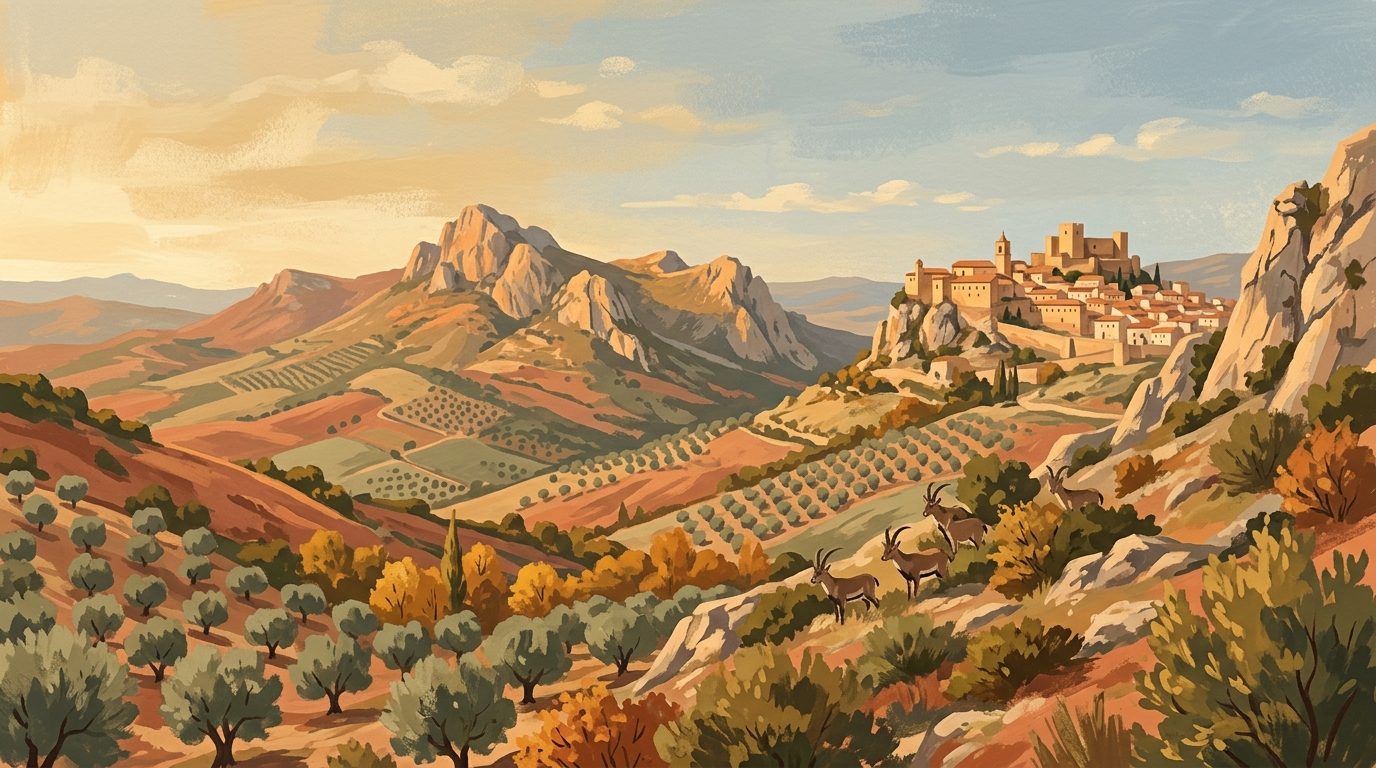
Jaén in October: Autumn Wildlife and Renaissance Gold
October in Jaén is a month of natural drama, featuring the spectacular deer rut in Cazorla and the golden light of the Renaissance cities of Úbeda and Baeza.
6 min read
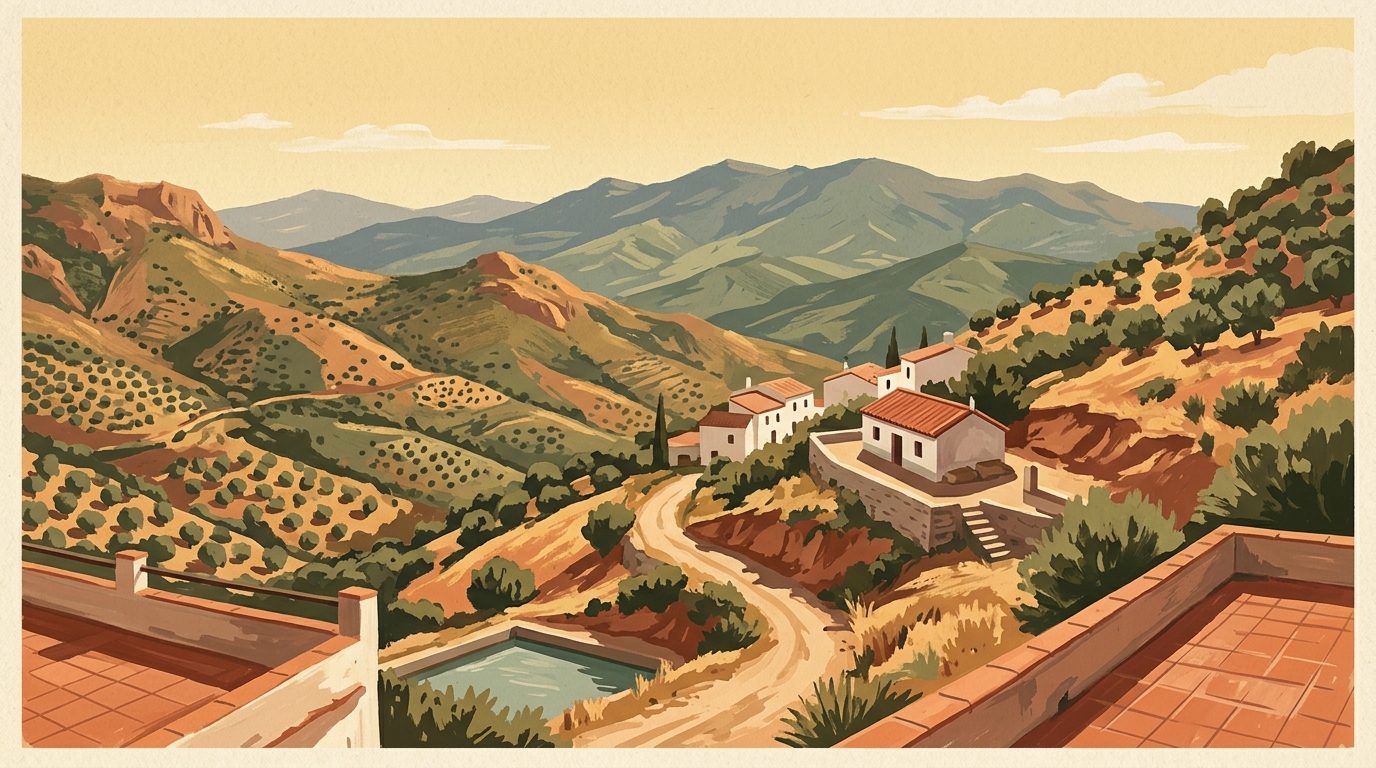
Jaén in July: High Heat and Mountain Refuges
Experience the intense high summer of Jaén, where lowland olive groves bake in 40°C heat while the cool waters of Tranco reservoir and the high peaks of Cazorla provide a necessary refuge.
6 min read
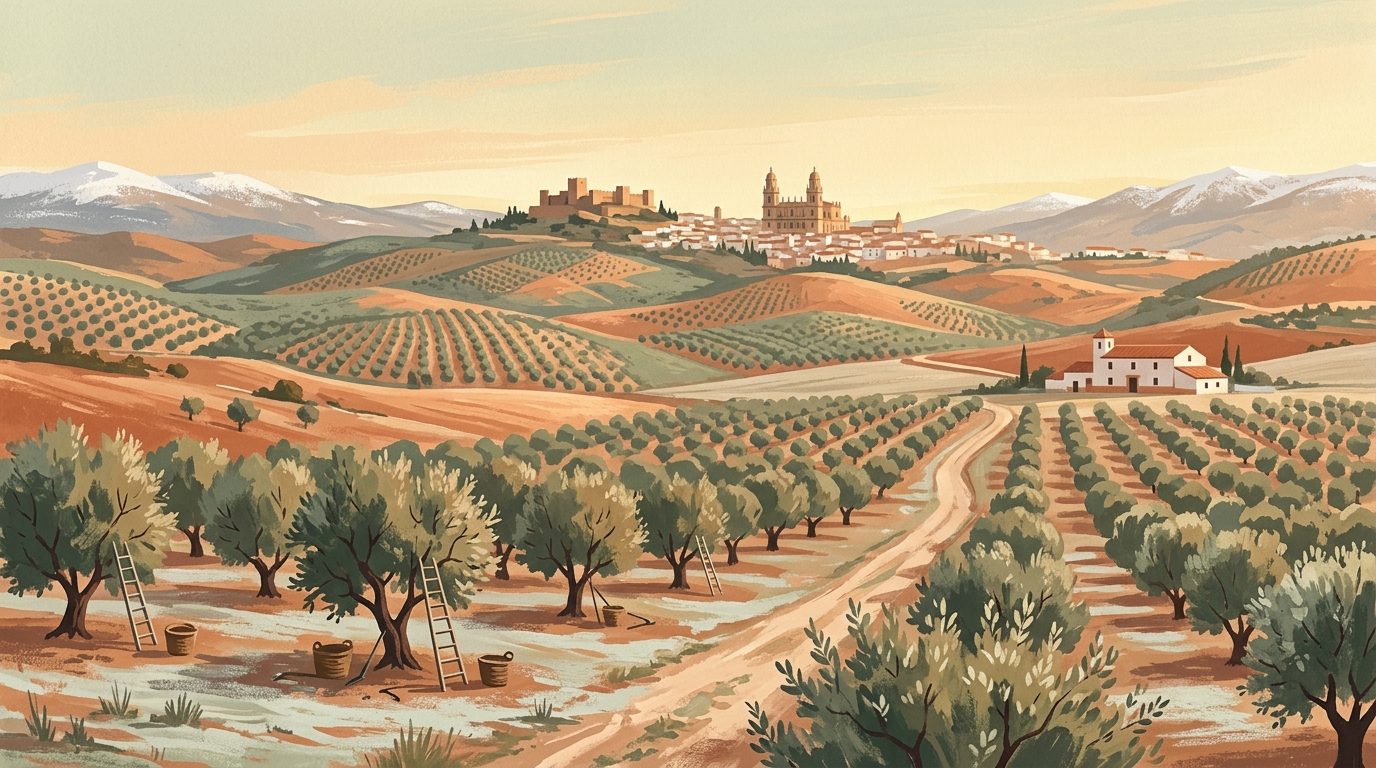
Jaén in January: Olive Harvests and Renaissance Frost
Experience the world's olive capital at its most authentic. January in Jaén offers crisp mountain air, fresh 'aceite nuevo' oil, and the striking bonfires of San Antón.
6 min read
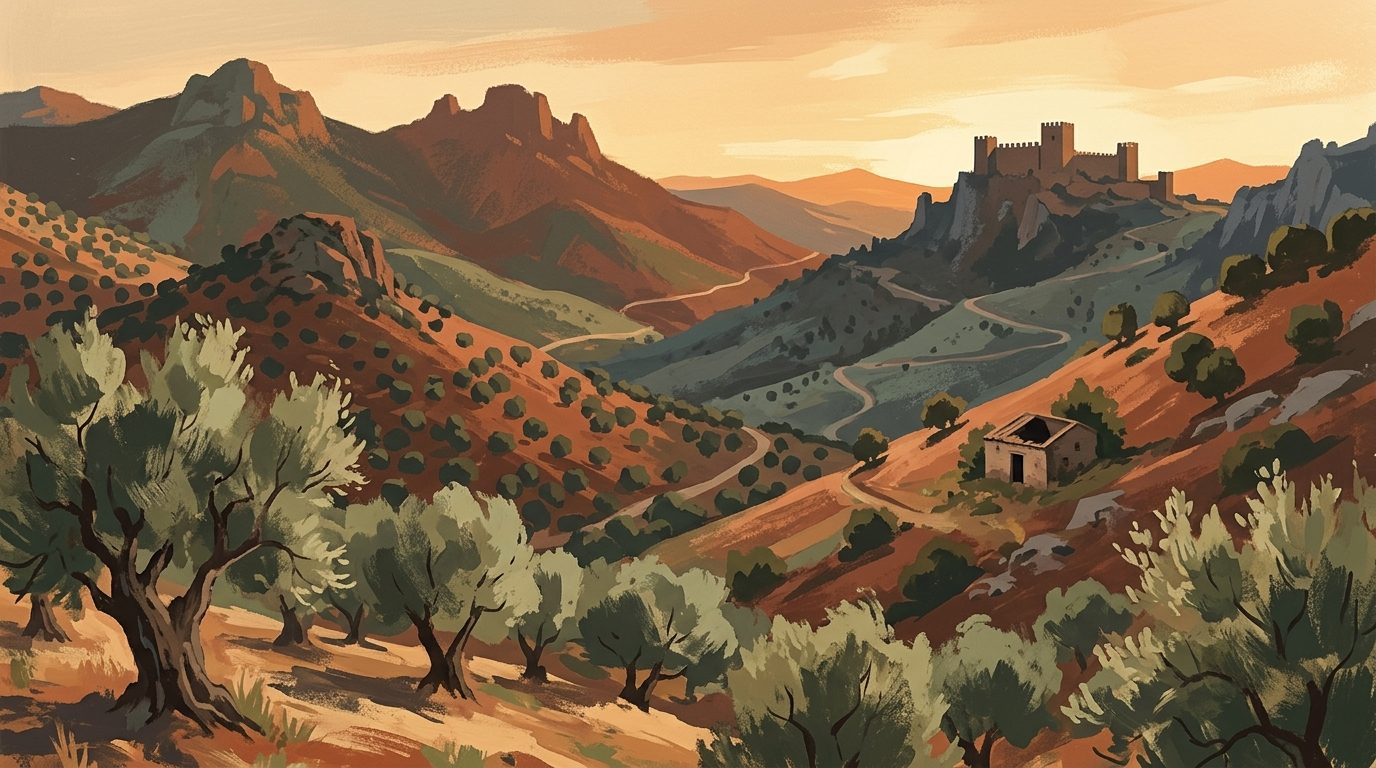
Jaén in August: Mountain Escapes and Midnight History
Escape the intense summer heat by heading to the high-altitude forests and freshwater pools of Jaén's mountainous interior this August.
6 min read
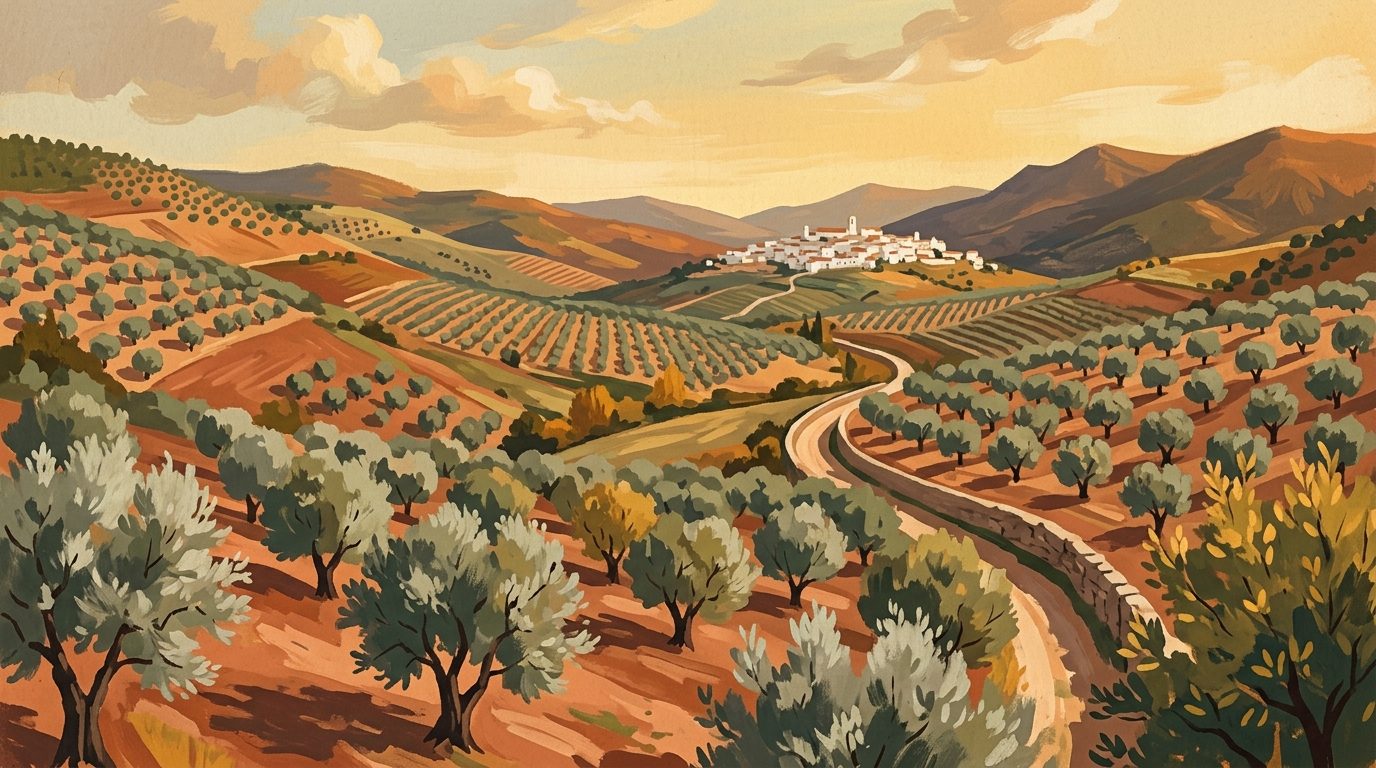
Jaén in November: The Rhythm of the Olive Harvest
Experience the peak of the olive harvest in Jaén this November, from tasting electric-green fresh oils to exploring the quiet Renaissance streets of Úbeda and Baeza.
7 min read
Newsletter
More stories from Andalucía
Weekly notes, seasonal picks, and the next guides worth bookmarking.