
Seasonal guide · Huelva
Huelva in March: Wildflowers, Wetlands, and Quiet Hills
March in Huelva signals a quiet awakening where the Atlantic breeze meets the scent of budding rockrose in the northern hills. It is a time of soft light and solitude before the summer heat settles over the western edge of Andalucía.
By Dan · Updated 16 July 2026 · 6 min read
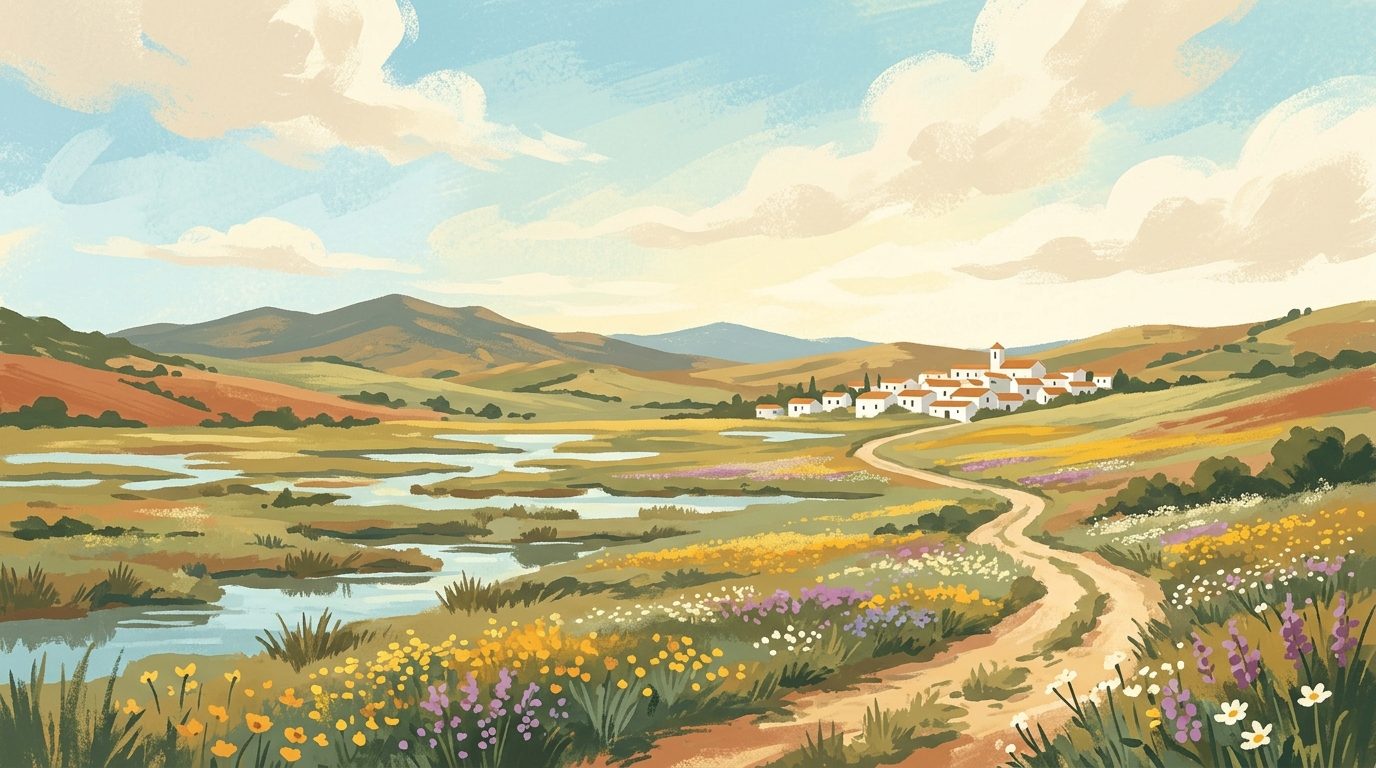
March in Huelva signals a quiet awakening where the Atlantic breeze meets the scent of budding rockrose in the northern hills. It is a time of soft light and solitude before the summer heat settles over the western edge of Andalucía.
March is a month of transition in Huelva, a province often overlooked in favour of its more famous neighbours. While the rest of Andalucía begins to gear up for the spring rush, Huelva remains remarkably calm. This is the month when the landscape does the heavy lifting. In the north, the Sierra de Aracena y Picos de Aroche turns a deep, saturated green, while the Atlantic coastline experiences a clarity of light that photographers find irresistible. It is a period of renewal, best defined by the absence of crowds and the presence of raw, natural beauty.
Visiting Huelva at this time of year requires an appreciation for the outdoors and a willingness to adapt to the changing skies. You are unlikely to spend your days sunbathing on the Costa de la Luz, but you will find the province at its most authentic. The smell of woodsmoke still lingers in the mountain air during the evenings, while the midday sun provides enough warmth for an outdoor lunch of local jamón ibérico (Iberian ham) and gurumelos (wild mushrooms). It is a month for the slow traveller who values space and silence over nightlife and heat.
The Weather in March
Weather patterns in March are famously unpredictable in this part of the Iberian Peninsula. The province experiences a tug-of-war between the warming African air currents and the damp Atlantic fronts. You should expect a mix of bright, crisp sunshine and occasional heavy downpours.
On the coast, including Huelva city and towns like Ayamonte or Punta Umbría, daytime temperatures typically reach around 18°C. When the sun is out, it feels significantly warmer, but a persistent viento de poniente (west wind) coming off the ocean can make it feel cooler. Night-time temperatures on the coast hover around 9°C.
Inland, specifically in the Sierra de Aracena, the conditions are more rigorous. Daytime highs rarely exceed 15°C, and once the sun drops behind the peaks, the temperature can plummet to 4°C or 5°C. Rainfall is more frequent in the mountains than on the coast, with March averaging about 60mm to 80mm of precipitation across the month. It is essential to pack layers: a waterproof jacket is mandatory, as are warm sweaters for the evenings, which can remain quite chilly in old stone houses without central heating.
Events & Festivals
The cultural calendar in March is dominated by the preparation for Semana Santa (Holy Week). Depending on the lunar calendar, the festival itself often falls in late March. Unlike the grand, theatrical processions of Sevilla, Huelva’s celebrations are more modest and deeply rooted in local community life. The city of Huelva hosts several cofradías (brotherhoods) that carry ornate pasos (floats) through the streets, accompanied by the mournful sound of brass bands and saetas (impromptu religious songs).
In the smaller villages of the Sierra, such as Almonaster la Real or Aracena, the Semana Santa processions are hauntingly beautiful. The narrow, cobbled streets provide a medieval backdrop for the candlelit marches. Even if you are not religious, the atmospheric gravity of these events is profound. Outside of Holy Week, March is also peak season for the Feria del Gurumelo in Paymogo. This food festival celebrates the Amanita ponderosa, a prized wild mushroom that only appears in this region during the spring. It is a fantastic opportunity to taste local gastronomy at low prices.
What to Do in Huelva in March
Hiking in the Sierra de Aracena
This is arguably the best month for hikers. The summer heat makes the trails in the northern mountains punishing, but in March, the air is cool and the water levels in the streams are high. The circular route between Alájar and Linares de la Sierra is particularly spectacular this month. You will see the cork oaks and chestnuts beginning to leaf, and the pastures are filled with wildflowers. Look out for the Sierra Pelada hill, where the display of wild peonies and orchids is at its peak in late March.
Birdwatching in Doñana National Park
March is a pivotal month for the Parque Nacional de Doñana. As one of Europe's most important wetlands, it serves as a vital stopover for birds migrating from Africa to the north. The marshes (marismas) are usually full of water in March, attracting thousands of flamingos, herons, and spoonbills. It is also the beginning of the breeding season for the endangered Iberian lynx. While sightings are rare, your chances are slightly higher when the animals are active in the cooler spring temperatures. Access is strictly controlled, so booking a 4x4 guided tour via the official Doñana Reservas or Cooperativa Marismas del Rocío websites from El Rocío or Matalascañas is essential.
The Gruta de las Maravillas
Located directly beneath the town of Aracena, the "Grotto of Marvels" is a vast underground cave system. In the height of summer, the queues can be long and the experience feels rushed. In March, you can often join a tour with only a handful of other people. The constant temperature inside the cave (around 16°C) makes it a perfect refuge if you happen to catch a rainy day. The subterranean lakes are exceptionally clear this time of year due to the increased winter rainfall filtering through the limestone.
The Rio Tinto Mining Park
The otherworldly landscape of the Minas de Riotinto is a worth visiting. The river itself runs a deep, oxidised red due to the high mineral content. In the soft light of a March afternoon, the colours of the open-cast mines (ochre, violet, and crimson) are more intense than under the harsh glare of the summer sun. You can take a ride on the Victorian-era railway that follows the river course, providing an excellent overview of this strange, industrial territory.
Who Should Visit?
- Hikers: The terrain is lush, the weather is cool, and the trails are empty.
- Nature Lovers and Birdwatchers: Doñana is in its prime, and the flora of the Sierra is waking up.
- Culture Seekers: Those who want to experience an authentic Semana Santa without the crushing crowds of the larger cities.
- Peace Seekers: The coastal resorts are quiet, offering long, solitary walks on the beaches of Mazagón or Islantilla.
March is not ideal for beach-goers looking to swim. The Atlantic remains very cold, and many of the beach-side chiringuitos (snack bars) may still be closed for the winter season.
Practical Notes
Crowd levels in Huelva during March are very low, with the notable exception of the specific days of Semana Santa. You will find that accommodation prices are at their baseline, making it an excellent time for budget-conscious travellers. You can often secure a high-quality rural casa in the mountains or a sea-view hotel for a fraction of the July rate.
Booking advice: For future planning, if your trip coincides with Holy Week (which frequently falls in March), book your accommodation in Huelva city at least two months in advance. For the rest of the month, you can afford to be more spontaneous. If you plan to visit Doñana, book your tour at least two weeks ahead, as the limited daily permits still get snatched up by birdwatching groups. Be aware that in the smaller villages, shops and some restaurants may observe siesta hours strictly, often closing from 2:00 pm until 5:00 pm.
Monthly Verdict
Huelva in March is a destination for the senses rather than the sun-seeker. It is a month of damp earth, blooming rockrose, and the rhythmic clinking of bells from goats grazing in the dehesa. While the weather requires some flexibility, the reward is an intimate look at one of Spain’s most preserved corners. It is the perfect time to explore the mountains and the marshes before the Andalucían sun turns the landscape to gold and brown.
Last reviewed: 21 June 2026 · Editorial policy
Related guides
Huelva in April: Wildflowers, Wetlands and Early Spring Pilgrimages
Discover Huelva in April, a month of extraordinary natural beauty where the Doñana wetlands come alive with migratory birds and the Sierra de Aracena is carpeted in wildflowers.
7 min read
Huelva in May: Pilgrimages, Pine Forests and the Peak of Nature
Experience the sensory peak of the Atlantic coast as a million pilgrims converge on the marshes for the Romería del Rocío and the Sierra de Aracena offers prime hiking and wild strawberries.
6 min read
Andalucía in October
October brings a soft, golden light to the olive groves and a fresh clarity to the mountain air. This is the month of the second spring, where parched landscapes recover their greenery and the coastal waters remain warm enough for a final swim.
6 min read
Huelva in February: Almond Blossom and Atlantic Solitude
Experience Huelva in February, from the blooming almond orchards of the Sierra de Aracena to the flamingo gatherings in Doñana National Park.
6 min read
Huelva in January: Birdlife and Mountain Mist
January in Huelva offers the peak of the Doñana bird migration, atmospheric mountain escapes in the Sierra de Aracena, and the freshest Jamón Ibérico of the year.
6 min read
Huelva in September: Warm Atlantic Waters and the Harvest Moon
September in Huelva marks a gentle transition where the intense Atlantic summer heat softens into a golden warmth, leaving the wide beaches to those who value quietude.
6 min read
More from Huelva
Huelva in July: Atlantic Breezes and Endless Sands
Experience the vast Atlantic beaches and fresh seafood of Huelva in July, where cool sea breezes provide a welcome escape from the Andalucían summer heat.
6 min read
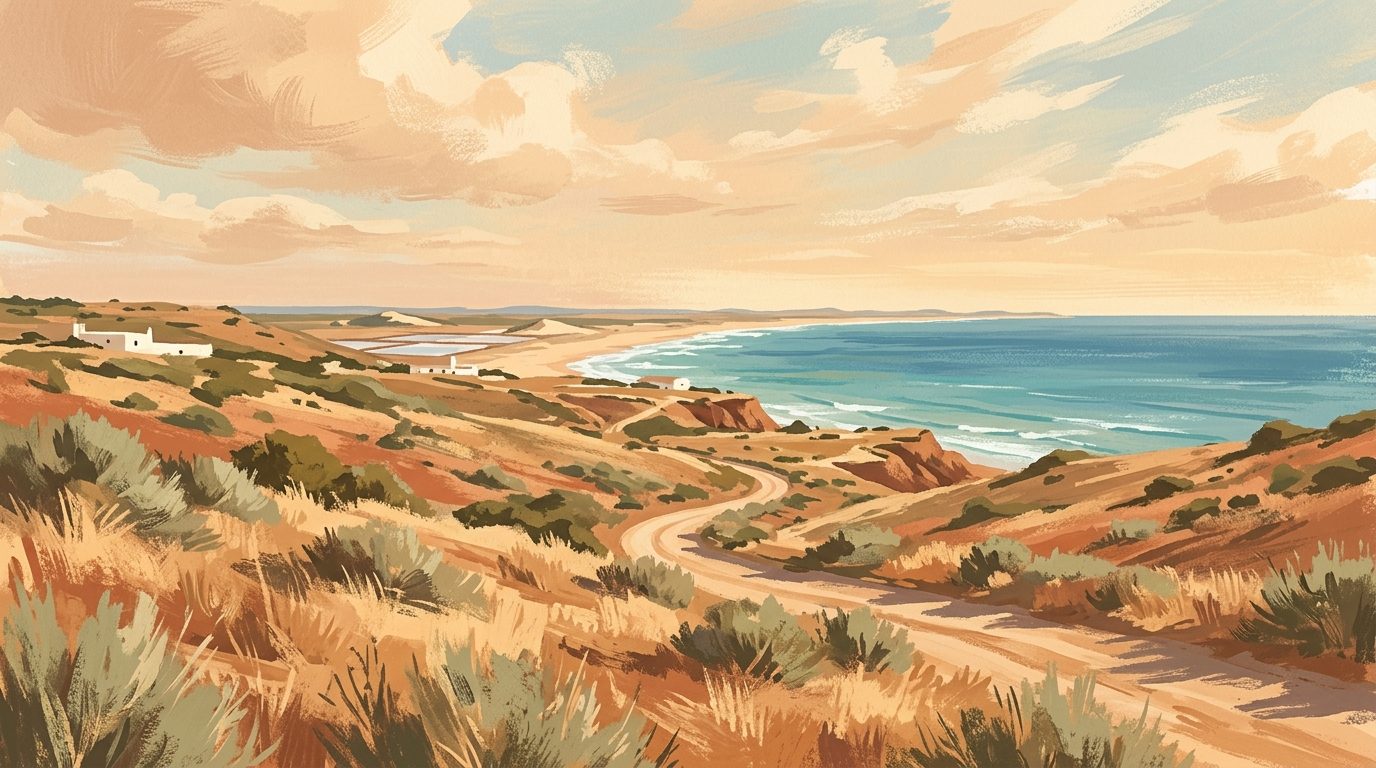
Huelva in August: Atlantic Breezes and the High Summer Rhythm
Experience the authentic Spanish summer in Huelva this August. From the cooling Atlantic breezes of Islantilla to the festive nights of the Colombinas, discover a province in its peak season.
6 min read
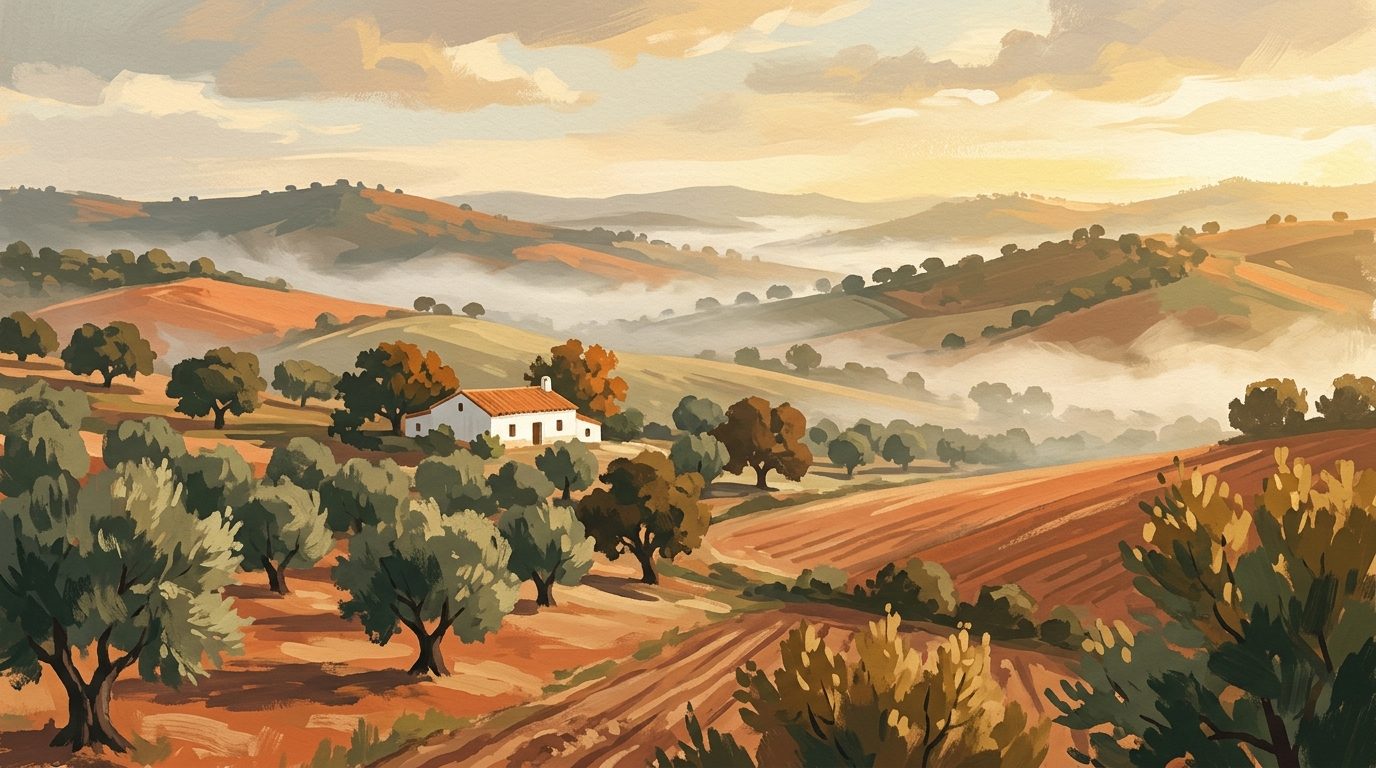
Huelva in November: A Season of Harvest and Mist
Experience Huelva at its most authentic in November, from the chestnut harvests of the Sierra de Aracena to the arrival of wintering birds in Doñana National Park.
7 min read
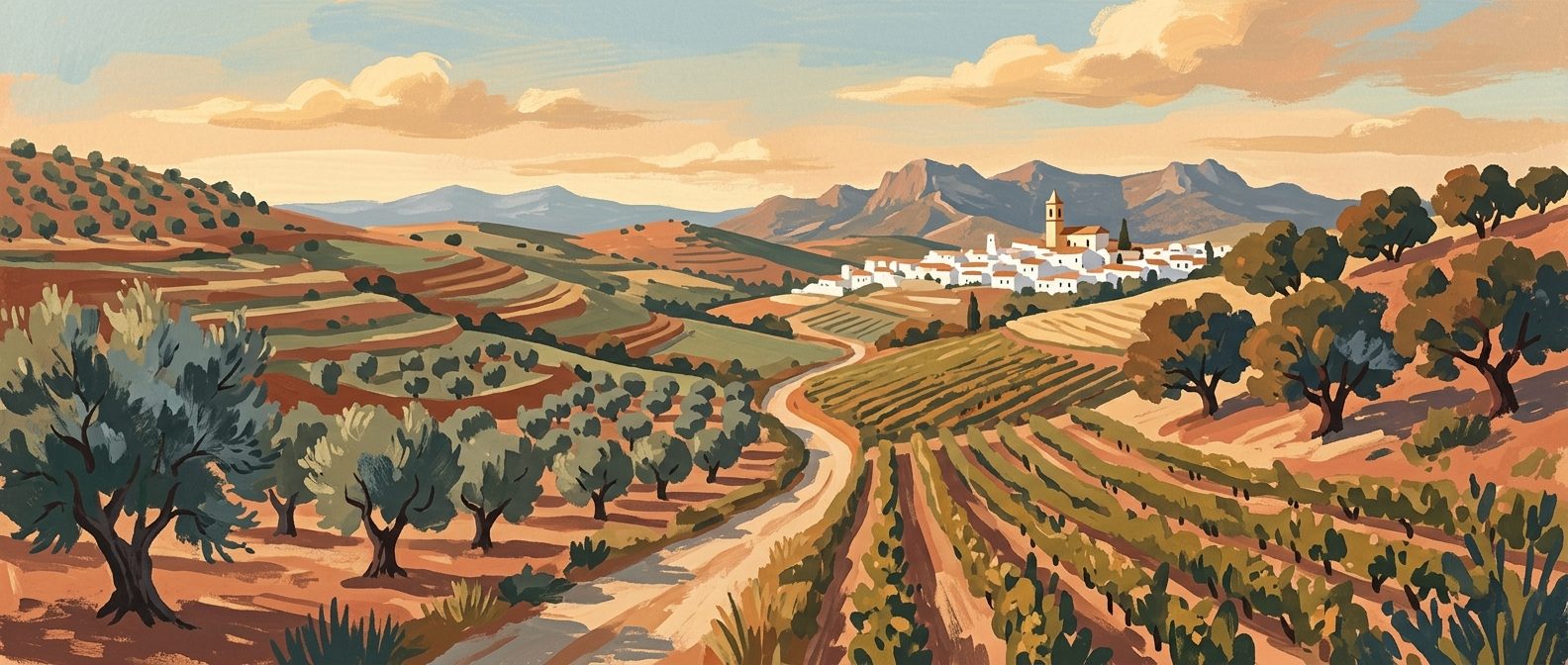
Huelva in December: A Guide to Winter in Spain's Wild West
Experience the quiet majesty of Huelva in December, from the world-class birdwatching in Doñana to the cosy, wood-fired traditions of the Sierra de Aracena.
6 min read
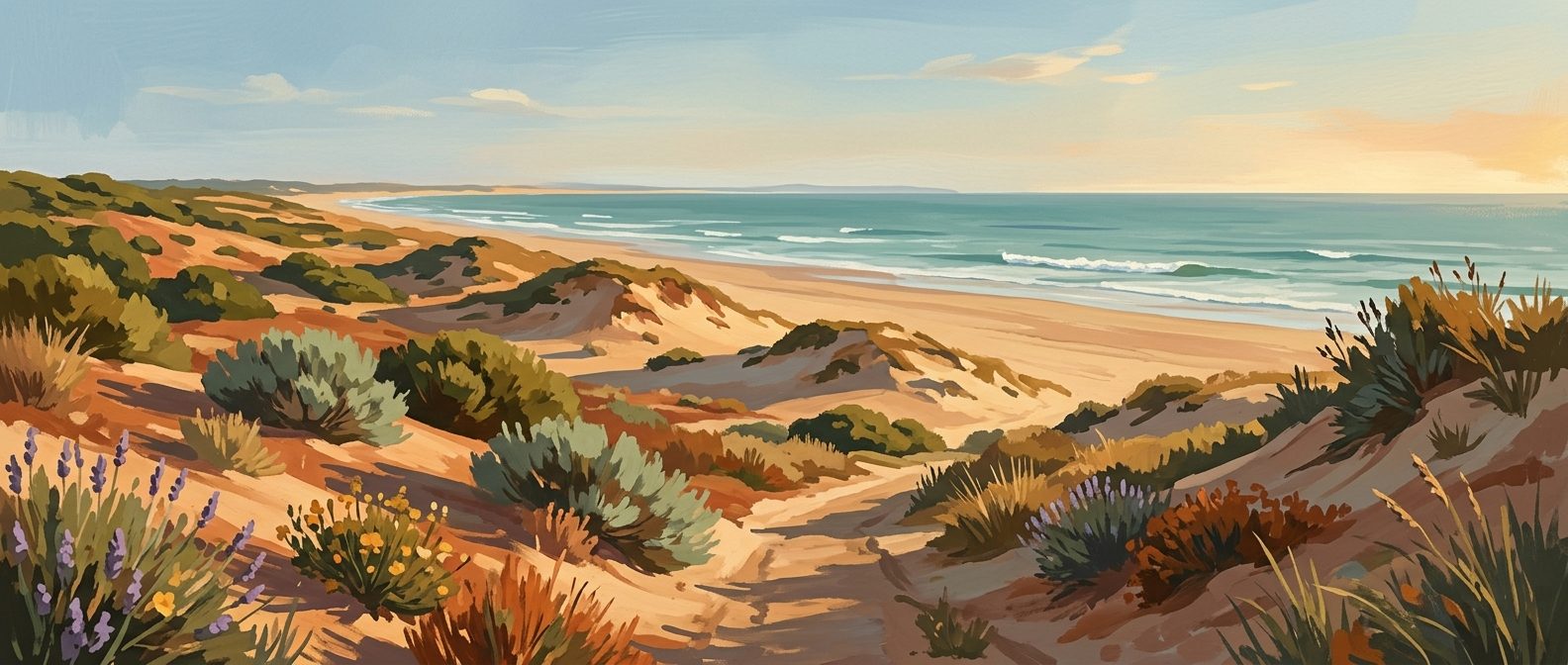
Huelva in June: Atlantic Breezes and the Arrival of Summer
Experience the best of the Costa de la Luz in June, from the wild horse roundups in Doñana to the first grilled sardines of the season on Huelva's vast Atlantic beaches.
6 min read
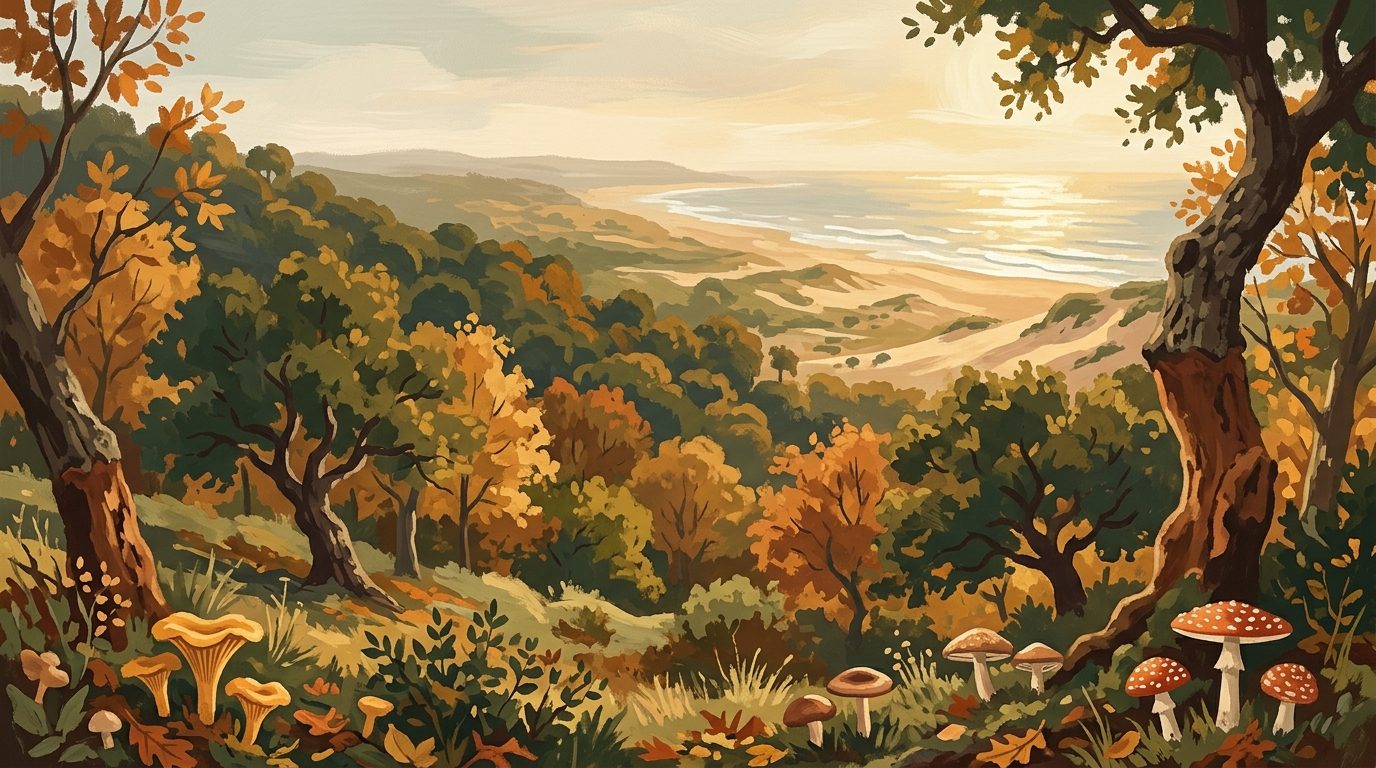
Huelva in October: Forests, Fungi, and Empty Atlantic Shores
October in Huelva sees the Atlantic heat soften into a gentle warmth, perfect for exploring the Sierra de Aracena as the first mushrooms appear. It is a month defined by the return of migratory birds to Doñana and the quietening of the Costa de la Luz.
6 min read
Newsletter
More stories from Andalucía
Weekly notes, seasonal picks, and the next guides worth bookmarking.