
Seasonal guide · Huelva
Huelva in August: Atlantic Breezes and the High Summer Rhythm
Experience the authentic Spanish summer in Huelva this August. From the cooling Atlantic breezes of Islantilla to the festive nights of the Colombinas, discover a province in its peak season.
By Dan · Updated 16 July 2026 · 6 min read
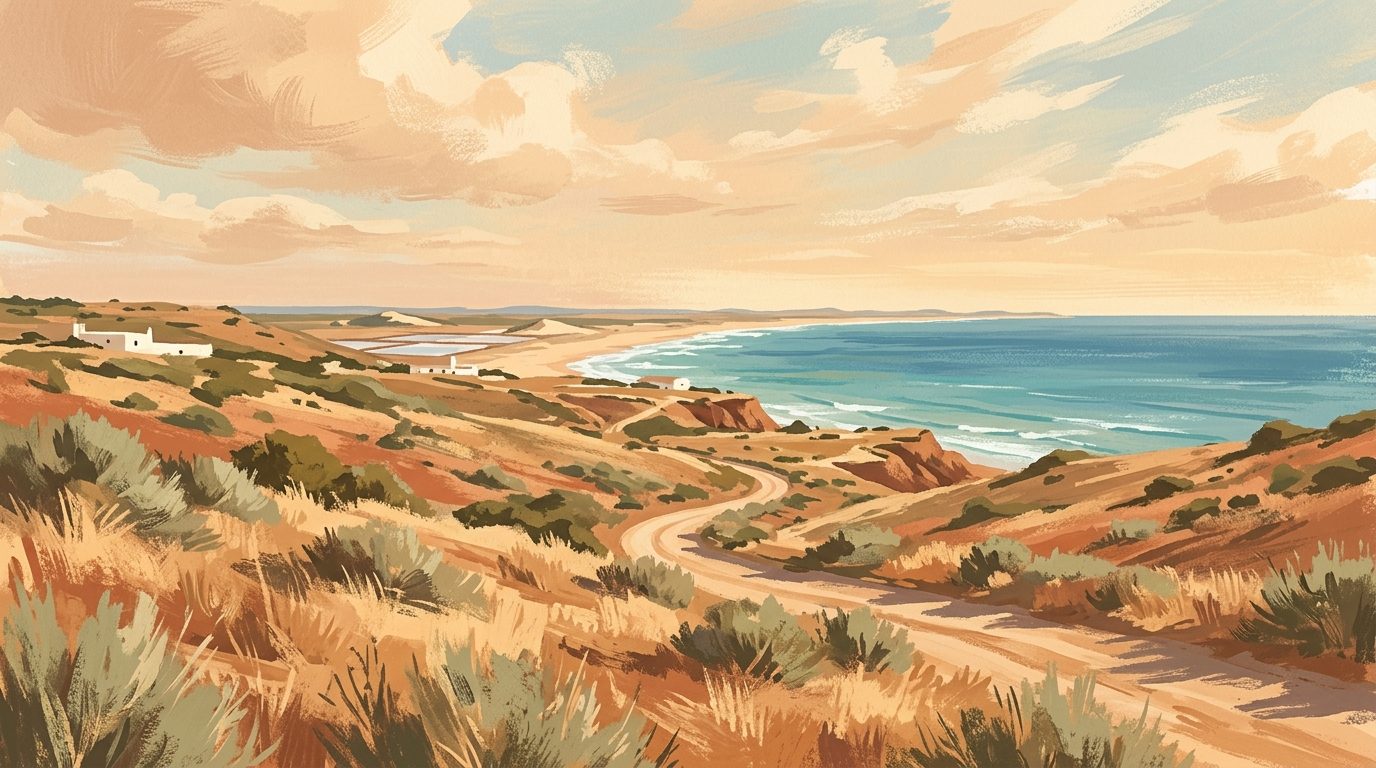
August sees the Huelva coastline become the social heart of the province as families flee the inland heat for the Atlantic breeze. It is a month of salt air, late-night grilled sardines, and the distinct rhythm of the Spanish high summer.
What to Expect: Huelva in the Heat of August
August in Huelva is the quintessential Spanish summer experience. Unlike the more international stretches of the Mediterranean coast, Huelva’s Costa de la Luz (Coast of Light) remains a stronghold for domestic tourism. This month is defined by the exodus from the cities to the shore; the streets of Huelva city may feel quiet during the siesta hours, but the promenades of Punta Umbría, Islantilla, and Mazagón are full of life. The province operates on a split clock: the morning is for the beach, the afternoon is for a long, slow lunch followed by a restorative nap, and the evening is when the world truly wakes up.
The character of Huelva in August is social and unpretentious. You will find multi-generational families colonising the sand with umbrellas and cooler boxes, and the evening "paseo" (traditional stroll) along the waterfront is a nightly ritual that lasts well past midnight. There is a specific scent to this month: a mix of salty Atlantic spray, sun-baked pine needles from the coastal forests, and the charcoal smoke from "chiringuitos" (beach bars) grilling fresh catch. While the heat is significant, the constant sea breeze makes this province one of the more breathable corners of southern Spain during the peak of summer.
Weather: Coastal Relief and Inland Intensity
In Huelva, your experience of the weather depends entirely on your proximity to the ocean. Along the coast, in towns such as Ayamonte or Isla Cristina, daytime temperatures typically hover between 28°C and 31°C. The Atlantic influence is crucial here; a steady wind, known as the "poniente," often keeps the humidity manageable and provides a cooling effect that is absent further east. However, you must still be cautious of the UV index, which is exceptionally high this month.
Inland conditions are starkly different. In Huelva city and the agricultural plains of El Condado, temperatures regularly climb to 38°C or 40°C. Rainfall is almost non-existent in August, with a provincial average of less than 2mm for the entire month. If the heat becomes overbearing, the solution is to head north to the Sierra de Aracena y Picos de Aroche. In these mountains, while daytime temperatures remain warm (around 32°C), the nights are significantly cooler, often dropping to 17°C, providing a much-needed respite for sleep.
For your suitcase: pack lightweight natural fabrics like linen and cotton. A wide-brimmed hat is essential, as is a high-factor sunscreen. Evenings on the coast can occasionally feel fresh due to the sea breeze, so a light shawl or thin cotton jumper is practical for late-night outdoor dining.
Events and Festivals: Celebrating the Sea and the Stars
The most significant event in the provincial calendar is the Fiestas Colombinas, held in Huelva city during the first week of August. These festivities commemorate the departure of Christopher Columbus from Palos de la Frontera in 1492. The fairgrounds come alive with "casetas" (tents), live music, and traditional dances. Unlike the more private Sevilla fair, the Colombinas are generally open and welcoming to all visitors, offering a fantastic opportunity to sample local wines and fried fish in a festive environment.
On August 15th, the Asunción de la Virgen (Assumption of the Virgin) is a national holiday, and almost every coastal village will have its own celebration. In Ayamonte, the Fiestas de las Angustias preparations begin late in the month, though the main events fall in September. Smaller fishing communities often hold processions for the Virgen del Carmen; while her official day is in July, several local "veladas" (evening garden parties or mini-fairs) continue throughout August, celebrating the maritime heritage of the region.
For music lovers, while the Festival de Danza de Itálica in nearby Sevilla usually concludes in July, the Huelva region remains lively with the outdoor concert series held in the Foro Iberoamericano de La Rábida (check on the operator's website before travelling), which hosts major Spanish and international artists in an impressive open-air amphitheatre throughout the month.
What to Do: From Salt Marshes to Mountain Caves
The beaches are the primary draw, and for good reason. Mazagón offers a more rugged experience with its high sandstone cliffs and vast stretches of sand where you can find space even in August. For those who prefer a village atmosphere, Punta Umbría is the classic choice. Here, you should spend an evening watching the traditional fishing boats return to the estuary before heading to a local tavern to eat "choco frito" (fried cuttlefish), a local staple.
In Ayamonte, the town on the border with Portugal, the atmosphere is uniquely international. You can take the small ferry across the Guadiana river to Villa Real de Santo Antonio for a few hours. The river breeze makes Ayamonte a pleasant place for dinner, particularly in the plazas of the old quarter where the heat stays trapped behind thick stone walls until sunset.
If you need an escape from the sun, head to Aracena to visit the Gruta de las Maravillas (Cave of Wonders). This underground network of lakes and stalactites maintains a constant temperature of around 16°C to 19°C year-round, making it the perfect August hideaway. Afterwards, enjoy a lunch of "Jamón de Jabugo" (the world-famous Iberian ham produced in the local hills) in a shaded mountain square.
Night fishing is another local pastime that is fascinating to observe. Along the bridges and piers of the Río Tinto estuary, you will see locals with their rods and lanterns late into the night, enjoying the cooler air and the social aspect of the sport. It is a quiet, meditative contrast to the loud music of the beach resorts.
Who Should Visit?
- Families: The shallow, calm waters of beaches like Islantilla and the wide range of apartment rentals make this a top choice for those travelling with children.
- Beach-goers: If your holiday goal is 100% sand and sun, the 120 kilometres of coastline will not disappoint.
- Seafood Enthusiasts: August is the prime time for fresh white prawns (gambas blancas), sardines, and various shellfish.
- Not Ideal for Hikers: The lowlands are too hot for serious trekking, though short walks in the Sierra de Aracena are possible in the early morning.
- Not Ideal for Budget Travellers: This is the most expensive month of the year; accommodation prices can be double those of June or September.
Practical Notes: Crowds and Costs
August is the busiest month in Huelva. Parking in coastal towns like El Portil or Punta Umbría can be incredibly difficult; if you are not staying within walking distance of the beach, aim to arrive before 10:00. Booking accommodation should be done months in advance, especially for beachfront hotels or apartments. Expect to pay premium rates for everything from car rentals to seaside meals.
In terms of dining, reservations are recommended for dinner, particularly on weekends. Most restaurants do not serve evening meals before 20:30 or 21:00. This is the peak of the Spanish holiday season, so expect a high-energy, noisy, and crowded environment in any popular spot. If you prefer quiet, August is not the month for you.
The August Verdict
Huelva in August is a high-energy celebration of the Atlantic summer. It is hot, busy, and relatively expensive, but it offers an authentic look at how Andalucíans enjoy their own coastline. With the cooling sea breezes, world-class seafood, and the possibility of mountain relief in Aracena, it is a fantastic choice for those who want to experience the spirited heart of a Spanish summer without the humidity of the Mediterranean.
Last reviewed: 21 June 2026 · Editorial policy
Related guides
Huelva in June: Atlantic Breezes and the Arrival of Summer
Experience the best of the Costa de la Luz in June, from the wild horse roundups in Doñana to the first grilled sardines of the season on Huelva's vast Atlantic beaches.
6 min read
Huelva in July: Atlantic Breezes and Endless Sands
Experience the vast Atlantic beaches and fresh seafood of Huelva in July, where cool sea breezes provide a welcome escape from the Andalucían summer heat.
6 min read
Cádiz in June: Atlantic Breezes and Midsummer Magic
June in Cádiz offers the perfect balance of warm Atlantic sunshine and refreshing coastal winds before the peak summer heat and crowds arrive in July.
6 min read
Almería in July: A Guide to Spain's Volcanic Summer Coast
Discover the rugged beauty of Almería in July, where volcanic beaches and desert landscapes meet the clearest waters in the Mediterranean.
7 min read
Andalucía in July: Navigating the Peak of the Southern Summer
July brings the peak of the Andalucían summer, where life moves slowly under a relentless sun and the coastlines offer the only true respite. It is a month defined by late-night socialising and intense inland heat.
7 min read
Málaga in August: Feria Season and Peak Summer Heat
August in Málaga is defined by the high-energy celebrations of the city fair and the intense heat of the terral wind. It is a month for late nights, sea swims, and embracing the slow pace of peak summer.
6 min read
More from Huelva
Huelva in September: Warm Atlantic Waters and the Harvest Moon
September in Huelva marks a gentle transition where the intense Atlantic summer heat softens into a golden warmth, leaving the wide beaches to those who value quietude.
6 min read
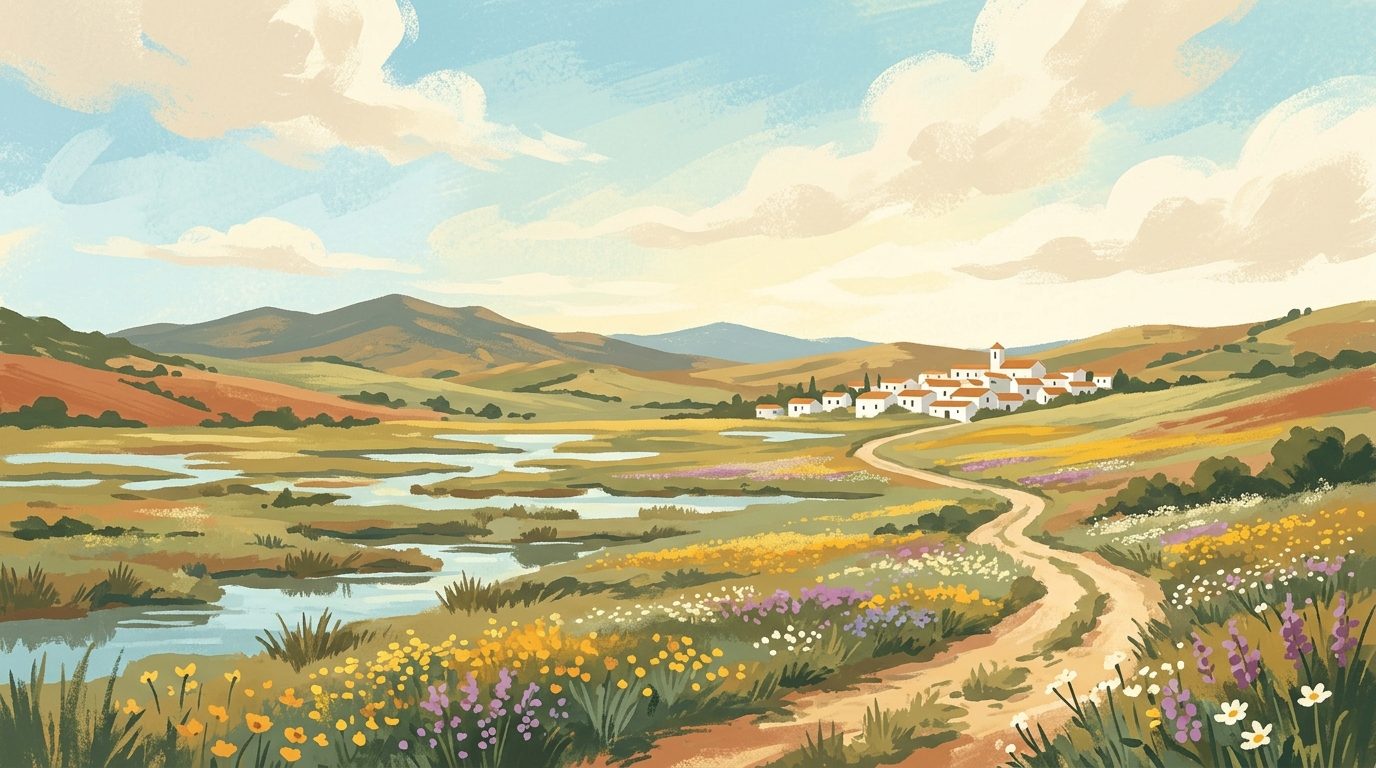
Huelva in March: Wildflowers, Wetlands, and Quiet Hills
March in Huelva signals a quiet awakening where the Atlantic breeze meets the scent of budding rockrose in the northern hills. It is a time of soft light and solitude before the summer heat settles over the western edge of Andalucía.
6 min read
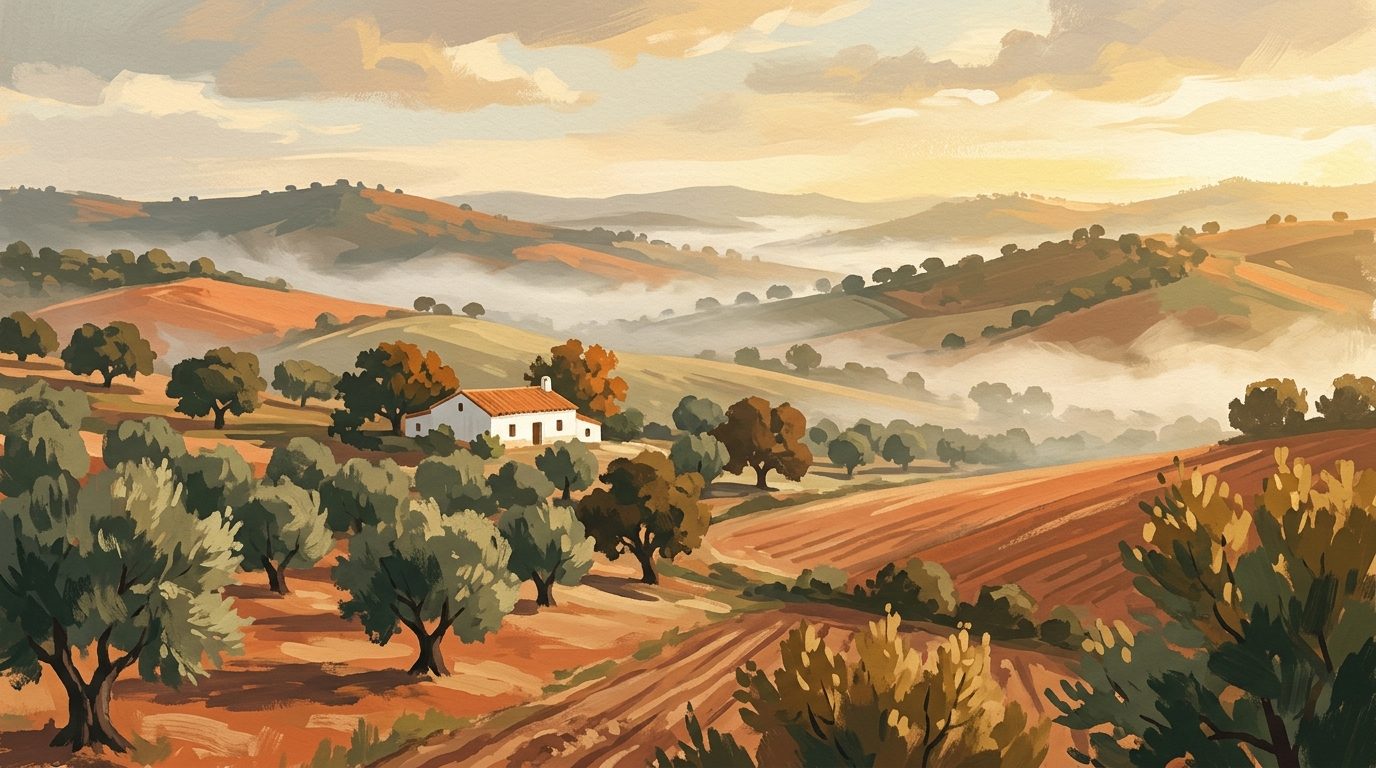
Huelva in November: A Season of Harvest and Mist
Experience Huelva at its most authentic in November, from the chestnut harvests of the Sierra de Aracena to the arrival of wintering birds in Doñana National Park.
7 min read
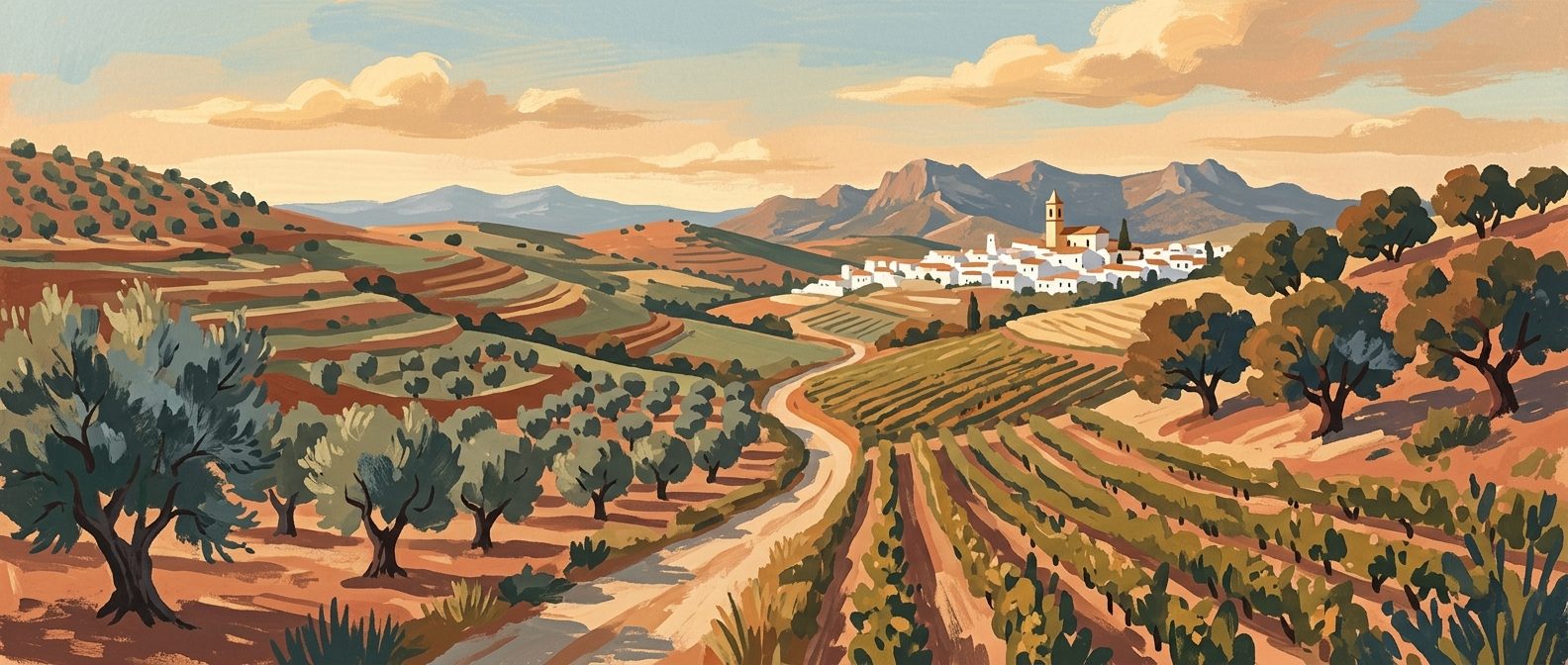
Huelva in December: A Guide to Winter in Spain's Wild West
Experience the quiet majesty of Huelva in December, from the world-class birdwatching in Doñana to the cosy, wood-fired traditions of the Sierra de Aracena.
6 min read

Huelva in January: Birdlife and Mountain Mist
January in Huelva offers the peak of the Doñana bird migration, atmospheric mountain escapes in the Sierra de Aracena, and the freshest Jamón Ibérico of the year.
6 min read
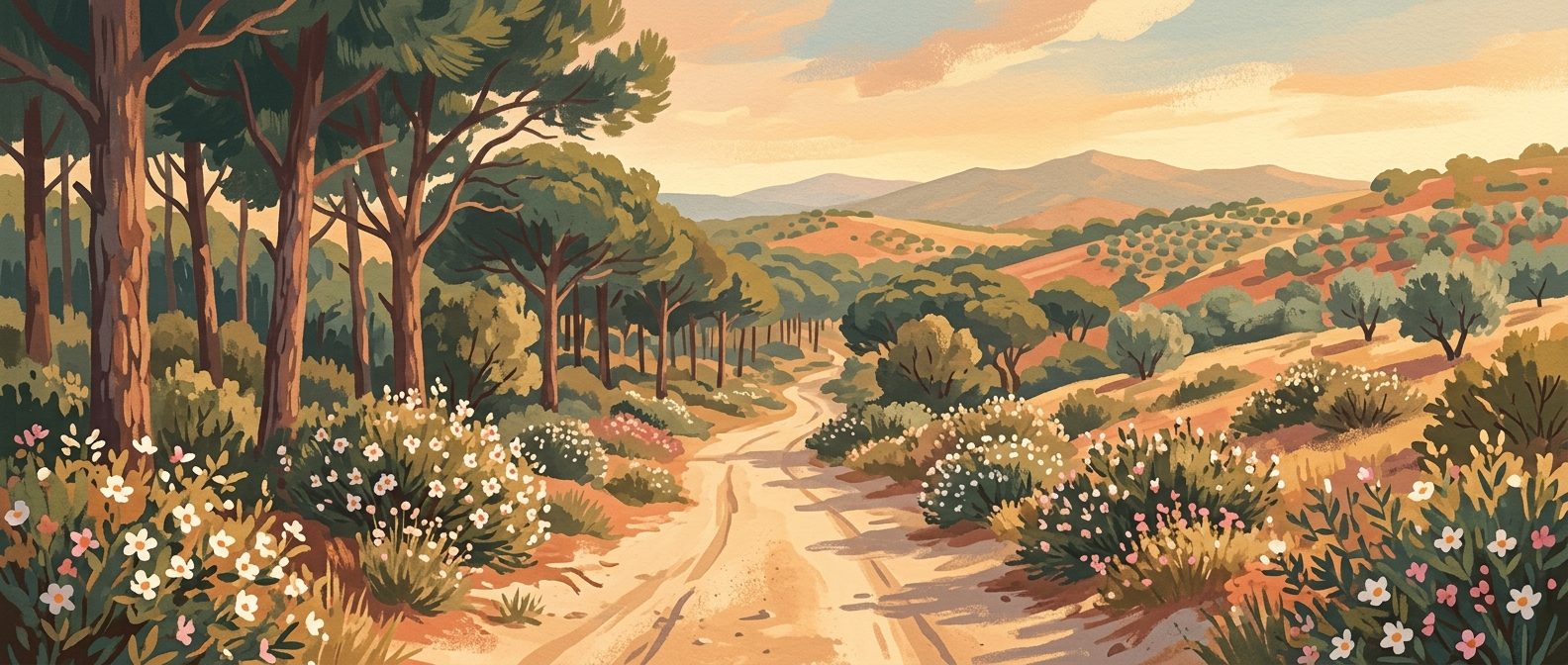
Huelva in May: Pilgrimages, Pine Forests and the Peak of Nature
Experience the sensory peak of the Atlantic coast as a million pilgrims converge on the marshes for the Romería del Rocío and the Sierra de Aracena offers prime hiking and wild strawberries.
6 min read
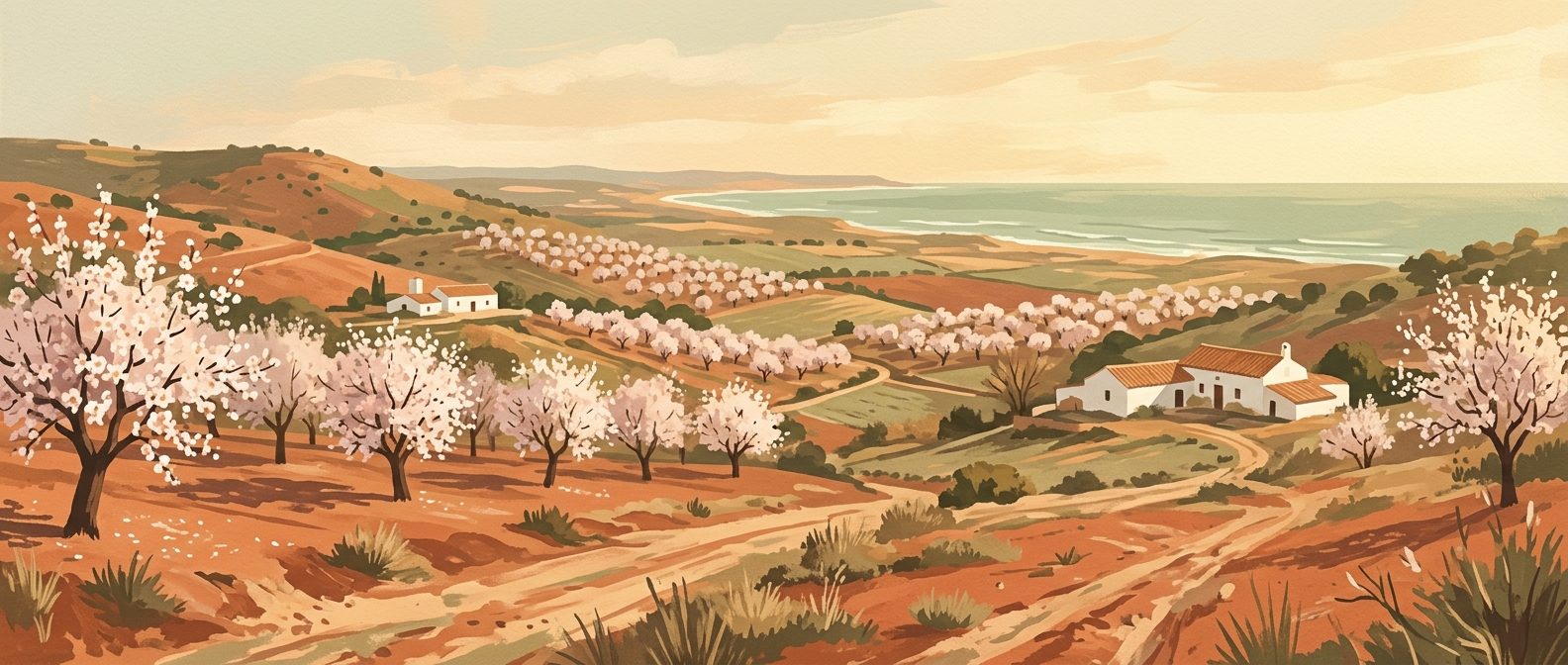
Huelva in February: Almond Blossom and Atlantic Solitude
Experience Huelva in February, from the blooming almond orchards of the Sierra de Aracena to the flamingo gatherings in Doñana National Park.
6 min read
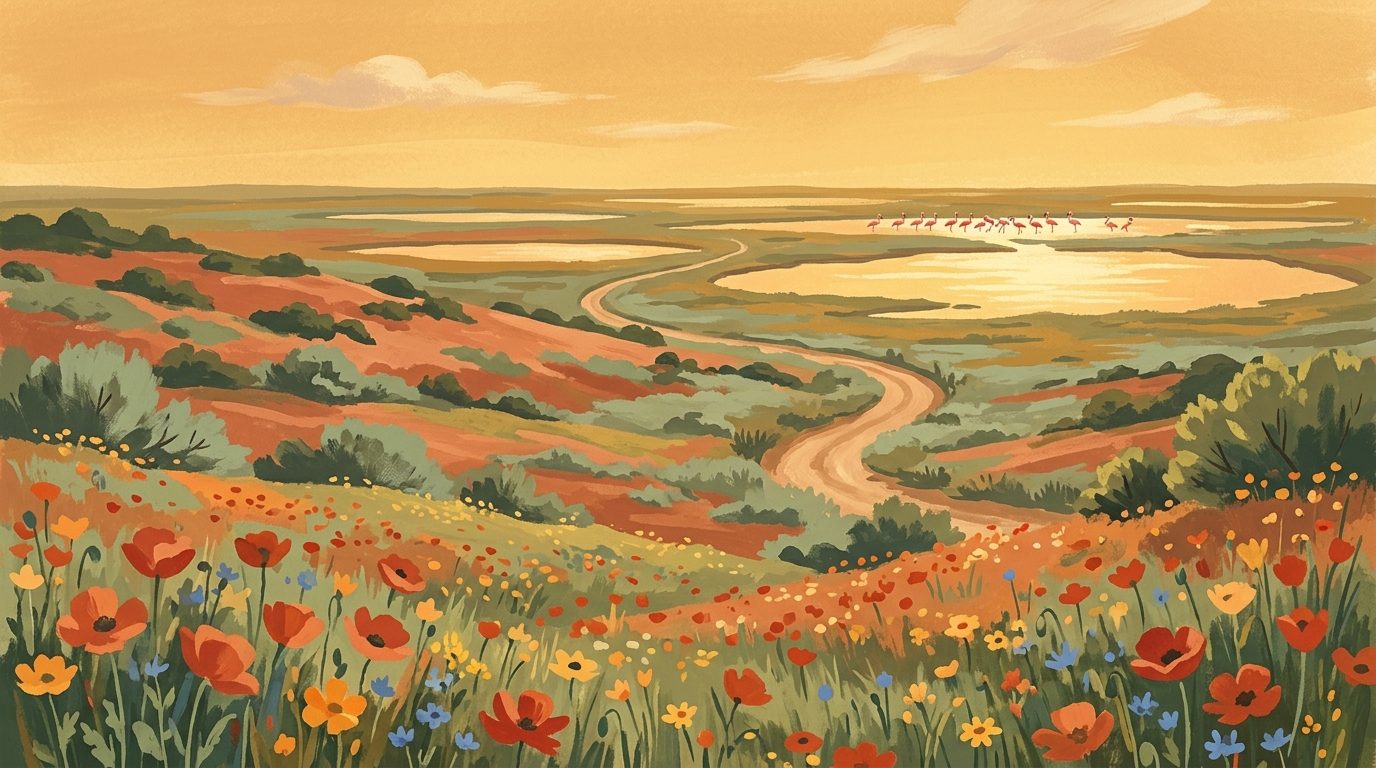
Huelva in April: Wildflowers, Wetlands and Early Spring Pilgrimages
Discover Huelva in April, a month of extraordinary natural beauty where the Doñana wetlands come alive with migratory birds and the Sierra de Aracena is carpeted in wildflowers.
7 min read
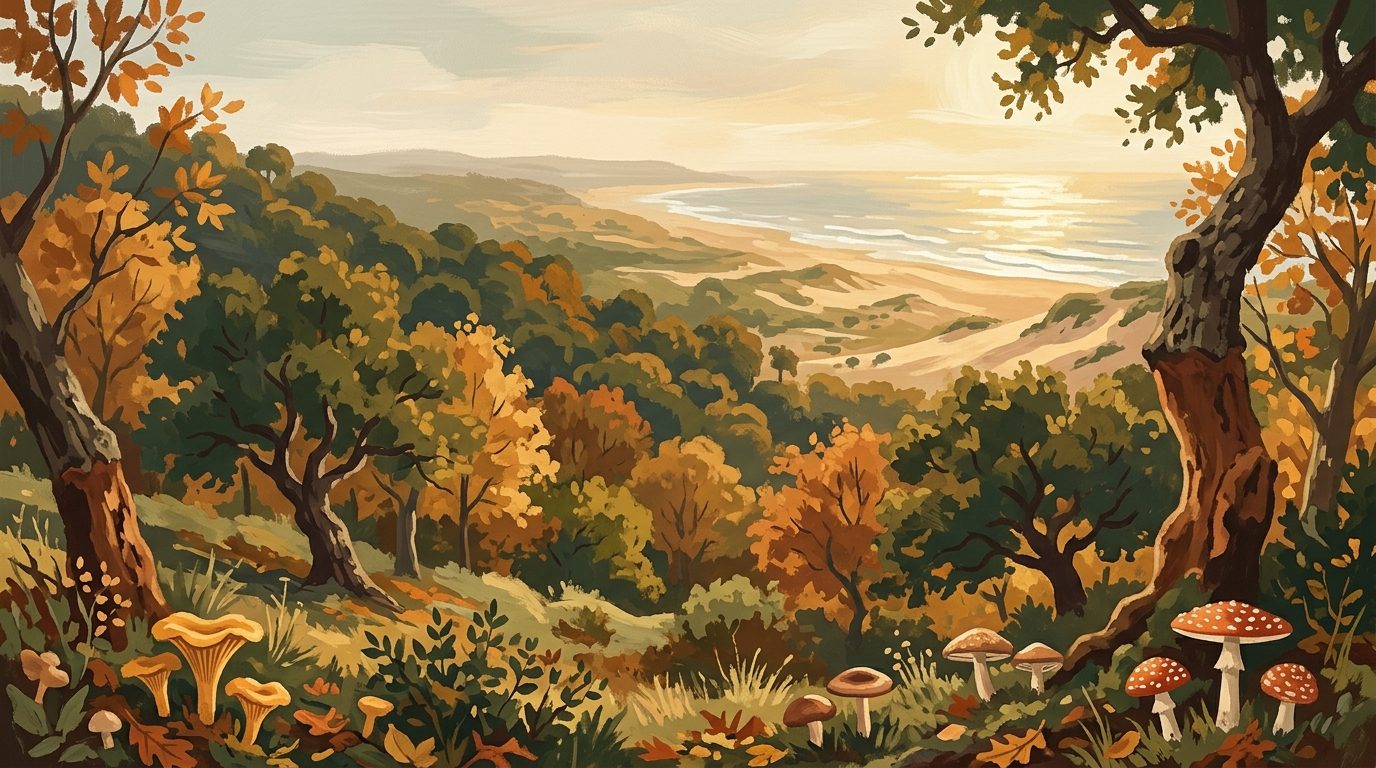
Huelva in October: Forests, Fungi, and Empty Atlantic Shores
October in Huelva sees the Atlantic heat soften into a gentle warmth, perfect for exploring the Sierra de Aracena as the first mushrooms appear. It is a month defined by the return of migratory birds to Doñana and the quietening of the Costa de la Luz.
6 min read
Newsletter
More stories from Andalucía
Weekly notes, seasonal picks, and the next guides worth bookmarking.