
Seasonal guide · Huelva
Huelva in July: Atlantic Breezes and Endless Sands
Experience the vast Atlantic beaches and fresh seafood of Huelva in July, where cool sea breezes provide a welcome escape from the Andalucían summer heat.
By Dan · Updated 26 May 2026 · 6 min read
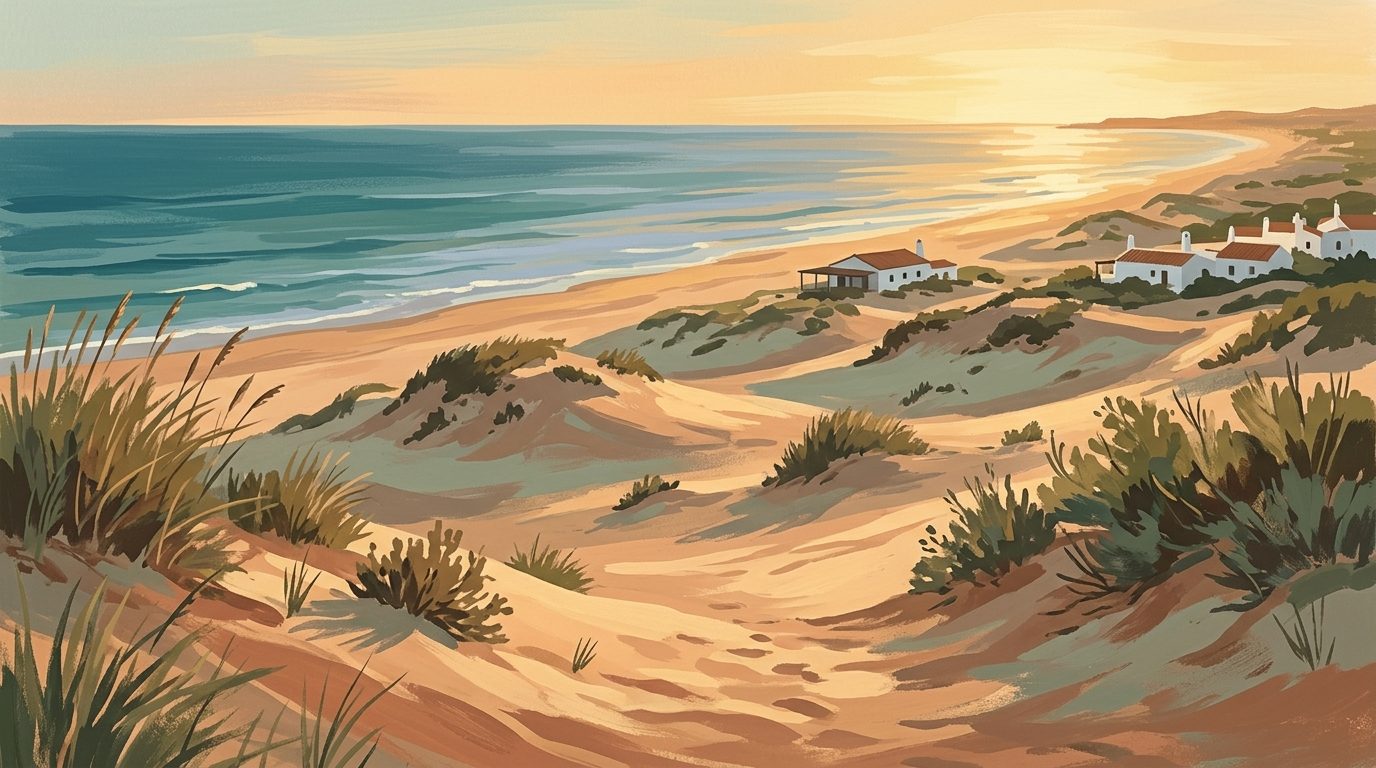
Huelva in July offers a spacious Atlantic alternative to the crowded Mediterranean coasts, providing cool sea breezes and vast sandy stretches. It is a month defined by maritime traditions and the scent of salt air along the Costa de la Luz.
Introduction: What to Expect
July in Huelva marks the height of the summer season, yet the province maintains a sense of space that is often lost in the more famous eastern reaches of Andalucía. While the rest of the region swelters under the intense southern sun, Huelva benefits significantly from its position on the Atlantic. The coast, known as the Costa de la Luz (Coast of Light), receives a cooling influence from the ocean, making the temperatures here significantly more manageable than in the landlocked valleys of the Guadalquivir.
The character of the province changes in July as domestic tourism takes centre stage. Unlike the international crowds found in Málaga or Sevilla, Huelva is a favourite for Spanish families from Extremadura and Madrid. This creates an atmosphere that is authentically local. You will find that the rhythm of life slows down; mornings are for the beach, afternoons for long siestas to avoid the peak heat, and evenings for socialising at chiringuitos (beach bars) until the early hours. The light is exceptionally sharp and clear, reflecting off the white sands and the marshes of the Odiel and Doñana, providing a stark, beautiful clarity that has inspired artists for centuries.
Weather
The weather in Huelva during July is hot and dry, but highly variable depending on your proximity to the ocean. Rainfall is virtually non-existent, with an average of zero to one day of rain for the entire month. You can expect blue skies and intense sunlight for approximately 11 to 12 hours a day.
Coastal Conditions
Along the coast, in places like Punta Umbría, Islantilla, and Matalascañas, daytime temperatures typically hover between 28°C and 31°C. The poniente wind (a westerly breeze from the Atlantic) provides a natural cooling effect. Even when the mercury rises, the low humidity makes the heat less oppressive than in the Mediterranean. Night-time temperatures on the coast are pleasant, usually falling to around 19°C or 20°C, often requiring nothing more than a light linen shirt.
Inland and the Sierra
As you move inland toward Huelva city and further north into the Sierra de Aracena y Picos de Aroche, the heat intensifies. In Huelva city, temperatures often reach 35°C. In the northern mountains, while the mornings are fresh, midday temperatures can climb to 38°C. However, the lack of humidity means the heat is "dry." If you are visiting the mountain villages, the evenings remain remarkably cool compared to the plains.
Water Temperature
The Atlantic water remains refreshing. Due to upwelling, a process where deep, cold water rises to the surface, the sea temperature usually stays between 20°C and 22°C. It is significantly cooler than the Mediterranean, which many find invigorating during the July heat.
What to wear: Lightweight natural fabrics like linen and cotton are essential. High-factor sunscreen, a wide-brimmed hat, and quality sunglasses are mandatory. If you plan to visit the Sierra, bring a light jumper for the evenings.
Events & Festivals
July is a month of maritime celebration and the beginning of the great summer ferias. The most significant dates revolve around the province's relationship with the sea.
Virgen del Carmen (16th July)
The Virgen del Carmen is the patron saint of sailors and fishermen. In coastal towns such as Isla Cristina, Punta Umbría, and Mazagón, this is the most important event of the month. The statue of the Virgin is carried from the church to the harbour and placed on a boat. A flotilla of decorated fishing vessels then follows her out to sea, accompanied by horn-blowing and singing. It is a deeply moving and authentic spectacle that concludes with fireworks and street parties.
Fiestas Colombinas (Late July/Early August)
The 2026 Fiestas Colombinas are expected to run from late July through to the 3rd of August, commemorating the anniversary of Columbus's departure from Palos de la Frontera (check the official Huelva City Council website before travelling). The city of Huelva transforms its fairgrounds with casetas (tents) for dancing, drinking rebujito (sherry mixed with lemonade), and enjoying live music. It is a massive celebration of the province's identity as the "Discovery Coast."
Festival de Castillo de Niebla
Throughout July 2026, the historic town of Niebla hosts its annual theatre and dance festival within the walls of its medieval castle (check the official festival website for exact dates and tickets before travelling). The performances take place outdoors under the stars, offering a sophisticated cultural escape from the beach-centric activity of the coast.
What to Do
Explore the Beaches
Huelva's beaches are its greatest asset in July. Unlike the pebbled or narrow coves found elsewhere, Huelva features massive, fine-golden sand beaches backed by dunes and pine forests. Islantilla is excellent for those seeking active watersports like sailing and windsurfing. For those seeking solitude, the beaches of Doñana or the wilder stretches near El Rompido offer kilometres of space where you can walk for an hour without seeing a soul.
Doñana National Park 4WD Tours
July is a fascinating time to visit Doñana, though the heat means the marshes (marismas) are largely dry. Guided tours in 4WD vehicles are the only way to access the restricted zones. You will see the landscape transition from scorched earth to the iconic mobile dunes. It is also the best time to spot deer and wild boar congregating around the remaining water holes. Birdwatchers should look for bee-eaters and birds of prey.
The Columbus Heritage Trail
Escape the midday sun by visiting the Muelle de las Carabelas in Palos de la Frontera. Here, you can walk onto full-scale replicas of the Pinta, Niña, and Santa María. Nearby, the Monasterio de La Rábida offers a cool, quiet interior with beautiful cloisters where Columbus stayed while planning his voyage. It provides a necessary historical context to the region that goes beyond the shoreline.
Seafood Gastronomy
July is the peak season for enjoying Gambas Blancas de Huelva (white prawns). These are best enjoyed simply boiled with sea salt. Visit the fish markets in Ayamonte or Isla Cristina in the morning to see the catch come in, then head to a local tavern for Choco frito (fried cuttlefish) and Coquinas (small wedge clams) cooked in garlic and white wine.
Who Should Visit
- Families: The shallow waters and wide beaches make this one of the safest coastal areas for children.
- Seafood Enthusiasts: July is the best time for fresh Atlantic shellfish and traditional maritime cooking.
- Domestic Culture Lovers: Perfect for those who want to experience a Spanish holiday atmosphere rather than an international tourist resort.
- Surfers and Sailors: The Atlantic conditions at Islantilla and coastal winds provide better sporting opportunities than the calmer Mediterranean.
Practical Notes
Crowds: While the beaches are vast enough to never feel cramped, the towns themselves become very busy. Finding parking in Punta Umbría or Matalascañas on a July weekend can be extremely difficult. If you are visiting for the day, arrive before 10:00 am.
Prices: July is high season. Accommodation prices in coastal hotels can double compared to May or October. However, dining out remains relatively affordable compared to the Costa del Sol, with local tapas bars offering excellent value.
Booking Advice: If you plan to take a guided tour of Doñana or visit the Niebla theatre festival, book at least two weeks in advance. For the best seafood restaurants in Ayamonte or El Rompido, a weekend table reservation is essential.
Monthly Verdict
July in Huelva is for the traveller who loves the heat but demands a sea breeze. It is a month for long, lazy days on the largest beaches in Andalucía, broken up by the occasional plate of fresh white prawns and the spectacle of a maritime procession. While the inland temperatures are fierce, the coast remains one of the most comfortable and authentic summer destinations in Southern Europe.
Last reviewed: 21 June 2026 · Editorial policy
Related guides
Huelva in June: Atlantic Breezes and the Arrival of Summer
Experience the best of the Costa de la Luz in June, from the wild horse roundups in Doñana to the first grilled sardines of the season on Huelva's vast Atlantic beaches.
6 min read
Huelva in August: Atlantic Breezes and the High Summer Rhythm
Experience the authentic Spanish summer in Huelva this August. From the cooling Atlantic breezes of Islantilla to the festive nights of the Colombinas, discover a province in its peak season.
6 min read
Cádiz in June: Atlantic Breezes and Midsummer Magic
June in Cádiz offers the perfect balance of warm Atlantic sunshine and refreshing coastal winds before the peak summer heat and crowds arrive in July.
6 min read
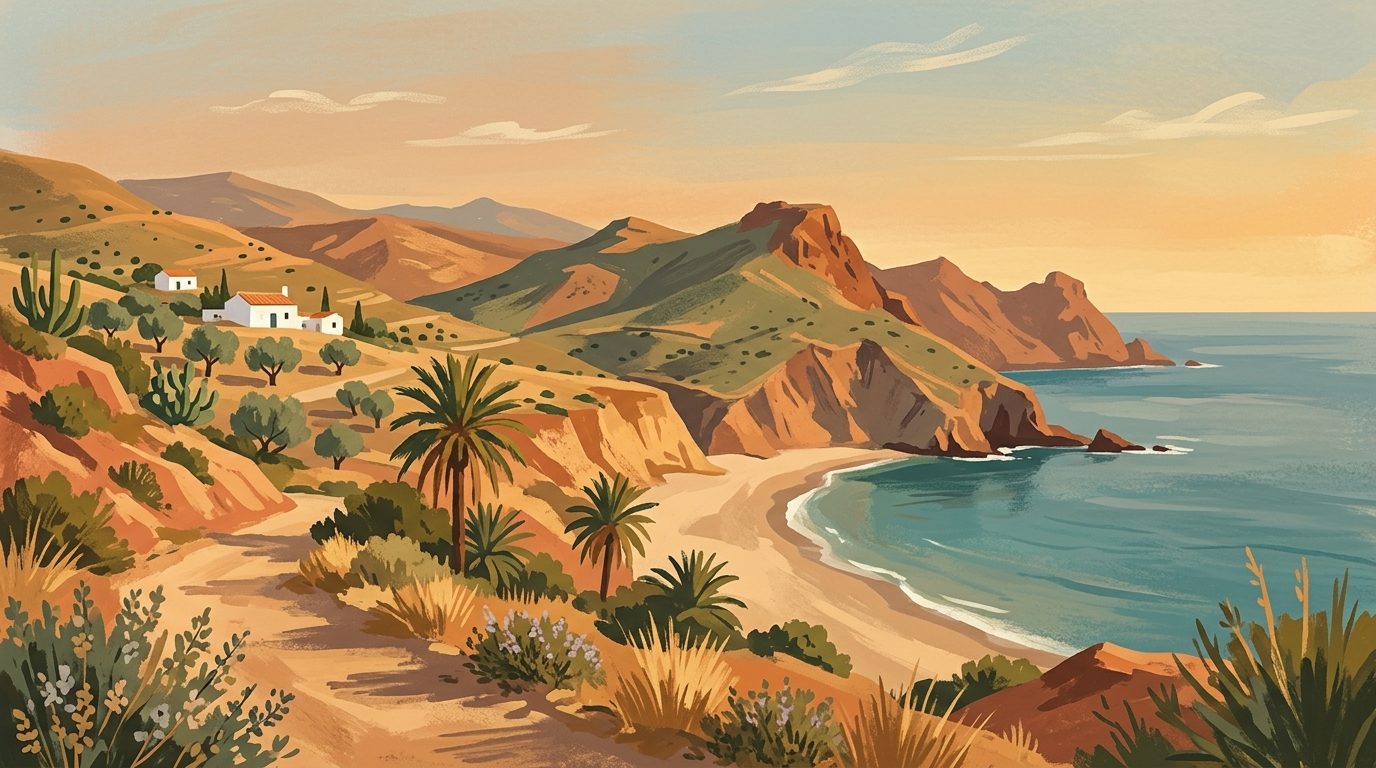
Almería in July: A Guide to Spain's Volcanic Summer Coast
Discover the rugged beauty of Almería in July, where volcanic beaches and desert landscapes meet the clearest waters in the Mediterranean.
7 min read
Andalucía in July: Navigating the Peak of the Southern Summer
July brings the peak of the Andalucían summer, where life moves slowly under a relentless sun and the coastlines offer the only true respite. It is a month defined by late-night socialising and intense inland heat.
7 min read
Málaga in August: Feria Season and Peak Summer Heat
August in Málaga is defined by the high-energy celebrations of the city fair and the intense heat of the terral wind. It is a month for late nights, sea swims, and embracing the slow pace of peak summer.
6 min read
More from Huelva
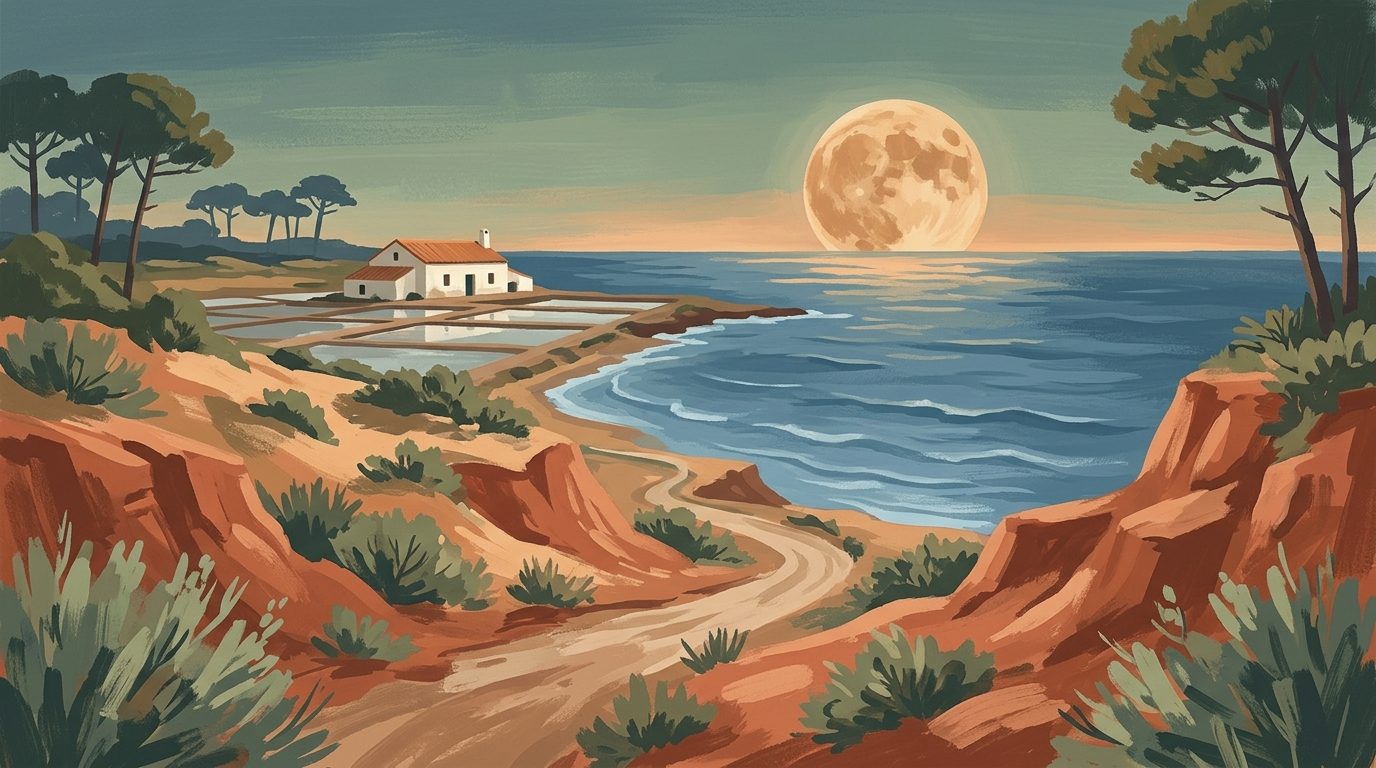
Huelva in September: Warm Atlantic Waters and the Harvest Moon
September in Huelva marks a gentle transition where the intense Atlantic summer heat softens into a golden warmth, leaving the wide beaches to those who value quietude.
6 min read
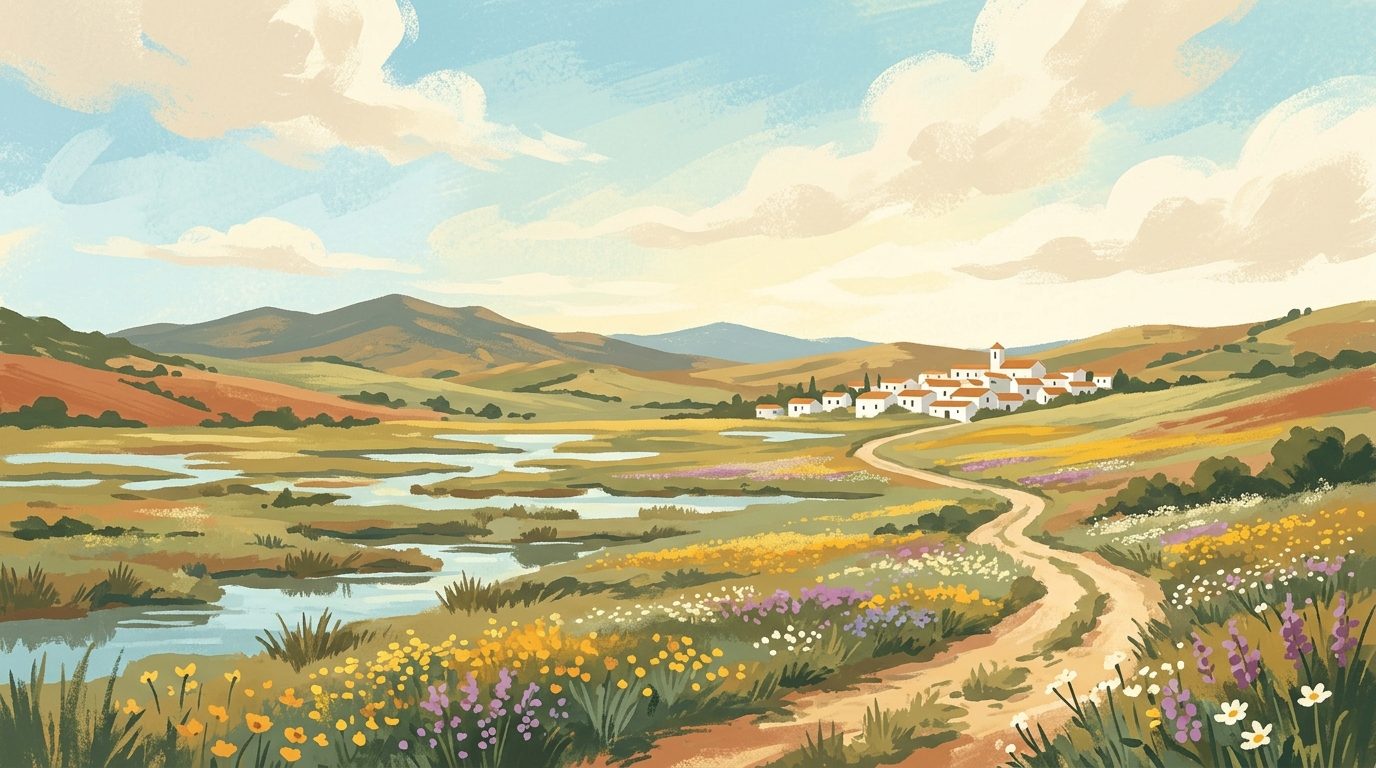
Huelva in March: Wildflowers, Wetlands, and Quiet Hills
March in Huelva signals a quiet awakening where the Atlantic breeze meets the scent of budding rockrose in the northern hills. It is a time of soft light and solitude before the summer heat settles over the western edge of Andalucía.
6 min read
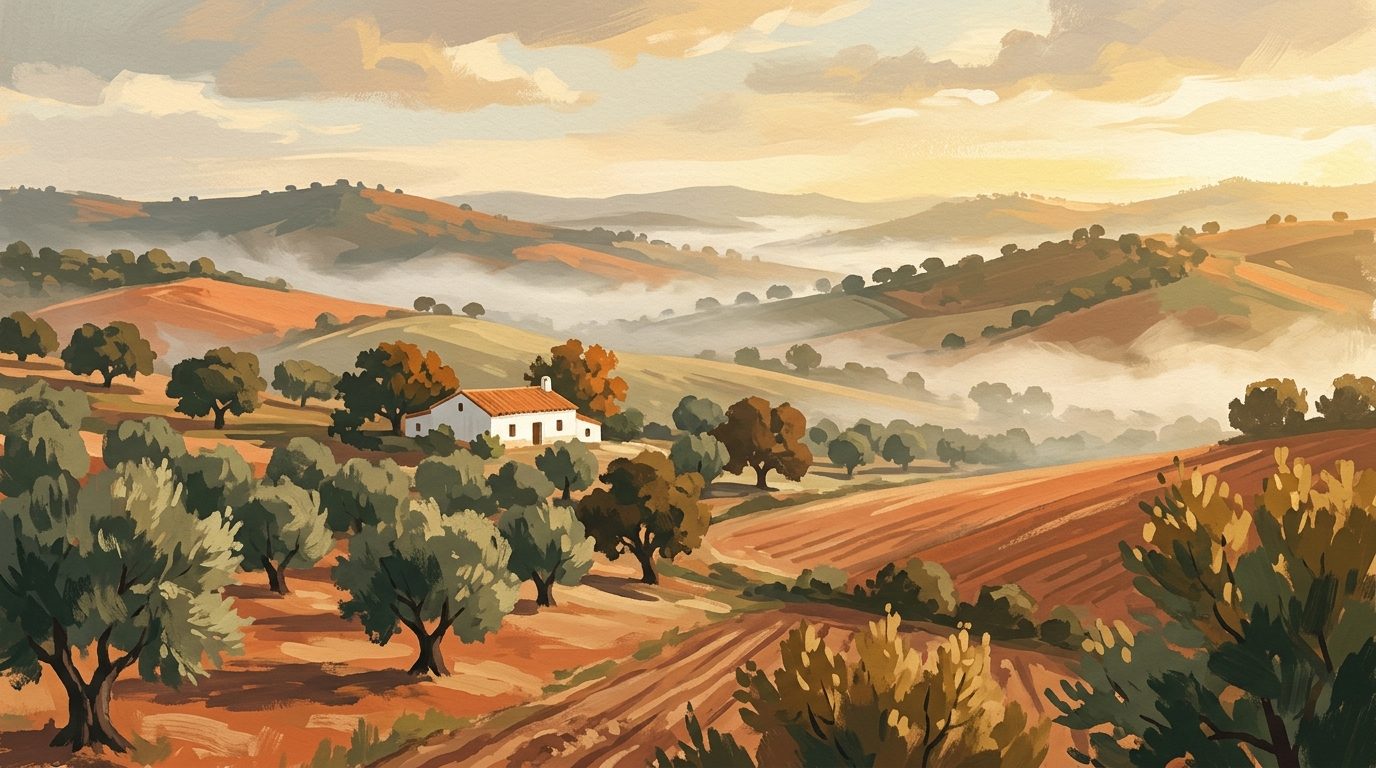
Huelva in November: A Season of Harvest and Mist
Experience Huelva at its most authentic in November, from the chestnut harvests of the Sierra de Aracena to the arrival of wintering birds in Doñana National Park.
7 min read
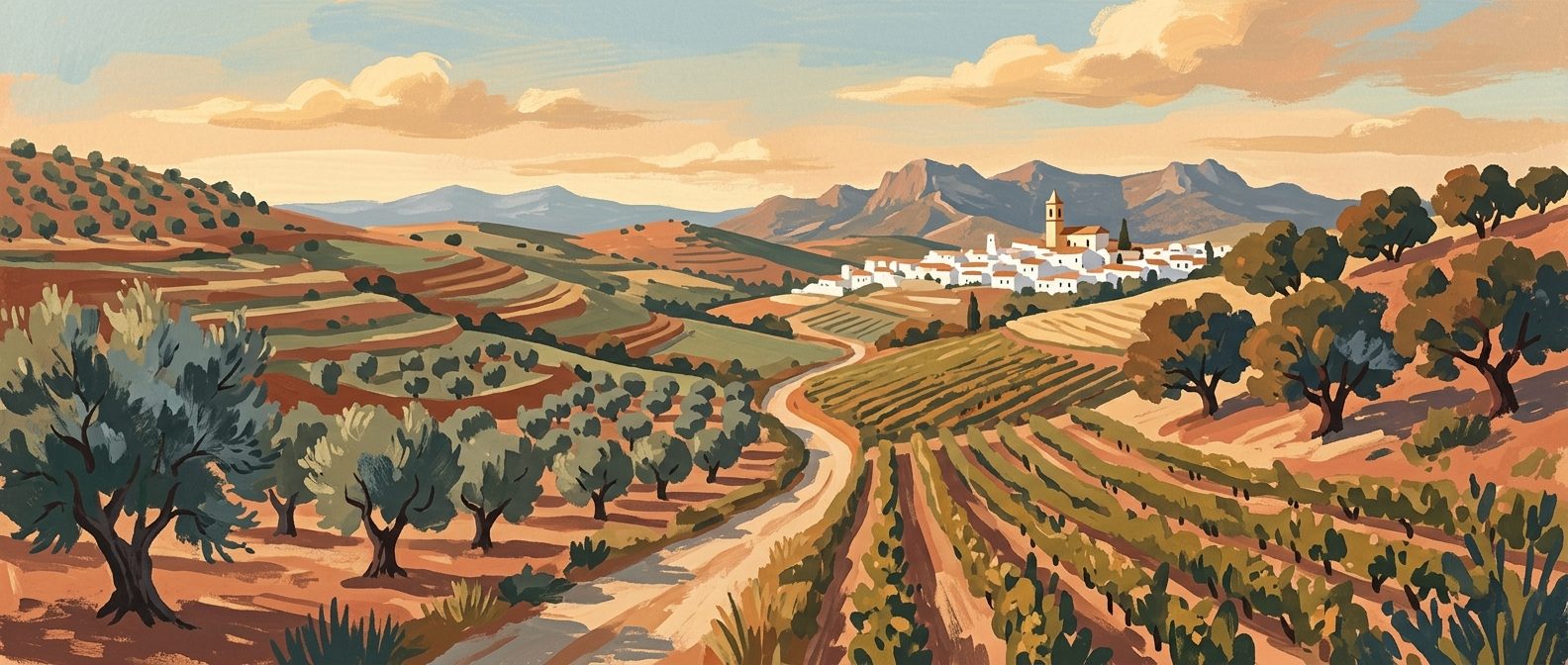
Huelva in December: A Guide to Winter in Spain's Wild West
Experience the quiet majesty of Huelva in December, from the world-class birdwatching in Doñana to the cosy, wood-fired traditions of the Sierra de Aracena.
6 min read
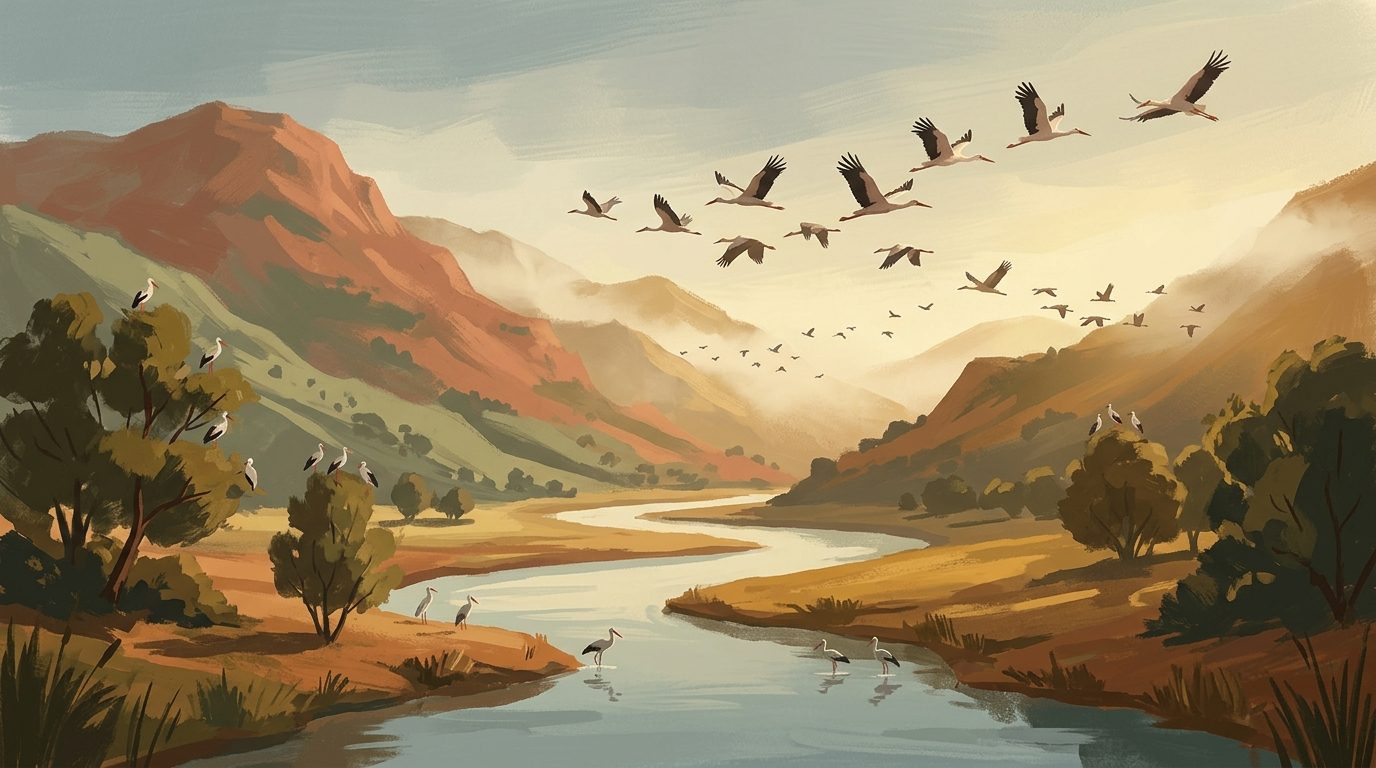
Huelva in January: Birdlife and Mountain Mist
January in Huelva offers the peak of the Doñana bird migration, atmospheric mountain escapes in the Sierra de Aracena, and the freshest Jamón Ibérico of the year.
6 min read
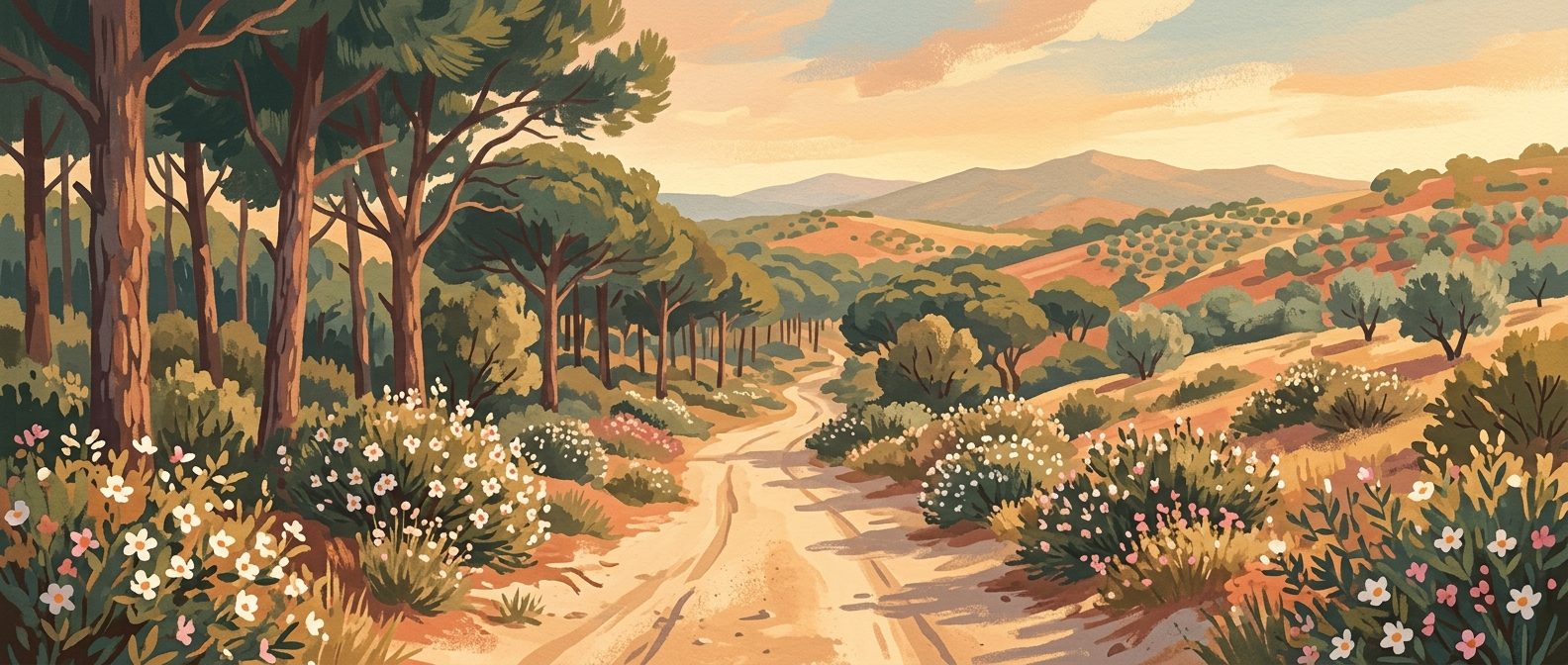
Huelva in May: Pilgrimages, Pine Forests and the Peak of Nature
Experience the sensory peak of the Atlantic coast as a million pilgrims converge on the marshes for the Romería del Rocío and the Sierra de Aracena offers prime hiking and wild strawberries.
6 min read
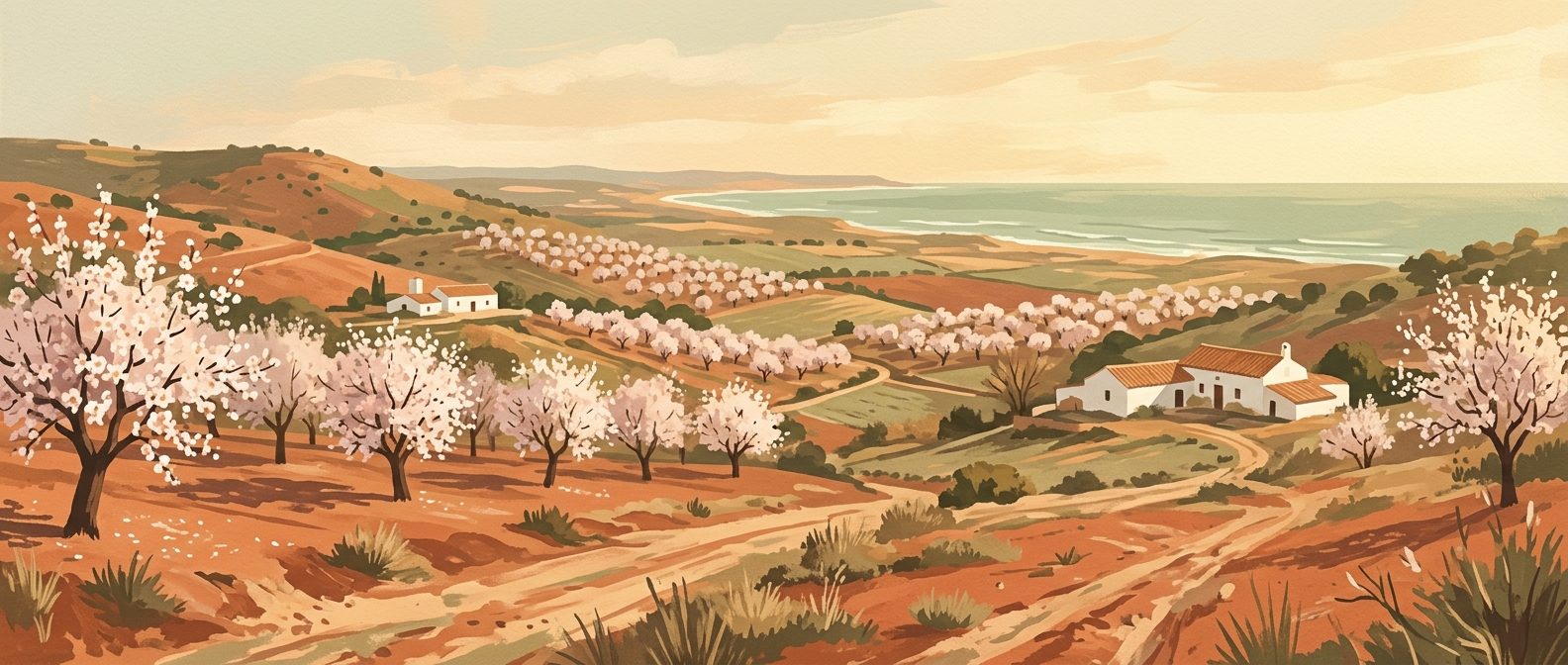
Huelva in February: Almond Blossom and Atlantic Solitude
Experience Huelva in February, from the blooming almond orchards of the Sierra de Aracena to the flamingo gatherings in Doñana National Park.
6 min read
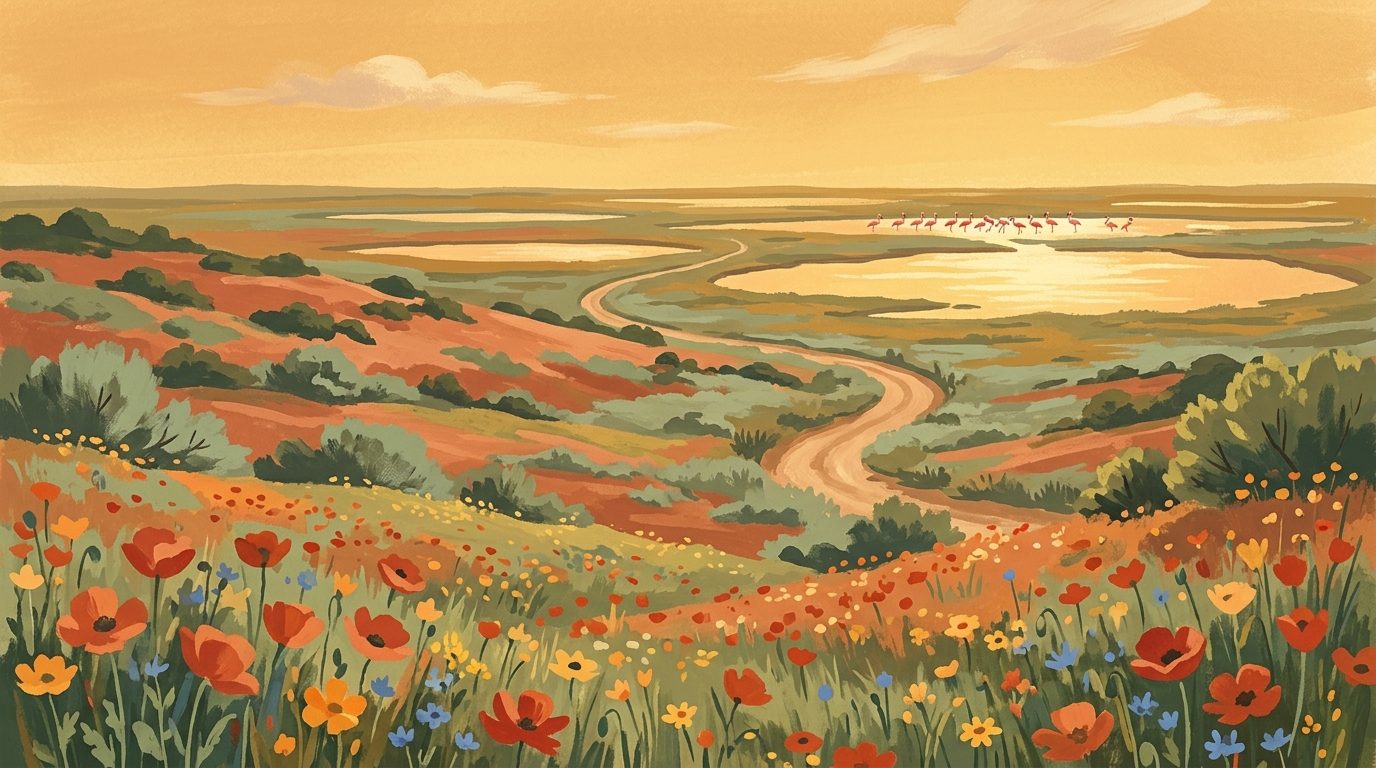
Huelva in April: Wildflowers, Wetlands and Early Spring Pilgrimages
Discover Huelva in April, a month of extraordinary natural beauty where the Doñana wetlands come alive with migratory birds and the Sierra de Aracena is carpeted in wildflowers.
7 min read
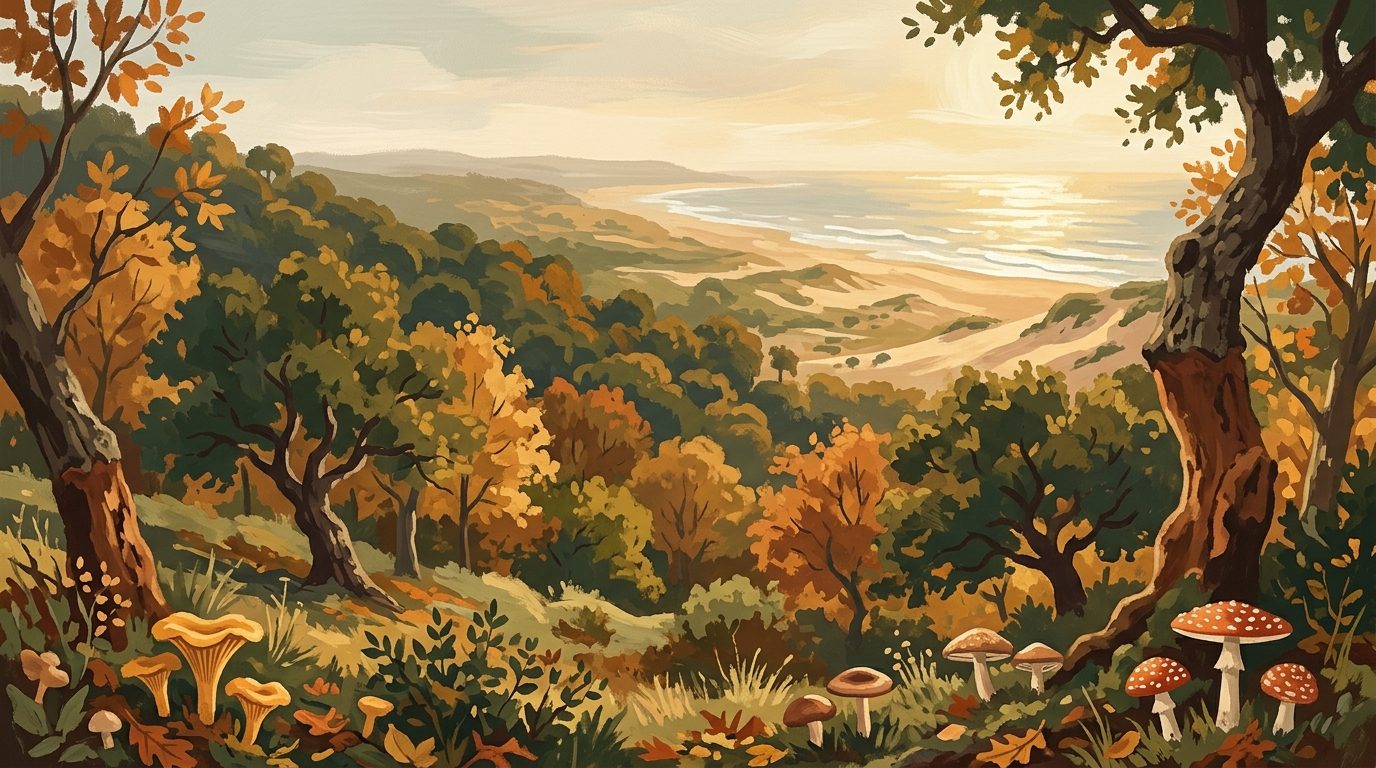
Huelva in October: Forests, Fungi, and Empty Atlantic Shores
October in Huelva sees the Atlantic heat soften into a gentle warmth, perfect for exploring the Sierra de Aracena as the first mushrooms appear. It is a month defined by the return of migratory birds to Doñana and the quietening of the Costa de la Luz.
6 min read
Newsletter
More stories from Andalucía
Weekly notes, seasonal picks, and the next guides worth bookmarking.