
Feature · Almería
Costa de Almería: The Complete Guide
The Costa de Almería is an arid, volcanic stretch of coastline where the Mediterranean meets the desert. It is the least developed of the Andalucían costas and offers vast natural parks alongside quiet fishing villages.
By Dan · Updated 15 May 2026 · 9 min read
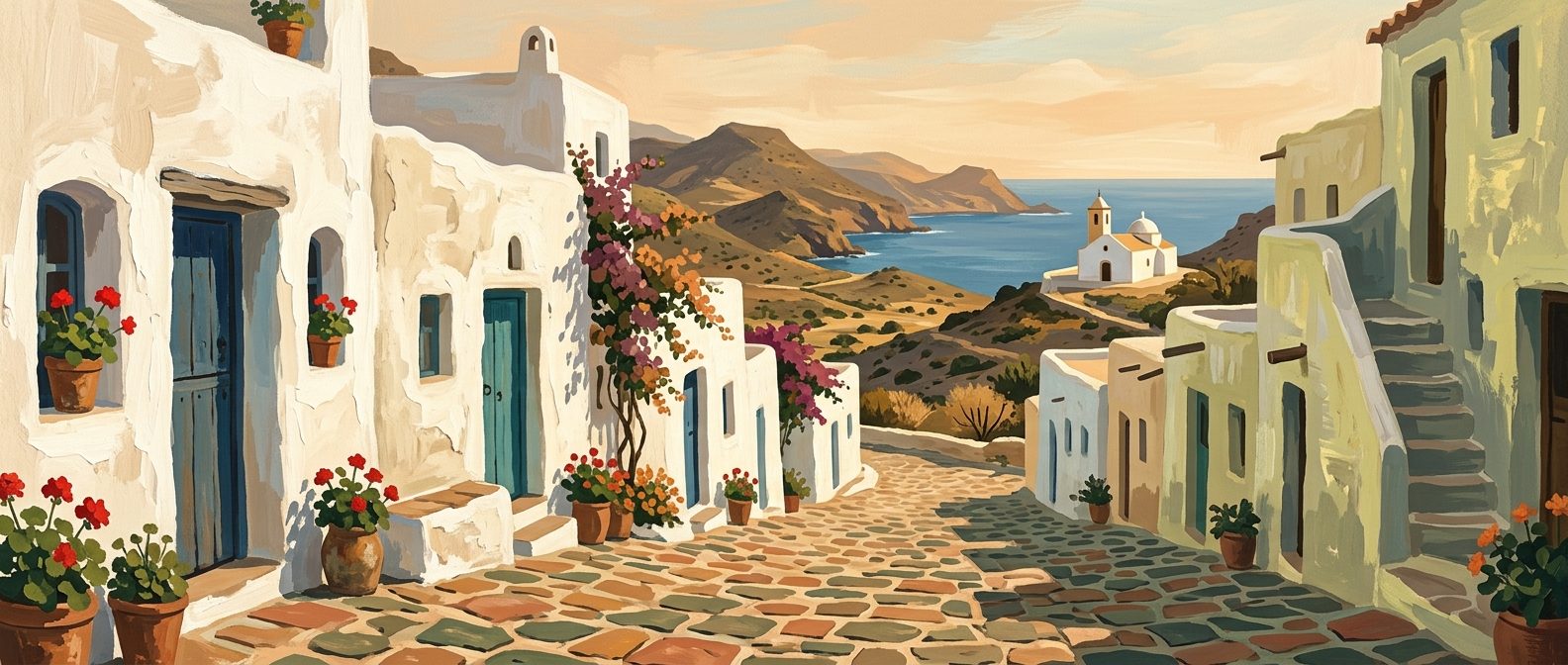
The Costa de Almería is an arid, volcanic stretch of coastline where the Mediterranean meets the desert. It is the least developed of the Andalucían costas and offers vast natural parks alongside quiet fishing villages.
Introduction to the Costa de Almería
The Costa de Almería occupies the easternmost stretch of the Andalucían coastline. It is a striking, sun-baked environment defined by low rainfall, volcanic rock formations and endless horizons. Unlike the heavily irrigated golf courses found further west, this coastline embraces its desert climate. The terrain rolls from the harsh badlands of the interior down to sheer cliffs and secluded bays. You will immediately recognise the cinematic quality of the light here, which has drawn film directors to the province for decades.
Visitors will notice a stark division in the landscape. The western stretch between Adra and Roquetas de Mar is dominated by a vast network of agricultural greenhouses that drive the local economy. However, as you travel east past the provincial capital, the scenery opens up into the spectacular Cabo de Gata-Níjar Natural Park. This protected area is the undeniable focal point of the Costa de Almería. It is an arid wilderness that remains strictly guarded against heavy development.
The Costa de Almería appeals directly to independent travellers, nature enthusiasts and those seeking quiet isolation over structured resort entertainment. While there are conventional holiday towns with large hotels, the true character of this coast is found on dirt tracks leading to empty coves, in whitewashed villages clinging to volcanic slopes and in the clear waters where local outfits organise daily scuba diving excursions.
The Towns of the Costa de Almería, West to East
Adra
Starting in the far west, Adra is a traditional fishing port and agricultural hub. It is a working town rather than a tourist destination. The landscape here is heavily shaped by the agricultural industry, but the town centre offers an authentic glimpse into the daily life of the province, complete with excellent seafood restaurants near the harbour.
Roquetas de Mar
This is the largest tourist resort on the western side of the province. Roquetas de Mar provides everything expected of a conventional holiday destination, including large hotels, a wide promenade, a water park and shopping centres. It is highly popular with domestic holidaymakers and families looking for convenience and safe swimming.
Aguadulce
Just a short drive from the capital, Aguadulce is essentially a coastal suburb of Almería city. It has a busy marina bordered by bars and restaurants, making it a focal point for evening entertainment. The high cliffs behind the town provide a dramatic backdrop to the long, dark-sand beach.
Almería
The provincial capital is a gritty, authentic port city crowned by the Alcazaba, a massive Moorish fortress. Almería city is not a typical beach resort, though it has an excellent city beach. Instead, it serves as the cultural and culinary heart of the province, famous for its generous free tapas culture.
Cabo de Gata
The town of Cabo de Gata shares its name with the famous cape and natural park. It sits alongside a massive salt flat, Las Salinas, which is a permanent home to flocks of pink flamingos. The town itself is modest and quiet, acting as a functional gateway to the wilder landscapes of the park.
San José
Considered the unofficial capital of the natural park, San José is a low-rise, whitewashed village built around a small marina. It has a relaxed, unpretentious atmosphere. San José is the perfect jumping-off point for reaching the most famous unpaved beaches of the region, offering a good concentration of guest houses and restaurants.
Las Negras
Named after the black volcanic cliffs that surround it, Las Negras has a distinct bohemian atmosphere. The village attracts an alternative crowd, including hikers and those who favour a laid-back cafe culture. The beach is pebbly, but the water is exceptionally clear, and footpaths lead out to even more remote coves.
Agua Amarga
This is perhaps the most manicured and upmarket village within the natural park. Agua Amarga is a tight cluster of white houses covered in bright pink bougainvillea, all spilling down to a sheltered sandy beach. It is small, exclusive and highly sought after during the summer months.
Carboneras
Leaving the natural park, Carboneras is a town defined by a mix of heavy industry and natural beauty. A large cement factory dominates the southern approach. However, the town has a superb beach, excellent seafood and serves as the closest access point to the spectacular Playa de los Muertos.
Mojácar
Mojácar is essentially two distinct places. Mojácar Pueblo is a striking whitewashed village perched high on a hill overlooking the sea, featuring steep, winding streets. A few kilometres below is Mojácar Playa, a modern, sprawling coastal resort with miles of sandy beaches, beach clubs, Irish pubs and large hotels.
Vera
Located slightly inland, Vera is an attractive historical town. However, its coastal counterpart, Vera Playa, is internationally famous for something completely different. It is home to Europe's largest naturist resort, including dedicated residential complexes, hotels and a long stretch of clothing-optional beach.
Best Beaches along the Costa de Almería
Playa de los Muertos: A perfectly straight, kilometre-long stretch of white pebbles and striking blue water, accessed via a steep rocky footpath.
Playa de Mónsul: Famous for its massive central volcanic rock and rolling sand dunes, this beach was immortalised in the third Indiana Jones film.
Playa de los Genoveses: A wide, sweeping horseshoe bay of golden sand backed by eucalyptus trees and agave plants, featuring very shallow water.
Cala San Pedro: A remote white-sand cove that is home to a permanent off-grid community, reachable only by a long hike from Las Negras or by small boat.
Cala de Enmedio: A tiny, secluded bay flanked by bright white, fossilised sand cliffs that have been carved into smooth, undulating shapes by the sea.
Playa del Arco: Located in Los Escullos, this beach is known for its extraordinary fossilised sand dunes that tumble directly into the water, highly popular with snorkellers.
Vera Playa: A vast, wide expanse of flat sand that holds the title of the most famous naturist beach in Spain.
Playa de Aguadulce: A highly accessible, family-friendly urban beach with dark sand, backed by a wide promenade and numerous restaurants.
Where to Base Yourself
Families
Roquetas de Mar and Mojácar Playa are the undisputed champions for family holidays on this coast. Both offer immediate access to shallow, lifeguard-patrolled beaches, large supermarkets and resort-style hotels with swimming pools. They provide the infrastructure that parents need for a stress-free trip, with plenty of nearby activities to keep children entertained.
Couples
Agua Amarga and San José offer a much more romantic, low-key setting. These whitewashed villages lack the noise of the bigger resorts. Couples can spend their days exploring isolated coves and their evenings eating fresh seafood by the water in a quiet, intimate atmosphere.
Surfers and Active Travellers
Las Negras and the town of Cabo de Gata are excellent bases for the active. When the wind conditions are right, the breaks around the cape attract surfers and kite-surfers. Hikers will find Las Negras perfectly positioned for accessing the coastal trails that link the remote northern coves, while cyclists can tackle the arid mountain roads.
Foodies
Almería city is the ultimate base for food lovers. The sheer variety of tapas bars in the historical centre is staggering. Because the tapas are included in the price of your drink, you can spend an entire evening moving from bar to bar, tasting local specialities without spending a fortune.
Party-goers
Mojácar Playa and Aguadulce cater to those looking for nightlife. Mojácar Playa has several large beach clubs that host disc jockeys throughout the summer, while the marina at Aguadulce is packed with late-night bars that draw crowds from the capital every weekend.
Food Specific to this Coast
The food of the Costa de Almería is heavily influenced by its arid climate, its maritime traditions and its agricultural interior. You will not find the heavily fried fish platters of the western provinces here. Instead, the cuisine relies on slow-cooked stews, preserved meats and exceptional local seafood.
The most famous ingredient on this coast is the Gamba Roja de Garrucha. These large, bright red prawns are caught in the deep waters off the town of Garrucha. They are incredibly sweet and are usually served simply grilled with coarse sea salt to protect their delicate flavour.
Migas is a staple across the province. While migas (fried breadcrumbs or semolina) is eaten all over Spain, in Almería it is traditionally prepared on rainy days and served with a surprisingly diverse array of sides. You might find it accompanied by fried green peppers, chorizo, black pudding and even fresh sardines or anchovies.
Gurullos con conejo is a hearty, traditional dish originating from the countryside but widely available near the coast. Gurullos are small, diamond-shaped pieces of handmade pasta, simmered in a rich broth with rabbit, snails and chickpeas. It is deeply comforting and reflects the agricultural heritage of the region.
In Almería city, the Cherigan is the snack of choice. It is a long, thin slice of toasted bread, heavily spread with alioli (garlic mayonnaise) and topped with anything from cured ham and cheese to tuna or quail eggs. The name is said to be a local corruption of the word sheriff, named after a local bar owner who resembled a cowboy.
Getting There and Around
Almería Airport (LEI) is the main entry point, situated very conveniently just outside the capital. It handles domestic flights from Madrid and Barcelona, alongside seasonal flights from the United Kingdom and northern Europe. For a wider choice of international flights, visitors often fly into Málaga or Alicante and drive.
The train service to Almería has traditionally been quite slow and limited, with the main connection coming inland from Granada or Madrid. A high-speed rail line into the province has been a major long-term infrastructure project (check the latest operational status with Renfe before travelling), but traditional trains remain more of a scenic route than a practical coastal transport method.
To truly explore the Costa de Almería, hiring a car is absolutely essential. Public transport is adequate between the major urban centres like Roquetas de Mar and Almería city, but buses into the Cabo de Gata natural park are infrequent and do not reach the best beaches. The A-7 motorway acts as the main artery running parallel to the coast, while the N-340a provides a slower, more scenic alternative. To reach the secluded bays, you will frequently find yourself navigating narrow, winding country roads and dusty, unpaved tracks.
How it Differs from the Other Costas
Understanding how the Costa de Almería compares to its neighbours helps set expectations. The Andalucían coastline changes dramatically from west to east.
The Costa de la Luz faces the Atlantic Ocean. It is defined by massive, windswept beaches of fine white sand, towering dunes and a distinct lack of high-rise development. It is a paradise for windsurfers but the ocean water is cold and the wind can be relentless.
The Costa del Sol is the most famous and highly developed stretch. It offers world-class golf courses, luxury marinas and extensive tourist infrastructure. It is heavily populated and very international, making it ideal for those who want entertainment, shopping and convenience, but less suited to those seeking wilderness.
The Costa Tropical is situated in Granada province. Because of the towering Sierra Nevada mountains behind it, it has a unique microclimate that supports lush, green plantations of mangoes and avocados. The beaches are mostly pebble, and the mountains drop steeply into the sea.
The Costa de Almería is the outlier. It is barren, stark and remarkably dry. There are very few golf courses and hardly any green lawns. The beauty here is rugged and volcanic. The water is exceptionally clear and warm, making it the best coast in the region for snorkelling and diving. If the Costa del Sol is a manicured garden, the Costa de Almería is a wild, untamed desert plunging into the Mediterranean.
Last reviewed: 21 June 2026 · Editorial policy
Related guides
Coastal Drive: Cádiz to Almería
Driving the coastline of southern Spain is an exercise in geological and cultural whiplash, taking you from the wind-whipped Atlantic shores of Cádiz to the scorched volcanic deserts of Almería. This route traces the very edge of the continent, offering a masterclass in coastal navigation along the legendary N-340 and beyond.
10 min read
Carboneras: An Authentic Maritime Gateway to Cabo de Gata
Carboneras offers an authentic look at Almería's fishing traditions and serves as a gateway to the spectacular Playa de los Muertos.
5 min read
Almería Province Guide: Europe's Desert Frontier and Untamed Coastline
Far removed from the crowded resort towns of the Costa del Sol, Almería remains Andalucía's wildest and most beautifully arid province. Here, sun-scorched deserts crash into the Mediterranean Sea, offering an unfiltered, elemental escape.
8 min read
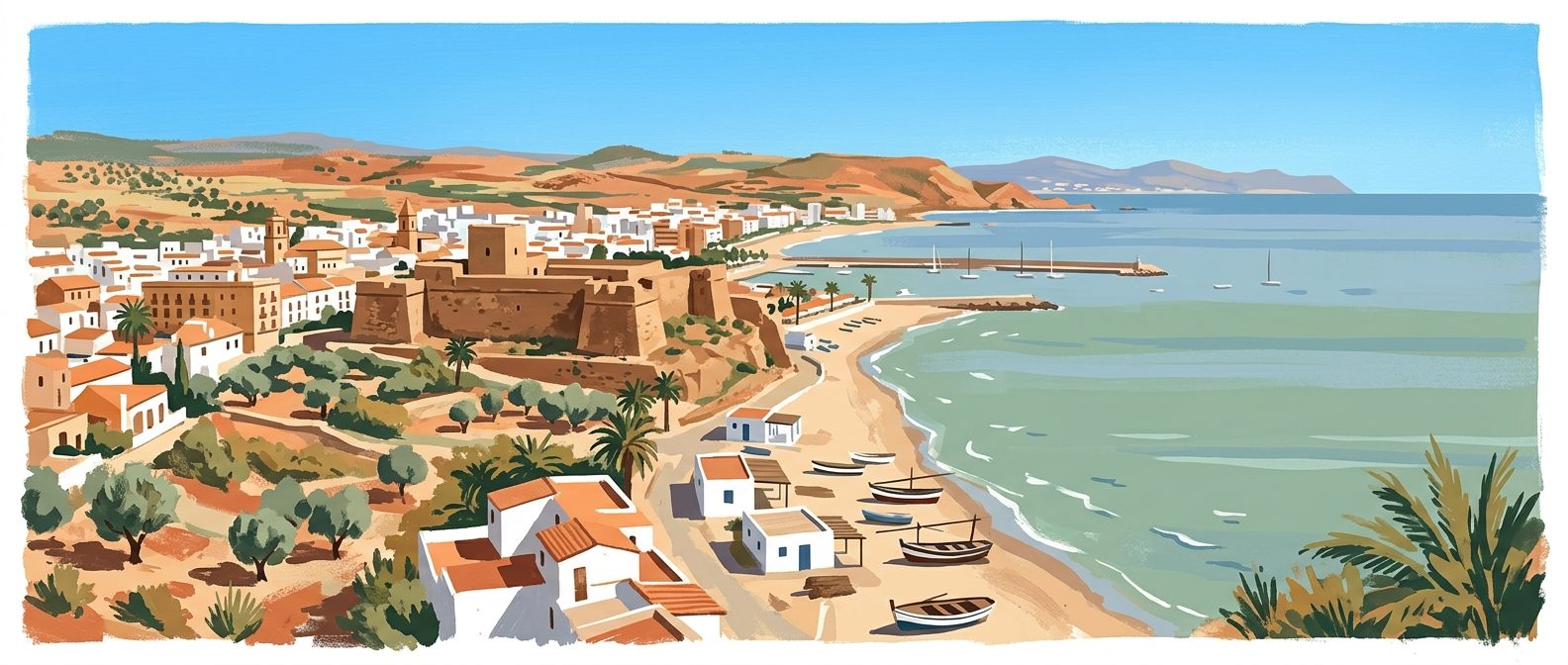
A Guide to Roquetas de Mar: Beaches, Castles and Coastal Life
Discover Roquetas de Mar, an Almerian coastal town offering expansive blue-flag beaches, a 16th-century castle, and a spectacular natural reserve.
6 min read
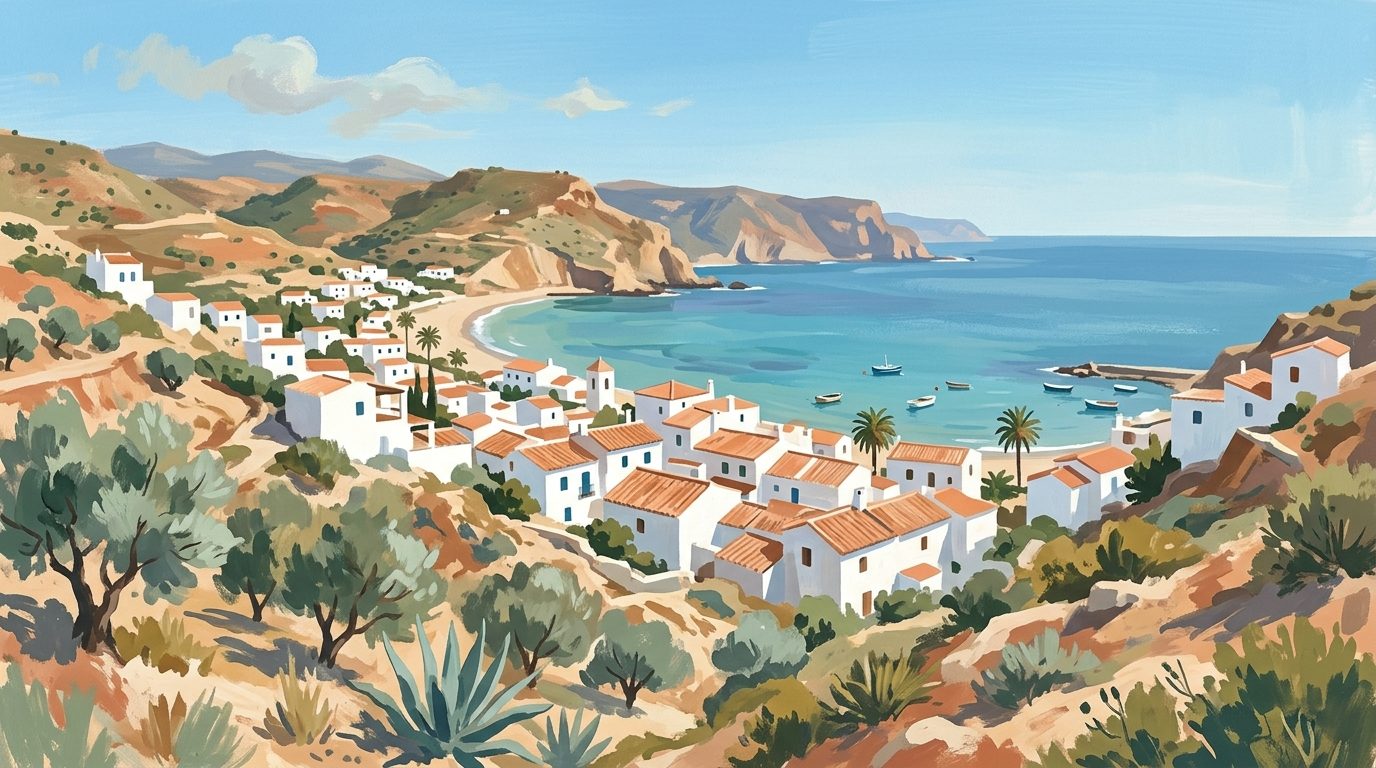
Playa de Agua Amarga: A Guide to Almería's Premier Coastal Village
Playa de Agua Amarga is a sophisticated coastal retreat in Almería, offering a perfect balance of fine golden sand, crystal-clear water, and excellent village chiringuitos.
7 min read
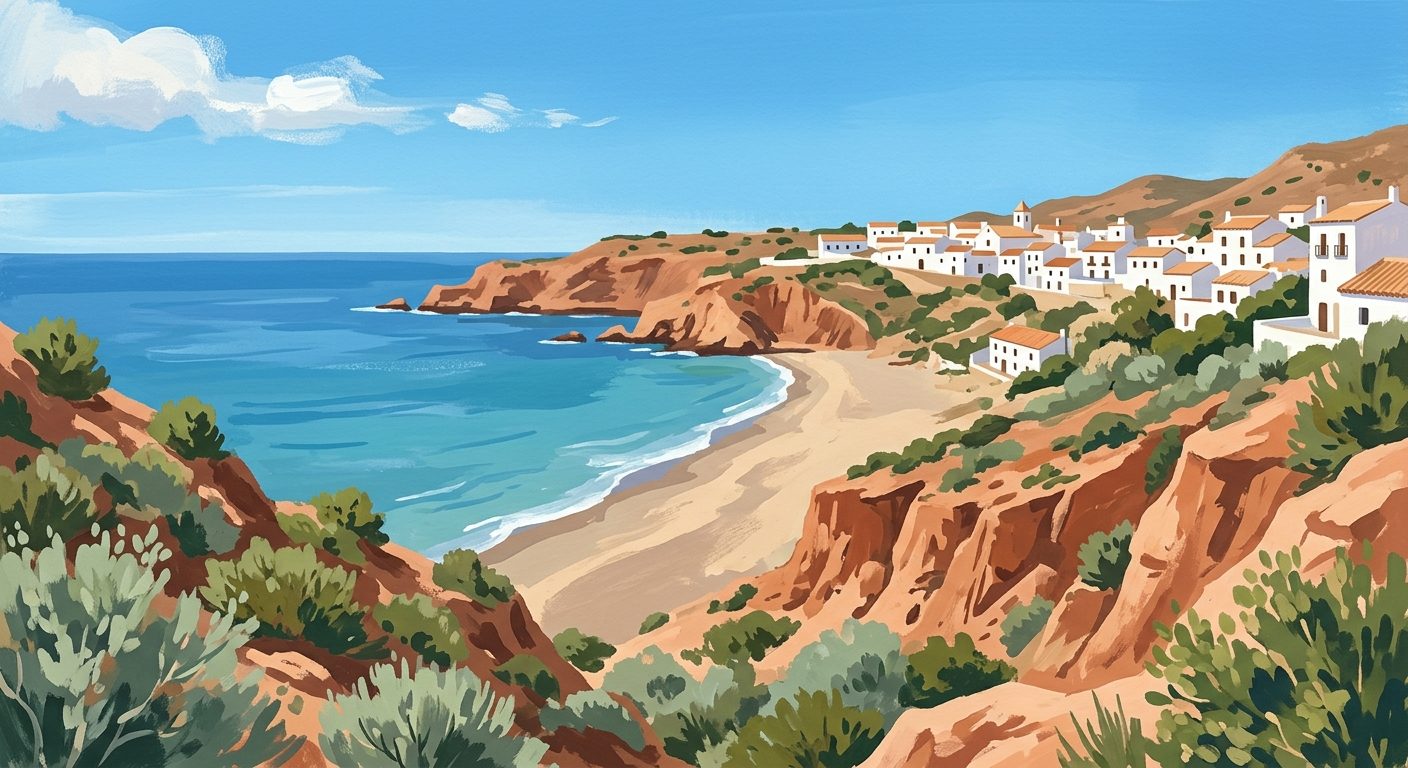
Playa de los Muertos: Almería's Wild Coastal Masterpiece
Playa de los Muertos is a starkly beautiful stretch of white volcanic pebbles and turquoise water, offering some of the clearest swimming conditions in Andalucía.
7 min read
More from Almería
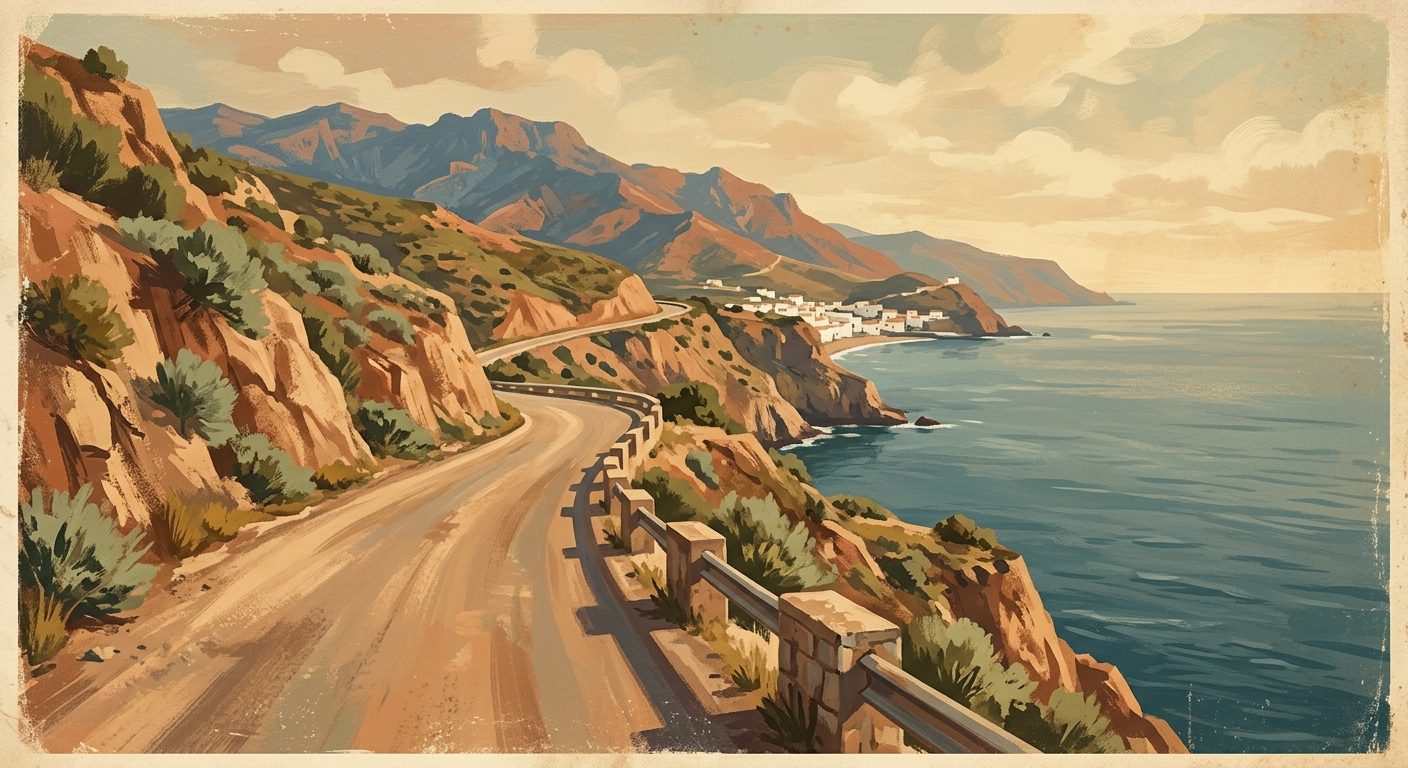
Málaga and the Carretera de Almería: The Tragedy of La Desbandá
In February 1937, tens of thousands of civilians fled Málaga along a narrow coastal road to escape advancing troops. The ensuing bombardment from sea and air created one of the deadliest civilian tragedies in modern European history.
8 min read
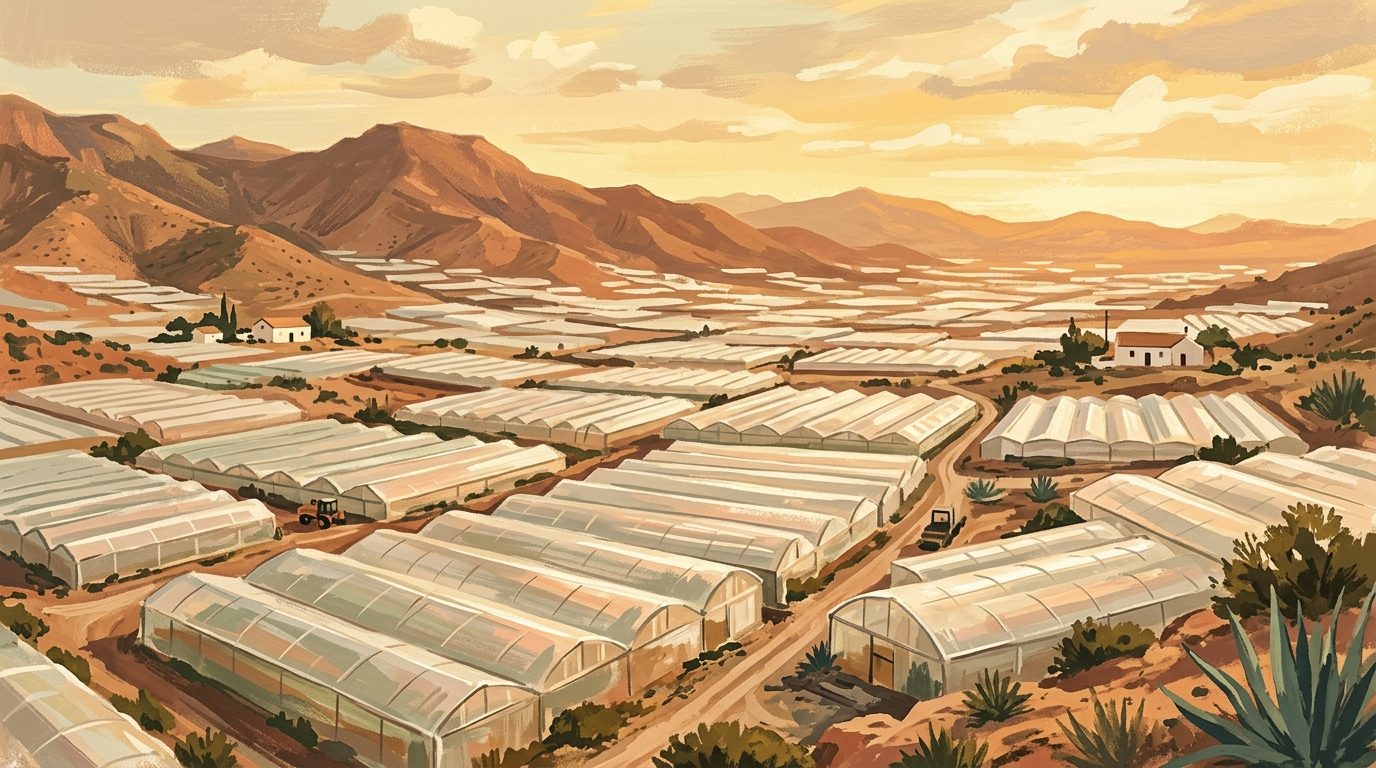
Beneath the White Canopy: Understanding Almería’s Extraordinary Sea of Plastic
A deep dive into Almería's 'Mar de Plástico', the 30,000-hectare sea of greenhouses that transformed a desert into Europe's primary winter garden.
7 min read
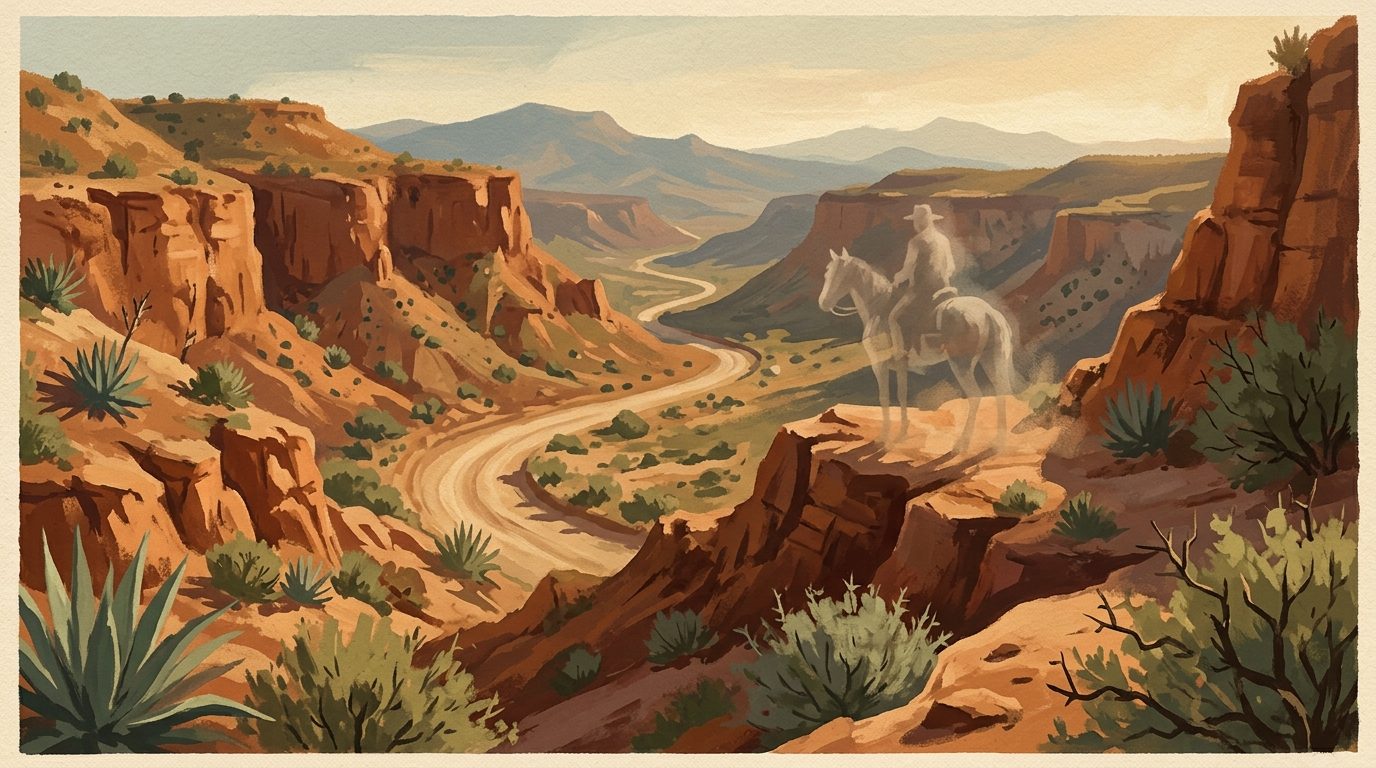
The Ghost of the Outlaw in the Badlands of Almería
The dust in Tabernas does not merely sit on the surface; it inhabits the lungs, a fine, ochre silt that has tasted both Hollywood gunpowder and the silence of the ancient seabed.
6 min read
Newsletter
More stories from Andalucía
Weekly notes, seasonal picks, and the next guides worth bookmarking.