
Seasonal guide · Huelva
Huelva in June: Atlantic Breezes and the Arrival of Summer
Experience the best of the Costa de la Luz in June, from the wild horse roundups in Doñana to the first grilled sardines of the season on Huelva's vast Atlantic beaches.
By Dan · Updated 7 June 2026 · 6 min read
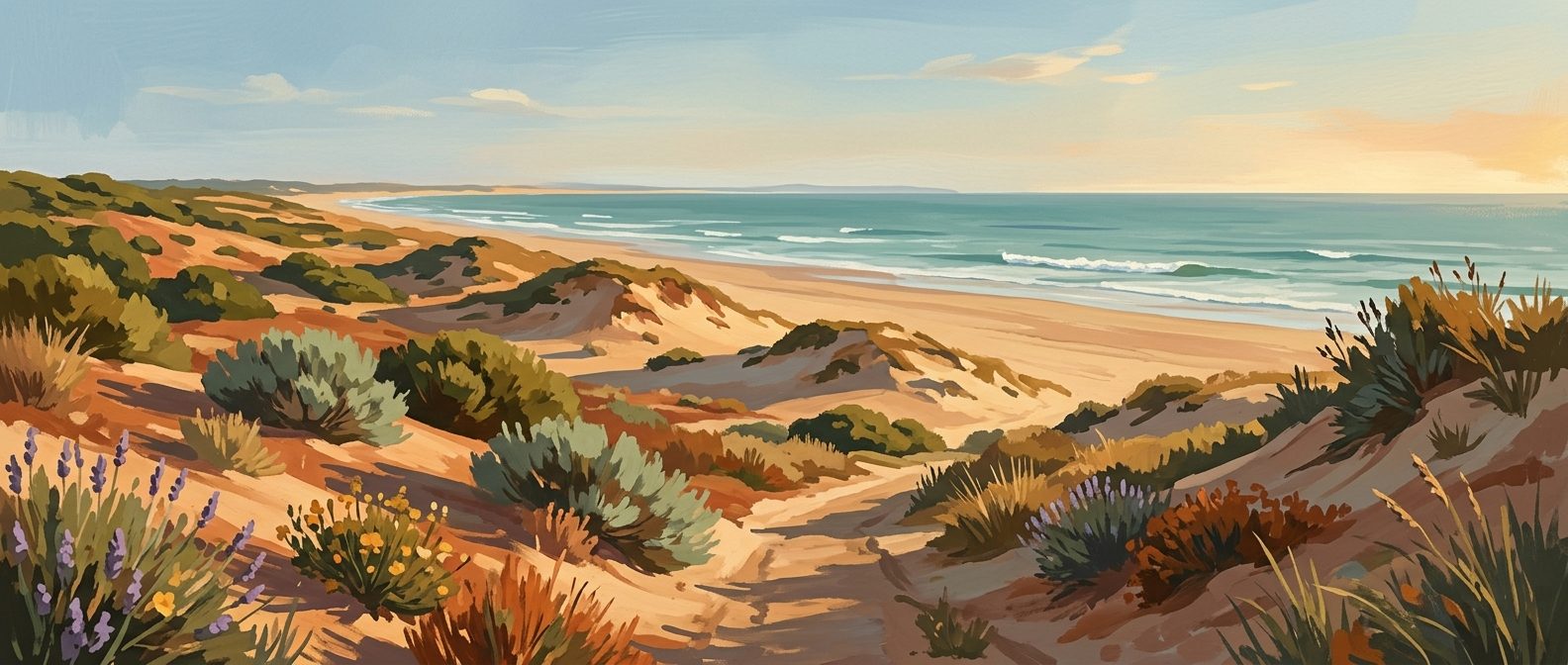
June brings a unique clarity to the Huelva coastline, where the scent of salt air mingles with the resinous aroma of umbrella pines. It is a month of long evenings and cooling sea breezes, perfect for those who want the warmth of the Spanish sun without the stifling heat of the interior.
Introduction: What to Expect
June in Huelva is a period of transition and preparation. As the province moves away from the relative quiet of spring, the Atlantic coastline begins to stir. Unlike the Mediterranean coast of Andalucía, Huelva remains remarkably grounded. This is the month when the chiringuitos (beach bars) fully open their shutters, and the smell of grilled sardines starts to drift across the dunes of Mazagón and Punta Umbría. The province is defined by its vastness; from the marshlands of the Doñana National Park to the chestnut forests of the Sierra de Aracena, June offers a window of ideal weather before the intense heat of July settles over the land.
The atmosphere is one of anticipation. Local families from Huelva city and nearby Sevilla begin to occupy their summer residences, but the overwhelming crowds of the high season have yet to arrive. You will find ample space on the wide, golden sands of the Costa de la Luz. The light in June is particularly sharp and bright: Huelva does not get its name, the Coast of Light, by accident. The days are at their longest, with sunset not occurring until nearly 10:00 PM, allowing for extended evenings spent at waterfront terraces in Ayamonte or Isla Cristina.
Weather
The weather in Huelva during June is generally reliable, characterised by clear blue skies and a lack of rainfall. However, the province has several distinct microclimates that travellers should understand before packing.
The Coast
Along the Atlantic shore, including Matalascañas, Mazagón, and Isla Cristina, daytime temperatures usually hover between 24°C and 28°C. The cooling influence of the Atlantic Ocean is significant here. The Poniente (westerly wind) often brings a refreshing breeze that makes sunbathing comfortable. Night-time temperatures on the coast drop to around 17°C, which may require a light jumper or linen scarf for outdoor dining.
Huelva City and the Campiña
Inland, away from the sea breeze, the heat intensifies. In Huelva city and towns like Trigueros or Valverde del Camino, afternoon temperatures frequently reach 32°C or 33°C. The air is drier here, and the sun feels much stronger. Rainfall is rare, with an average of only one or two days of light showers across the entire month.
Sierra de Aracena
In the northern mountains, the air is fresher. June is an excellent time for hiking in the Sierra de Aracena and Picos de Aroche, as the temperatures are typically 26°C during the day. The nights remain cool, often dipping to 14°C, providing a welcome relief from the heat of the plains.
Events & Festivals
June is a significant month for local culture, marked by religious traditions and the celebration of the summer solstice.
Noche de San Juan (23rd June)
The most important date in the June calendar is the Noche de San Juan (Eve of Saint John). This midsummer celebration is held on beaches across the province, with the largest gatherings in Punta Umbría and Matalascañas. Large bonfires are lit on the sand at midnight, and tradition dictates that you must jump over the fire or wash your face in the Atlantic at the stroke of twelve to ensure good luck for the coming year. It is a social, family-oriented event filled with music and outdoor grilling.
Saca de las Yeguas (26th June)
A centuries-old tradition in Almonte, the Saca de las Yeguas (The Gathering of the Mares) involves local farmers rounding up wild horses that live in the marshes of Doñana. The horses are driven through the streets of El Rocío and Almonte to be blessed and have their manes trimmed. It is a spectacular sight for those interested in equestrian culture and local heritage.
Corpus Christi
In 2026, Corpus Christi falls on Thursday 4 June, with major processions occurring in local villages throughout that first week of the month. In many Huelva villages, the streets are decorated with elaborate carpets made of flowers, herbs, and coloured sawdust. The processions are solemn but beautiful, accompanied by the scent of crushed rosemary and incense.
What to Do
June is arguably the best month for outdoor activities in Huelva before the afternoon sun becomes too restrictive.
Beach Life and Watersports
The beaches of Huelva are some of the widest in Europe. In June, the water temperature begins to climb to a more swimmable 20°C. This is the perfect time for lighthouse walks. Start at the Faro de Picacho in Mazagón and walk along the base of the fossilised dunes. For those interested in wildlife, boat trips from Ayamonte offer the chance for dolphin watching in the Gulf of Cádiz, where the Atlantic waters meet the mouth of the Guadiana River.
Gastronomy in Isla Cristina
June marks the height of the sardinas asadas (grilled sardine) season. Head to the fish market in Isla Cristina (the largest fresh fish market in Andalucía) to see the daily catch come in, then visit a local tavern to eat sardines simply prepared with sea salt and olive oil. The white prawns of Huelva (gambas blancas) are also at their best this month.
Historical Exploration at La Rábida
Visit the Monasterio de la Rábida and the Wharf of the Caravels (Muelle de las Carabelas) near Palos de la Frontera (check the official website for current opening hours before travelling). In June, you can explore the full-scale replicas of Christopher Columbus’s ships without the school groups or the heavy summer tourist traffic. The surrounding gardens and the Columbus monument are peaceful and offer excellent views over the Tinto river estuary.
Birdwatching in the Marismas del Odiel
While spring migration has ended, the Marismas del Odiel (Odiel Marshes) biosphere reserve is teeming with life in June. You can see colonies of flamingos and spoonbills. The early morning light over the salt pans is exceptional for photography, and the heat is manageable if you visit before noon.
Who Should Visit
- Families: The shallow, calm waters of beaches like Punta Umbría are safe for children, and the lack of extreme heat makes outdoor play easier.
- Food Lovers: Those seeking authentic seafood experiences without the premium prices of the Costa del Sol will find Huelva’s June markets and chiringuitos exceptional.
- Hikers: The Sierra de Aracena is still green enough for pleasant walking before the vegetation browns in the July heat.
- Peace-seekers: Travellers who want vast stretches of sand and quiet nature reserves will enjoy the pre-peak season calm.
Practical Notes
Crowds: Expect quiet weekdays and busier weekends. Residents from Sevilla often travel to the Huelva coast on Friday afternoons, so traffic on the A-49 motorway can be heavy during these times. On the beaches, you will have plenty of personal space, even on Saturdays.
Prices: June is considered mid-season. Accommodation prices in hotels in Islantilla or El Rompido are higher than in May but significantly lower than the spikes seen in July and August. It is a good time to find deals on luxury coastal resorts.
Booking: While you do not need to book restaurants weeks in advance, it is wise to make a reservation for Sunday lunch at popular beachside chiringuitos, as these are a local tradition and fill up quickly with extended families.
Monthly Verdict
Huelva in June is a sophisticated choice for the discerning traveller. It offers an authentic slice of Andalucían life, balanced by the cooling influence of the Atlantic. The weather is stable and warm, the seafood is at its peak, and the province feels open and welcoming before the frenetic energy of the high summer arrives. It is the ideal month for those who appreciate natural beauty, maritime history, and the simple pleasure of a long, sun-drenched day by the sea.
Last reviewed: 21 June 2026 · Editorial policy
Related guides
Huelva in August: Atlantic Breezes and the High Summer Rhythm
Experience the authentic Spanish summer in Huelva this August. From the cooling Atlantic breezes of Islantilla to the festive nights of the Colombinas, discover a province in its peak season.
6 min read
Huelva in July: Atlantic Breezes and Endless Sands
Experience the vast Atlantic beaches and fresh seafood of Huelva in July, where cool sea breezes provide a welcome escape from the Andalucían summer heat.
6 min read
Cádiz in June: Atlantic Breezes and Midsummer Magic
June in Cádiz offers the perfect balance of warm Atlantic sunshine and refreshing coastal winds before the peak summer heat and crowds arrive in July.
6 min read
Almería in July: A Guide to Spain's Volcanic Summer Coast
Discover the rugged beauty of Almería in July, where volcanic beaches and desert landscapes meet the clearest waters in the Mediterranean.
7 min read
Andalucía in July: Navigating the Peak of the Southern Summer
July brings the peak of the Andalucían summer, where life moves slowly under a relentless sun and the coastlines offer the only true respite. It is a month defined by late-night socialising and intense inland heat.
7 min read

Málaga in August: Feria Season and Peak Summer Heat
August in Málaga is defined by the high-energy celebrations of the city fair and the intense heat of the terral wind. It is a month for late nights, sea swims, and embracing the slow pace of peak summer.
6 min read
More from Huelva
Huelva in September: Warm Atlantic Waters and the Harvest Moon
September in Huelva marks a gentle transition where the intense Atlantic summer heat softens into a golden warmth, leaving the wide beaches to those who value quietude.
6 min read
Huelva in March: Wildflowers, Wetlands, and Quiet Hills
March in Huelva signals a quiet awakening where the Atlantic breeze meets the scent of budding rockrose in the northern hills. It is a time of soft light and solitude before the summer heat settles over the western edge of Andalucía.
6 min read
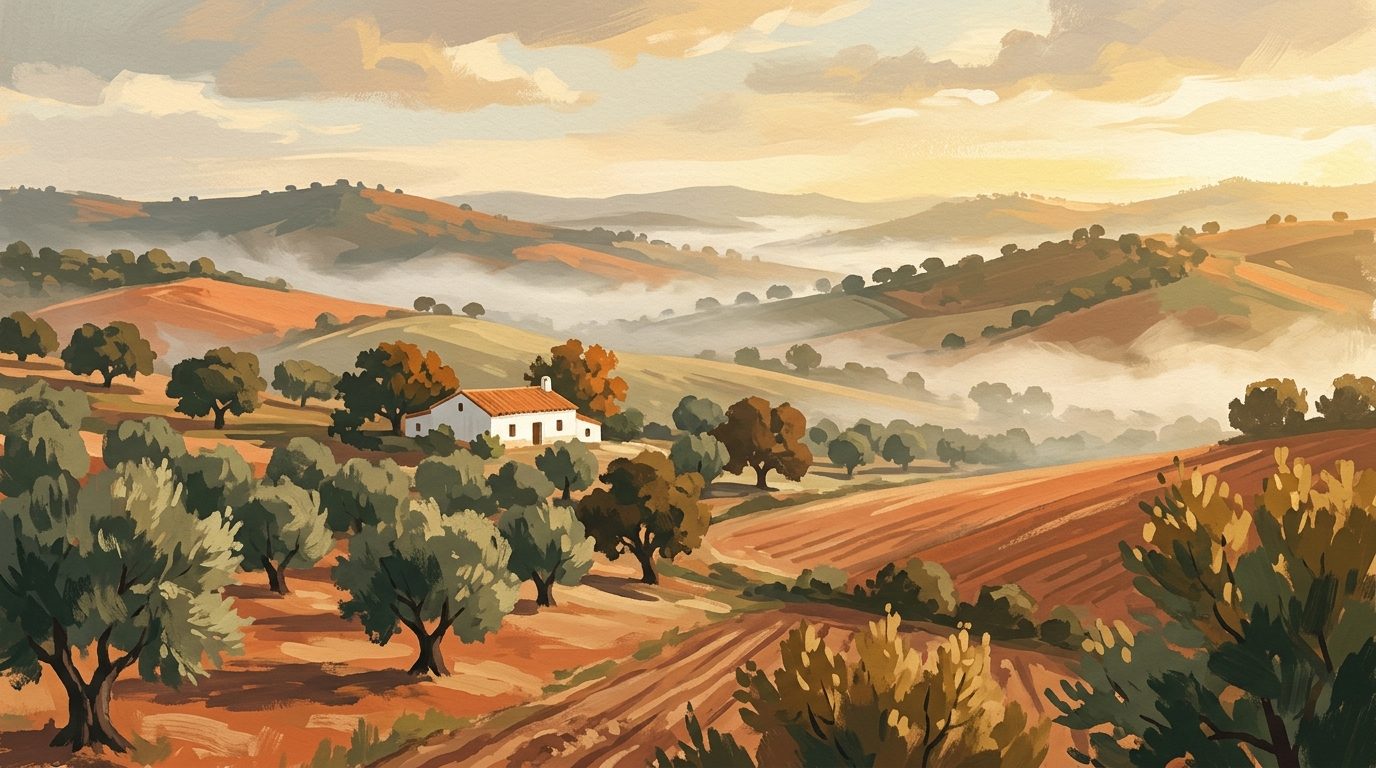
Huelva in November: A Season of Harvest and Mist
Experience Huelva at its most authentic in November, from the chestnut harvests of the Sierra de Aracena to the arrival of wintering birds in Doñana National Park.
7 min read
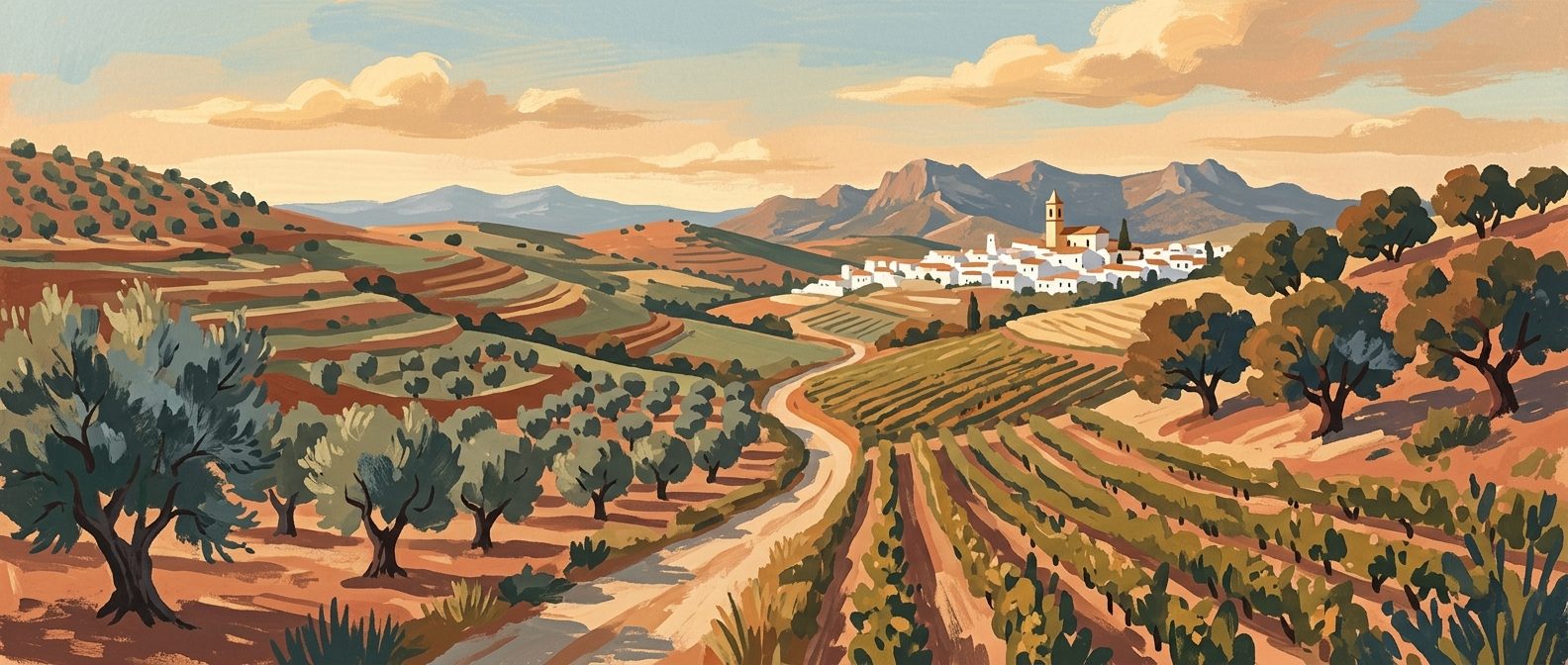
Huelva in December: A Guide to Winter in Spain's Wild West
Experience the quiet majesty of Huelva in December, from the world-class birdwatching in Doñana to the cosy, wood-fired traditions of the Sierra de Aracena.
6 min read

Huelva in January: Birdlife and Mountain Mist
January in Huelva offers the peak of the Doñana bird migration, atmospheric mountain escapes in the Sierra de Aracena, and the freshest Jamón Ibérico of the year.
6 min read
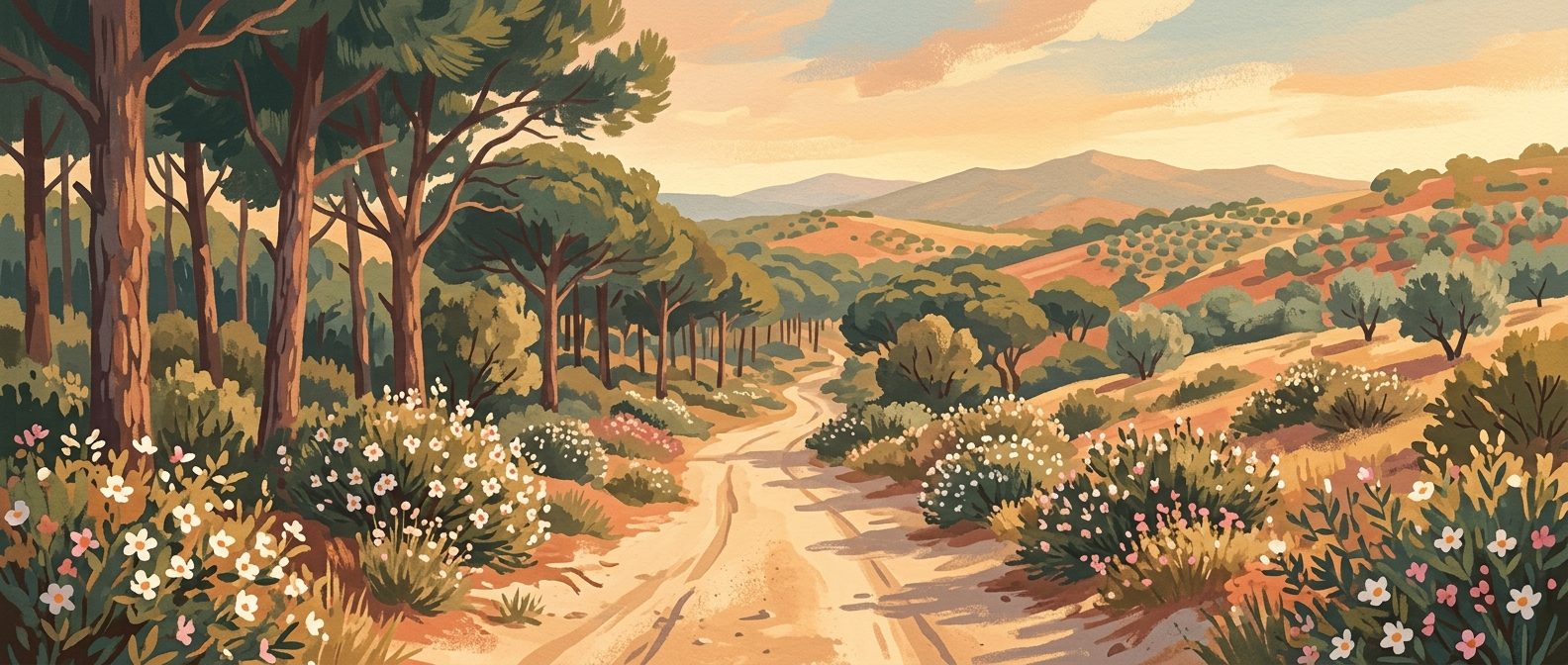
Huelva in May: Pilgrimages, Pine Forests and the Peak of Nature
Experience the sensory peak of the Atlantic coast as a million pilgrims converge on the marshes for the Romería del Rocío and the Sierra de Aracena offers prime hiking and wild strawberries.
6 min read
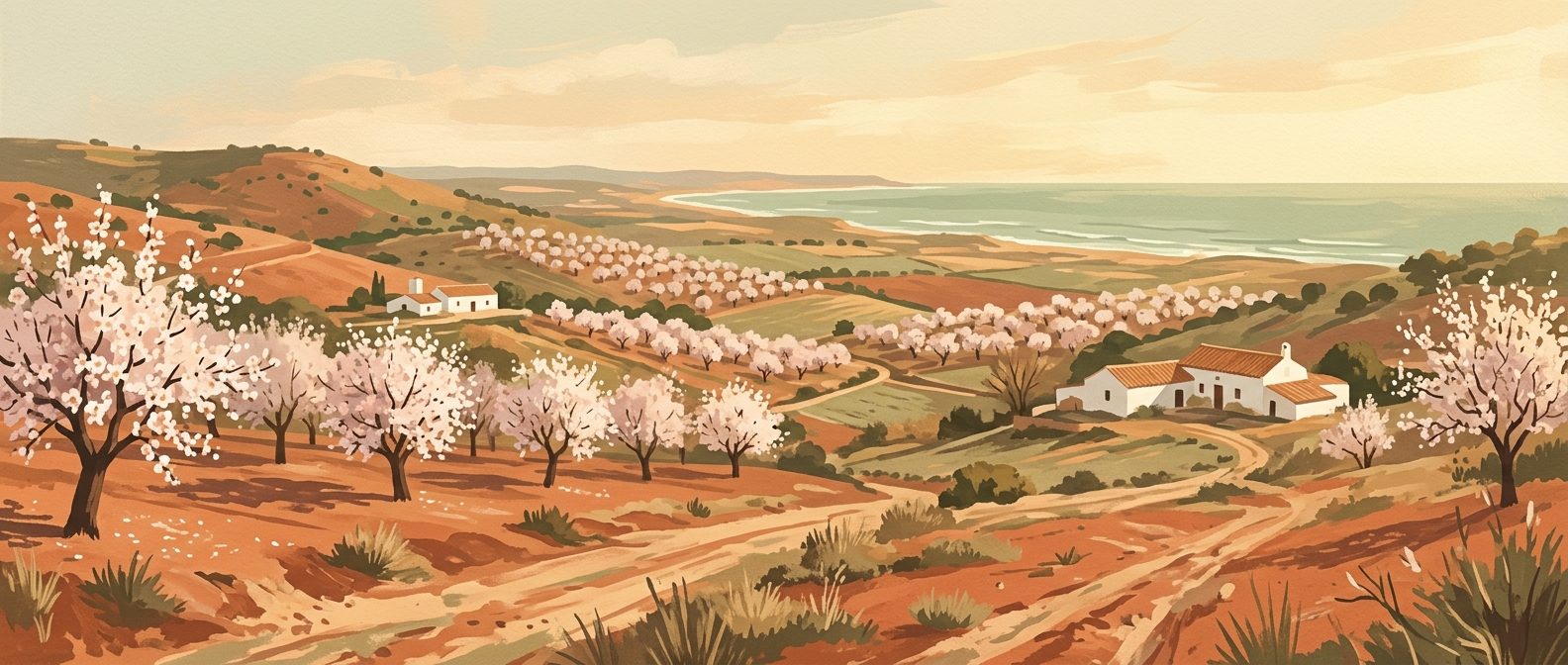
Huelva in February: Almond Blossom and Atlantic Solitude
Experience Huelva in February, from the blooming almond orchards of the Sierra de Aracena to the flamingo gatherings in Doñana National Park.
6 min read
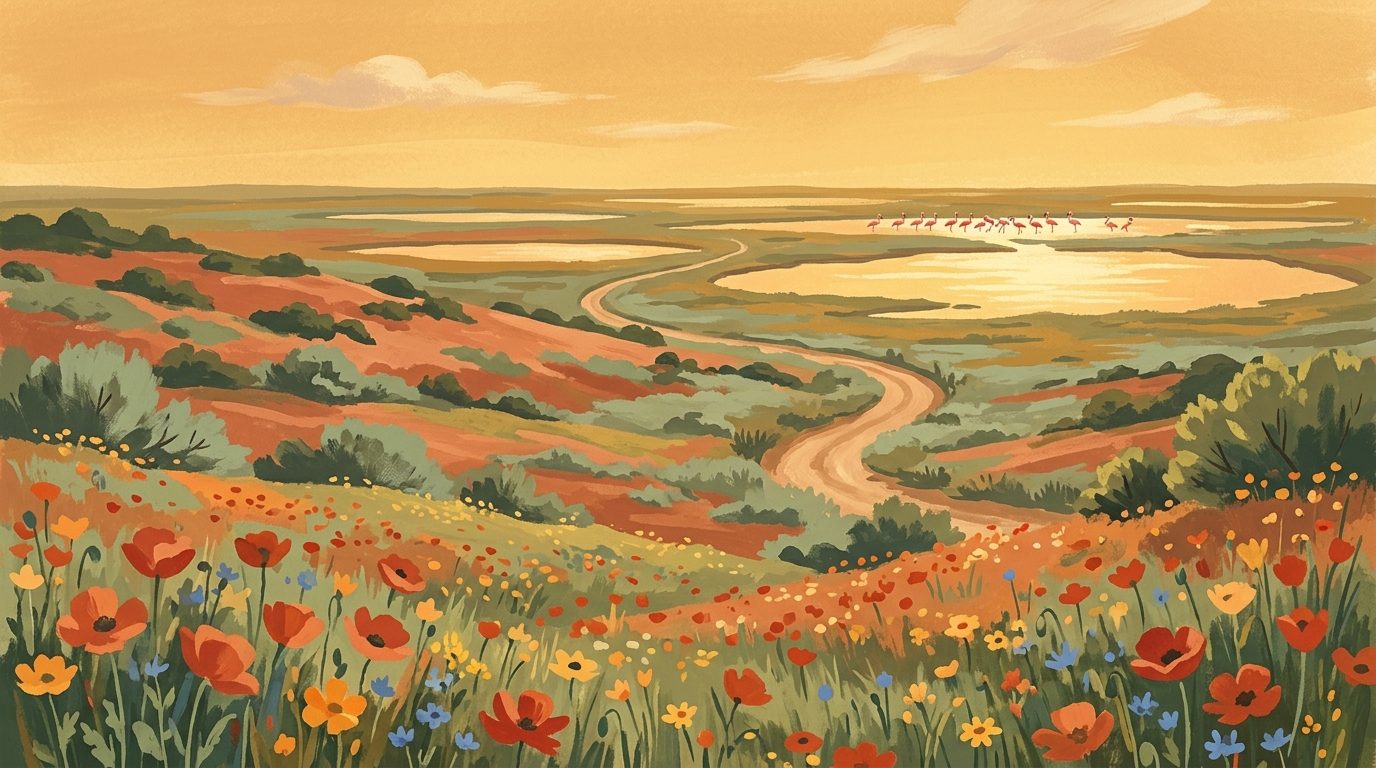
Huelva in April: Wildflowers, Wetlands and Early Spring Pilgrimages
Discover Huelva in April, a month of extraordinary natural beauty where the Doñana wetlands come alive with migratory birds and the Sierra de Aracena is carpeted in wildflowers.
7 min read
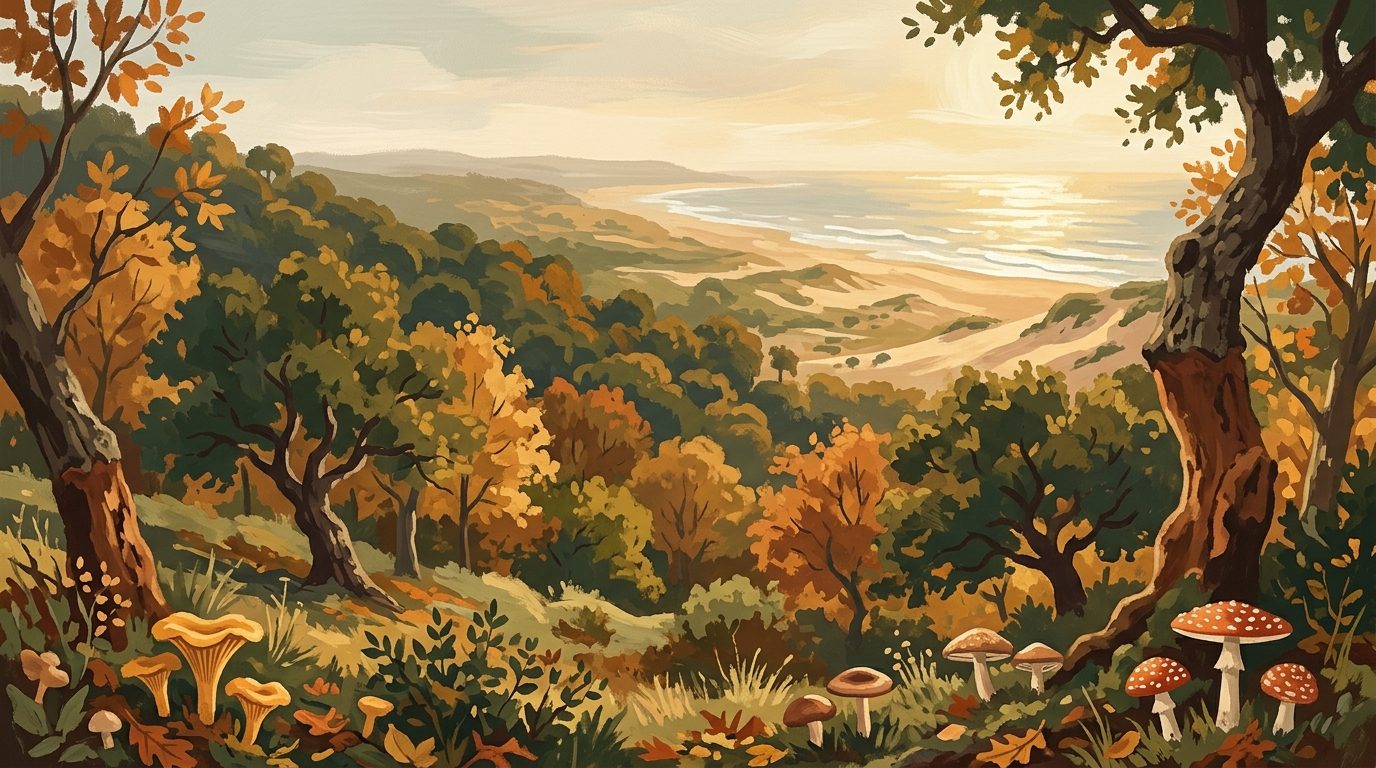
Huelva in October: Forests, Fungi, and Empty Atlantic Shores
October in Huelva sees the Atlantic heat soften into a gentle warmth, perfect for exploring the Sierra de Aracena as the first mushrooms appear. It is a month defined by the return of migratory birds to Doñana and the quietening of the Costa de la Luz.
6 min read
Newsletter
More stories from Andalucía
Weekly notes, seasonal picks, and the next guides worth bookmarking.