
Place guide · Cádiz
Playa de La Caleta: A Guide to the Historic Heart of Cádiz
Playa de La Caleta is a historic urban bay in Cádiz, famous for its calm waters, ancient fortresses, and the stunning white Balneario spa building.
By Dan · Updated 16 July 2026 · 7 min read
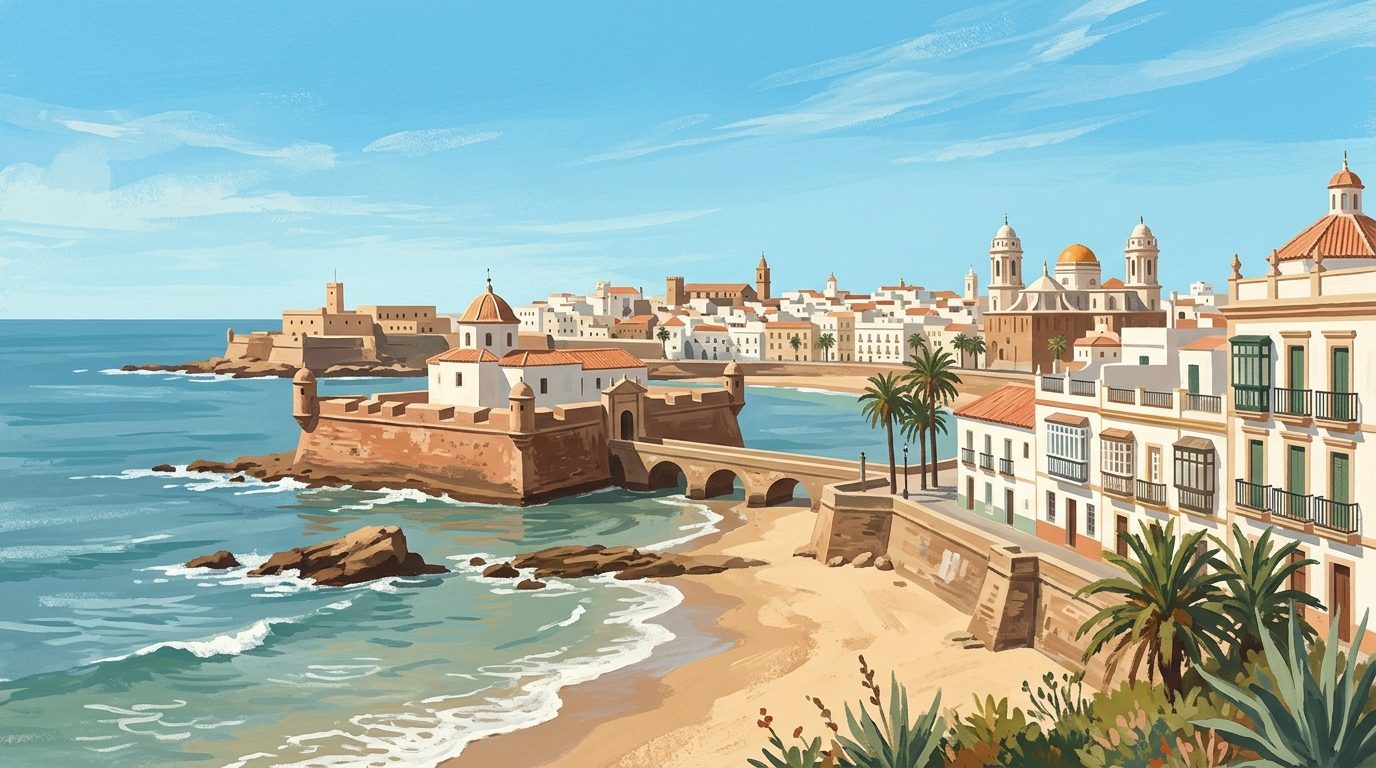
Playa de La Caleta is the soul of Cádiz, a small golden cove framed by ancient stone fortresses and the iconic white arches of a former spa. It provides a unique Atlantic experience where local life, maritime history, and calm waters meet in the centre of the oldest city in the West.
Playa de La Caleta is perhaps the most photographed beach in Andalucía, yet it remains intensely local. Unlike the vast, modern stretches of sand found further down the coast, La Caleta is a compact urban bay that sits at the westernmost tip of the Cádiz peninsula. It is squeezed between two historic fortifications, the Castillo de San Sebastián and the Castillo de Santa Catalina, which act as natural breakwaters. This geographical position gives the beach its distinct character: while the rest of the Costa de la Luz deals with the pounding Atlantic surf, the waters here are usually as still as a lake.
For the people of Cádiz, or Gaditanos, La Caleta is more than just a place to sunbathe. It is the backdrop to the city's famous Carnival, a source of inspiration for poets, and a daily meeting spot for the residents of the La Viña neighbourhood. The beach is instantly recognisable by the Balneario de Nuestra Señora de la Palma, an elegant white building with bulbous domes that stands on stilts over the sand. This structure, which once served as a thermal bath house and now houses the Centre of Underwater Archaeology, gives the beach a cinematic quality that has seen it stand in for Havana in Hollywood films.
The beach itself
Playa de La Caleta is relatively small, measuring approximately 450 metres in length. At low tide, the beach expands significantly, revealing a rocky floor populated by small traditional fishing boats known as pateras. These boats are tied to heavy stones and bob gently in the shallow water, adding to the harbour scene. The sand is fine and golden, typical of the Cádiz coastline, but because of its urban nature and the proximity of the old town, it is meticulously cleaned throughout the year. The beach consistently earns Blue Flag status for its water quality and the range of services provided to visitors.
The water at La Caleta is shallow and the entry into the sea is very gradual, which makes it the most family-friendly beach in the city. There is almost no swell, even on windy days, because the two stone causeways extending into the sea block the waves. Parents can allow children to paddle with a level of security that is rare on the Atlantic coast. Because of its small size and central location, there are no designated naturist sections here. It is a traditional, social beach where you will see families with three generations sharing large umbrellas and picnic hampers. If you are looking for a secluded or quiet spot, this is not it, especially during the summer months when every square inch of sand is occupied by lunchtime.
Getting there & parking
Reaching Playa de La Caleta is straightforward if you are already in the city, but it requires some planning if you are driving from further afield. Cádiz is located at the end of a long narrow isthmus. From Jerez Airport, the drive takes around 35 to 40 minutes via the A-4 or the AP-4 motorways. If you are coming from Seville, allow about an hour and fifteen minutes. For those using public transport, the train service from Jerez, Puerto de Santa María, and Seville is excellent. The main Cádiz railway station is about a 20-minute walk from the beach, or a short ride on the number 2 or 7 city buses.
Parking in the old town of Cádiz is famously difficult and is the primary challenge for visitors. The streets surrounding La Viña are narrow and largely pedestrianised or reserved for residents. Do not attempt to find free street parking in this area. The most reliable option is usually the Valcárcel car park located just behind the beach, though availability can be affected by ongoing university redevelopment projects and it fills up very early in peak season. Alternatively, the underground car park at Santa Catalina is situated right at the entrance to the beach area. If these are full, you may have to park in the larger car parks near the port and enjoy a 15-minute walk through the beautiful historic centre to reach the cove.
Facilities & chiringuitos
The facilities at La Caleta are concentrated within and around the Balneario building. There are public toilets, changing rooms, and showers available during the official beach season, which typically runs from June to mid-September. Lifeguards and first-aid stations are also active during these months. Accessibility is excellent, with wooden ramps leading down to the sand and amphibious chairs available for those with reduced mobility, managed by the local Red Cross.
In terms of dining, La Caleta does not have the sprawling temporary chiringuitos found on larger beaches. Instead, it relies on established institutions and the bars of the La Viña district. The Club Marítimo La Caleta, located on the northern end of the beach, offers a terrace with some of the best views of the bay. For a more traditional experience, head just 100 metres inland to Calle de la Palma. This street is lined with tapas bars and seafood restaurants. Notable names include Casa Manteca for cured meats and a historic atmosphere, or El Faro de Cádiz for high-end Andalucían seafood. On the beach itself, there is usually a small kiosk near the Balneario selling cold drinks, ice creams, and snacks.
Best time to visit
Timing is everything when visiting La Caleta. During the peak summer months of July and August, the beach becomes incredibly crowded. If you visit during this time, arrive before 10:00 to secure a spot for your towel. However, the true magic of La Caleta happens late in the afternoon. The beach faces due west, making it the premier location in the city to watch the sunset. The sun drops directly into the Atlantic, framed perfectly between the two castles, casting a deep orange glow over the white Balneario and the bobbing fishing boats.
The shoulder seasons of May, June, and September offer the best balance of warm weather and manageable crowds. In the winter, the beach is popular with walkers and those looking to sit on the stone walls to soak up the sun. Even in January, the sheltered nature of the cove makes it a warm spot during the middle of the day. One thing to avoid is the peak of a Levante wind event. While La Caleta is more sheltered than the long beaches of Tarifa, a strong Levante can still blow fine sand around the cove, making a day on the shore less comfortable.
Combine with
A visit to La Caleta should always be paired with a walk along the Paseo de Fernando Quiñones. This is the long stone causeway that leads out to the Castillo de San Sebastián. Walking along this path feels like you are heading into the middle of the ocean, with the waves crashing against the stone on either side. Although the castle itself is often closed for renovations (check the official Cádiz Tourism website or the kiosk at Plaza de San Juan de Dios for current 2026 opening hours), the walk offers a spectacular perspective of the Cádiz skyline and the cathedral dome.
Alternatively, if you find La Caleta too cramped for a long swim, you can walk 15 minutes south to Playa de Santa María del Mar. This is the start of the longer, more open beaches of Cádiz. Here the waves are bigger and the atmosphere is more athletic, providing a perfect contrast to the intimate, historic feel of La Caleta. Pairing a morning of swimming at the open beaches with a sunset and dinner at La Caleta is the quintessential Cádiz itinerary.
Practical notes
When packing for La Caleta, remember that the beach can disappear quickly as the tide comes in. Check the Cádiz tide tables (tablas de mareas) before you go: at high tide, the available sand is significantly reduced. Footwear is recommended if you plan to explore the rocky areas near the castles, as these can be slippery and home to small sea urchins. The beach is generally safe with very little current, but it is always wise to swim within the areas monitored by lifeguards.
Regarding local regulations, dogs are strictly prohibited on the sand during the bathing season, which usually extends from Easter until the end of September. Smoking is also discouraged in certain zones as part of local health initiatives. For real-time beach status or parking updates, you can check the official Cádiz Ayuntamiento website. While the beach is urban, the lack of large commercial shops on the immediate promenade means you should bring your own sun-bed or chair if you require one, as the hire services are limited compared to the larger beaches like Playa de la Victoria. Accessibility is a strong point here, with the flat promenade and ramps making it one of the easiest beaches in the province for wheelchair users or those with pushchairs.
Last reviewed: 21 June 2026 · Editorial policy
Related guides
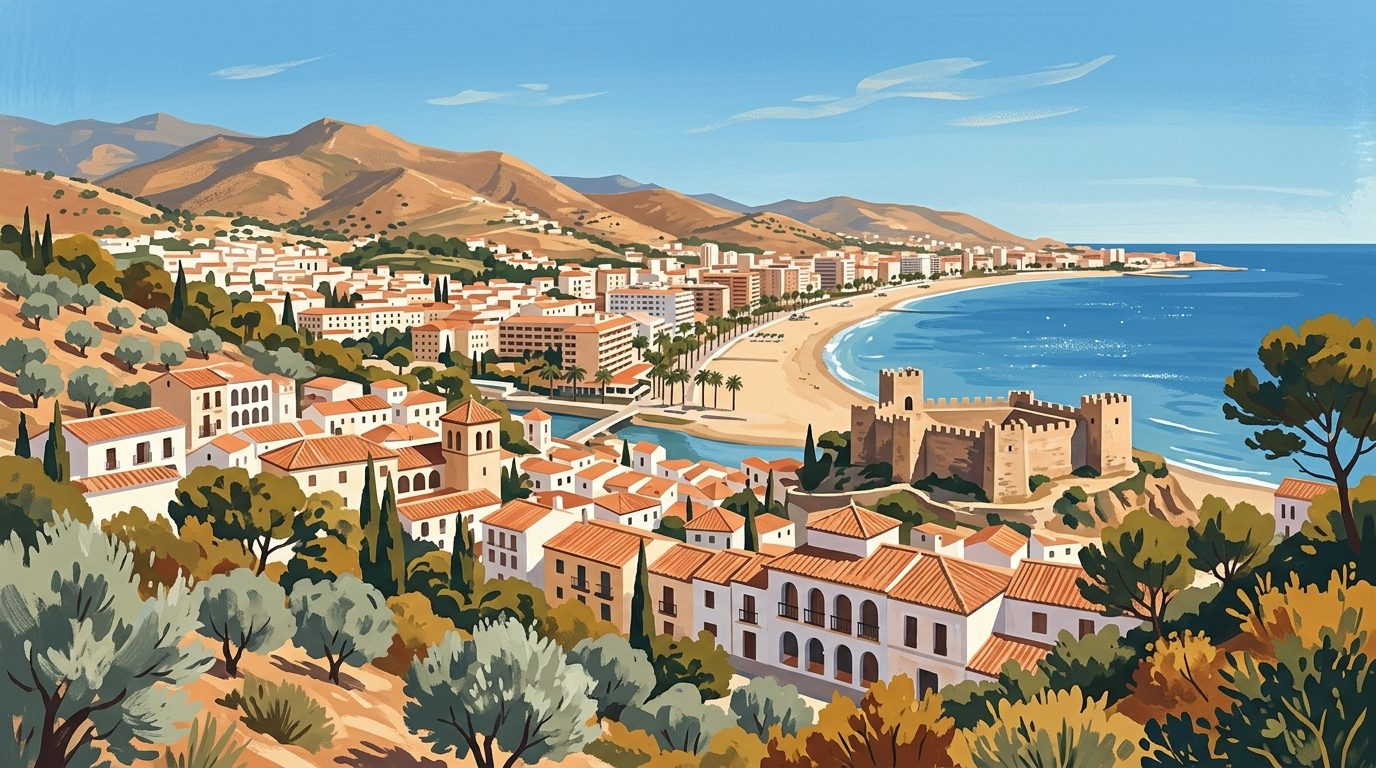
Fuengirola: A Family Favourite on the Costa del Sol
Discover Fuengirola, the family-friendly heart of the Costa del Sol, where Roman ruins and a Moorish castle meet seven kilometres of sandy beaches and a world-class zoo.
6 min read
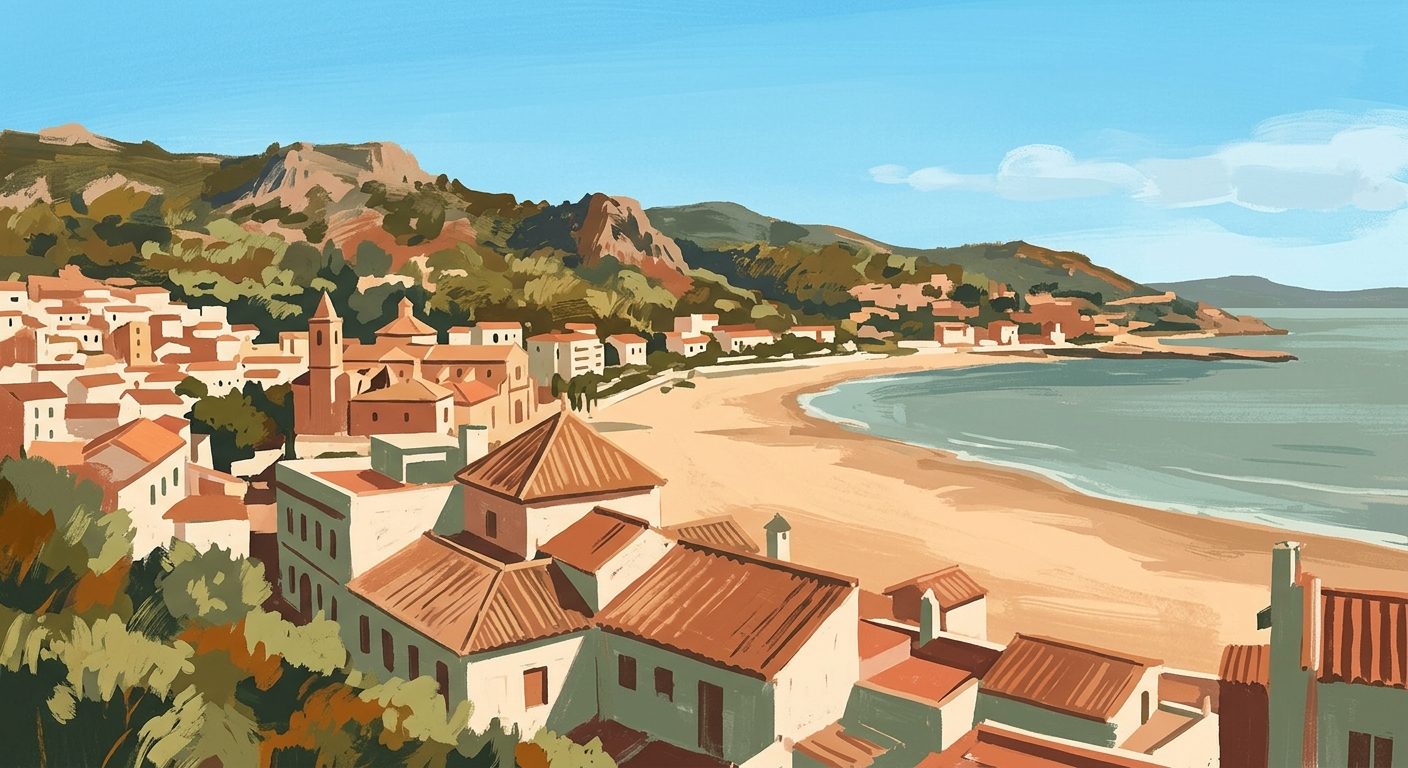
A Guide to Playa de Getares in Algeciras
Playa de Getares offers a wide golden shoreline with unique views of the Rock of Gibraltar and the North African coast. This family-friendly beach in Algeciras combines urban facilities with the natural beauty of the Estrecho Natural Park.
7 min read
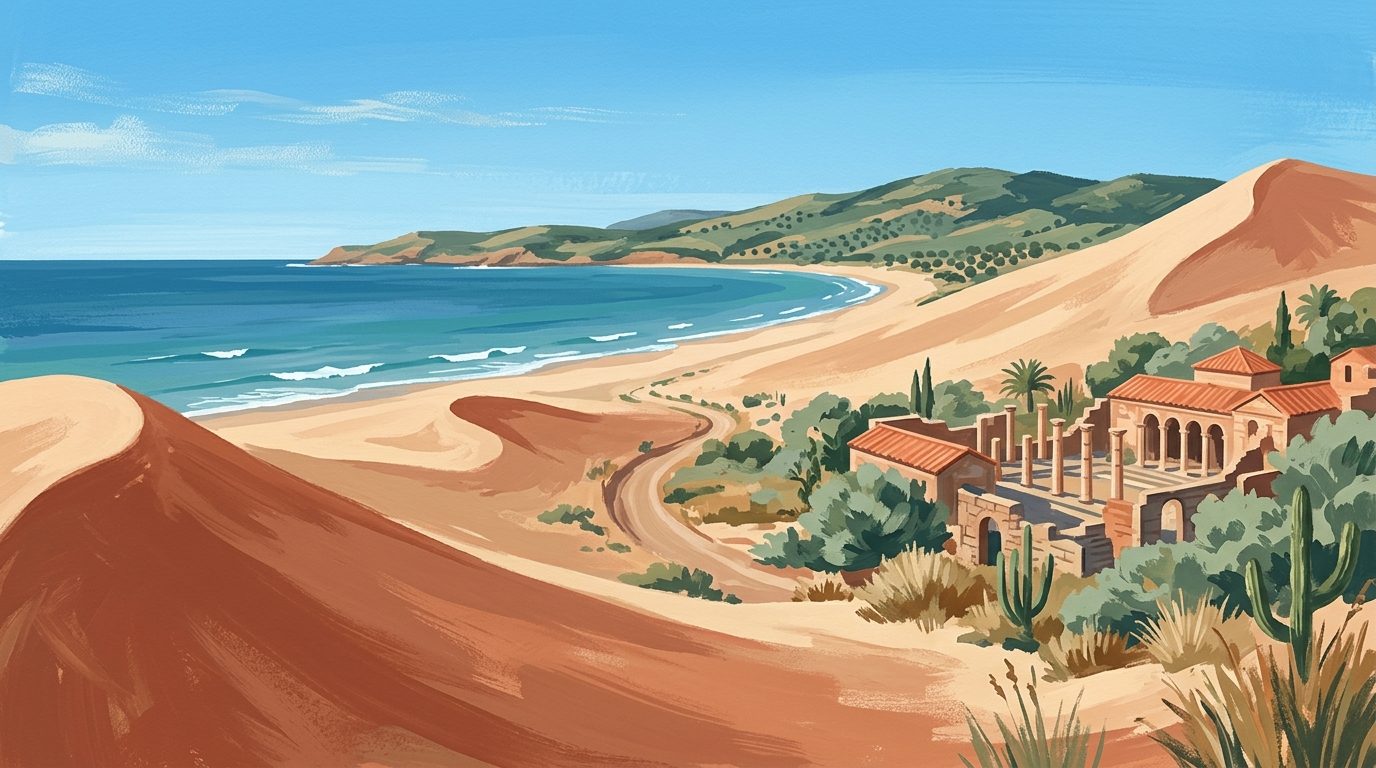
A Complete Guide to Playa de Bolonia: Dunes, Ruins, and Atlantic Wilds
Playa de Bolonia is a spectacular stretch of Atlantic coastline where massive sand dunes meet the ruins of a Roman city. This wild beach offers some of the clearest water in Cádiz.
6 min read
Playa de Costa Ballena: A Guide to the Rota Coastline
Discover Playa de Costa Ballena, a meticulously planned coastal retreat in Cádiz offering four kilometres of golden sand and clear Atlantic waters. This guide explores the best chiringuitos, parking tips, and why this beach is a favourite for families seeking space and quality.
7 min read
A Local Guide to Playa de la Fontanilla in Conil de la Frontera
Playa de la Fontanilla is a wide, golden expanse of Atlantic coastline in Conil de la Frontera, famous for its shallow waters and exceptional seafood restaurants.
7 min read
Playa de los Caños de Meca: A Guide to the Cádiz Coastline
Discover the wild Atlantic beauty of Playa de los Caños de Meca, from its freshwater springs to the historic Cape Trafalgar lighthouse.
7 min read
More from Cádiz
Playa de Zahara de los Atunes: A Guide to the Golden Coast of Cádiz
Experience the vast golden sands and clear Atlantic waters of Playa de Zahara de los Atunes, a highlight of the Cádiz coastline. Discover the best chiringuitos, parking tips, and the ideal times to visit.
6 min read
Playa de El Palmar: A Guide to the Surfing Capital of Cádiz
Playa de El Palmar is the undisputed surfing capital of the Costa de la Luz, offering eight kilometres of golden sand and some of the finest sunsets in the province of Cádiz. This expansive shoreline balances a wild, Atlantic character with a thriving scene of beach bars and surf schools.
7 min read
Chiclana de la Frontera: Fine Sands and Fino Sherry on the Cádiz Coast
Discover Chiclana de la Frontera, a unique destination on the Costa de la Luz featuring the 8km La Barrosa beach, historic sherry bodegas, and the ancient Castillo de Sancti Petri.
5 min read
A Guide to La Línea de la Concepción: Beyond the Gibraltar Border
A focused guide to La Línea de la Concepción, exploring its unique frontier culture, military fortifications, and world-class seafood traditions in the shadow of Gibraltar.
5 min read
Bolonia: A Guide to the Cádiz Coast’s Roman Ruins and Great Dune
A quiet coastal hamlet where the remarkably intact ruins of Baelo Claudia meet a towering Atlantic sand dune. This Cádiz highlight offers a slower pace of life and a glimpse into Roman maritime history.
5 min read
A Guide to Barbate and Los Caños de Meca: Tuna, Cliffs and Cape Trafalgar
Barbate and Los Caños de Meca offer a stark contrast between a hard-working fishing port and a bohemian coastal retreat shaped by Atlantic winds. This stretch of the Costa de la Luz remains defined by the annual tuna harvest and the historic silhouette of the Trafalgar lighthouse.
6 min read
Jimena de la Frontera: A Frontier Stronghold in the Cork Oak Forests
With its commanding Moorish castle and gateway status to the vast Alcornocales Natural Park, Jimena de la Frontera is a quiet alternative to the busier white villages of Cádiz.
6 min read
A Guide to Algeciras: The Gateway to Africa and the Strait
A deep dive into Algeciras, the strategic port city in Cádiz. Discover the industrial beauty of the Engineer Torroja Market, the flamenco heritage of Paco de Lucía, and practical tips for ferry travel to Africa.
6 min read
Exploring Castellar de la Frontera: The Fortress Village of Cádiz
Discover Castellar de la Frontera, a unique medieval village contained entirely within a Moorish fortress in the heart of the Alcornocales forest.
5 min read
Newsletter
More stories from Andalucía
Weekly notes, seasonal picks, and the next guides worth bookmarking.