
Seasonal guide · Almería
Almería in February: A Prelude to Spring in Europe’s Only Desert
February transforms Almería into a landscape of white almond blossoms and early wildflowers, offering the mildest winter climate in mainland Europe.
By Dan · Updated 7 June 2026 · 6 min read
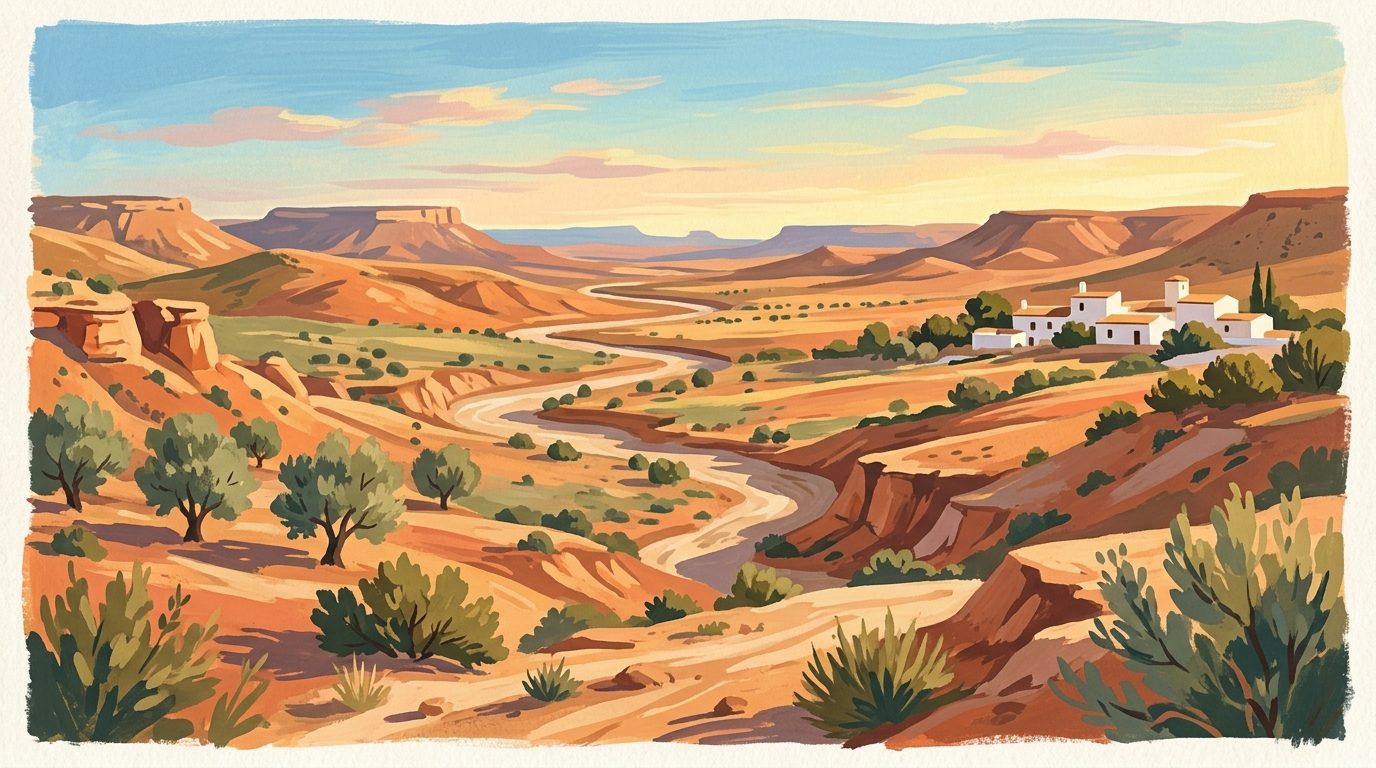
February in Almería provides a stark departure from the traditional European winter, trading grey skies for a luminous, desert sun. This is the month when the province sheds its dormant layer, blanketed by the delicate white and pink petals of almond blossoms.
While the rest of Europe remains gripped by the depths of winter, Almería in February feels like a different world. This province, located in the far southeastern corner of Spain, is officially the sunniest and driest region on the continent. During this month, the landscape undergoes a subtle but profound transformation. It is not the lush, green awakening one might find in the northern provinces; instead, it is a delicate, arid spring. The air is crisp and clear, providing a sharp visibility that photographers and hikers find intoxicating. The light here is different from anywhere else in Andalucía: piercingly bright but softened by the cool breeze coming off the Alboran Sea.
February is a time of quietude. The massive summer crowds that descend upon the coastal resorts are months away, leaving the villages and beaches to the locals and a few savvy travellers. It is a period of low-key beauty, where the primary attraction is the natural world. The desert of Tabernas begins to show signs of life with hardy wildflowers, and the mountain ranges are defined by the flowering almond trees. For those who prefer silence over spectacles and mild sunshine over scorching heat, February offers a peaceful entry point into the Almerian way of life.
The Weather in February
Weather in Almería is remarkably consistent, though it varies significantly between the coast and the high interior. On the coast, in places like Almería city or San José, daytime temperatures typically hover between 16°C and 19°C. On particularly sunny days, the thermometer can easily climb to 22°C, making it warm enough for a T-shirt during the peak afternoon hours. However, as soon as the sun dips below the horizon, the temperature drops quickly to around 8°C or 9°C. Rainfall is almost non-existent; Almería receives fewer than 30 days of rain per year, and February is rarely one of the wetter months.
Inland, the conditions change. In the Tabernas Desert, the lack of vegetation and sea influence means greater temperature fluctuations. You might experience a bright 20°C afternoon followed by a near-freezing night. Further north, in the Sierra María-Los Vélez Natural Park, snow is not uncommon on the peaks, and night-time temperatures frequently fall below zero. Visitors should adopt a layering strategy: lightweight cotton for the midday sun, a windbreaker for the coastal breezes, and a heavy wool coat or down jacket for the evenings and mountain excursions.
Events & Festivals
The cultural calendar in February is dominated by the Carnaval de Almería. While not as famous or as riotous as the carnival in Cádiz, Almería’s celebration is deeply local and charming. Held in the weeks leading up to Ash Wednesday, the streets of the capital fill with murgas and chirigotas (satirical musical groups) who perform humorous songs about local politics and social issues. The Entierro de la Sardina (Burial of the Sardine) marks the end of the festivities with a parade and the symbolic burning of a giant sardine on the beach, signifying the transition into the sombre period of Lent (check the Almería Ayuntamiento website for the current year's specific Carnival dates).
Another significant date is 28 February, Día de Andalucía (Andalucía Day). This is a regional bank holiday celebrating the autonomy of the region. You will see the green and white flag of Andalucía hanging from balconies across every village. Most towns hold communal breakfasts involving pan con aceite (bread with olive oil) and tomato, followed by local bands playing the regional anthem. It is a day of pride and community, though visitors should note that almost all shops and many businesses will be closed.
What to Do in Almería in February
The primary draw this month is the Almendro en Flor (Almond Blossom), usually peaking in the first two weeks of February. The best places to witness this are around the towns of Tabernas, Lucainena de las Torres, and especially in the Sierra María-Los Vélez. The hillsides are covered in a sea of pale blossoms that look like a light dusting of snow from a distance. Hiking trails such as the Sendero del Pinar de la Alfahuara offer spectacular views of these orchards against the backdrop of limestone peaks.
In the Cabo de Gata-Níjar Natural Park, February is arguably the best month for serious hikers. The lack of shade makes the park treacherous in summer, but in February, the 15-kilometre trek from San José to the lighthouse at Cabo de Gata is a delight. You will see the earliest spring wildflowers, including the yellow sea-daisy and various small succulents, clinging to the volcanic cliffs. The beaches of Playa de los Genoveses and Playa de Mónsul are often completely empty, providing a rare sense of isolation and grandeur.
For a subterranean experience, visit the Cuevas de Sorbas. These are gypsum caves, a rarity in Europe, and the constant internal temperature makes them a perfect activity for a cooler February day. Unlike the summer months when tours are packed, you can often enjoy a more intimate exploration of the crystal-like stalactites and stalagmites with a smaller group. Similarly, the Castillo de Santa Ana in Roquetas de Mar and the Alcazaba of Almería are far more pleasant to explore without the queues and the glare of the high-summer sun.
Who Should Visit?
- Hikers: The mild temperatures and clear trails in the volcanic landscapes of Cabo de Gata are at their peak.
- Budget Travellers: This is the lowest of low seasons; accommodation prices are at their most affordable, and car hire is remarkably cheap.
- Photographers: The unique winter light and the almond blossom provide exceptional subjects.
- Peace Seekers: Those who want to experience authentic Spanish village life without the tourist layer will find Almería very quiet.
- Nature Lovers: The unique flora of the desert and the arrival of migratory birds in the Salinas de Cabo de Gata (salt flats) offer great viewing opportunities.
Practical Notes
While the weather is pleasant, visitors must be aware that many coastal tourist businesses operate on a seasonal basis. In smaller villages like Las Negras or Agua Amarga, some restaurants and boutique hotels may be closed until March or April. However, Almería city remains fully operational, as do larger towns like Mojácar and Roquetas de Mar. It is strongly advisable to book a car, as public transport to the natural parks is infrequent during the winter months. Driving in February is a pleasure, with empty roads and easy parking at locations that are normally inaccessible in summer.
Prices during February are among the lowest of the year. You can often secure a high-quality hotel room in the city centre for a fraction of the July rate. Booking in advance is generally not necessary, except perhaps for the weekend of the Día de Andalucía when locals might travel within the province. Restaurants offer menú del día (fixed-price lunch menus) featuring hearty winter stews like gurullos con conejo (small pasta grains with rabbit), which are perfect for the cooler February afternoons. For broader regional guidance, checking the official Almería Tourism Board is highly recommended before your trip.
Monthly Verdict
Almería in February is a destination for the contemplative traveller. It rewards those who value the stark beauty of a desert landscape and the quiet charm of a Mediterranean shore without the sunbeds and umbrellas. While it is not a month for swimming (the sea remains a bracing 15°C), it is a month for movement, exploration, and witnessing the very first breath of the Andalucían spring. For anyone looking to escape the damp chill of Northern Europe for a week of reliable sun and floral landscapes, Almería is an exceptional choice.
Last reviewed: 21 June 2026 · Editorial policy
Related guides
Almería in March: Wildflowers, Desert Trails, and Quiet Coasts
Experience a rare window where the Tabernas desert blooms and the Cabo de Gata coast is peaceful. March offers Almería at its most temperate, affordable, and green.
6 min read
Almería in January: Desert Solitude and Winter Sun
January in Almería offers the sunniest winter skies in Europe, with crisp desert air, empty volcanic beaches, and the lowest prices of the year.
7 min read
Andalucía in March: A Guide to the Scent of Spring
March is a month of transition where the scent of orange blossom fills the air and the first warmth of spring touches the southern Spanish landscape.
6 min read
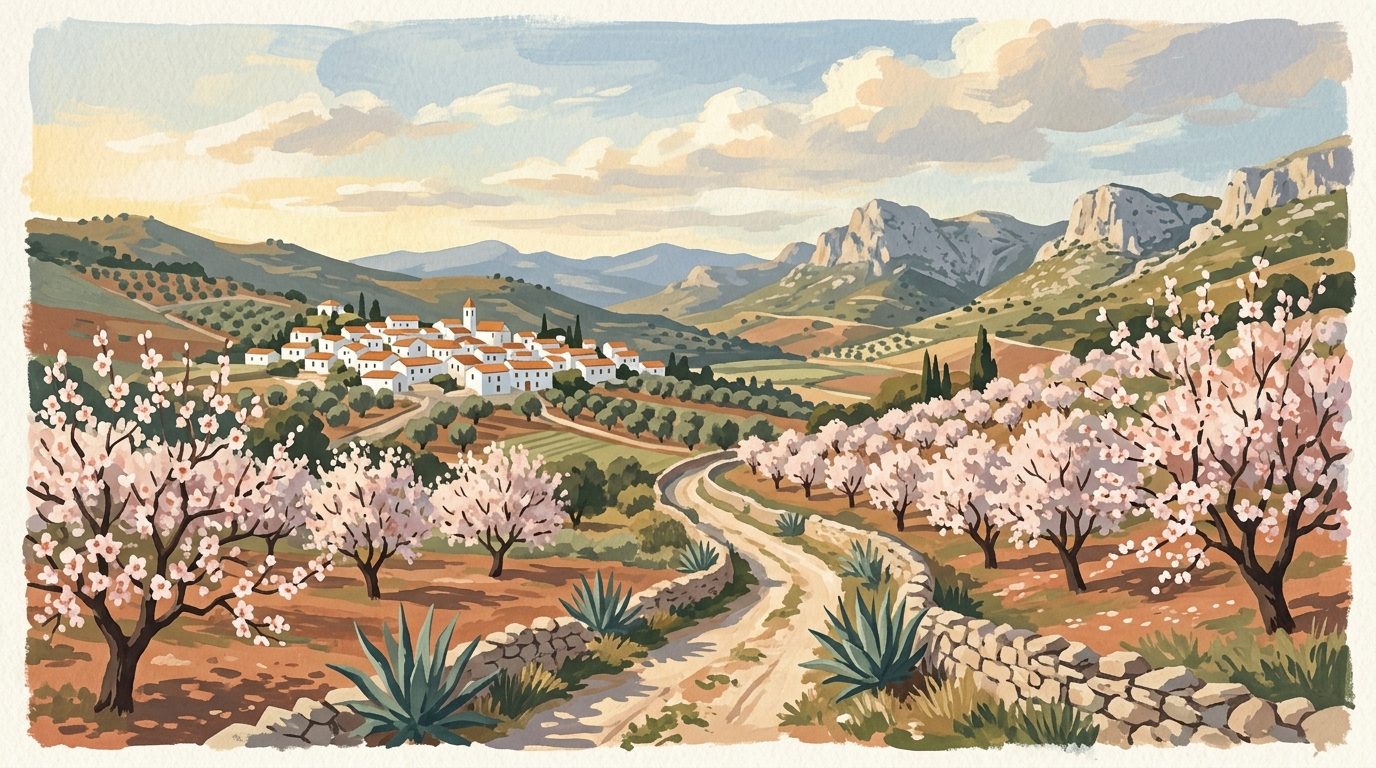
Málaga in February: Almond Blossom and Winter Sun
February in Málaga province offers a quiet transition, where the scent of almond blossom fills the air and the city streets remain peaceful before the spring rush.
7 min read
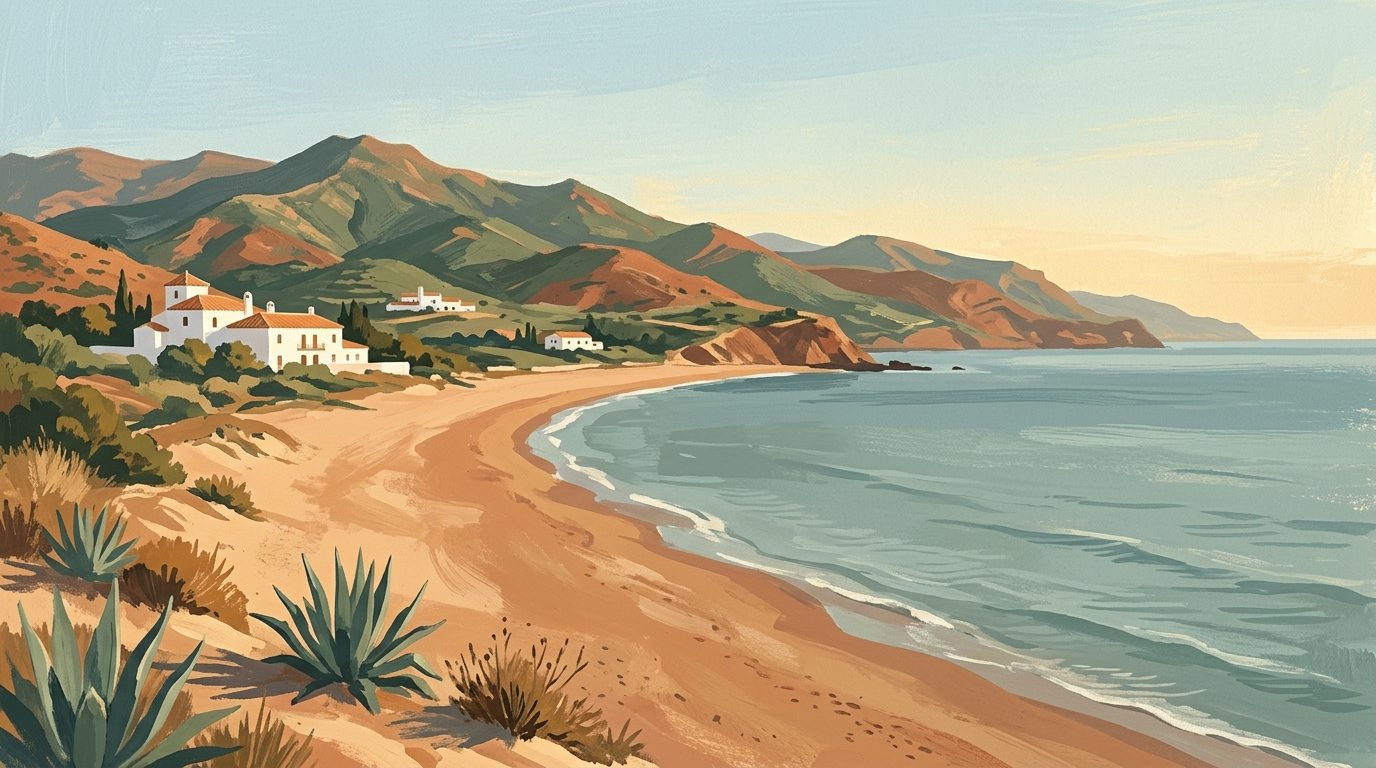
Málaga in January: Quiet Shores and Crisp Mountain Air
Discover Málaga in January, a month of crisp blue skies, 17°C coastal afternoons, and the quietest streets of the year.
6 min read
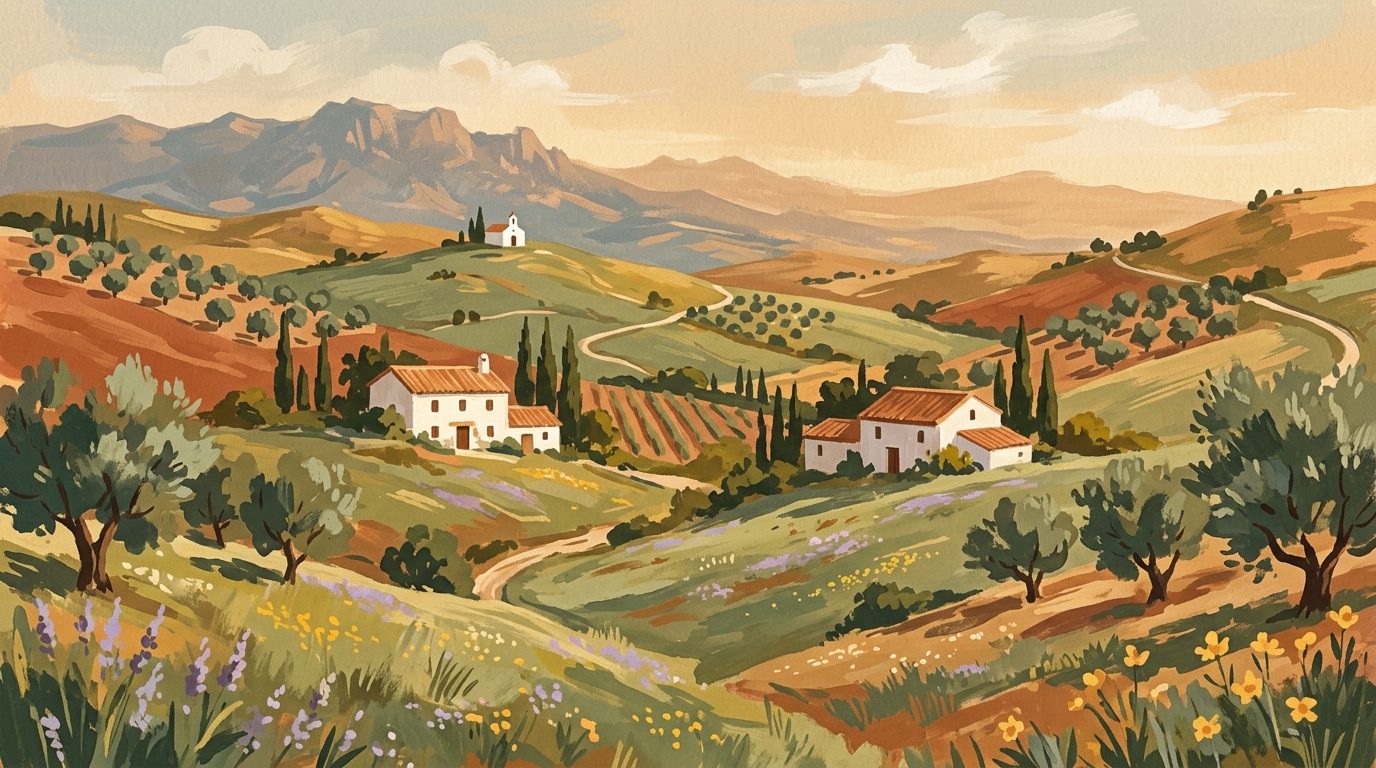
Andalucía in April
April brings the intoxicating scent of orange blossom and the dramatic spectacle of Semana Santa to Andalucía, offering the perfect balance of warm weather and cultural depth.
7 min read
More from Almería
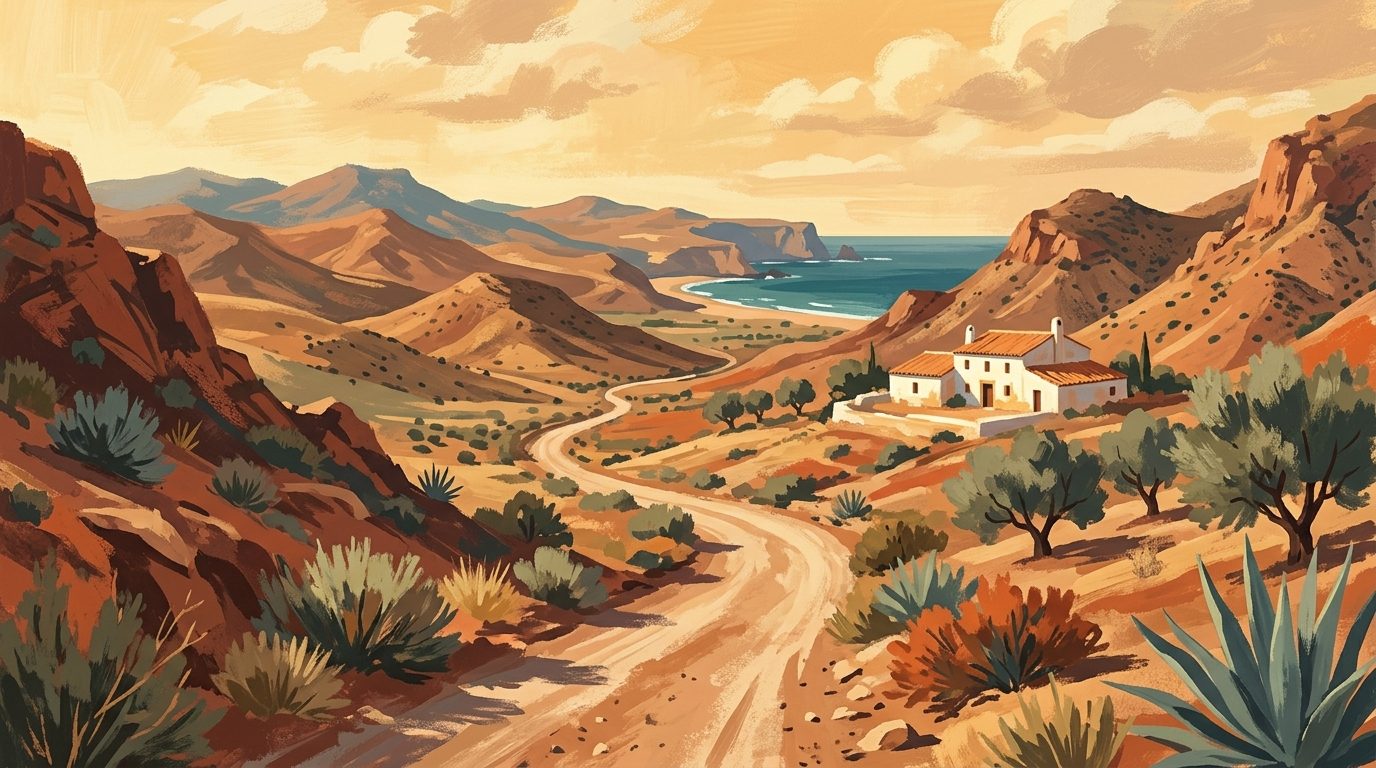
Almería in October: Desert Hikes and Coastal Solitude
October in Almería brings a soft, golden light and a gentle 23°C warmth, making it the perfect month for desert hiking, birdwatching, and enjoying the secluded beaches of Cabo de Gata.
6 min read
Almería in August: Desert Heat and Coastal Cool
August in Almería is defined by the stark beauty of the desert and the refreshing sanctuary of the Mediterranean coast. It is a month for slow movements, late nights, and embracing the true spirit of the Spanish summer.
6 min read
Almería in June: Coastal Clarity and Desert Life
Experience the Mediterranean at its most transparent and the Tabernas desert before the peak summer heat takes hold.
6 min read
Almería in December: Winter Sunshine and Desert Light
Almería in December offers the mildest winter in mainland Europe, featuring sharp desert light, quiet volcanic beaches, and unique local Christmas traditions.
7 min read
Almería in November: Silence and Sunlight in Europe's Desert
November in Almería is a period of profound stillness, where the intense summer light softens into a golden clarity over the volcanic cliffs of Cabo de Gata.
6 min read
Almería in April: Wildflowers, Volcanic Shores, and Desert Spring
April in Almería offers a brief window where the arid landscapes turn surprisingly green and the Mediterranean remains quiet enough for solitary exploration.
7 min read
Almería in May: Desert Blooms and Pre-Summer Solitude
Experience Almería in May, where the Tabernas desert blooms and the Cabo de Gata coastline offers quiet beaches and perfect hiking weather before the summer heat.
6 min read
Almería in September: The Season of Clarity and Warm Seas
September in Almería offers the year's warmest sea temperatures, crystal-clear water for snorkelling, and a welcome return to tranquillity as the summer crowds depart.
6 min read
Almería in July: A Guide to Spain's Volcanic Summer Coast
Discover the rugged beauty of Almería in July, where volcanic beaches and desert landscapes meet the clearest waters in the Mediterranean.
7 min read
Newsletter
More stories from Andalucía
Weekly notes, seasonal picks, and the next guides worth bookmarking.