
Seasonal guide · Huelva
Huelva in February: Almond Blossom and Atlantic Solitude
Experience Huelva in February, from the blooming almond orchards of the Sierra de Aracena to the flamingo gatherings in Doñana National Park.
By Dan · Updated 16 July 2026 · 6 min read
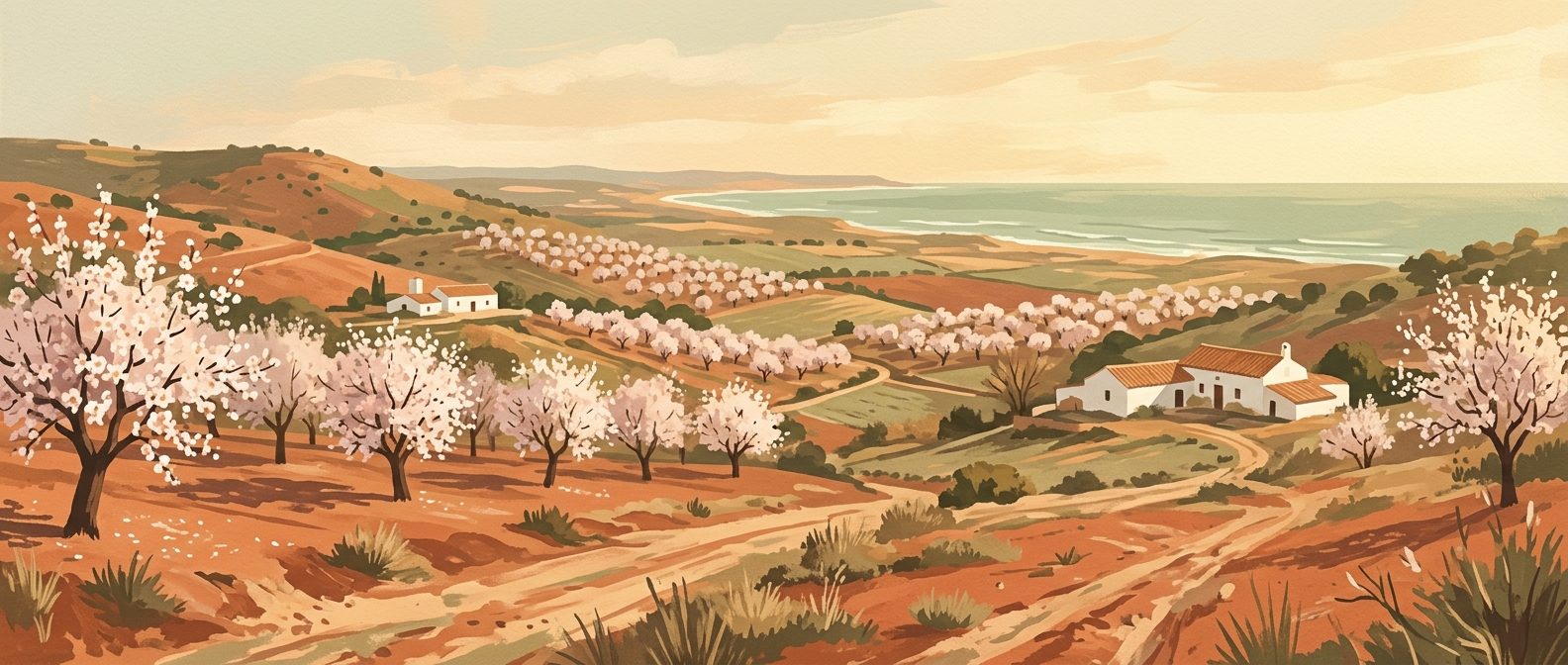
February brings a quiet transformation to Huelva as the white almond blossom appears in the northern mountains while the Atlantic marshes fill with returning birdlife. It is a month for crisp walks and low prices before the spring crowds arrive.
February in Huelva province marks the subtle transition from mid-winter to the very early stirrings of spring. While much of northern Europe remains grey, this corner of south-western Andalucía begins to see its landscapes change. In the north, the Sierra de Aracena y Picos de Aroche loses its damp winter chill, replaced by the delicate white and pink clouds of almond blossom. To the south, the Atlantic coastline, known as the Costa de la Luz, remains spectacularly empty, offering a stark, wild beauty that is often lost during the summer months.
This is a month of clarity and space. The air is exceptionally clean, and the light (which gave this coast its name) is sharp and brilliant. Visitors will find that the province operates at a slower, more authentic pace. You will hear the sound of the wind through the Marismas del Odiel (Odiel Marshes) and the crackle of wood fires in the mountain villages. It is not a time for swimming, but it is a perfect window for those who prefer their travel to be focused on nature, gastronomy, and quiet exploration of the province’s unique heritage, from the departure points of Christopher Columbus to the ancient mines of Rio Tinto.
Weather and Conditions
Weather in Huelva during February varies significantly depending on for standing on a beach or climbing a mountain trail. It is one of the more unpredictable months, though it remains significantly milder than the UK or northern Spain.
The Coast: Along the Atlantic strip, including Huelva city and Matalascañas, daytime temperatures usually hover around 16°C to 18°C. On sunny days, it can feel warm enough for a light jumper, but once the sun sets, the temperature drops quickly to around 8°C. The Atlantic wind can be biting, so windproof clothing is essential for beach walks.
Inland and Mountains: In the Sierra de Aracena, temperatures are lower. Daytime highs might reach 12°C or 14°C, but night-time temperatures frequently dip toward 3°C or 4°C. Frost is possible in the early mornings. Rainfall is moderate, averaging about 50mm to 60mm for the month, usually falling in short, heavy bursts rather than a persistent drizzle.
What to wear: Layering is the only sensible approach. Bring a waterproof jacket for the occasional mountain shower, a warm coat for the evenings, and sturdy, waterproof boots if you intend to hike, as the trails can be muddy after winter rain.
Events & Festivals
While February is a quieter month for major festivals, there are several cultural events that provide a deep look into local life.
Carnaval Colombino: This is Huelva's version of Carnival, taking place in the weeks leading up to Ash Wednesday. While it is smaller than the famous celebrations in neighbouring Cádiz, it is deeply local and features comparsas and chirigotas (satirical singing groups) performing in the Gran Teatro. It is an excellent way to see the local sense of humour and community spirit.
Fiesta del Jamón y la Matanza: In several mountain villages, such as Cortegana or Jabugo, February remains part of the traditional slaughter season. Small-scale food fairs often take place, celebrating the Ibérico pig. These are informal, village-led events where you can sample some of the finest cured meats in the world at local prices.
Día de Andalucía: On the 28th of February, the entire province celebrates the regional holiday. Expect to see green and white flags everywhere, and many towns hold communal breakfasts (desayuno andaluz) consisting of toasted bread with olive oil and sugar or salt.
What to Do in February
Witness the Almond Blossom
The foothills of the Sierra de Aracena, particularly around the villages of Aroche and Almonaster la Real, become a sea of white and soft pink in mid-February. The almendros (almond trees) are the first to wake up, and walking the ancient stone-walled paths between the villages is the best way to experience this. The air in the orchards is sweet, and the visual contrast between the blossom and the dark green cork oaks is striking.
Birdwatching in Doñana
February is a critical month for the Parque Nacional de Doñana. This is when large gatherings of flamencos comunes (greater flamingos) begin their breeding preparations in the marismas (marshes). The water levels are usually at their peak in February, attracting thousands of migratory birds. Beyond flamingos, keep an eye out for the rare Spanish Imperial Eagle, which begins its nesting season this month. Booking a guided 4x4 tour from El Rocío in advance is the best way to access the restricted areas of the park during the wet season.
The Columbus Heritage Trail
Known as the Lugares Colombinos, this trail covers the sites associated with Christopher Columbus’s first voyage. In February, the Monasterio de la Rábida and the Muelle de las Carabelas (Wharf of the Caravels) in Palos de la Frontera are very quiet. You can explore the life-sized replicas of the Pinta, Niña, and Santa María without the school groups and summer crowds. The crisp February light makes for excellent photography across the Tinto river.
Visit Aroche and Cortegana
These two northern villages are often overlooked in favour of Aracena, but in February they are atmospheric and welcoming. In Aroche, visit the Roman ruins of Turobriga. In Cortegana, the medieval castle offers views over the misty valleys of the Sierra. The cool weather is ideal for the steep climbs required to explore these hilltop settlements, and you will find the local bars serving hearty winter stews like garbanzos con espinacas (chickpeas with spinach).
Who Should Visit?
- Hikers: The temperatures are perfect for long-distance walking in the Sierra without the risk of heatstroke.
- Birdwatchers and Nature Lovers: Doñana is in its prime aquatic state, and the lack of tourists makes for a peaceful experience.
- Budget Travellers: Coastal hotels in places like Islantilla or El Rompido often offer their lowest rates of the year in February.
- Culture Lovers: Those interested in the history of the Age of Discovery can explore the Columbus sites at their own leisure.
Practical Notes
Crowds and Atmosphere: You will encounter very few international tourists. Most visitors this month are locals or Spanish travellers from Sevilla. The atmosphere is relaxed and unpretentious. On the coast, some seasonal restaurants and beach bars (chiringuitos) will be closed, so it is better to base yourself in larger towns like Ayamonte or Huelva city.
Prices: February is one of the cheapest months to visit Huelva. Car hire is often at its lowest price point, and you can secure high-quality rural accommodation in the mountains for significantly less than in the peak spring or autumn months.
Booking Advice: While you do not need to book restaurants in advance, it is worth checking the opening hours of specific museums or the Doñana tours, as they may have reduced winter schedules.
Monthly Verdict
February in Huelva is a connoisseur’s month. It rewards those who enjoy the raw beauty of the Atlantic coast and the quiet dignity of the mountains. While it is too cold for a traditional sun-and-sand holiday, the combination of blooming almond trees, active wildlife in Doñana, and exceptionally low prices makes it an intelligent choice for a slow-paced winter escape.
Last reviewed: 21 June 2026 · Editorial policy
Related guides
Huelva in January: Birdlife and Mountain Mist
January in Huelva offers the peak of the Doñana bird migration, atmospheric mountain escapes in the Sierra de Aracena, and the freshest Jamón Ibérico of the year.
6 min read
Huelva in December: A Guide to Winter in Spain's Wild West
Experience the quiet majesty of Huelva in December, from the world-class birdwatching in Doñana to the cosy, wood-fired traditions of the Sierra de Aracena.
6 min read
Huelva in November: A Season of Harvest and Mist
Experience Huelva at its most authentic in November, from the chestnut harvests of the Sierra de Aracena to the arrival of wintering birds in Doñana National Park.
7 min read
Huelva in March: Wildflowers, Wetlands, and Quiet Hills
March in Huelva signals a quiet awakening where the Atlantic breeze meets the scent of budding rockrose in the northern hills. It is a time of soft light and solitude before the summer heat settles over the western edge of Andalucía.
6 min read
Huelva in September: Warm Atlantic Waters and the Harvest Moon
September in Huelva marks a gentle transition where the intense Atlantic summer heat softens into a golden warmth, leaving the wide beaches to those who value quietude.
6 min read
A Guide to El Rocío: Andalucía’s Sandy Pilgrimage Village
Discover El Rocío, a unique Andalucían village where the streets are made of sand and the traditional horse-and-carriage still reigns supreme on the edge of Doñana.
6 min read
More from Huelva
Huelva in July: Atlantic Breezes and Endless Sands
Experience the vast Atlantic beaches and fresh seafood of Huelva in July, where cool sea breezes provide a welcome escape from the Andalucían summer heat.
6 min read
Huelva in August: Atlantic Breezes and the High Summer Rhythm
Experience the authentic Spanish summer in Huelva this August. From the cooling Atlantic breezes of Islantilla to the festive nights of the Colombinas, discover a province in its peak season.
6 min read
Huelva in May: Pilgrimages, Pine Forests and the Peak of Nature
Experience the sensory peak of the Atlantic coast as a million pilgrims converge on the marshes for the Romería del Rocío and the Sierra de Aracena offers prime hiking and wild strawberries.
6 min read
Huelva in April: Wildflowers, Wetlands and Early Spring Pilgrimages
Discover Huelva in April, a month of extraordinary natural beauty where the Doñana wetlands come alive with migratory birds and the Sierra de Aracena is carpeted in wildflowers.
7 min read
Huelva in June: Atlantic Breezes and the Arrival of Summer
Experience the best of the Costa de la Luz in June, from the wild horse roundups in Doñana to the first grilled sardines of the season on Huelva's vast Atlantic beaches.
6 min read
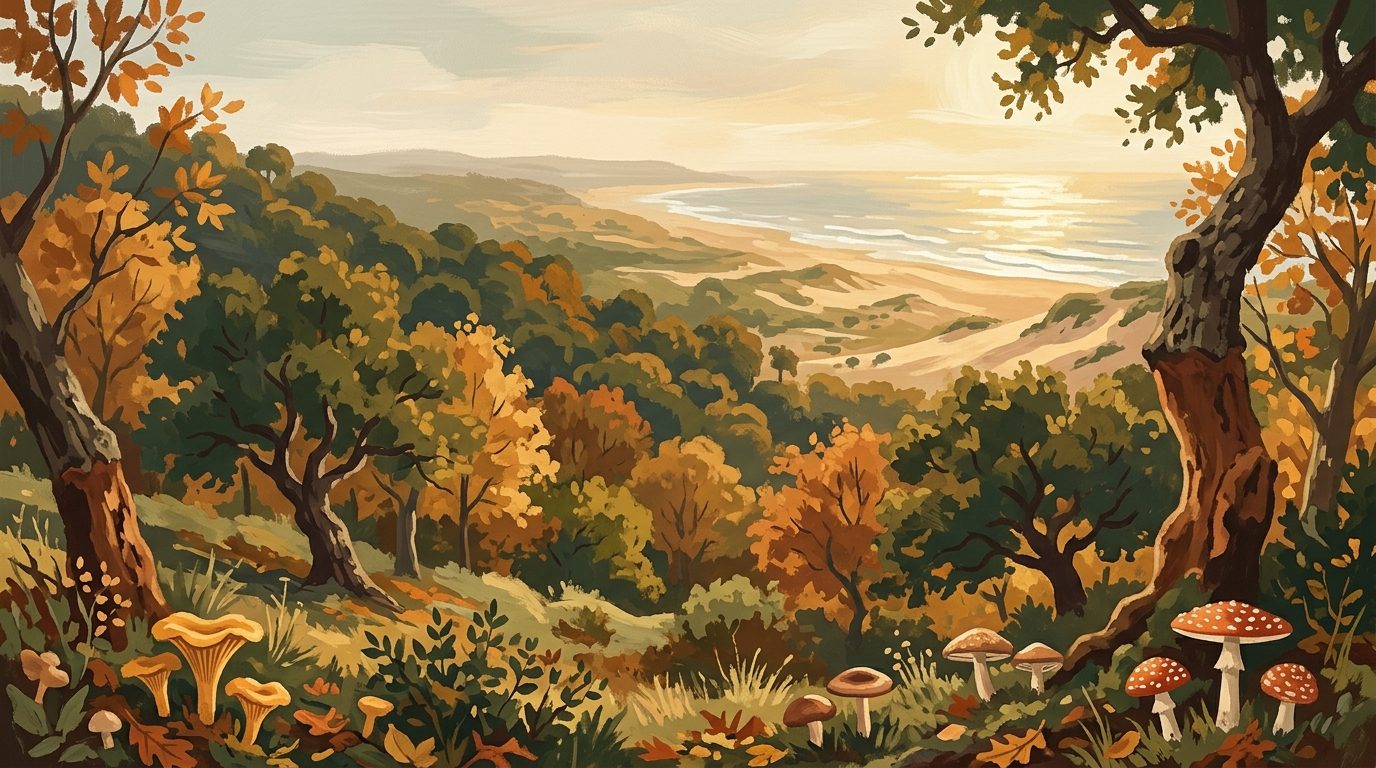
Huelva in October: Forests, Fungi, and Empty Atlantic Shores
October in Huelva sees the Atlantic heat soften into a gentle warmth, perfect for exploring the Sierra de Aracena as the first mushrooms appear. It is a month defined by the return of migratory birds to Doñana and the quietening of the Costa de la Luz.
6 min read
Newsletter
More stories from Andalucía
Weekly notes, seasonal picks, and the next guides worth bookmarking.