
Place guide · Cádiz
Playa de los Caños de Meca: A Guide to the Cádiz Coastline
Discover the wild Atlantic beauty of Playa de los Caños de Meca, from its freshwater springs to the historic Cape Trafalgar lighthouse.
By Dan · Updated 24 June 2026 · 7 min read
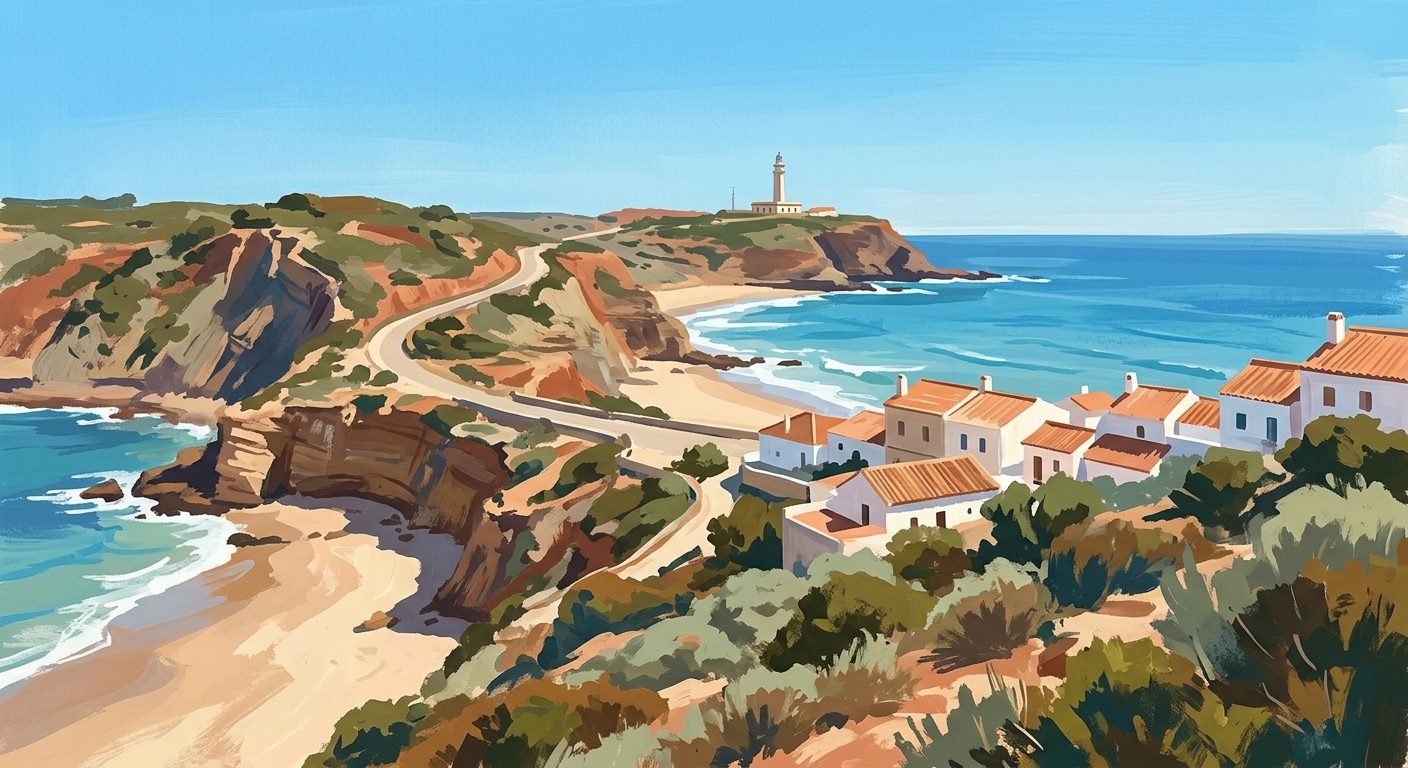
A rugged stretch of the Costa de la Luz where fresh underground springs meet the salt of the Atlantic Ocean. This coastline provides a distinct alternative to the more commercialised resorts found elsewhere in Andalucía.
Playa de los Caños de Meca is not a single strip of sand but a collection of distinct bays and coves that stretch from the historic Cape Trafalgar to the towering cliffs of the La Breña y Marismas del Barbate Natural Park. For decades, this area has been synonymous with a counter-culture spirit. In the 1960s and 70s, it became a focal point for travellers seeking a slower pace of life, and while the modern era has brought more development and summer crowds, the bohemian atmosphere remains firmly intact. Unlike the manicured beaches of the western Costa del Sol, Caños de Meca feels raw and exposed to the elements.
The name itself refers to the small freshwater springs, or caños, that trickle down the rock faces at the eastern end of the beach. These springs are a result of water filtering through the limestone cliffs and escaping onto the sand. This geological quirk, combined with the proximity to the site of the Battle of Trafalgar, gives the area a unique identity. Visitors here tend to be a mix of families from Sevilla, international windsurfers, and those who appreciate the naturist-friendly coves tucked beneath the sandstone cliffs. It is a place defined by the wind, the tides, and the scent of pine forests that grow right to the edge of the Atlantic.
The beach itself
The coastline at Los Caños de Meca is divided into several sections, each with a different character. The central hub is Playa del Pirata, the most urbanised part of the beach. Here, the sand is fine and golden, and the water is generally calm enough for swimming. It is the most popular choice for families due to the proximity of restaurants and shops. However, because of its limited size, it can become incredibly crowded during the peak summer months. If you prefer more space, you must head in either direction along the coast.
To the west lies Playa de Marisucia. This beach sits right at the base of the road leading to the Cape Trafalgar lighthouse. It is often the first beach people see, but it is highly dependent on the wind. When the Levante (the strong easterly wind) is blowing, Marisucia is often the only place where the water remains relatively calm, though it can accumulate seaweed, hence the name, which translates roughly to dirty marsh. To the east of the town centre are the cliffs of Los Castillejos. This area consists of several small coves that disappear at high tide. The further you walk towards the Barbate cliffs, the more common naturism becomes. The water clarity in these coves is exceptional, provided the Atlantic swell is low.
None of the beaches in Caños de Meca currently hold a Blue Flag (as of the 2026 awards). This is rarely a reflection of water quality, which is usually high, but rather a result of the lack of urban infrastructure like paved promenades and standardised toilet blocks. This lack of formality is exactly what draws people back. The sand quality is consistently high throughout: soft, pale, and free from stones in the main swimming areas.
Getting there & parking
Reaching Playa de los Caños de Meca requires a car, as public transport options are limited and often slow. The nearest major airport is Jerez (XRY), located about an hour away by road. From the airport, follow the A-4 and then the A-48 motorway towards Vejer de la Frontera, before taking the A-2233 coastal road. If you are travelling from Sevilla, the drive takes approximately one hour and 45 minutes, while from Málaga it is a more substantial two and a half hour journey via the AP-7 and the N-340.
Parking is the primary challenge for any visitor. During the months of July and August, the narrow streets of the village become a bottleneck. There are several dusty, private car parks located along the main road and near the entrance to Cape Trafalgar. Expect to pay between 5 and 10 Euros for a full day (check on the operator's website or locally before travelling). These lots fill up by midday on weekends, so early arrival is essential. Outside of the summer season, parking is much easier, and you can often find spots along the road for free. Public transport consists of a seasonal bus service operated by the Consorcio de Transportes de la Bahía de Cádiz (TG Comes) from Barbate and Conil de la Frontera, but the timetable is geared towards locals rather than tourists, making it an unreliable option for a day trip.
Facilities & chiringuitos
The chiringuito culture in Caños de Meca is legendary. These are not just places to eat; they are social hubs that often host live music as the sun sets. Sajorami Beach is one of the most famous establishments, offering a mix of food and accommodation right on the sand. It is a popular spot for watching the sunset over the Atlantic. Another local favourite is La Morena, which provides a more traditional dining experience with fresh fish from the nearby Barbate market. For a more relaxed, lounge-style atmosphere, Jaima Mehari offers Moroccan-inspired decor and great views of the coastline.
Basic facilities are somewhat sparse compared to more developed Andalucían resorts. There are public showers and toilets located at the main access points to Playa del Pirata, but these are often closed outside of the official summer season. Lifeguards are on duty from mid-June to mid-September. Sun-bed and umbrella hire is available in the central section, but most people bring their own equipment. There is no formal promenade, so access to many parts of the beach involves navigating sandy paths or stone steps.
Best time to visit
Timing your visit to Caños de Meca is crucial, primarily because of the wind. The Levante is a fierce wind that blows from the east. When it is strong, the sand on the beach can become a painful spray, making it almost impossible to stay on the shore. Before heading out, check a local wind forecast (such as Windfinder or Windy): if the Levante is blowing above 30 kilometres per hour, you may want to head to the sheltered coves of Roche or stay by a pool. The Poniente, which blows from the west, is much cooler and brings the Atlantic swell that surfers love.
In terms of the calendar, May, June, and September are the ideal months. During this time, the weather is warm enough for swimming, the chiringuitos are open, and the crowds are manageable. August should be avoided if you dislike congestion. The village simply does not have the infrastructure to comfortably handle the volume of visitors it receives in mid-summer. In the winter, Caños de Meca becomes a ghost town. While the walking trails remain open and the scenery is beautiful, many of the best restaurants and bars close their doors from November until March.
Combine with
A visit to this beach is incomplete without a walk to the Faro de Trafalgar. The lighthouse sits on a small promontory connected to the mainland by a sandy isthmus. It is the site of the 1805 naval battle where Admiral Nelson defeated the French and Spanish fleets. The walk from the main road to the lighthouse takes about 15 minutes and offers panoramic views of the coast. On a clear day, you can easily see the mountains of Morocco across the Strait of Gibraltar.
If you have a car, the white-washed hilltop town of Vejer de la Frontera is only a 15 minute drive inland. It is widely considered one of the most beautiful villages in Andalucía. Pairing a morning on the beach at Caños with an evening dinner in the historic centre of Vejer makes for a perfect day. Alternatively, you can explore the La Breña Natural Park (further details are available via the official Barbate Tourism portal), which features several hiking trails through umbrella pines that lead to 100 metre high cliffs overlooking the sea.
Practical notes
Safety is a significant consideration at Caños de Meca. The Atlantic currents can be incredibly strong, especially near the Cape Trafalgar lighthouse. There are dangerous whirlpools in the water surrounding the reef, and swimming is strictly prohibited in certain zones around the point. Always pay attention to the flags: green is safe, yellow means caution, and red means stay out of the water. Even on calm days, the shore break can be powerful.
For those travelling with pets, dog rules are strictly enforced during the high season (June to September), with fines for those who bring animals onto the sand during the day. In the low season, the rules are relaxed, and the beach becomes a popular spot for dog walkers. Accessibility is another factor to keep in mind. While the central Playa del Pirata has some ramps, the more beautiful coves of Los Castillejos are accessed via steep, uneven paths that are not suitable for those with limited mobility or heavy prams. Finally, bring plenty of water and sun protection, as the breeze often masks the true heat of the Andalucían sun.
Last reviewed: 21 June 2026 · Editorial policy
Related guides
Beyond the High Peaks: A Guide to the Costa Tropical
Discover the Costa Tropical, a unique stretch of Granada's coastline where high mountains meet orchards of exotic fruits and ancient Moorish castles.
8 min read
A Guide to Conil de la Frontera: Beaches, Tuna and White Streets
Discover Conil de la Frontera, a classic white town on the Costa de la Luz famous for its golden Atlantic beaches and ancient bluefin tuna tradition.
6 min read
Tarifa: The Wind-Swept Gateway to Two Continents
Discover Tarifa, the wind-swept southernmost point of Europe where the Atlantic meets the Mediterranean, featuring medieval fortresses, Roman ruins, and world-class kitesurfing.
7 min read
A Guide to Barbate and Los Caños de Meca: Tuna, Cliffs and Cape Trafalgar
Barbate and Los Caños de Meca offer a stark contrast between a hard-working fishing port and a bohemian coastal retreat shaped by Atlantic winds. This stretch of the Costa de la Luz remains defined by the annual tuna harvest and the historic silhouette of the Trafalgar lighthouse.
6 min read
Bolonia: A Guide to the Cádiz Coast’s Roman Ruins and Great Dune
A quiet coastal hamlet where the remarkably intact ruins of Baelo Claudia meet a towering Atlantic sand dune. This Cádiz highlight offers a slower pace of life and a glimpse into Roman maritime history.
5 min read
A Complete Guide to Playa de Bolonia: Dunes, Ruins, and Atlantic Wilds
Playa de Bolonia is a spectacular stretch of Atlantic coastline where massive sand dunes meet the ruins of a Roman city. This wild beach offers some of the clearest water in Cádiz.
6 min read
More from Cádiz
Playa de La Caleta: A Guide to the Historic Heart of Cádiz
Playa de La Caleta is a historic urban bay in Cádiz, famous for its calm waters, ancient fortresses, and the stunning white Balneario spa building.
7 min read
Playa de Zahara de los Atunes: A Guide to the Golden Coast of Cádiz
Experience the vast golden sands and clear Atlantic waters of Playa de Zahara de los Atunes, a highlight of the Cádiz coastline. Discover the best chiringuitos, parking tips, and the ideal times to visit.
6 min read
A Local Guide to Playa de la Fontanilla in Conil de la Frontera
Playa de la Fontanilla is a wide, golden expanse of Atlantic coastline in Conil de la Frontera, famous for its shallow waters and exceptional seafood restaurants.
7 min read
Playa de Costa Ballena: A Guide to the Rota Coastline
Discover Playa de Costa Ballena, a meticulously planned coastal retreat in Cádiz offering four kilometres of golden sand and clear Atlantic waters. This guide explores the best chiringuitos, parking tips, and why this beach is a favourite for families seeking space and quality.
7 min read
Playa de El Palmar: A Guide to the Surfing Capital of Cádiz
Playa de El Palmar is the undisputed surfing capital of the Costa de la Luz, offering eight kilometres of golden sand and some of the finest sunsets in the province of Cádiz. This expansive shoreline balances a wild, Atlantic character with a thriving scene of beach bars and surf schools.
7 min read
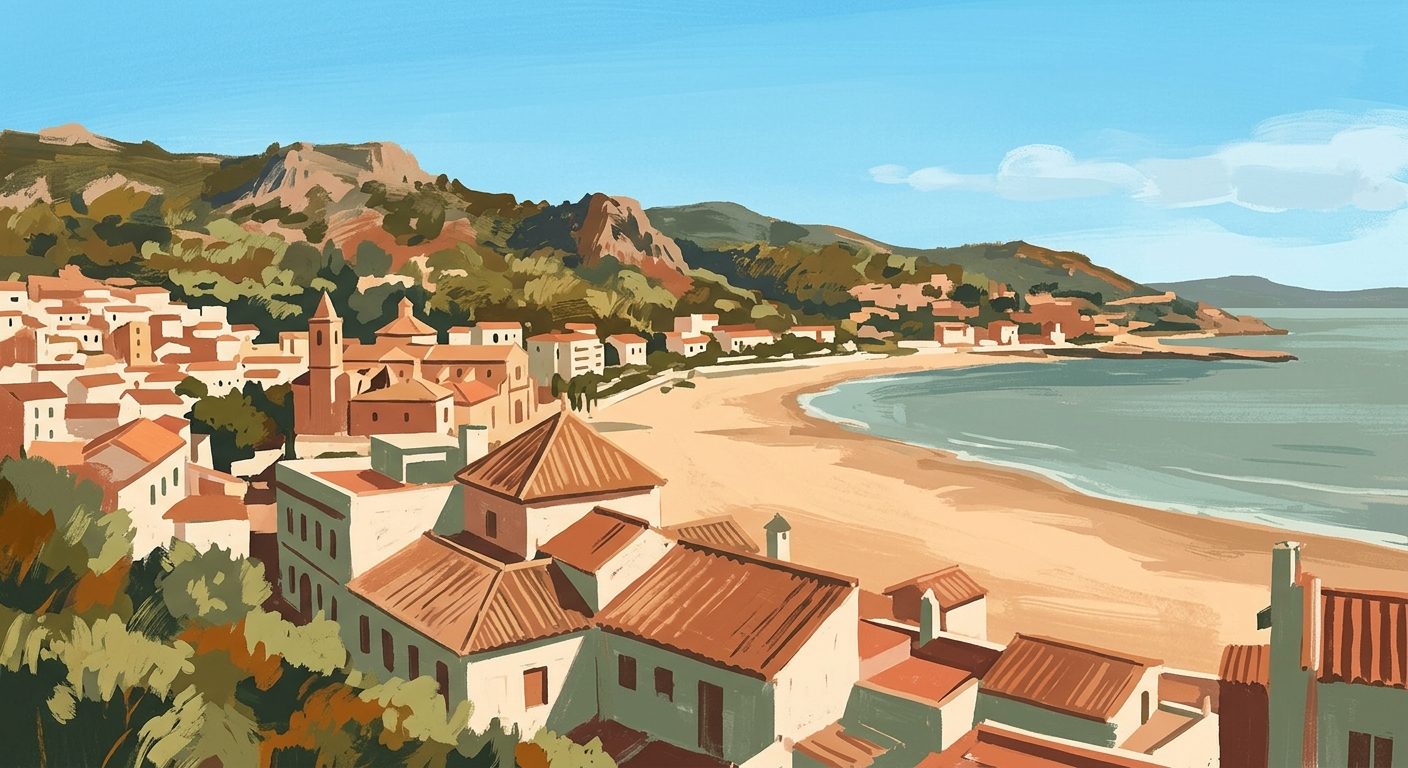
A Guide to Playa de Getares in Algeciras
Playa de Getares offers a wide golden shoreline with unique views of the Rock of Gibraltar and the North African coast. This family-friendly beach in Algeciras combines urban facilities with the natural beauty of the Estrecho Natural Park.
7 min read
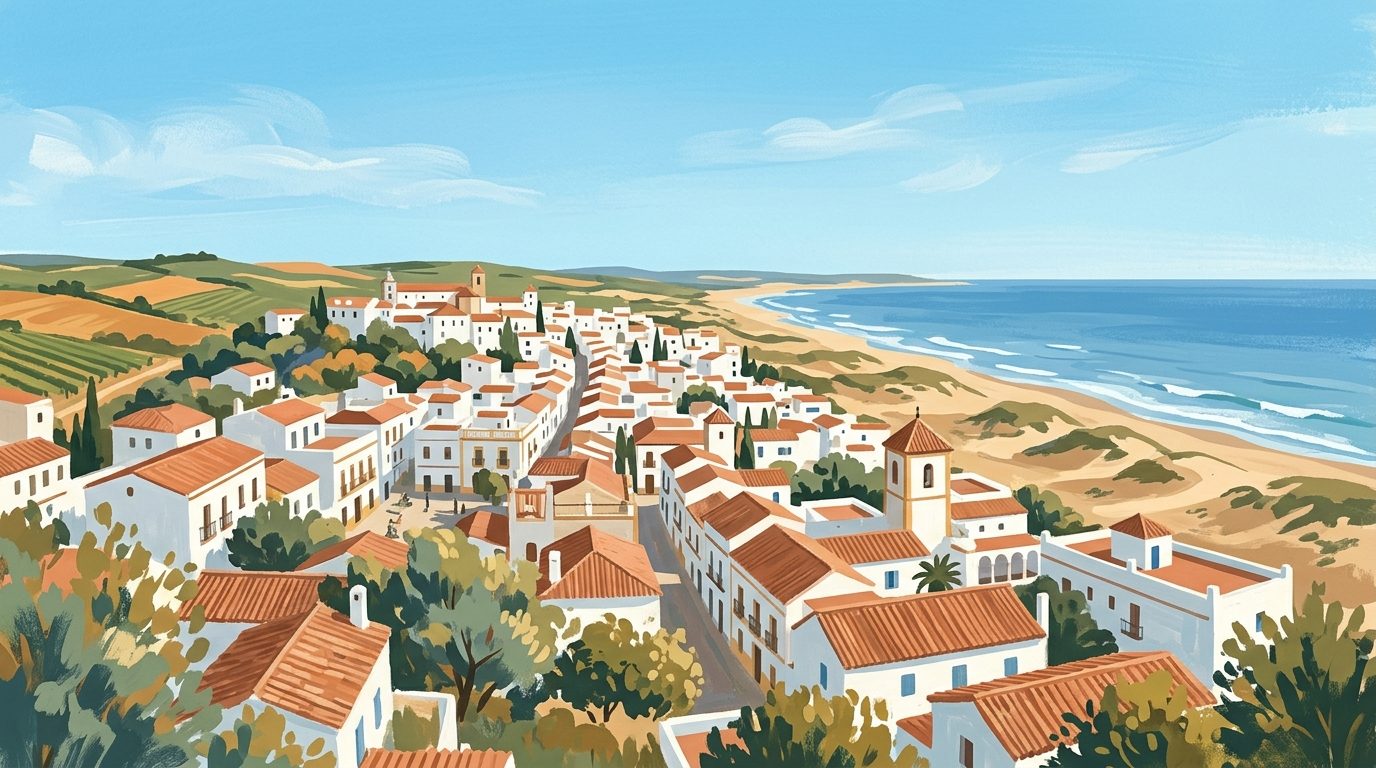
Chiclana de la Frontera: Fine Sands and Fino Sherry on the Cádiz Coast
Discover Chiclana de la Frontera, a unique destination on the Costa de la Luz featuring the 8km La Barrosa beach, historic sherry bodegas, and the ancient Castillo de Sancti Petri.
5 min read
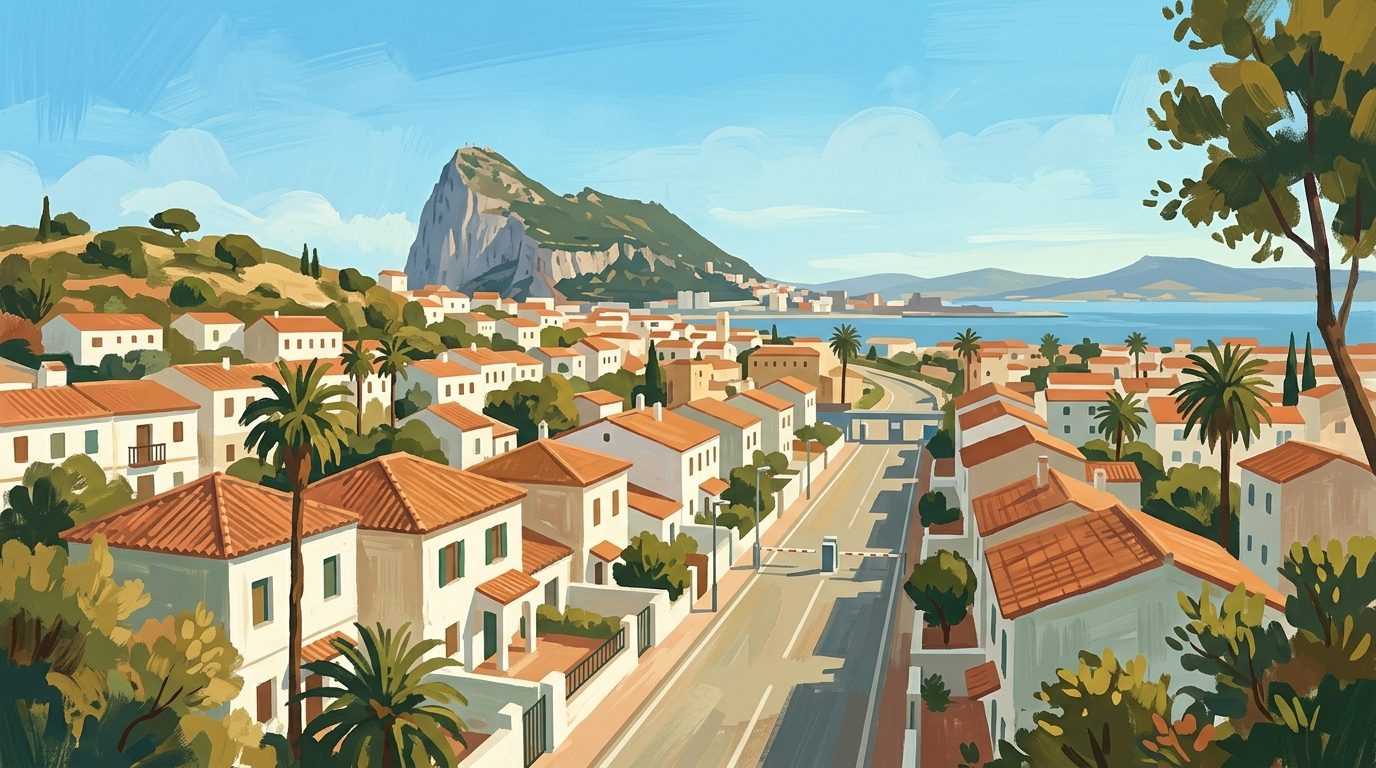
A Guide to La Línea de la Concepción: Beyond the Gibraltar Border
A focused guide to La Línea de la Concepción, exploring its unique frontier culture, military fortifications, and world-class seafood traditions in the shadow of Gibraltar.
5 min read
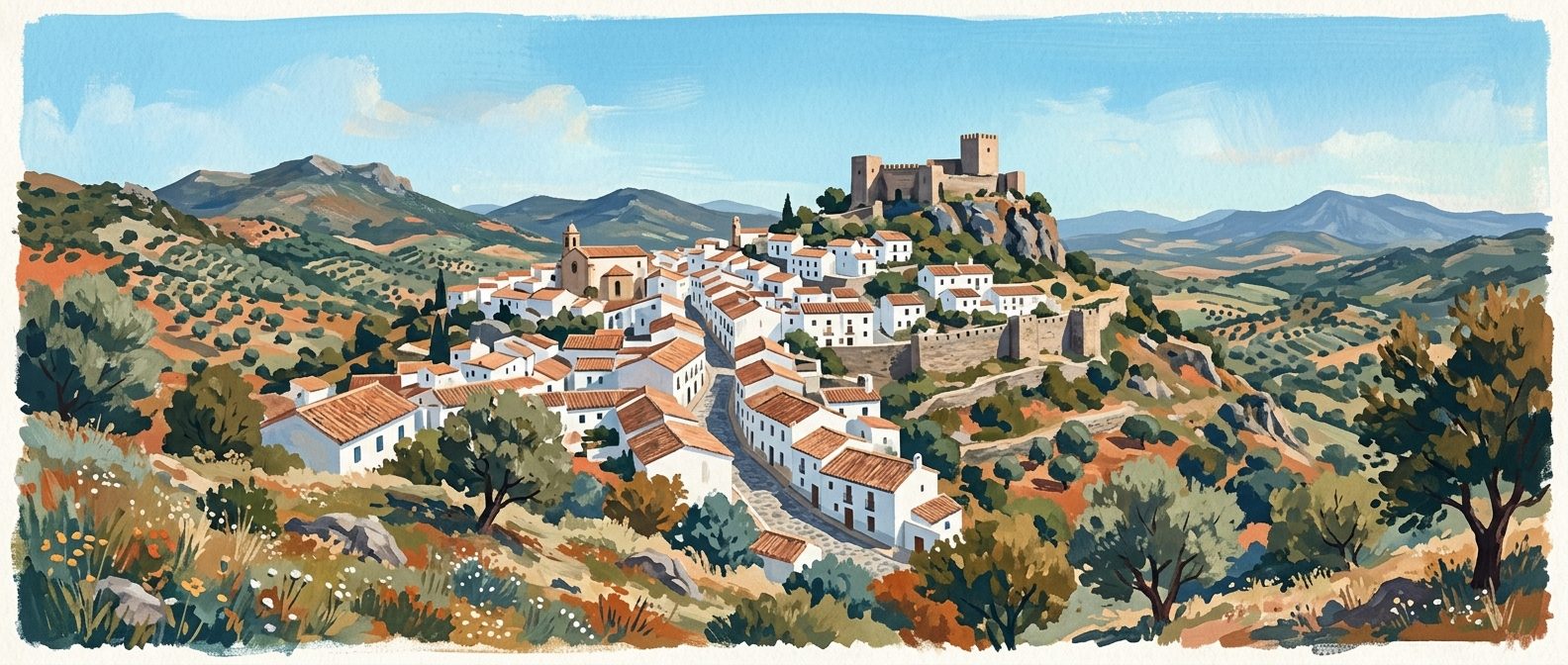
Jimena de la Frontera: A Frontier Stronghold in the Cork Oak Forests
With its commanding Moorish castle and gateway status to the vast Alcornocales Natural Park, Jimena de la Frontera is a quiet alternative to the busier white villages of Cádiz.
6 min read
Newsletter
More stories from Andalucía
Weekly notes, seasonal picks, and the next guides worth bookmarking.