
Where to stay · Huelva
Where to Stay in Huelva: Coast, Doñana or Sierra
A candid planning guide to choosing the right base in Huelva. Discover the trade-offs between the wild Atlantic coast, the Doñana wetlands and the northern mountains.
By Andalucía 365 Editorial Team · Updated 24 July 2026 · 8 min read
This article contains affiliate links. If you book through them, we may earn a small commission at no extra cost to you.
Choosing a base in Huelva requires a firm geographic compromise. The province splits sharply between the vast coastal estuaries in the south and the steep forested hills in the north. You cannot base yourself in the mountains and drive to the beach for a quick afternoon swim. The journey between the northern ranges and the coast takes nearly two hours along the N-435 national road and the A-49 motorway. The fundamental decision is whether you want the Atlantic breezes and flat terrain of the coast, the wildlife focus of the southern wetlands, or the cured meats and hiking trails of the northern peaks. Before booking accommodation, you must decide which landscape dictates your itinerary. Read our overview of Huelva's wild Atlantic coast and mountain villages to understand the sheer scale of the region.
Huelva City: The Maritime Hub
Huelva city lacks the monumental profile of Seville or Cordoba. It remains a working port city defined by its industrial outskirts, mining history and maritime heritage. It is not conventionally beautiful, but it offers a functional and genuine environment for those willing to look past the refineries. It serves as a highly practical hub for those travelling without a vehicle. The central bus station offers direct, inexpensive links to the coastal towns, while the train station connects directly to Seville. Base yourself near the pedestrianised centre to explore the maritime soul and culinary depth of Huelva city, relying on public transport to reach the sand. The city provides excellent access to the La Rábida Monastery and the maritime replicas at the Muelle de las Carabelas without the premium price tags of coastal hotels. You can spend your evenings moving between excellent tapas bars that serve the freshest catch from the Atlantic. Parking in the centre is notoriously difficult. Drivers face aggressive one-way systems and underground car parks with extremely tight ramps. If you hire a car, secure a hotel with guaranteed onsite parking. The city suits travellers who prioritise exceptional seafood markets, industrial heritage, and urban convenience over immediate beach access.
The Western Coast: Punta Umbría, Isla Cristina and Ayamonte
The western stretch of the coastline offers long, wide beaches and serious fishing ports. Base yourself in Punta Umbría for immediate proximity to the capital and vast pine forests. This peninsula feels highly developed in July and August but offers excellent infrastructure for summer visitors, including flat promenades and immediate access to the nearby Odiel Marshes. Base yourself further west in Isla Cristina if your priority is observing the daily fish auctions and dining on exceptional tuna. It is a working town first and a tourist destination second, surrounded by salt pans and tidal marshes. If you want a town with a strong identity and the option to walk onto a ferry into Portugal, choose Ayamonte. The town sits squarely on the Guadiana estuary, offering ferry crossings to Vila Real de Santo António. The Parador de Ayamonte provides panoramic views of the river and stands as a useful geographic marker for the border. This coastal stretch gets incredibly hot in midsummer, drawing thousands of domestic holidaymakers. Traffic on the single-lane coastal roads crawls on summer weekends. Parking near the beaches requires arriving before breakfast or paying for private daytime plots.
The Doñana Coast: Mazagón, Matalascañas and El Rocío
This eastern coastal area borders the massive protected wetlands of Doñana National Park. Base yourself in Mazagón for quieter beaches backed by ancient fossilised dunes and umbrella pines. It has significantly less high-rise development than its neighbours and offers a calmer atmosphere for those who want to avoid the heavy commercialisation of the larger resorts. The beaches here stretch for kilometres, providing ample space even in the height of summer. Matalascañas offers urban convenience directly on the edge of the park. It is highly popular with domestic families wanting immediate beach access, though the concrete skyline is uncompromising. For a base immersed in marshland ecology, choose El Rocío. This unpaved village has sand streets and a profound equestrian culture. It is exceptional for birdwatching in winter and spring, particularly when the marshes flood, but extremely dusty and hot in midsummer. Driving through El Rocío requires navigating compacted sand tracks, which can challenge standard rental vehicles if you stray from the main thoroughfares. You will share the roads with horses and carriages, demanding slow and careful driving.
The Northern Mountains: Aracena and the Sierra
The northern mountains require a completely different mindset. This is a landscape of chestnut forests, steep cobbled streets and renowned cured ham. Aracena makes the most logical base. It has the largest concentration of restaurants, supermarkets and reliable bus connections, sitting beneath a ruined hilltop castle and a medieval church. It is large enough to sustain a multi-day visit but small enough to feel integrated into the hills. The mountain villages are noticeably cooler than the coast. This makes the region a viable summer retreat, though winters demand heavy coats and log fires. Driving here involves navigating steep, winding roads with blind corners and occasional loose livestock. Parking in the smaller villages is strictly restricted to the outskirts to protect historic centres. If you want total rural isolation, look for rental properties outside towns like Jabugo or Almonaster la Real, but ensure your vehicle can handle unpaved access tracks and steep inclines.
Best Base For...
Families
Families seeking safe swimming and easy logistics should look to the western coast. Punta Umbría offers excellent amenities, supermarkets and immediate medical facilities. The beaches here have gentle shelves and manageable surf, unlike the wilder, unprotected stretches further east towards Doñana. Matalascañas is another highly functional family choice, providing direct access to the sand without needing to pack a car every morning. You will find ample flat promenades suitable for pushchairs and young children.
Travellers without a car
Huelva city is the only reliable choice. You can use the regional bus network to visit the coast or the historical Columbus sites in Palos de la Frontera. The train network connects you back to Seville and Madrid. Relying on buses between smaller coastal towns is slow, and schedules thin out dramatically outside of July and August. Review our guide on getting around Andalucía for specific operator details and ticketing advice. Do not assume you can easily travel by bus between the northern mountains and the coastal resorts on a whim.
Wildlife and birdwatching
El Rocío puts you directly on the edge of the marshes. You will wake up to the sound of flamingos and wild horses. However, you will need a vehicle to access the official visitor centres on the periphery of the national park, as public transport within the protected zones is virtually nonexistent. Mazagón is an excellent secondary option if you want to combine birdwatching with coastal walks along the dramatic sandy cliffs.
Deep culinary exploration
Split your time. Choose Isla Cristina for Atlantic seafood, salt-baked fish and white prawns. Choose Aracena for the Iberian pork industry, wild mushrooms and strong mountain cheeses. The culinary divide in the province is absolute. You will not find exceptional mountain ham on the coast, and the mountain villages do not specialise in fresh shellfish.
Accessible travel
Ayamonte and Punta Umbría offer flat, paved promenades and official accessible beach points during the summer season. These points feature wooden walkways and amphibious chairs. Review our accessibility guide to Andalucía for specific mobility notes. The mountain villages in the Sierra de Aracena are notoriously difficult for wheelchair users due to severe gradients, narrow pavements and uneven cobbles.
Practical Planning: Transport, Parking and Seasonality
A car is essential to fully understand this province. While city hops are feasible, the remote beaches and mountain trailheads require your own vehicle. Prepare for toll roads if you cross into Portugal from Ayamonte over the Guadiana International Bridge. Ensure your rental agreement covers cross-border driving, as many agencies charge a supplementary fee for taking a Spanish car into the Algarve. Check our comprehensive guide to hiring a car in Andalucía before signing a contract. Rural driving requires confidence on narrow, unlit roads, particularly the N-435 which connects the coast to the Sierra. Overtaking slower agricultural vehicles on these inclines requires patience and clear visibility.
Seasonality dictates everything in Huelva. The coastal resorts effectively shut down from November to March. Hotel choices shrink, and most beachfront restaurants board up their windows. The wind off the Atlantic can be relentless during the winter months, making the beaches suitable for walking rather than sunbathing. Conversely, the Sierra de Aracena is busiest from October to May, appealing to walkers and food enthusiasts seeking roaring fires and hearty stews.
Summer on the coast brings intense heat and peak crowds. Always consult a guide on the weather and climate in Andalucía before committing to July or August. The temperature difference between a July afternoon in Matalascañas and a January morning in Aracena is vast. Book accommodation well in advance if you plan to visit the coast during the Spanish school holidays, as domestic demand heavily outweighs supply.
Route Pairings: Beyond a Single Base
Do not attempt to see the whole province from one hotel. The driving distances make day trips exhausting and counterproductive. Instead, pair a coastal town with a mountain village. Spend four days in Mazagón to explore the coast, the historical port sites of the Columbus route, and the edge of the wetlands. You can easily dedicate a full morning to the Doñana National Park visitor centres. Then, pack your car and drive two hours north to spend three days in Aracena, exploring the oak and chestnut forests. This two-base strategy prevents you from spending half your holiday on the motorway. It respects the scale of the province and highlights the stark geographic division that makes Huelva so compelling.
Last reviewed: 18 July 2026 · Editorial policy
Related guides
5 Days in Huelva: Atlantic Coast, Doñana and Sierra
A realistic five-day driving route through Huelva province, linking the maritime history of the capital with the tidal wetlands of Doñana and the chestnut forests of the Sierra de Aracena.
12 min read
Mazagón: Untamed Beaches and Pine Forests in Huelva
A peaceful alternative to the built-up resorts of the western Costa de la Luz, Mazagón offers vast stretches of golden sand backed by ancient dunes and fragrant umbrella pines.
5 min read
A Guide to El Rocío: Andalucía’s Sandy Pilgrimage Village
Discover El Rocío, a unique Andalucían village where the streets are made of sand and the traditional horse-and-carriage still reigns supreme on the edge of Doñana.
6 min read
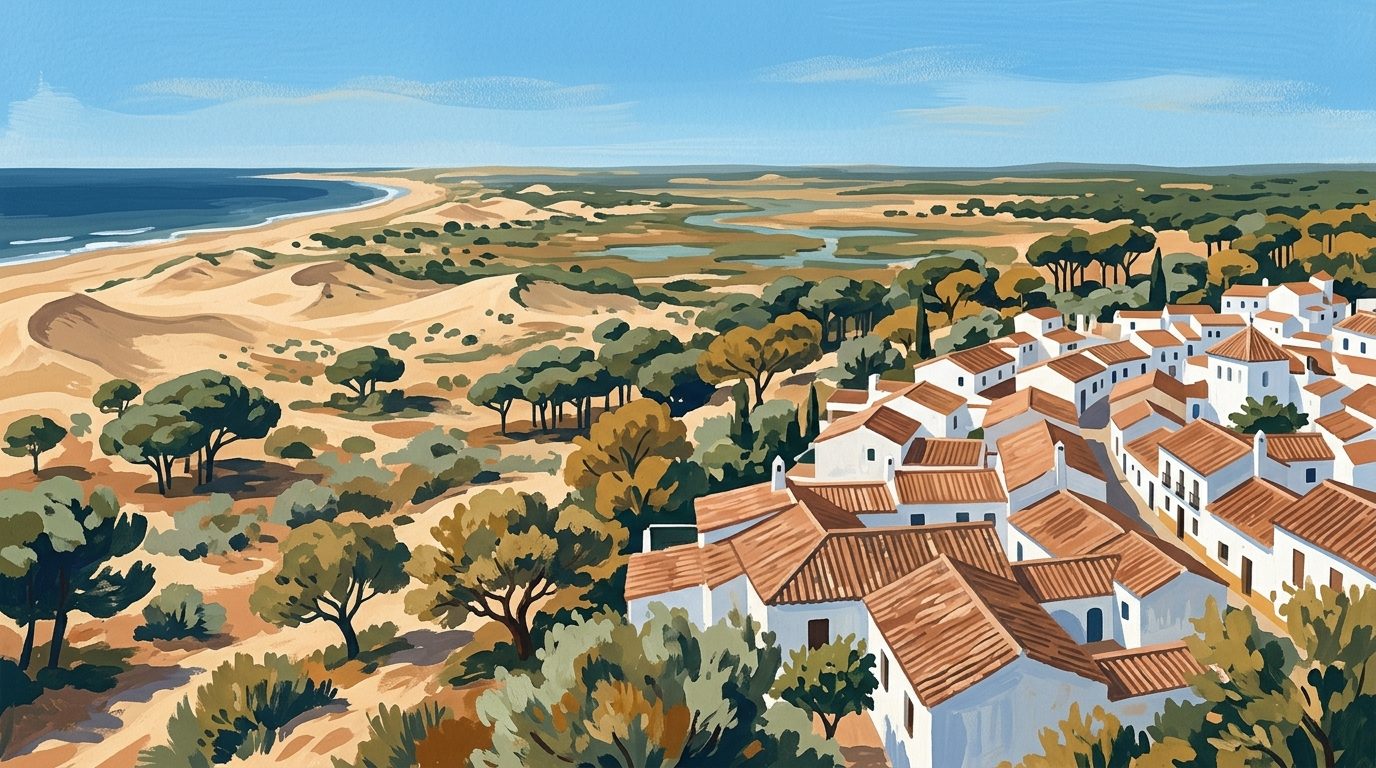
Where the Sands Shift and the Marismas Breathe: A Guide to Doñana
Discover the wild Atlantic coast of Huelva, where the shifting dunes of Doñana meet the sand-paved streets of El Rocío and the pristine beaches of Mazagón.
8 min read
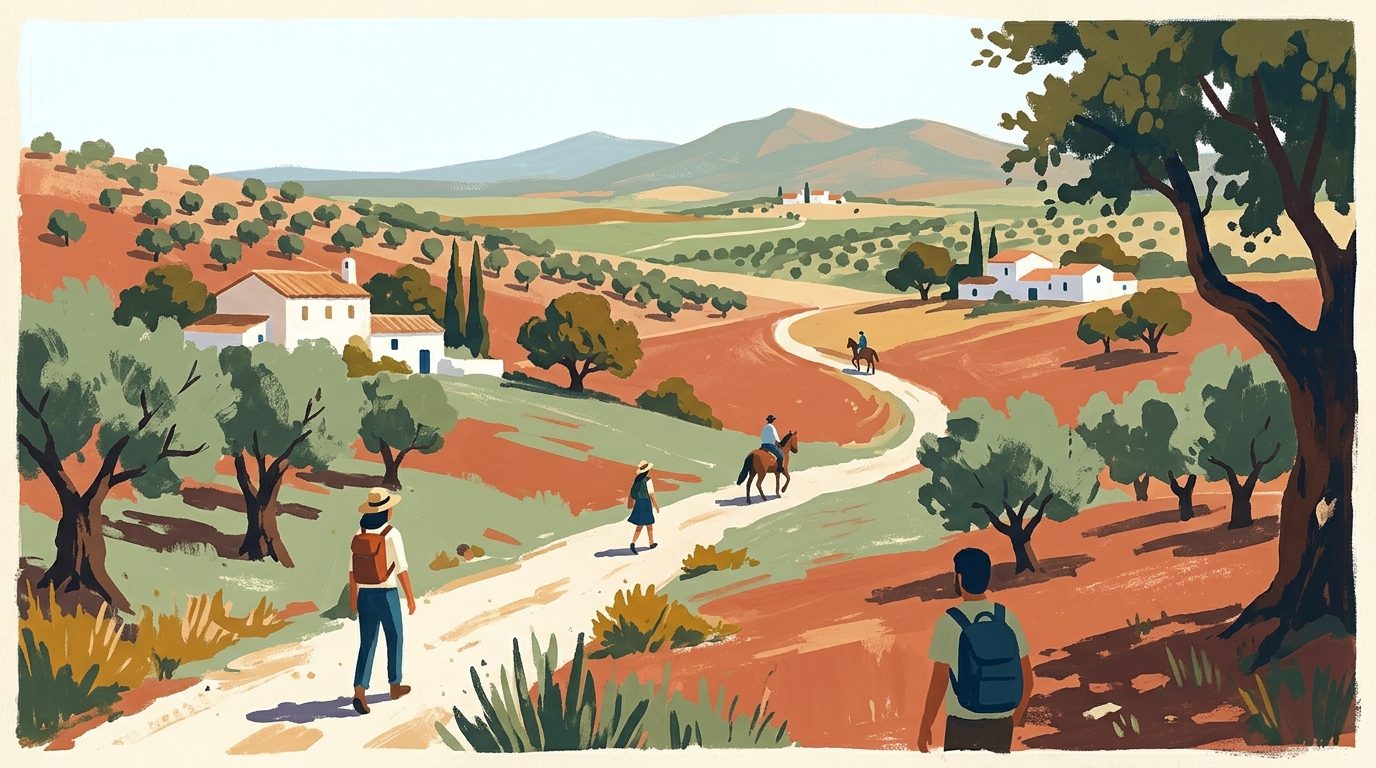
The Best Day Trips from Huelva
Huelva serves as the perfect launchpad for exploring the crimson Rio Tinto, the caves of Aracena, and the wild marshes of Doñana National Park.
6 min read
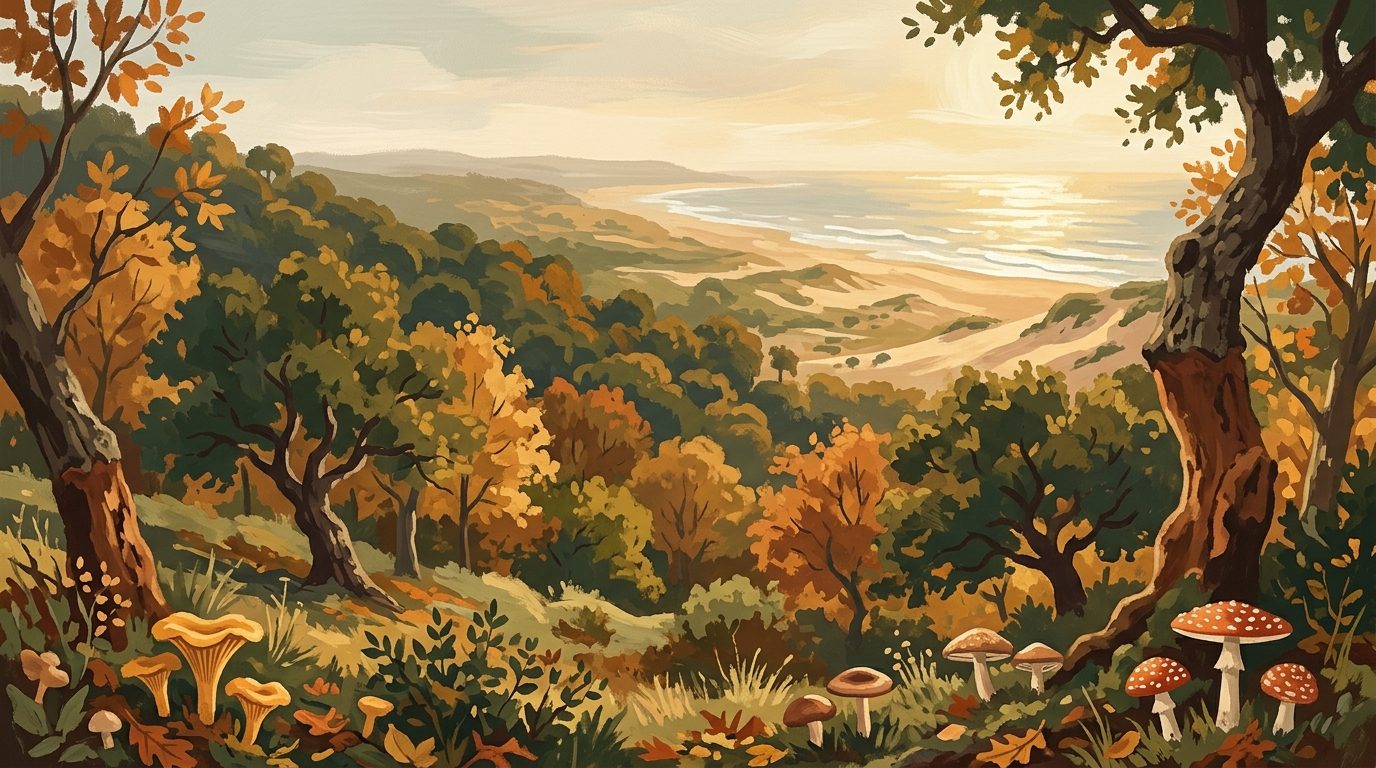
Huelva in October: Forests, Fungi, and Empty Atlantic Shores
October in Huelva sees the Atlantic heat soften into a gentle warmth, perfect for exploring the Sierra de Aracena as the first mushrooms appear. It is a month defined by the return of migratory birds to Doñana and the quietening of the Costa de la Luz.
6 min read
Newsletter
More stories from Andalucía
Weekly notes, seasonal picks, and the next guides worth bookmarking.