
Seasonal guide · Huelva
Huelva in November: A Season of Harvest and Mist
Experience Huelva at its most authentic in November, from the chestnut harvests of the Sierra de Aracena to the arrival of wintering birds in Doñana National Park.
By Dan · Updated 16 July 2026 · 7 min read
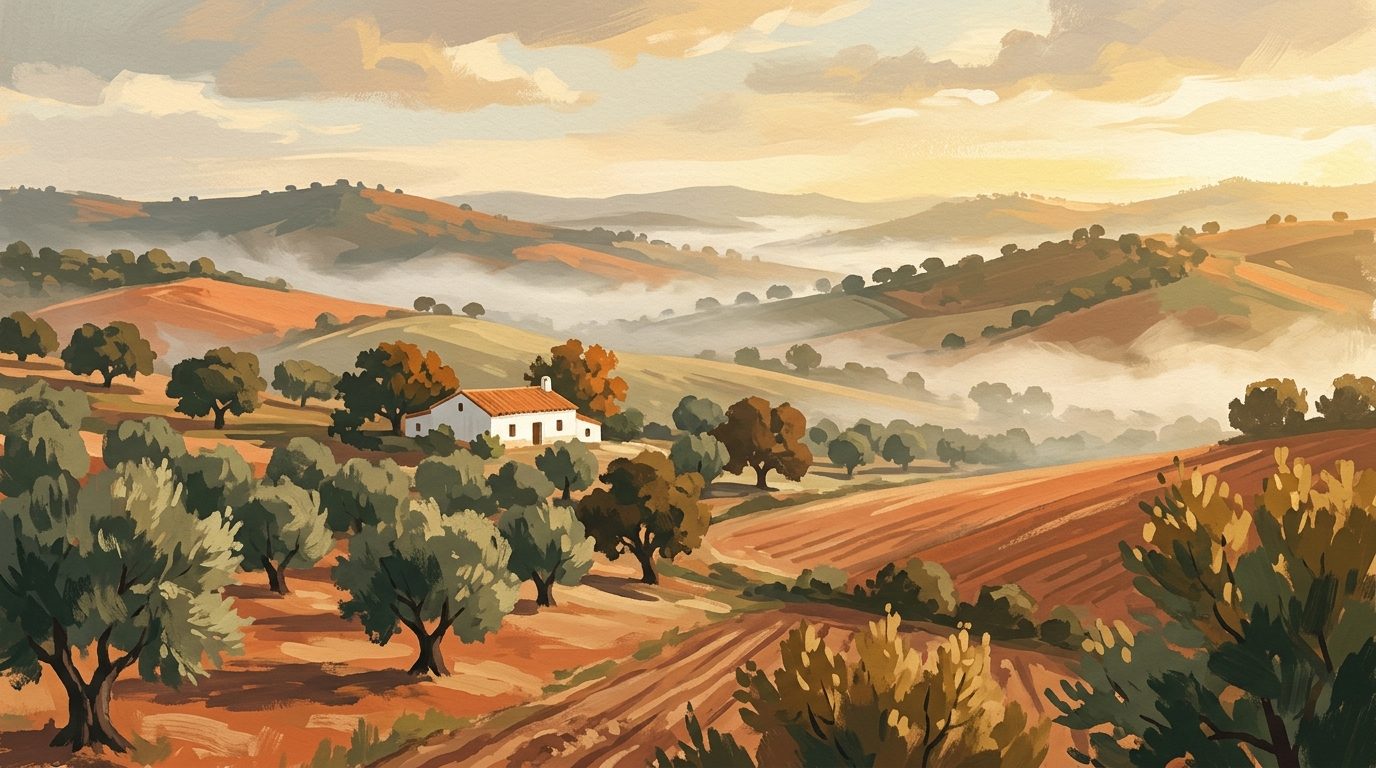
November in Huelva marks a shift from the Atlantic shore to the deep woods of the Sierra de Aracena, where the scent of woodsmoke and roasting chestnuts replaces the salt air of summer. This is the most authentic window into western Andalucía, offering a landscape defined by seasonal harvests and quiet, mist-shrouded villages.
What to Expect: The Province’s Quietest Turn
November is a month of transition and deep tradition in Huelva. While the beach resorts of Matalascañas and Punta Umbría enter a period of hibernation, the inland regions wake up with an intensity found at no other time of year. This is the province at its most honest. The summer crowds have vanished, leaving behind a stillness that allows for genuine interaction with the local culture and environment. In the south, the Doñana National Park becomes a sanctuary for thousands of wintering birds migrating from northern Europe. In the north, the Sierra de Aracena y Picos de Aroche transforms into a landscape of russet and gold as the chestnut trees shed their leaves.
For visitors, this month offers a slower pace. The air is crisp and cool, particularly in the evenings, which suits active exploration far better than the oppressive heat of July. You will find that service in restaurants is more personal, and the famous Huelva gastronomy (specifically the acorn-fed ham and wild mushrooms) is at its absolute peak. It is a time for long lunches by a fireplace, walking through dehesas (oak meadows), and observing the rhythm of rural life without the filter of mass tourism.
Weather: Crisp Air and Atlantic Rains
The weather in Huelva during November is variable, dictated largely by its proximity to the Atlantic Ocean. You should prepare for a mixture of bright, clear days and occasional heavy downpours. On the coast, daytime temperatures typically hover around 18°C to 20°C. While the water is too cold for swimming, the beaches remain pleasant for walking, often bathed in a soft, low-angled light that is a favourite for photographers.
Inland, specifically in the Sierra de Aracena, the climate is markedly different. Daytime highs rarely exceed 15°C, and once the sun sets, temperatures drop sharply to between 4°C and 7°C. Frost is not uncommon in the higher altitudes of the mountain range towards the end of the month. Rainfall increases across the province in November, with an average of 80mm to 90mm expected over the month. This rain is essential for the growth of wild mushrooms, the primary seasonal highlight. Visitors should pack layers: light cotton for sunny afternoons and heavy woollens or waterproof jackets for the cool, damp evenings in the mountains.
Events & Festivals
November’s calendar is rooted in the land and its produce. There are no major religious processions like those in spring, but rather community gatherings focused on the harvest.
Fiesta del Tostón
Typically held on the first weekend of November (or around the feast of All Saints, Todos los Santos), the Fiesta del Tostón is a celebration of the chestnut harvest. In villages like Castaño del Robledo and Fuenteheridos, locals gather to roast chestnuts (tostones) over open fires in the public squares. These are often served with local aguardiente (anise-flavoured spirit) or cinnamon-spiced sweets. It is a communal, warm event that signals the official start of winter in the mountains.
Jornadas Micológicas
Huelva is one of the premier locations in Europe for mycology. Throughout November, various towns including Aracena and Linares de la Sierra host Jornadas Micológicas (Mushroom Days). These events involve guided foraging expeditions into the cork oak forests, followed by exhibitions and specialised tasting menus in local taverns. Experts help identify species like the highly prized Amanita caesarea (Caesar’s mushroom) and the Boletus edulis.
Semana del Jamón in Jabugo
While the large annual fairs usually occur in autumn, November remains the critical month for Jamón Ibérico de Bellota. This is the start of the Montanera, the final fattening phase where the 100% Iberian pigs roam the oak forests to eat fallen acorns. Many bodegas in Jabugo offer specialised tours this month to explain the curing process, which benefits from the cold, dry mountain air that begins to settle in late November.
What to Do: Peaks, Pits, and Parks
The Mushroom and Chestnut Harvest
The primary activity in the Sierra this month is hiking with a purpose. The trails between Alájar, Linares de la Sierra, and Aracena are at their most beautiful. The ground is often covered in a thick carpet of leaves, and the damp earth provides the perfect conditions for fungi. Even if you are not an expert forager, the sight of the chestnut groves, their husks splitting open to reveal the nuts, is a seasonal spectacle worth the trip. (Consult the Andalucía tourism board for detailed trail maps and seasonal updates.)
Doñana National Park: Winter Arrivals
For birdwatchers, November is arguably better than the spring months. As the northern European marshes freeze, thousands of Greylag Geese and Greater Flamingos arrive in the marismas (marshes) of Doñana. The water levels usually begin to rise with the November rains, creating a mirror-like landscape. Exploring the park via a guided 4x4 tour from El Rocío is far more comfortable in the mild November air than in the summer heat, and the lack of crowds means the wildlife is less skittish. (For current access and conservation information, check the official Doñana visitor guide.)
Gruta de las Maravillas
Located directly under the town of Aracena, the Gruta de las Maravillas (Cave of Wonders) is a limestone cavern system featuring underground lakes and intricate stalactites. In the height of summer, queues can last hours. In November, you can often walk straight in. The temperature inside the cave remains a constant 16°C to 19°C year-round, making it a perfect retreat if you encounter a rainy November afternoon.
The Tinto River Mines
The Parque Minero de Río Tinto provides a stark contrast to the green mountains. The river, famous for its deep red, acidic water, looks particularly striking under the moody, overcast skies of November. You can ride the old mining train through the valley, seeing the oxidised landscapes that NASA scientists have used to study Mars. The cooler weather makes exploring the Victorian-era mining village of Bella Vista much more enjoyable.
Who Should Visit?
- Hikers: The temperatures are perfect for long-distance treks through the Sierra de Aracena without the risk of heatstroke.
- Food Lovers: This is the prime month for seasonal delicacies including wild mushrooms, chestnuts, and the freshest Ibérico pork products.
- Birdwatchers and Nature Photographers: The migration patterns in Doñana and the soft autumn light offer world-class opportunities.
- Peace Seekers: Those looking to escape the noisy tourist hubs of the Costa del Sol will find a quiet, meditative atmosphere here.
- Budget Travellers: Accommodation rates in coastal areas drop significantly, and even in the popular Sierra, mid-week prices are very reasonable.
Practical Notes
Crowds: On the coast, there are virtually no crowds. In the Sierra, weekends can see a small influx of visitors from Sevilla and Huelva city coming for lunch, but even then, it is never overwhelming. Weekdays are incredibly quiet.
Prices: This is a low-to-mid-season month. You can find excellent value in rural guesthouses and boutique hotels. Expect to pay less for car rentals compared to the spring and summer peaks.
Booking Advice: If you plan to visit the Gruta de las Maravillas on a weekend, it is still wise to book online a day in advance, though it is rarely necessary on weekdays. If you want to dine at the top-tier restaurants in Jabugo or Aracena on a Sunday, a reservation is essential as these are popular with local families.
Transportation: A car is essential for Huelva in November. Public transport to the smaller mountain villages is infrequent, and having your own vehicle allows you to chase the clear weather between the coast and the mountains.
Monthly Verdict
Huelva in November is a connoisseur’s choice. It sacrifices the traditional sun-and-sea appeal of Andalucía for something much deeper: a connection to the earth and the seasons. For watching thousands of geese descend upon the Doñana marshes or sitting by a fire in a mountain tavern with a plate of grilled boletus, the province feels authentic and welcoming.It is the best month for those who prefer boots and sweaters over sandals and swimwear, and for anyone who believes that the true heart of a place is found in its harvest.
Last reviewed: 21 June 2026 · Editorial policy
Related guides
Huelva in January: Birdlife and Mountain Mist
January in Huelva offers the peak of the Doñana bird migration, atmospheric mountain escapes in the Sierra de Aracena, and the freshest Jamón Ibérico of the year.
6 min read
Huelva in December: A Guide to Winter in Spain's Wild West
Experience the quiet majesty of Huelva in December, from the world-class birdwatching in Doñana to the cosy, wood-fired traditions of the Sierra de Aracena.
6 min read
Huelva in October: Forests, Fungi, and Empty Atlantic Shores
October in Huelva sees the Atlantic heat soften into a gentle warmth, perfect for exploring the Sierra de Aracena as the first mushrooms appear. It is a month defined by the return of migratory birds to Doñana and the quietening of the Costa de la Luz.
6 min read
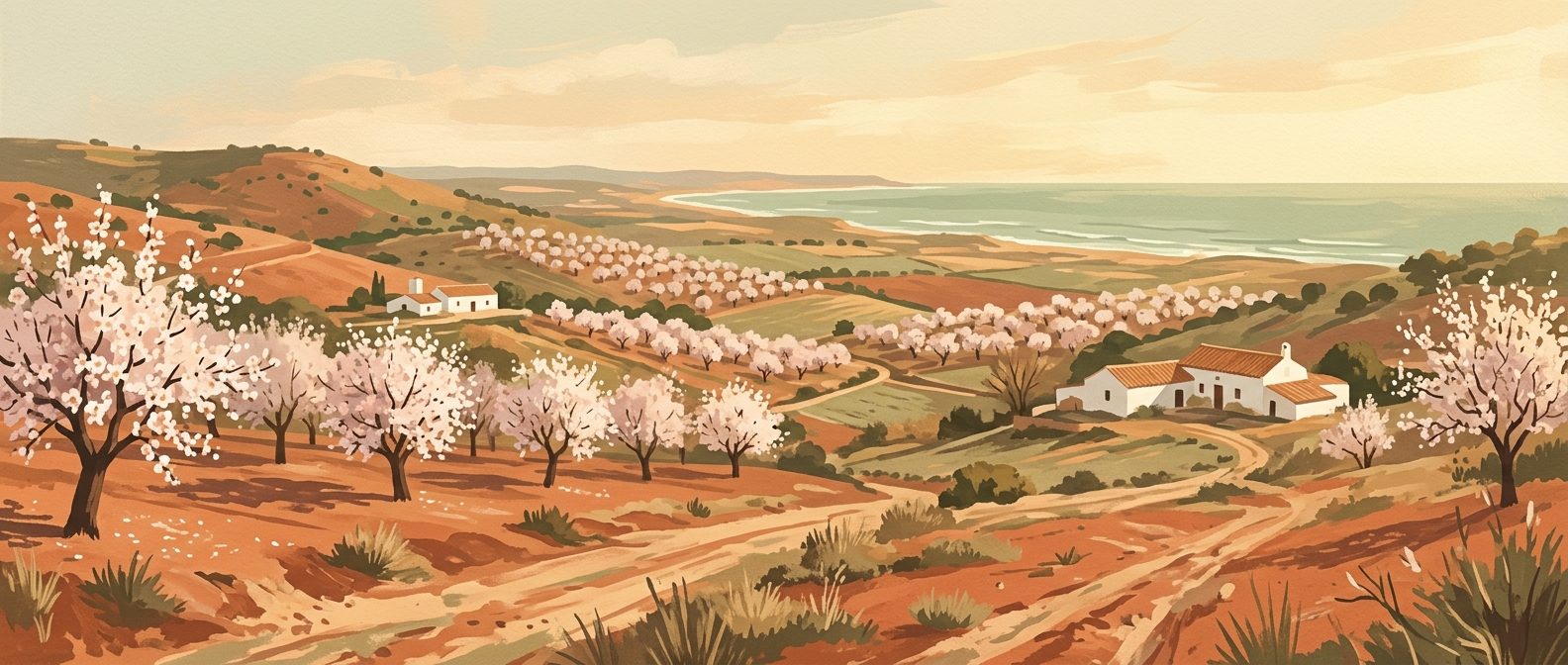
Huelva in February: Almond Blossom and Atlantic Solitude
Experience Huelva in February, from the blooming almond orchards of the Sierra de Aracena to the flamingo gatherings in Doñana National Park.
6 min read
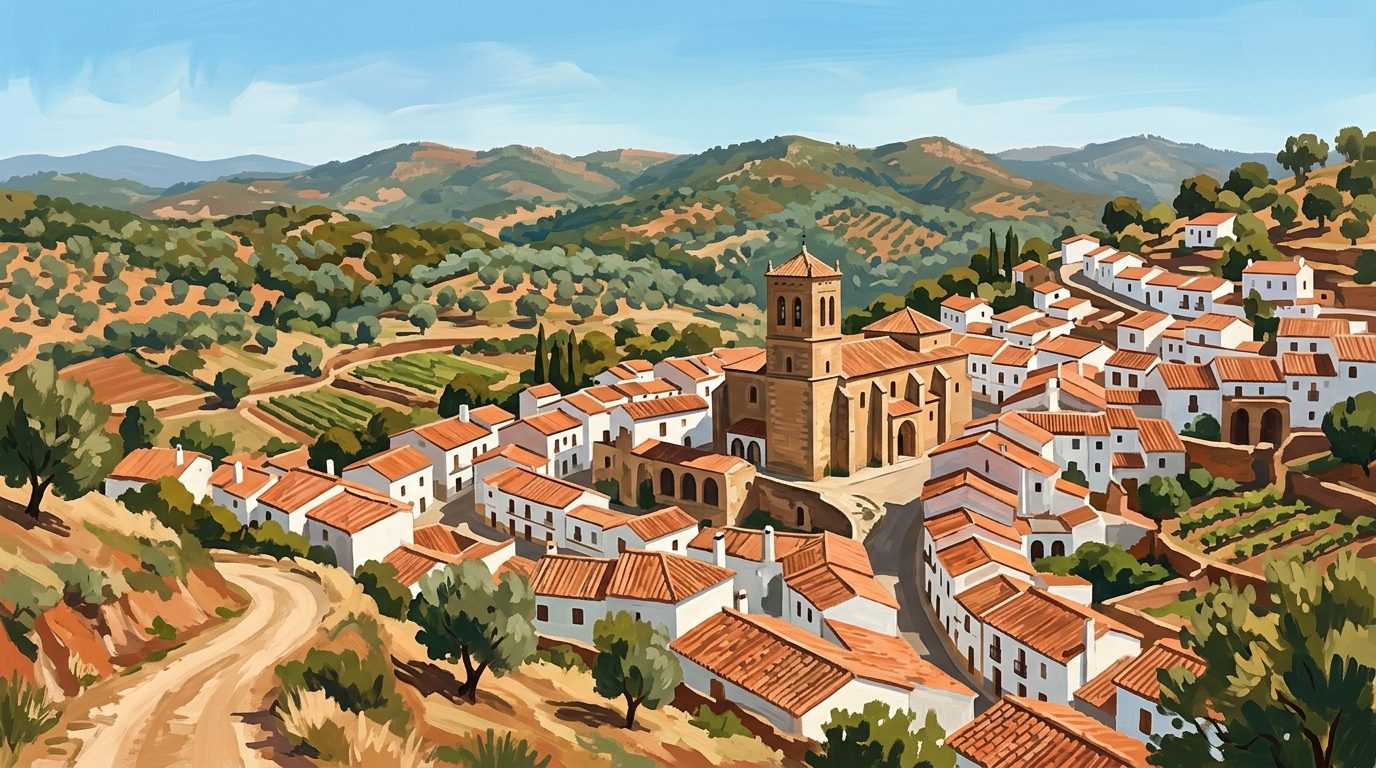
Jabugo: A Guide to the World Capital of Jamón Ibérico
Discover Jabugo, the legendary village in Huelva's Sierra de Aracena where the world's finest Ibérico ham is produced through centuries-old artisanal traditions.
6 min read
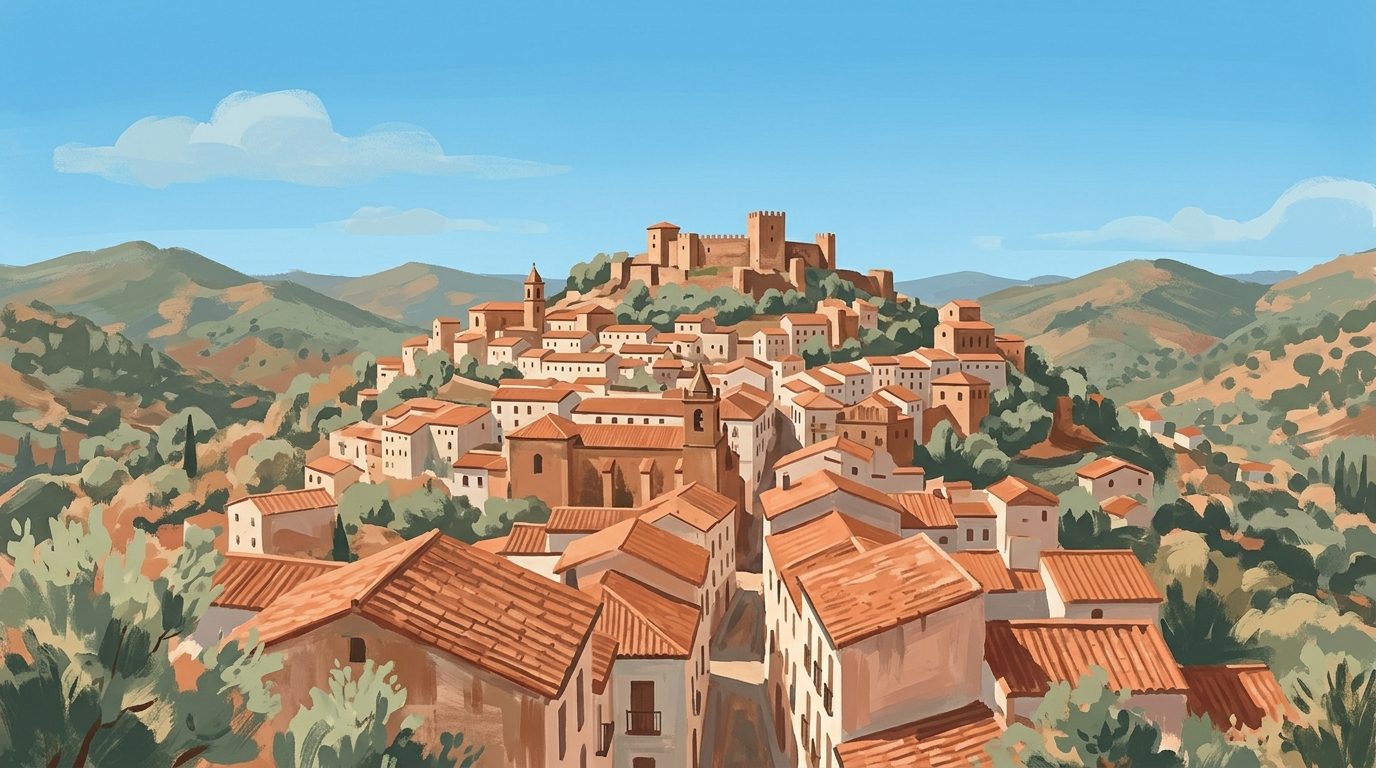
Exploring Aracena: From Subterranean Wonders to Gourmet Traditions
Aracena stands as the administrative and cultural heart of Huelva’s northern mountain range, famous for its underground water-formed caves and world-class cured ham. Above ground, the town is a network of whitewashed streets that climb towards a medieval fortress.
6 min read
More from Huelva
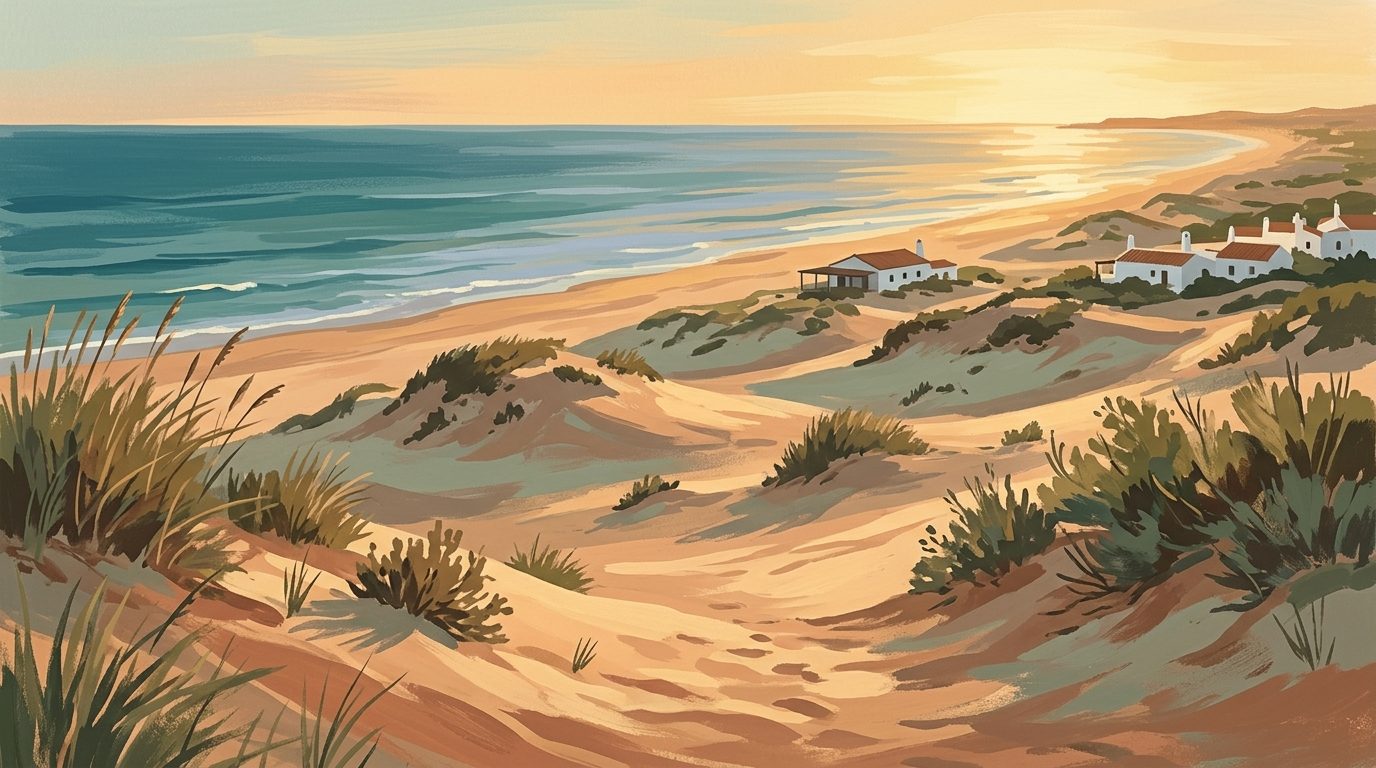
Huelva in July: Atlantic Breezes and Endless Sands
Experience the vast Atlantic beaches and fresh seafood of Huelva in July, where cool sea breezes provide a welcome escape from the Andalucían summer heat.
6 min read
Huelva in September: Warm Atlantic Waters and the Harvest Moon
September in Huelva marks a gentle transition where the intense Atlantic summer heat softens into a golden warmth, leaving the wide beaches to those who value quietude.
6 min read
Huelva in August: Atlantic Breezes and the High Summer Rhythm
Experience the authentic Spanish summer in Huelva this August. From the cooling Atlantic breezes of Islantilla to the festive nights of the Colombinas, discover a province in its peak season.
6 min read
Huelva in March: Wildflowers, Wetlands, and Quiet Hills
March in Huelva signals a quiet awakening where the Atlantic breeze meets the scent of budding rockrose in the northern hills. It is a time of soft light and solitude before the summer heat settles over the western edge of Andalucía.
6 min read
Huelva in May: Pilgrimages, Pine Forests and the Peak of Nature
Experience the sensory peak of the Atlantic coast as a million pilgrims converge on the marshes for the Romería del Rocío and the Sierra de Aracena offers prime hiking and wild strawberries.
6 min read
Huelva in April: Wildflowers, Wetlands and Early Spring Pilgrimages
Discover Huelva in April, a month of extraordinary natural beauty where the Doñana wetlands come alive with migratory birds and the Sierra de Aracena is carpeted in wildflowers.
7 min read
Huelva in June: Atlantic Breezes and the Arrival of Summer
Experience the best of the Costa de la Luz in June, from the wild horse roundups in Doñana to the first grilled sardines of the season on Huelva's vast Atlantic beaches.
6 min read
Newsletter
More stories from Andalucía
Weekly notes, seasonal picks, and the next guides worth bookmarking.