
Seasonal guide · Huelva
Huelva in December: A Guide to Winter in Spain's Wild West
Experience the quiet majesty of Huelva in December, from the world-class birdwatching in Doñana to the cosy, wood-fired traditions of the Sierra de Aracena.
By Dan · Updated 7 June 2026 · 6 min read
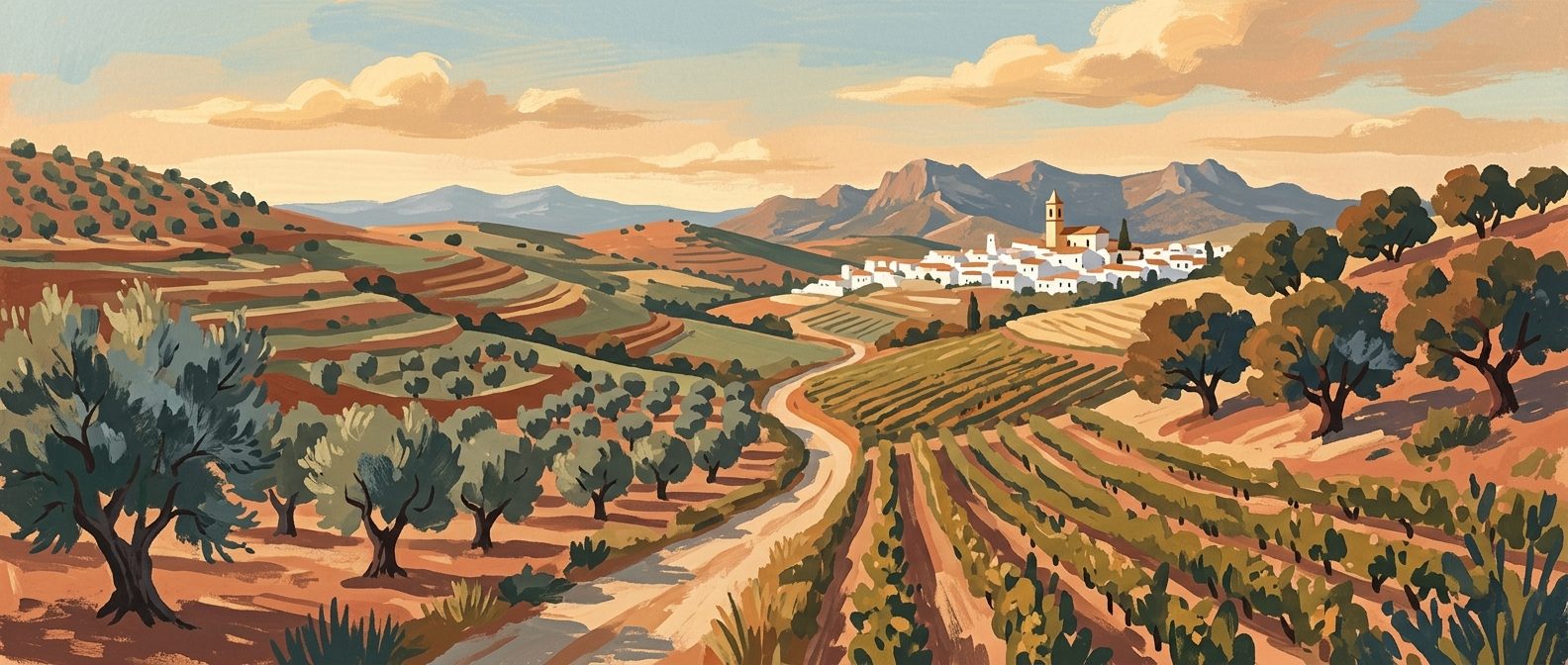
Huelva in December is a place of sharp mornings and long, golden sunsets, where the smell of woodsmoke in the Sierra de Aracena meets the salt air of the Atlantic. It is the peak season for those seeking the finest Ibérico hams and the quiet majesty of winter wildlife in Doñana.
December in Huelva is defined by a distinct lack of crowds and a sharp, refreshing clarity to the air. While much of Northern Europe remains grey and damp, this southwestern corner of Spain offers a mix of Atlantic light and earthy, wood-fired warmth. During this month, the province sheds its summer beach identity to reveal a deeply traditional heart. The focus shifts away from the sand and toward the cork oak forests of the north and the expansive salt marshes of the south.
This is a month of transition. On the coast, the Atlantic breezes are stiff and cool, keeping the beaches empty and the horizons clear. Inland, the Sierra de Aracena and Picos de Aroche become the focal point of provincial life. Here, the temperature drops significantly, and the lifestyle revolves around the hearth, the seasonal harvest of acorns, and the preparation for Christmas. It is a period of quietude, punctuated by intense local traditions and some of the best culinary experiences to be found in the Iberian Peninsula.
Weather in December
The weather in Huelva during December varies significantly depending on your proximity to the ocean. Generally, it is one of the wettest months of the year, though rain typically falls in heavy, short-lived bursts followed by clear blue skies rather than persistent drizzle.
The Coast and Huelva City
Along the Costa de la Luz, daytime temperatures usually hover around 16°C to 18°C. When the sun is out, it can feel surprisingly warm, but as soon as it drops below the horizon, the damp sea air makes the 8°C or 9°C nights feel much colder. You will need a windproof jacket for the shore and layers for the city.
The Sierra de Aracena
In the northern mountains, the climate is much more continental. Expect crisp, frosty mornings where temperatures can dip to 0°C or 2°C. Daytime highs rarely exceed 12°C or 13°C. The air here is dry and biting, requiring heavy knitwear, scarves, and coats. However, the lack of humidity in the mountains often results in spectacular visibility, making it the best time of year for landscape photography.
Events & Festivals
December is a month of religious observance and family gatherings, and Huelva possesses some unique traditions that set it apart from the rest of Andalucía.
Belén Viviente de Beas (Living Nativity of Beas)
Running from late November through to early January, the town of Beas hosts the oldest living nativity scene in Andalucía. This is not a static display; it involves over 150 volunteers and live animals, recreating biblical scenes alongside traditional Huelva country life. It is an essential cultural touchstone for the province and provides a fascinating look at local agricultural heritage. For the 2026/27 season, it is advisable to check the official Ayuntamiento de Beas website for specific session times, as it usually opens on weekends and public holidays.
Puente de la Inmaculada
The period around 6 December (Día de la Constitución) and 8 December (Inmaculada Concepción) is a major public holiday across Spain. In Huelva, this is the unofficial start of the Christmas season. Towns like Aracena and Almonaster la Real fill with Spanish visitors from Sevilla and Huelva city, creating a social, lively atmosphere in the village squares.
Zambombas
While most famous in Jerez, the Zambomba (a traditional Christmas song circle) is also common in Huelva’s smaller villages. These are informal gatherings where neighbours sing flamenco-influenced carols around a fire, often accompanied by the friction drum that gives the event its name.
What to Do in Huelva in December
Winter Wildlife in Doñana National Park
December is arguably the best month for naturalists to visit the Doñana National Park. As temperatures drop, the ánsares (greylag geese) arrive in their thousands from Northern Europe, filling the skies and the marshes. Furthermore, December marks the beginning of the breeding season for the Lince Ibérico (Iberian Lynx). Because the weather is cooler, these elusive cats are more active during the daylight hours, significantly increasing your chances of a sighting during a guided 4x4 tour from El Rocío.
Jamón Shopping in Jabugo
December is the peak of the Montanera, the period when the 100% Ibérico pigs roam the dehesa (oak range) eating acorns. It is also the busiest time for the ham producers in Jabugo. Visiting the town in December allows you to see the local industry at full tilt. The shops are packed with locals buying whole legs of Jamón de Bellota for Christmas. It is an excellent time to visit a secadero (drying room) to learn about the curing process before warming up with a plate of freshly carved ham and a glass of local sherry.
The Gruta de las Maravillas
If the December rain does arrive, the Gruta de las Maravillas (Cave of Wonders) in Aracena is the perfect refuge. The temperature inside the cave system remains a constant 16°C to 19°C year-round, making it feel positively balmy compared to a frosty morning outside. The stalactites and underground lakes are illuminated beautifully, and without the summer crowds, the experience feels much more intimate.
Hiking the Pine and Chestnut Forests
The walking trails between Alájar, Linares de la Sierra, and Aracena are at their most atmospheric in December. The chestnut trees have dropped their leaves, creating a golden carpet on the forest floor, and the pine forests are deep green and fragrant. The air is cool enough for vigorous hiking without the risk of heat exhaustion, and you will often have the trails entirely to yourself.
Who Should Visit?
- Wildlife Enthusiasts: For the arrival of migratory birds and peak lynx-spotting conditions.
- Gourmands: To experience the height of the Jamón Ibérico season and the start of the wild mushroom harvests if the autumn was wet.
- Photographers: For the low winter sun, dramatic Atlantic coastlines, and the mist-filled valleys of the Sierra.
- Culture Lovers: For those who want to experience Spanish Christmas traditions without the commercialism of the big cities.
Practical Notes
Crowds: On the coast and in Huelva city, December is very quiet. However, the Sierra de Aracena is a popular weekend retreat. During the Puente de la Inmaculada (the week of 6 to 8 December), the mountain villages can be very busy, and accommodation prices will rise accordingly. Outside of these dates, the province is peaceful.
Prices: Expect lower rates for coastal hotels, many of which offer significant discounts to fill rooms out of season. In the mountains, prices are stable, but you must book well in advance for Christmas and the early December holidays.
Booking Advice: If you plan to visit the Gruta de las Maravillas, book your tickets online via the official Aracena tourism website several days in advance, as they limit numbers per hour. For Doñana tours, booking at least a week ahead through the official Doñana park operators is advised, especially for the popular morning slots when wildlife is most active.
Monthly Verdict
December in Huelva is a connoisseur’s month. It rewards those who prefer a fire-lit tavern to a beach bar and a pair of hiking boots to sandals. While you may encounter some rain, the trade-off is the chance to see Doñana’s wetlands at their most populated and the Sierra’s culinary culture at its most authentic. It is a time for slow travel, long lunches, and appreciating the raw, natural beauty of Spain's southwestern frontier.
Last reviewed: 21 June 2026 · Editorial policy
Related guides
Huelva in January: Birdlife and Mountain Mist
January in Huelva offers the peak of the Doñana bird migration, atmospheric mountain escapes in the Sierra de Aracena, and the freshest Jamón Ibérico of the year.
6 min read
Huelva in November: A Season of Harvest and Mist
Experience Huelva at its most authentic in November, from the chestnut harvests of the Sierra de Aracena to the arrival of wintering birds in Doñana National Park.
7 min read
Huelva in October: Forests, Fungi, and Empty Atlantic Shores
October in Huelva sees the Atlantic heat soften into a gentle warmth, perfect for exploring the Sierra de Aracena as the first mushrooms appear. It is a month defined by the return of migratory birds to Doñana and the quietening of the Costa de la Luz.
6 min read
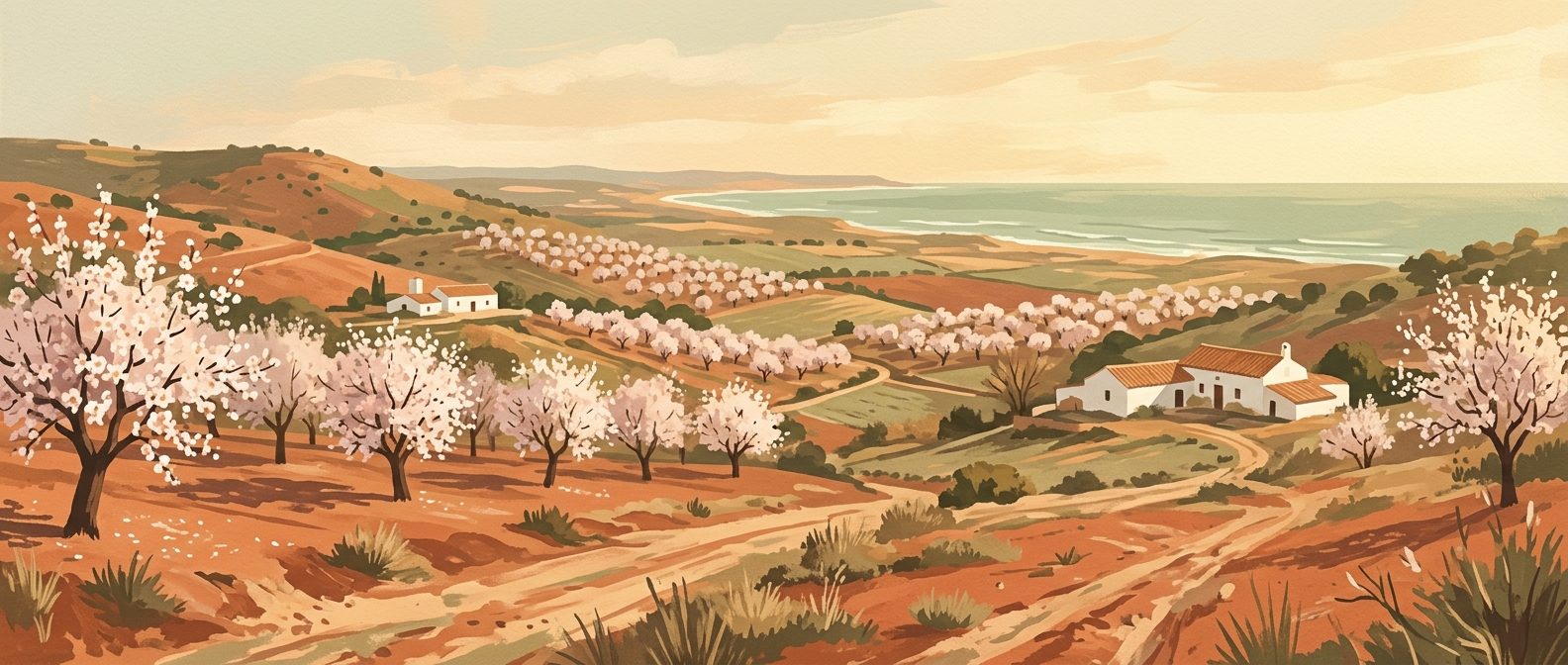
Huelva in February: Almond Blossom and Atlantic Solitude
Experience Huelva in February, from the blooming almond orchards of the Sierra de Aracena to the flamingo gatherings in Doñana National Park.
6 min read
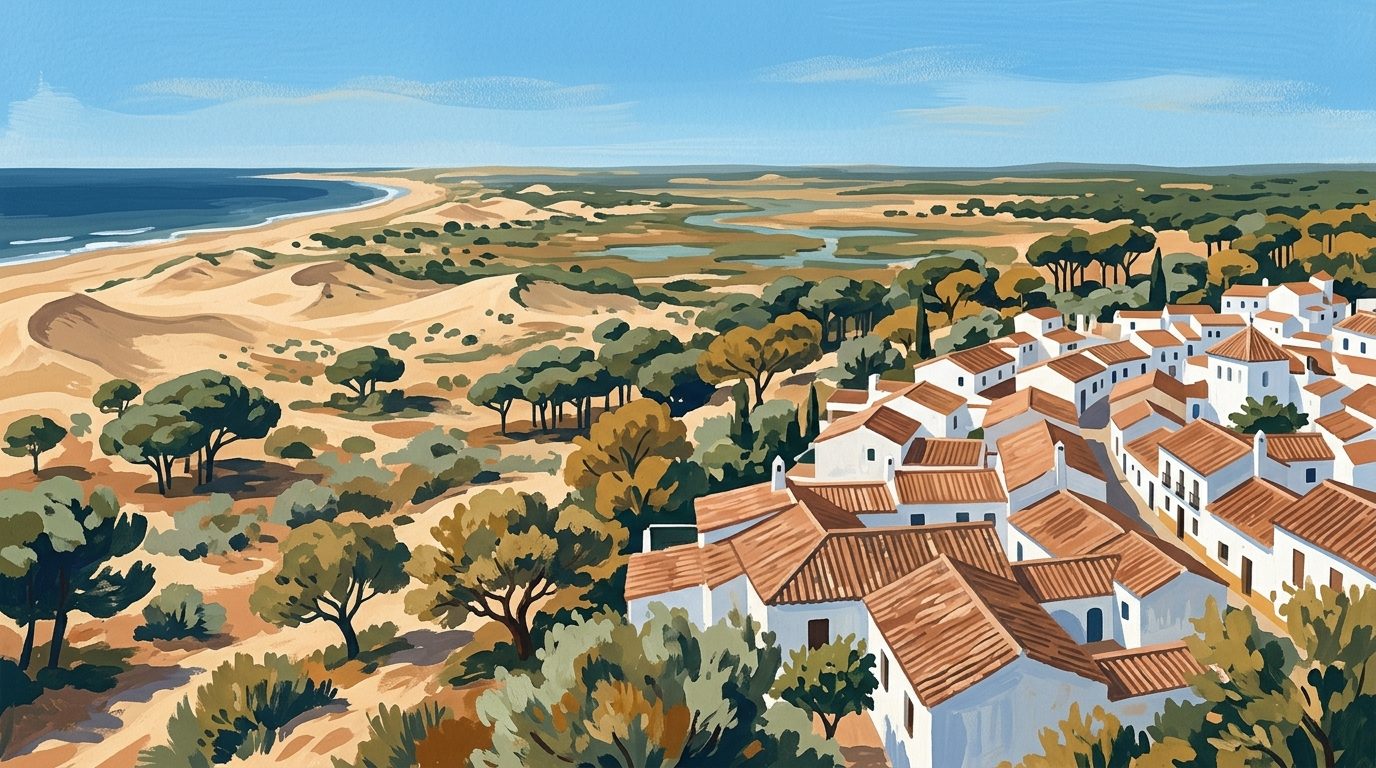
Where the Sands Shift and the Marismas Breathe: A Guide to Doñana
Discover the wild Atlantic coast of Huelva, where the shifting dunes of Doñana meet the sand-paved streets of El Rocío and the pristine beaches of Mazagón.
8 min read
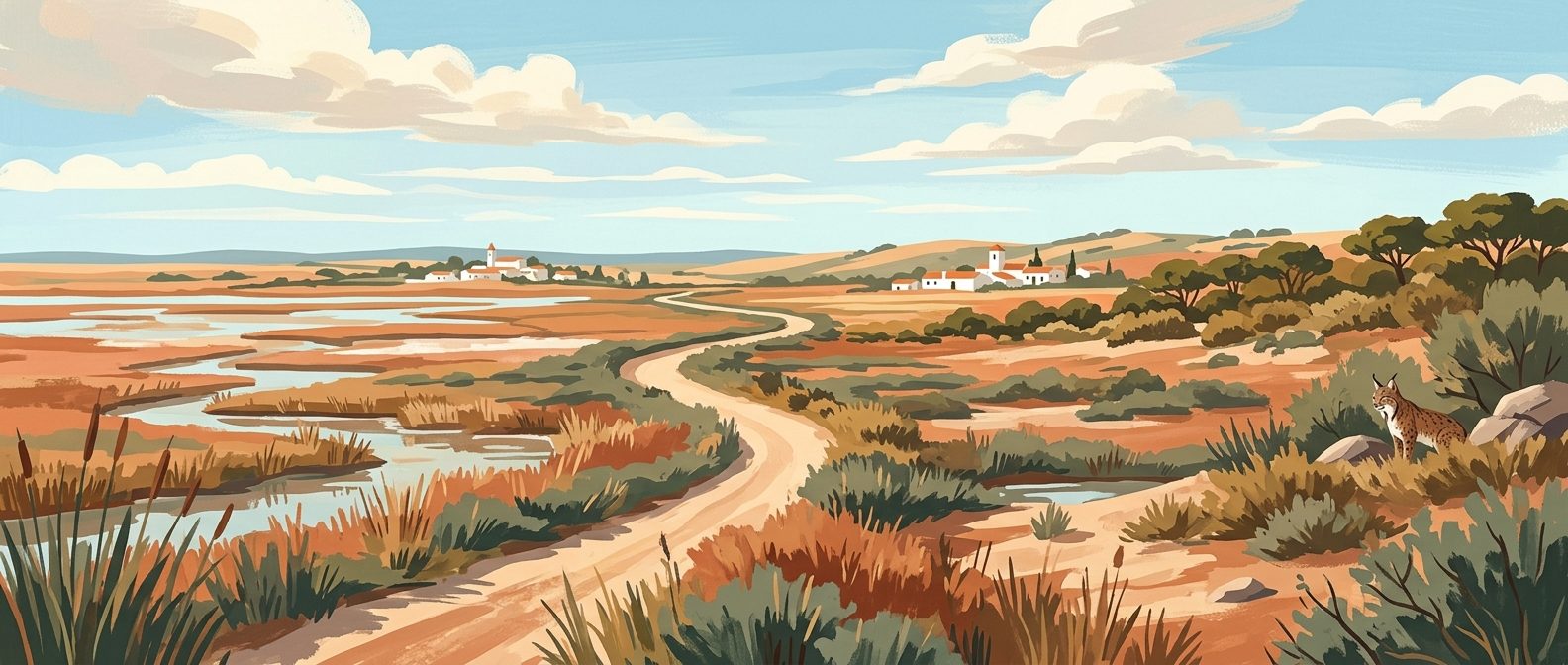
Doñana National Park Guide: Marshes, Lynx, and Restricted Zones
A shifting landscape of tidal marshes, ancient pine forests, and wind-sculpted dunes, Doñana is Europe's most crucial wetland reserve. Navigating its restricted zones requires planning, but the reward is encountering Iberian lynx and thousands of migratory flamingos in total wilderness.
9 min read
More from Huelva
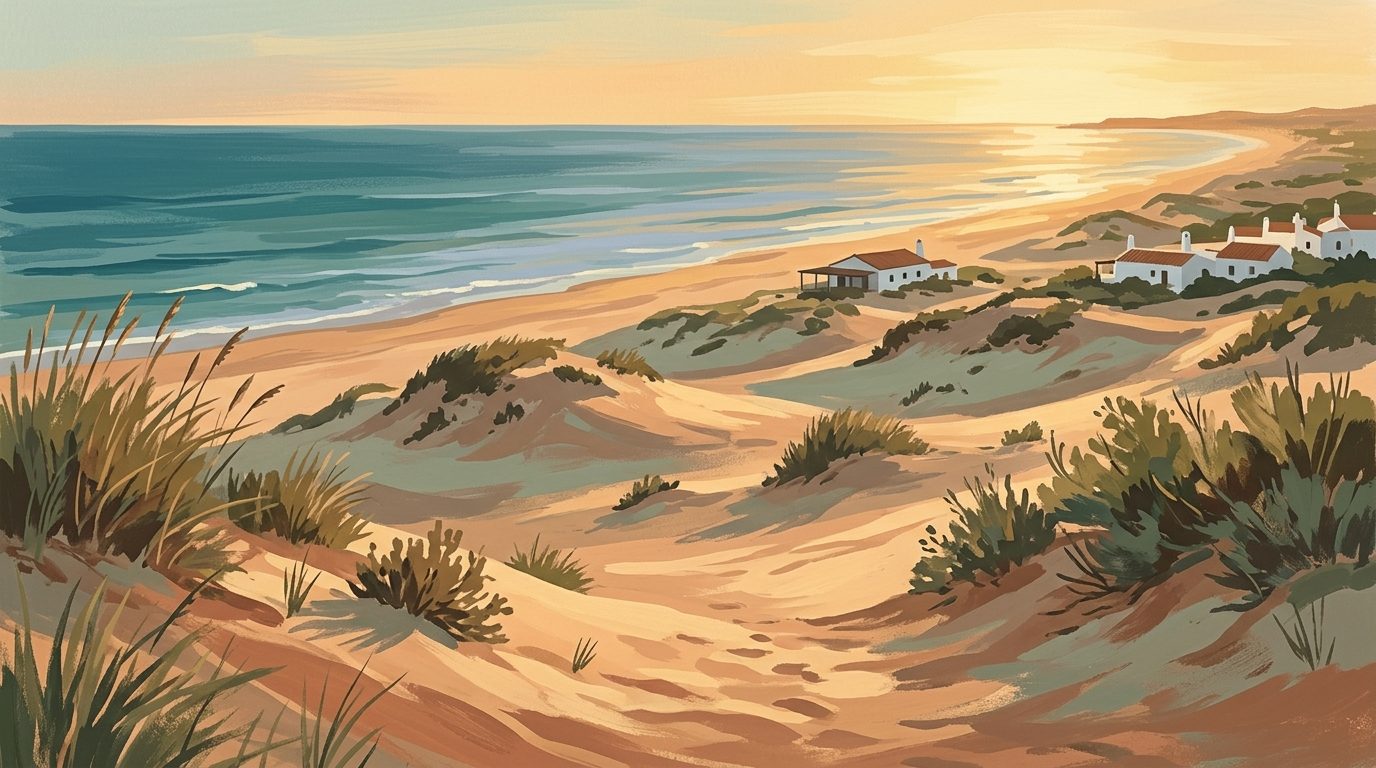
Huelva in July: Atlantic Breezes and Endless Sands
Experience the vast Atlantic beaches and fresh seafood of Huelva in July, where cool sea breezes provide a welcome escape from the Andalucían summer heat.
6 min read
Huelva in September: Warm Atlantic Waters and the Harvest Moon
September in Huelva marks a gentle transition where the intense Atlantic summer heat softens into a golden warmth, leaving the wide beaches to those who value quietude.
6 min read
Huelva in August: Atlantic Breezes and the High Summer Rhythm
Experience the authentic Spanish summer in Huelva this August. From the cooling Atlantic breezes of Islantilla to the festive nights of the Colombinas, discover a province in its peak season.
6 min read
Huelva in March: Wildflowers, Wetlands, and Quiet Hills
March in Huelva signals a quiet awakening where the Atlantic breeze meets the scent of budding rockrose in the northern hills. It is a time of soft light and solitude before the summer heat settles over the western edge of Andalucía.
6 min read
Huelva in May: Pilgrimages, Pine Forests and the Peak of Nature
Experience the sensory peak of the Atlantic coast as a million pilgrims converge on the marshes for the Romería del Rocío and the Sierra de Aracena offers prime hiking and wild strawberries.
6 min read
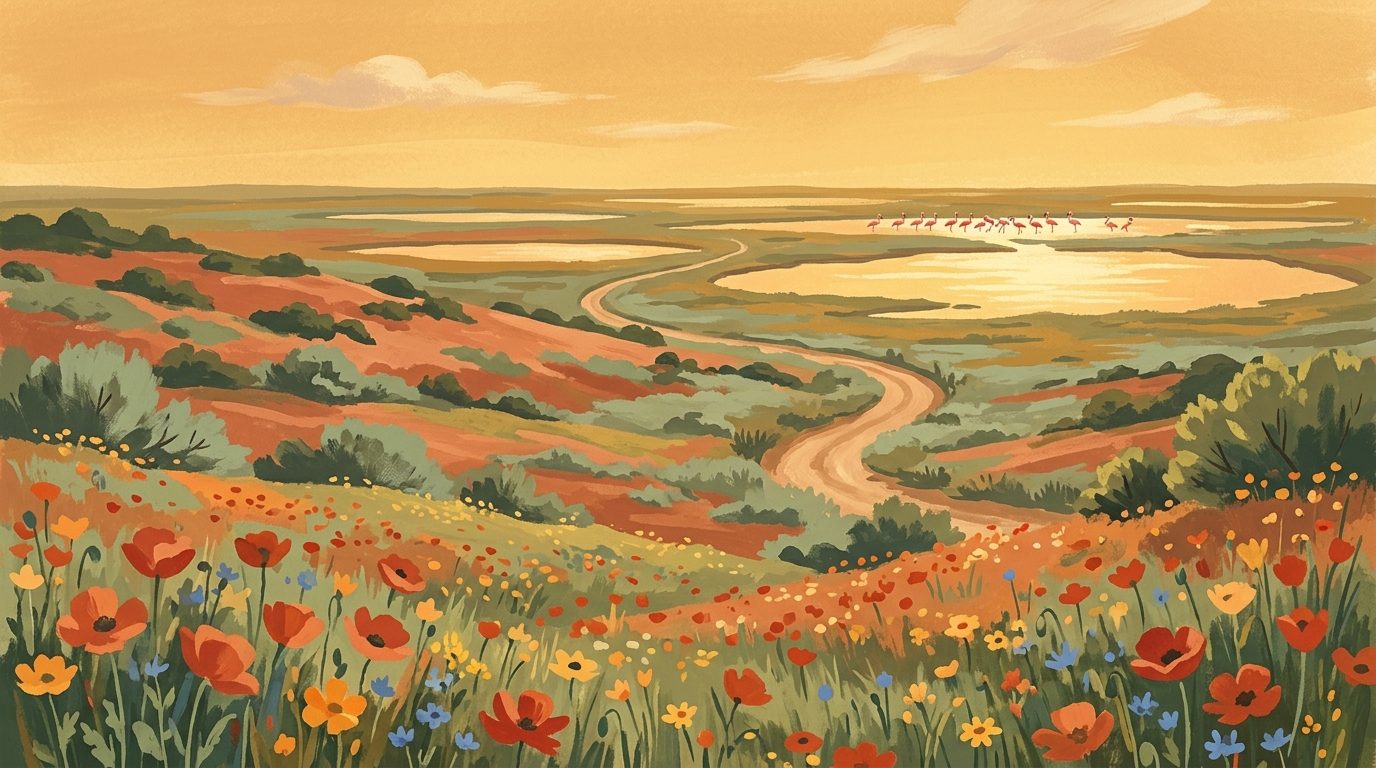
Huelva in April: Wildflowers, Wetlands and Early Spring Pilgrimages
Discover Huelva in April, a month of extraordinary natural beauty where the Doñana wetlands come alive with migratory birds and the Sierra de Aracena is carpeted in wildflowers.
7 min read
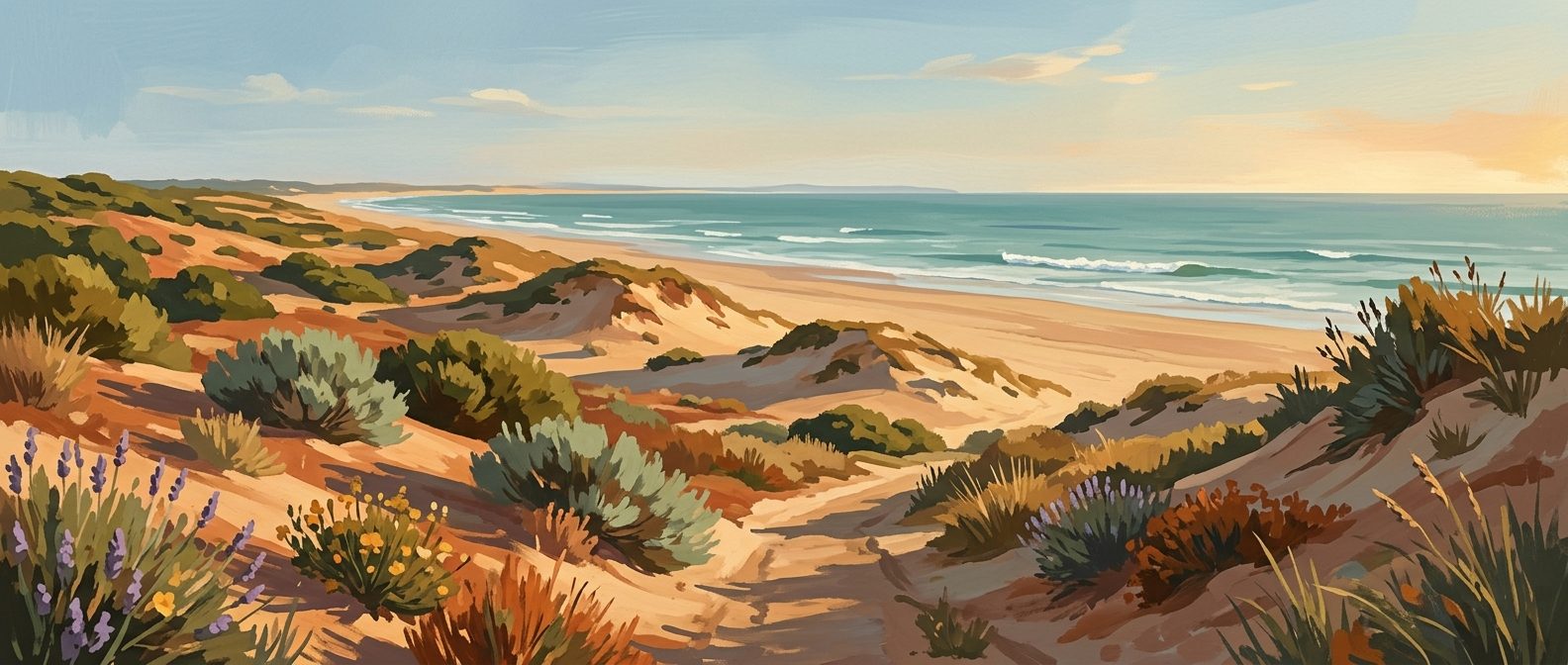
Huelva in June: Atlantic Breezes and the Arrival of Summer
Experience the best of the Costa de la Luz in June, from the wild horse roundups in Doñana to the first grilled sardines of the season on Huelva's vast Atlantic beaches.
6 min read
Newsletter
More stories from Andalucía
Weekly notes, seasonal picks, and the next guides worth bookmarking.