
Seasonal guide · Huelva
Huelva in May: Pilgrimages, Pine Forests and the Peak of Nature
Experience the sensory peak of the Atlantic coast as a million pilgrims converge on the marshes for the Romería del Rocío and the Sierra de Aracena offers prime hiking and wild strawberries.
By Dan · Updated 7 June 2026 · 6 min read
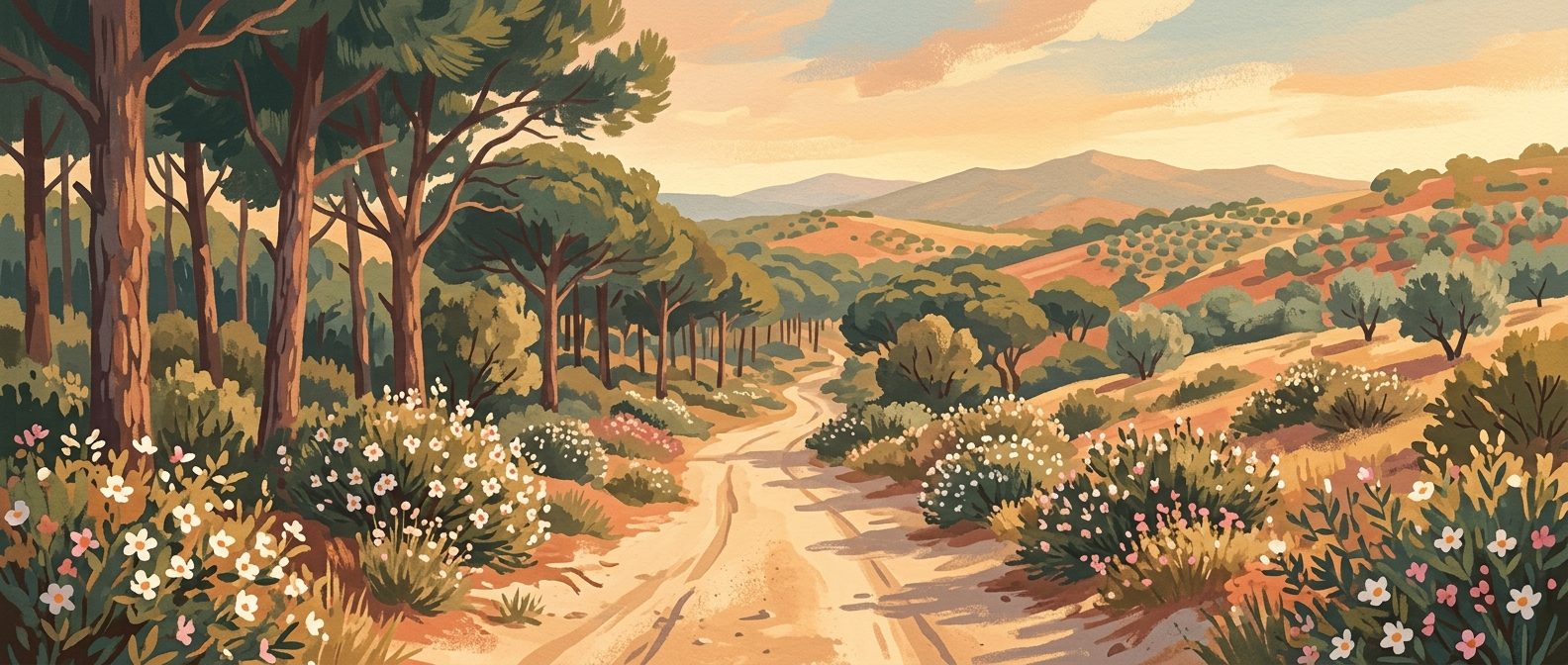
Huelva in May is defined by the heavy, resinous scent of rockrose in the Sierra and the sight of dust clouds rising from the ancient pilgrimage paths leading toward the Atlantic. It is a month where the province transitions from the freshness of spring into a spirited, high-energy anticipation of summer.
May is arguably the most significant month in the Huelva calendar. While other Andalucían provinces focus on city fairs, Huelva turns its eyes toward the earth and the heavens. This is the month of the Romería del Rocío, an event of such scale that it fundamentally alters the rhythm of the entire province. Beyond the religious fervour, the landscape is at its most generous. The marshes of Doñana are teeming with life before the summer sun parches the wetlands, and the northern mountains offer a cool, green sanctuary for those looking to escape the growing heat of the plains.
What to Expect in May
To visit Huelva in May is to witness a province in motion. This is not a quiet time, particularly in the latter half of the month when the Pentecost approaches. You will see hermandades (religious brotherhoods) travelling by ox-cart and horseback through the countryside, a spectacle that feels centuries old. The atmosphere is one of communal celebration, deeply rooted in local identity.
Geographically, Huelva offers three distinct experiences this month. The Costa de la Luz provides bright, breezy days where the Atlantic influence keeps the air sharp and clean. The Doñana National Park, a vast expanse of wetlands and dunes, reaches its ecological peak. Finally, the Sierra de Aracena y Picos de Aroche in the north remains lush and temperate, offering a stark contrast to the drier south. This is the peak of the strawberry harvest in the lowlands and the beginning of the wild strawberry season in the mountains, meaning the local markets are filled with exceptional produce.
Weather and Climate
The weather in May is generally stable, though the Atlantic proximity means Huelva avoids the oppressive heat found in Sevilla or Córdoba at this time of year. Rainfall is infrequent, typically limited to four or five days in the month, usually appearing as light spring showers rather than heavy storms.
The Coast and Lowlands
On the coast (places like Matalascañas, Punta Umbría, and Isla Cristina), daytime temperatures hover around 24°C. The sea breeze is constant, which makes it feel cooler than the thermometer suggests. Evenings are pleasant at roughly 14°C, though you will need a light jacket for outdoor dining. The Atlantic remains cold, around 17°C, so swimming is generally reserved for the hardy, though sunbathing is very popular.
The Sierra de Aracena
In the northern mountains, the climate is noticeably milder. Daytime highs reach 21°C, making it the perfect temperature for long-distance hiking. At night, however, the temperature can drop to 10°C. If you are staying in a traditional stone house in a village like Alájar or Linares de la Sierra, you will find the interiors remain quite cool.
What to wear: Layers are essential. Cotton and linen are ideal for the daytime, but a medium-weight jumper or a light windbreaker is necessary for the evenings and early mornings, especially if you are near the water or in the mountains.
Events & Festivals
Romería del Rocío
The Romería del Rocío (The Pilgrimage of El Rocío) is the defining event of May. Occurring over Pentecost weekend (falling on 24 May in 2026), it sees roughly one million people converge on the small village of El Rocío. The village itself is unique; its streets are unpaved sand to accommodate the thousands of horses and ox-carts that arrive from all over Andalucía.
The event culminates in the "saltada de la reja" (jumping of the fence) in the early hours of Monday morning, when members of the Almonte brotherhood carry the statue of the Virgen del Rocío through the village. It is loud, crowded, and intensely emotional. Even if you are not religious, witnessing the arrival of the colourful carretas (decorated wagons) through the Doñana mudflats is a profound cultural experience.
Cruces de Mayo
Throughout the first half of the month, many towns celebrate the Cruces de Mayo (May Crosses). In Huelva, this festival is particularly competitive and ornate. The towns of Almonaster la Real and Bonares are famous for their rivalries between different streets or neighbourhoods, each attempting to create the most elaborate floral cross. In Almonaster, the festival is accompanied by the singing of fandangos, a style of flamenco that is native to this province.
What to Do in Huelva in May
Wildlife Watching in Doñana
May is the final month of the year to see the marismas (marshes) of the Doñana National Park before they begin to dry out for summer. It is a critical time for birdwatchers. You can see nesting colonies of spoonbills, greater flamingos, and various species of herons. The park is also home to the endangered Iberian Lynx; while sightings are rare, May’s moderate temperatures mean the cats are more active during the day than in the scorching summer months. Access to the park is strictly controlled, so booking a 4x4 guided tour from El Acebuche or El Rocío is necessary.
Hiking the Sierra de Aracena
The northern part of the province is a park of cork oaks and chestnut trees. In May, the wildflowers are in full bloom, and the streams are still running from the spring rains. The route between Fuenteheridos and Galaroza is particularly beautiful this month. This is also when you can find fresas del bosque (wild strawberries). They are much smaller and more intense than the commercial varieties grown in the south of the province.
The Columbus Trail
With the mild weather, May is a great time to visit the Lugares Colombinos (Columbus Sites) near the city of Huelva. The Monasterio de La Rábida and the Muelle de las Carabelas (Wharf of the Caravels) feature life-size replicas of the Pinta, Niña, and Santa María. Walking the decks of these small ships is much more comfortable in the May breeze than in the stagnant heat of July.
Who Should Visit?
- Culture Lovers: Those who want to witness the raw intensity of Spanish folk religion and the specific musical traditions of the fandango.
- Hikers: The Sierra de Aracena is at its most comfortable and scenic temperature.
- Birdwatchers and Photographers: The light is exceptional, and the migratory bird activity in Doñana is at its peak.
- Families: The beaches are quiet enough for children to play freely, and the interactive Columbus ships provide excellent education.
Practical Notes
Crowds: During the week of El Rocío, the area surrounding the village and the roads leading to it (the A-483) become extremely congested. If you are not participating in the pilgrimage, avoid driving in the south-east of the province during these four days. Conversely, the rest of the province, including the capital city and the mountain villages, remains relatively quiet.
Prices: Accommodation prices in and around El Rocío and Almonte skyrocket during the pilgrimage, often being booked years in advance. However, the coastal hotels in Punta Umbría or Isla Cristina often offer good value in May before the summer season officially begins in June.
Booking Advice: If you plan to visit Doñana, book your tours at least a month in advance. If you wish to stay in the Sierra de Aracena, weekends can be busy with visitors from Sevilla, so mid-week stays offer better availability and lower rates.
Monthly Verdict
Huelva in May offers a compelling mix of intense cultural spectacle and serene natural beauty. While the Romería del Rocío brings a unique energy and logistical challenge to the south, the northern mountains provide a peaceful, green retreat. It is a month for those who appreciate authentic traditions and the outdoors, providing a final chance to see the province at its lushest before the dry heat of the Andalucían summer takes hold.
Last reviewed: 21 June 2026 · Editorial policy
Related guides
Huelva in April: Wildflowers, Wetlands and Early Spring Pilgrimages
Discover Huelva in April, a month of extraordinary natural beauty where the Doñana wetlands come alive with migratory birds and the Sierra de Aracena is carpeted in wildflowers.
7 min read
Huelva in March: Wildflowers, Wetlands, and Quiet Hills
March in Huelva signals a quiet awakening where the Atlantic breeze meets the scent of budding rockrose in the northern hills. It is a time of soft light and solitude before the summer heat settles over the western edge of Andalucía.
6 min read
Andalucía in April
April brings the intoxicating scent of orange blossom and the dramatic spectacle of Semana Santa to Andalucía, offering the perfect balance of warm weather and cultural depth.
7 min read
Andalucía in May: A Guide to Spring Weather and Festivals
May is the peak of spring in Andalucía, offering the perfect balance of warm sunshine and famous cultural events like the Córdoba Patio Festival.
6 min read
Andalucía in March: A Guide to the Scent of Spring
March is a month of transition where the scent of orange blossom fills the air and the first warmth of spring touches the southern Spanish landscape.
6 min read
Andalucía in October
October brings a soft, golden light to the olive groves and a fresh clarity to the mountain air. This is the month of the second spring, where parched landscapes recover their greenery and the coastal waters remain warm enough for a final swim.
6 min read
More from Huelva
Huelva in July: Atlantic Breezes and Endless Sands
Experience the vast Atlantic beaches and fresh seafood of Huelva in July, where cool sea breezes provide a welcome escape from the Andalucían summer heat.
6 min read
Huelva in September: Warm Atlantic Waters and the Harvest Moon
September in Huelva marks a gentle transition where the intense Atlantic summer heat softens into a golden warmth, leaving the wide beaches to those who value quietude.
6 min read
Huelva in August: Atlantic Breezes and the High Summer Rhythm
Experience the authentic Spanish summer in Huelva this August. From the cooling Atlantic breezes of Islantilla to the festive nights of the Colombinas, discover a province in its peak season.
6 min read
Huelva in November: A Season of Harvest and Mist
Experience Huelva at its most authentic in November, from the chestnut harvests of the Sierra de Aracena to the arrival of wintering birds in Doñana National Park.
7 min read
Huelva in December: A Guide to Winter in Spain's Wild West
Experience the quiet majesty of Huelva in December, from the world-class birdwatching in Doñana to the cosy, wood-fired traditions of the Sierra de Aracena.
6 min read
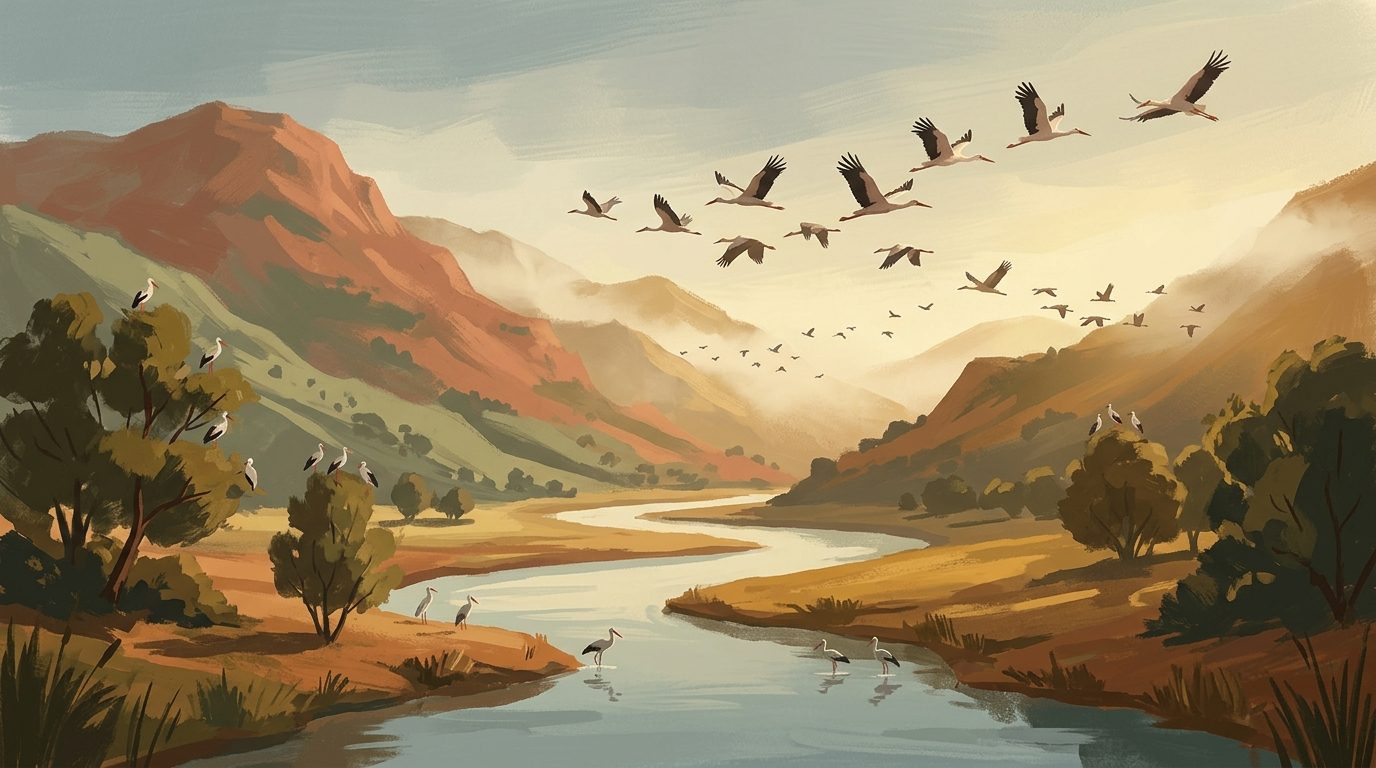
Huelva in January: Birdlife and Mountain Mist
January in Huelva offers the peak of the Doñana bird migration, atmospheric mountain escapes in the Sierra de Aracena, and the freshest Jamón Ibérico of the year.
6 min read
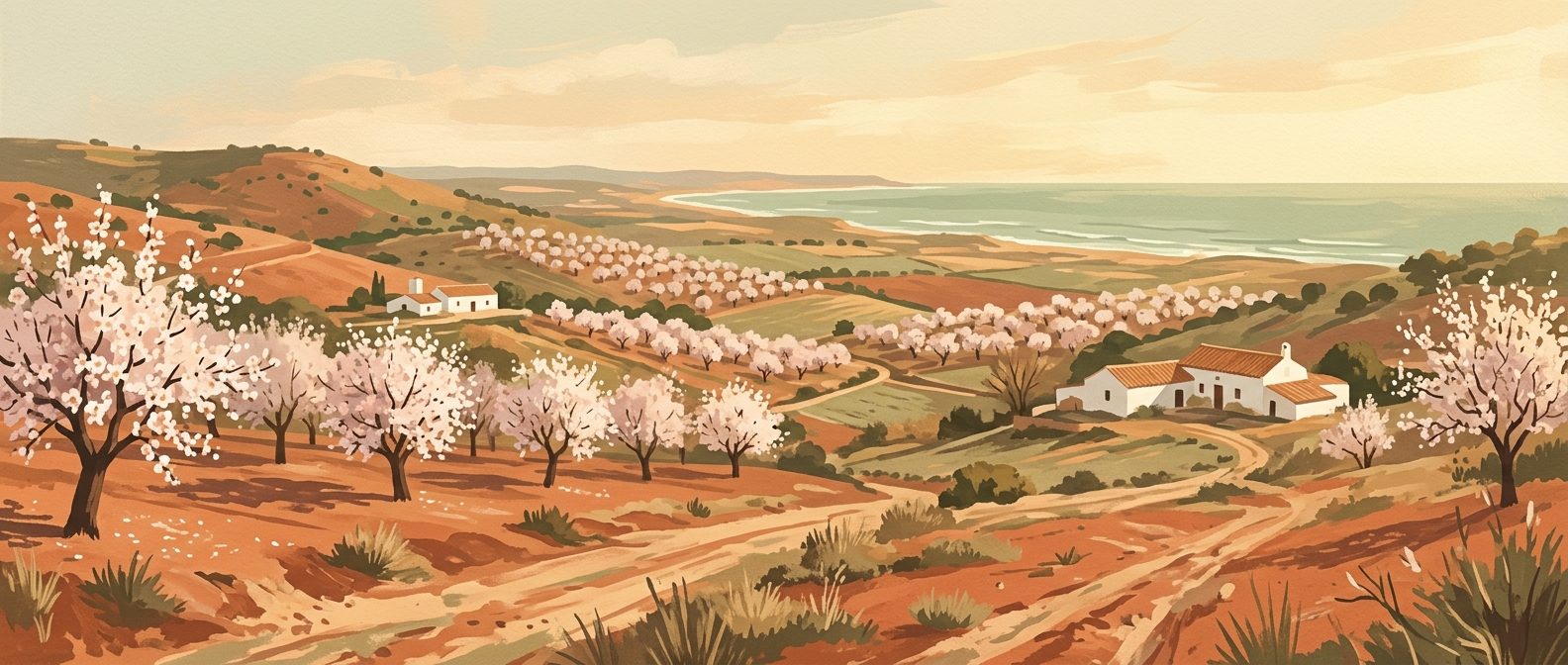
Huelva in February: Almond Blossom and Atlantic Solitude
Experience Huelva in February, from the blooming almond orchards of the Sierra de Aracena to the flamingo gatherings in Doñana National Park.
6 min read
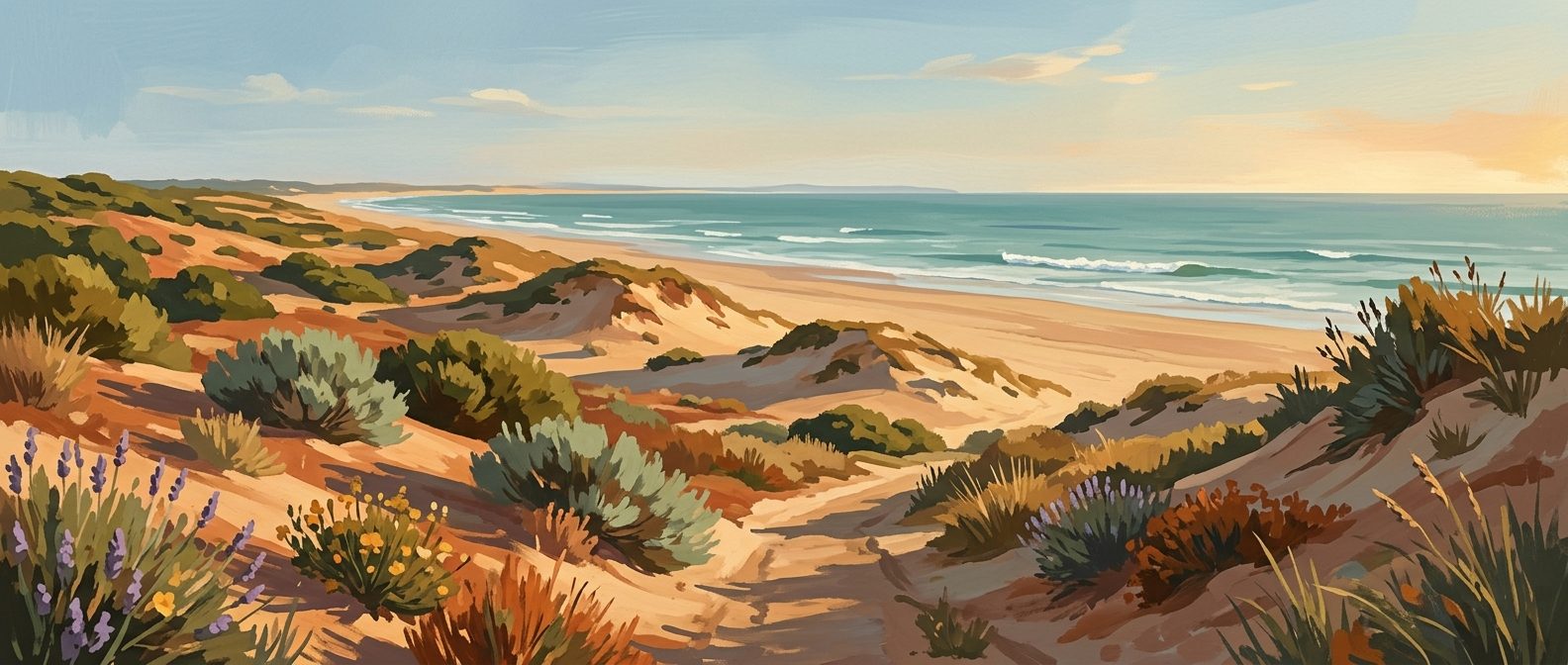
Huelva in June: Atlantic Breezes and the Arrival of Summer
Experience the best of the Costa de la Luz in June, from the wild horse roundups in Doñana to the first grilled sardines of the season on Huelva's vast Atlantic beaches.
6 min read
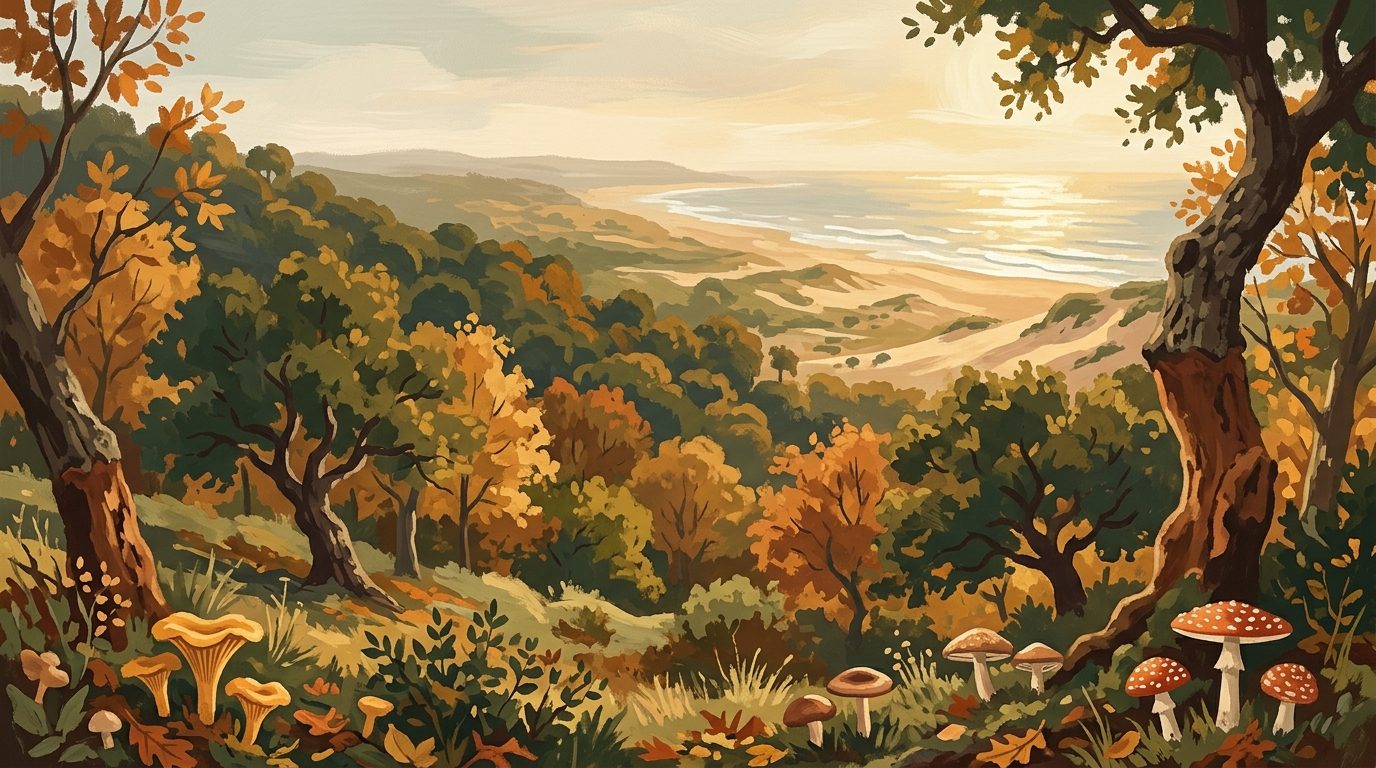
Huelva in October: Forests, Fungi, and Empty Atlantic Shores
October in Huelva sees the Atlantic heat soften into a gentle warmth, perfect for exploring the Sierra de Aracena as the first mushrooms appear. It is a month defined by the return of migratory birds to Doñana and the quietening of the Costa de la Luz.
6 min read
Newsletter
More stories from Andalucía
Weekly notes, seasonal picks, and the next guides worth bookmarking.