
Seasonal guide · Huelva
Huelva in January: Birdlife and Mountain Mist
January in Huelva offers the peak of the Doñana bird migration, atmospheric mountain escapes in the Sierra de Aracena, and the freshest Jamón Ibérico of the year.
By Dan · Updated 16 July 2026 · 6 min read
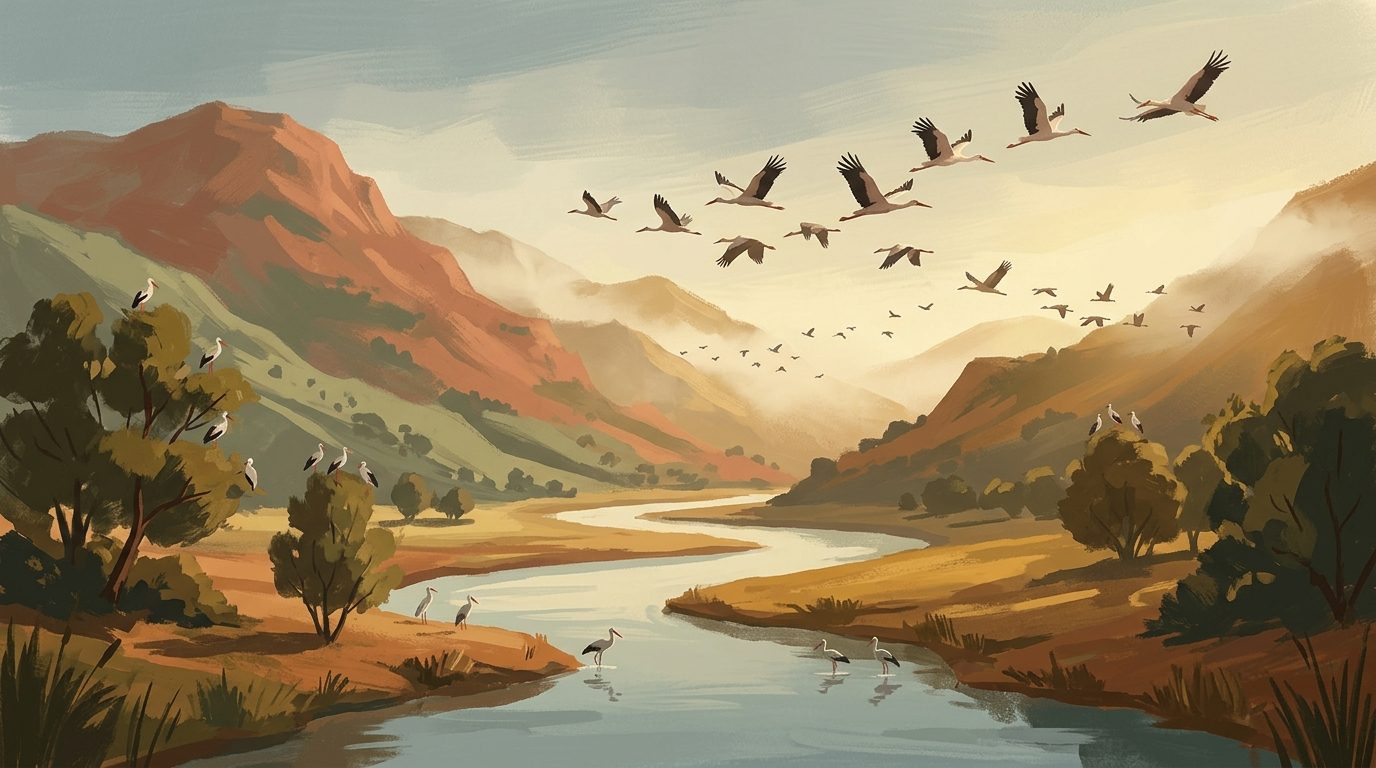
January in Huelva is a season of sharp Atlantic light and heavy mountain mists, where the silence of the empty coastline meets the peak of the winter bird migration in the wetlands. It is the best time of year for those who value solitude, high-quality seasonal produce, and the sight of thousands of overwintering birds.
To visit Huelva province in January is to see this corner of south-western Spain in its most authentic state. While the rest of the country focuses on post-holiday recovery, Huelva settles into a quiet, productive rhythm. The summer crowds that usually fill the seaside towns of Matalascañas and Punta Umbría are entirely absent, leaving kilometres of pale sand beaches to the wind and the seagulls. Meanwhile, the inland territories are far from dormant.
This month represents the height of the wintering season in the Doñana National Park, one of Europe's most significant wetlands. The landscape here shifts from the parched yellows of summer to a deep, watery green as the seasonal lagoons, known as lucios, fill with rainfall. In the north of the province, the Sierra de Aracena y Picos de Aroche experiences its coldest temperatures, but this chill is essential for the region's most famous industry: the curing of Jamón Ibérico. The smell of woodsmoke hangs over white-washed villages, and the local taverns serve hearty stews designed to combat the mountain air.
Weather: Clear Skies and Crisp Air
The weather in Huelva during January is characterised by its variety, changing sharply between the Atlantic shore and the northern peaks. On the coast and in Huelva city, daytime temperatures typically reach 16°C or 17°C. Under the bright Andalucían sun, this can feel quite warm, though the temperature drops sharply to 6°C or 8°C as soon as the sun sets.
The Sierra de Aracena is significantly colder. Daytime highs rarely exceed 12°C, and night-time temperatures frequently hover around 2°C or 3°C. Frost is common in the early mornings, coating the dehesa (oak forests) in a delicate white layer. Rain is a factor to consider; January is one of the wetter months, with an average of 6 to 7 days of rainfall. However, this rain is usually intermittent rather than persistent, often followed by skies of a deep, clear blue that provides excellent visibility for hikers and photographers.
What to wear: Layering is vital. A windproof jacket is necessary for the coast, while the Sierra requires a heavy wool coat, gloves, and a scarf. If you are planning to go birdwatching in Doñana at dawn, thermal base layers are highly recommended.
Events & Festivals
The month begins with the Cabalgata de Reyes Magos (Three Kings Parade) on the evening of 5 January. In Huelva city, this is a major event where sweets are thrown from elaborate floats, but the most atmospheric celebrations are found in the smaller mountain villages like Higuera de la Sierra, which hosts one of the oldest parades in Spain, featuring live nativity scenes.
Later in the month, Huelva city celebrates its patron saint with the Fiestas de San Sebastián. The main procession typically occurs on the Sunday nearest to 20 January (check the Huelva City Council website for exact dates). This is a local affair centred around the San Pedro neighbourhood. It is traditional to eat palmitos (palm hearts) during these festivities, and you will see vendors selling them across the city. In the province, various villages celebrate the Fiestas de San Antonio Abad, often involving traditional bonfires and the blessing of animals, most notably in Trigueros, where the tiradas (the throwing of food from balconies) attract people from across the region.
What to Do in January
Winter Birding in Doñana
January is the peak month for avian activity in Parque Nacional de Doñana. As northern Europe freezes, hundreds of thousands of birds migrate here. The most spectacular sight is the Ánsar común (Greylag goose). Depending on the year's rainfall, upwards of 50,000 birds overwinter in the marshes. You can see them in massive flocks, particularly at dawn and dusk. The lagoons are also filled with Greater Flamingos, Spoonbills, and various species of herons and waders. Because the water levels are usually high in January, the birds are often closer to the observation points at centres like La Rocina or El Acebuche.
The Curing Season in the Sierra
In the northern mountains, January is the heart of the matanza (traditional pig slaughter) season. While the weather is decidedly cold, this chill is exactly what allows the world-renowned Jamón Ibérico de Bellota to cure naturally without the need for artificial climate control, making it a major draw for gastro-tourists. Visiting a secadero (curing cellar) in Jabugo or Corteconcepción this month is particularly interesting as the new season's hams begin their long curing process. Local restaurants will feature castañas (chestnuts) and wild mushrooms on their menus, alongside fresh cuts of Iberian pork like preso and secreto that are at their best right now.
Solitary Coastal Walks
The Atlantic beaches, such as those at Mazagón or Isla Cristina, are transformed in January. The fierce Atlantic waves are impressive to watch, and the lack of tourists means you can walk for miles without seeing another person. The light in January is particularly soft and golden, making it a preferred time for landscape photography. The Muelle de las Carabelas in La Rábida, where replicas of Christopher Columbus's ships are moored, is also much quieter, allowing for a more contemplative visit to this historical site.
Who Should Visit Huelva in January?
- Birdwatchers: This is arguably the premier month for seeing the largest concentrations of wintering waterfowl and rare raptors like the Spanish Imperial Eagle.
- Hikers: The cool temperatures make the strenuous climbs in the Sierra de Aracena comfortable, provided you have waterproof gear.
- Food Lovers: Those looking to taste the highest quality ham and winter mountain cuisine will find the local larders at their peak.
- Solitude Seekers: The coastal resorts are ghost towns in the best possible sense, offering total peace and quiet.
Not ideal for: Beach-goers looking for a swim, or those who dislike cold nights. If you require a high density of open bars and nightlife, the coastal towns will feel too quiet.
Practical Notes
Crowds: Non-existent. Aside from the Three Kings weekend, you will find very few tourists. You can often walk into the most popular restaurants in Aracena or Huelva city without a reservation.
Prices: Accommodation prices are at their lowest for the year. Rural houses (casas rurales) in the mountains offer excellent value, though ensure they have a fireplace or central heating, as traditional thick-walled houses can be very cold inside.
Logistics: You will need a car. Public transport to the smaller villages in the Sierra or the birdwatching spots in Doñana is infrequent. Be aware that some hotels in the coastal resorts close entirely during the winter months, so focus your search on Huelva city, El Rocío, or Aracena.
Monthly Verdict
Huelva in January is a destination for the senses rather than the sun-seeker. It is defined by the sound of thousands of geese taking flight at dawn, the taste of salty, acorn-fed ham by a roaring fire, and the sight of the Atlantic Ocean at its most powerful. While the temperatures require a coat, the clarity of the air and the absence of crowds make it a rewarding month for travellers who prefer the natural world to the resort experience.
Last reviewed: 21 June 2026 · Editorial policy
Related guides
Huelva in February: Almond Blossom and Atlantic Solitude
Experience Huelva in February, from the blooming almond orchards of the Sierra de Aracena to the flamingo gatherings in Doñana National Park.
6 min read
Huelva in December: A Guide to Winter in Spain's Wild West
Experience the quiet majesty of Huelva in December, from the world-class birdwatching in Doñana to the cosy, wood-fired traditions of the Sierra de Aracena.
6 min read
Huelva in November: A Season of Harvest and Mist
Experience Huelva at its most authentic in November, from the chestnut harvests of the Sierra de Aracena to the arrival of wintering birds in Doñana National Park.
7 min read
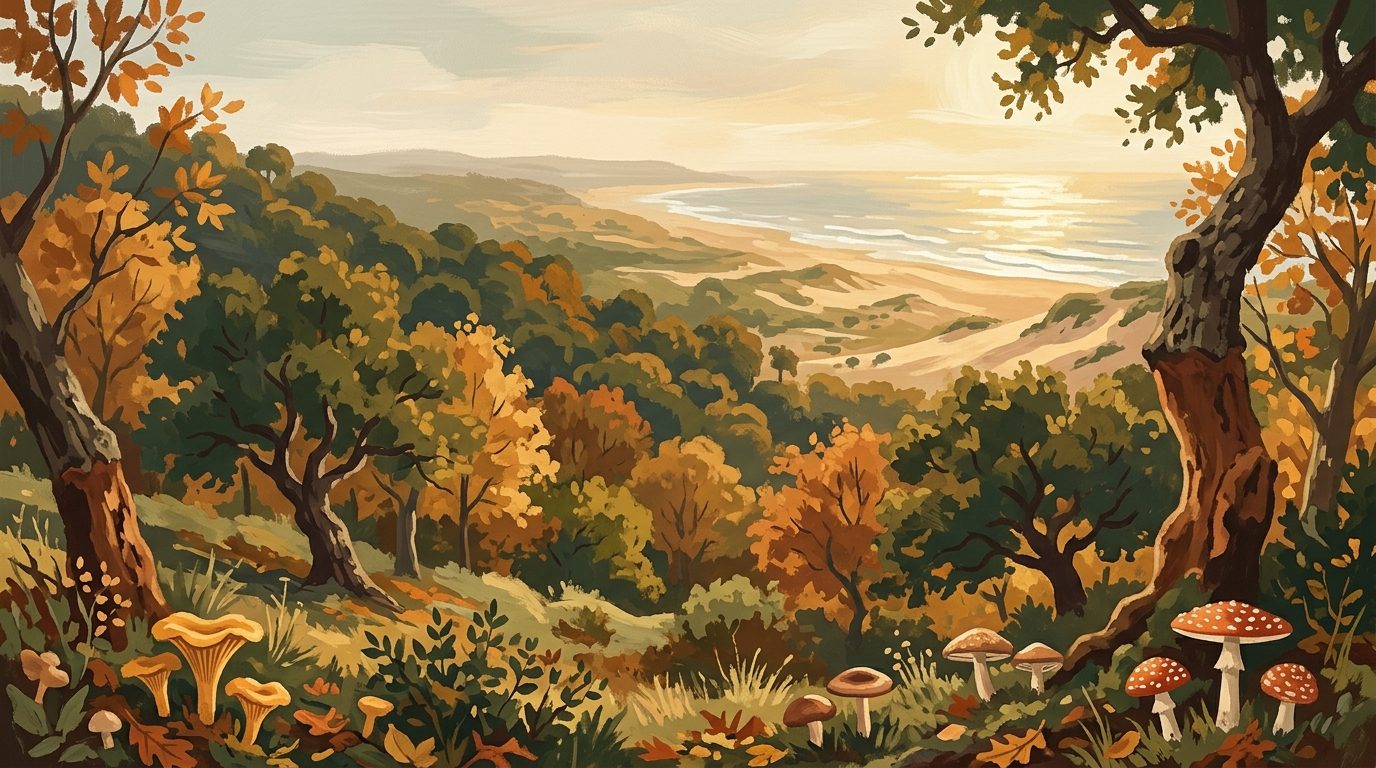
Huelva in October: Forests, Fungi, and Empty Atlantic Shores
October in Huelva sees the Atlantic heat soften into a gentle warmth, perfect for exploring the Sierra de Aracena as the first mushrooms appear. It is a month defined by the return of migratory birds to Doñana and the quietening of the Costa de la Luz.
6 min read
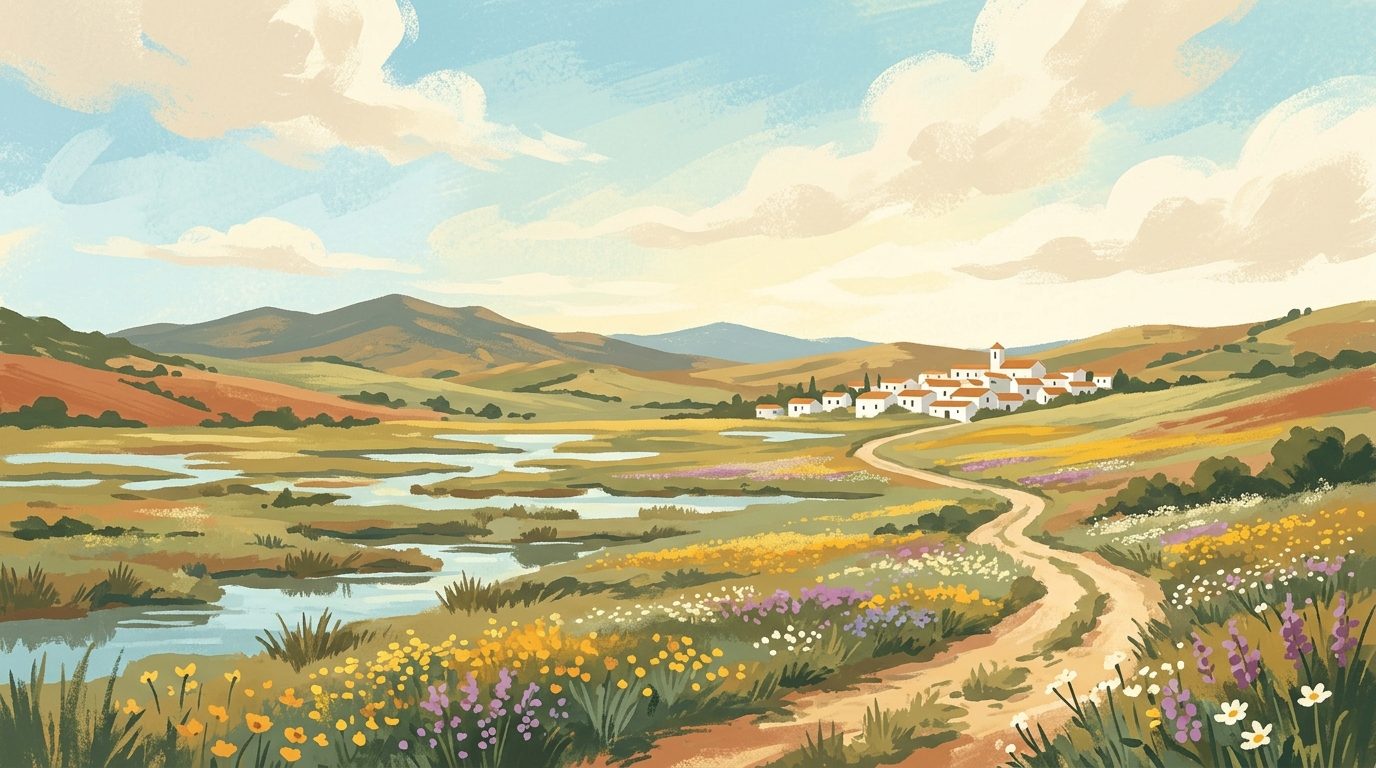
Huelva in March: Wildflowers, Wetlands, and Quiet Hills
March in Huelva signals a quiet awakening where the Atlantic breeze meets the scent of budding rockrose in the northern hills. It is a time of soft light and solitude before the summer heat settles over the western edge of Andalucía.
6 min read
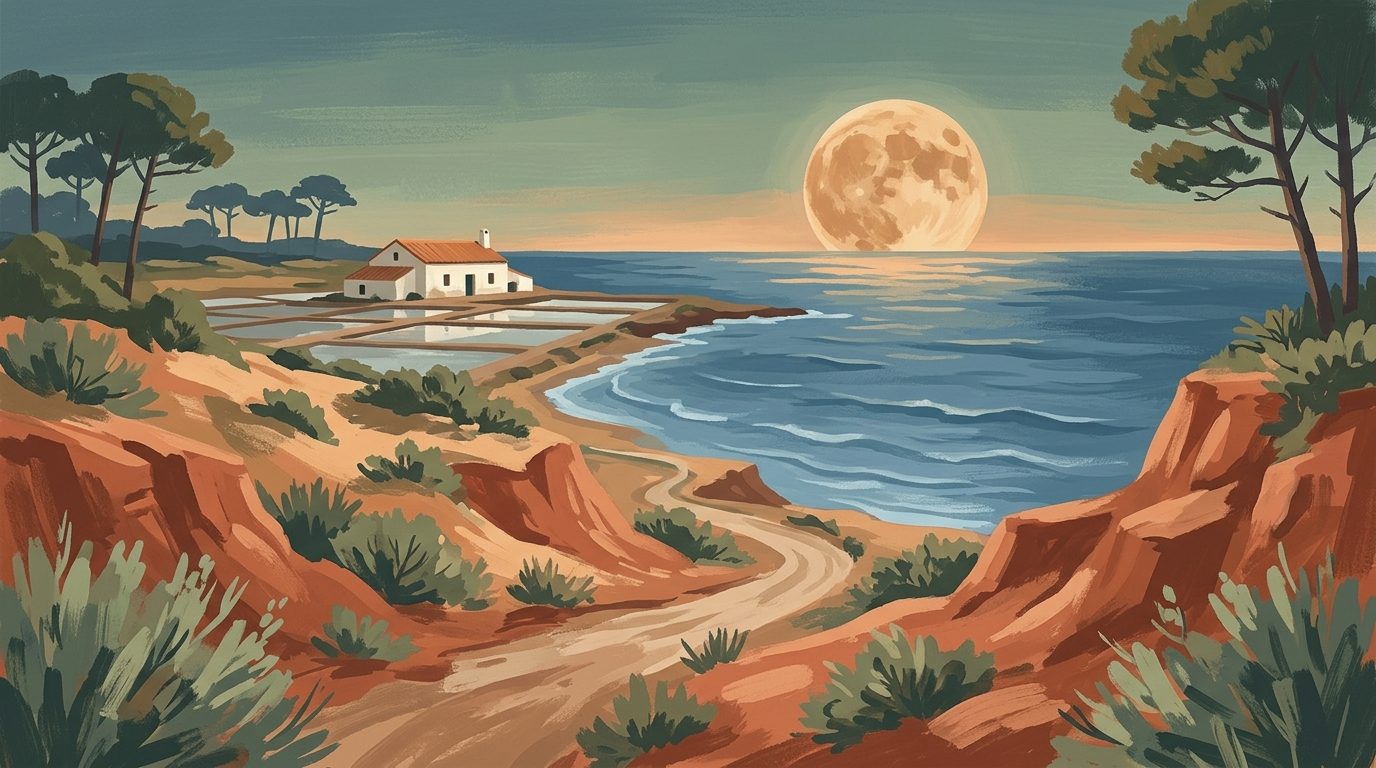
Huelva in September: Warm Atlantic Waters and the Harvest Moon
September in Huelva marks a gentle transition where the intense Atlantic summer heat softens into a golden warmth, leaving the wide beaches to those who value quietude.
6 min read
More from Huelva
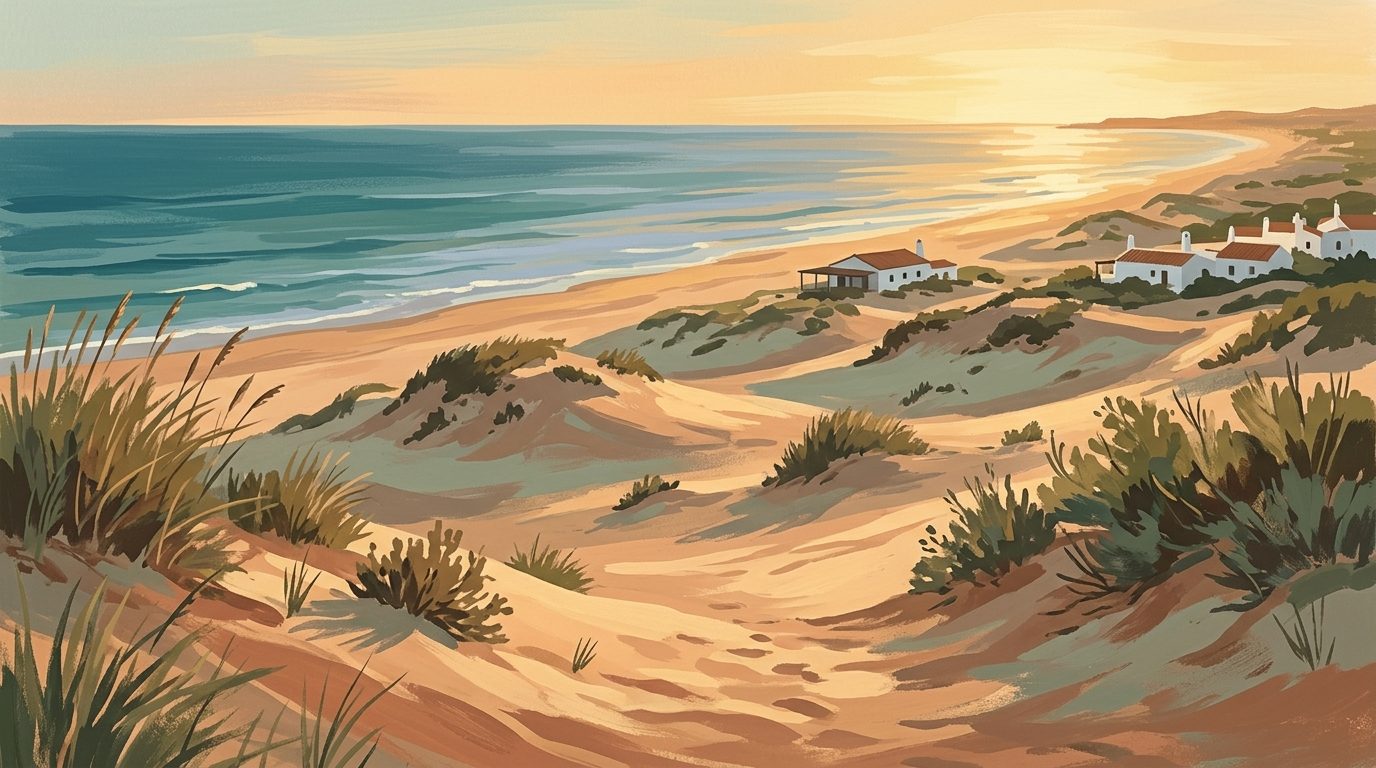
Huelva in July: Atlantic Breezes and Endless Sands
Experience the vast Atlantic beaches and fresh seafood of Huelva in July, where cool sea breezes provide a welcome escape from the Andalucían summer heat.
6 min read
Huelva in August: Atlantic Breezes and the High Summer Rhythm
Experience the authentic Spanish summer in Huelva this August. From the cooling Atlantic breezes of Islantilla to the festive nights of the Colombinas, discover a province in its peak season.
6 min read
Huelva in May: Pilgrimages, Pine Forests and the Peak of Nature
Experience the sensory peak of the Atlantic coast as a million pilgrims converge on the marshes for the Romería del Rocío and the Sierra de Aracena offers prime hiking and wild strawberries.
6 min read
Huelva in April: Wildflowers, Wetlands and Early Spring Pilgrimages
Discover Huelva in April, a month of extraordinary natural beauty where the Doñana wetlands come alive with migratory birds and the Sierra de Aracena is carpeted in wildflowers.
7 min read
Huelva in June: Atlantic Breezes and the Arrival of Summer
Experience the best of the Costa de la Luz in June, from the wild horse roundups in Doñana to the first grilled sardines of the season on Huelva's vast Atlantic beaches.
6 min read
Newsletter
More stories from Andalucía
Weekly notes, seasonal picks, and the next guides worth bookmarking.