
Seasonal guide · Almería
Almería in September: The Season of Clarity and Warm Seas
September in Almería offers the year's warmest sea temperatures, crystal-clear water for snorkelling, and a welcome return to tranquillity as the summer crowds depart.
By Dan · Updated 7 June 2026 · 6 min read
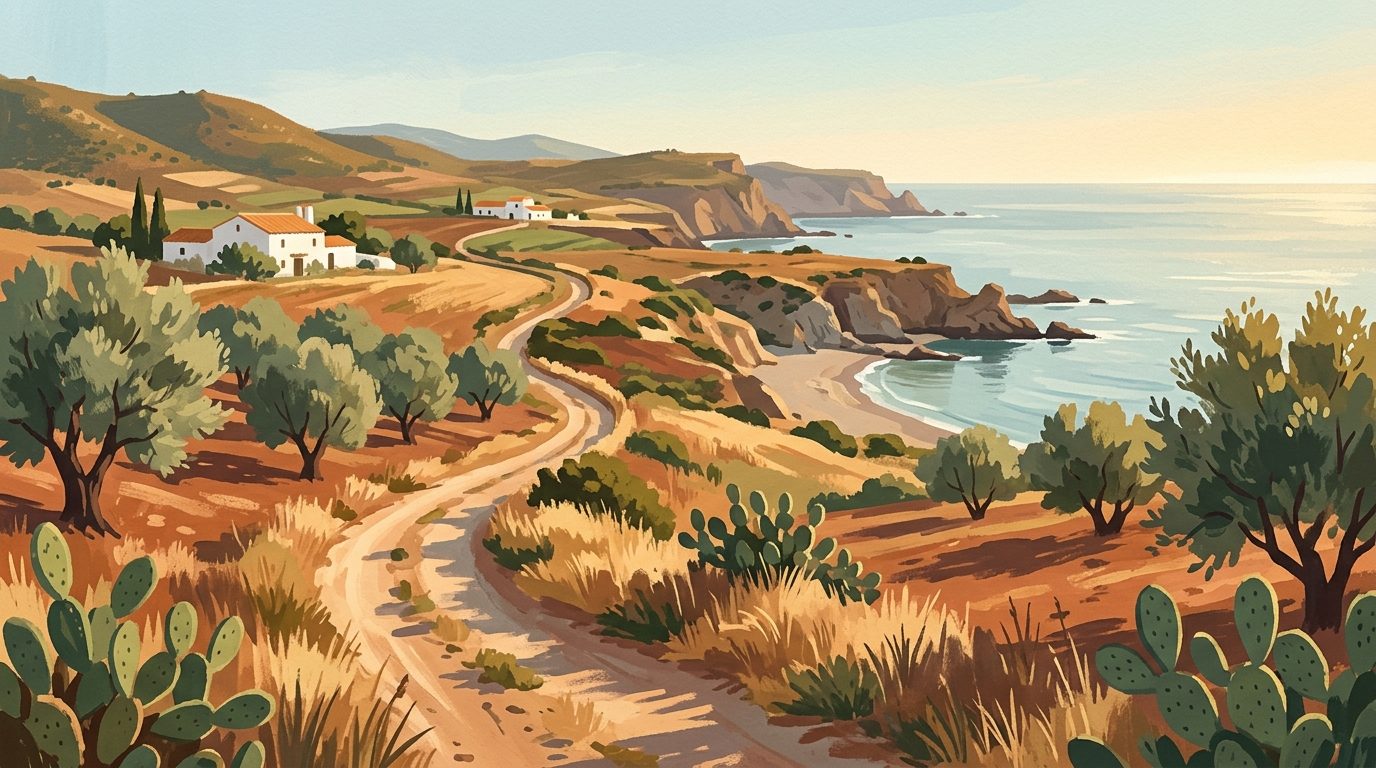
September marks the shift from the frantic peak of summer to a more measured pace, where the Mediterranean remains at its warmest and the stark volcanic landscapes regain their quietude. It is the month of clarity, both in the glass-like water of the coves and the sharp, amber light that settles over the desert at dusk.
While much of northern Europe begins to look towards autumn, Almería in September remains firmly rooted in summer, albeit a more sophisticated and breathable version of it. This is the month when the province, often considered the most arid and sun-drenched corner of the Iberian Peninsula, sheds the heavy mantle of the August crowds. As the domestic Spanish holidaymakers return to Madrid and Barcelona for the start of the school year, Almería returns to its residents and the discerning travellers who know that this is, arguably, the best time of the year to visit.
The atmosphere changes noticeably after the first week of the month. The frantic energy of the seaside resorts like Mojácar and Roquetas de Mar dissipates, replaced by a slower, more authentic rhythm. In the Cabo de Gata-Níjar Natural Park, the fishing villages of San José, Las Negras, and Agua Amarga regain their character. You can once again find a table at a seafront terrace without a prior reservation, and the sound of the waves replaces the hum of heavy traffic. The light in September is particularly famous among photographers; the harsh glare of midsummer softens into a golden hue that accentuates the ochre and burnt umber of the volcanic cliffs.
Weather: The Persistence of Summer
In Almería, September is an extension of the hot season, but the oppressive 'calima' (dust clouds from the Sahara) becomes less frequent. On the coast, daily maximum temperatures typically hover around 28°C to 30°C, though it is not uncommon for the mercury to hit 32°C during the first fortnight. Nights are finally comfortable, dropping to a pleasant 20°C, allowing for sleep without the constant drone of air conditioning.
The sea is the star of the month. Having been baked by the sun all summer, the Mediterranean reaches its peak temperature in September, averaging a balmy 23°C to 24°C. This is significantly warmer than the Atlantic-influenced waters of the Costa de la Luz. Rainfall is historically low, averaging only two days of rain for the entire month, though travellers should be aware of the gota fría (cold drop). These are sudden, intense storms that can occur in late September, bringing heavy downpours that can cause flash flooding in the dry riverbeds, or ramblas.
Inland, the conditions vary. The Tabernas Desert remains hot, frequently reaching 34°C during the day. However, in the northern mountains of the Sierra de los Vélez, the transition to autumn is more apparent. Here, evening temperatures can dip to 14°C, requiring a light jacket or woollen jumper for late dinners outdoors.
Events & Festivals
While the capital’s main fair usually concludes in late August, September hosts several local ferias that offer an authentic look at Almerian culture without the tourist-heavy crowds of the summer peaks.
- Feria de Adra (5 to 10 September): Located on the western coast of the province, Adra celebrates its patron saints, the Virgen del Mar and San Nicolás de Tolentino. It is a traditional maritime fair with processions, live music, and daytime feria de mediodía (midday fair) where locals gather for tapas and sherry.
- Fiestas de San Cleofás in Vera (Late September): Around the 25th of September (San Cleofás), the town of Vera celebrates its history with a fair that includes traditional bullfighting, though the main draw for many is the street parties and the gigantes y cabezudos (giants and big-heads) parades.
- Día de la Pasa in El Borge (Third Sunday of September): While located in the Axarquía region of Málaga, it is a popular day trip for those staying in western Almería to celebrate the raisin harvest, though it requires a significant drive (approximately 1.5 to 2 hours). Within Almería itself, keep an eye out for smaller harvest festivals in the Alpujarra Almeriense, where the grape harvest (la vendimia) begins in the high-altitude vineyards.
What to Do: Water, Wildlife, and Wilderness
September is the premier month for water-based activities. The clarity of the water in the Cabo de Gata is at its annual peak because the smaller number of swimmers means less sediment is stirred up. Snorkelling at Playa de los Muertos or the Arrecife de las Sirenas offers visibility that can exceed 15 metres, allowing you to see seagrass meadows (Posidonia oceanica) and schools of damselfish and bream with startling detail.
For those interested in prehistoric history, the cooler morning temperatures make a visit to the Cueva de los Letreros near Vélez-Blanco much more enjoyable. This UNESCO World Heritage site contains some of the most important cave paintings in the Iberian Peninsula, including the Indalo, the stick-figure hunter that has become the symbol of Almería. Access is usually by guided tour, and the climb to the cave is steep, so the slightly lower humidity of September is a distinct advantage.
Birdwatchers will find September particularly rewarding. The Salinas de Cabo de Gata (the salt flats) serve as a vital pit-stop for migratory birds heading south to Africa. Large colonies of Greater Flamingos can be observed from the designated hides, alongside avocets, stilts, and various species of sandpiper. The lack of August crowds means the birds are often closer to the observation points and less skittish.
In the evenings, the fishing villages of San José and Agua Amarga offer a tranquil atmosphere. The "fishing village" feel that is often lost in the noise of August returns. It is the ideal time to walk the coastal paths, such as the route from San José to the beaches of Genoveses and Mónsul. In August, these beaches are restricted by shuttle buses due to volume, but by mid-September, you can often drive your own vehicle down (check on the official park website before travelling to confirm the exact end date for shuttle restrictions in 2026) or enjoy the walk without the risk of heatstroke.
Who Should Visit?
- Snorkellers and Divers: The sea is at its warmest and the water is exceptionally clear.
- Couples: The romantic, quiet atmosphere of the coastal villages is perfect for those seeking a peaceful retreat.
- Birdwatchers: The autumn migration provides excellent viewing opportunities at the salt flats.
- Culture Lovers: The ease of access to sites like the Alcazaba of Almería or the cave paintings of the north makes for a better educational experience.
- Hikers: While still warm, the dangerous heat of summer has passed, making the coastal trails manageable for those with moderate fitness.
Practical Notes: Crowds and Prices
September offers excellent value for money. Accommodation prices in the Cabo de Gata and Mojácar typically drop by 20% to 30% compared to August rates. Many boutique hotels that require a seven-night minimum stay in the peak summer months will accept two or three-night bookings in September.
Crowd levels drop significantly after the first weekend of the month. You will no longer need to fight for space for your towel on the popular beaches, and parking near the coves becomes much simpler. However, be aware that in the smaller villages, some seasonal shops and very small beach bars (chiringuitos) may begin to close towards the final week of the month, though the majority of restaurants remain open until the end of October.
Transport-wise, if you are planning to explore the desert or the hidden coves, car hire is essential. Prices for rentals are also lower this month, and the roads are far less congested, particularly the winding coastal roads that lead to the more remote parts of the Natural Park.
Monthly Verdict
September is arguably the most refined month to visit Almería. It retains all the benefits of the Mediterranean summer (warm water, blue skies, and outdoor dining) without the logistical headaches and physical exhaustion of the July and August heat. It is a month for slow exploration, long swims, and watching the sunset over the desert with a glass of local wine from the Alpujarra hills. For anyone who prefers nature and tranquillity over nightlife and crowds, this is the optimal window to experience the province.
Last reviewed: 21 June 2026 · Editorial policy
Related guides
Almería in July: A Guide to Spain's Volcanic Summer Coast
Discover the rugged beauty of Almería in July, where volcanic beaches and desert landscapes meet the clearest waters in the Mediterranean.
7 min read
Almería in October: Desert Hikes and Coastal Solitude
October in Almería brings a soft, golden light and a gentle 23°C warmth, making it the perfect month for desert hiking, birdwatching, and enjoying the secluded beaches of Cabo de Gata.
6 min read
Huelva in September: Warm Atlantic Waters and the Harvest Moon
September in Huelva marks a gentle transition where the intense Atlantic summer heat softens into a golden warmth, leaving the wide beaches to those who value quietude.
6 min read
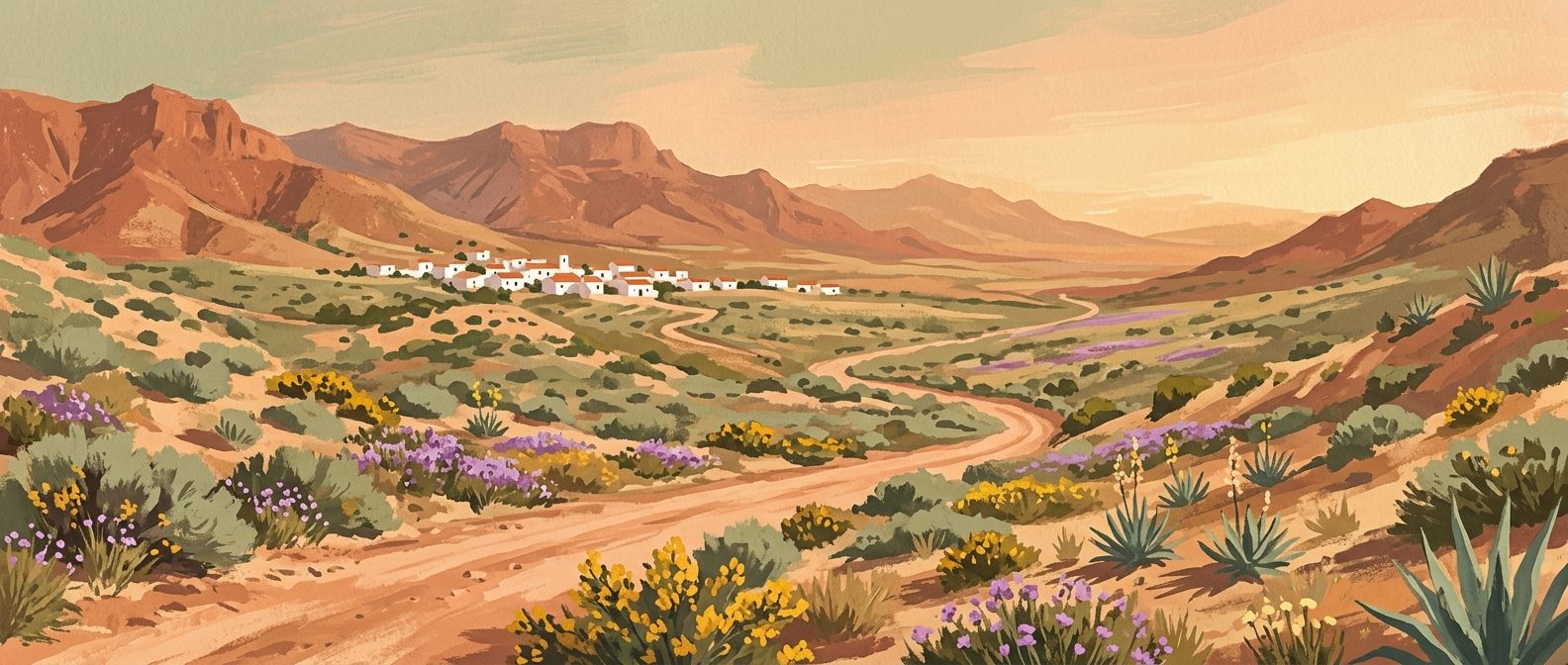
Almería in May: Desert Blooms and Pre-Summer Solitude
Experience Almería in May, where the Tabernas desert blooms and the Cabo de Gata coastline offers quiet beaches and perfect hiking weather before the summer heat.
6 min read
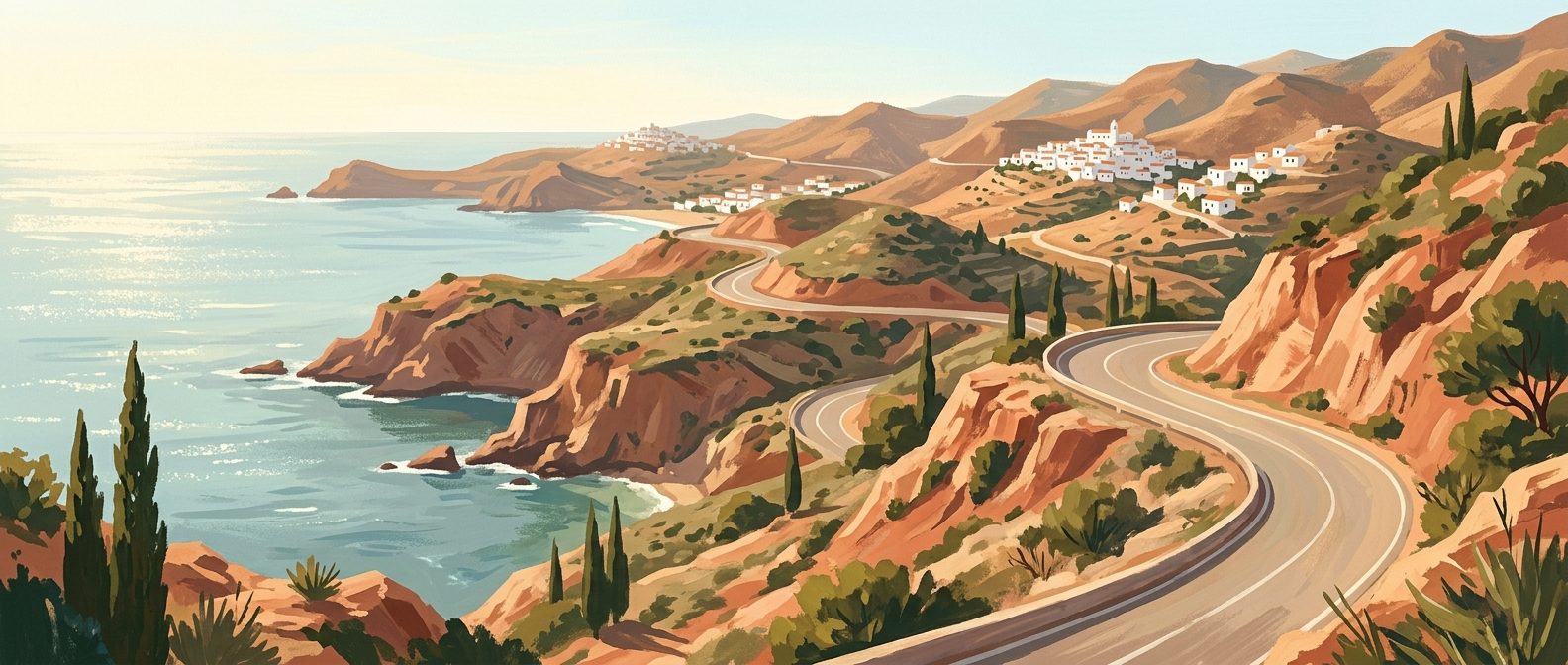
Coastal Drive: Cádiz to Almería
Driving the coastline of southern Spain is an exercise in geological and cultural whiplash, taking you from the wind-whipped Atlantic shores of Cádiz to the scorched volcanic deserts of Almería. This route traces the very edge of the continent, offering a masterclass in coastal navigation along the legendary N-340 and beyond.
10 min read
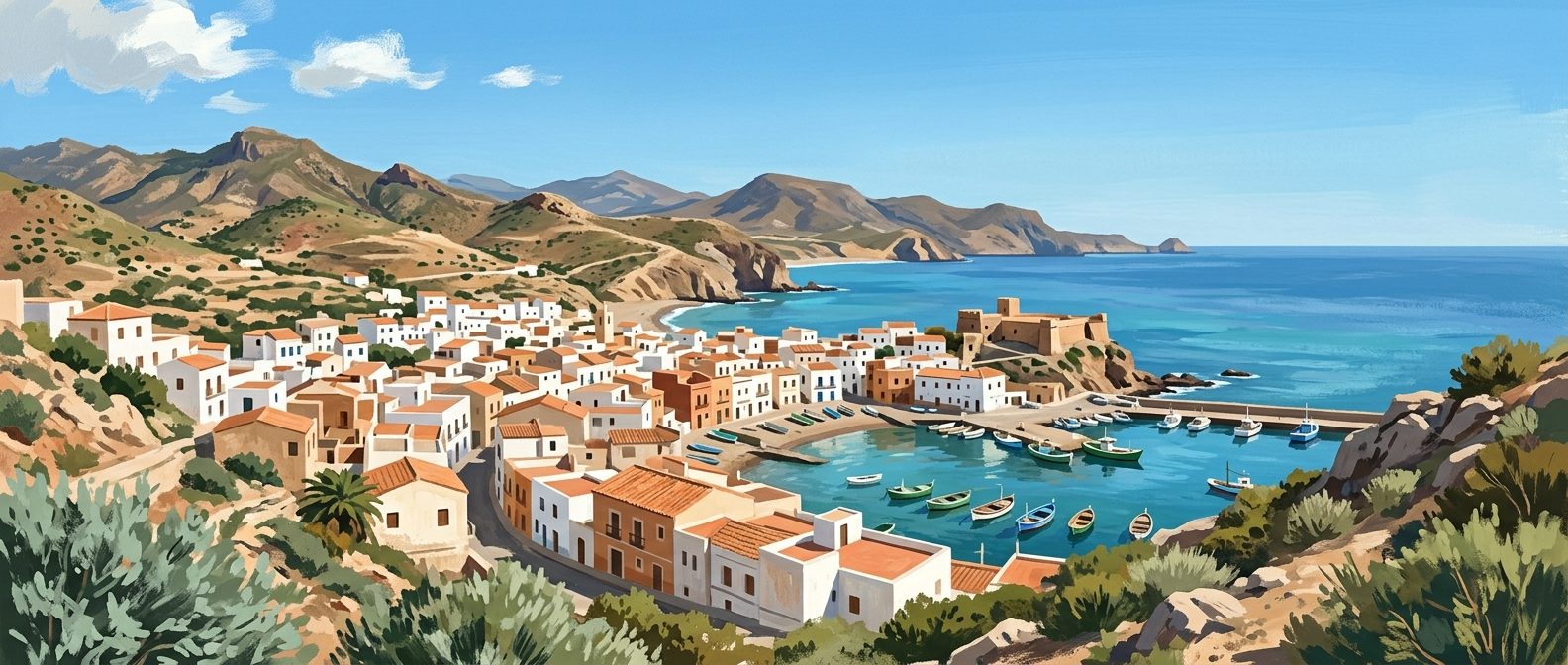
Carboneras: An Authentic Maritime Gateway to Cabo de Gata
Carboneras offers an authentic look at Almería's fishing traditions and serves as a gateway to the spectacular Playa de los Muertos.
5 min read
More from Almería
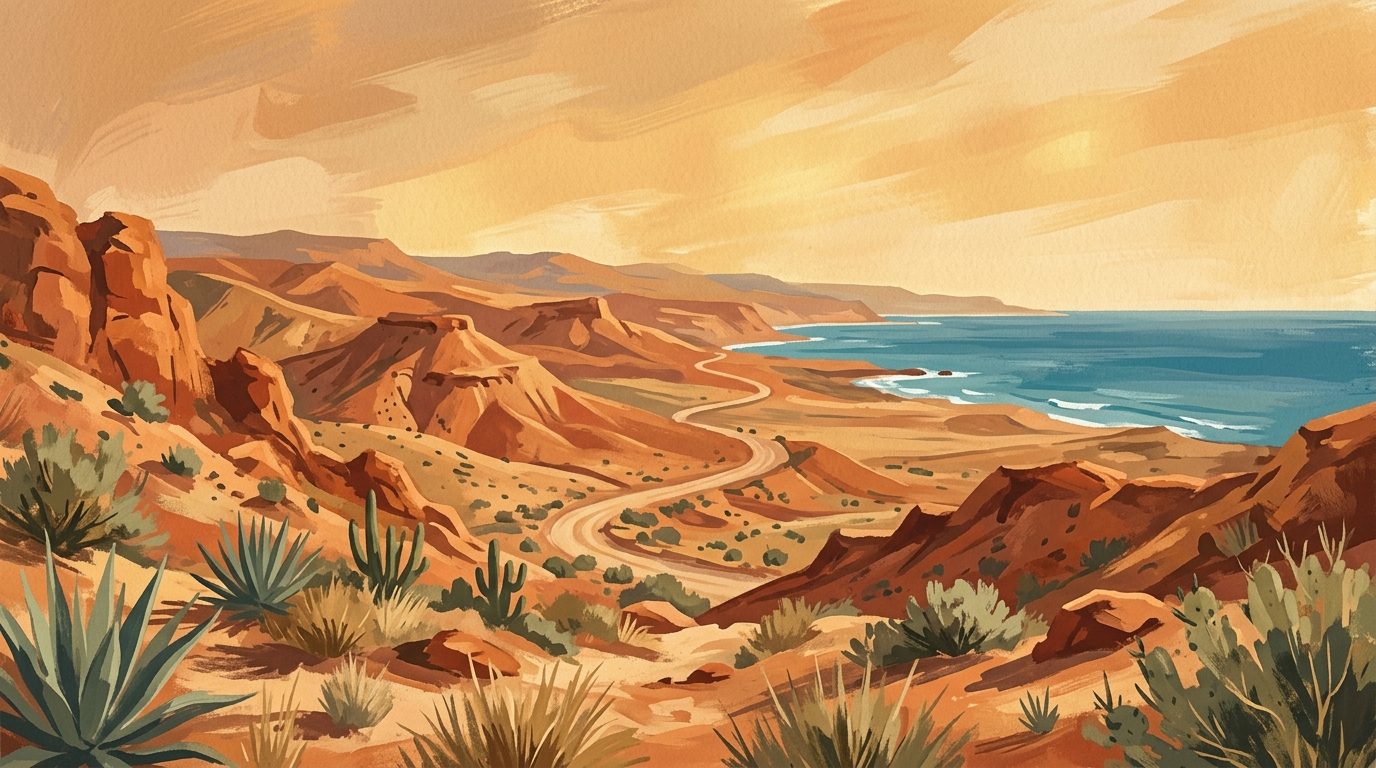
Almería in August: Desert Heat and Coastal Cool
August in Almería is defined by the stark beauty of the desert and the refreshing sanctuary of the Mediterranean coast. It is a month for slow movements, late nights, and embracing the true spirit of the Spanish summer.
6 min read
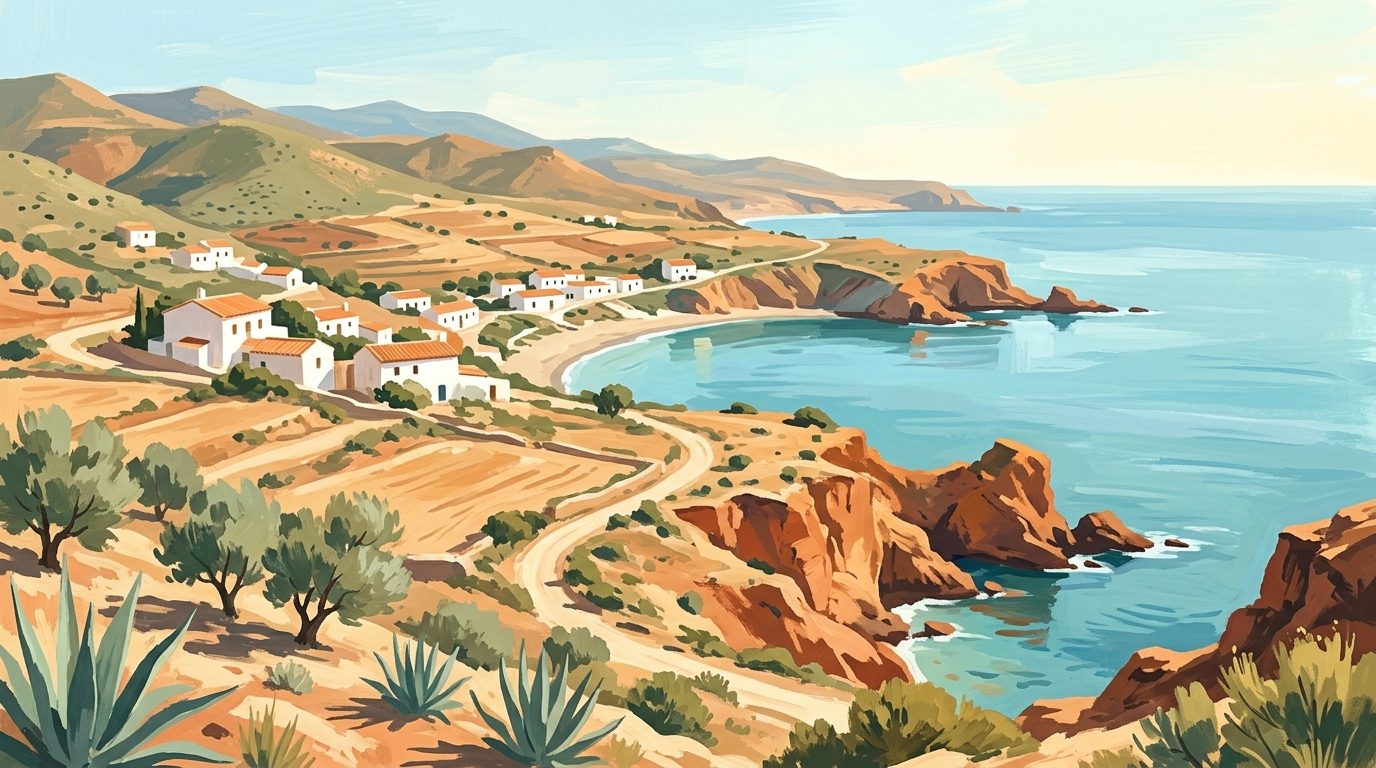
Almería in June: Coastal Clarity and Desert Life
Experience the Mediterranean at its most transparent and the Tabernas desert before the peak summer heat takes hold.
6 min read
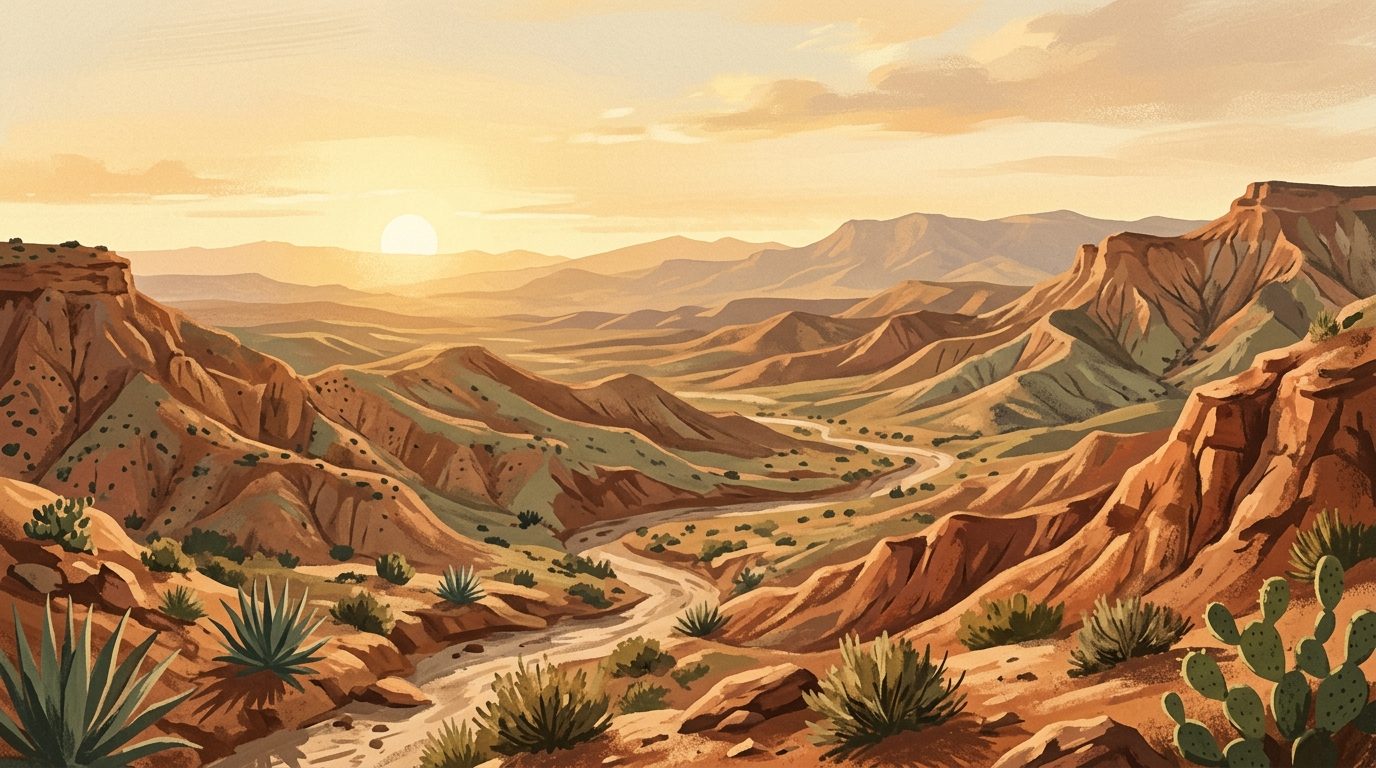
Almería in January: Desert Solitude and Winter Sun
January in Almería offers the sunniest winter skies in Europe, with crisp desert air, empty volcanic beaches, and the lowest prices of the year.
7 min read
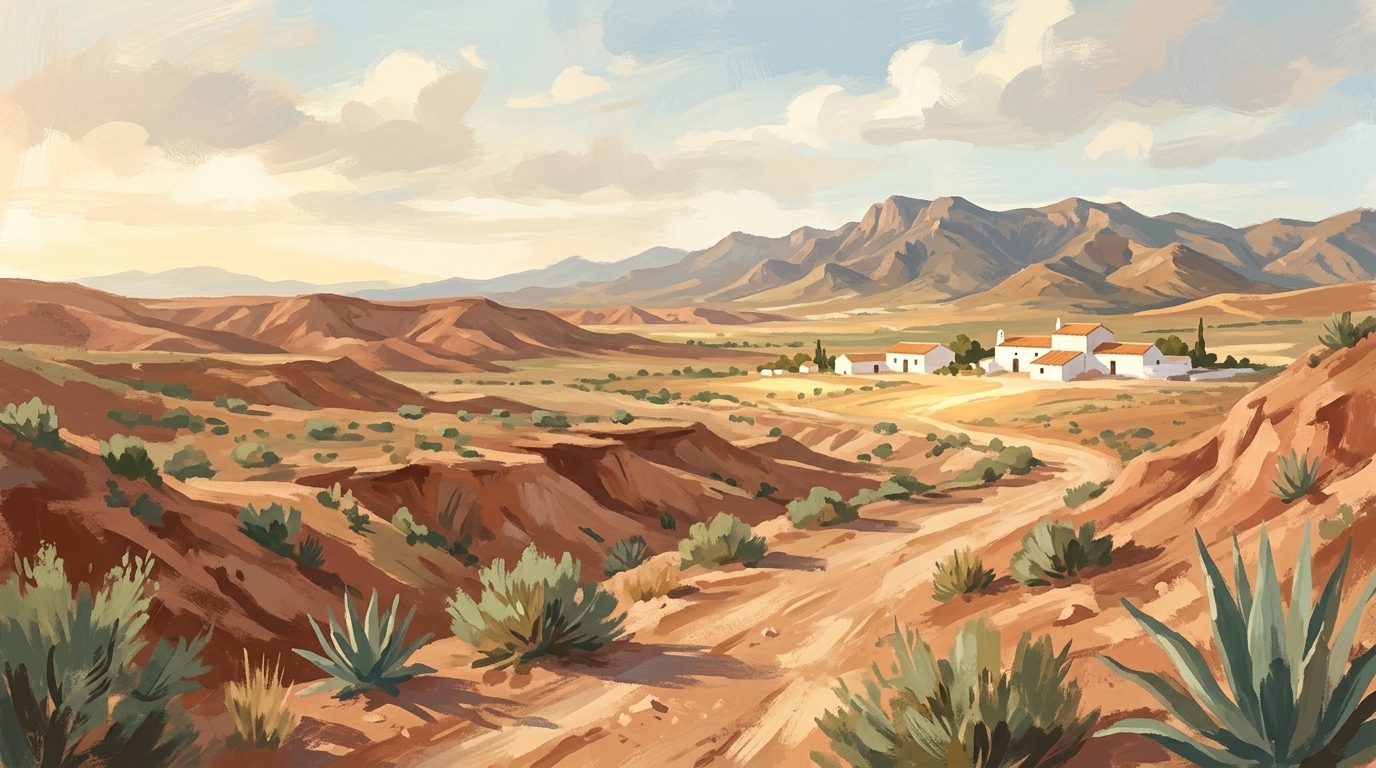
Almería in December: Winter Sunshine and Desert Light
Almería in December offers the mildest winter in mainland Europe, featuring sharp desert light, quiet volcanic beaches, and unique local Christmas traditions.
7 min read
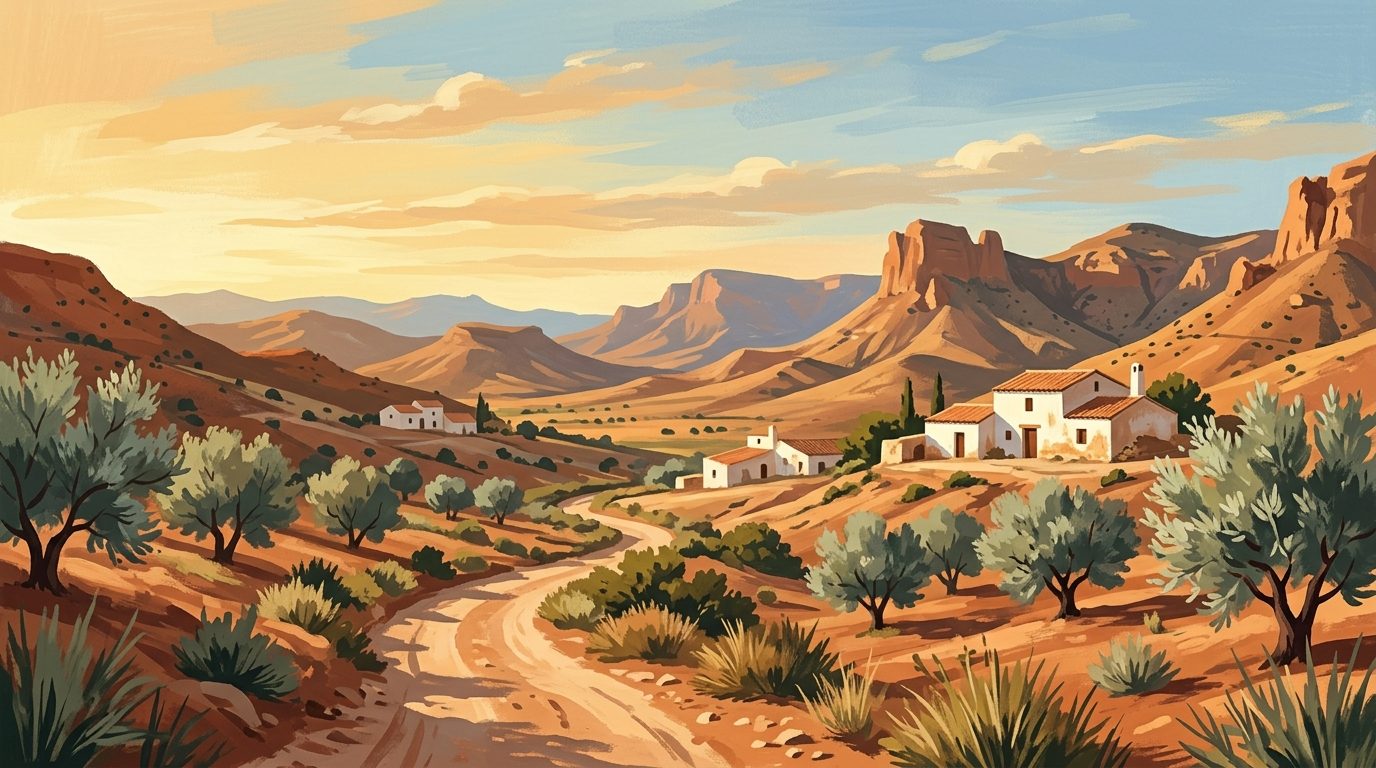
Almería in November: Silence and Sunlight in Europe's Desert
November in Almería is a period of profound stillness, where the intense summer light softens into a golden clarity over the volcanic cliffs of Cabo de Gata.
6 min read
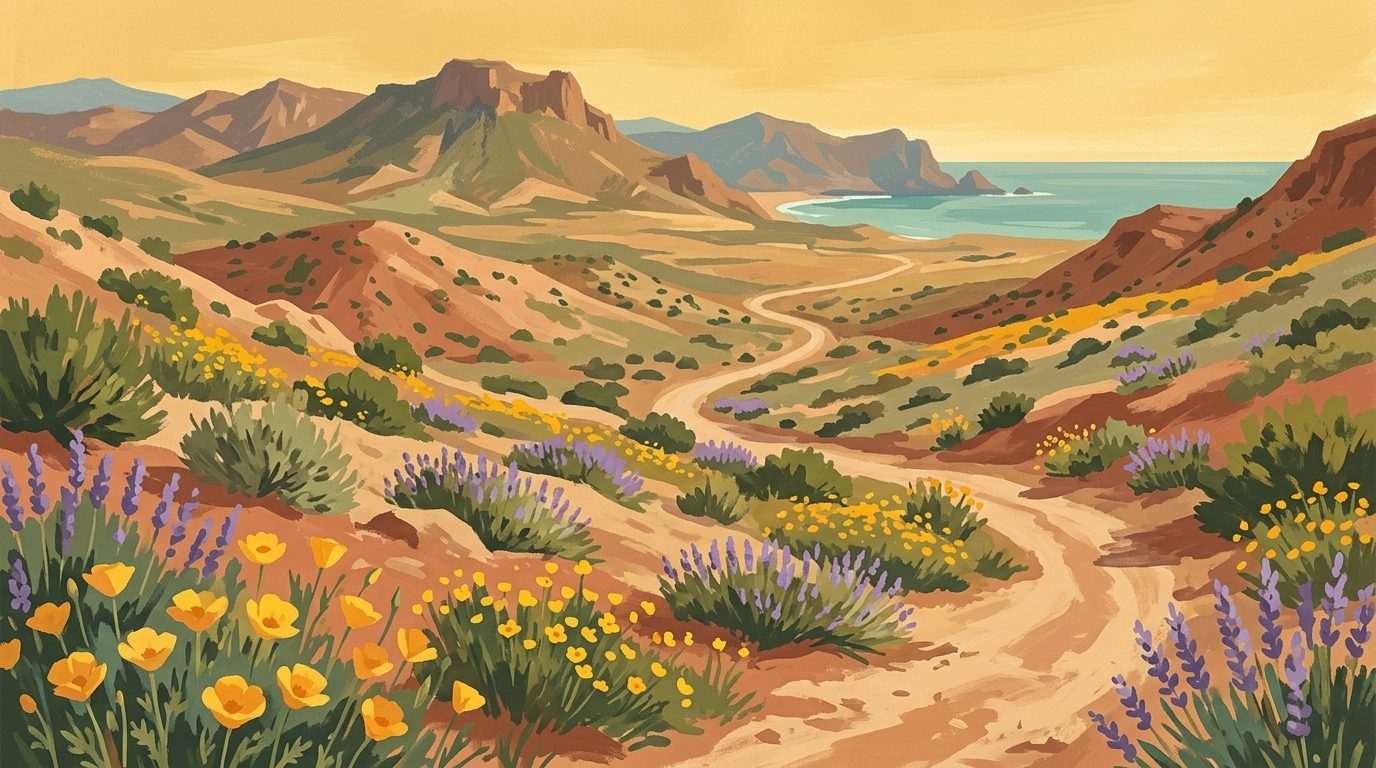
Almería in March: Wildflowers, Desert Trails, and Quiet Coasts
Experience a rare window where the Tabernas desert blooms and the Cabo de Gata coast is peaceful. March offers Almería at its most temperate, affordable, and green.
6 min read
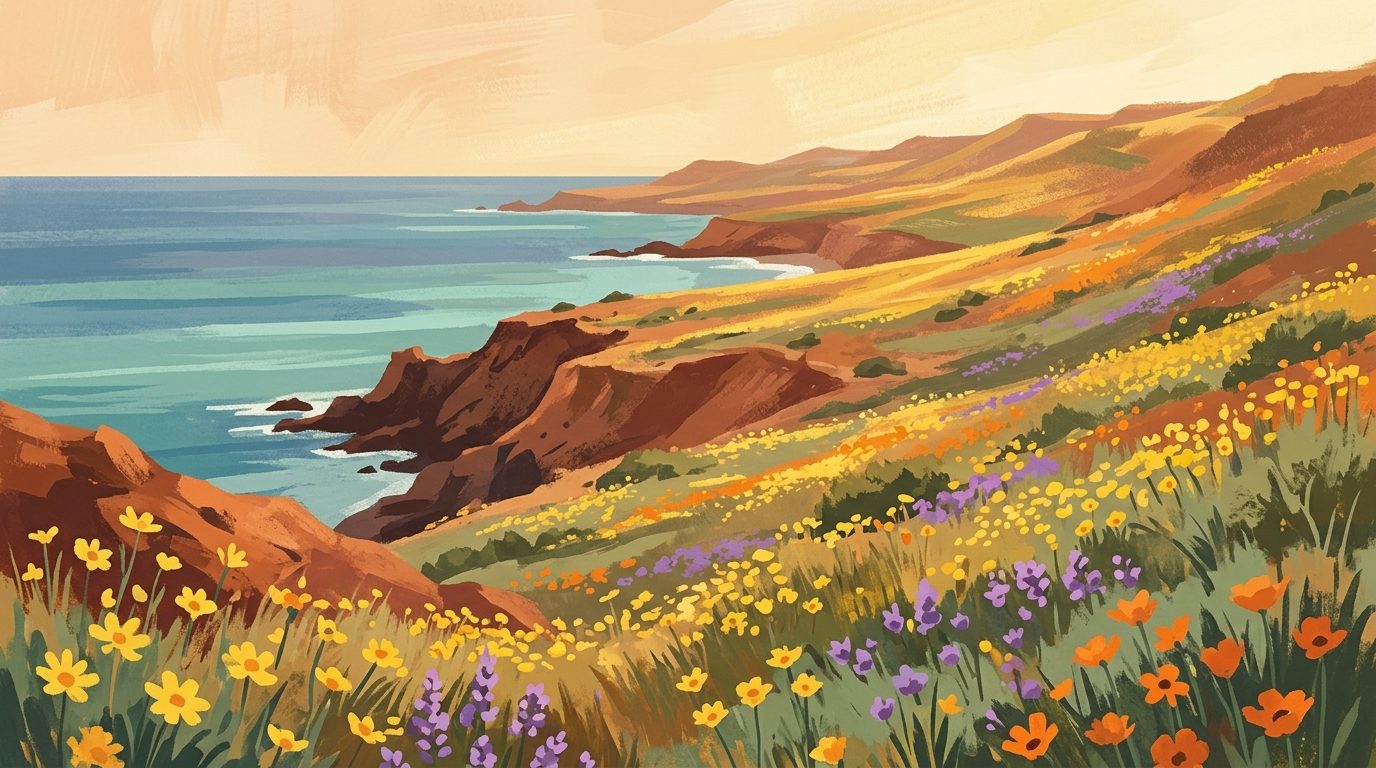
Almería in April: Wildflowers, Volcanic Shores, and Desert Spring
April in Almería offers a brief window where the arid landscapes turn surprisingly green and the Mediterranean remains quiet enough for solitary exploration.
7 min read
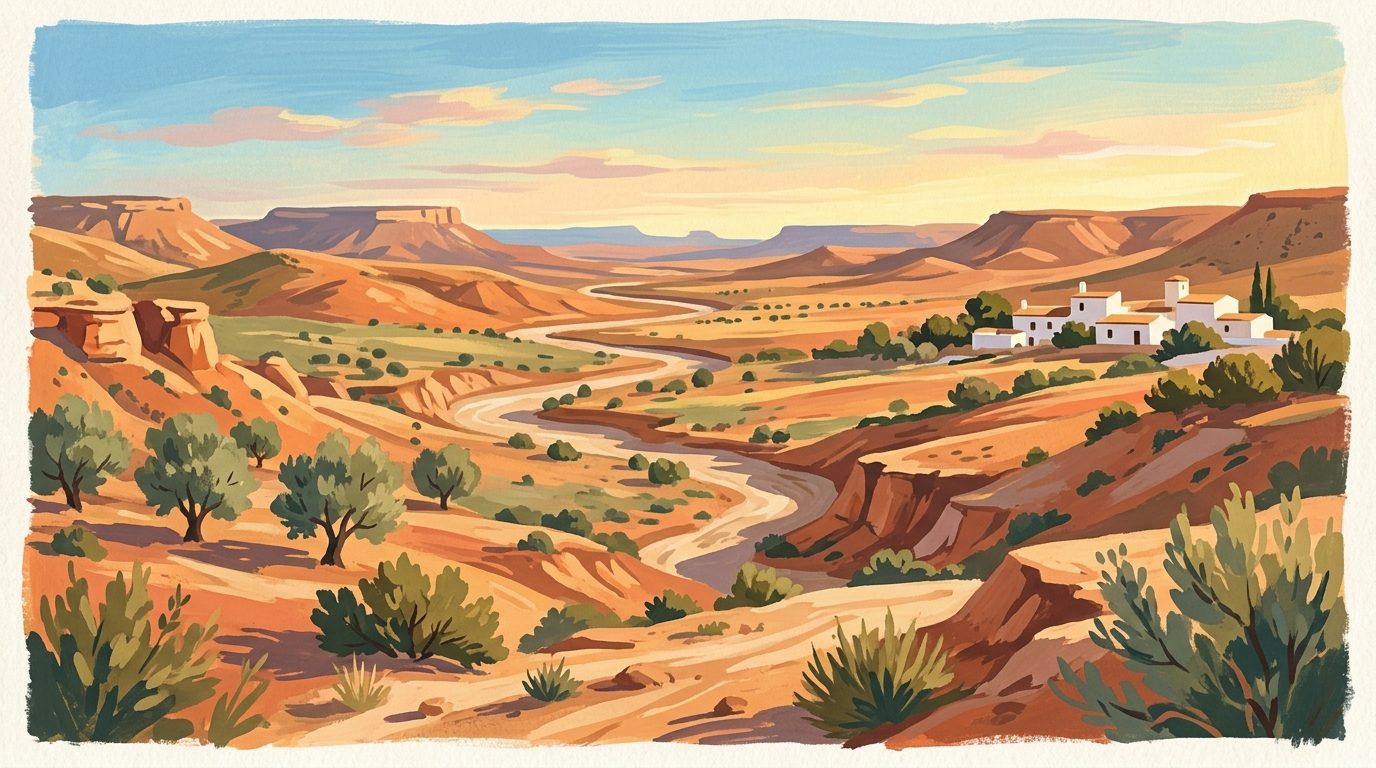
Almería in February: A Prelude to Spring in Europe’s Only Desert
February transforms Almería into a landscape of white almond blossoms and early wildflowers, offering the mildest winter climate in mainland Europe.
6 min read
Newsletter
More stories from Andalucía
Weekly notes, seasonal picks, and the next guides worth bookmarking.