
Attractions in Andalucía
The Alhambra, the Mezquita, flamenco tablaos, natural parks and prehistoric caves: the essential sights across southern Spain.
Filter by Province
Filter by Type

Alcázar de Jerez de la Frontera
“This is not the Alhambra; it is smaller, distinctly quieter, and requires slightly more imagination to picture its past grandeur. However, the lack of intense crowds makes it a highly rewarding site. It provides an authentic look at Moorish and Christian heritage, suited perfectly to independent travellers who appreciate architectural evolution without the pressure of strict timed entry circuits.”
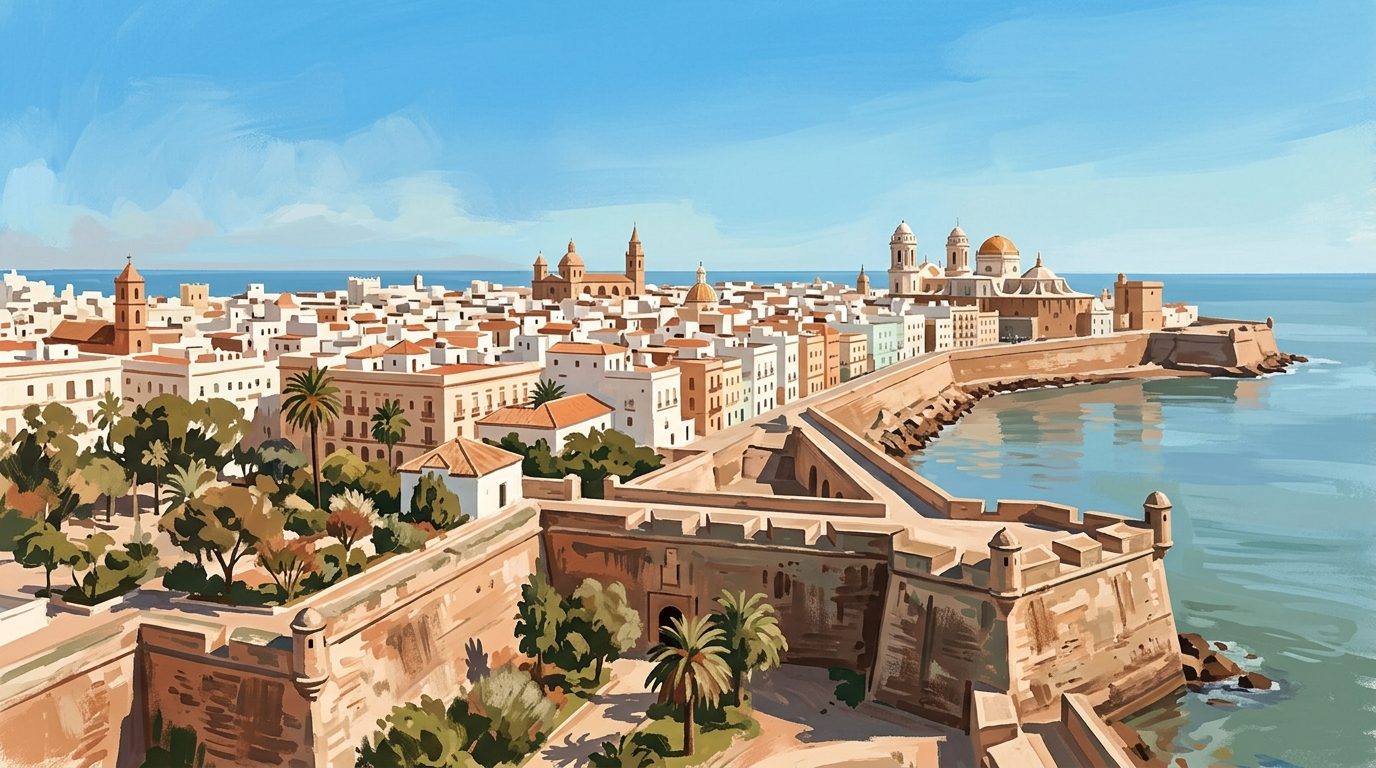
Baluarte de la Candelaria, Cádiz
“The Baluarte de la Candelaria offers a quiet, highly atmospheric counterpoint to the more heavily visited castles in Cádiz. Its transformation from a coastal artillery battery into a cultural venue is fascinating, though the empty interior can feel stark outside of scheduled summer concerts or exhibitions. Go for the sweeping ocean views.”
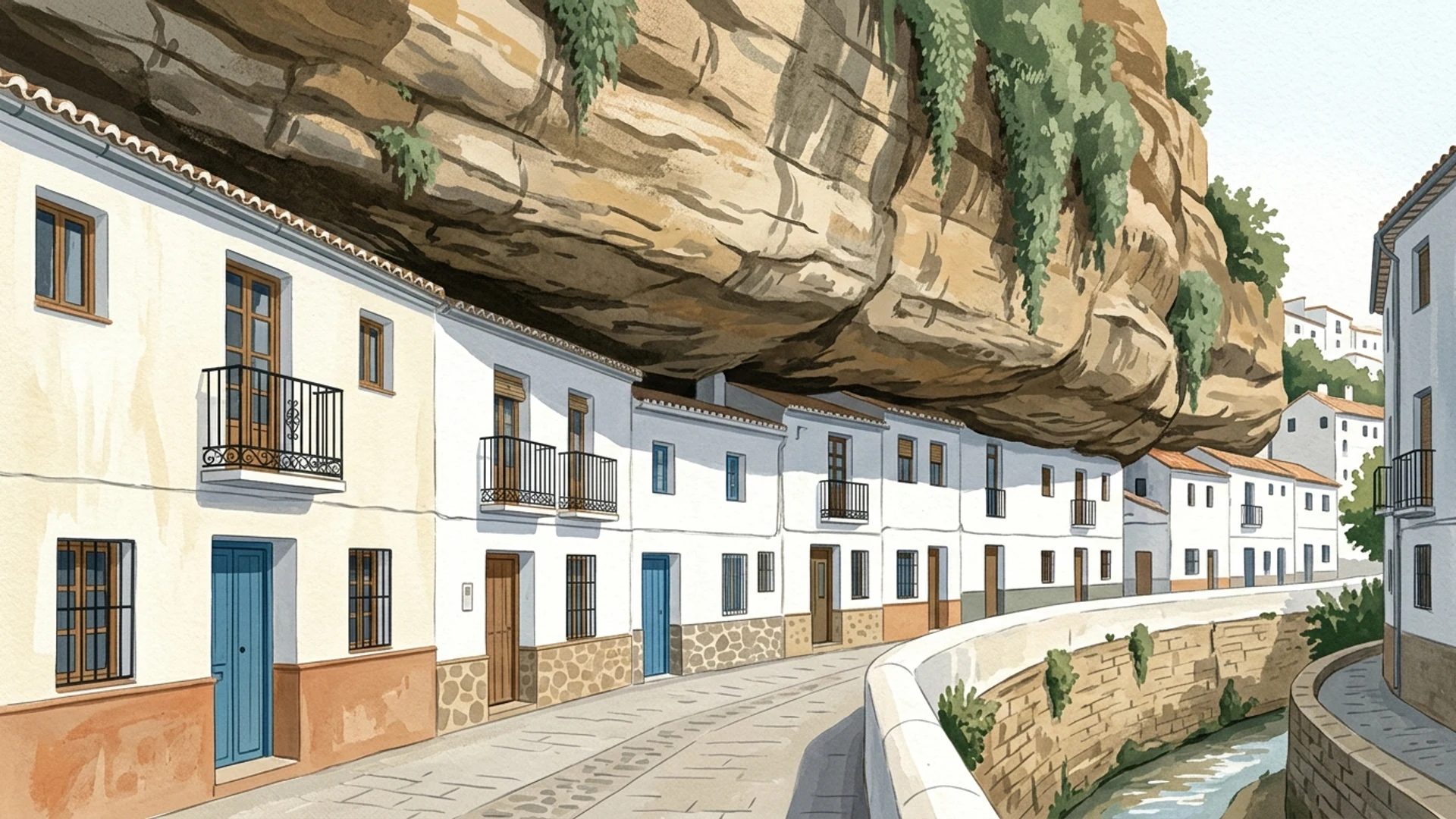
Casas Cueva de la Calle Cuevas del Sol
“A remarkable display of troglodyte architecture where houses are built directly into the limestone gorge, though its popularity means it can feel crowded and commercialised during peak hours.”
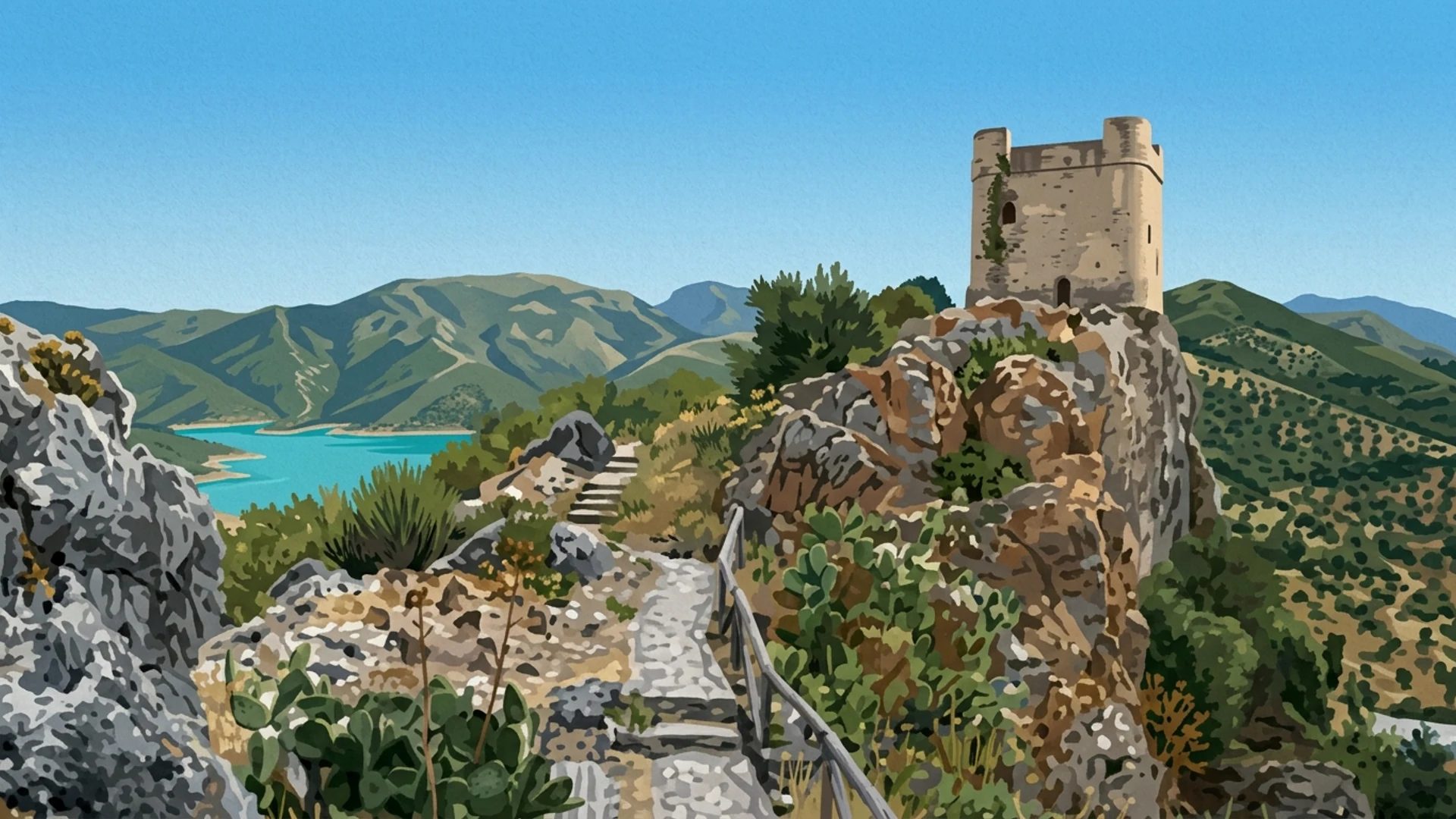
Castillo de Zahara de la Sierra
“A steep but rewarding climb to a Nasrid keep offering unparalleled views over the Zahara-El Gastor reservoir.”
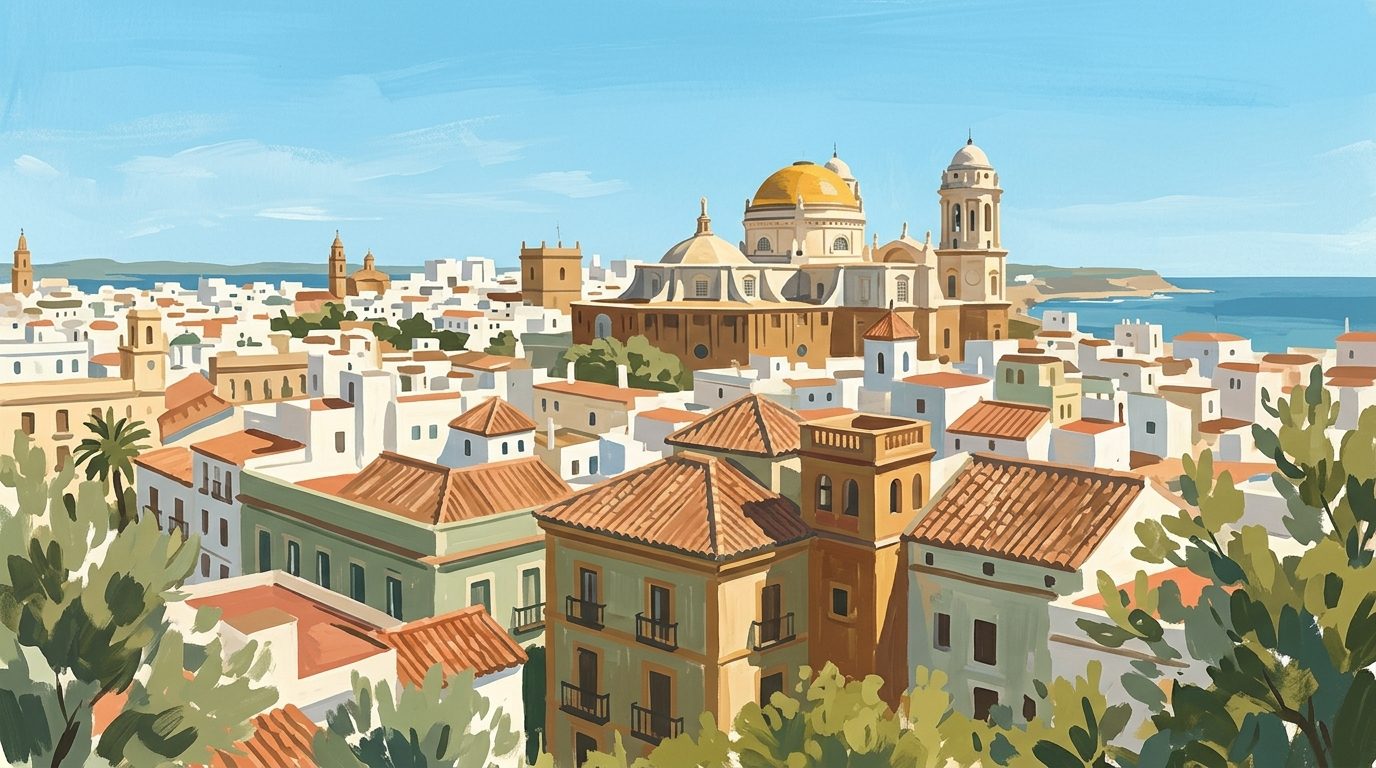
Catedral de Cádiz
“A monumental visual record of Cádiz’s 18th-century trading wealth. The weathered stonework, sloping bell tower ramps, and sea-level crypt create an atmospheric experience deeply tied to the Atlantic Ocean. It lacks the pristine polish of inland churches, offering a raw, authentic look at maritime history instead.”

“This cathedral lacks the overwhelming scale of Seville or the intricate Moorish integration found in Córdoba, but it rewards visitors with its manageable size and luminous interior. The separate bell tower and the Zurbarán painting elevate the experience significantly. It is an excellent stop for those interested in religious art and the architectural shifts of the Enlightenment.”
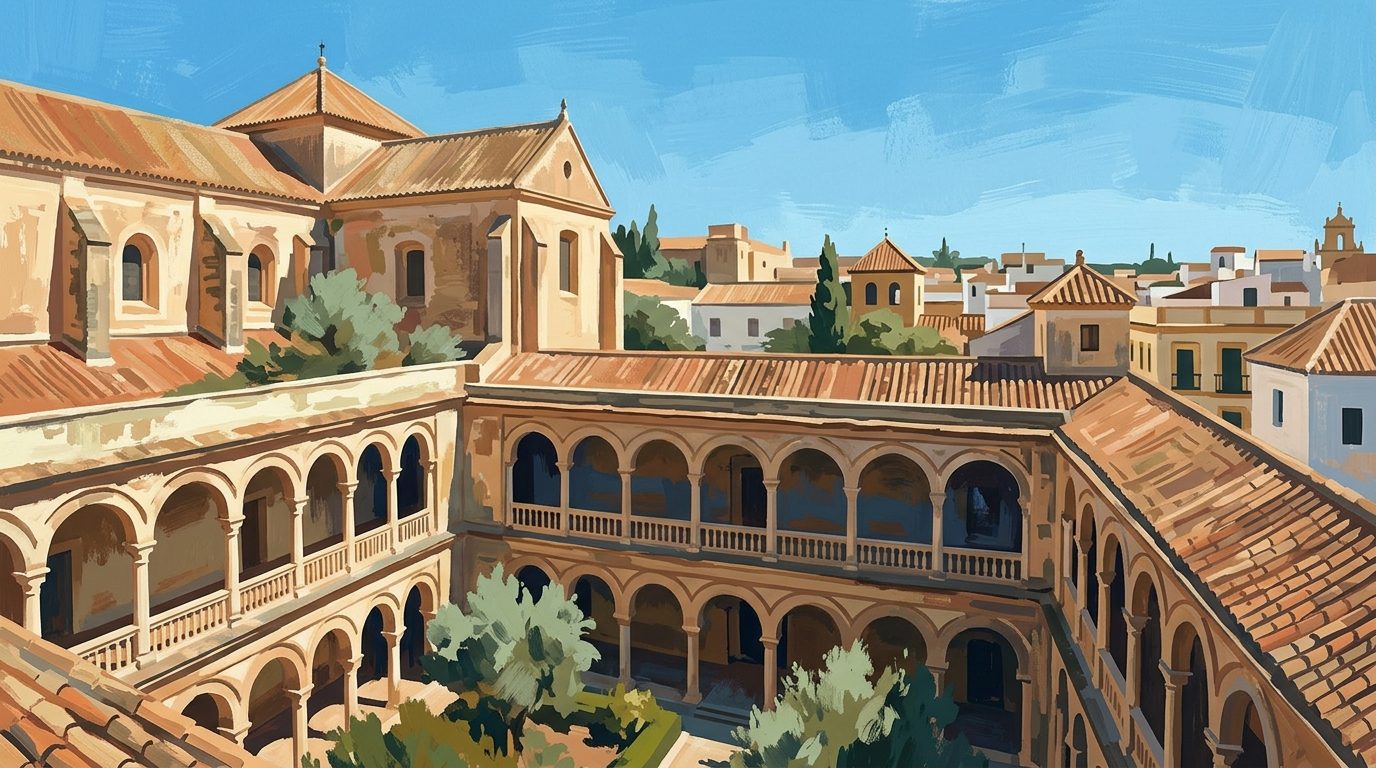
Claustros de Santo Domingo
“The Claustros de Santo Domingo offer a masterclass in architectural restraint and a quiet escape from the busy streets of Jerez. While the complex lacks extensive museum interpretation, the sheer scale of the Gothic ribbed vaulting and the tranquil, uncrowded atmosphere make it an essential stop for architecture enthusiasts.”

Cádiz Museum
“The Museo de Cádiz offers a vast, rewarding journey through three thousand years of Atlantic history, anchored by world-class Phoenician sarcophagi and exceptional Baroque masterpieces by Zurbarán. While the sheer volume of text-heavy archaeological exhibits requires significant patience, those who take their time will find a profound and meticulously curated tribute to Europe's oldest continuously inhabited city.”
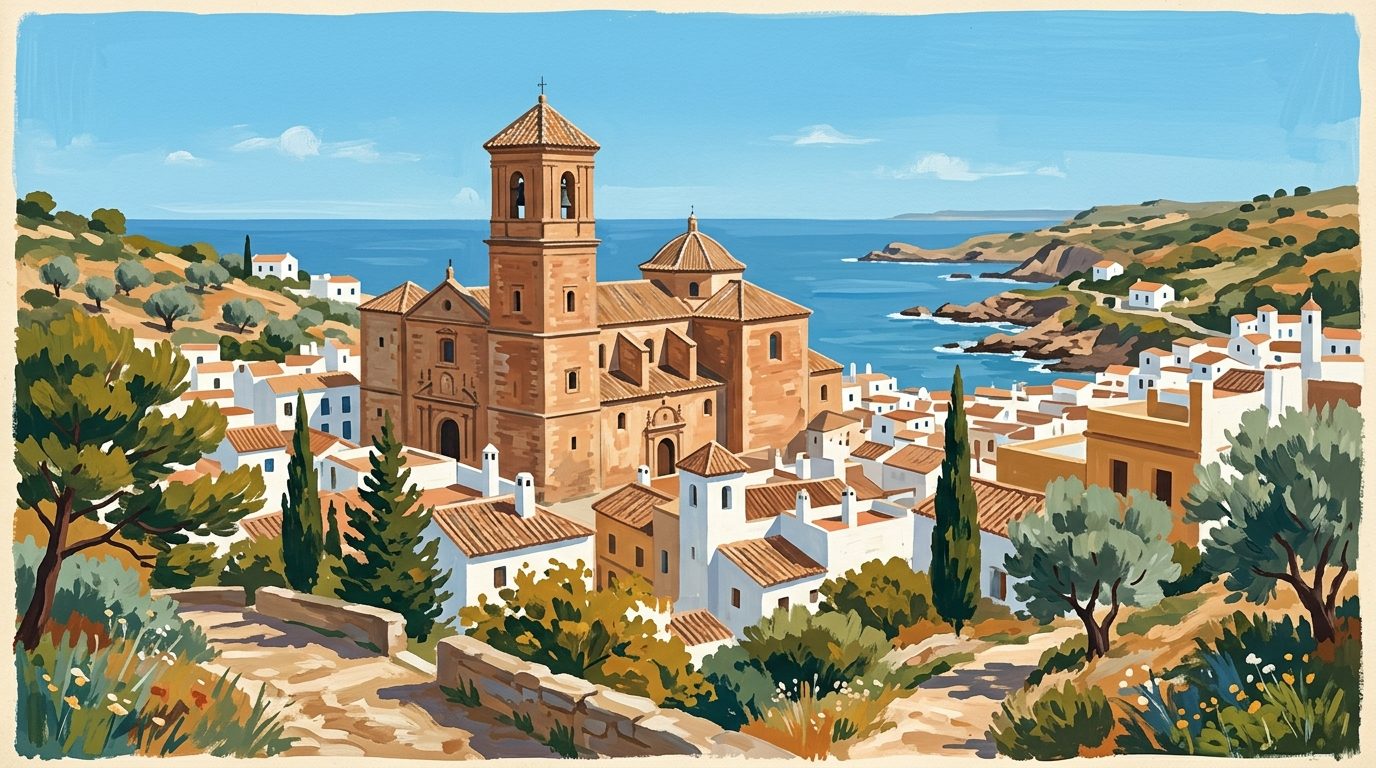
Iglesia de San Miguel
“A monumental masterpiece that effortlessly outshines the city's official cathedral. The soaring Gothic vaults and intricate wooden altarpiece provide a spectacular visual reward, while the location grounds you in the authentic gitano culture of the San Miguel district. An essential stop for architecture lovers and flamenco historians alike.”
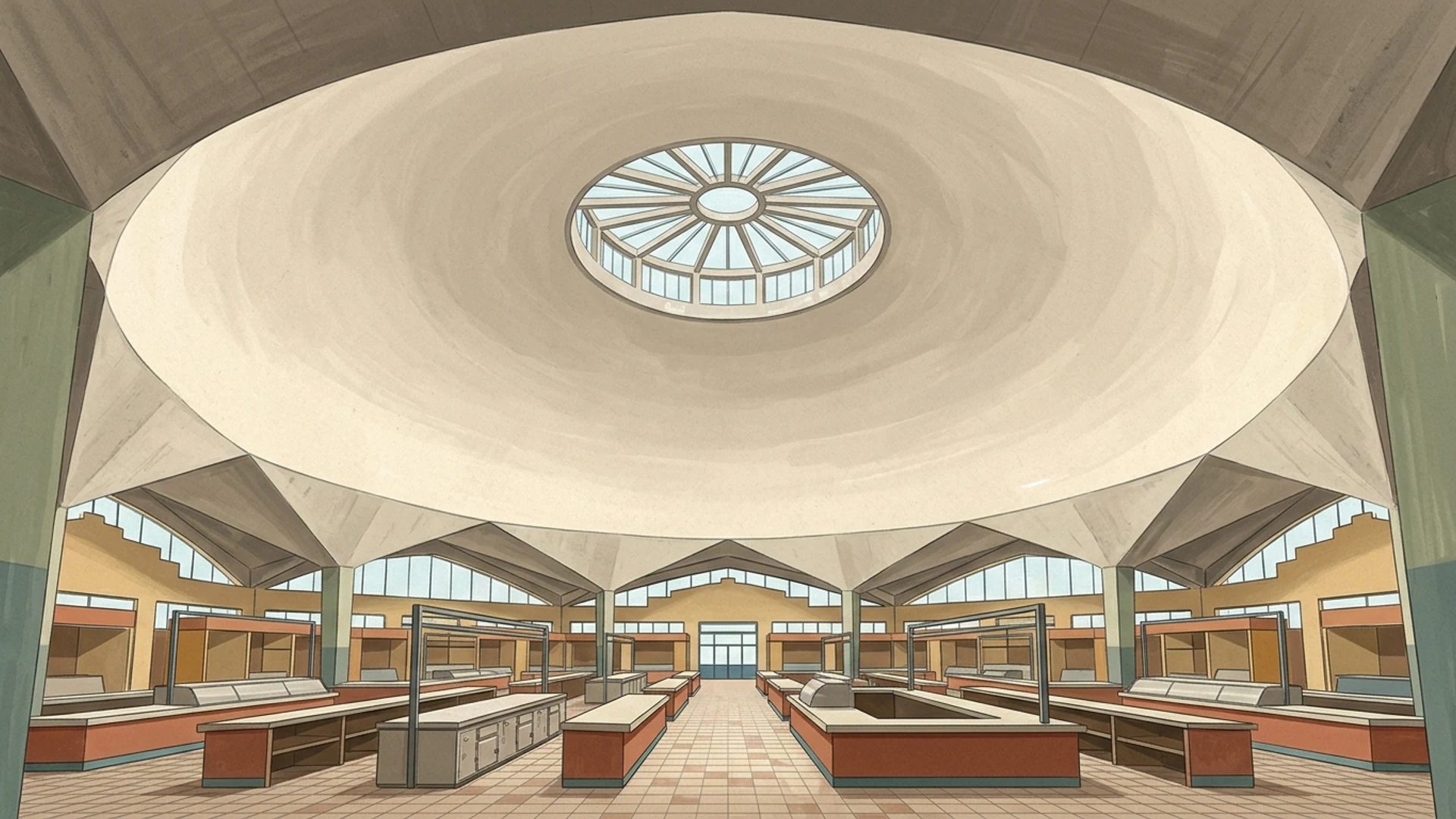
Mercado de Abastos Ingeniero Torroja
“A milestone of 1930s rationalist engineering, this functioning municipal market boasts a pioneering octagonal concrete dome that remains a key example of Spanish modernism.”

“The Palacio del Tiempo offers an extraordinary sensory experience, housing nearly 300 working historical clocks in an 1850 mansion. While a museum entirely dedicated to horology is highly specialised, the mechanical precision, intricate decorative arts, and the impressive chorus of hourly chimes make it a captivating detour.”
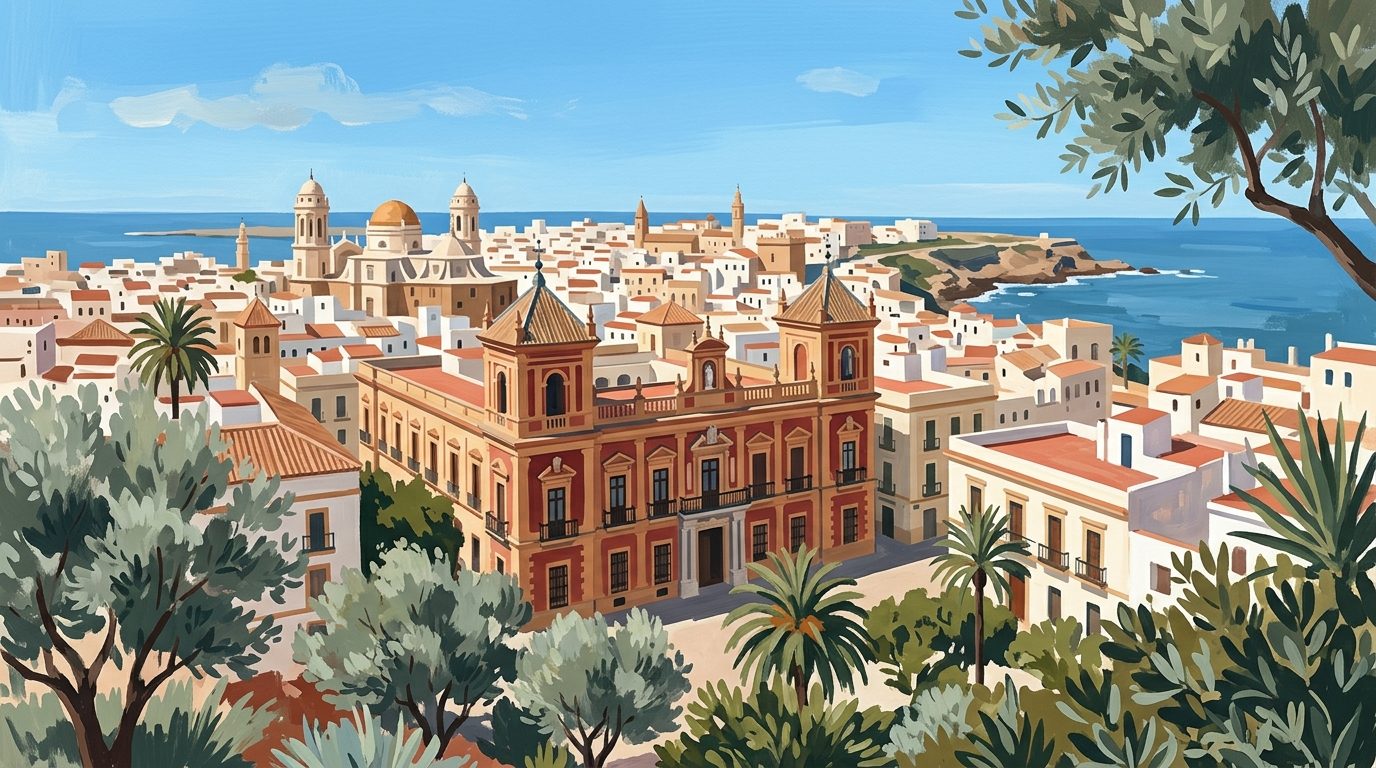
Palacio del Virrey Laserna
“The Palacio del Virrey Laserna offers a rare, authentic glimpse into the private world of the Andalucían aristocracy. Far from a sterile museum, this continuously inhabited family home pairs exceptional art by Rubens and Murillo with fascinating colonial history. It is an essential stop for anyone wanting true historical context in Jerez.”
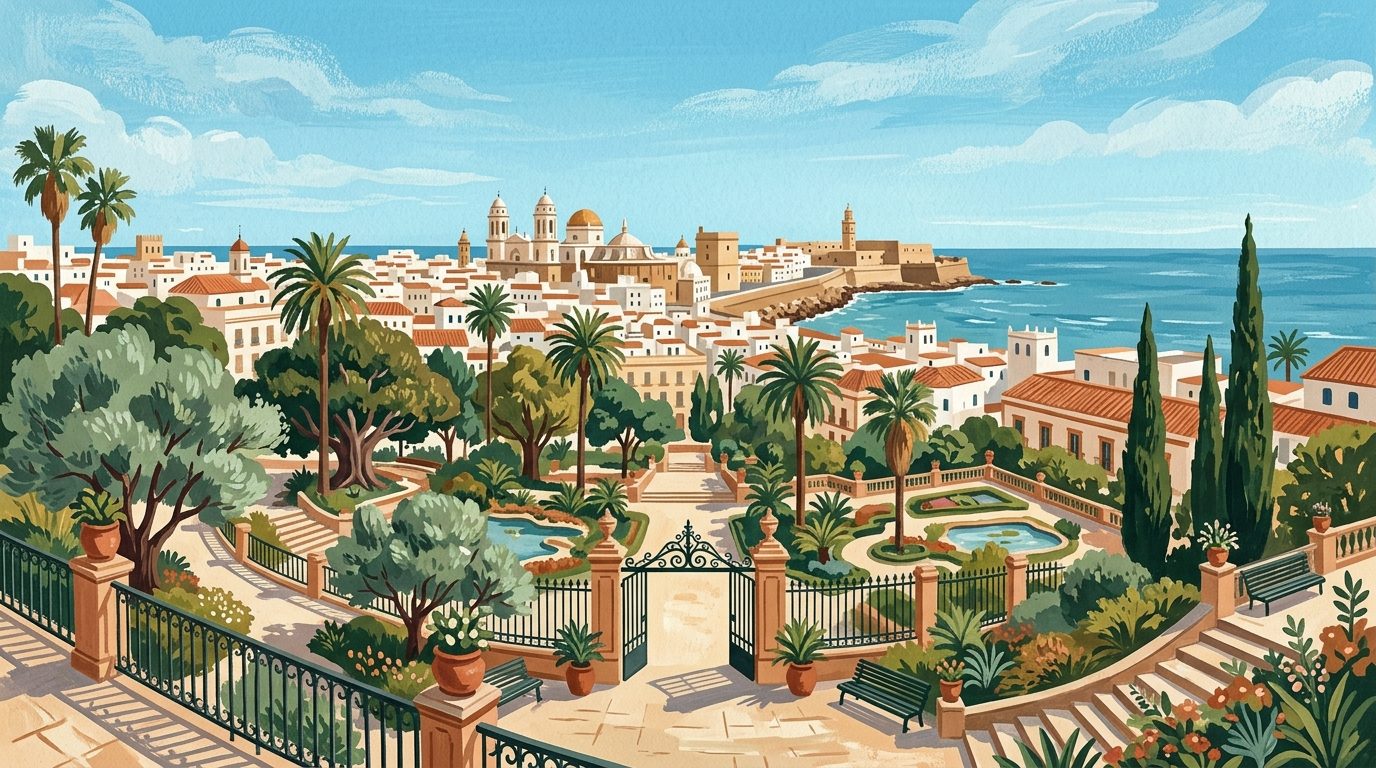
Parque Genovés
“This historic romantic garden is a shaded counterpoint to the sunlit stone streets of Cádiz. Its sculpted cypress topiary, unusual global planting and playful waterfall grotto make it much more than a convenient rest stop. Allow time to wander rather than treating it as a shortcut to La Caleta.”
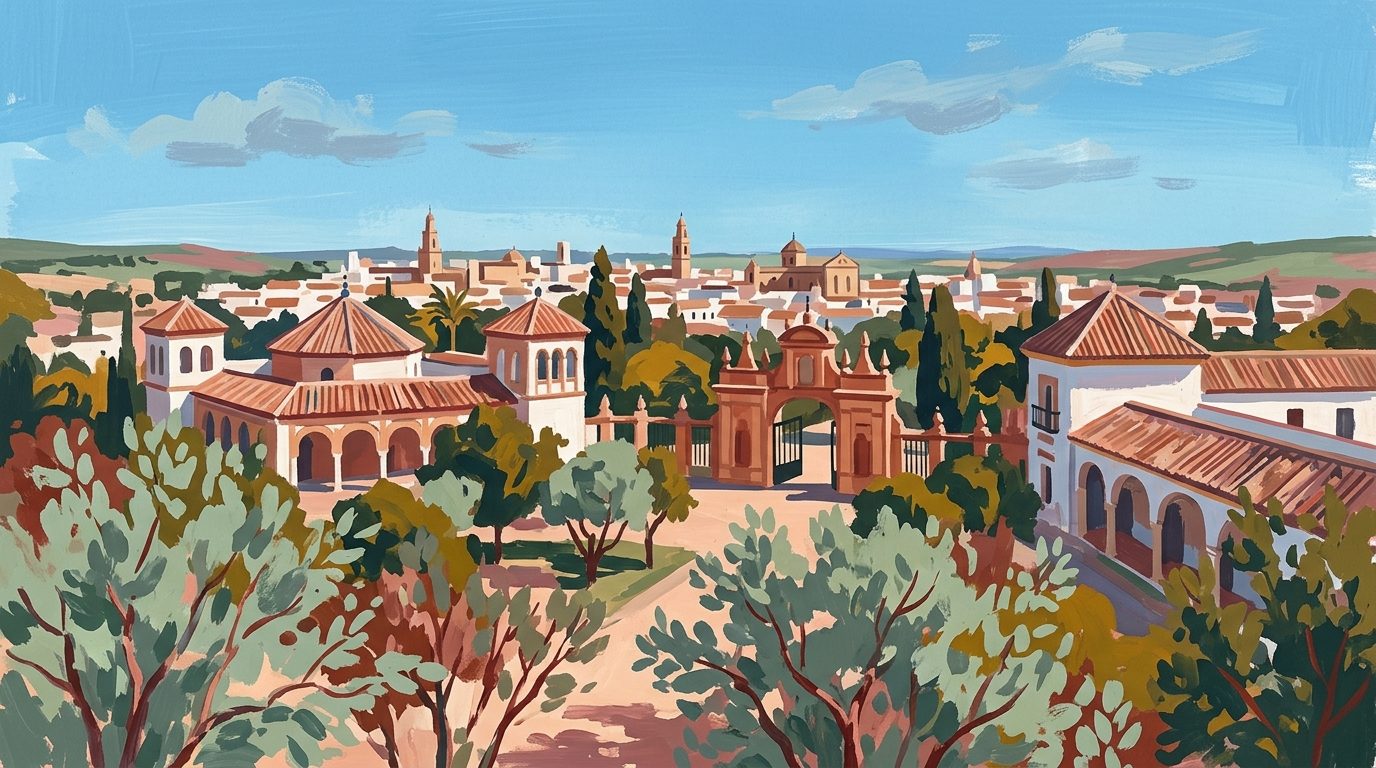
Parque González Hontoria
“Parque González Hontoria is an essential stop to understand the social and equestrian traditions of Jerez. While undeniably at its peak during the May horse fair, its wide, shaded avenues and historic ironwork provide a peaceful, accessible retreat year-round.”
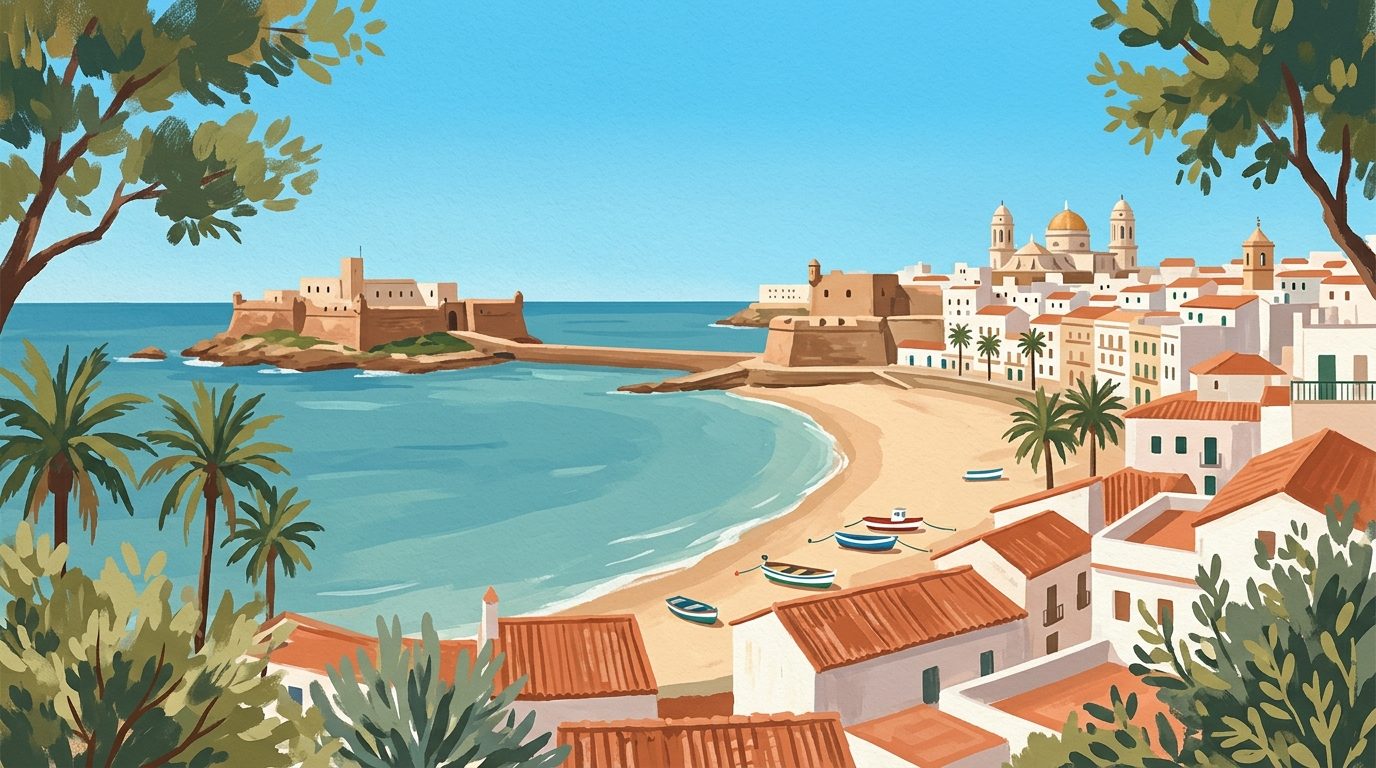
Playa de La Caleta
“Playa de La Caleta trades pristine isolation for deep historic resonance. Enclosed by monumental fortresses and backed by a traditional fishing quarter, this urban beach offers a densely social window into local life. Come for the military architecture, the maritime heritage, and sheer cultural immersion.”
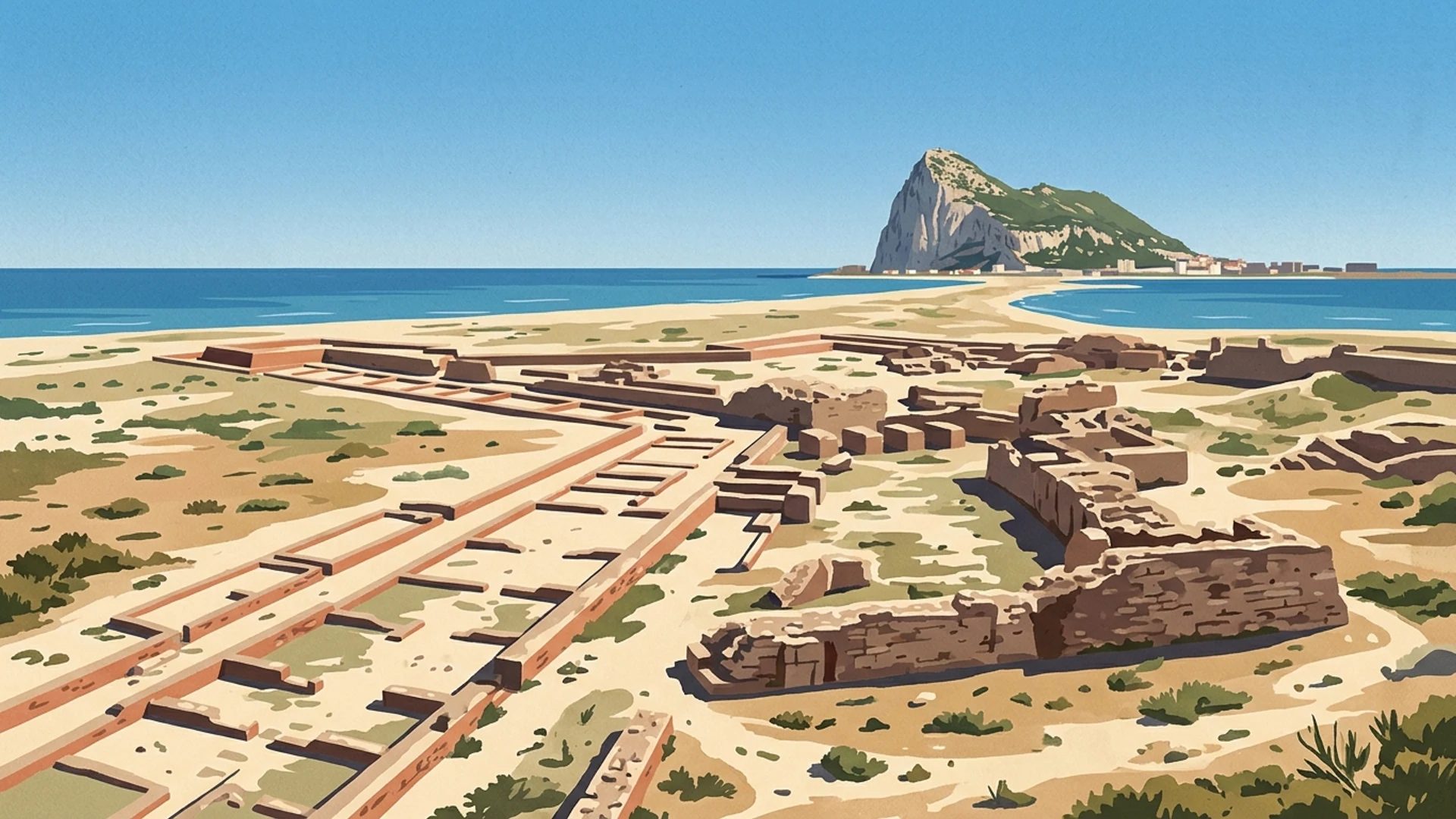
Ruinas del Fuerte de Santa Bárbara
“A historically significant but visually modest ruined fort that explains the geopolitical origins of La Línea de la Concepción.”
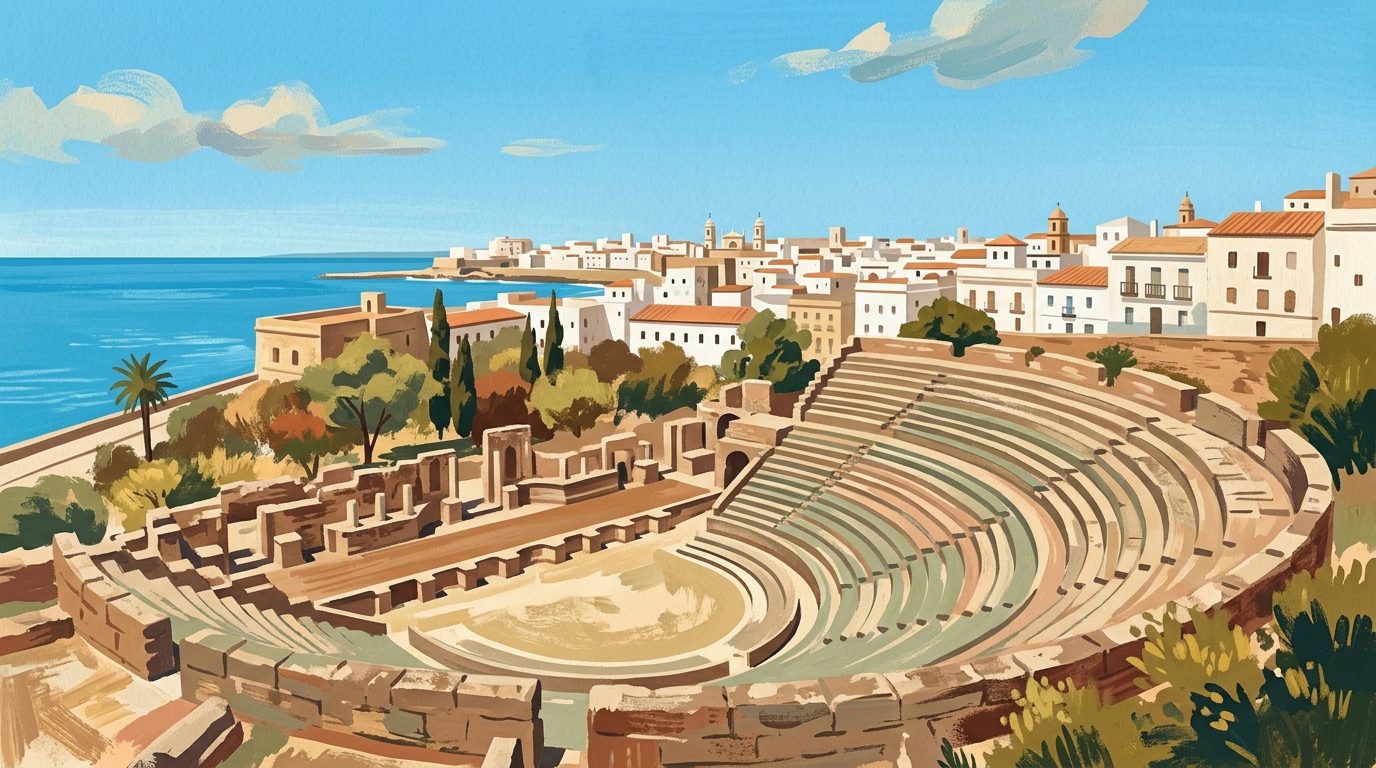
Teatro Romano de Cádiz
“While not a freestanding, fully exposed theatre, the Teatro Romano de Cádiz offers a remarkable look at how modern life literally rests on ancient foundations. The sheer scale of the vaulted subterranean galleries is impressive, making this an essential, atmospheric stop for anyone tracing the Roman history of Andalucía.”
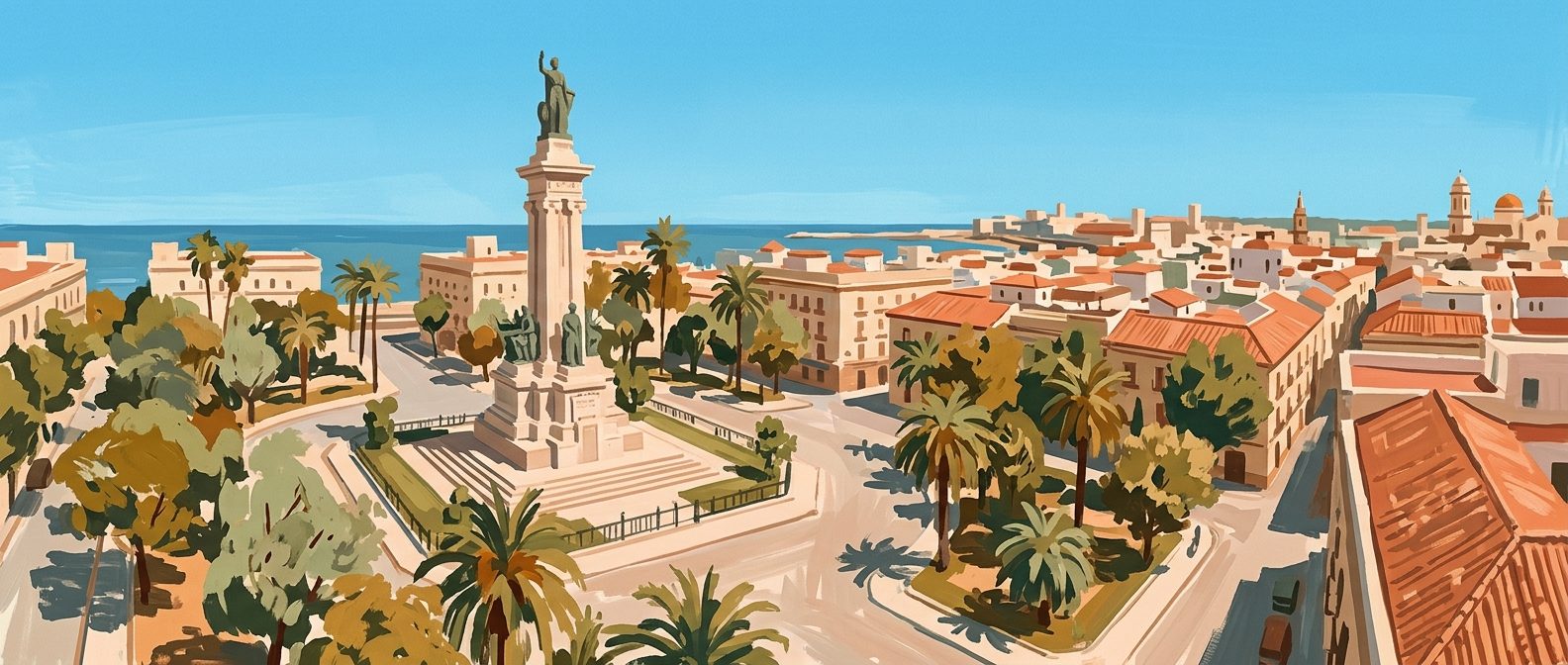
The 1812 Constitution Monument
“This massive 1912 hemicycle is visually impressive, but its real value lies in the political history carved into its stone. While casual visitors might just snap a quick photo, those who examine the bronze reliefs will uncover a powerful narrative of a besieged city that forged Spain's first liberal democracy.”
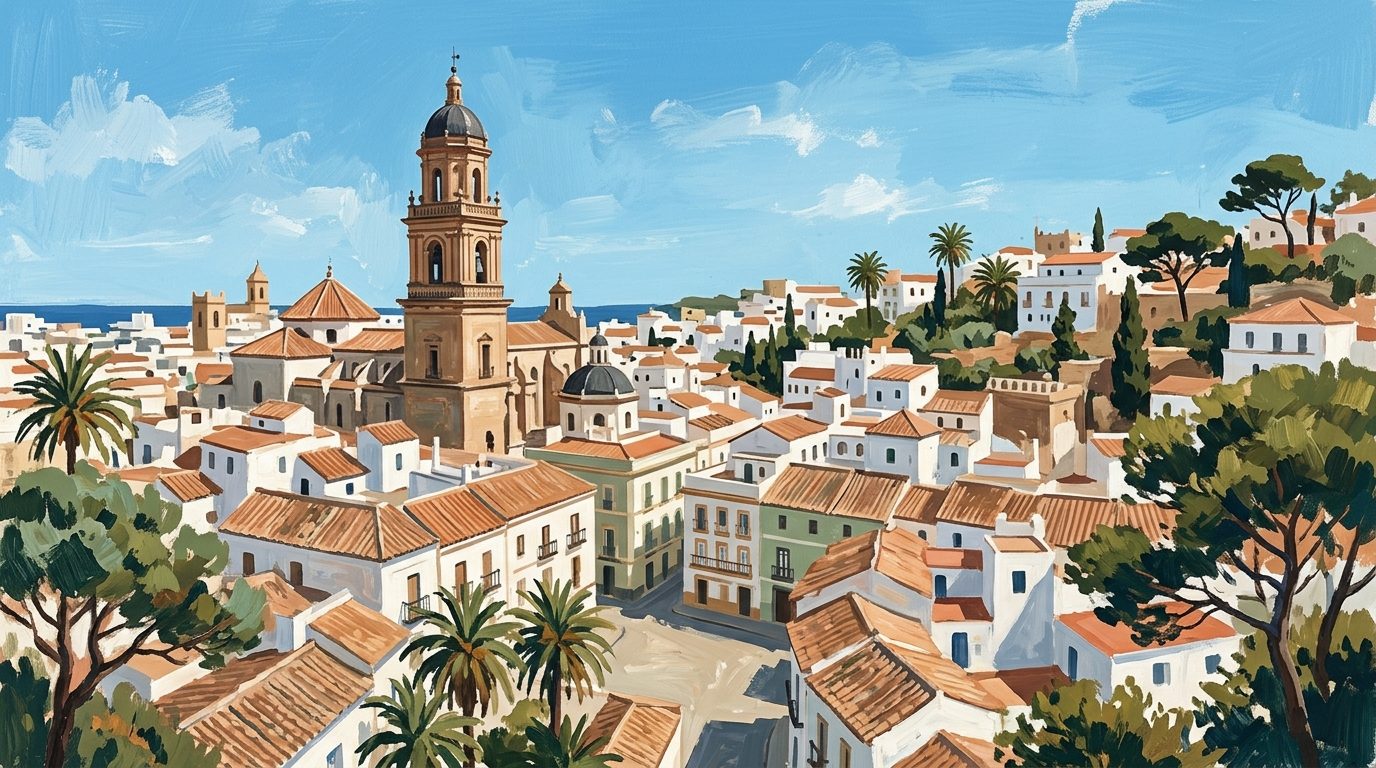
Torre Tavira
“This is an essential introduction to the unique geography and commercial history of the city. While the physical climb is demanding, the analogue optical illusion of the camera obscura remains genuinely fascinating. It perfectly suits first-time visitors seeking orientation and anyone intrigued by maritime history. The rooftop terrace offers a complete peninsula panorama, balancing education with a highly memorable visual experience.”