
Attractions in Andalucía
The Alhambra, the Mezquita, flamenco tablaos, natural parks and prehistoric caves: the essential sights across southern Spain.
Filter by Province
Filter by Type

Alcazaba
“A remarkably preserved 11th-century fortress offering an intimate look at Islamic military architecture and palatial design without the crushing crowds of the Alhambra. Be prepared for a demanding uphill walk over polished stone, but the panoramic views over the Mediterranean and intricate Mudéjar ceilings are an essential reward.”

Alcazaba Citadel
“The Alcazaba of Guadix offers raw medieval military architecture and unmatched panoramic views over the city's troglodyte cave district. Though ongoing restorations mean the interior lacks polished exhibits, the imposing red rammed-earth walls and strategic hilltop setting remain deeply impressive for enthusiasts of Andalucían history.”

Alcazaba de Antequera
“The Alcazaba de Antequera offers a highly rewarding climb for sweeping views across the fertile plains and the iconic Peña de los Enamorados. The sheer scale of the Nasrid towers and the heavy defensive architecture provide a tangible lesson in Andalucía’s medieval border conflicts, making it an essential historical visit.”

Alcázar de Jerez de la Frontera
“This is not the Alhambra; it is smaller, distinctly quieter, and requires slightly more imagination to picture its past grandeur. However, the lack of intense crowds makes it a highly rewarding site. It provides an authentic look at Moorish and Christian heritage, suited perfectly to independent travellers who appreciate architectural evolution without the pressure of strict timed entry circuits.”

Alcázar de la Puerta de Sevilla
“A formidable military complex that physically maps the architectural evolution of southern Spain. Its steep towers and layered gates offer a tangible sense of ancient strategic power, though visitors should be prepared for steep climbs and uneven stone steps. The panoramic views alone make the ascent worthwhile.”
Alcázar de los Reyes Cristianos
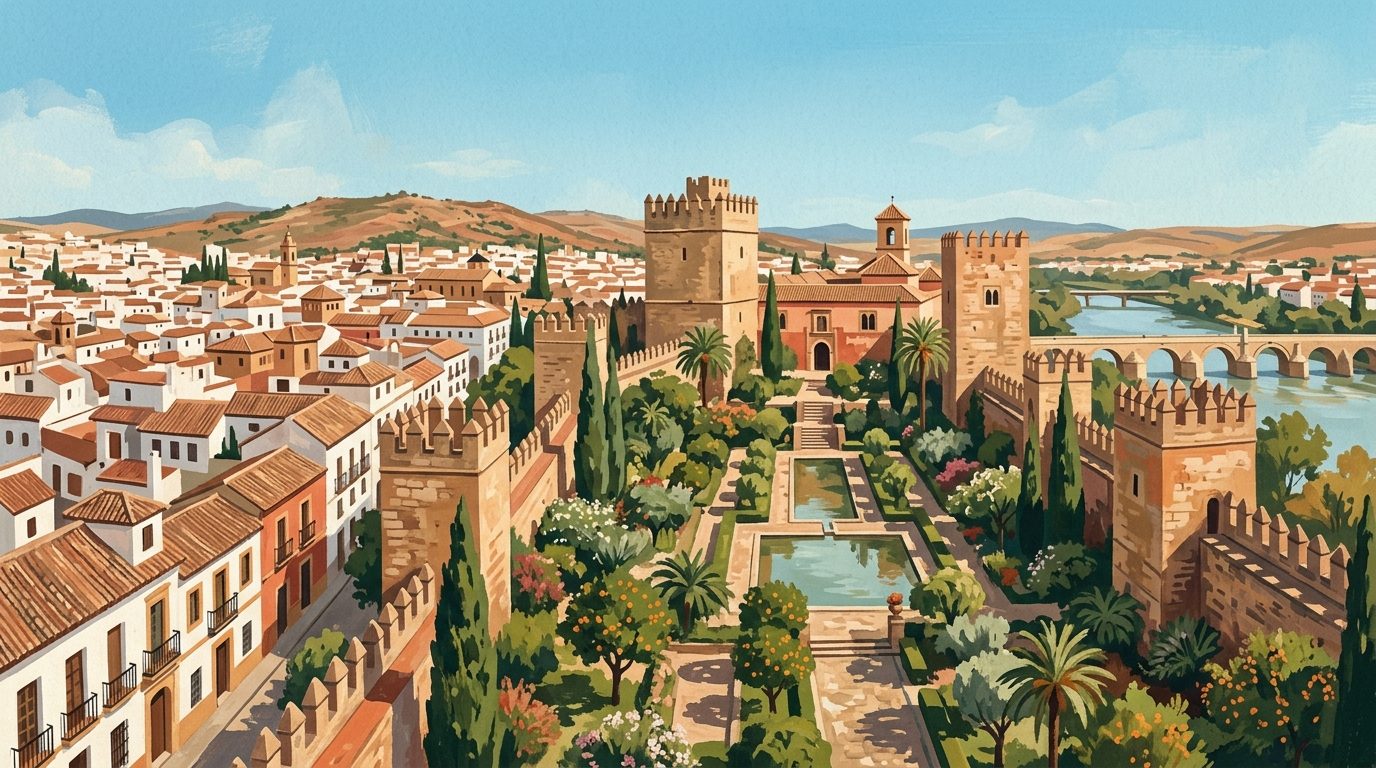
“While its austere interior lacks the ornate Moorish detailing of its regional counterparts, this formidable fortress compensates with monumental defensive architecture, museum-quality Roman mosaics, and expansive, water-fed terraced gardens. It is an essential stop for understanding the shifting political power and deep historical layers of the city.”
Alcázar del Rey Don Pedro
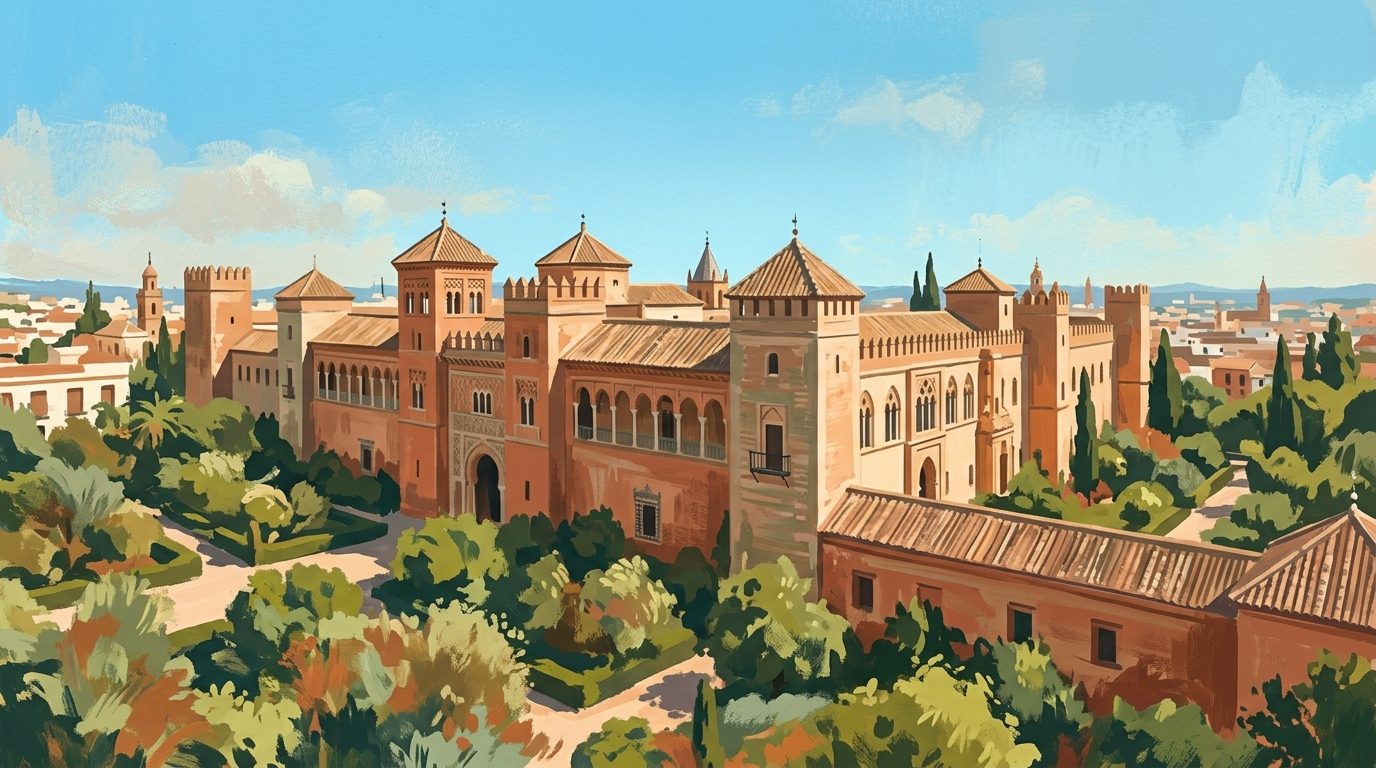
“The Alcázar del Rey Don Pedro offers a compelling look at medieval military adaptation. While the original palatial interiors are lost, the monumental defensive walls, the pioneering Cubete artillery fort, and the vast, unhindered views across the plains make this an essential stop for anyone exploring the architectural history of Andalucía.”
Baluarte de la Candelaria, Cádiz
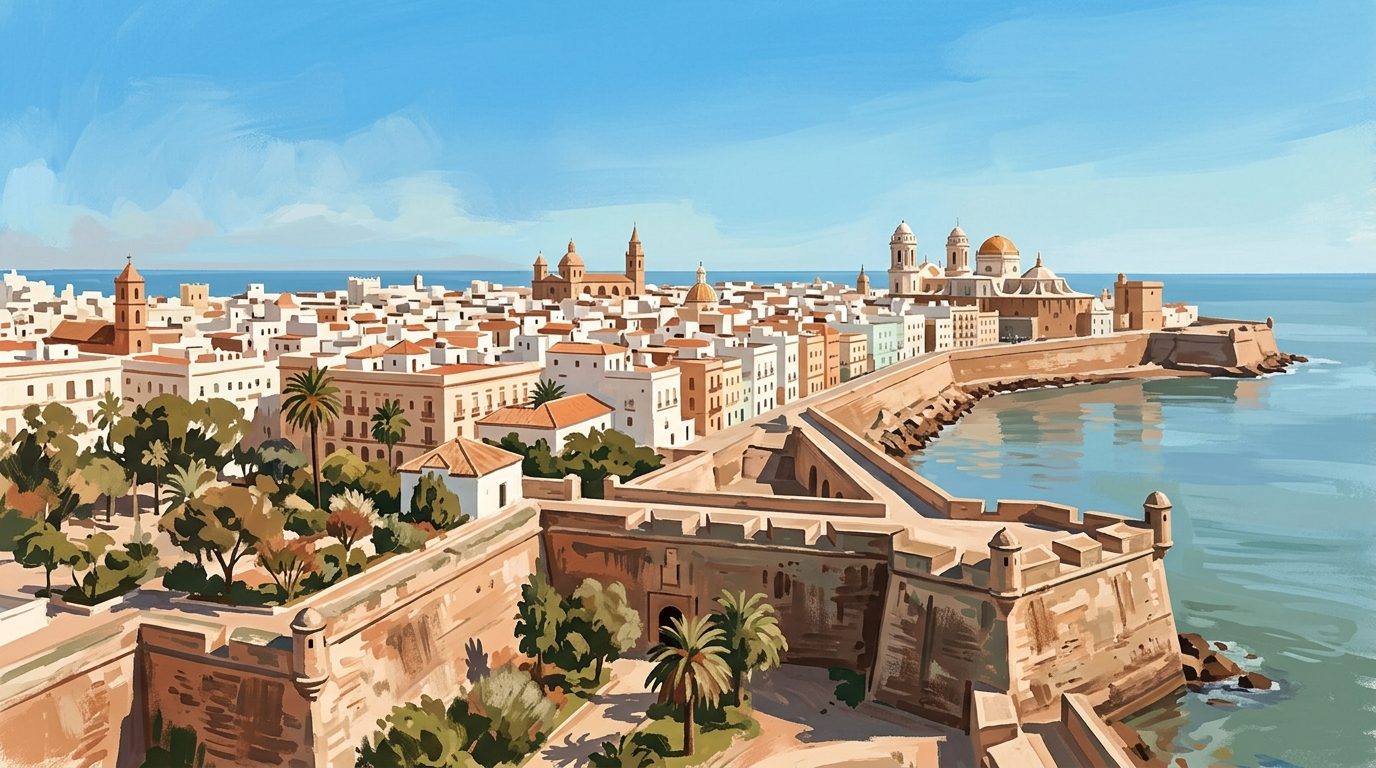
“The Baluarte de la Candelaria offers a quiet, highly atmospheric counterpoint to the more heavily visited castles in Cádiz. Its transformation from a coastal artillery battery into a cultural venue is fascinating, though the empty interior can feel stark outside of scheduled summer concerts or exhibitions. Go for the sweeping ocean views.”

Castillo de Gibralfaro
“The Castillo de Gibralfaro provides the most complete panoramic views over Málaga, but remains a stark, highly exposed military shell. It lacks the decorative beauty of the Alcazaba below, making it best suited for military history enthusiasts, photographers, and visitors willing to brave the steep ramparts for an unmatched vantage point.”
Castillo de Santa Ana
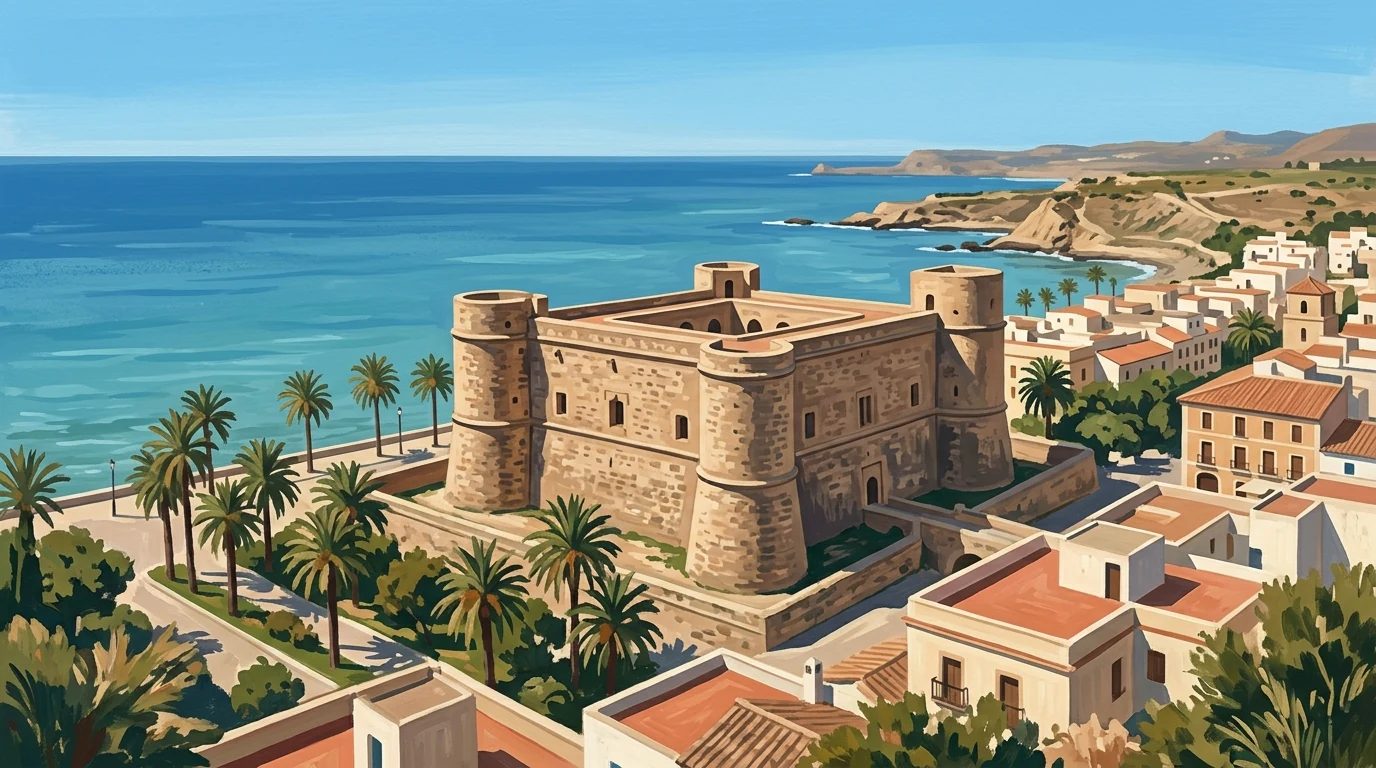
“This restored 16th-century fortress offers a brilliant mix of maritime history, contemporary art, and sweeping Mediterranean views.”
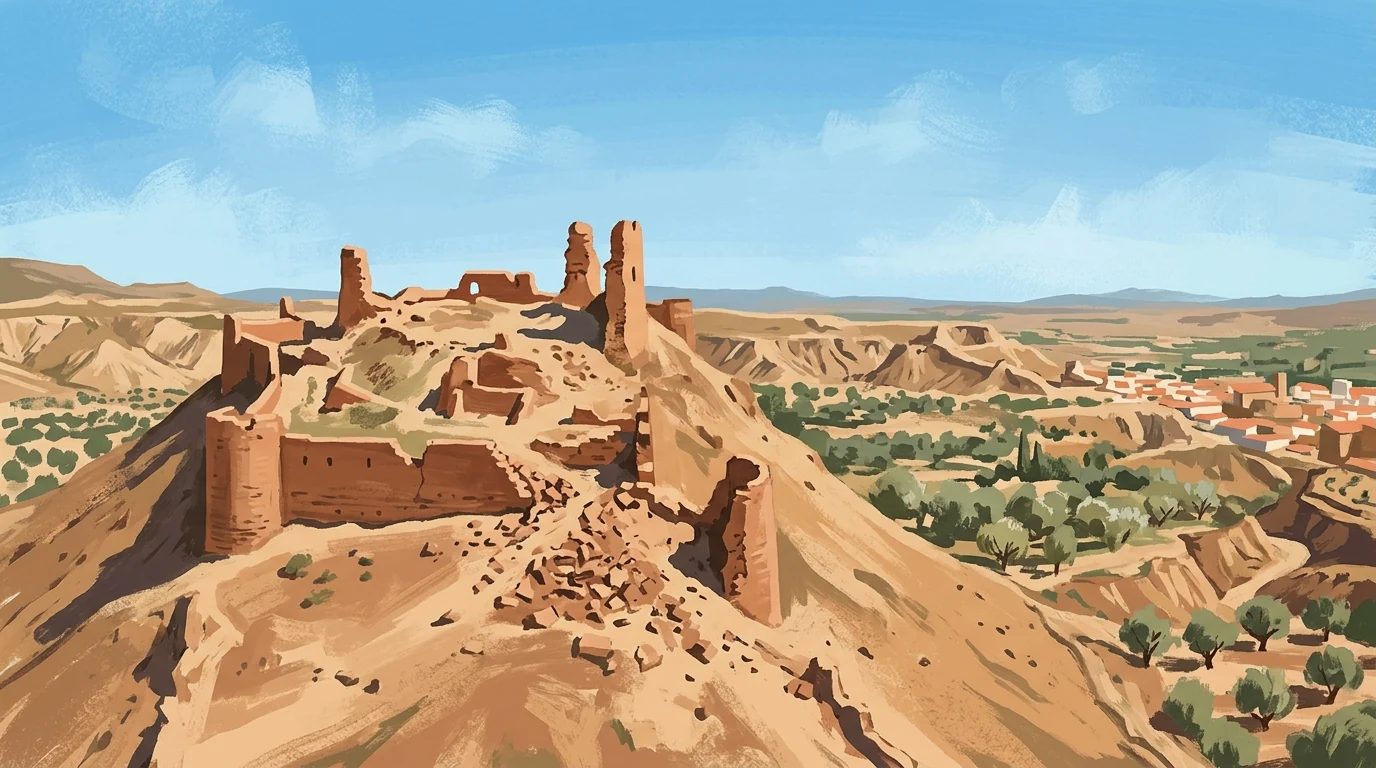
Castillo de Tabernas
“A ruined medieval fortress offering the most spectacular, sweeping views over the badlands of the Tabernas Desert.”

Cerro San Cristóbal
“Cerro San Cristóbal offers the most commanding views in Almería, perfectly illustrating the sheer scale of the Alcazaba. Following a major municipal redevelopment, visitors can now explore the 11th-century walls and enjoy sweeping Mediterranean panoramas from accessible, landscaped terraces, making it an essential and atmospheric stop for history enthusiasts.”

Espadaña Puerta del Castillo
“While architectural purists may dismiss the Espadaña Puerta del Castillo as a modern imitation, it remains undeniably photogenic. It provides a dramatic, scene-setting entrance to the genuine medieval summit. Acknowledge its 20th-century origins, appreciate the spectacular framing it offers for your photographs, and enjoy the sweeping views across the northern Huelva mountains.”

Mirador de Aracena
“This is the definitive viewpoint in northern Andalucía. While the steep, unshaded climb requires some physical effort, the reward is a complete spatial understanding of how a medieval frontier town evolved into the capital of a protected natural park. It is an essential orientation point.”

Palacio de las Dueñas
“Palacio de las Dueñas provides a deeply personal counterpart to the monumental scale of Sevilla's major royal sites. It rewards visitors who appreciate quiet horticultural beauty and a genuine glimpse into aristocratic domesticity. The lack of detailed curatorial signage means an audio guide is highly recommended, but the rich historic atmosphere makes this estate a tremendously worthwhile hour of exploration.”

Puerta de la Justicia
“Serving as the monumental front door to the Alhambra, the Puerta de la Justicia offers an immediate immersion into Nasrid military engineering. It is free to walk through, making it a highly rewarding prelude to the main palatial complex and a stark physical record of Granada’s complex religious transition.”

Royal Alcázar of Seville
“The Royal Alcázar is an architectural masterpiece that justifies its immense popularity. The fusion of Islamic and Christian design is visually spectacular, but the relentless crowds can be exhausting. Book your tickets weeks in advance, skip the restrictive upper apartments, and focus your energy on the intricate Mudéjar courtyards and expansive gardens.”
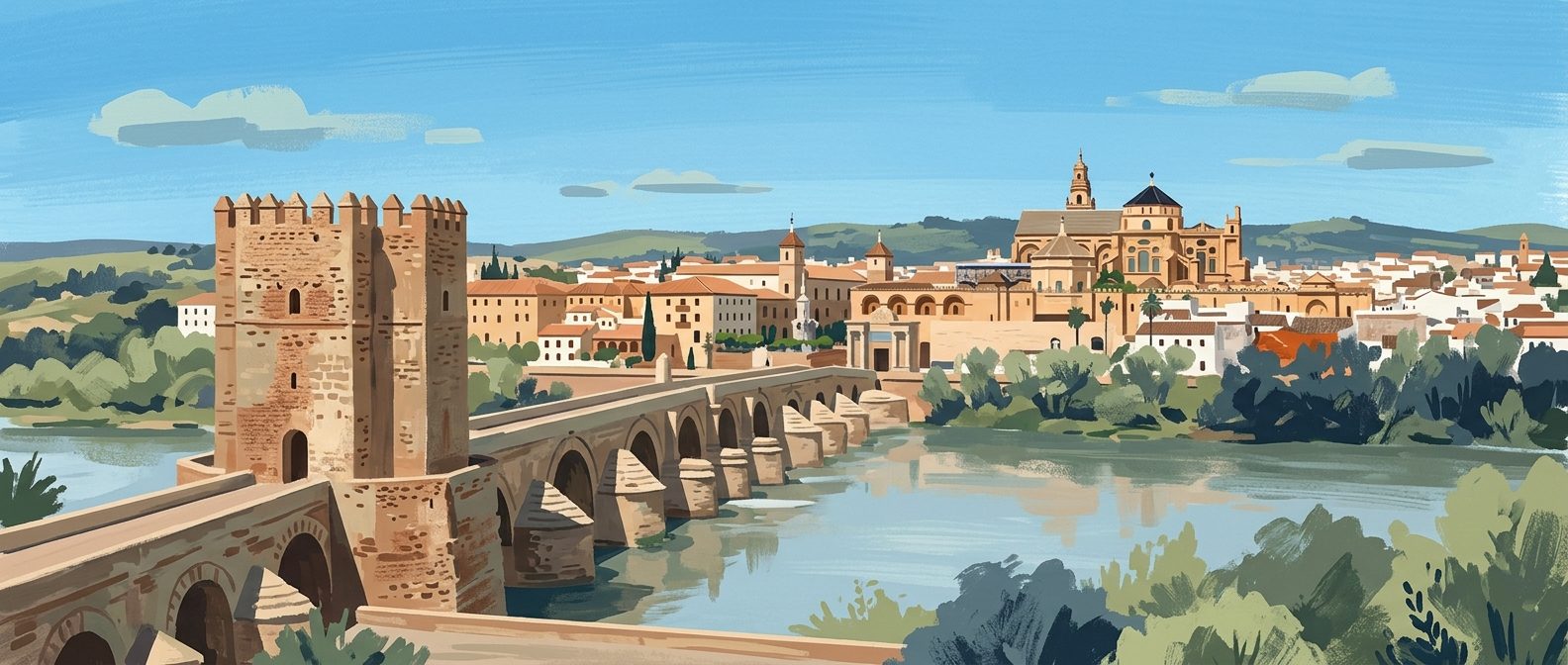
Torre de la Calahorra
“While the museum's dioramas feel dated and rely heavily on the audio guide, the historical context is invaluable. The architectural weight of the tower and the panoramic rooftop views make the entry fee worthwhile. It is highly recommended for history enthusiasts, architecture fans, and photographers.”
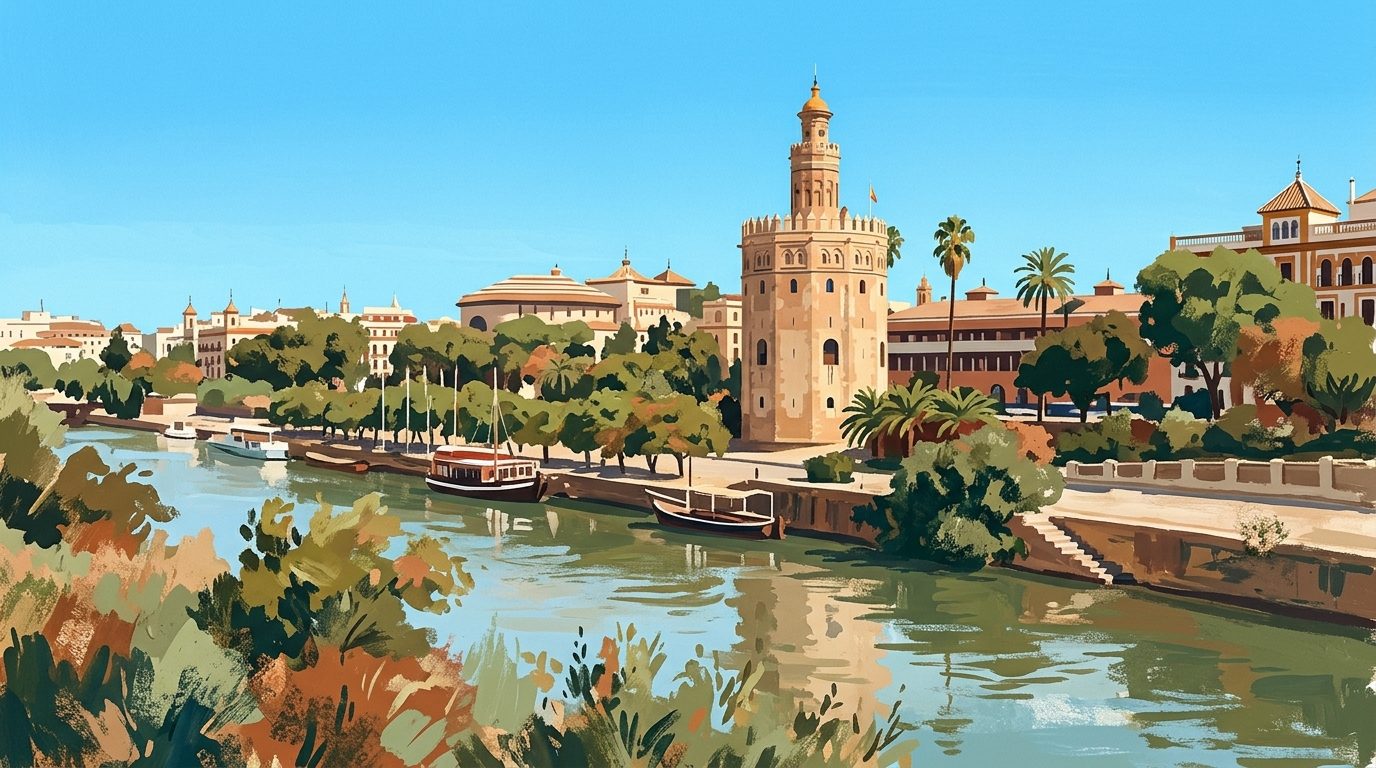
Torre del Oro
“The Torre del Oro pairs a compact naval museum with some of the best river views in Sevilla. While the maritime exhibits are traditional and mostly in Spanish, the short climb and lack of heavy crowds make its rooftop terrace a rewarding, stress-free stop for architecture and photography lovers.”