
Attractions in Andalucía
The Alhambra, the Mezquita, flamenco tablaos, natural parks and prehistoric caves: the essential sights across southern Spain.
Filter by Province
Filter by Type
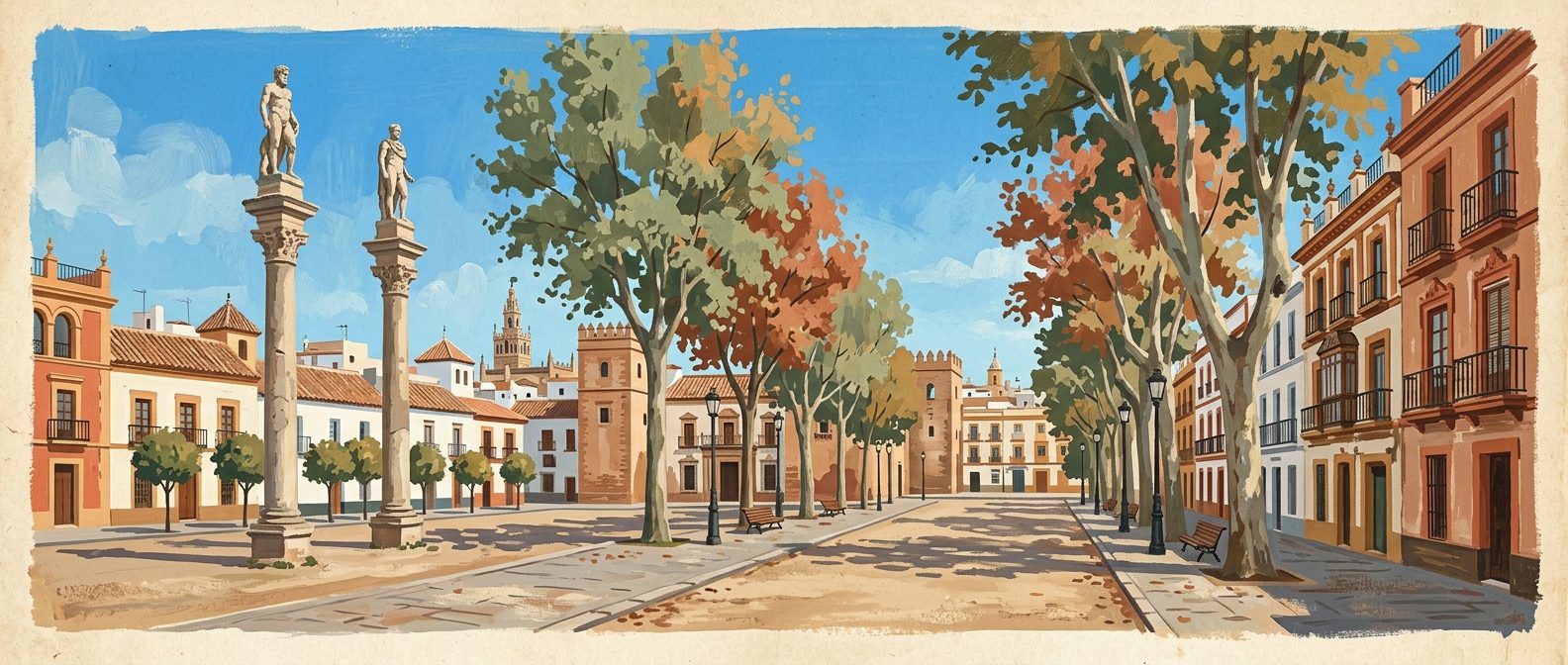
Alameda de Hércules
“The Alameda de Hércules trades pristine monuments for unfiltered street life. It is loud, gritty, and heavily used, offering a vital look at modern Sevilla. Skip it if you expect immaculate courtyards, but visit for the excellent food scene, independent atmosphere, and a true sense of the city's contemporary character.”
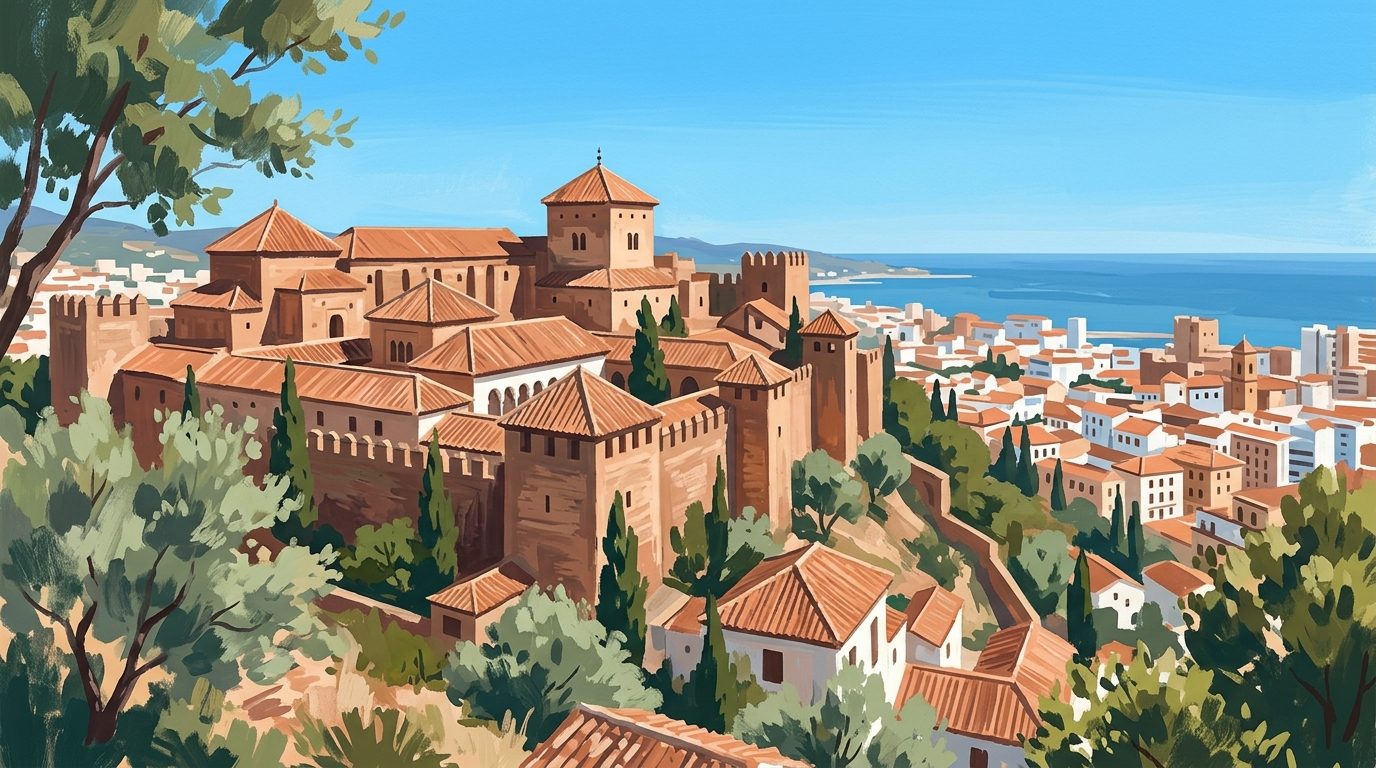
Alcazaba
“A remarkably preserved 11th-century fortress offering an intimate look at Islamic military architecture and palatial design without the crushing crowds of the Alhambra. Be prepared for a demanding uphill walk over polished stone, but the panoramic views over the Mediterranean and intricate Mudéjar ceilings are an essential reward.”
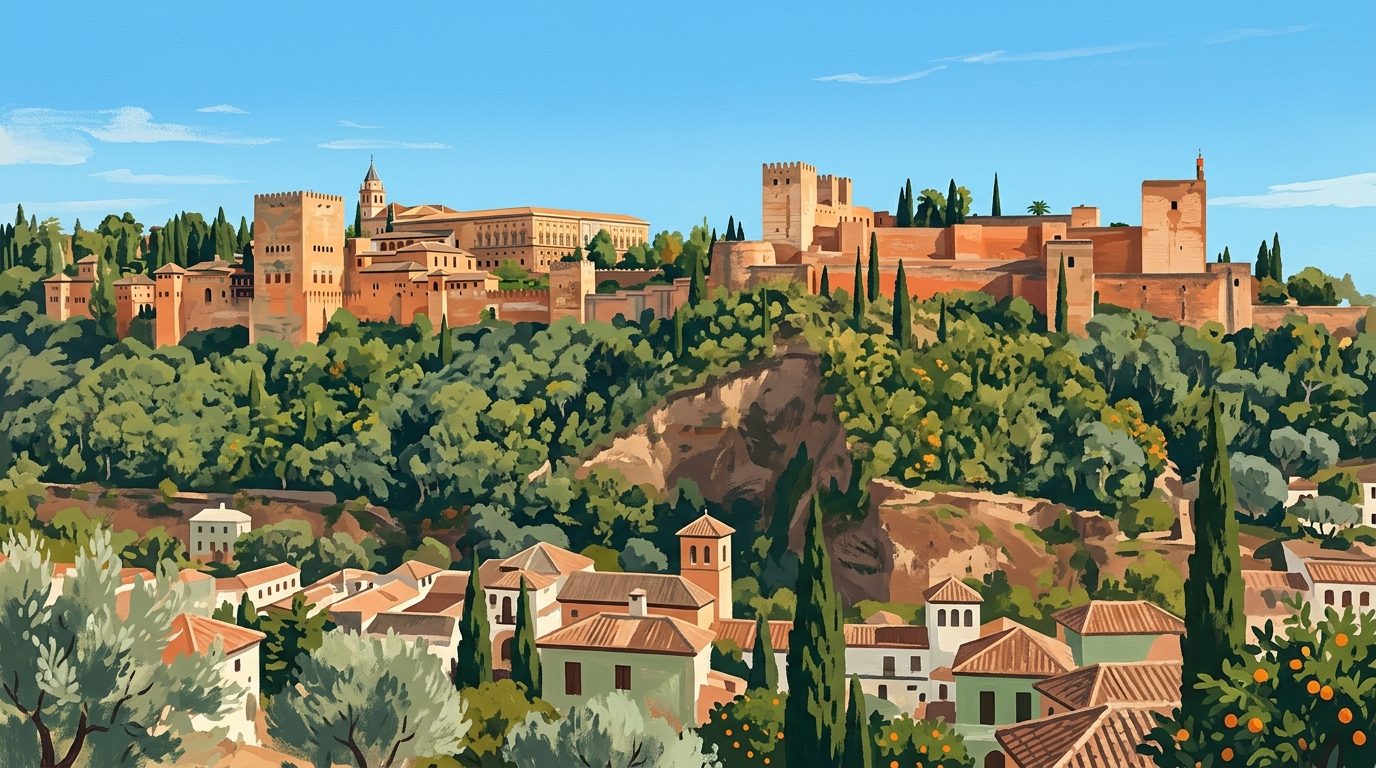
Alcazaba Citadel
“The Alcazaba of Guadix offers raw medieval military architecture and unmatched panoramic views over the city's troglodyte cave district. Though ongoing restorations mean the interior lacks polished exhibits, the imposing red rammed-earth walls and strategic hilltop setting remain deeply impressive for enthusiasts of Andalucían history.”
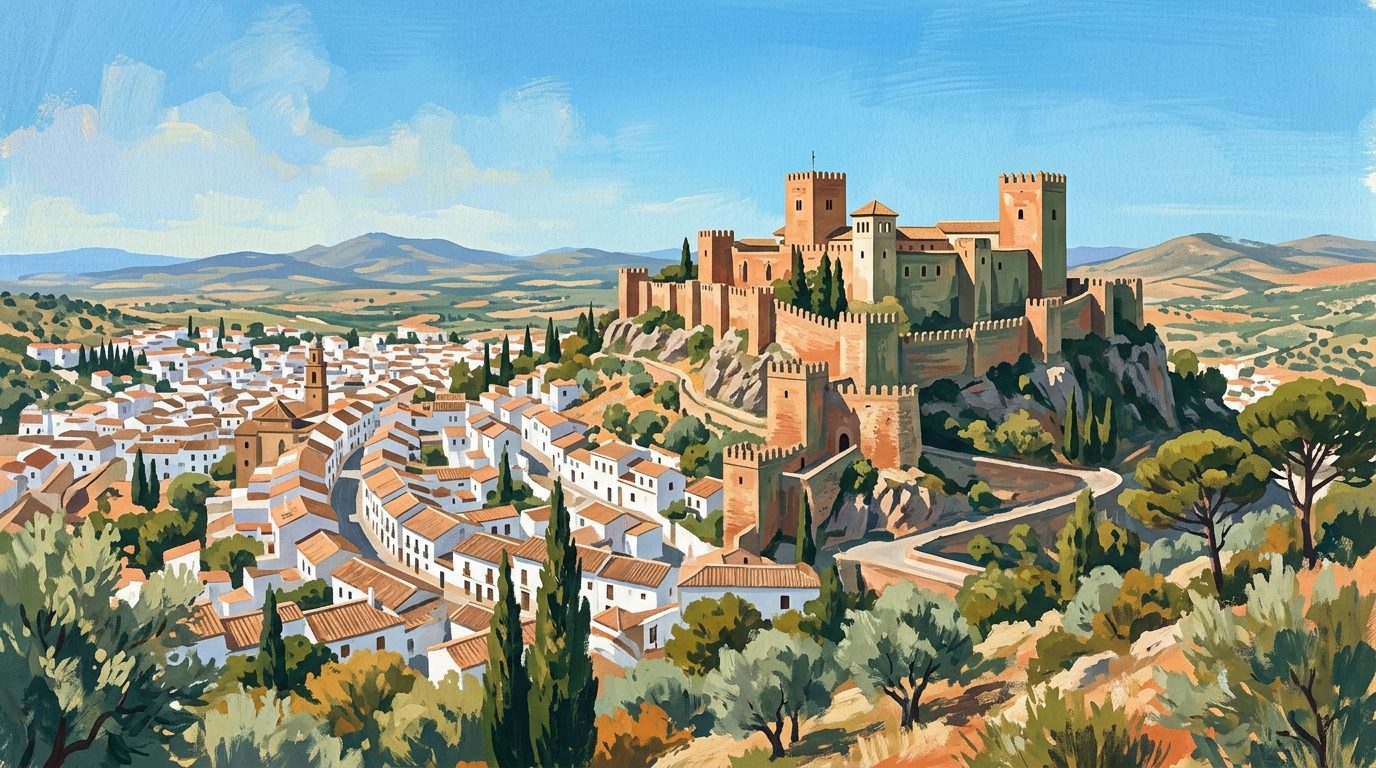
Alcazaba de Antequera
“The Alcazaba de Antequera offers a highly rewarding climb for sweeping views across the fertile plains and the iconic Peña de los Enamorados. The sheer scale of the Nasrid towers and the heavy defensive architecture provide a tangible lesson in Andalucía’s medieval border conflicts, making it an essential historical visit.”
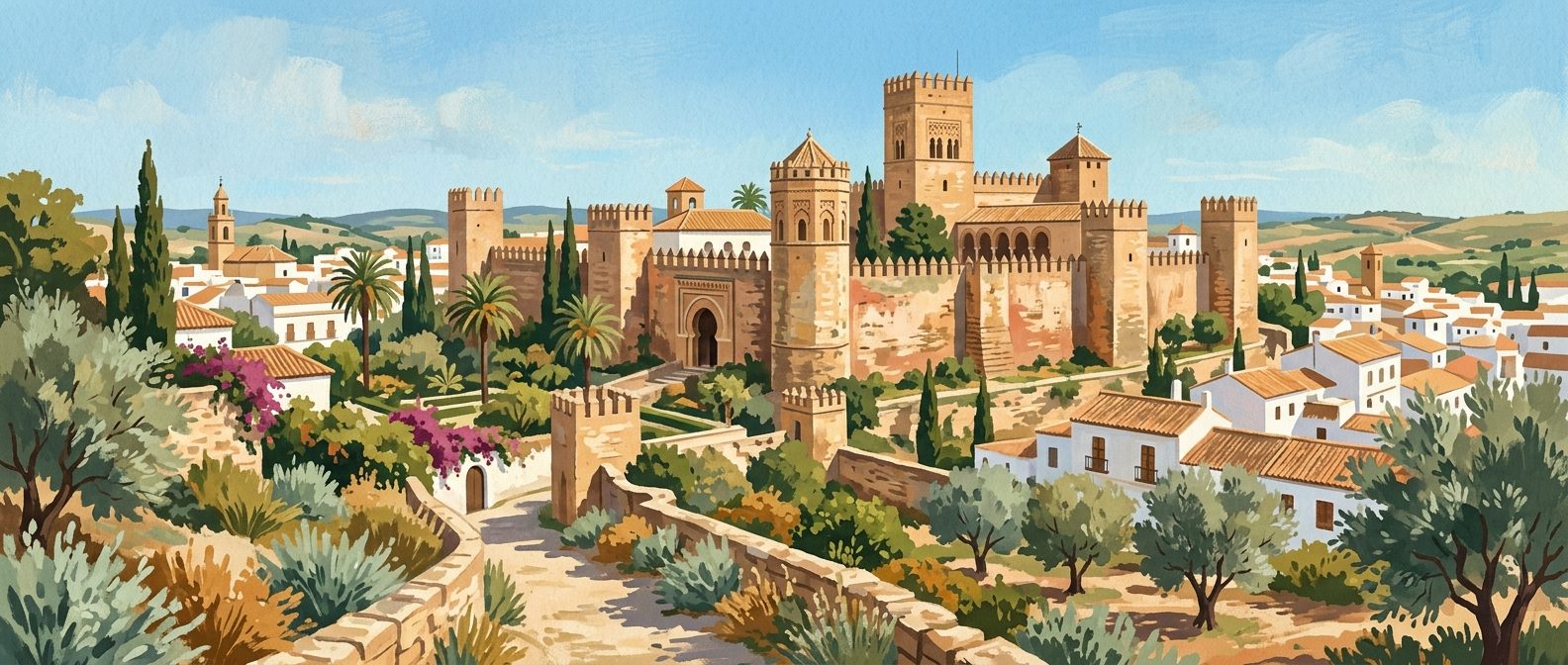
Alcázar de Jerez de la Frontera
“This is not the Alhambra; it is smaller, distinctly quieter, and requires slightly more imagination to picture its past grandeur. However, the lack of intense crowds makes it a highly rewarding site. It provides an authentic look at Moorish and Christian heritage, suited perfectly to independent travellers who appreciate architectural evolution without the pressure of strict timed entry circuits.”
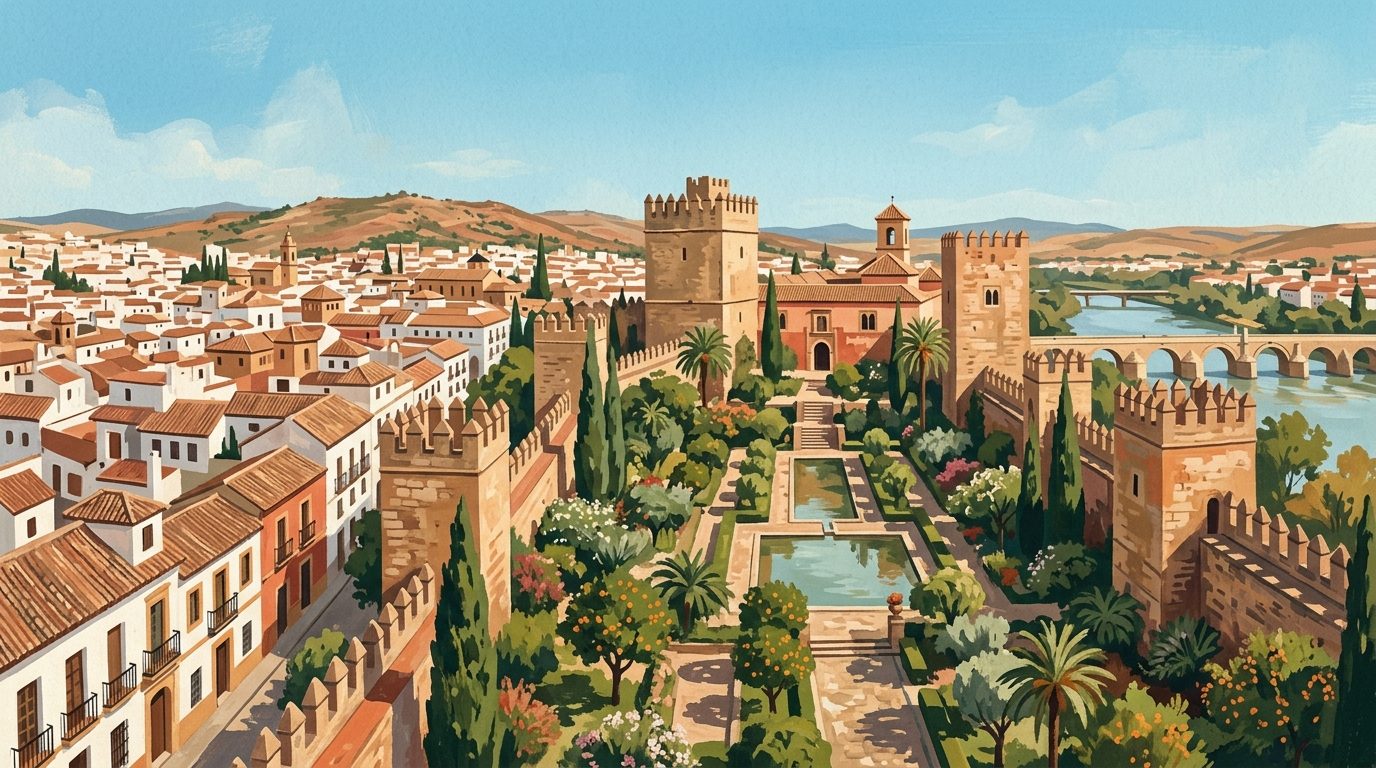
Alcázar de los Reyes Cristianos
“While its austere interior lacks the ornate Moorish detailing of its regional counterparts, this formidable fortress compensates with monumental defensive architecture, museum-quality Roman mosaics, and expansive, water-fed terraced gardens. It is an essential stop for understanding the shifting political power and deep historical layers of the city.”
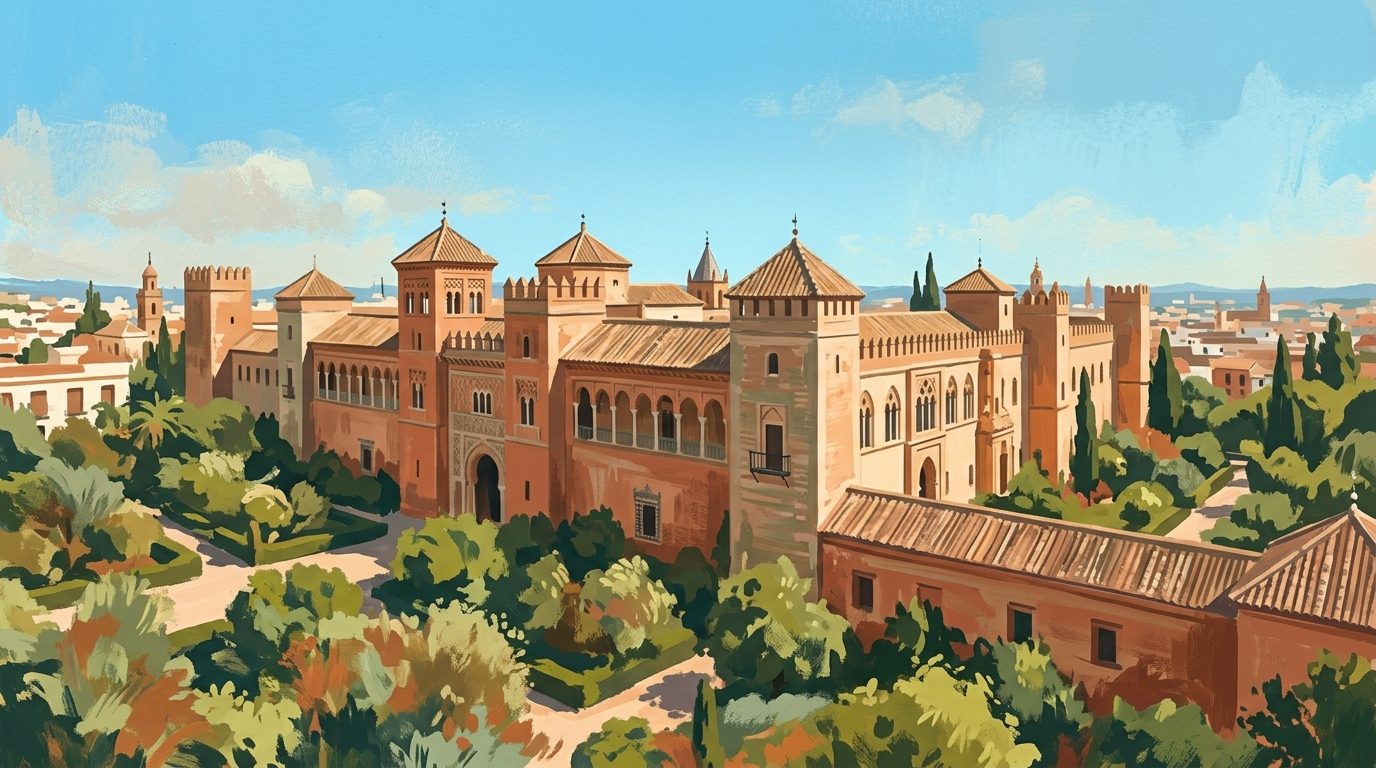
Alcázar del Rey Don Pedro
“The Alcázar del Rey Don Pedro offers a compelling look at medieval military adaptation. While the original palatial interiors are lost, the monumental defensive walls, the pioneering Cubete artillery fort, and the vast, unhindered views across the plains make this an essential stop for anyone exploring the architectural history of Andalucía.”
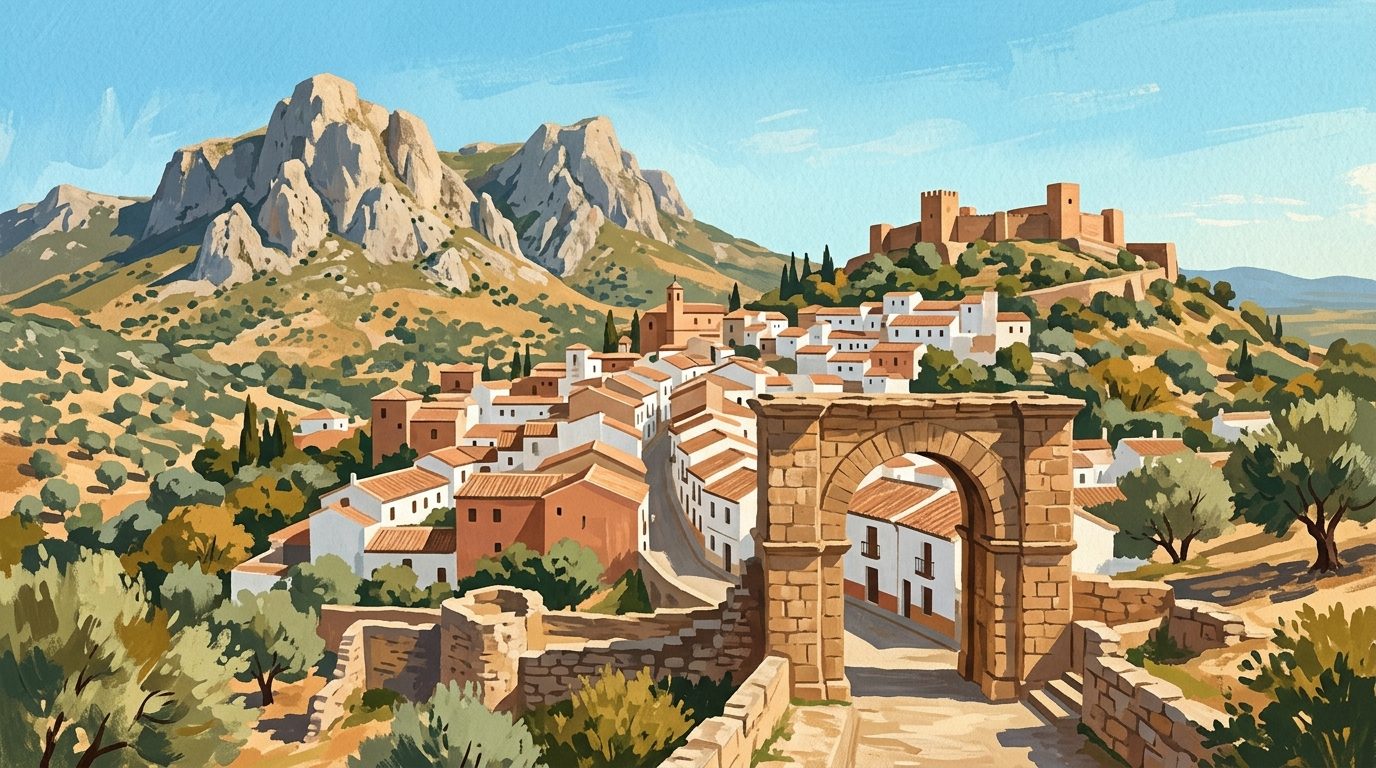
Arco de los Gigantes
“The Arco de los Gigantes is a brief but visually striking stop that bridges the Moorish and Renaissance eras of Antequera. While it takes only minutes to view, its salvaged Roman epigraphy and precise framing of the collegiate church make it an essential, highly photogenic architectural landmark.”
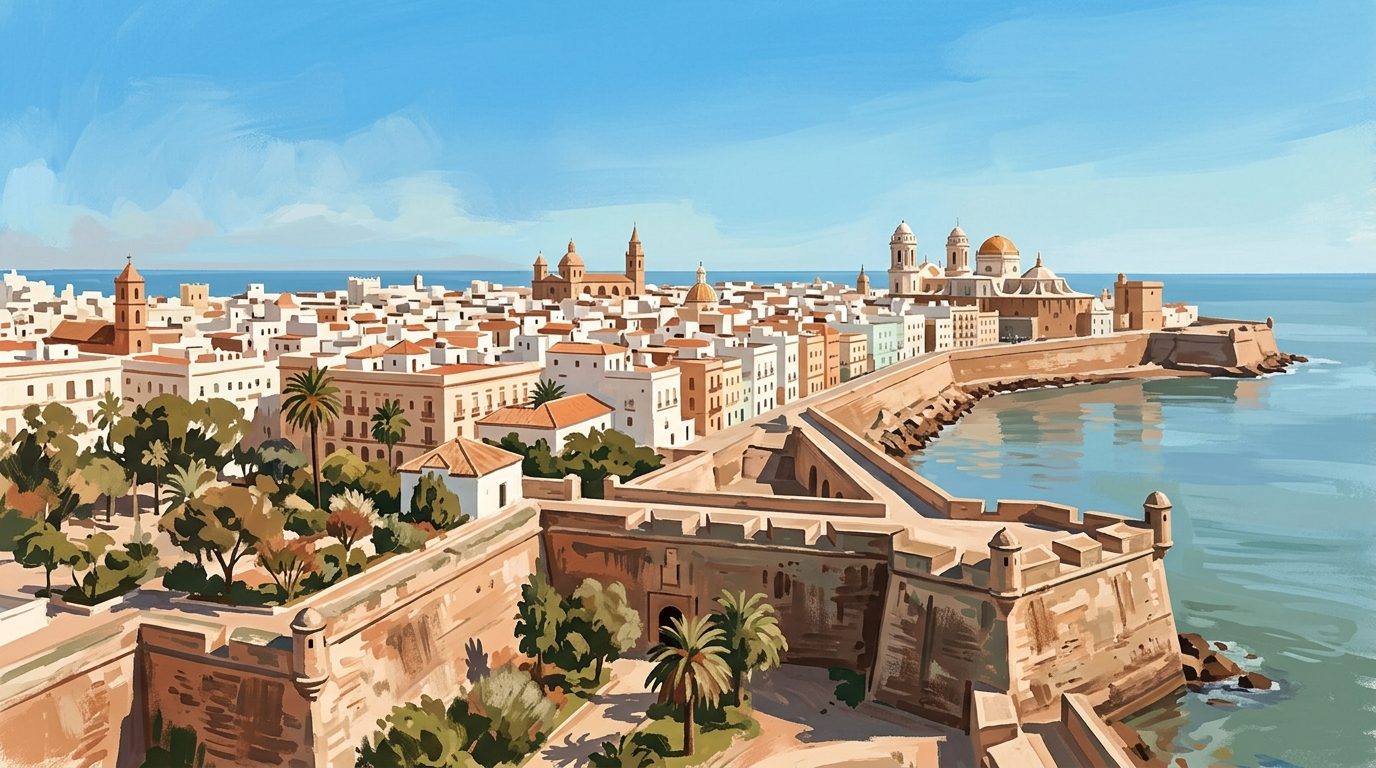
Baluarte de la Candelaria, Cádiz
“The Baluarte de la Candelaria offers a quiet, highly atmospheric counterpoint to the more heavily visited castles in Cádiz. Its transformation from a coastal artillery battery into a cultural venue is fascinating, though the empty interior can feel stark outside of scheduled summer concerts or exhibitions. Go for the sweeping ocean views.”
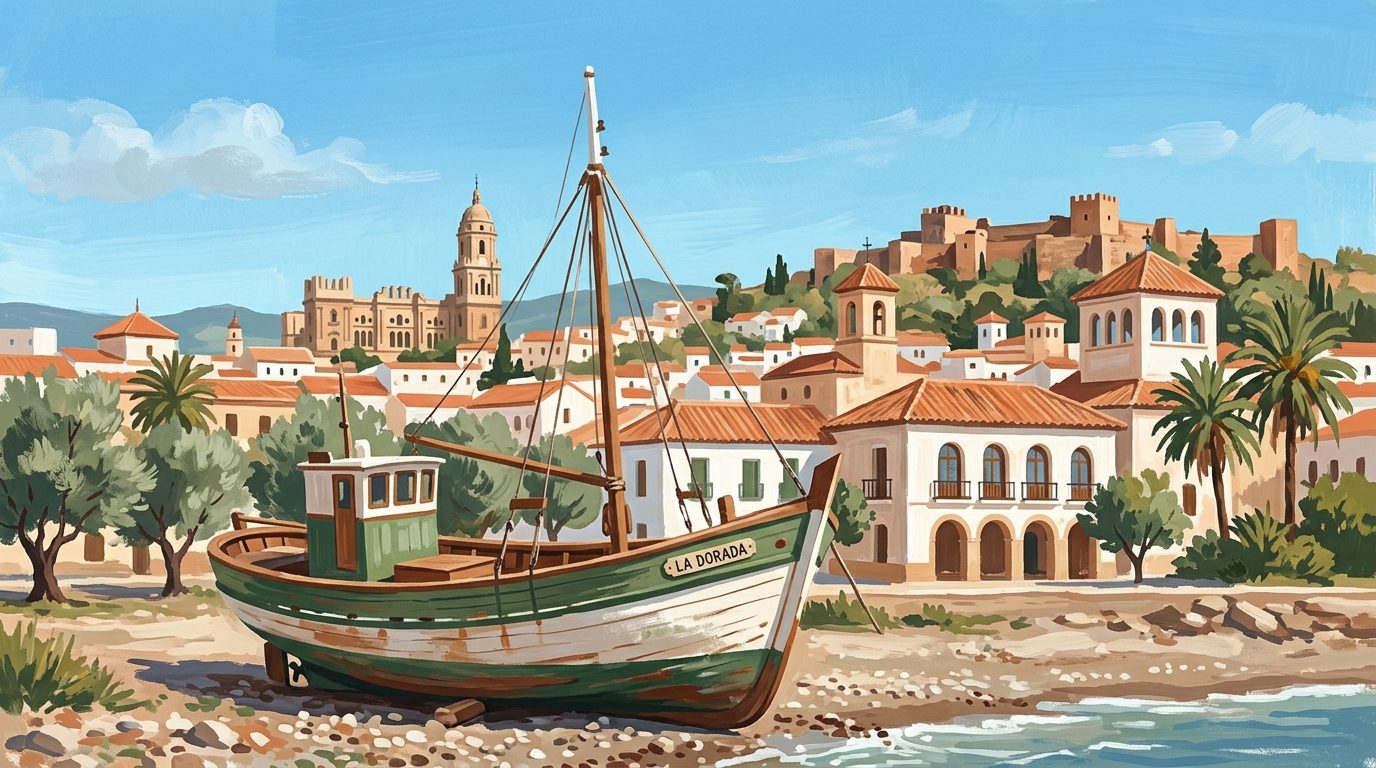
Barco de chanquete La Dorada
“A mandatory stop for Spanish television fans and an accessible, pleasant park for everyone else. While international visitors might not share the deep nostalgia for La Dorada, the flat walkways, playgrounds and shaded benches make it a highly practical detour when exploring the western side of Nerja.”
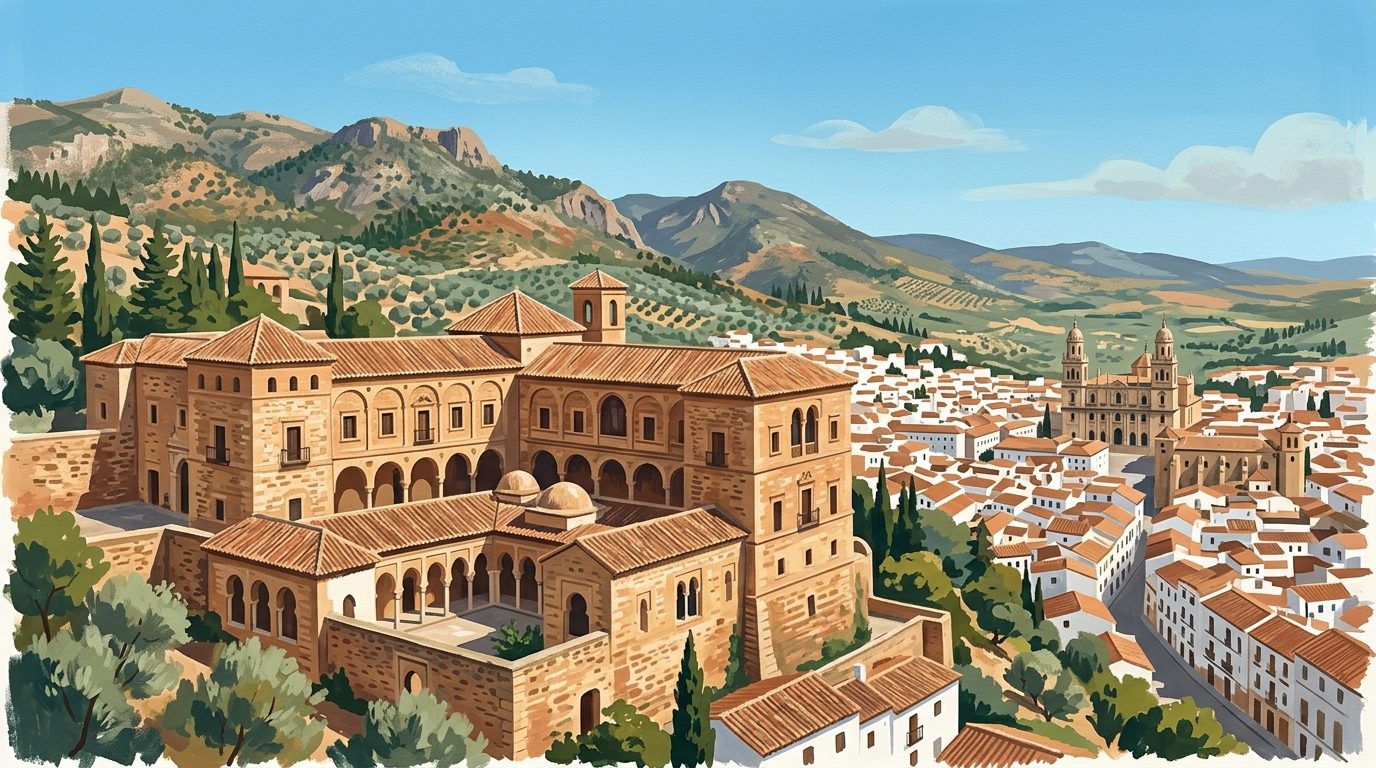
“A fascinating juxtaposition of Islamic water engineering and Spanish aristocratic ambition. The vast underground baths alone easily justify the visit, while the two eccentric upstairs museums offer a curious, if somewhat disjointed, cultural bonus. An essential stop for understanding the layered, complex history of provincial Jaén.”
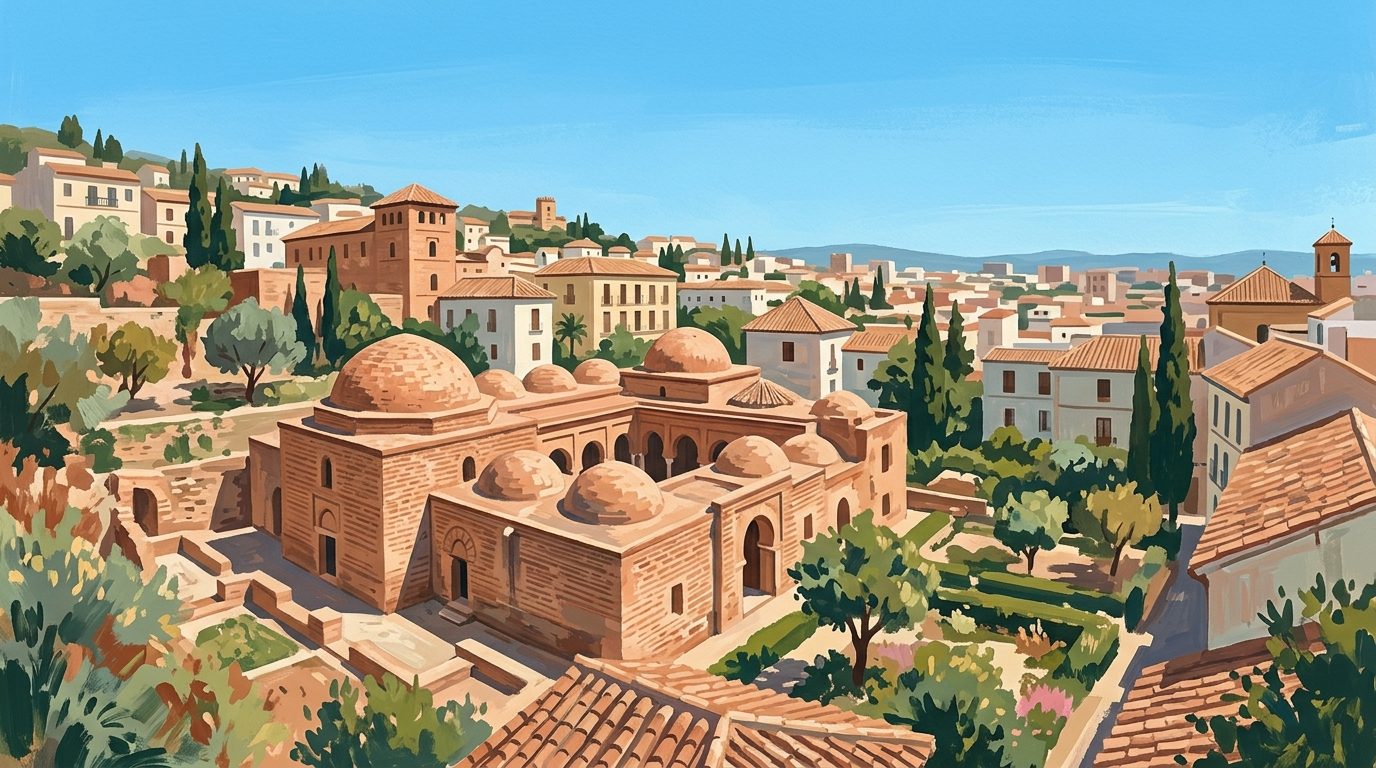
Baños Árabes Yacimiento Arqueológico
“An exceptionally well-preserved archaeological site that highlights Nasrid engineering. While the lack of interpretive exhibits demands a good imagination, the intact horseshoe arches and star-shaped skylights make this an essential, highly atmospheric stop for history and architecture enthusiasts visiting Ronda.”
Caballerizas Reales
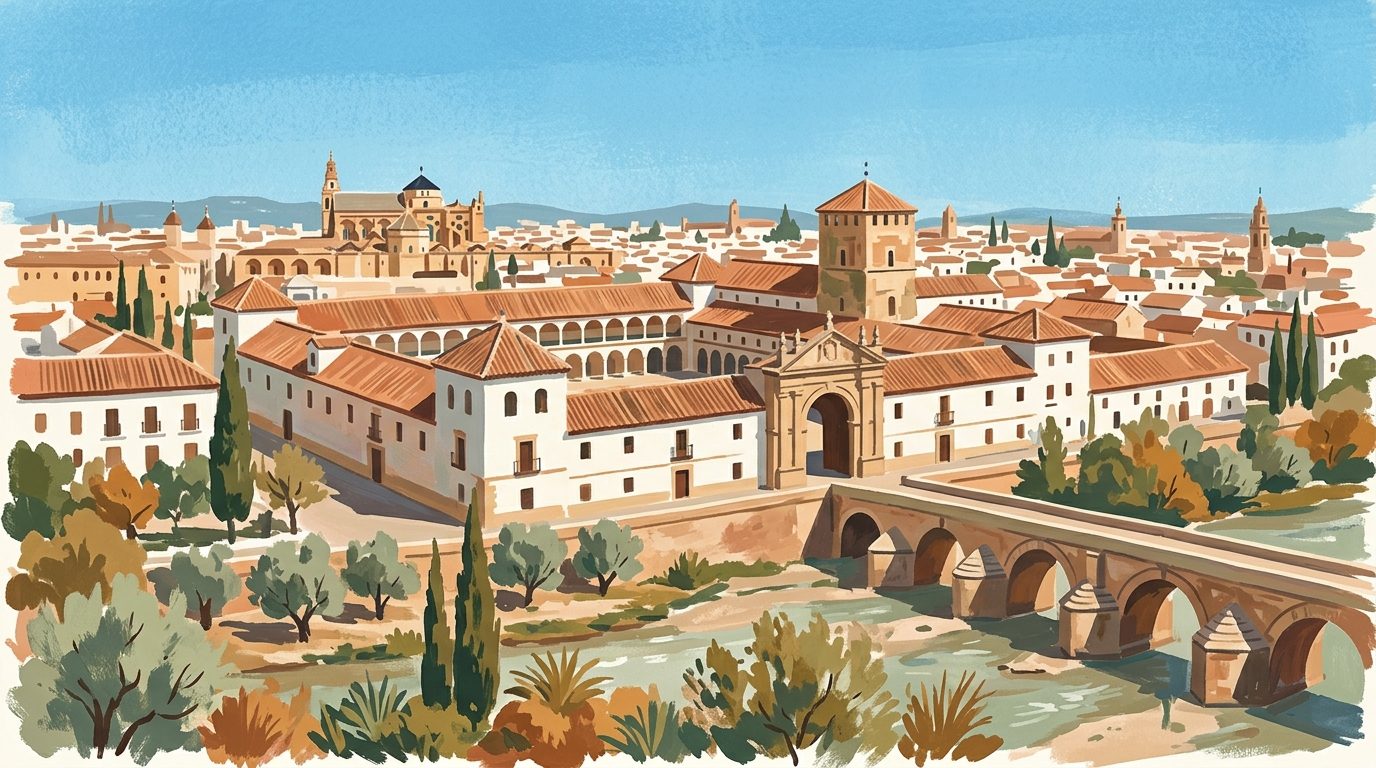
“The Caballerizas Reales offer a striking look at 16th-century military architecture, but the true highlight is the evening equestrian show. While daytime visits are brief, the dramatic display of Andalusian horsemanship in the historic courtyard is a memorable spectacle for families and equestrian enthusiasts.”
Casa de Pilatos
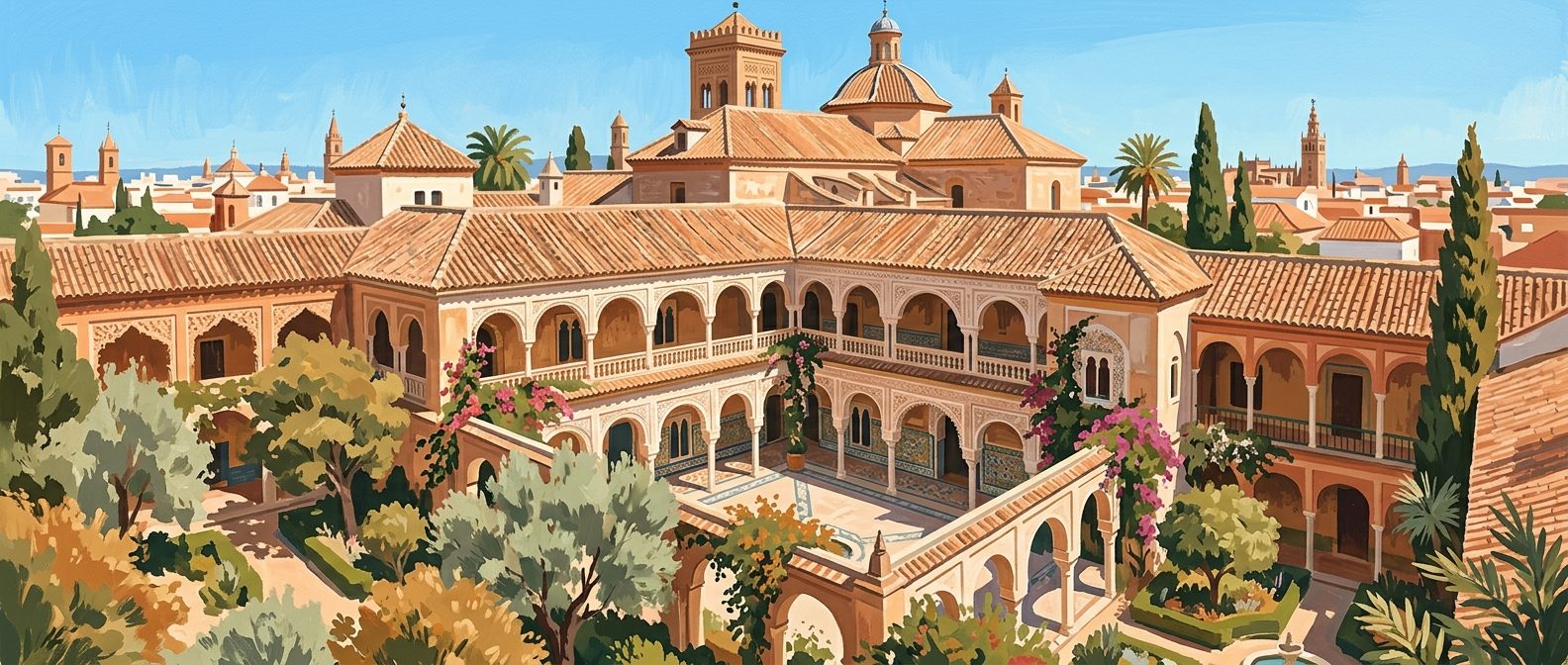
“Casa de Pilatos is an essential stop for architecture enthusiasts and those seeking a refined, uncrowded alternative to the main tourist trail. The ground floor tilework and gardens are spectacular. However, the guided upper floor tour can feel rushed. Independent travellers will be perfectly satisfied sticking to the magnificent lower courtyards.”

Casa del Inca Garcilaso
“The Casa del Inca Garcilaso offers a rare, tangible link to the complex transatlantic exchange of the Spanish Golden Age. While the literary exhibits are understandably niche, the wonderfully preserved sixteenth-century architecture, historical cellar, and peaceful central courtyard make it a highly rewarding stop for independent travellers exploring the Cordoban wine country.”
Castillo de Gibralfaro
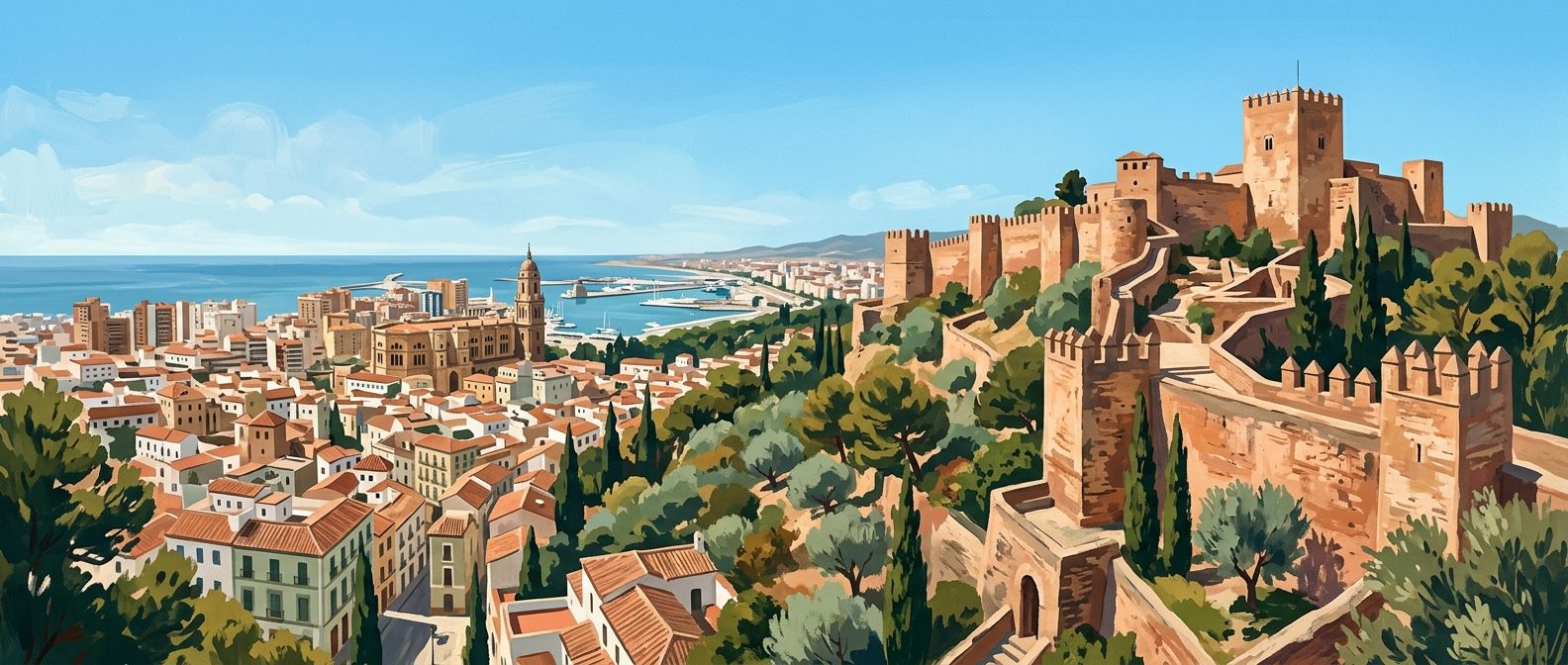
“The Castillo de Gibralfaro provides the most complete panoramic views over Málaga, but remains a stark, highly exposed military shell. It lacks the decorative beauty of the Alcazaba below, making it best suited for military history enthusiasts, photographers, and visitors willing to brave the steep ramparts for an unmatched vantage point.”

Catedral de Granada
“A monumental expression of the Spanish Renaissance. While its unfinished 57-metre north tower reflects centuries of funding struggles, the five-nave interior provides an unmissable masterclass in scale. The towering white pillars and circular sanctuary make it one of the most distinctive religious buildings in Andalucía.”

Catedral de la Encarnación de Guadix
“Unlike the heavily frequented monuments of Granada, Guadix Cathedral offers an unhurried environment for studying historic architecture. The fusion of Gothic austerity and Baroque excess is striking, while the tower climb provides the best vantage point in the region. It is a highly rewarding visit for those interested in religious art.”
Centro histórico - Baeza
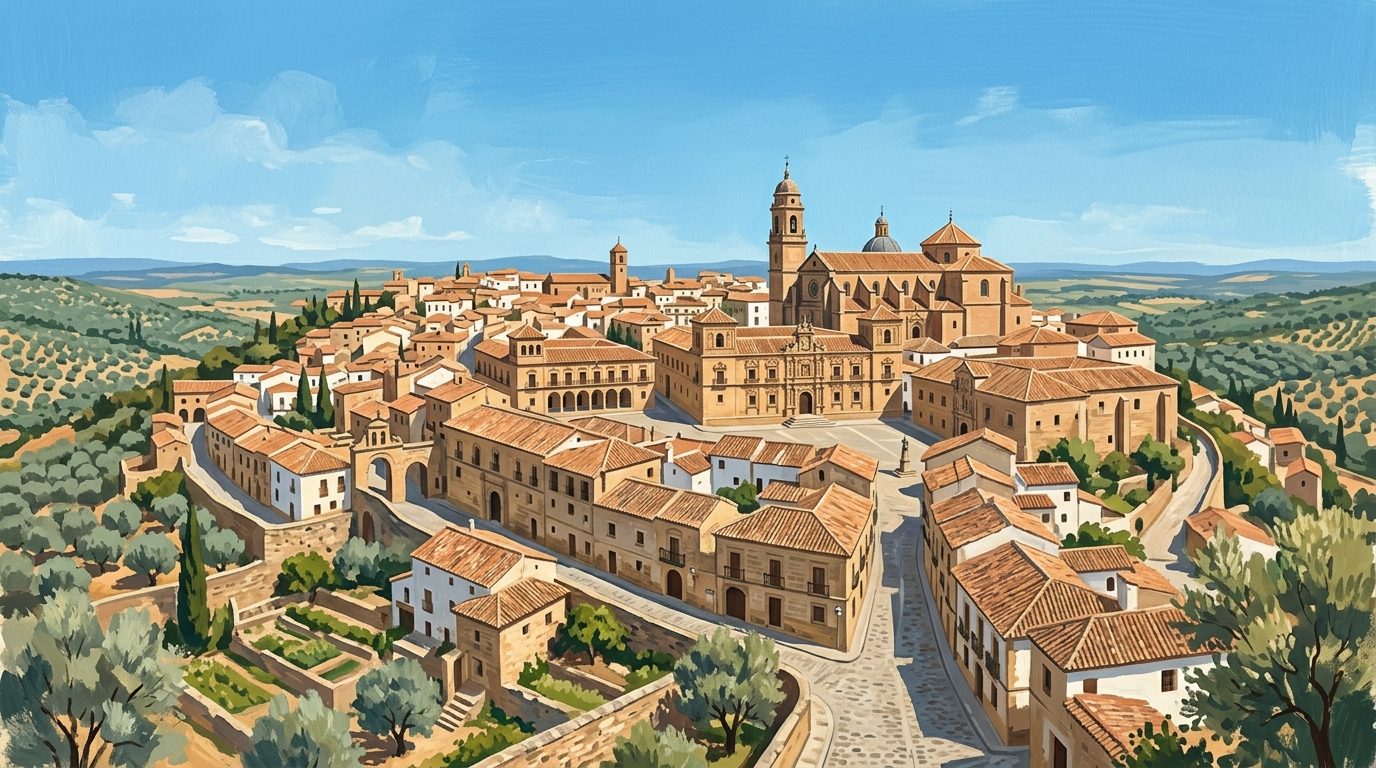
“Baeza is an architectural masterpiece that demands a slow, deliberate pace. Its pristine Renaissance facades, quiet university courtyards, and cobbled squares feel entirely removed from modern mass tourism. While the uneven streets require sturdy footwear, the sheer concentration of sixteenth-century stonework makes it essential for anyone exploring Jaén.”
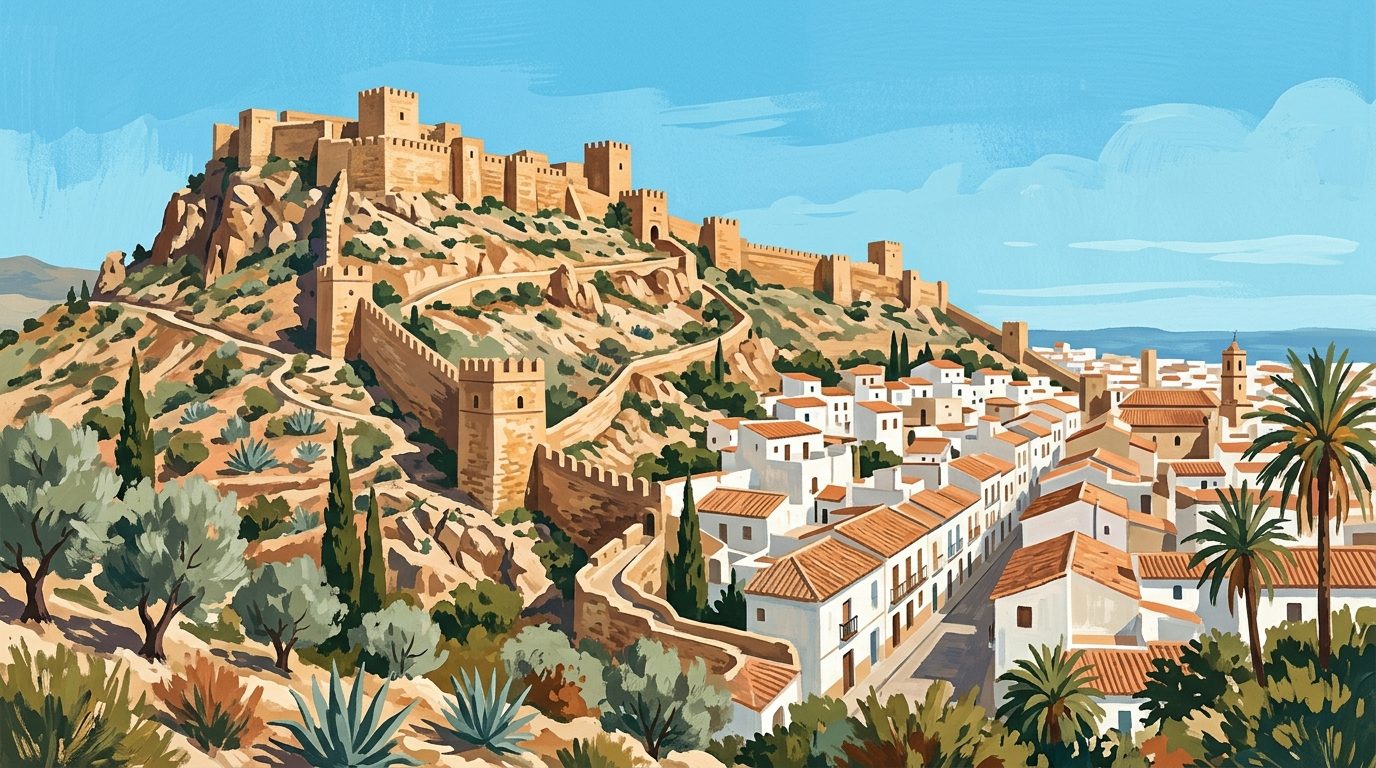
Cerro San Cristóbal
“Cerro San Cristóbal offers the most commanding views in Almería, perfectly illustrating the sheer scale of the Alcazaba. Following a major municipal redevelopment, visitors can now explore the 11th-century walls and enjoy sweeping Mediterranean panoramas from accessible, landscaped terraces, making it an essential and atmospheric stop for history enthusiasts.”
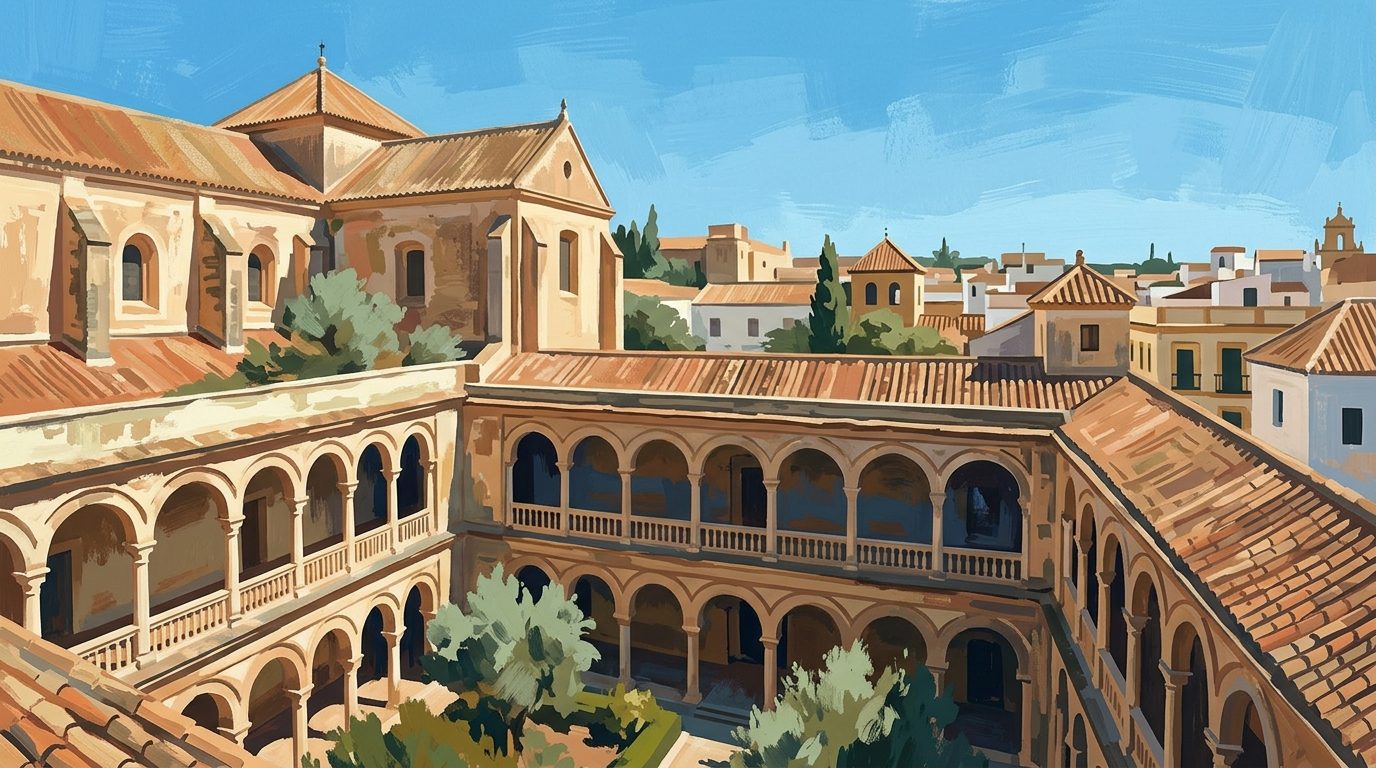
Claustros de Santo Domingo
“The Claustros de Santo Domingo offer a masterclass in architectural restraint and a quiet escape from the busy streets of Jerez. While the complex lacks extensive museum interpretation, the sheer scale of the Gothic ribbed vaulting and the tranquil, uncrowded atmosphere make it an essential stop for architecture enthusiasts.”

Clock Tower
“The Clock Tower offers essential context for Úbeda’s architectural evolution from a medieval fortress into a Renaissance showcase. While interior access is heavily restricted, admiring the historic masonry and the significant royal shrine from the accessible square remains a mandatory first stop before exploring the wider historic centre.”
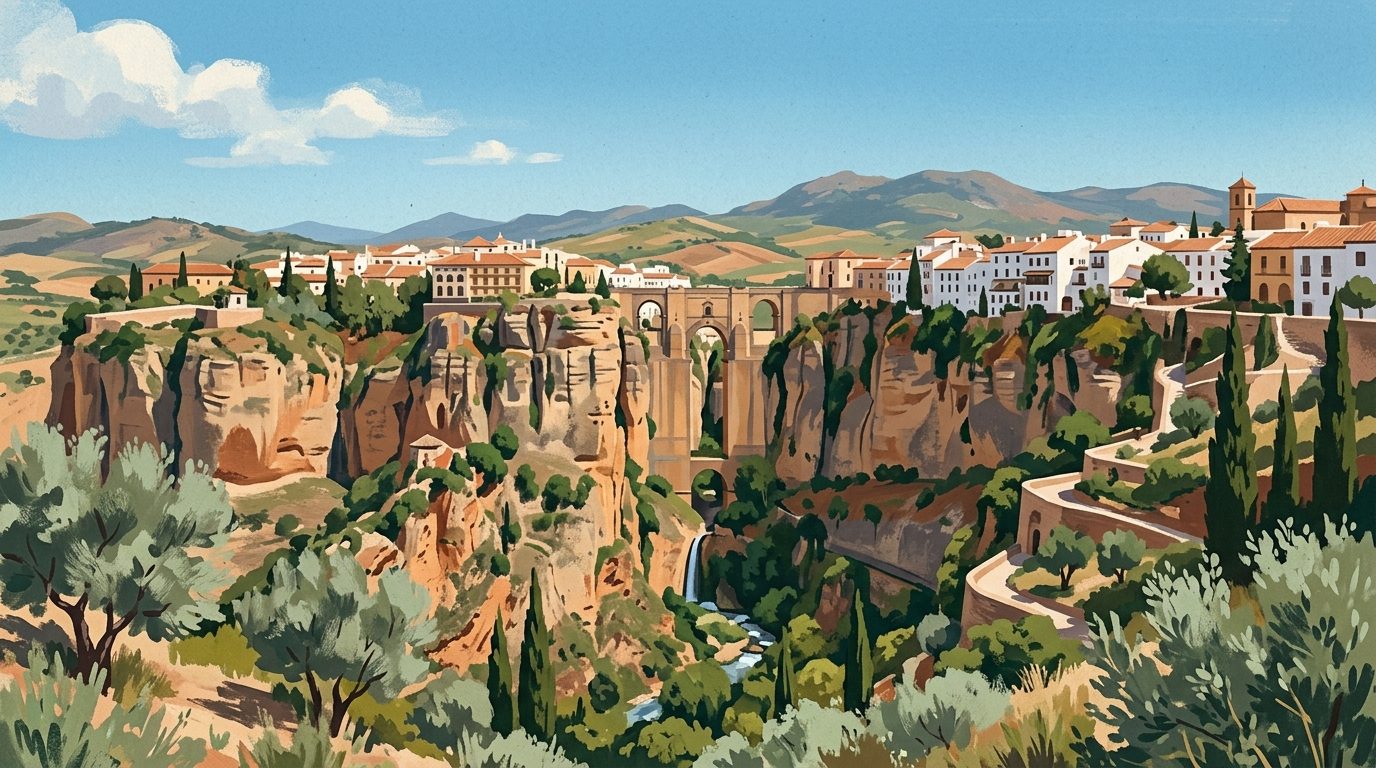
El Tajo de Ronda
“El Tajo de Ronda is an undeniable marvel of geography and civil engineering. While the cliff-top viewpoints offer spectacular, effortless panoramas, descending into the gorge provides the true measure of its sheer scale. Expect steep, challenging trails that richly reward those prepared for a strenuous climb.”
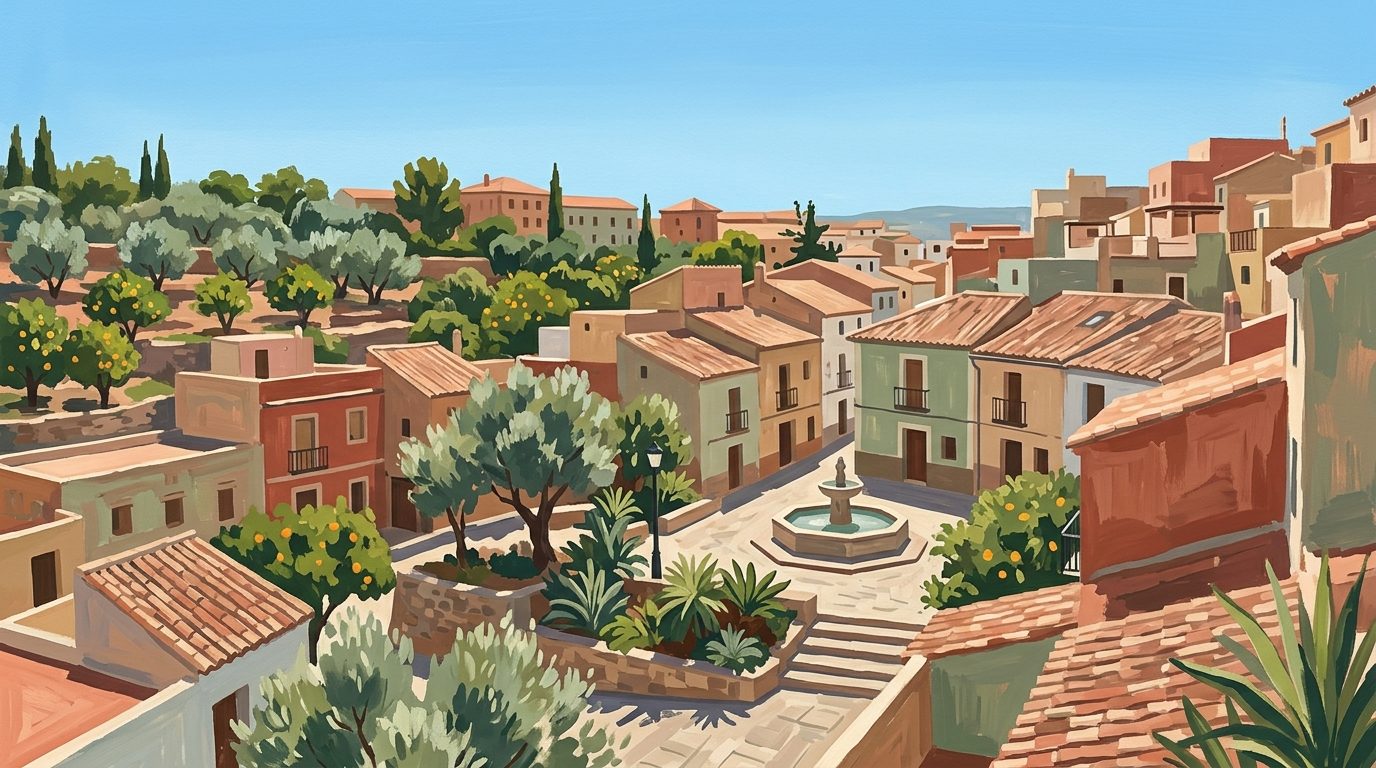
Fuente de los Peces
“The Fuente de los Peces offers a rare, accessible glimpse into the Indaliano aesthetic outside a traditional gallery setting. While its location on a busy pedestrian intersection limits quiet contemplation, the sheer oddity of its aggressive marble fish makes it a highly memorable architectural stop. It remains an authentic symbol of maritime Andalucía.”
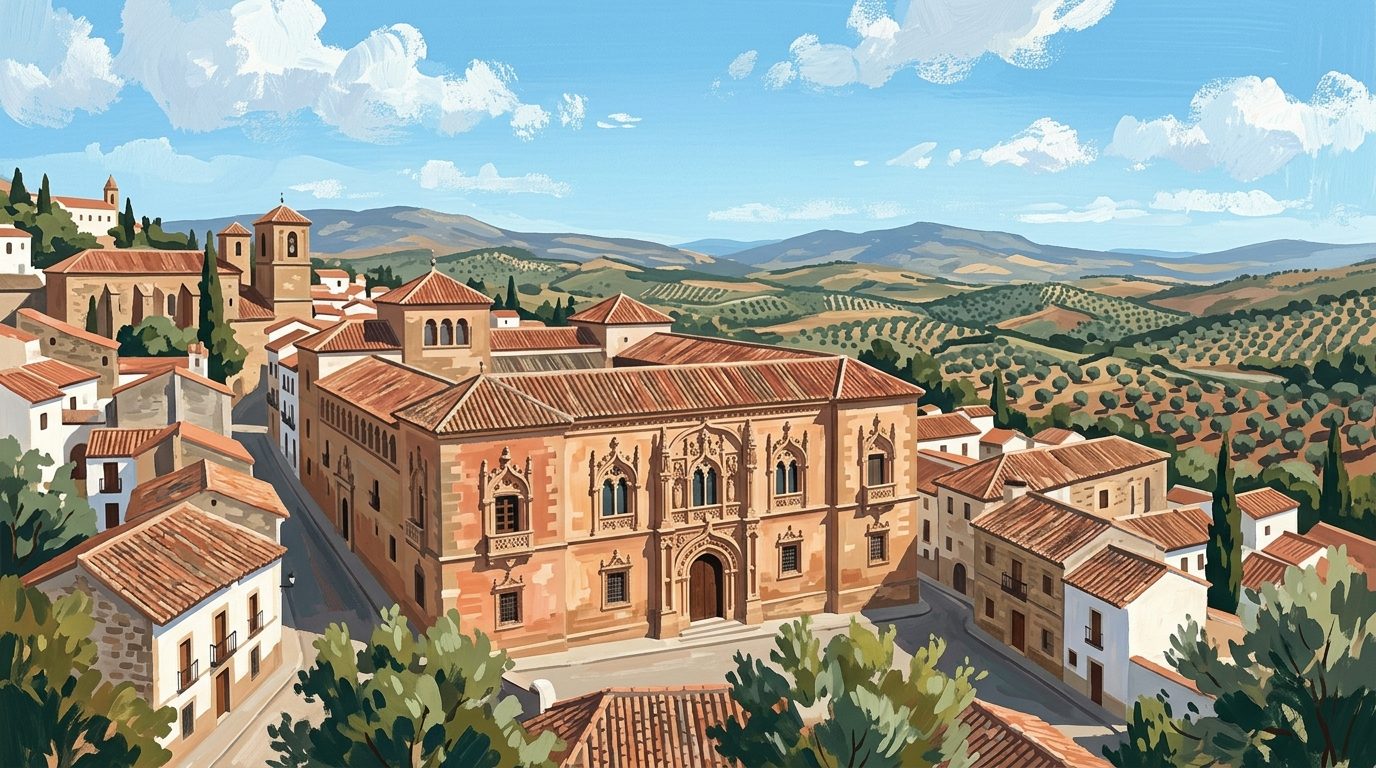
Jabalquinto Palace
“The Jabalquinto Palace is a crucial architectural set-piece in Baeza, offering a visually rewarding transition from Isabelline Gothic exuberance to restrained Renaissance elegance. Because it functions as a working university campus, interior access is restricted, but the staggering detail of the diamond-studded exterior facade alone justifies the detour.”

La Giralda
“La Giralda offers an unparalleled physical timeline of Sevilla, merging Almohad brickwork with Renaissance stonework. While the interior ramps are often congested and the ringing bells can be deafening, the historical significance and panoramic rooftop views make this ascent a mandatory experience for anyone seeking to understand the city's layered past.”
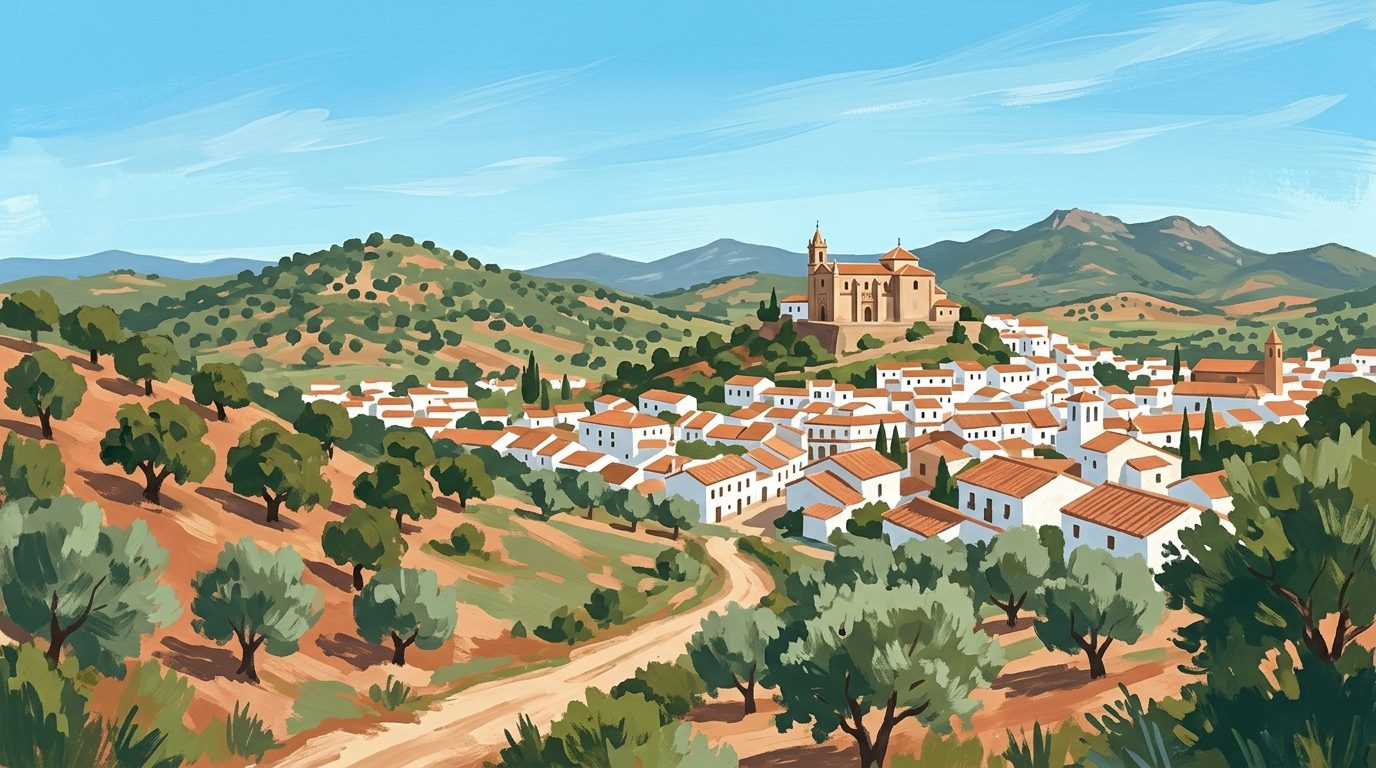
Mirador de Aracena
“This is the definitive viewpoint in northern Andalucía. While the steep, unshaded climb requires some physical effort, the reward is a complete spatial understanding of how a medieval frontier town evolved into the capital of a protected natural park. It is an essential orientation point.”
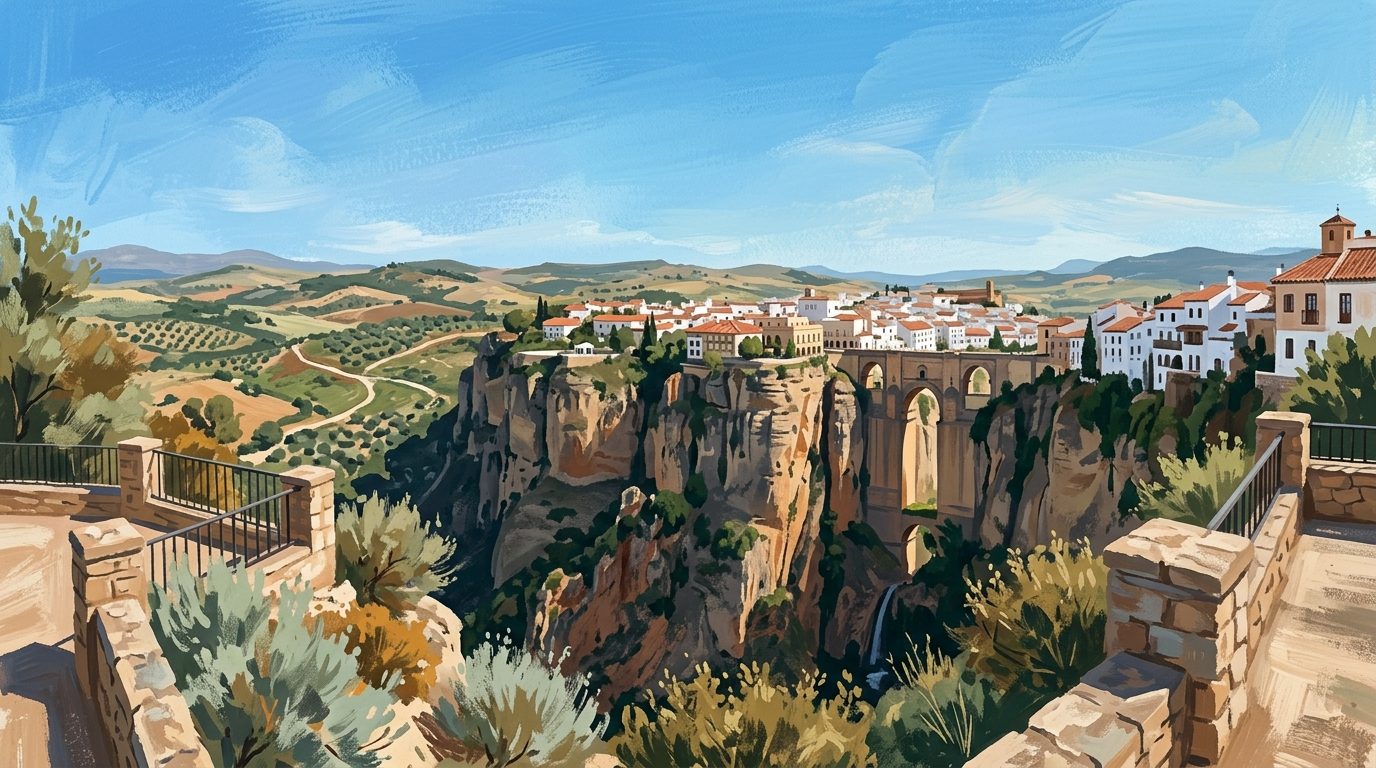
Mirador de Ronda
“The Mirador de Ronda delivers an unforgettable perspective on one of Spain's most dramatic geological boundaries. While the upper paved balconies offer an easy, spectacular stroll for all abilities, the steep descent to the valley floor provides the truest sense of scale for those fit enough to tackle the rough track.”

“A breathtaking collision of Islamic and Christian architecture, the Mosque-Cathedral is Córdoba’s defining monument. While the abrupt insertion of a Renaissance cathedral into a tranquil forest of Moorish columns feels disjointed to some, this striking contrast makes it one of the most compelling and historically significant buildings in Europe.”
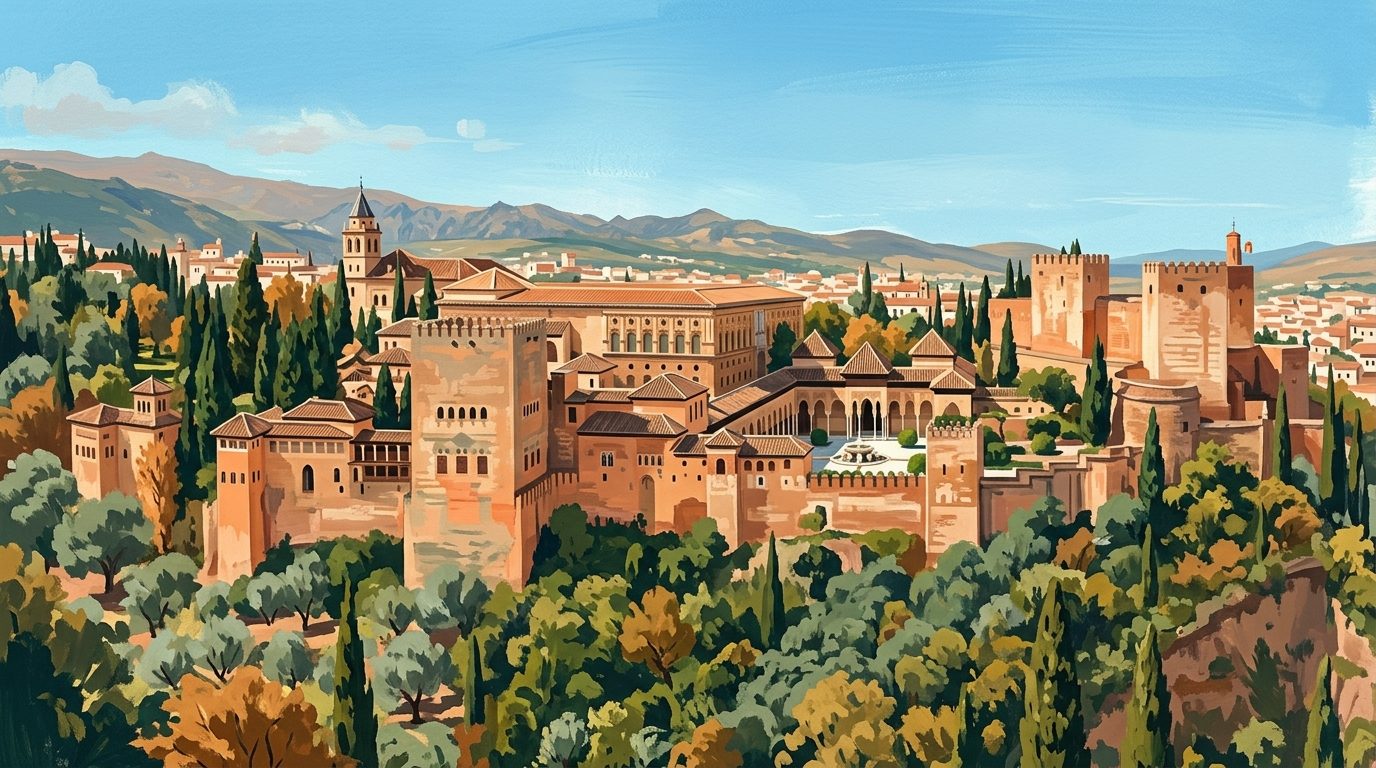
Nasrid Palaces
“The Nasrid Palaces deliver Europe's most intricate Islamic architecture, showcasing remarkable muqarnas ceilings, reflective pools, and profound mathematical precision. The strict timed entry system and dense crowds require patience, but the sheer aesthetic brilliance makes this a mandatory experience for anyone visiting Granada.”
Palacio de Viana
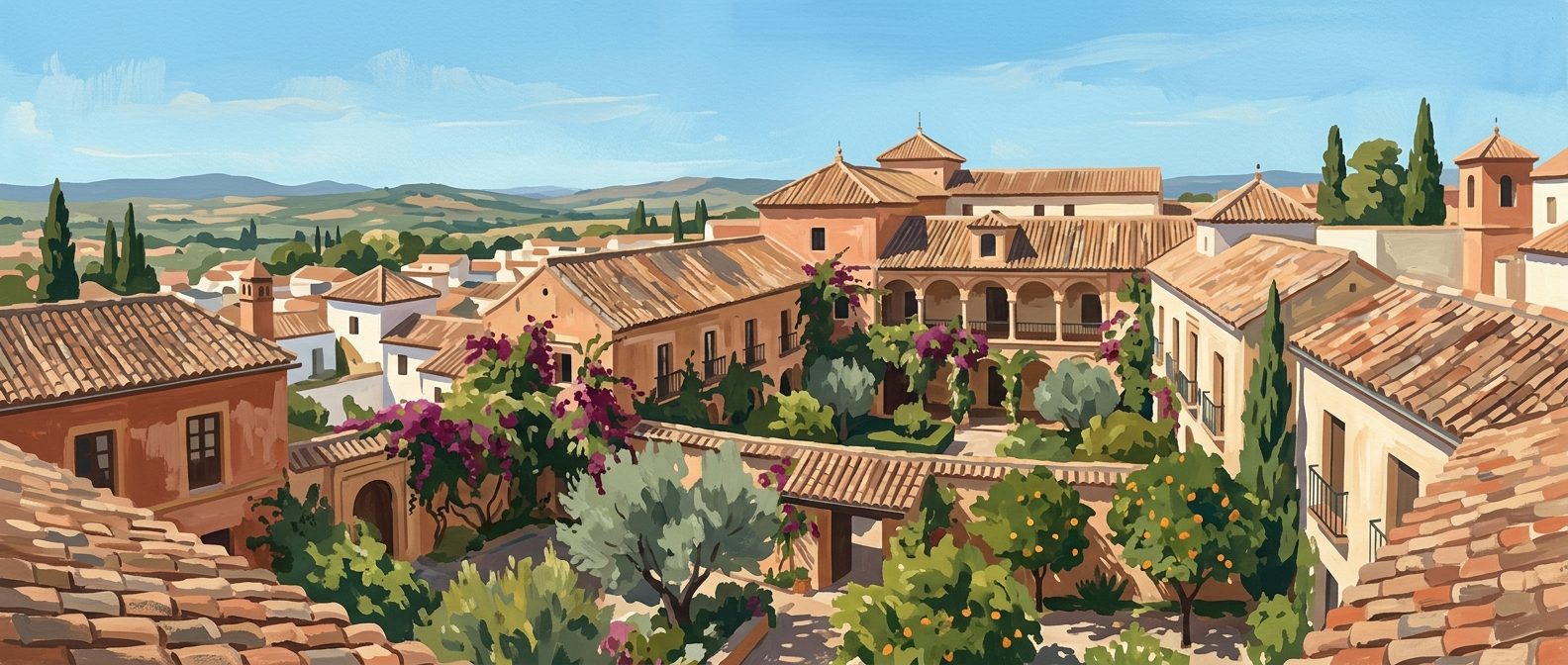
“Palacio de Viana offers an exceptional masterclass in Andalucían garden design and aristocratic history. The sheer scale and variety of the twelve courtyards justify the visit alone. While the guided interior tour adds valuable historical context, the outdoor spaces remain the true highlight, providing a serene, fragrant escape from the busy city streets.”
Palacio de las Dueñas
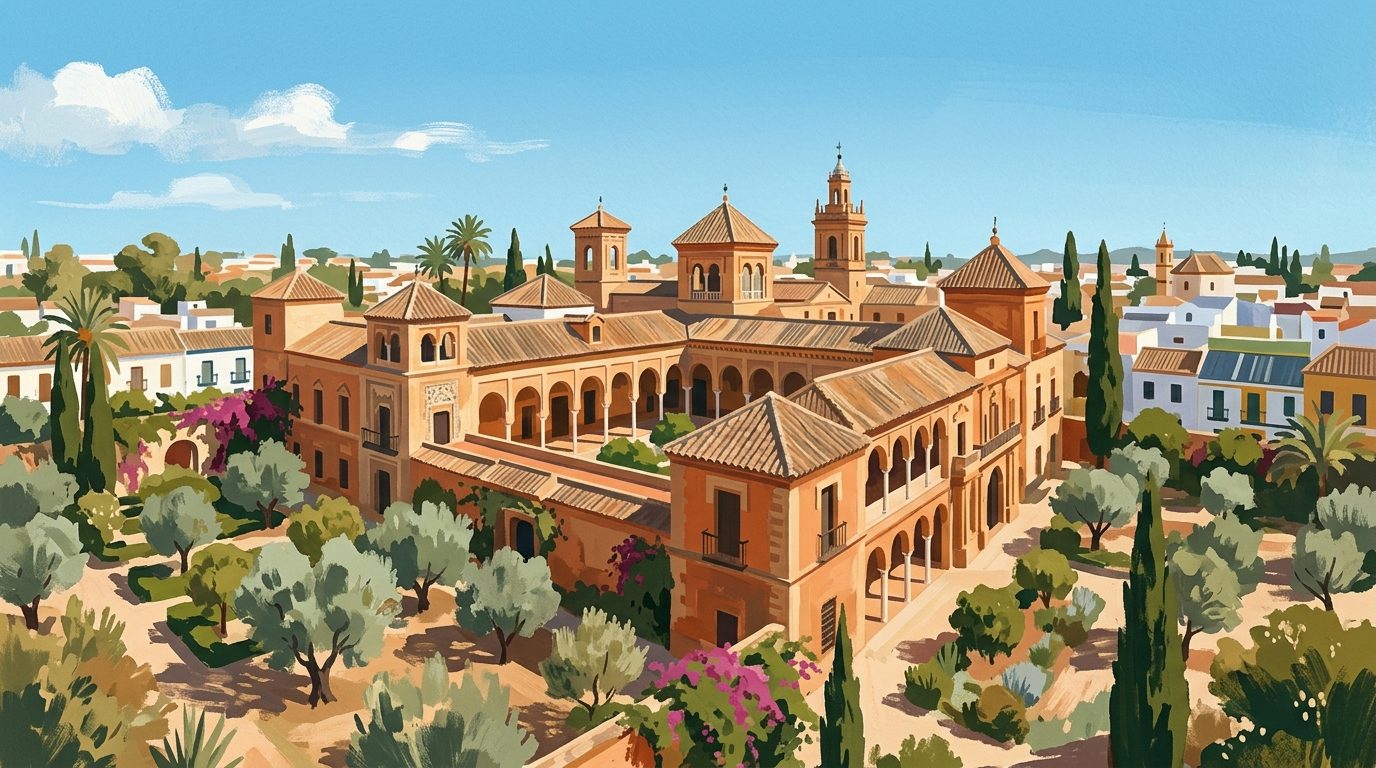
“Palacio de las Dueñas provides a deeply personal counterpart to the monumental scale of Sevilla's major royal sites. It rewards visitors who appreciate quiet horticultural beauty and a genuine glimpse into aristocratic domesticity. The lack of detailed curatorial signage means an audio guide is highly recommended, but the rich historic atmosphere makes this estate a tremendously worthwhile hour of exploration.”

Palacio del Virrey Laserna
“The Palacio del Virrey Laserna offers a rare, authentic glimpse into the private world of the Andalucían aristocracy. Far from a sterile museum, this continuously inhabited family home pairs exceptional art by Rubens and Murillo with fascinating colonial history. It is an essential stop for anyone wanting true historical context in Jerez.”
Plaza de España
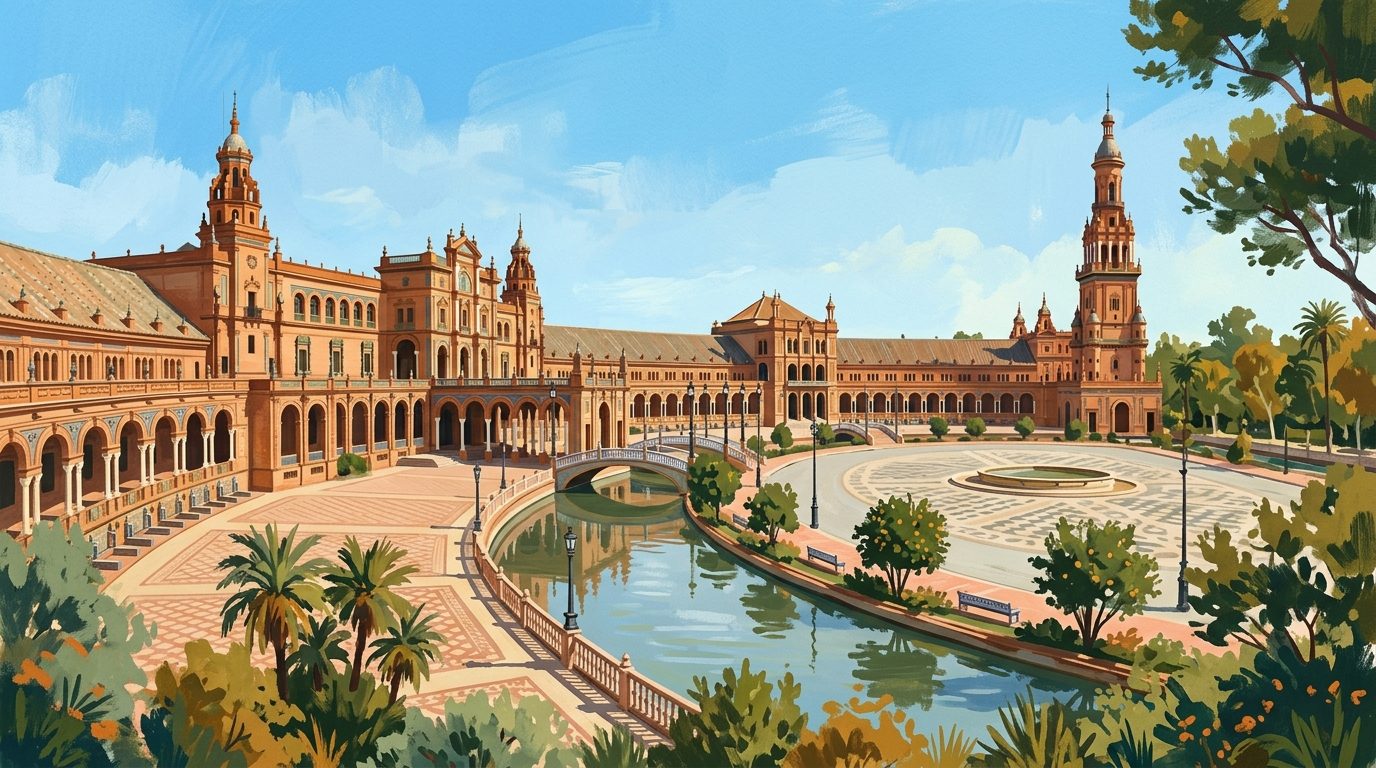
“An intimidatingly massive display of regionalist architecture, the Plaza de España manages to remain intimate through its meticulously painted ceramic alcoves. While summer afternoons turn the stone square into an unbearable heat trap, an early morning visit reveals the true majesty of Aníbal González’s 1929 masterpiece before the crowds arrive.”
Plaza de Toros de Granada
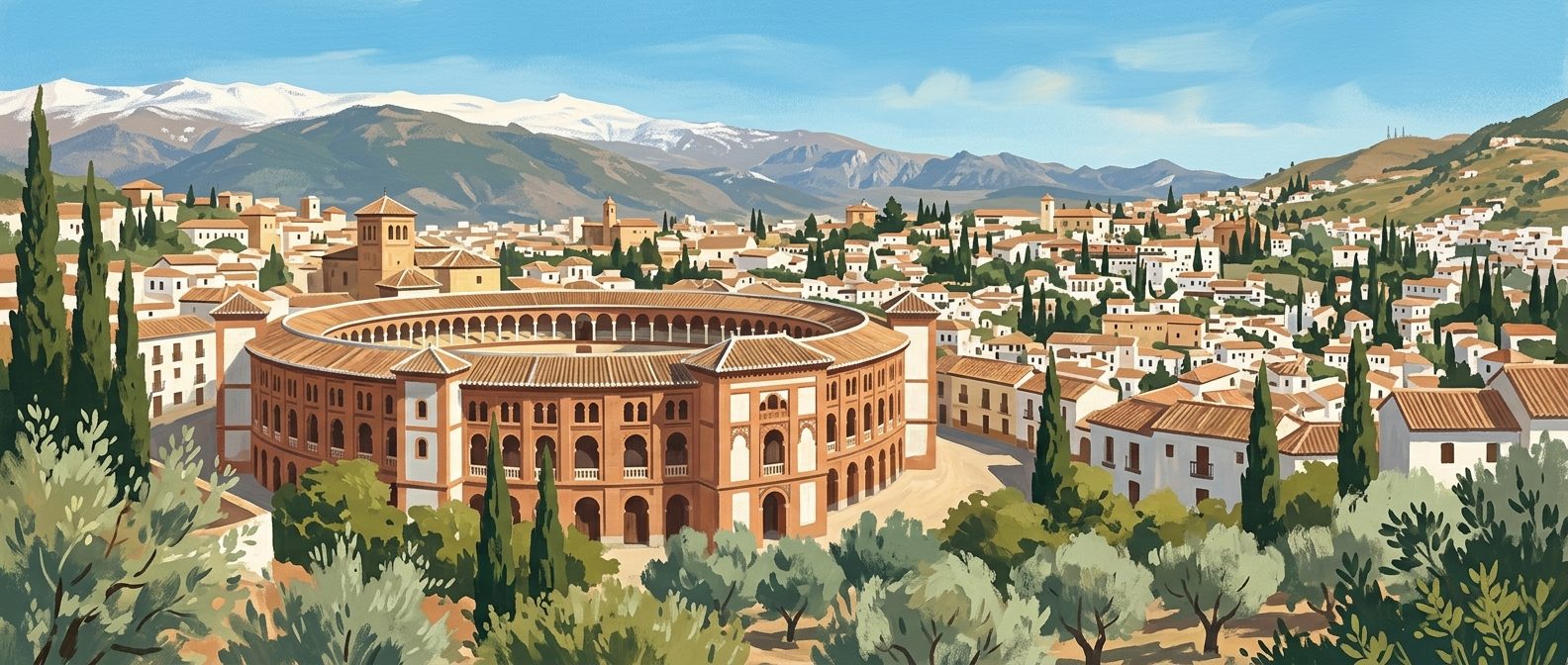
“An imposing 1928 Neo-Mudéjar arena that remains a functioning piece of Granada’s civic life. While the focus on bullfighting polarises visitors, the architecture and integrated tapas bars provide a genuine look into twentieth-century Spanish traditions, free from the polished veneer of the typical tourist circuit.”
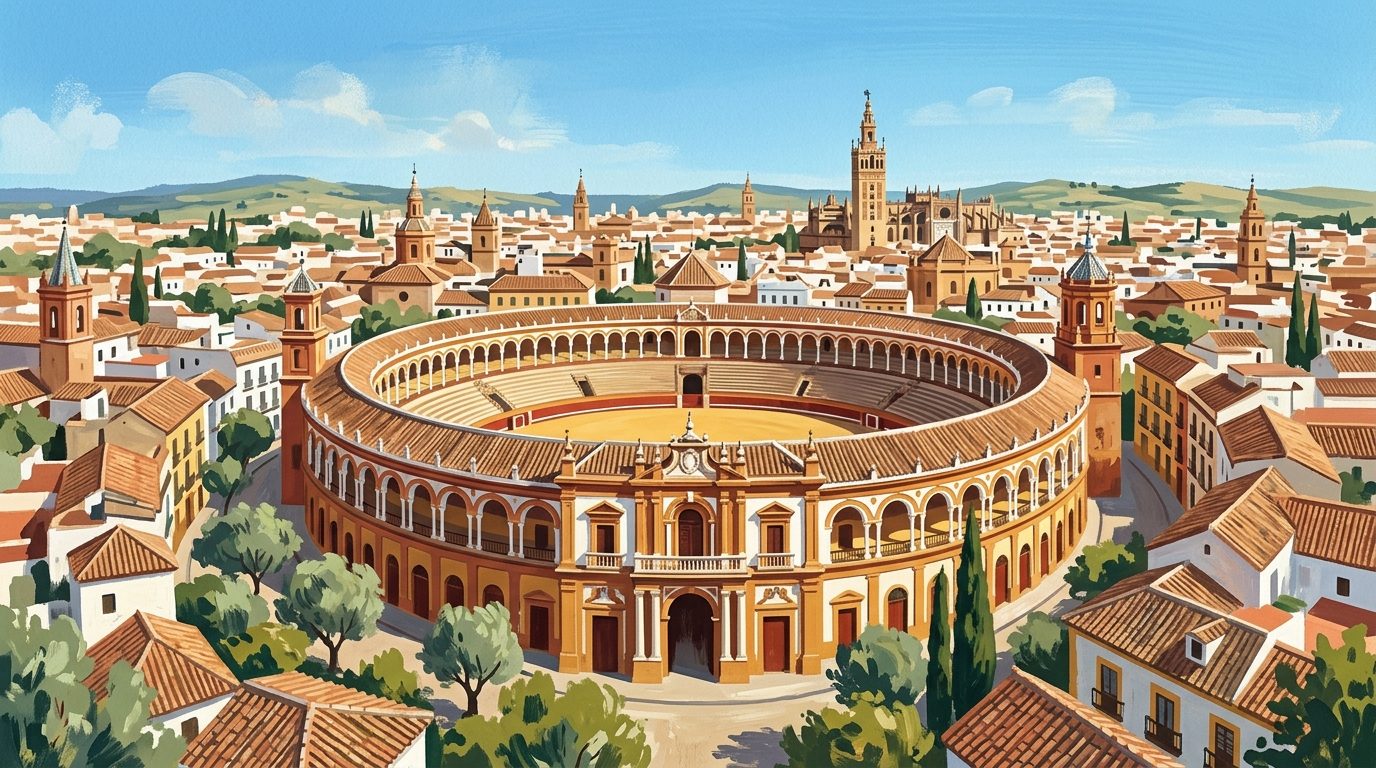
“Regardless of your stance on the events it hosts, the Real Maestranza is an essential architectural and historical site. The museum offers unmatched context for Andalucían traditions, while the sheer scale of the Baroque arena provides a fascinating, candid look into the opulent and perilous world of Spanish bullfighting.”
Plaza de la Constitución
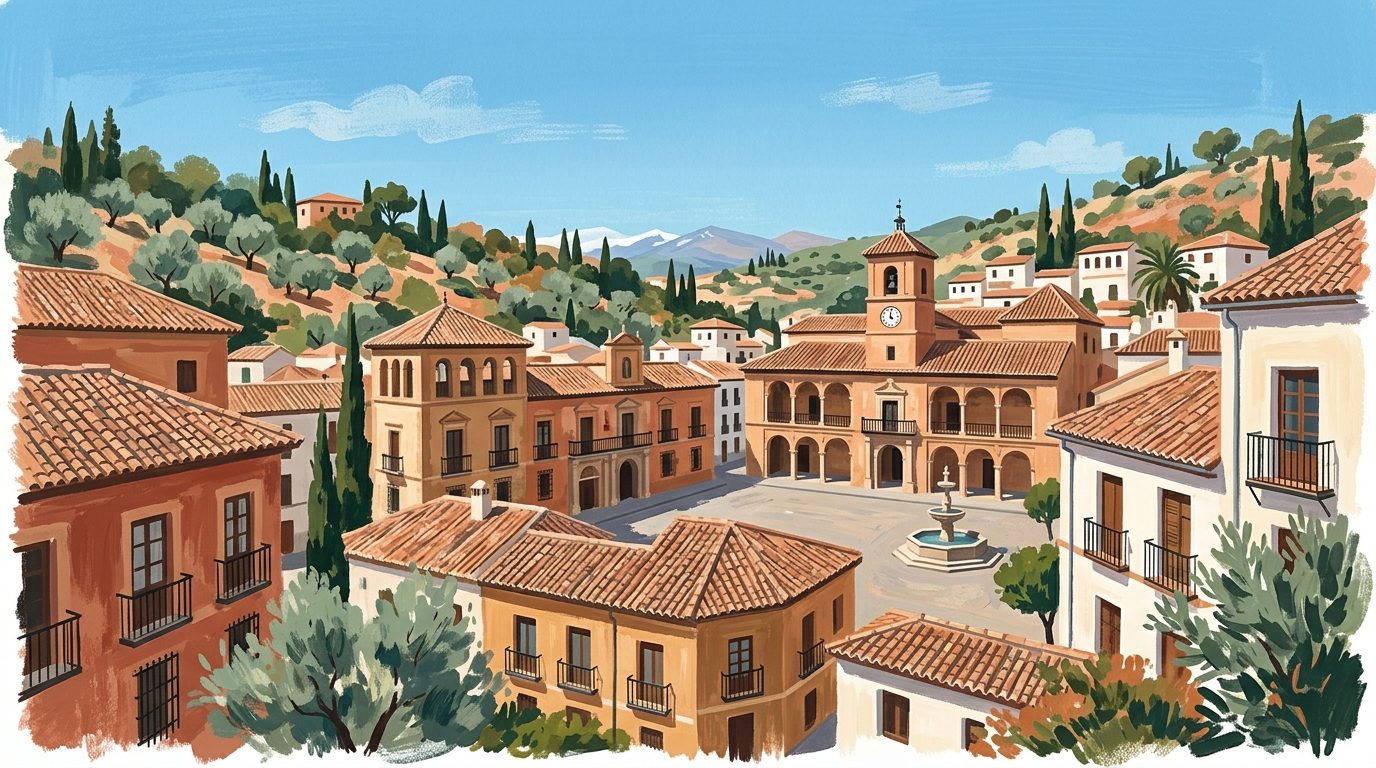
“Plaza de la Constitución offers a surprisingly formal, classical centrepiece to a city famous for its subterranean dwellings. While much of its Renaissance stonework is a meticulous post-war reconstruction, the shaded arcades and hidden archaeological layers make it an essential, highly accessible starting point for exploring Guadix.”
Puente Nuevo de Ronda viewpoint
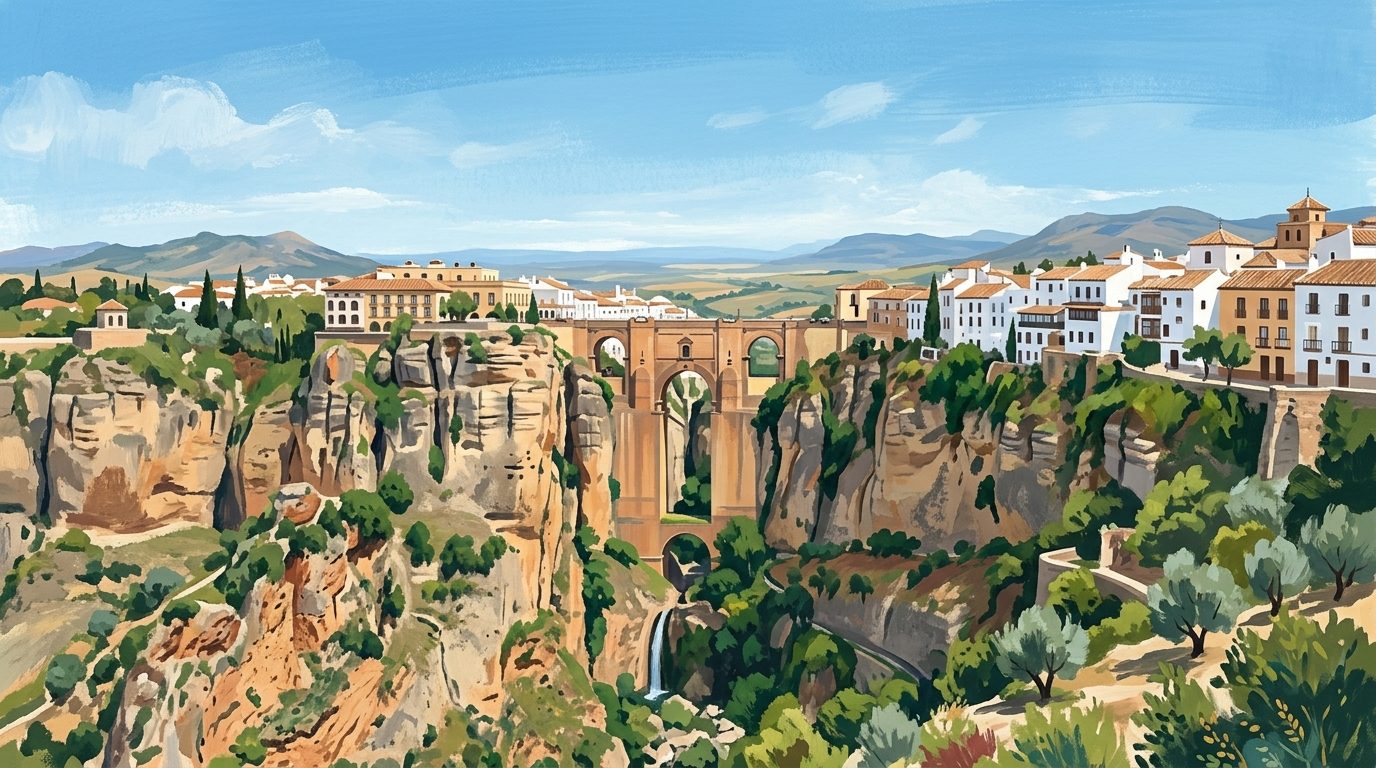
“Descending into the El Tajo gorge provides the only true sense of scale for Ronda’s iconic 18th-century bridge. While the steep, unpaved path is physically demanding and completely unsuitable for those with mobility issues, the reward is an unmatched perspective of Andalucían engineering and raw limestone landscape.”
Puente Viejo
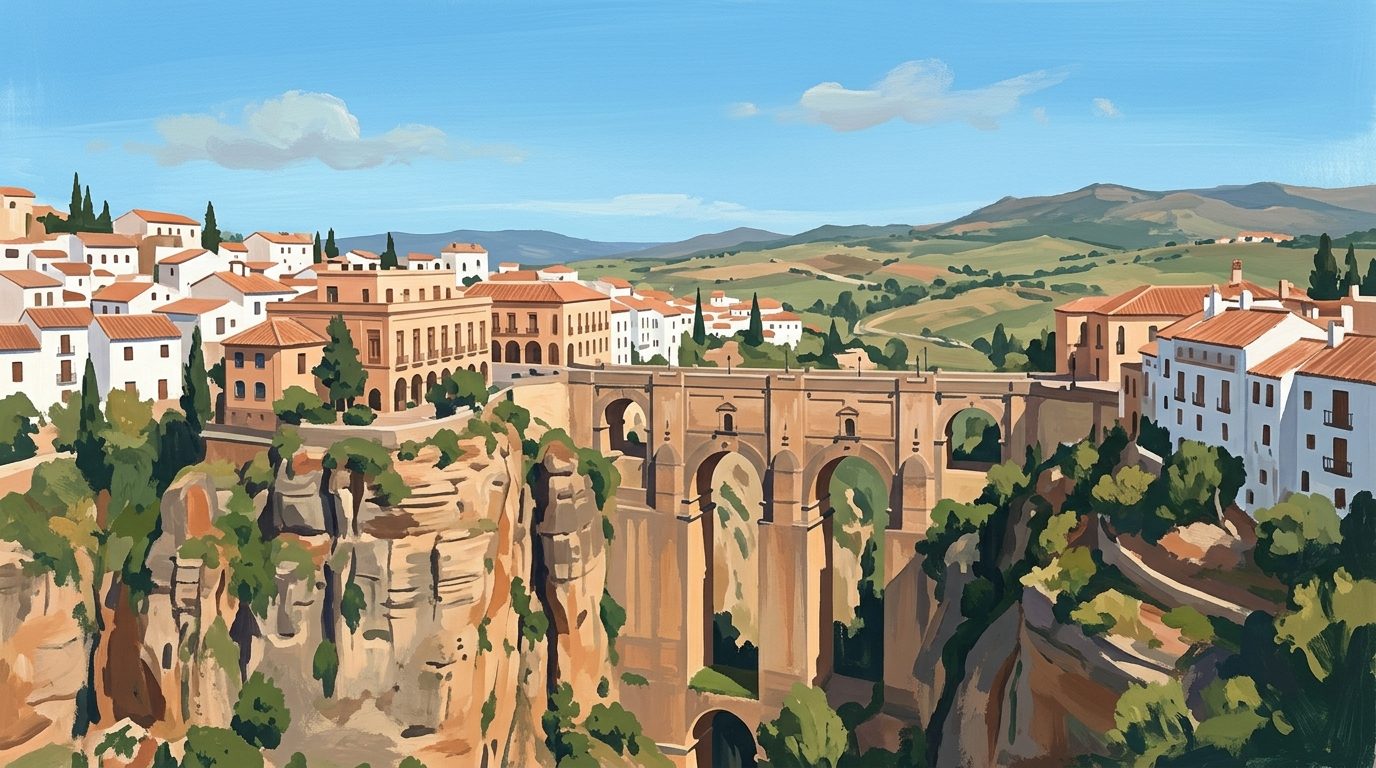
“The Puente Viejo offers a more grounded, intimate perspective of Ronda's formidable geography than its famous 18th-century neighbour. While the steep, polished cobblestones demand physical effort, the descent rewards independent travellers with quieter viewpoints, remarkable architectural history, and a stark understanding of the city's medieval isolation.”
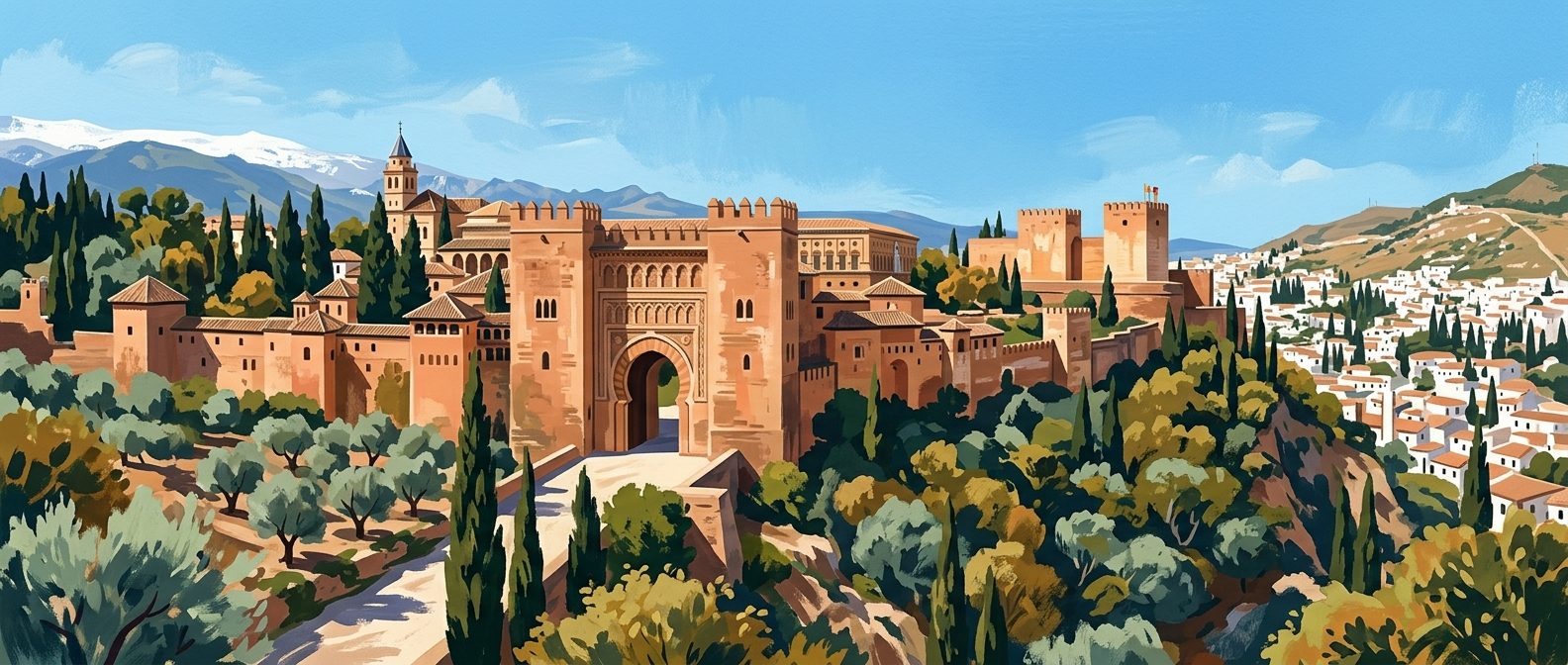
Puerta de la Justicia
“Serving as the monumental front door to the Alhambra, the Puerta de la Justicia offers an immediate immersion into Nasrid military engineering. It is free to walk through, making it a highly rewarding prelude to the main palatial complex and a stark physical record of Granada’s complex religious transition.”
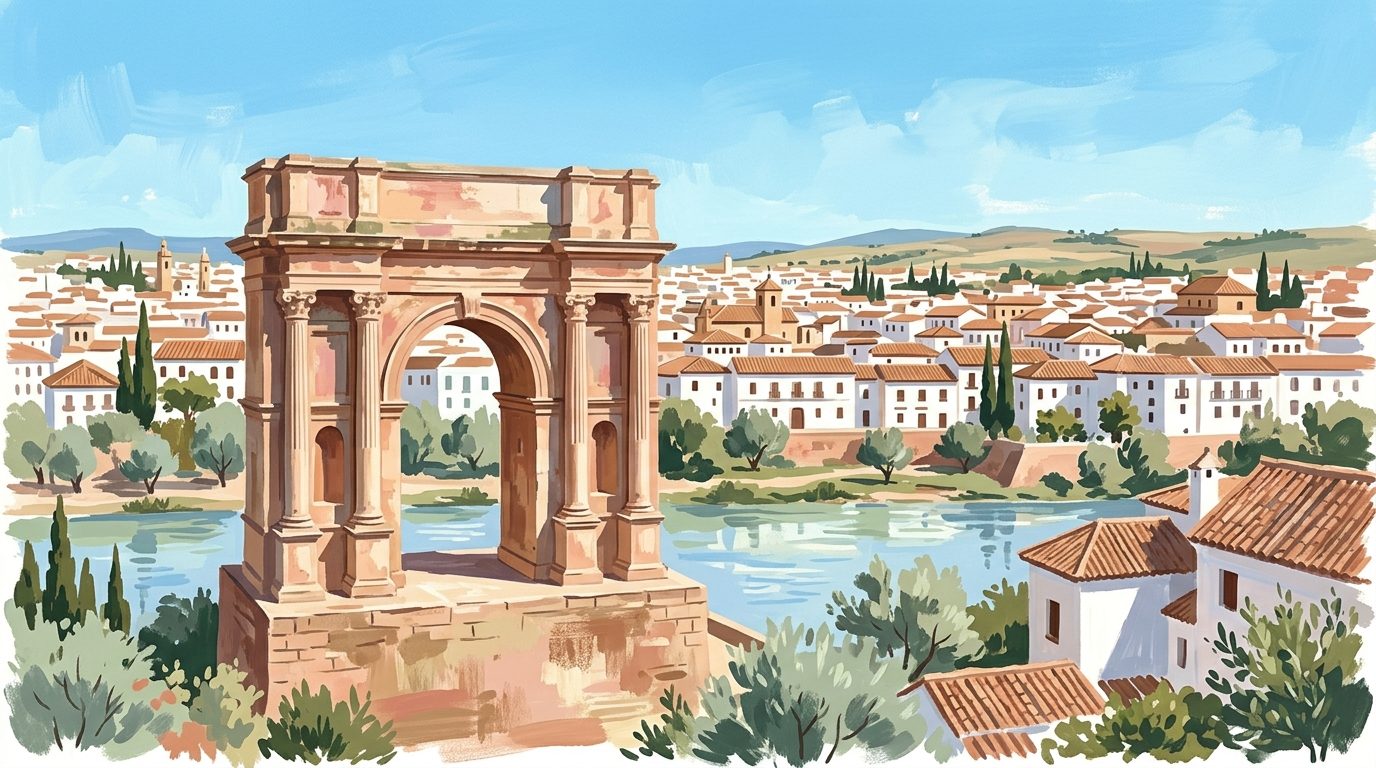
Puerta del Puente
“The Puerta del Puente is an imposing Renaissance gateway that anchors Córdoba’s historic riverfront. While the exterior serves as an impressive architectural marker on any walking route, the monument’s true value lies in its rooftop mirador. The steep climb rewards visitors with unobstructed, symmetrical views over the Guadalquivir river.”

Real Colegiata de Santa María la Mayor
“While the unadorned interior lacks the gilded spectacle of traditional Spanish cathedrals, the Real Colegiata offers a fascinating lesson in architectural transition. It is an essential stop for structural purists and history enthusiasts, but those seeking opulent religious art may find the cavernous, empty nave slightly underwhelming.”
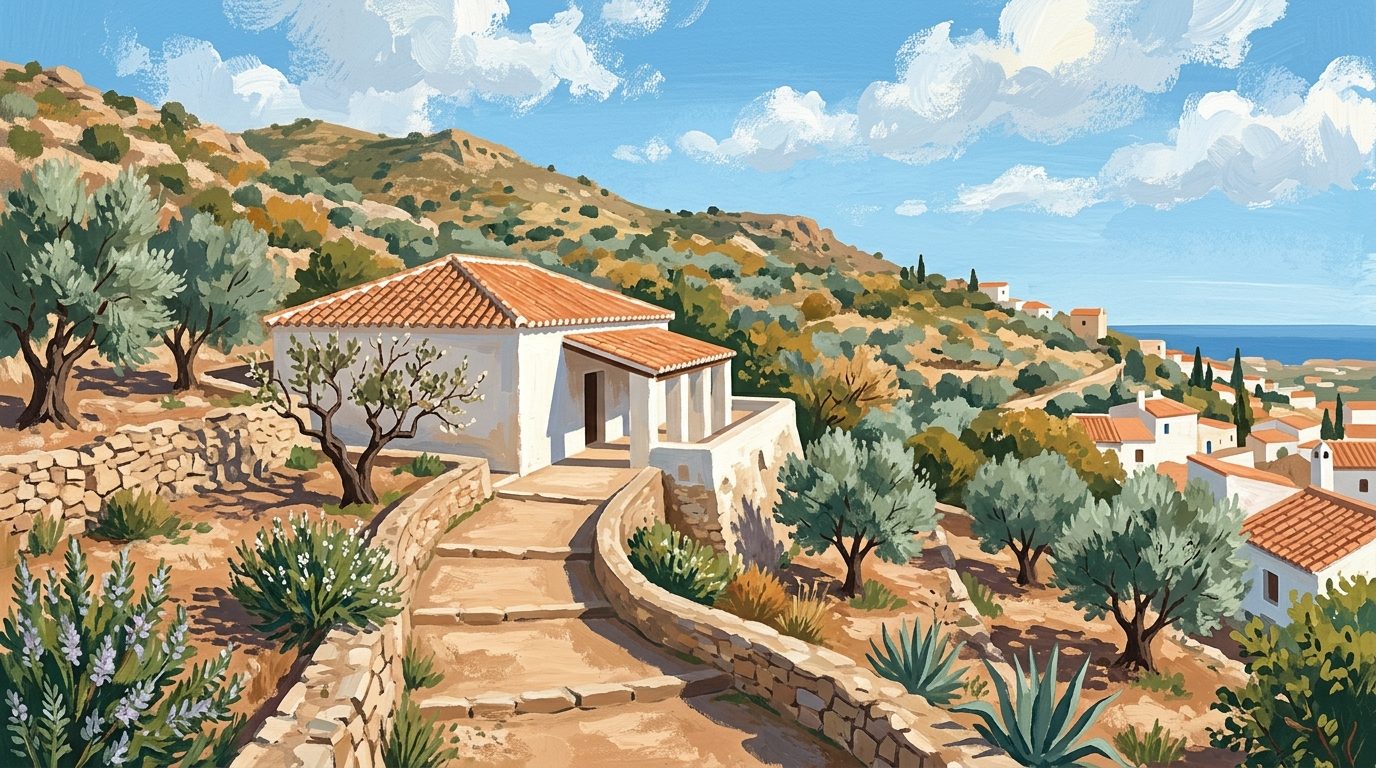
“The Refugios de la Guerra Civil offer a stark, sobering descent into Almería’s wartime history. This immaculately preserved subterranean labyrinth of brick and concrete showcases incredible architectural ingenuity under extreme duress. It is an emotionally heavy, essential experience that provides a profound counterpoint to the city's sunlit coastal attractions.”
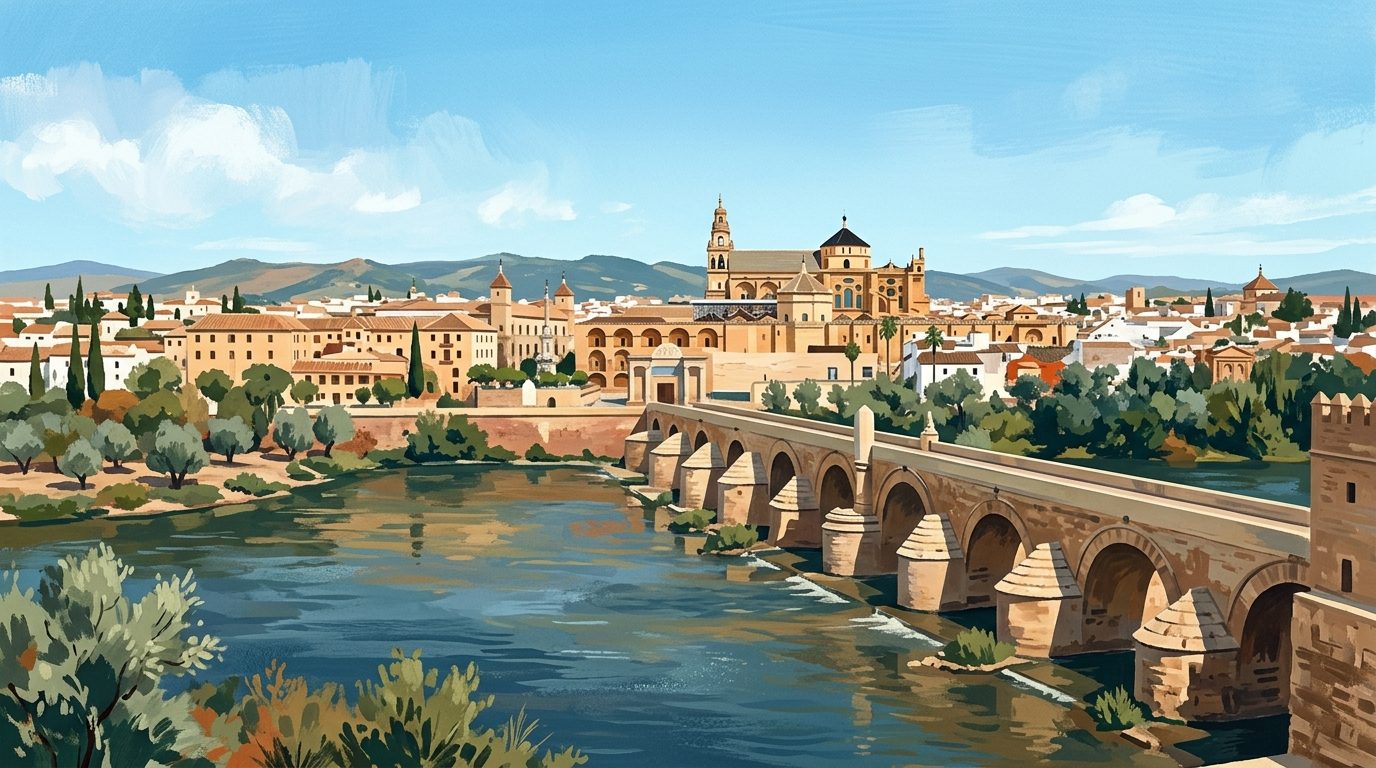
Roman Bridge of Córdoba
“The Roman Bridge is an essential piece of Córdoba’s historical landscape, offering the city's finest skyline views. While summer midday crossings can be punishingly hot and crowds are inevitable, walking the ancient stones provides a tangible link to two millennia of Roman, Islamic, and Christian engineering.”
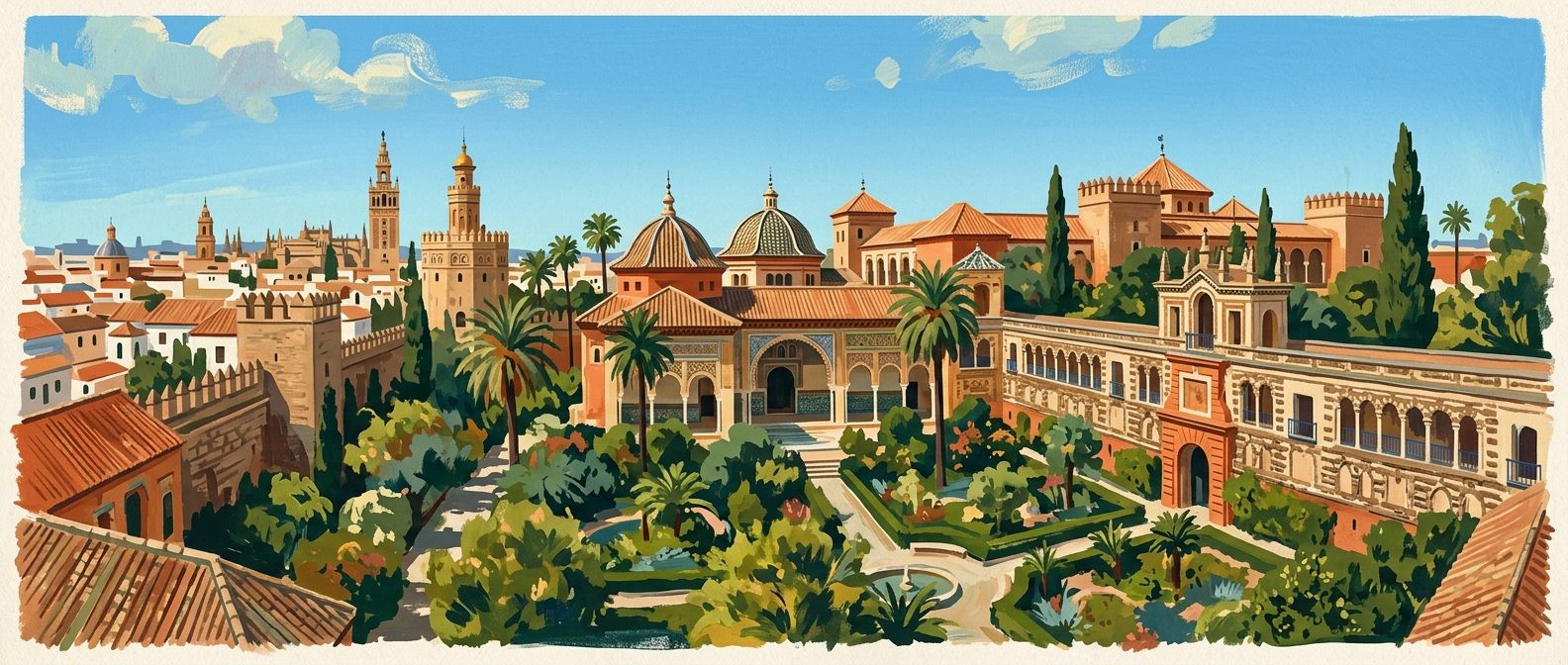
Royal Alcázar of Seville
“The Royal Alcázar is an architectural masterpiece that justifies its immense popularity. The fusion of Islamic and Christian design is visually spectacular, but the relentless crowds can be exhausting. Book your tickets weeks in advance, skip the restrictive upper apartments, and focus your energy on the intricate Mudéjar courtyards and expansive gardens.”

Royal Chapel of Granada
“The Capilla Real is a solemn, highly structured monument essential for anyone interested in the legacy of the Catholic Monarchs. While the strict no-photography rule and sombre atmosphere can feel rigid, the magnificent marble tombs and the astonishing collection of Flemish paintings reward careful observation.”
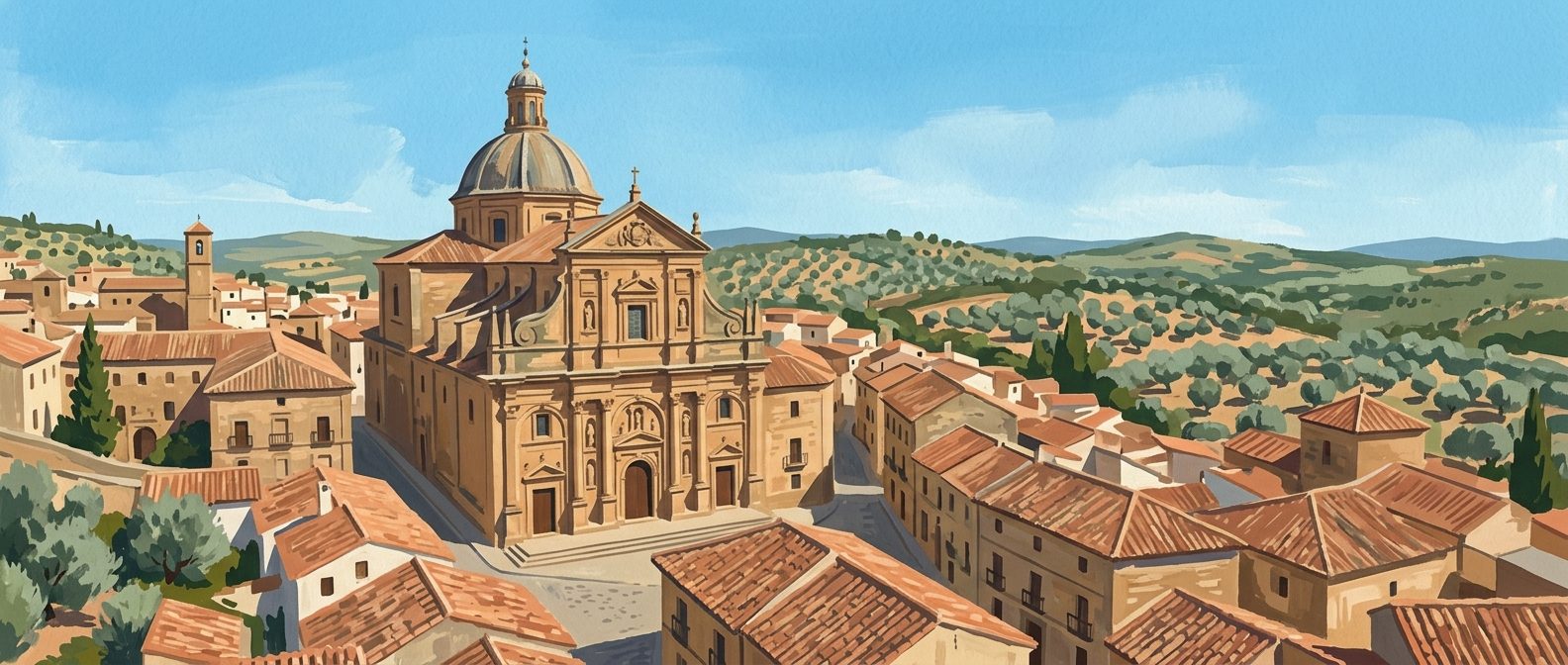
Sacra Capilla del Salvador
“The Sacra Capilla del Salvador is a masterpiece of Spanish Renaissance architecture that demands attention. While the walkable footprint is small, the sheer density of world-class stonework by Vandelvira and Siloé makes it an essential stop for anyone exploring the golden heritage of Jaén.”
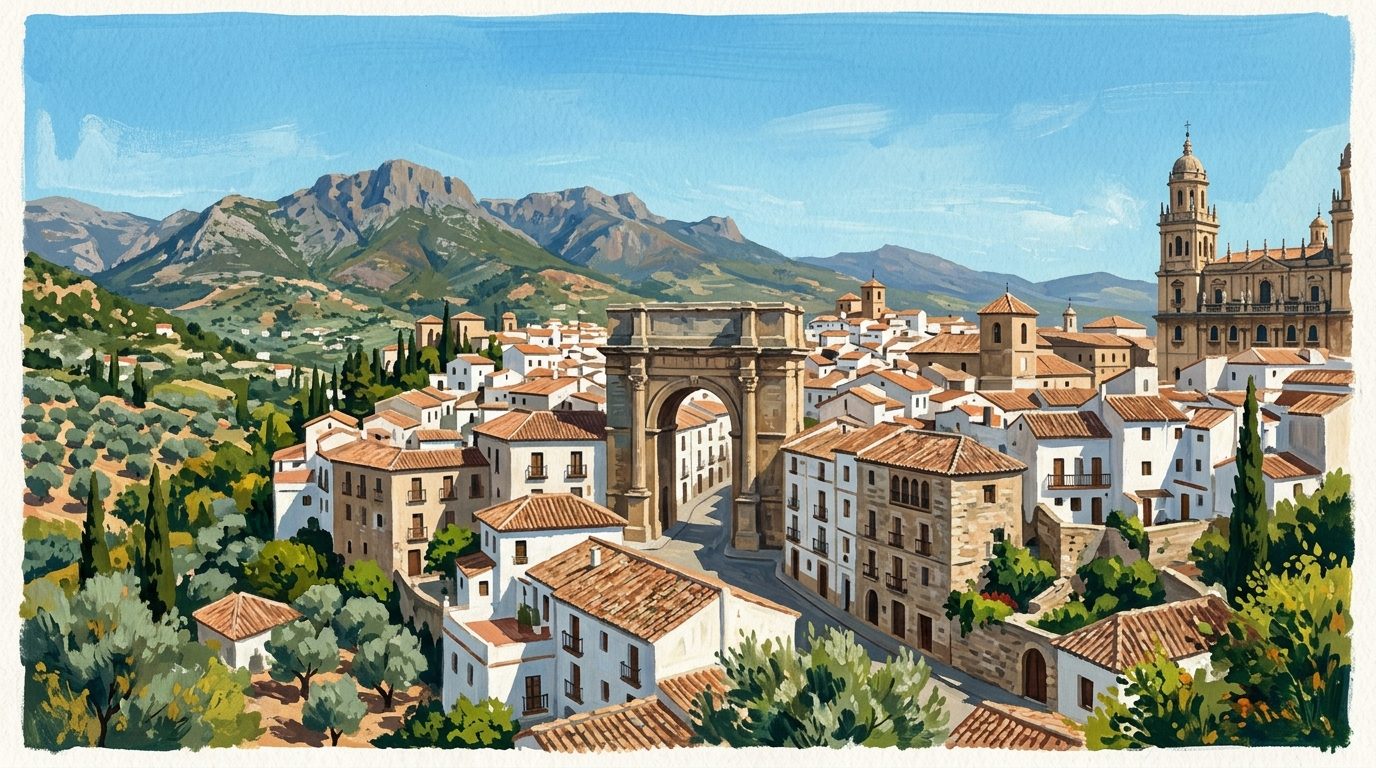
San Lorenzo's Arch
“San Lorenzo's Arch is a tiny, powerful fragment of medieval Jaén. While its unpredictable opening times and limited size require patience, the intricate Mudéjar tilework and striking vaulted brick ceiling inside the chapel reward dedicated architecture enthusiasts with a quiet, concentrated glimpse into the city's layered past.”
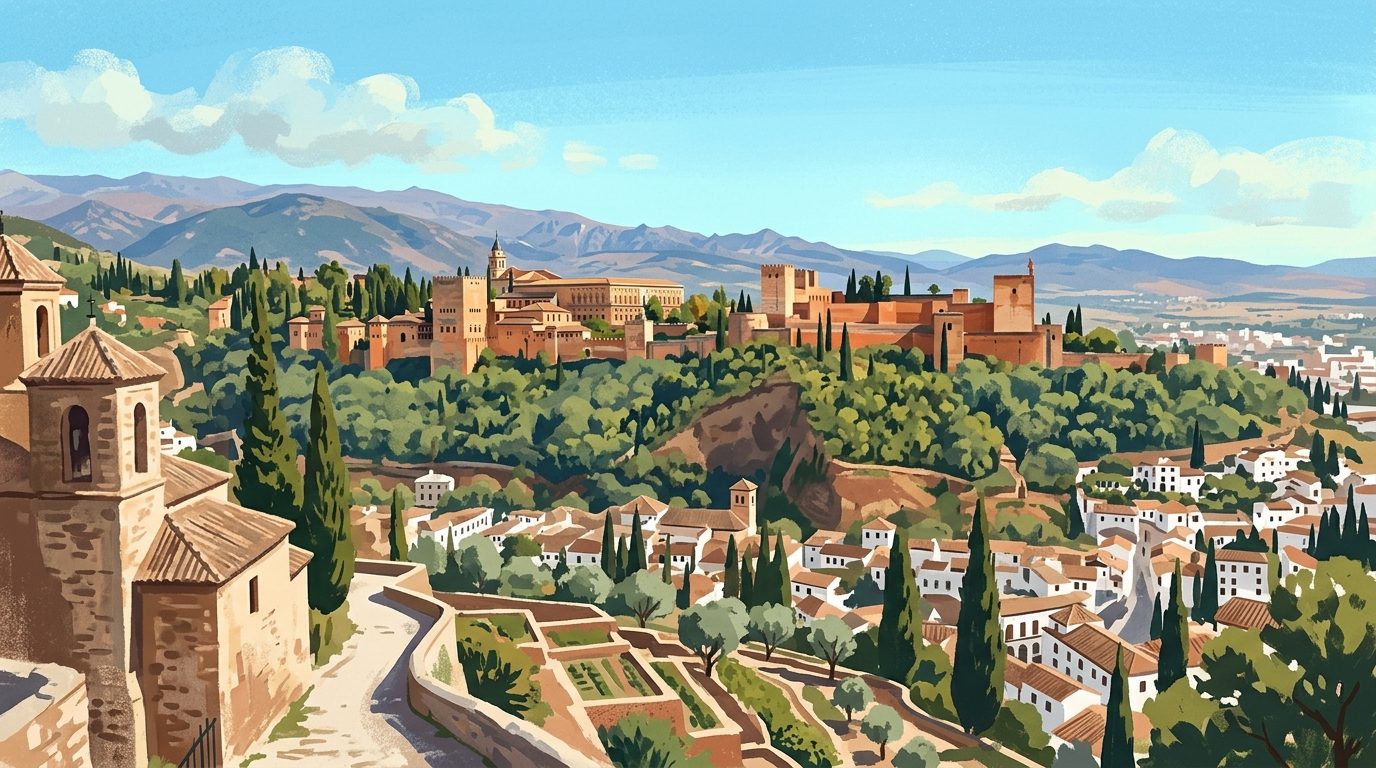
San Miguel Alto viewpoint
“This is Granada’s most rewarding viewpoint, offering a spectacular perspective that dwarfs the famous San Nicolás. It is steep, dusty and entirely uncommercialised, but the sheer scale of the Alhambra seen from above makes the difficult climb worthwhile. Skip it if you need amenities, but prioritise it for unmatched photography.”
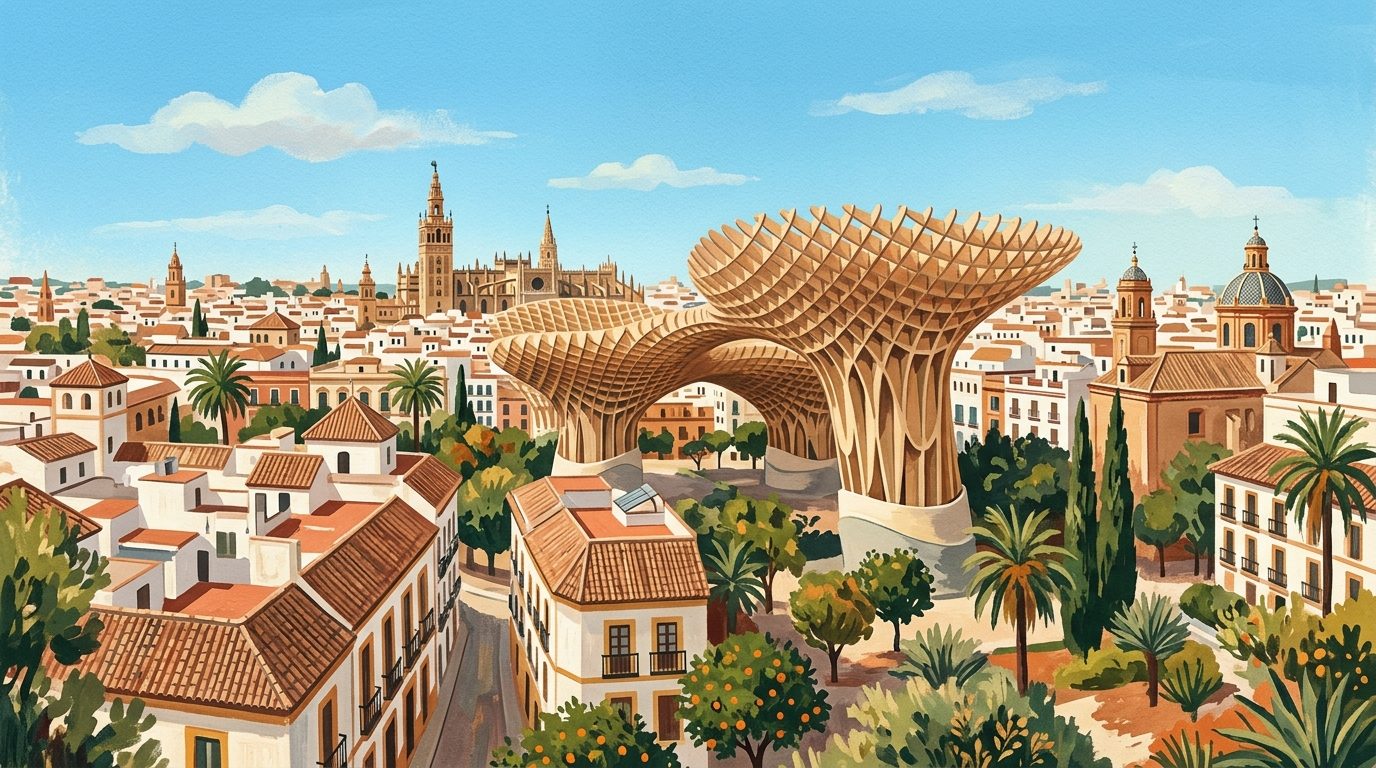
Setas de Sevilla
“Las Setas is a divisive but undeniably spectacular feat of modern engineering. While traditionalists may balk at its aesthetic, it offers the most comprehensive rooftop view of Sevilla without the need to climb a bell tower. It is an essential stop for architecture enthusiasts and photographers.”

Templo Romano
“This soaring colonnade provides a dramatic connection to ancient Roman engineering that cuts straight through the city's medieval reputation. Free guided walks now allow visitors to step onto elevated platforms inside the precinct itself, making it a high-impact and interactive architectural stop.”
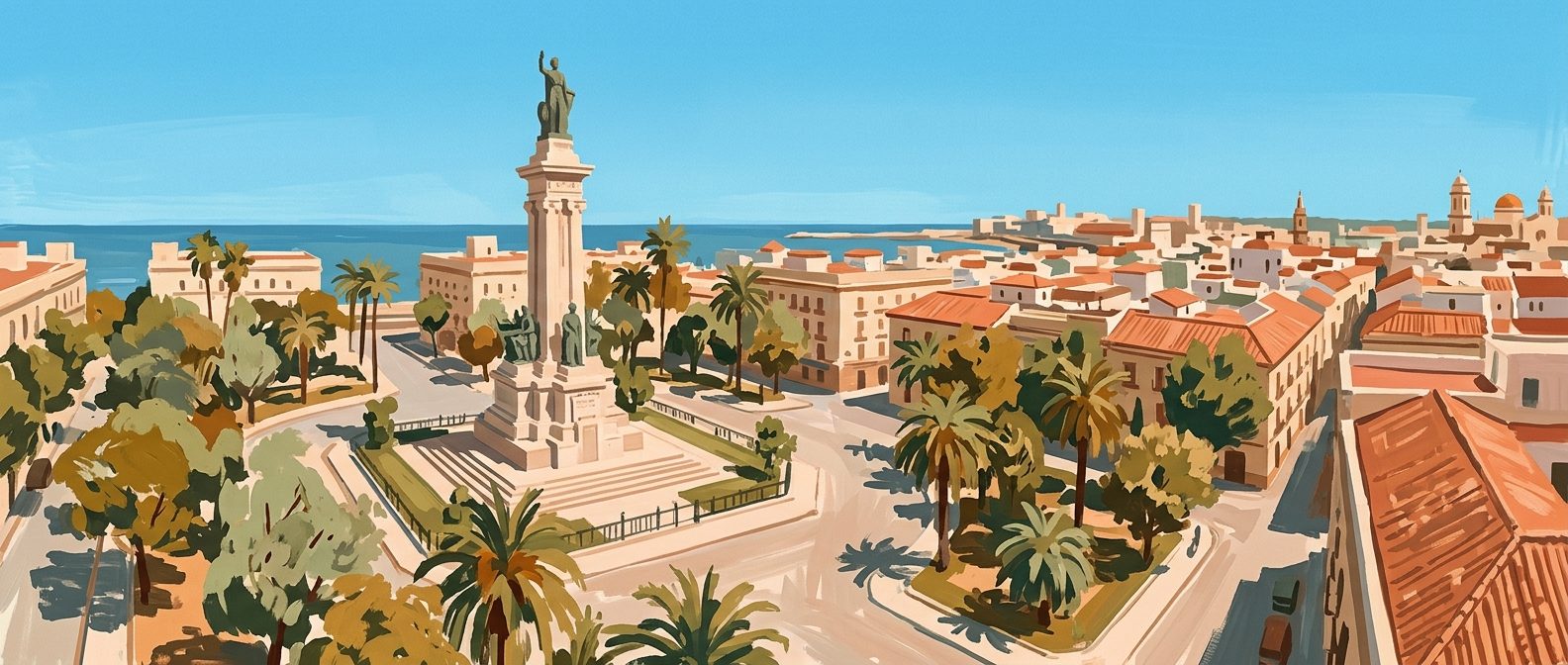
The 1812 Constitution Monument
“This massive 1912 hemicycle is visually impressive, but its real value lies in the political history carved into its stone. While casual visitors might just snap a quick photo, those who examine the bronze reliefs will uncover a powerful narrative of a besieged city that forged Spain's first liberal democracy.”
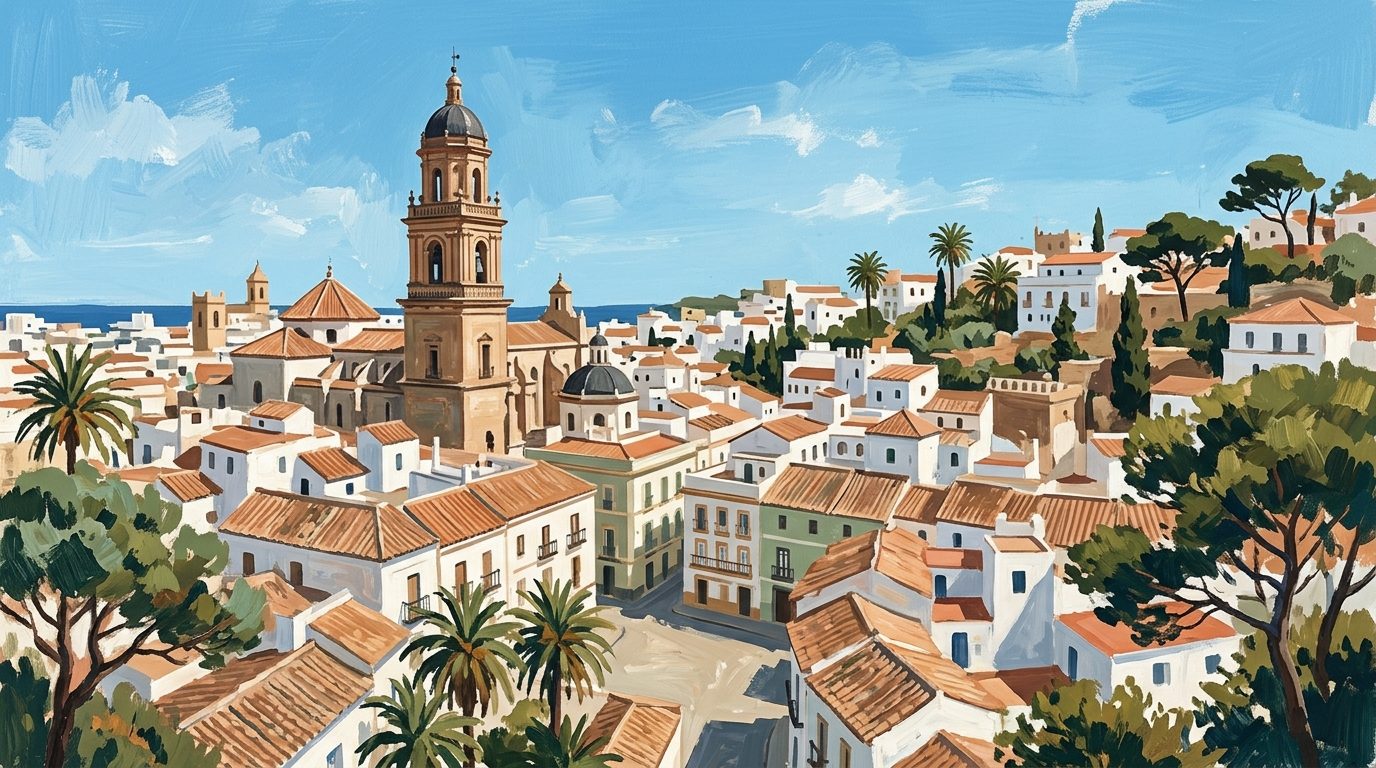
Torre Tavira
“This is an essential introduction to the unique geography and commercial history of the city. While the physical climb is demanding, the analogue optical illusion of the camera obscura remains genuinely fascinating. It perfectly suits first-time visitors seeking orientation and anyone intrigued by maritime history. The rooftop terrace offers a complete peninsula panorama, balancing education with a highly memorable visual experience.”
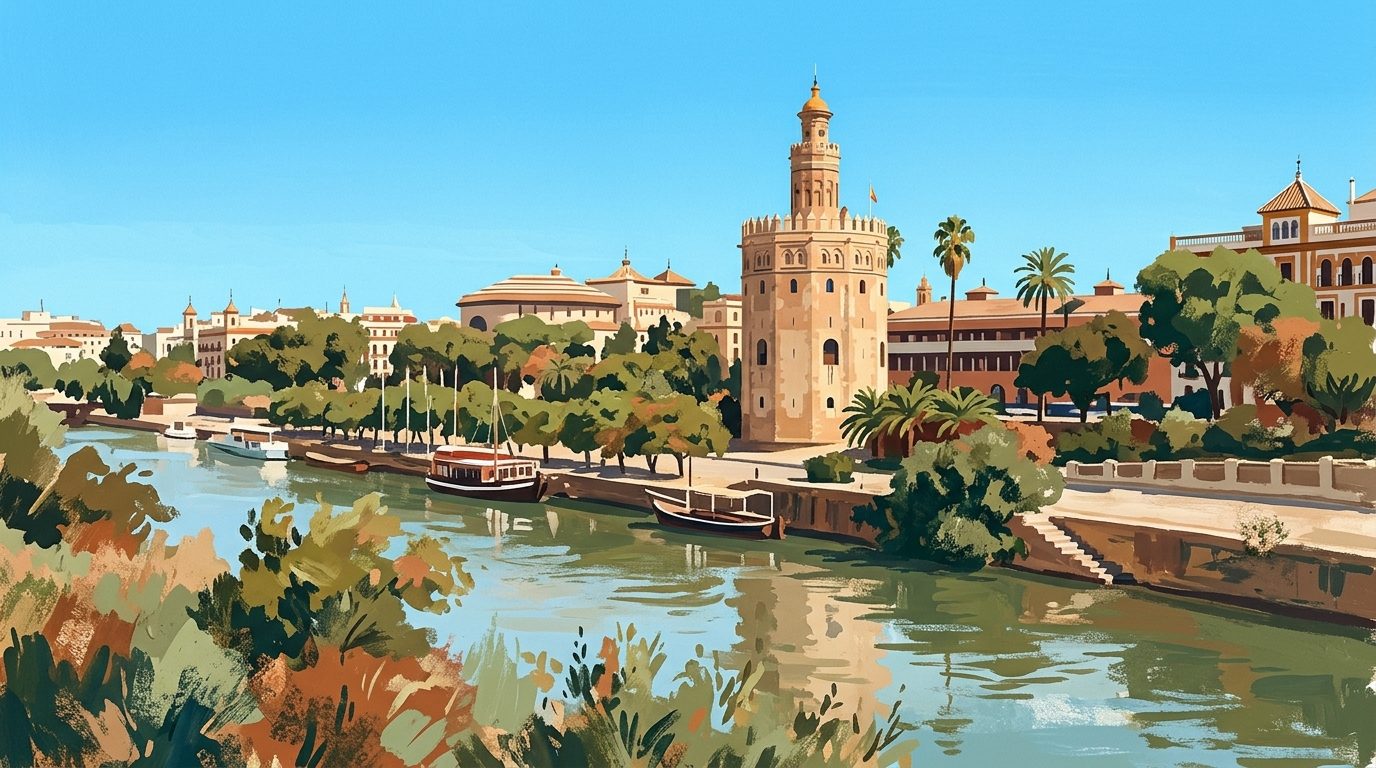
Torre del Oro
“The Torre del Oro pairs a compact naval museum with some of the best river views in Sevilla. While the maritime exhibits are traditional and mostly in Spanish, the short climb and lack of heavy crowds make its rooftop terrace a rewarding, stress-free stop for architecture and photography lovers.”
“Visiting the Antequera Dolmens independently leaves many travellers underwhelmed by empty stone corridors. A structured tour with Grupo Dólmenes transforms the complex into a fascinating narrative of Neolithic engineering and landscape worship. It is an essential investment for anyone wanting to grasp the true magnitude of these ancient monuments.”