
Attractions in Andalucía
The Alhambra, the Mezquita, flamenco tablaos, natural parks and prehistoric caves: the essential sights across southern Spain.
Filter by Province
Filter by Type
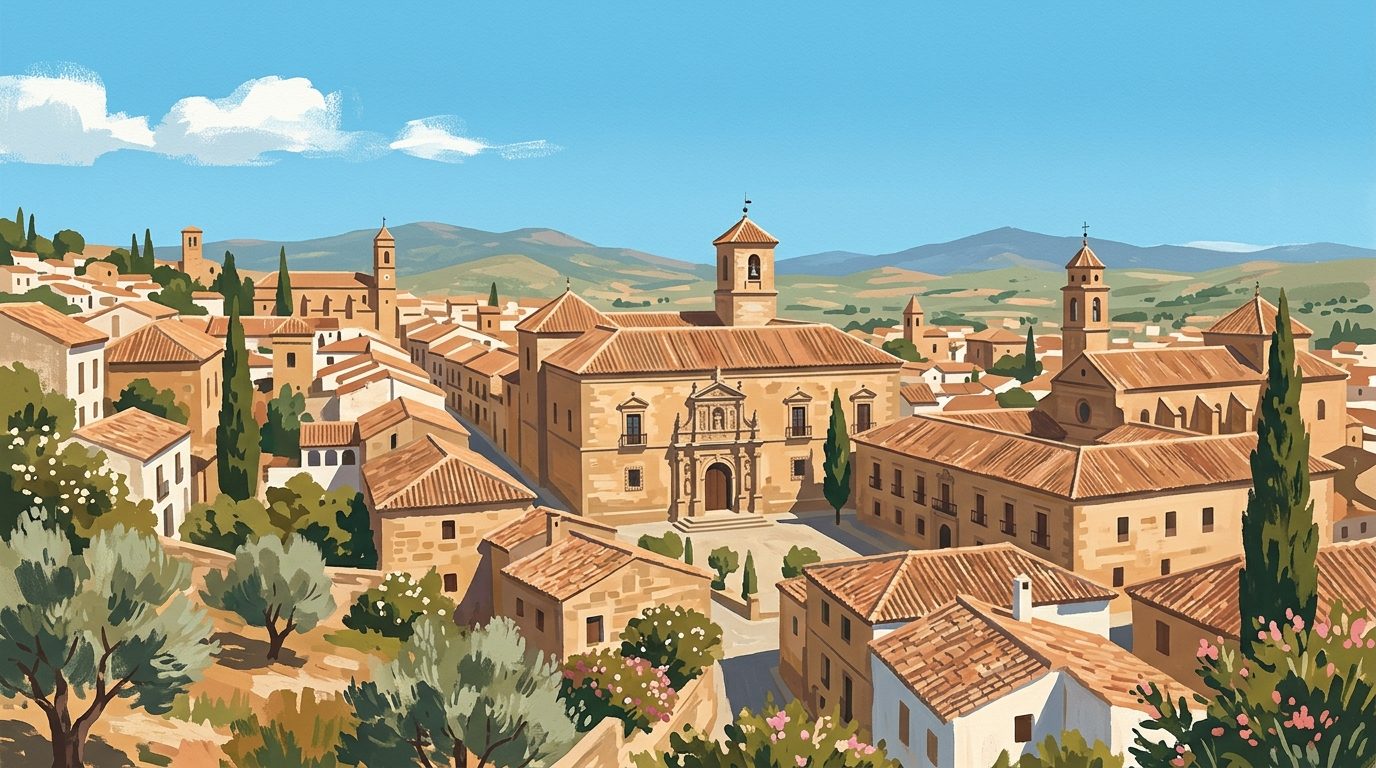
Archaeological Museum of Úbeda
“The Archaeological Museum of Úbeda offers a highly focused, chronological journey through the pre-Renaissance history of the Guadalquivir valley. Housed within a rare fourteenth-century Moorish-Christian residence, this compact collection of Iberian bronzes and Roman stonework provides crucial context for understanding the cultural layers of Jaén province.”
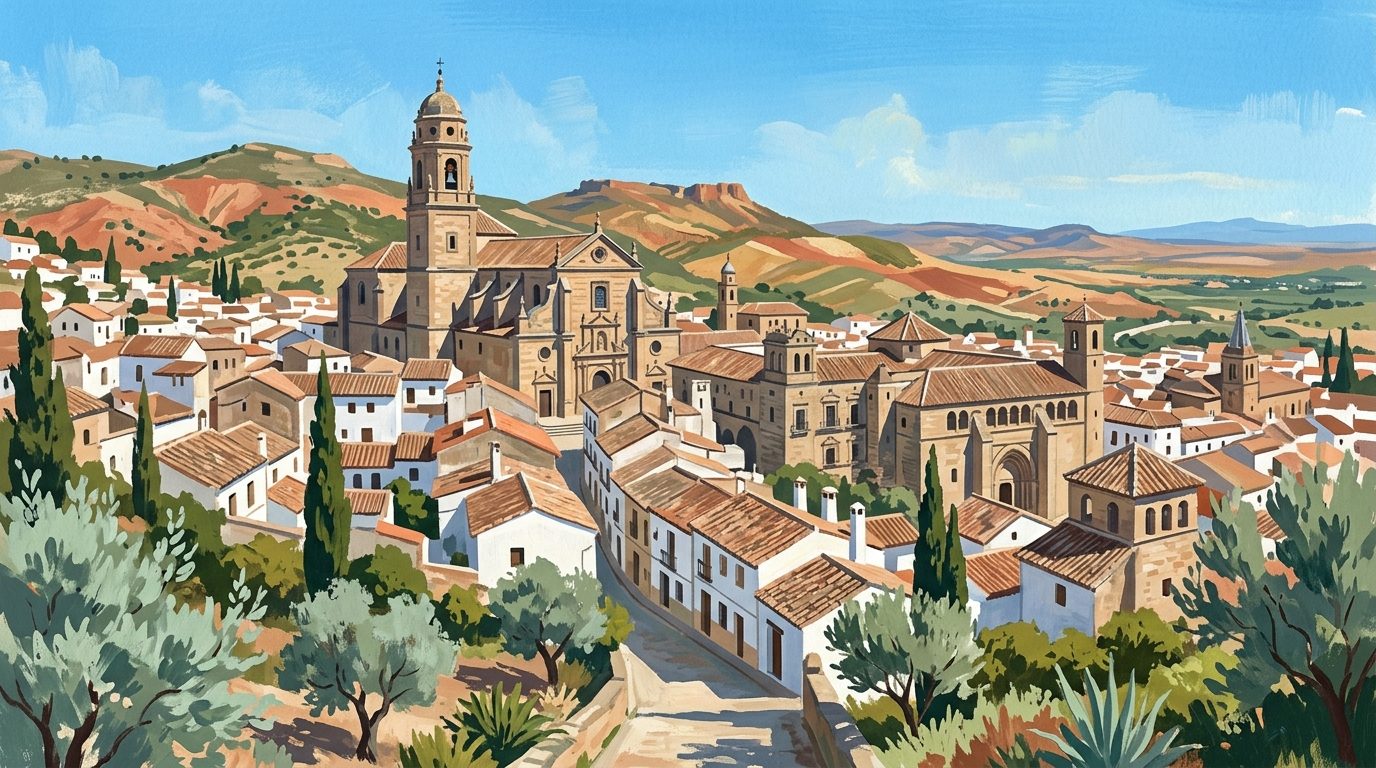
Baeza Cathedral
“Baeza Cathedral is a masterful, scholarly study in architectural transition. Lacking the overwhelming scale of larger Andalucían churches, it rewards visitors with quiet precision, from its Mudéjar doors to Vandelvira’s confident Renaissance vaulting. It is an essential, uncrowded stop for anyone tracing the evolution of sixteenth-century Spanish masonry.”
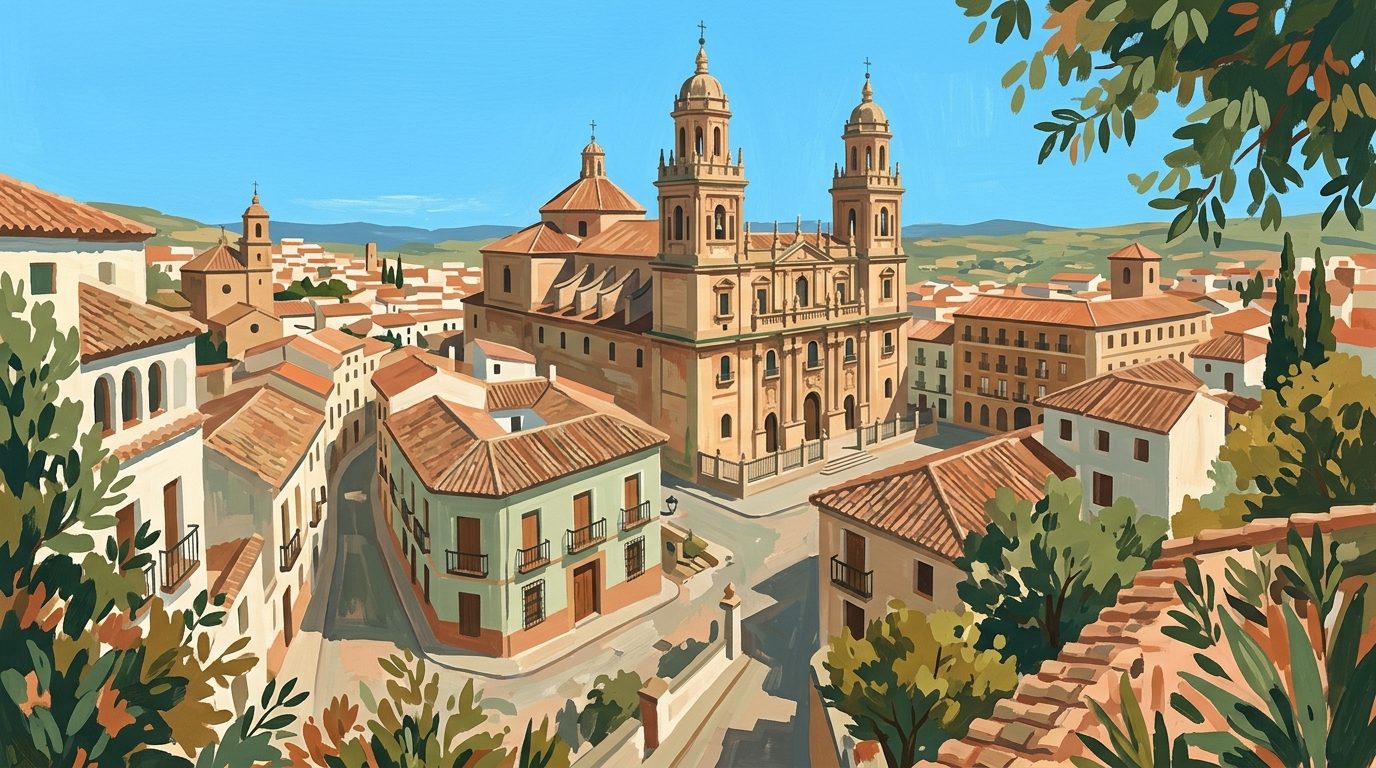
Basilica Minor of San Ildefonso
“San Ildefonso lacks the overwhelming grandeur of the nearby cathedral, but compensates with layers of authentic history. As a working parish church, it rewards those who appreciate architectural evolution and quiet contemplation over multimedia tourist displays. The presence of Vandelvira’s tomb makes it an essential stop for architecture enthusiasts.”
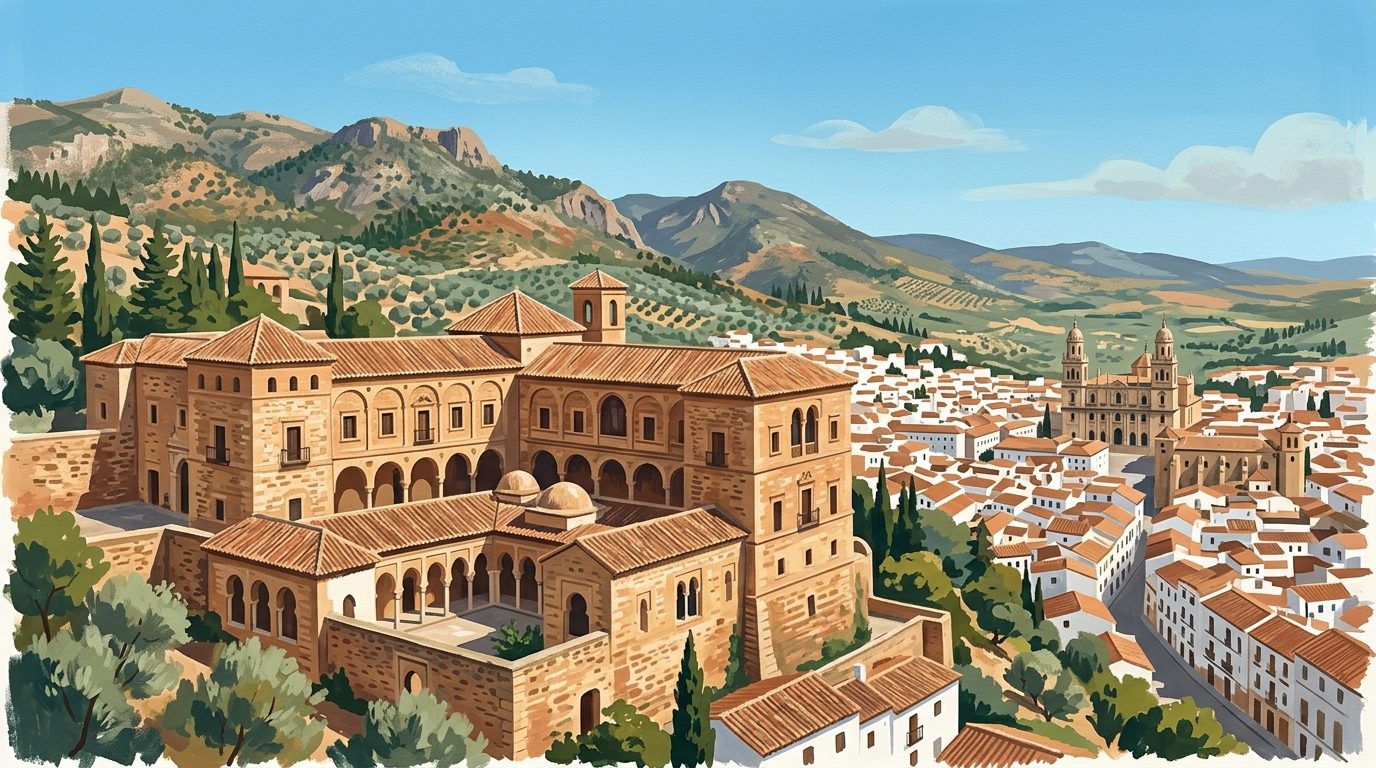
“A fascinating juxtaposition of Islamic water engineering and Spanish aristocratic ambition. The vast underground baths alone easily justify the visit, while the two eccentric upstairs museums offer a curious, if somewhat disjointed, cultural bonus. An essential stop for understanding the layered, complex history of provincial Jaén.”
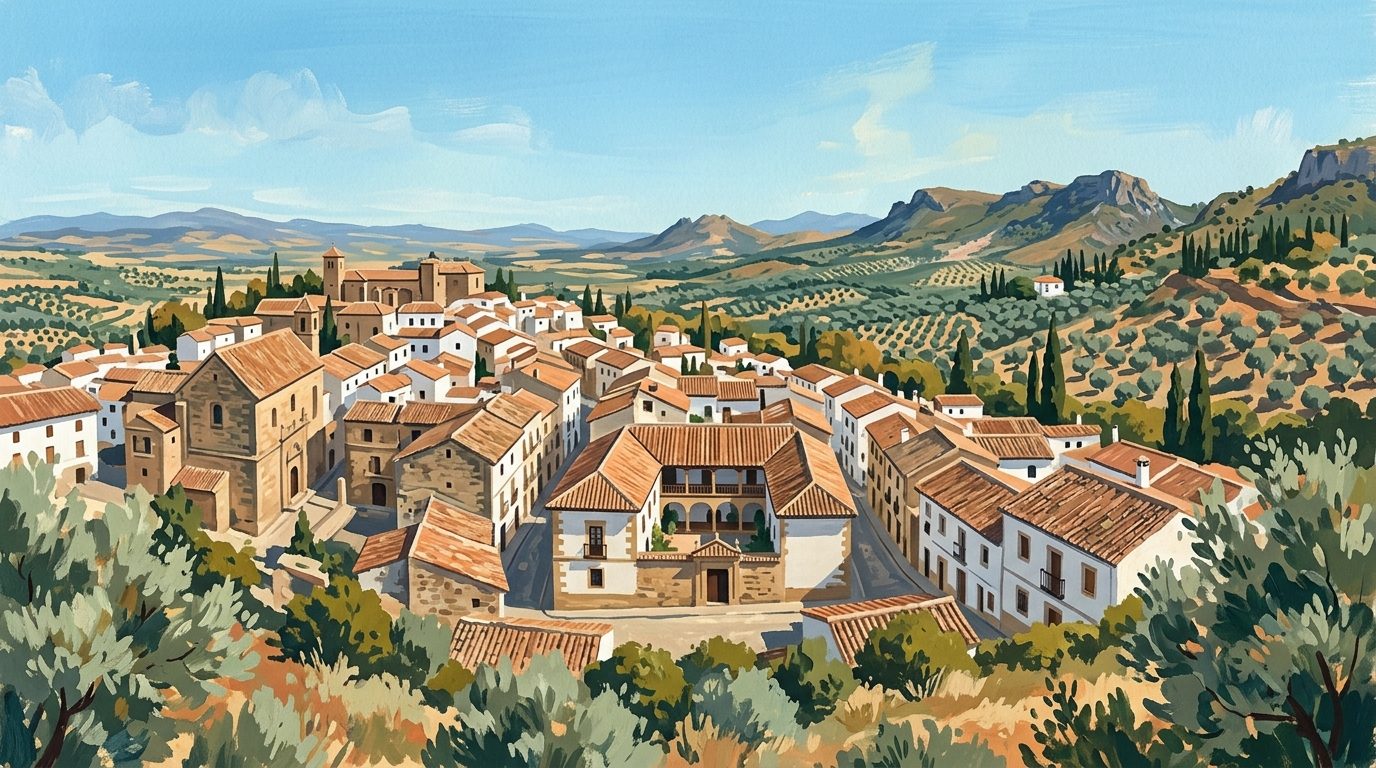
Casa natal de Joaquín Sabina
“Joaquín Sabina’s childhood home offers a fleeting but meaningful stop for fans of the iconic Spanish singer-songwriter. While you can only view the exterior plaque, the real value lies in exploring the surrounding Plaza Primero de Mayo and the broader cultural trail that contextualises his bohemian poetry within this strict Renaissance city.”
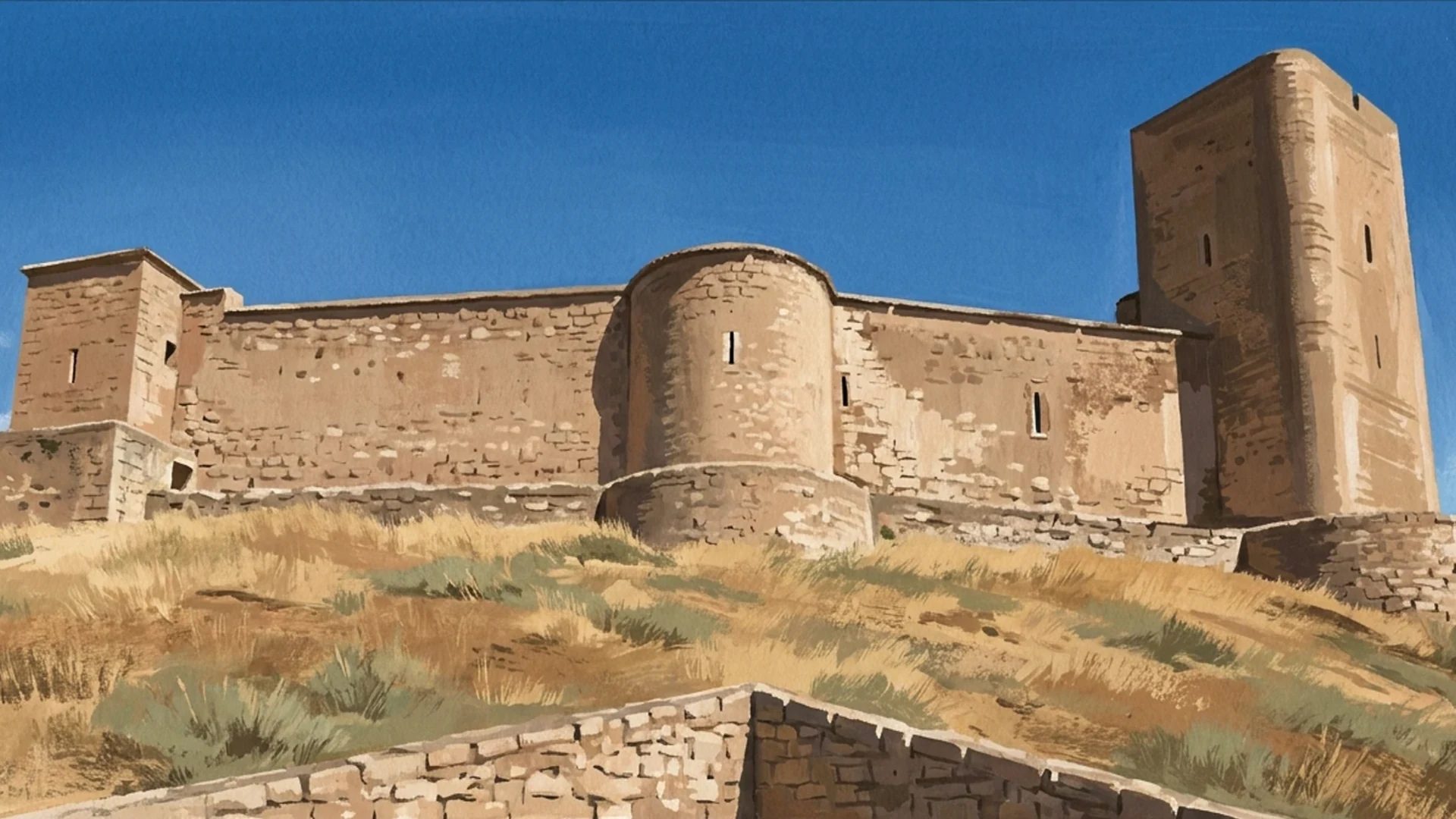
Castillo de Segura de la Sierra
“A meticulously restored mountain fortress offering deep insights into the Order of Santiago and sweeping views over the Sierra de Segura, though its remote location demands a deliberate journey.”
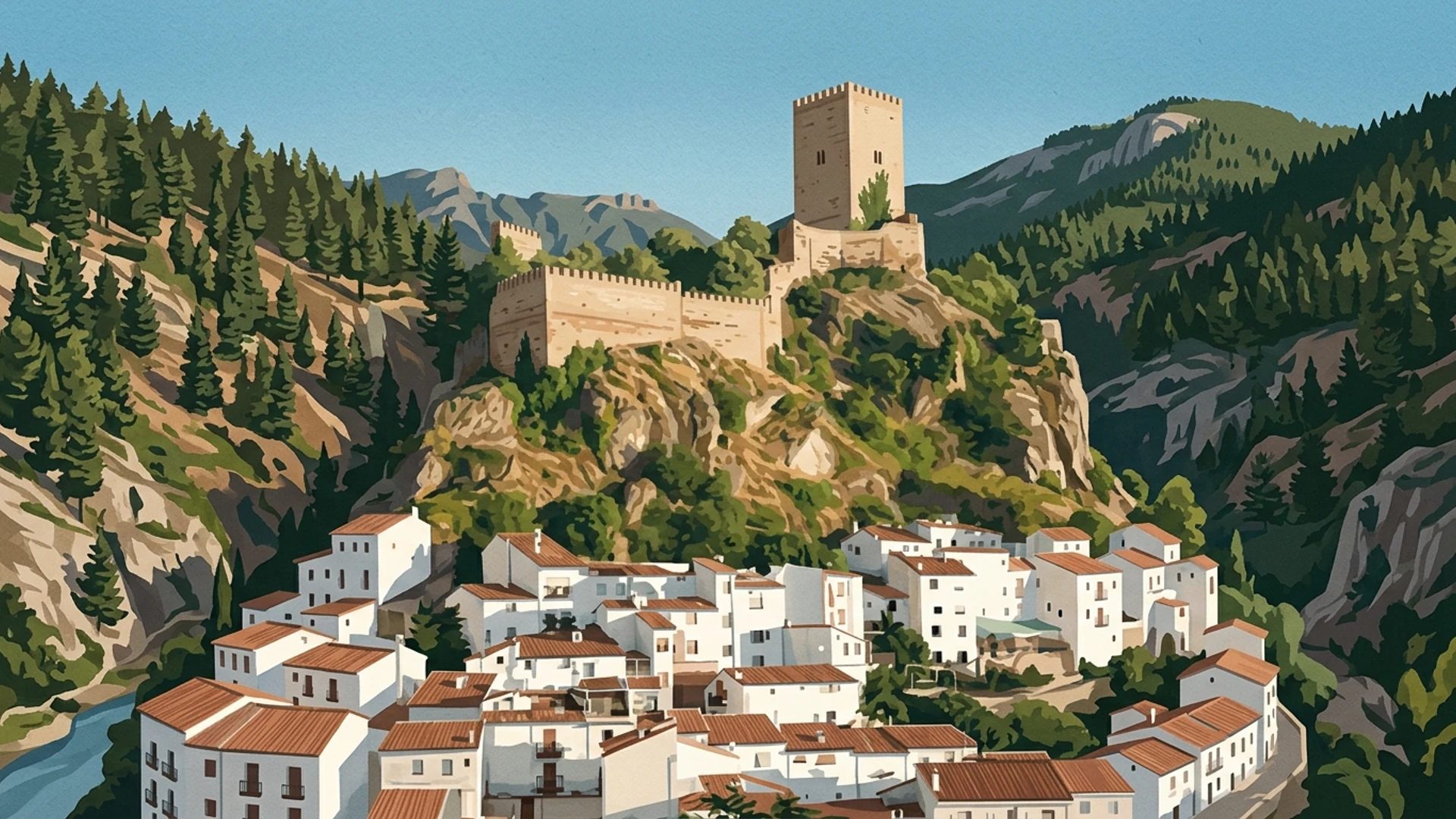
Castillo de la Yedra
“A commanding medieval fortress offering sweeping views over Cazorla, housing a dual museum that explores both noble military history and traditional rural life.”
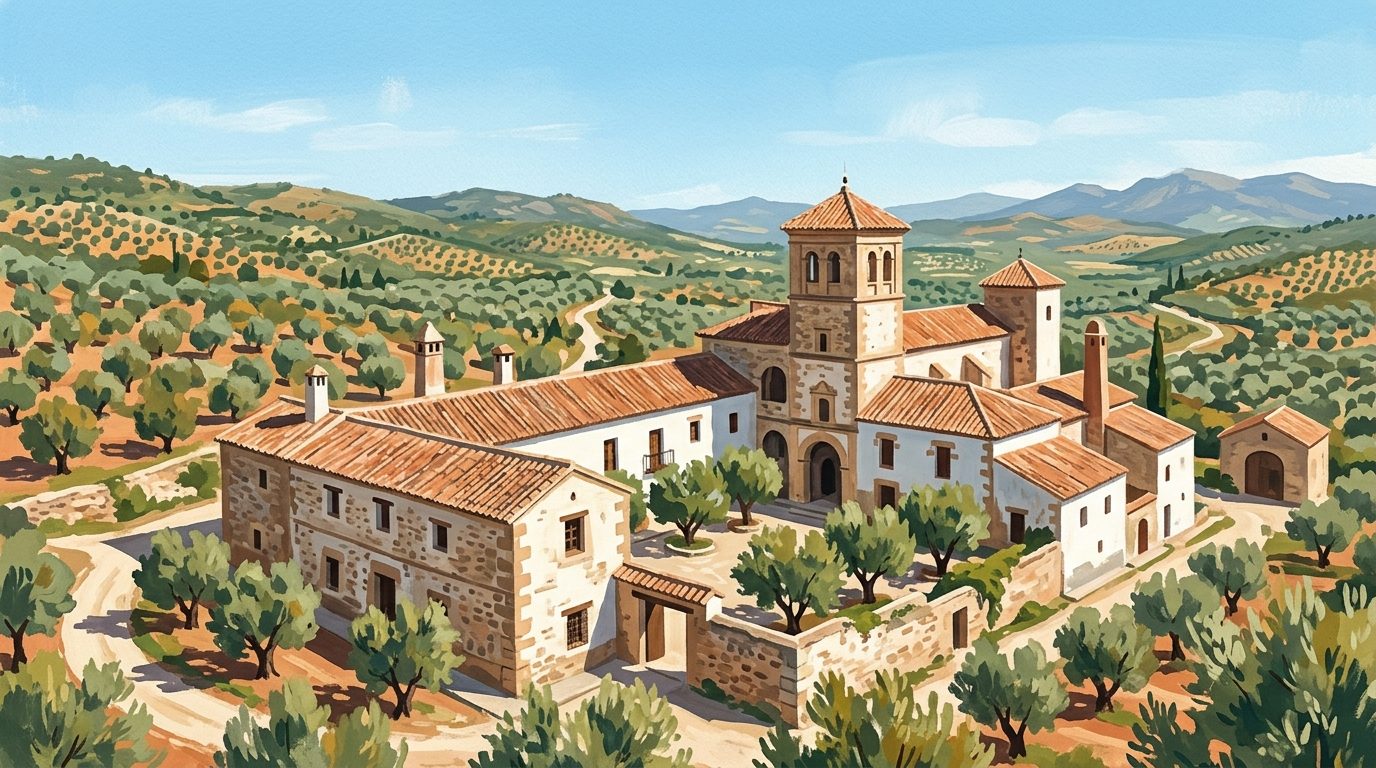
Centro de Interpretación Olivar y Aceite
“While the technical static exhibits appeal mainly to agricultural historians, the true value of this centre lies in its tutored tastings and specialised shop. It is an essential stop for culinary enthusiasts wanting to decode the complex sensory profiles and cultural importance of Jaén’s world-class olive oil.”
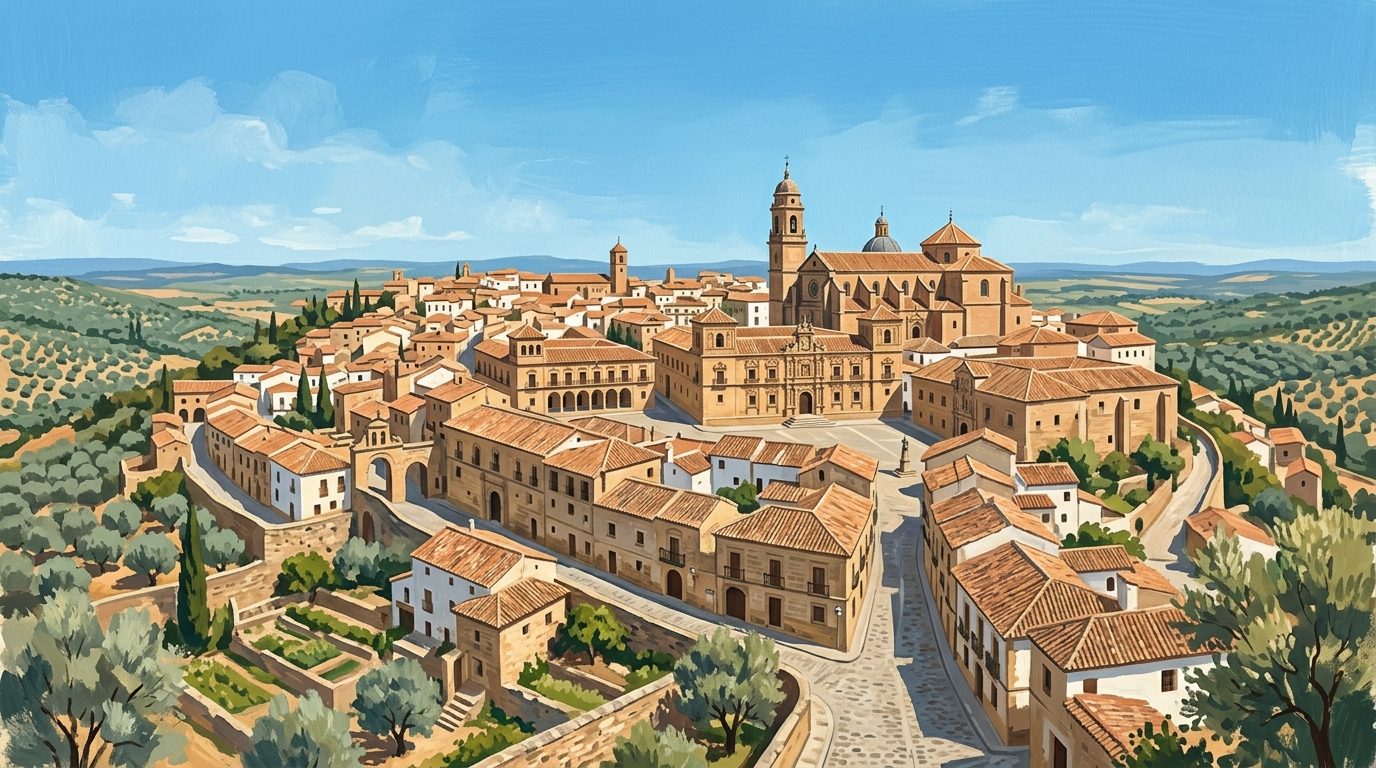
Centro histórico - Baeza
“Baeza is an architectural masterpiece that demands a slow, deliberate pace. Its pristine Renaissance facades, quiet university courtyards, and cobbled squares feel entirely removed from modern mass tourism. While the uneven streets require sturdy footwear, the sheer concentration of sixteenth-century stonework makes it essential for anyone exploring Jaén.”
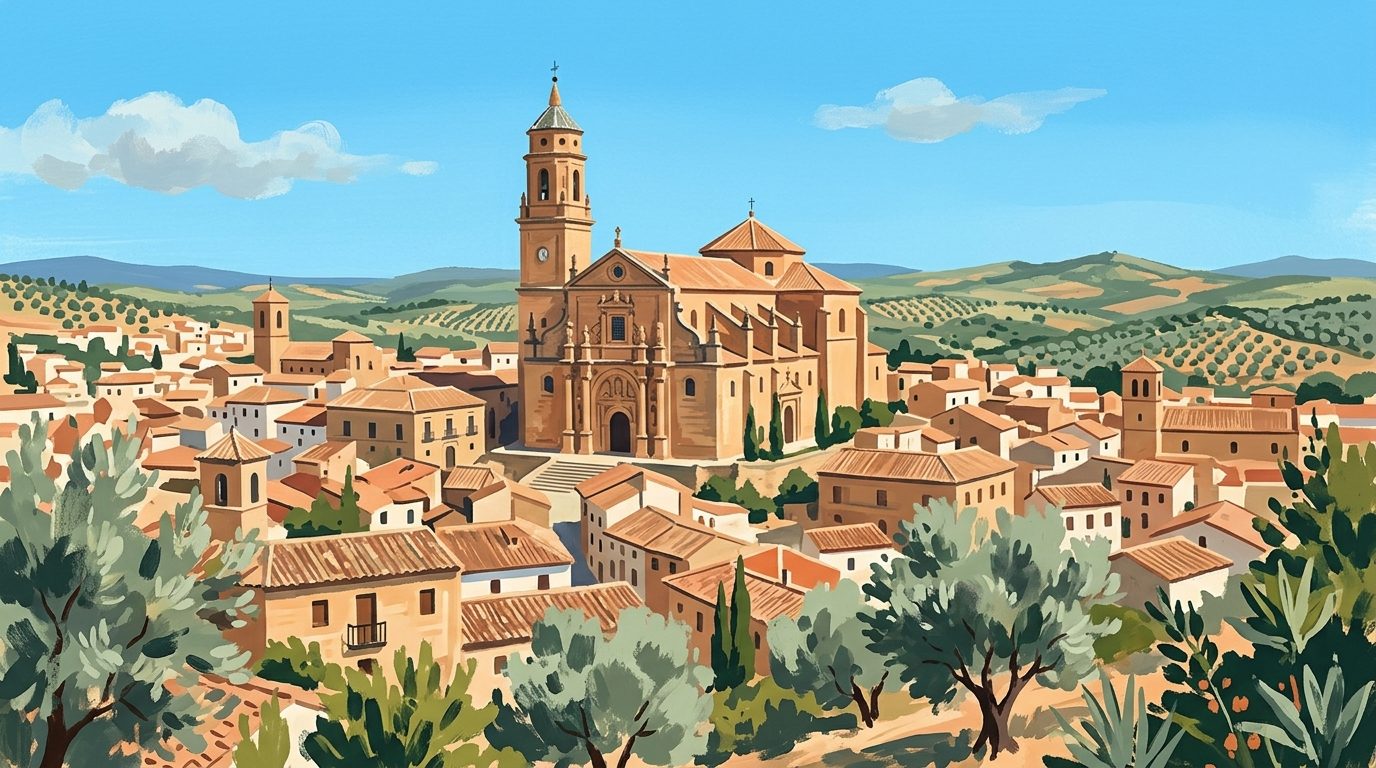
Church of San Pablo
“While lacking the unified perfection of Úbeda's purely Renaissance monuments, San Pablo is fascinating precisely because of its architectural friction. The juxtaposition of a Romanesque door, a Gothic nave, and a Plateresque tower allows curious visitors to read the evolving history of the city directly from its stones.”
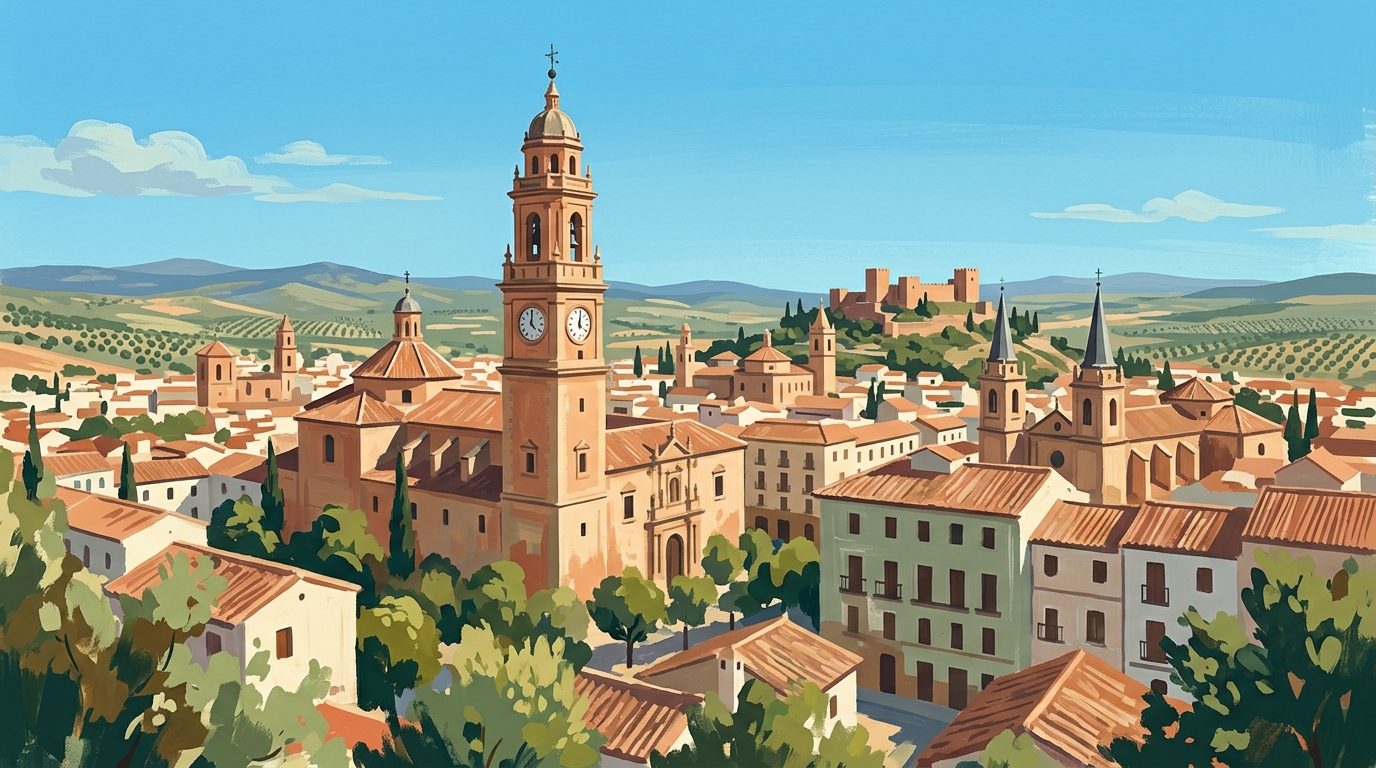
Clock Tower
“The Clock Tower offers essential context for Úbeda’s architectural evolution from a medieval fortress into a Renaissance showcase. While interior access is heavily restricted, admiring the historic masonry and the significant royal shrine from the accessible square remains a mandatory first stop before exploring the wider historic centre.”
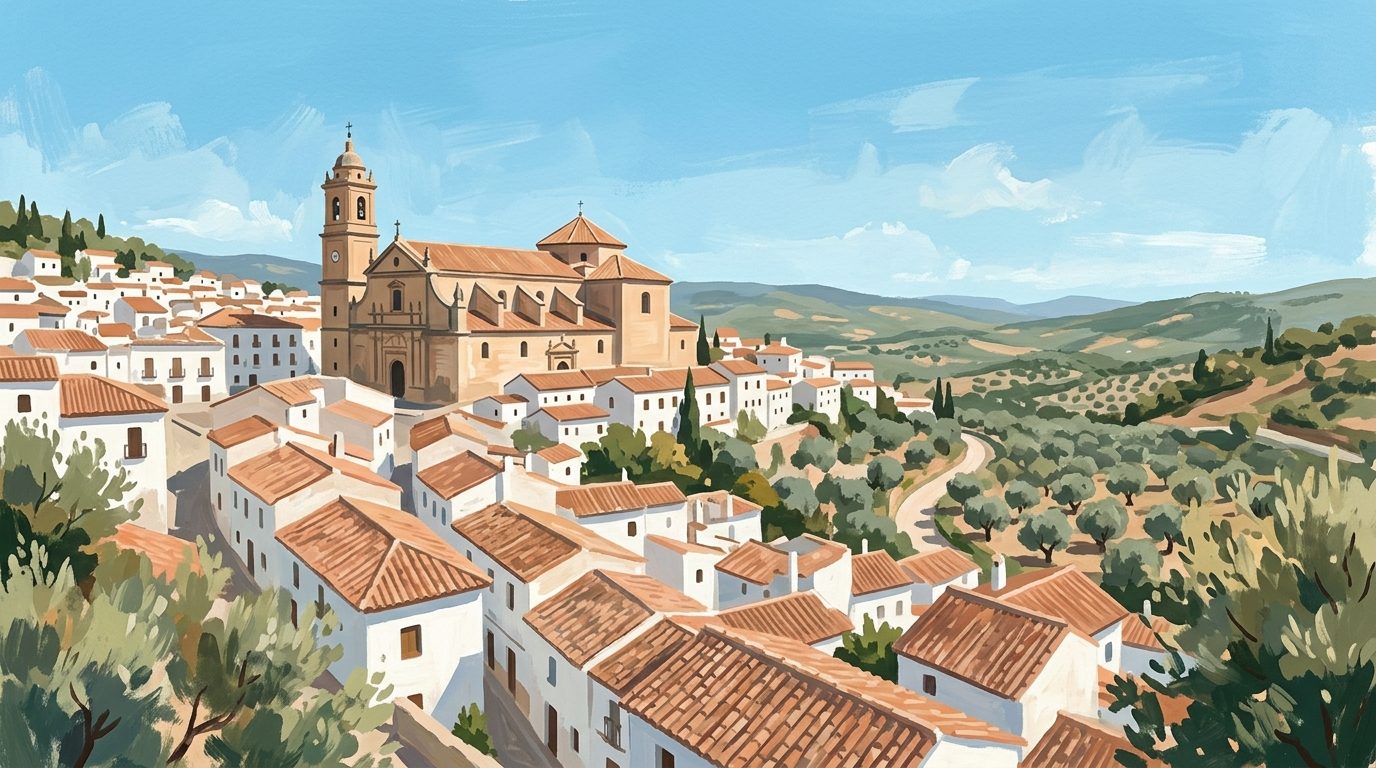
Iglesia de El Salvador
“Far removed from the polished Renaissance grandeur of central Baeza, El Salvador offers a raw, authentic look at the city’s early medieval history. This humble extramural parish is essential for architecture enthusiasts eager to see original Romanesque stonework and striking Mudéjar carpentry completely stripped of later Baroque pretension.”
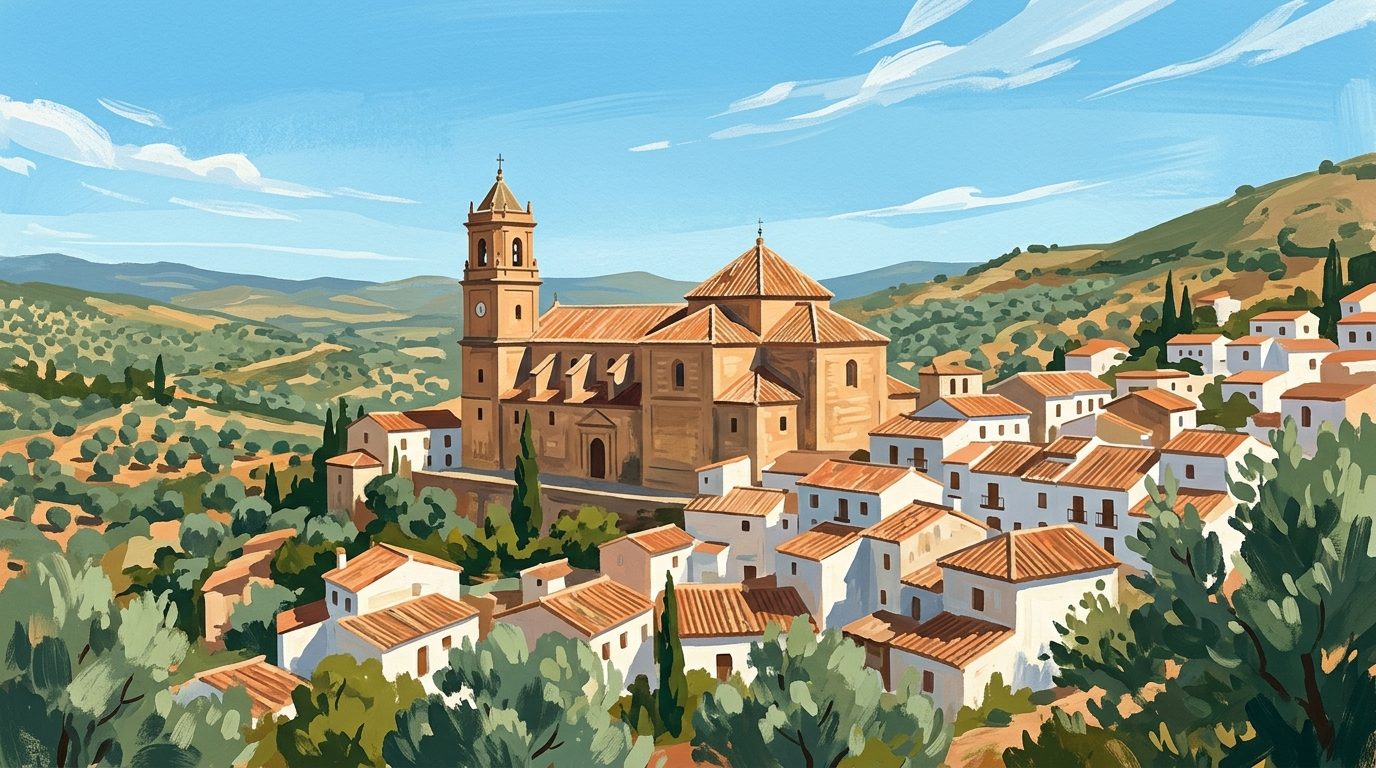
Iglesia de San Bartolomé
“An understated but historically layered parish church that rewards those willing to climb the steep lanes of Jaén's historic centre. Far from the crowds of the cathedral, it offers an intimate look at exceptional Mudéjar woodwork, Spanish Renaissance carving, and deeply rooted Holy Week traditions.”
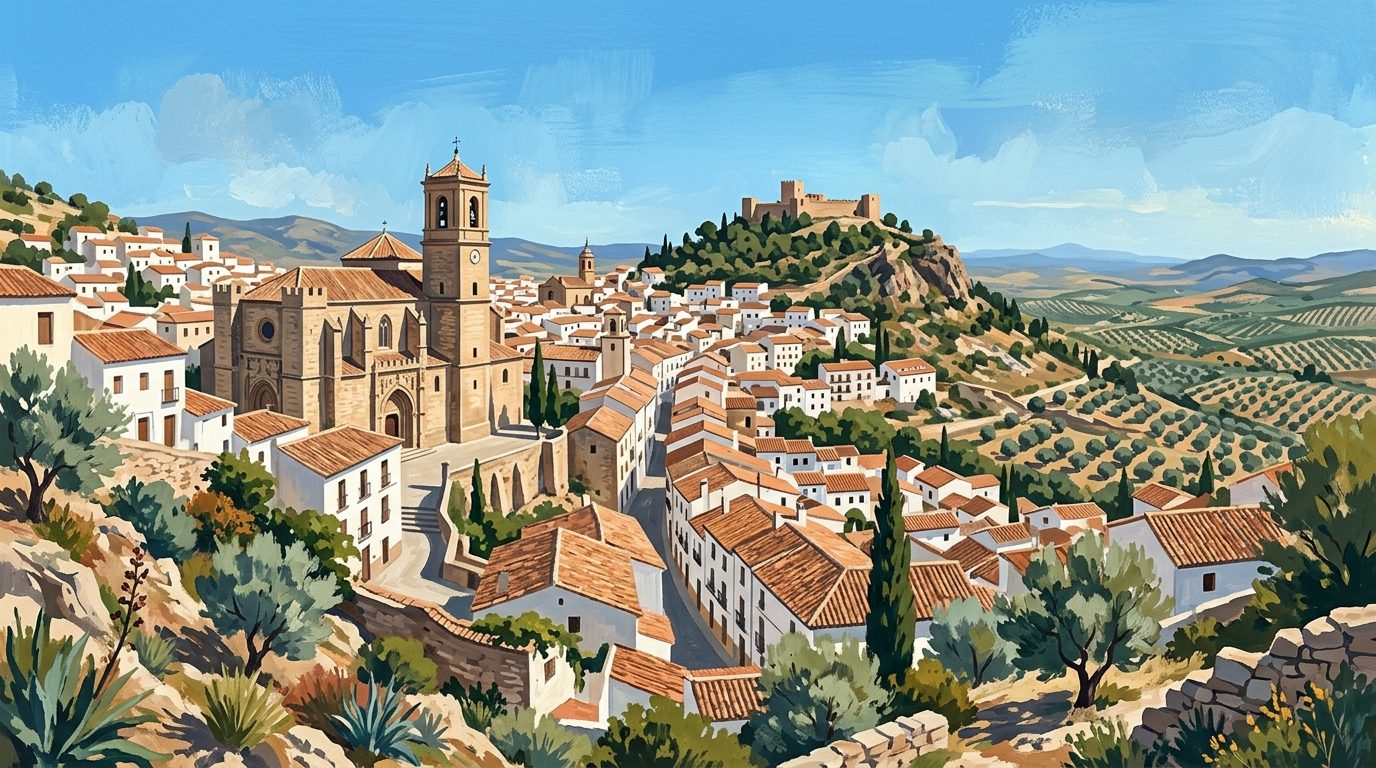
Iglesia de la Magdalena
“A fascinating architectural palimpsest revealing the transition from Islamic mosque to Catholic parish in the oldest quarter of Jaén. While its steep location requires physical effort, the surviving ablutions courtyard and Isabelline Gothic details provide a profound physical link to the layered medieval history of the city.”
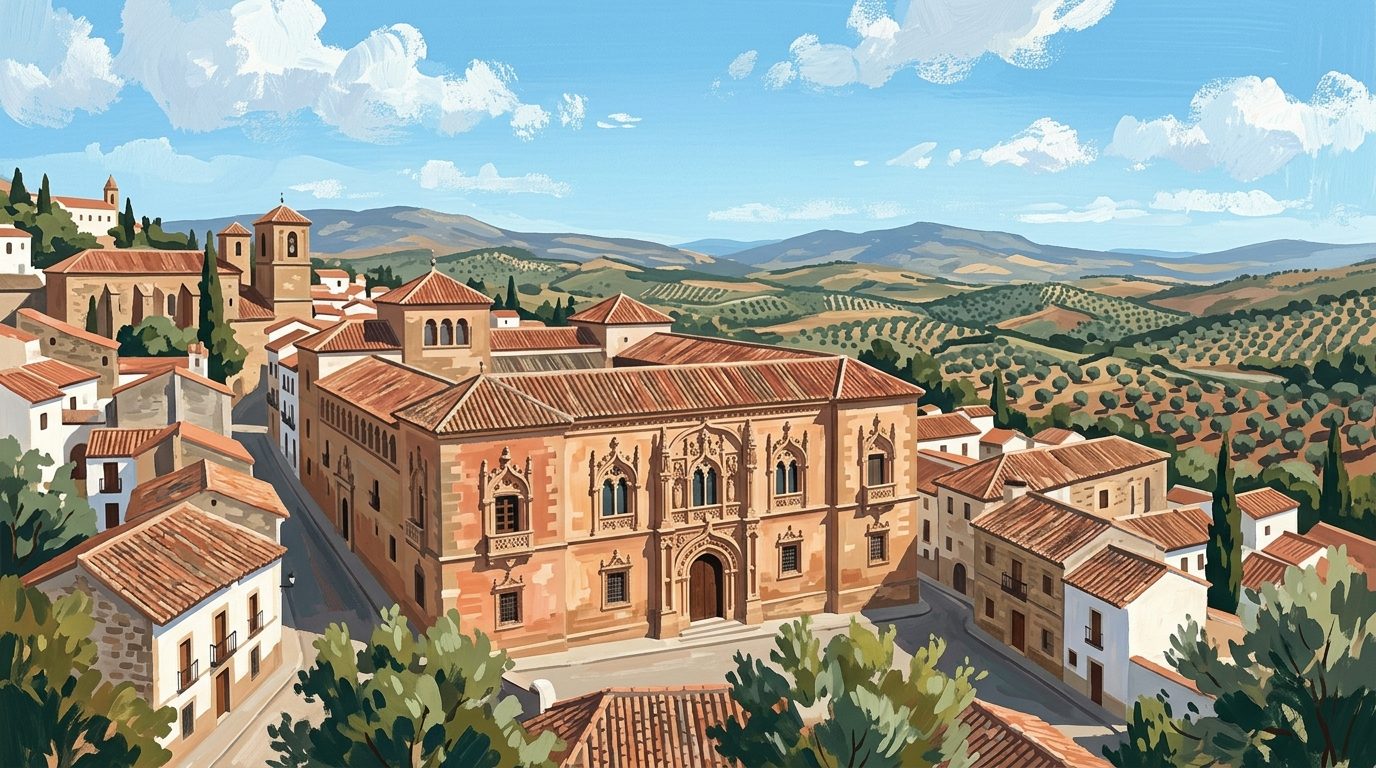
Jabalquinto Palace
“The Jabalquinto Palace is a crucial architectural set-piece in Baeza, offering a visually rewarding transition from Isabelline Gothic exuberance to restrained Renaissance elegance. Because it functions as a working university campus, interior access is restricted, but the staggering detail of the diamond-studded exterior facade alone justifies the detour.”
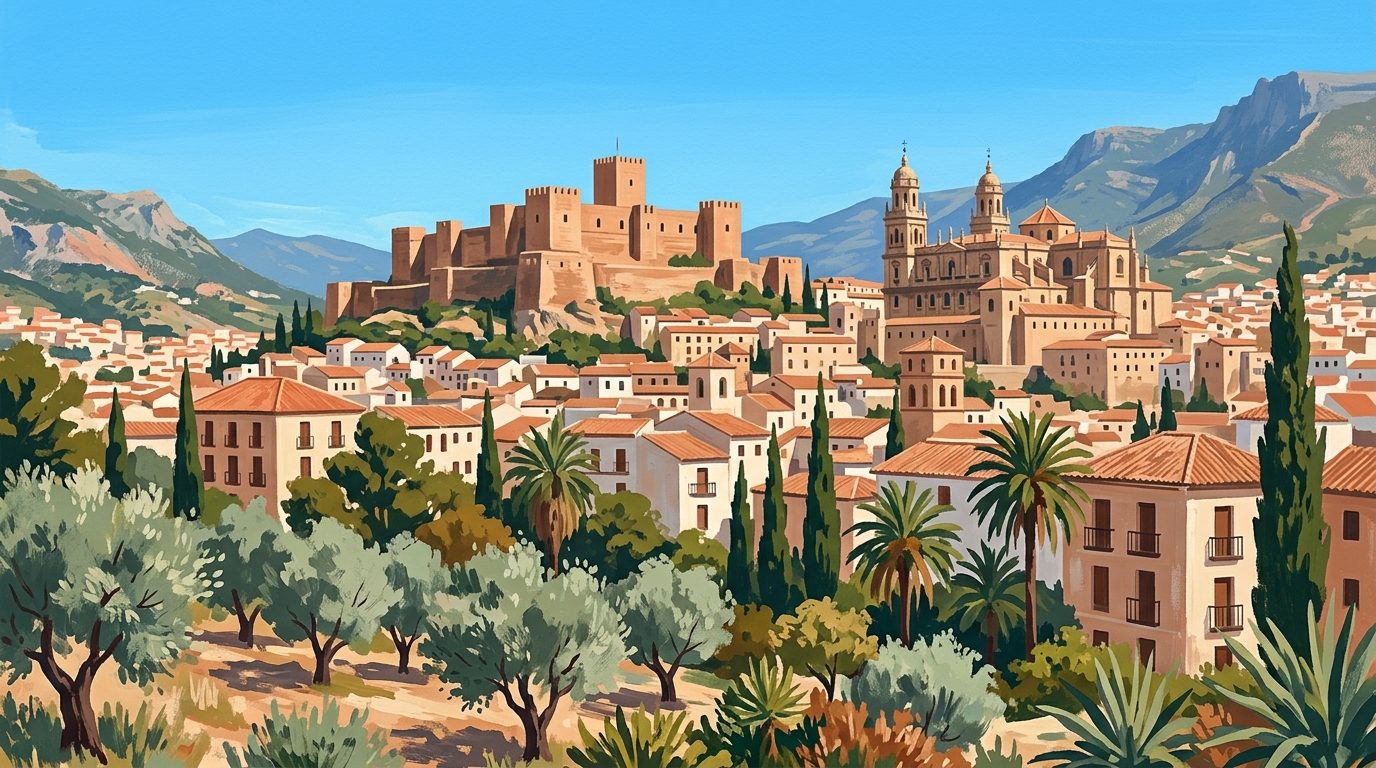
Juan Pablo II Park
“Juan Pablo II Park provides an essential, flat expanse of greenery in a city defined by its challenging topography. While it lacks the historical weight of the Old Town, its modern infrastructure, accessible pathways, and impressive mountain views make it a highly practical retreat for families and walkers.”
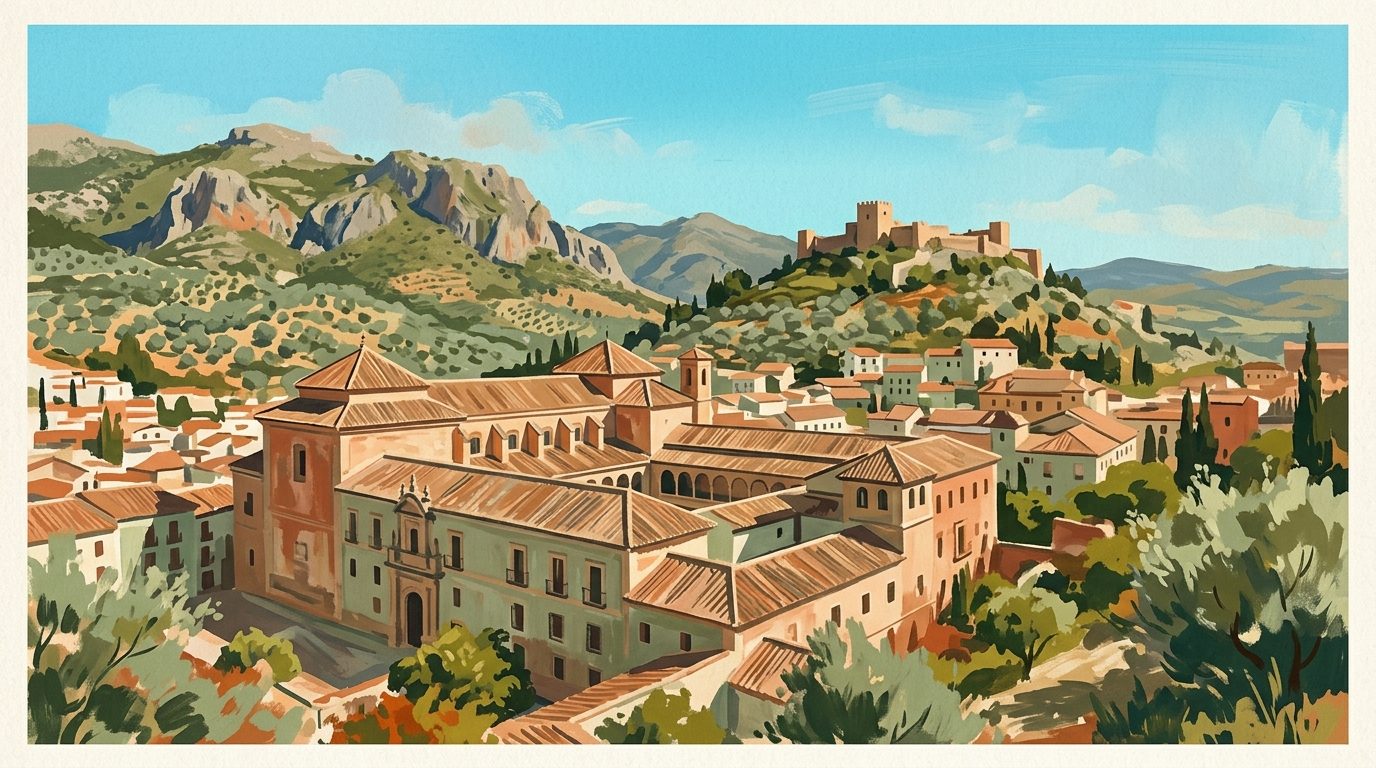
Museo de Jaén
“The Museo de Jaén rewards unhurried visitors with deep archaeological discoveries and impressive fine art collections. While the traditional curation lacks extensive English translations, the galleries offer a quiet, contemplative retreat. From Bronze Age artefacts to twentieth-century avant-garde canvases, this institution remains an essential, intellectually satisfying detour.”
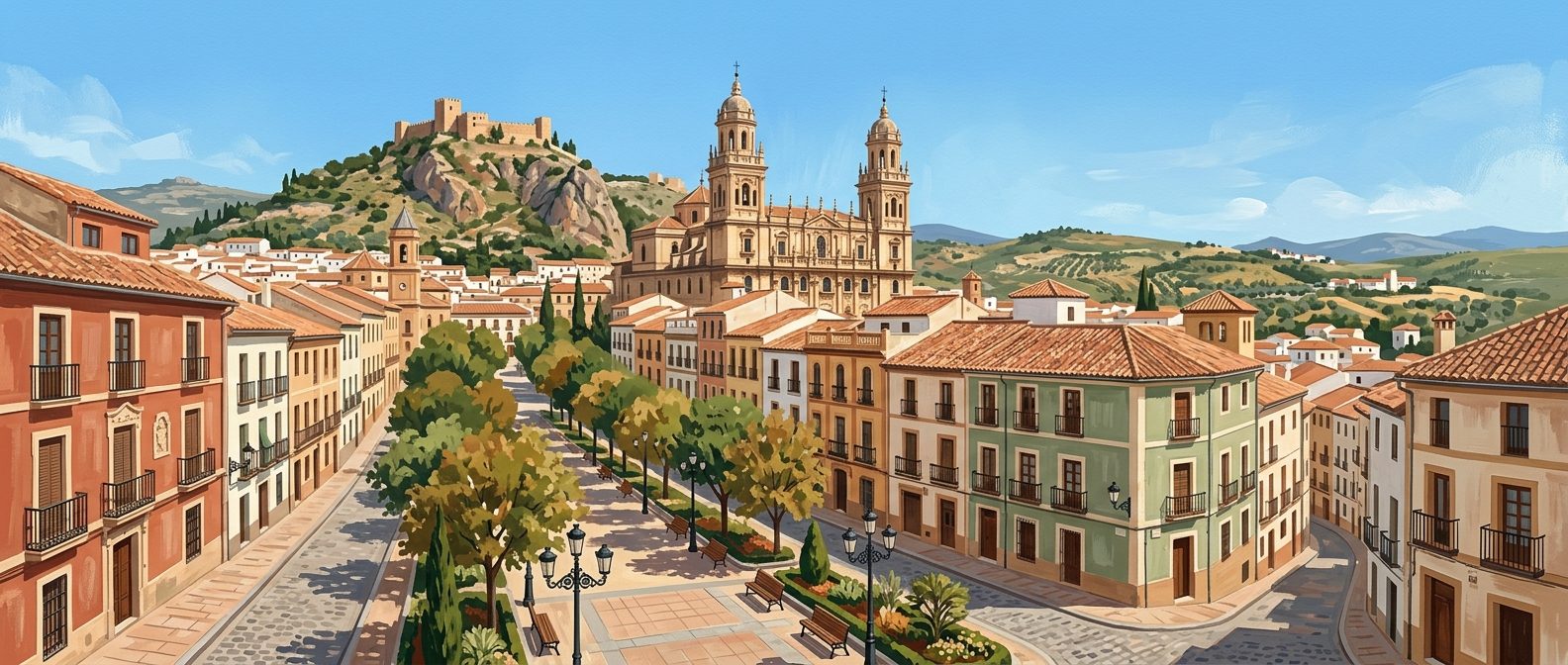
Paseo de la Constitución
“The Paseo de la Constitución trades the silent grandeur of the cathedral quarter for working municipal life. While modern shopfronts dilute its historical origins, the 2026 renovation successfully revitalised the space with modern infrastructure. It remains an essential, accessible baseline for understanding how this Renaissance city actually functions today.”
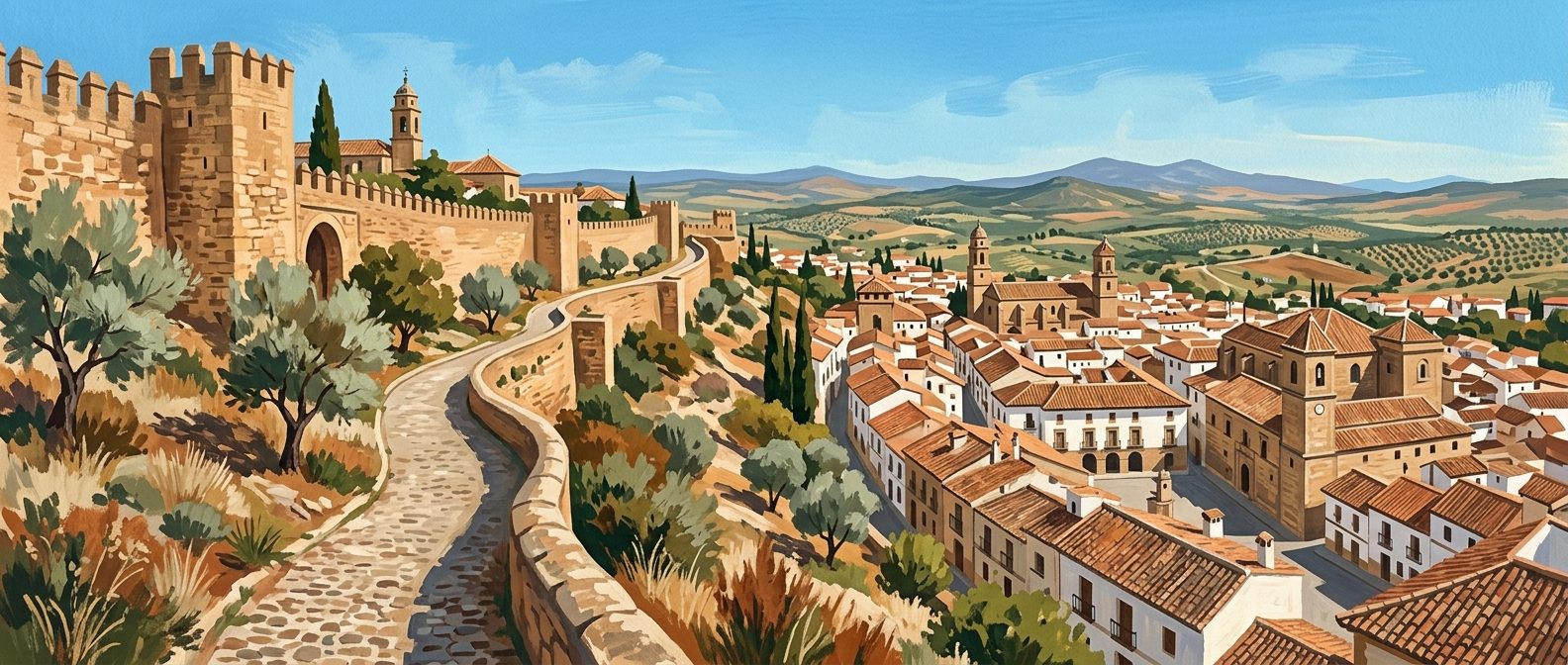
Paseo de las Murallas de Baeza
“This promenade is not a standalone attraction requiring hours of dedicated time, but it serves as an essential counterpoint to the enclosed civic architecture in the town centre. It provides the necessary geographical context to understand why this settlement held such strategic importance. The walkway is best appreciated as a slow, contemplative stroll, offering a rare moment of visual release.”
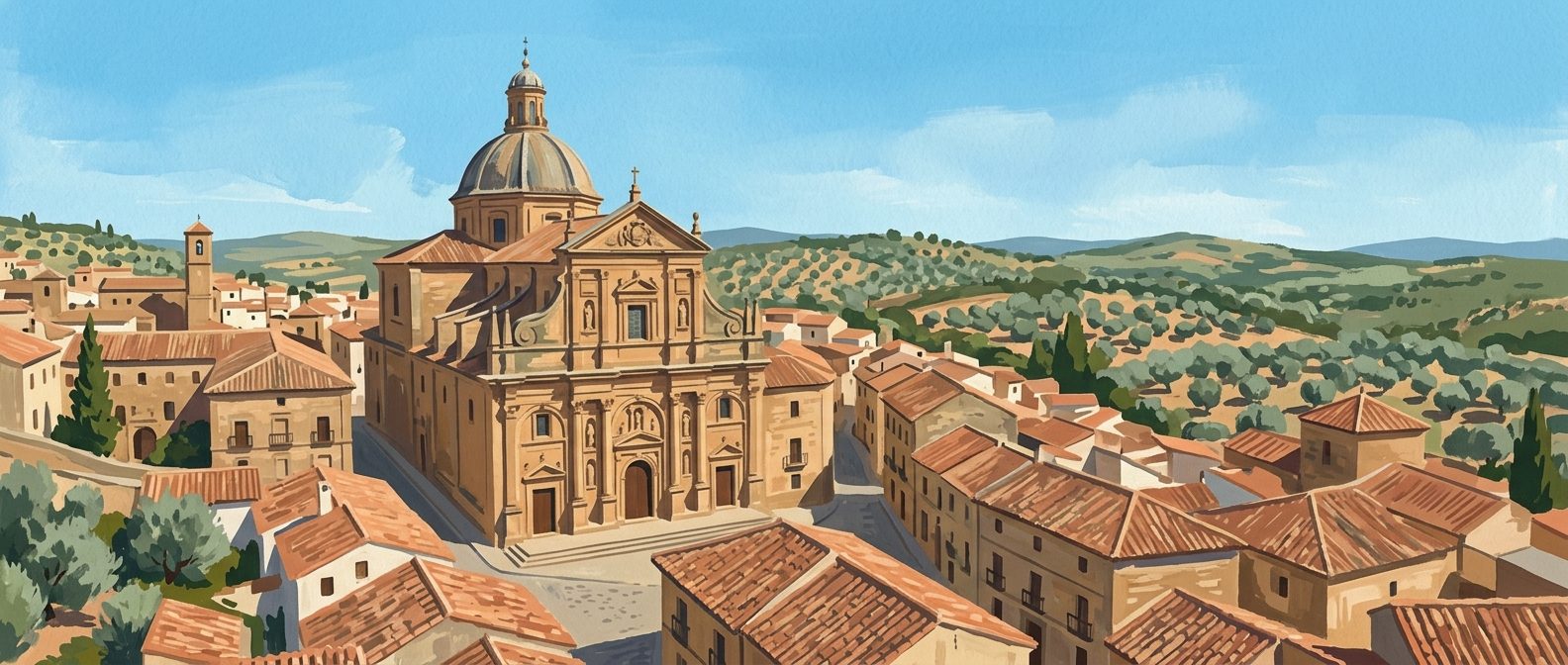
Sacra Capilla del Salvador
“The Sacra Capilla del Salvador is a masterpiece of Spanish Renaissance architecture that demands attention. While the walkable footprint is small, the sheer density of world-class stonework by Vandelvira and Siloé makes it an essential stop for anyone exploring the golden heritage of Jaén.”
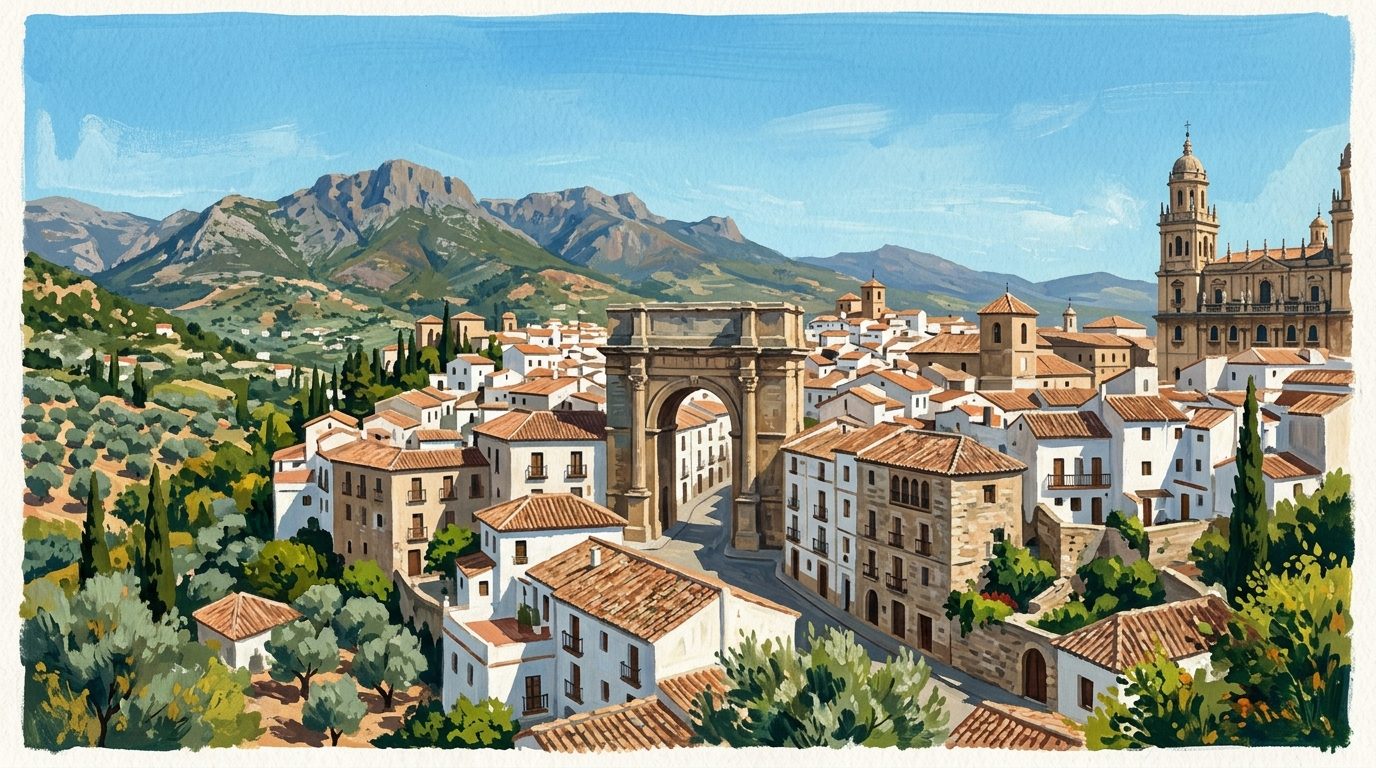
San Lorenzo's Arch
“San Lorenzo's Arch is a tiny, powerful fragment of medieval Jaén. While its unpredictable opening times and limited size require patience, the intricate Mudéjar tilework and striking vaulted brick ceiling inside the chapel reward dedicated architecture enthusiasts with a quiet, concentrated glimpse into the city's layered past.”
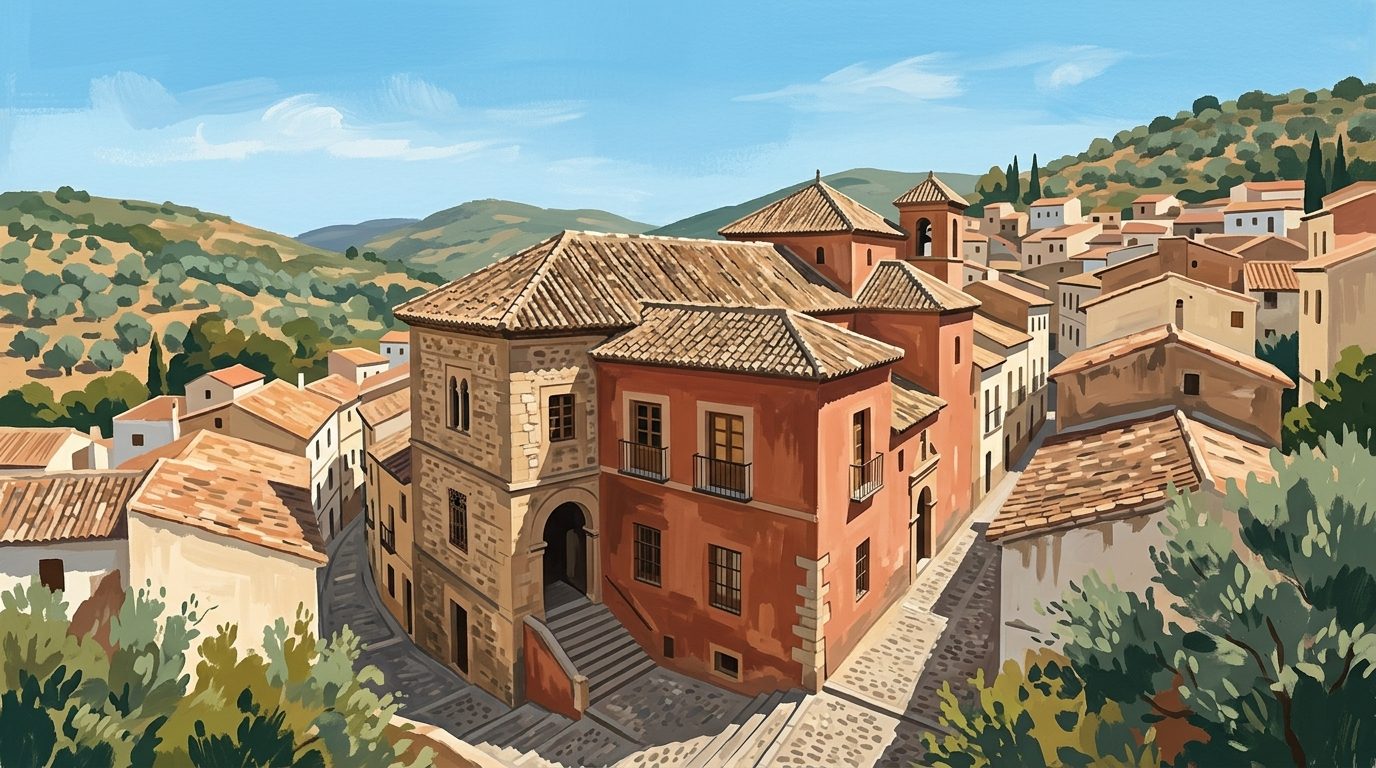
Sinagoga del Agua
“The Sinagoga del Agua provides a profound, intimate contrast to Úbeda's grand Renaissance facades. While lacking definitive medieval documentation, its excavated mikveh and original columns offer a highly atmospheric, credible glimpse into Sephardic history. It is an essential, contemplative detour for anyone exploring Jaén's complex religious past.”