
Attractions in Andalucía
The Alhambra, the Mezquita, flamenco tablaos, natural parks and prehistoric caves: the essential sights across southern Spain.
Filter by Province
Filter by Type
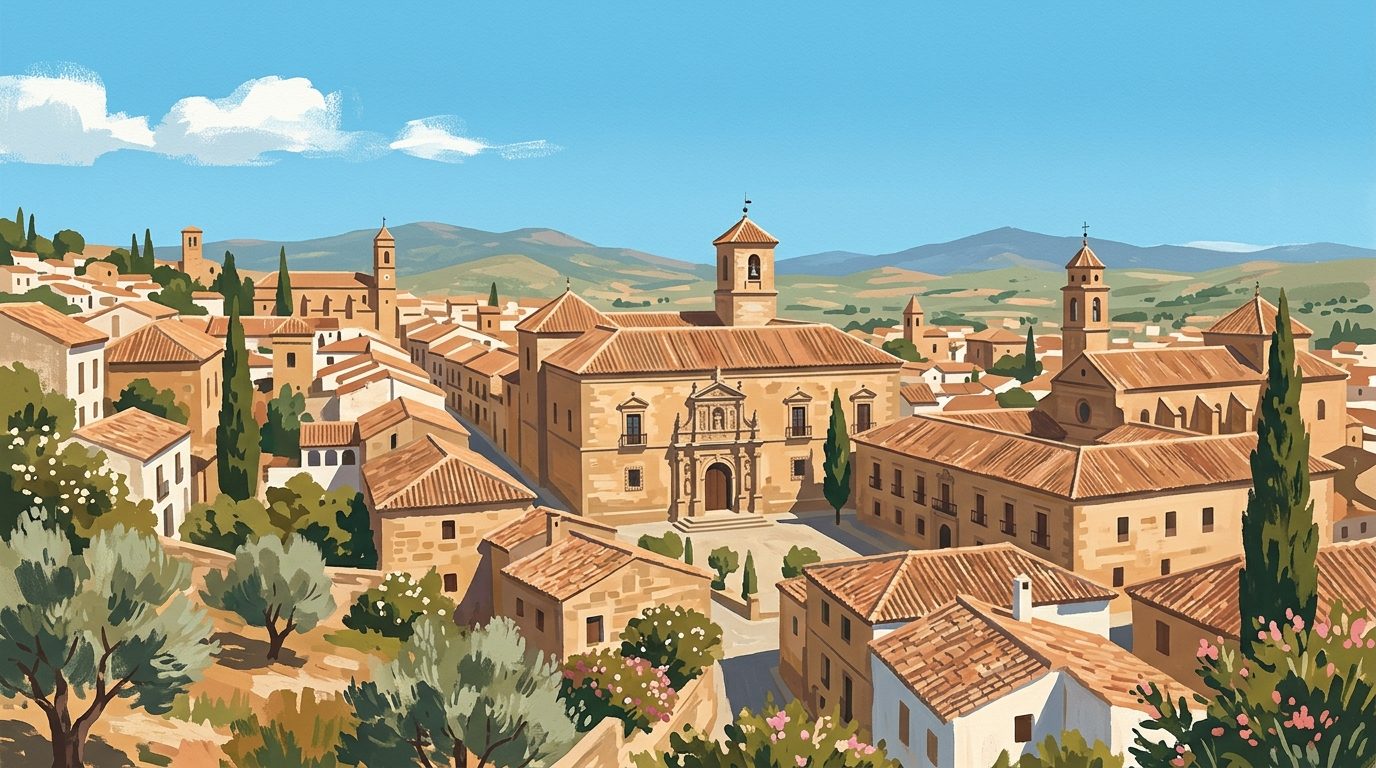
Archaeological Museum of Úbeda
“The Archaeological Museum of Úbeda offers a highly focused, chronological journey through the pre-Renaissance history of the Guadalquivir valley. Housed within a rare fourteenth-century Moorish-Christian residence, this compact collection of Iberian bronzes and Roman stonework provides crucial context for understanding the cultural layers of Jaén province.”
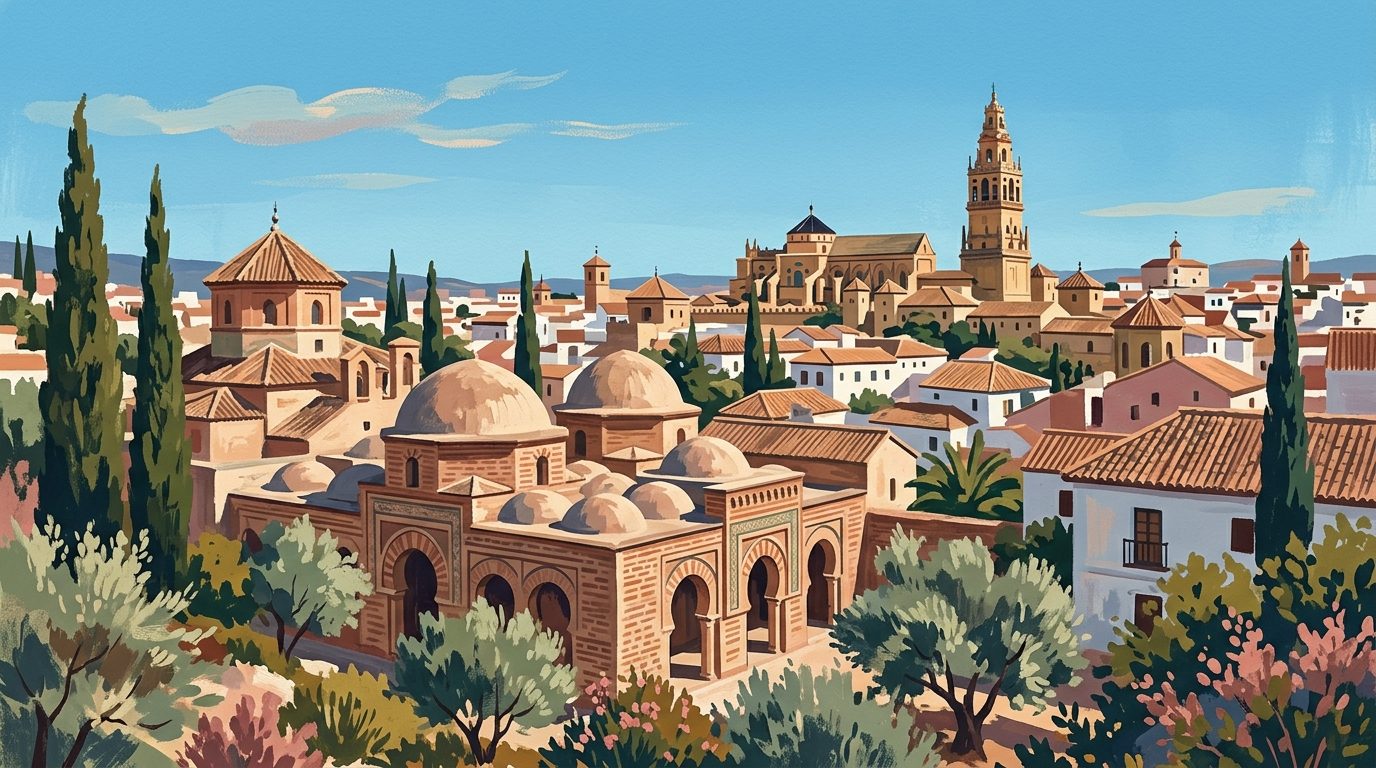
Baños del Alcázar Califal
“This compact, highly evocative archaeological site rewards a slower pace. The thick stone walls and low lighting create a quiet, atmospheric experience. While a thorough visit takes only forty-five minutes, excellent introductory videos and scale models make it easy to visualise the ruins in their original splendour. An essential stop for architecture enthusiasts.”
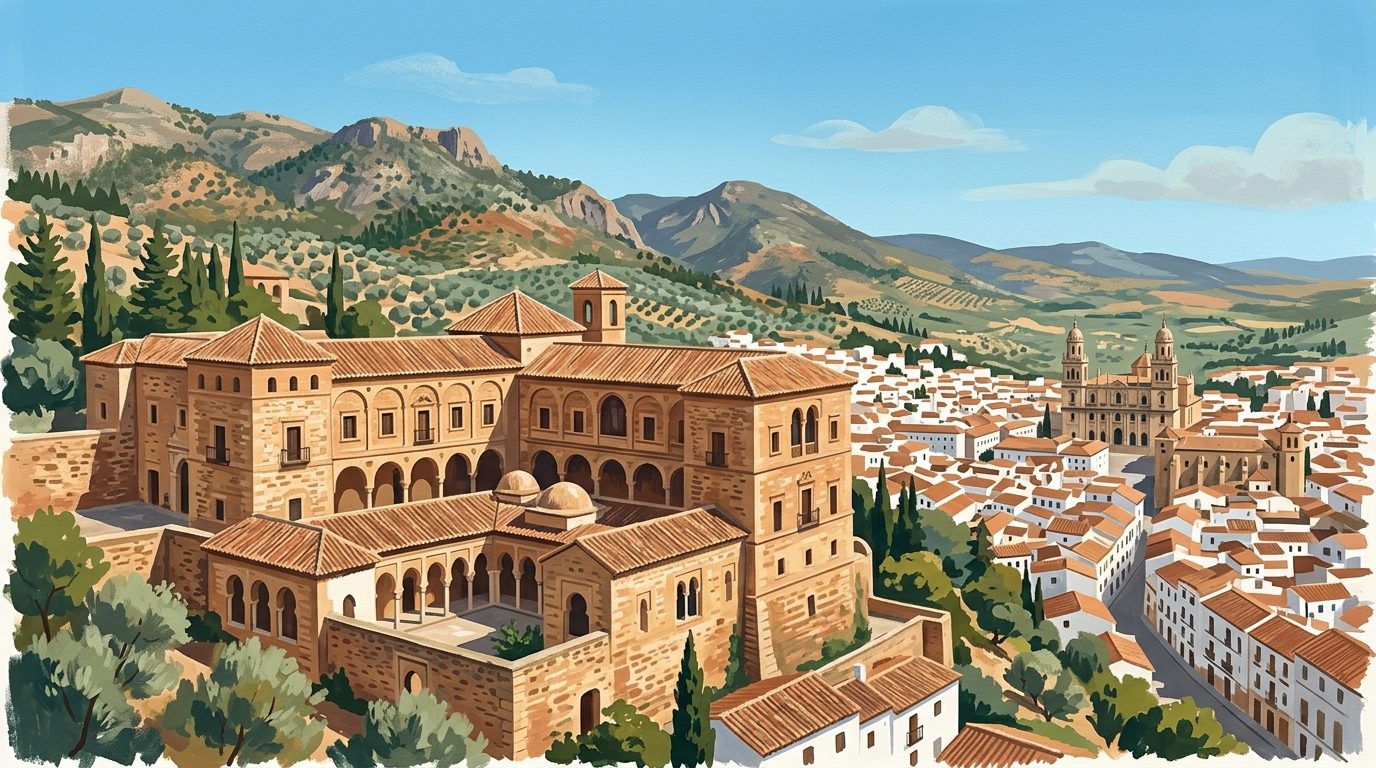
“A fascinating juxtaposition of Islamic water engineering and Spanish aristocratic ambition. The vast underground baths alone easily justify the visit, while the two eccentric upstairs museums offer a curious, if somewhat disjointed, cultural bonus. An essential stop for understanding the layered, complex history of provincial Jaén.”
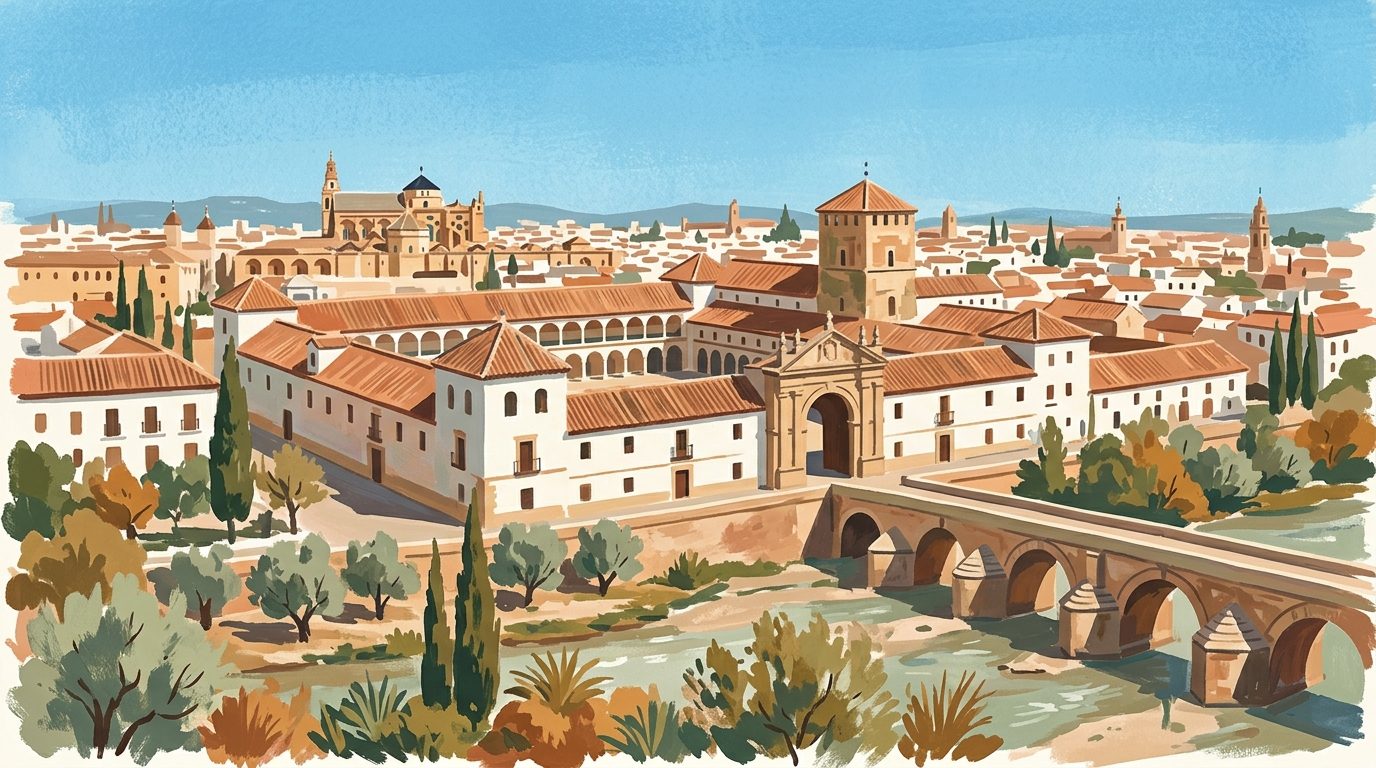
Caballerizas Reales
“The Caballerizas Reales offer a striking look at 16th-century military architecture, but the true highlight is the evening equestrian show. While daytime visits are brief, the dramatic display of Andalusian horsemanship in the historic courtyard is a memorable spectacle for families and equestrian enthusiasts.”
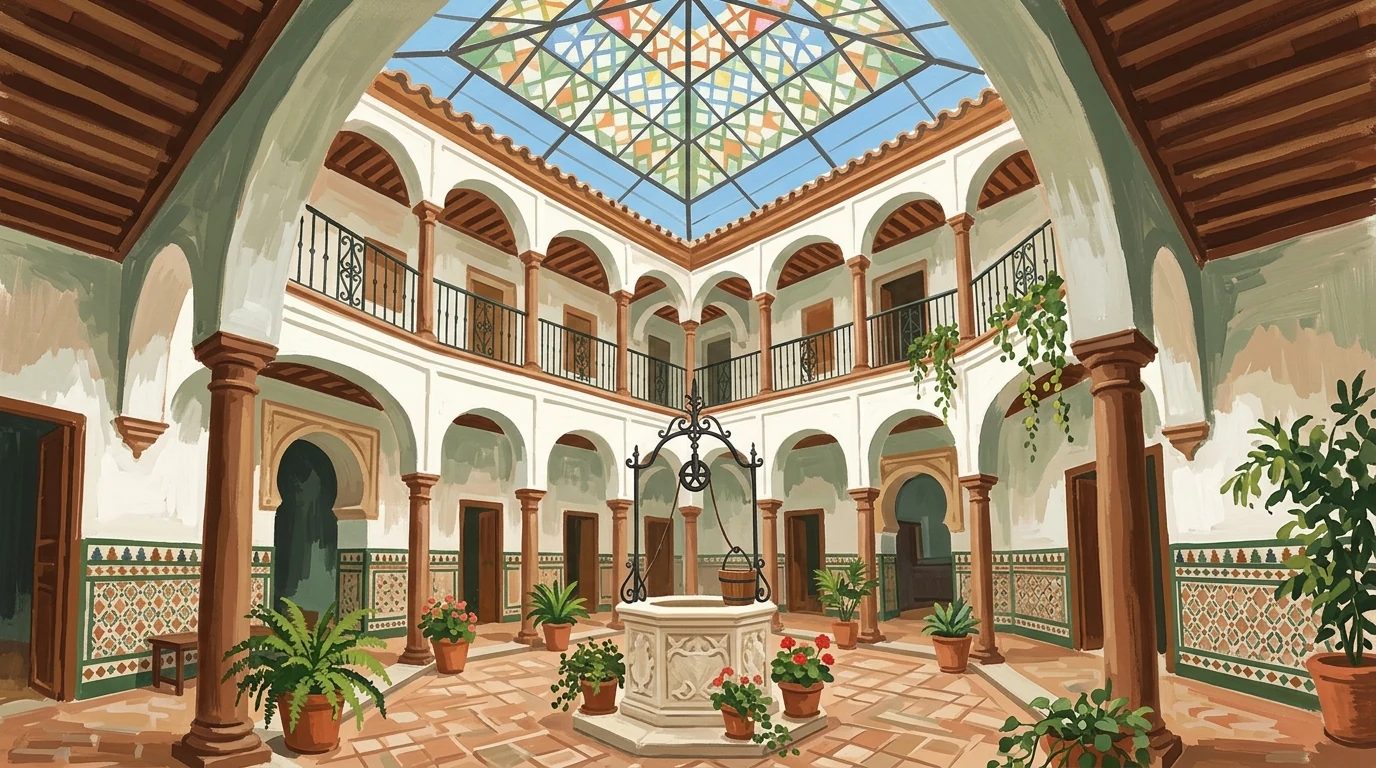
Casa Museo Zenobia-Juan Ramón Jiménez
“An intimate and beautifully preserved literary house museum that offers essential context for the life and work of one of Spain's greatest poets and his brilliant wife.”
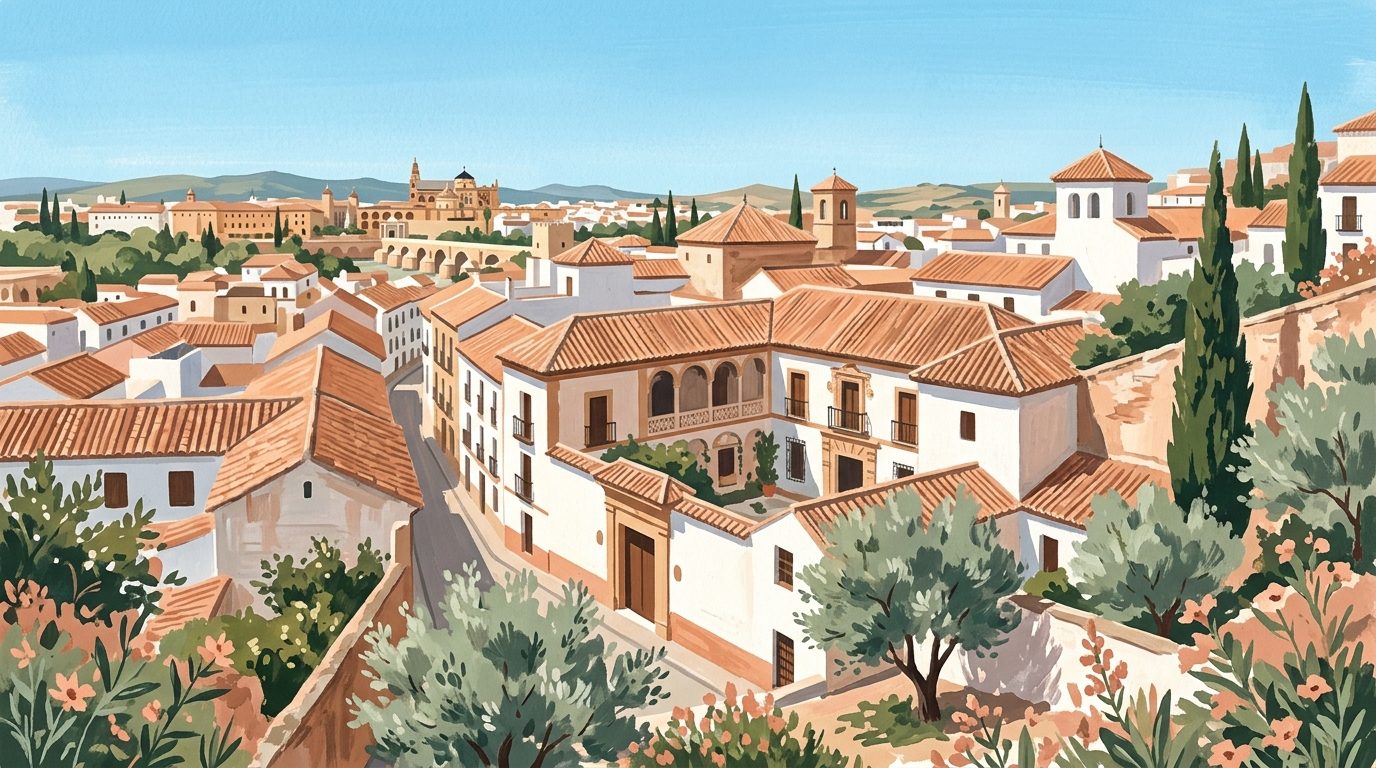
Casa del Inca Garcilaso
“The Casa del Inca Garcilaso offers a rare, tangible link to the complex transatlantic exchange of the Spanish Golden Age. While the literary exhibits are understandably niche, the wonderfully preserved sixteenth-century architecture, historical cellar, and peaceful central courtyard make it a highly rewarding stop for independent travellers exploring the Cordoban wine country.”
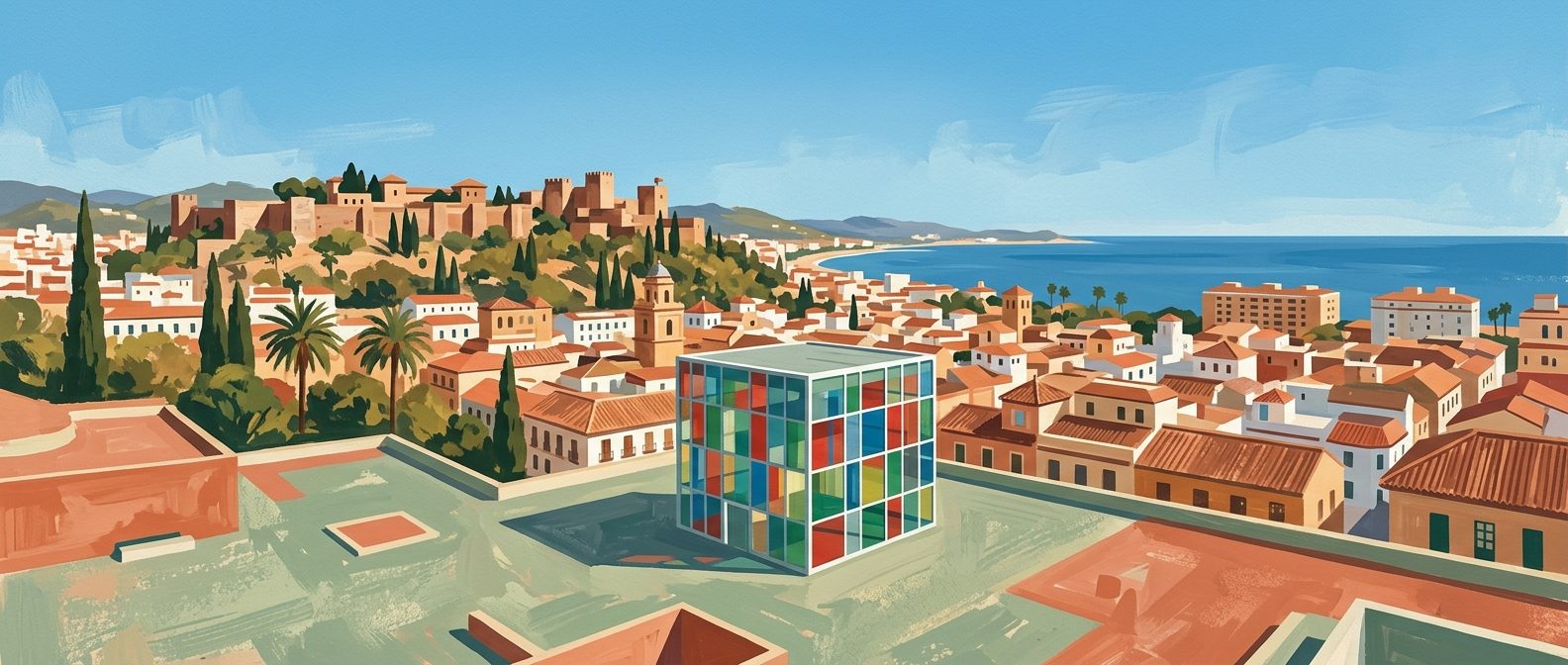
Centre Pompidou Málaga
“The Centre Pompidou Málaga is not a traditional gallery. If you want classical landscapes, you will be disappointed. However, for those with an open mind, this highly professional operation is an essential stop. The scale is perfect for a two-hour visit, presenting provocative conceptual art without causing gallery fatigue.”
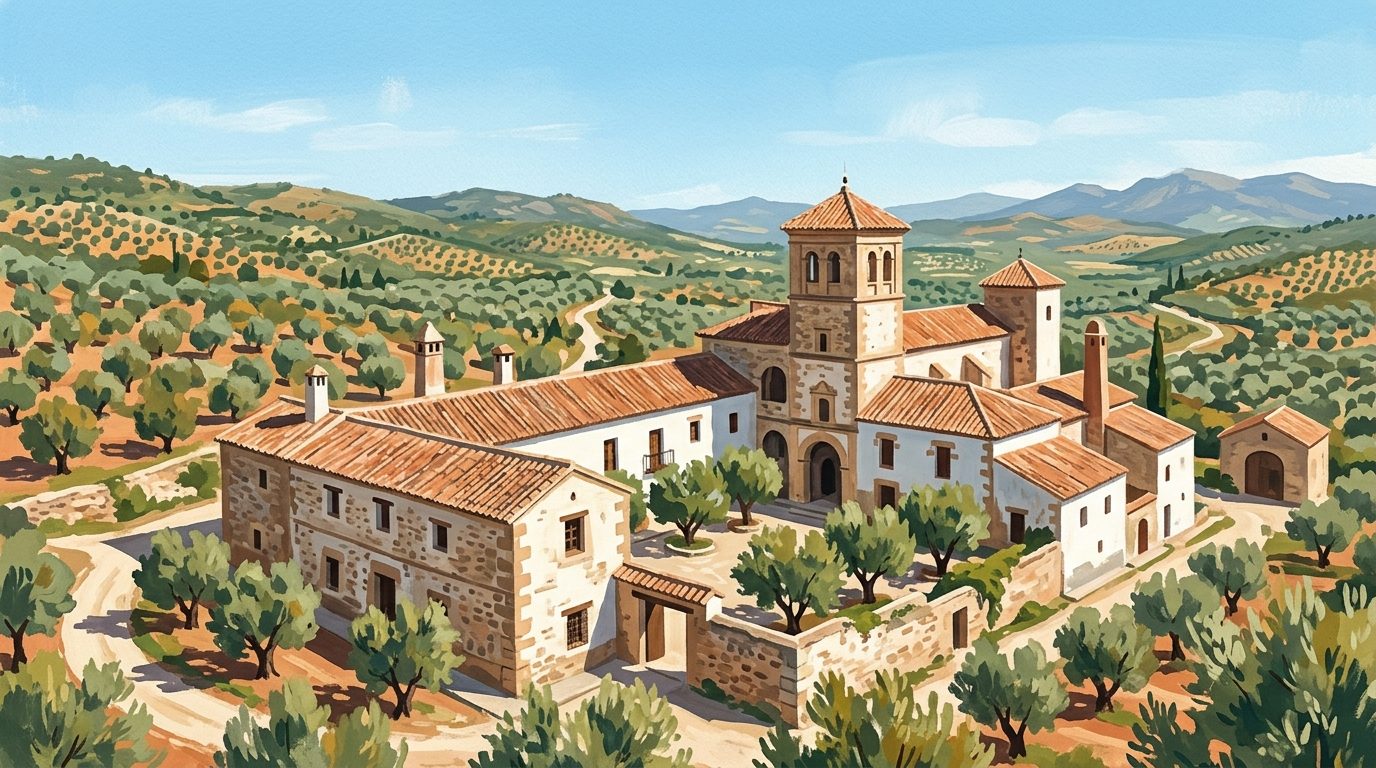
Centro de Interpretación Olivar y Aceite
“While the technical static exhibits appeal mainly to agricultural historians, the true value of this centre lies in its tutored tastings and specialised shop. It is an essential stop for culinary enthusiasts wanting to decode the complex sensory profiles and cultural importance of Jaén’s world-class olive oil.”
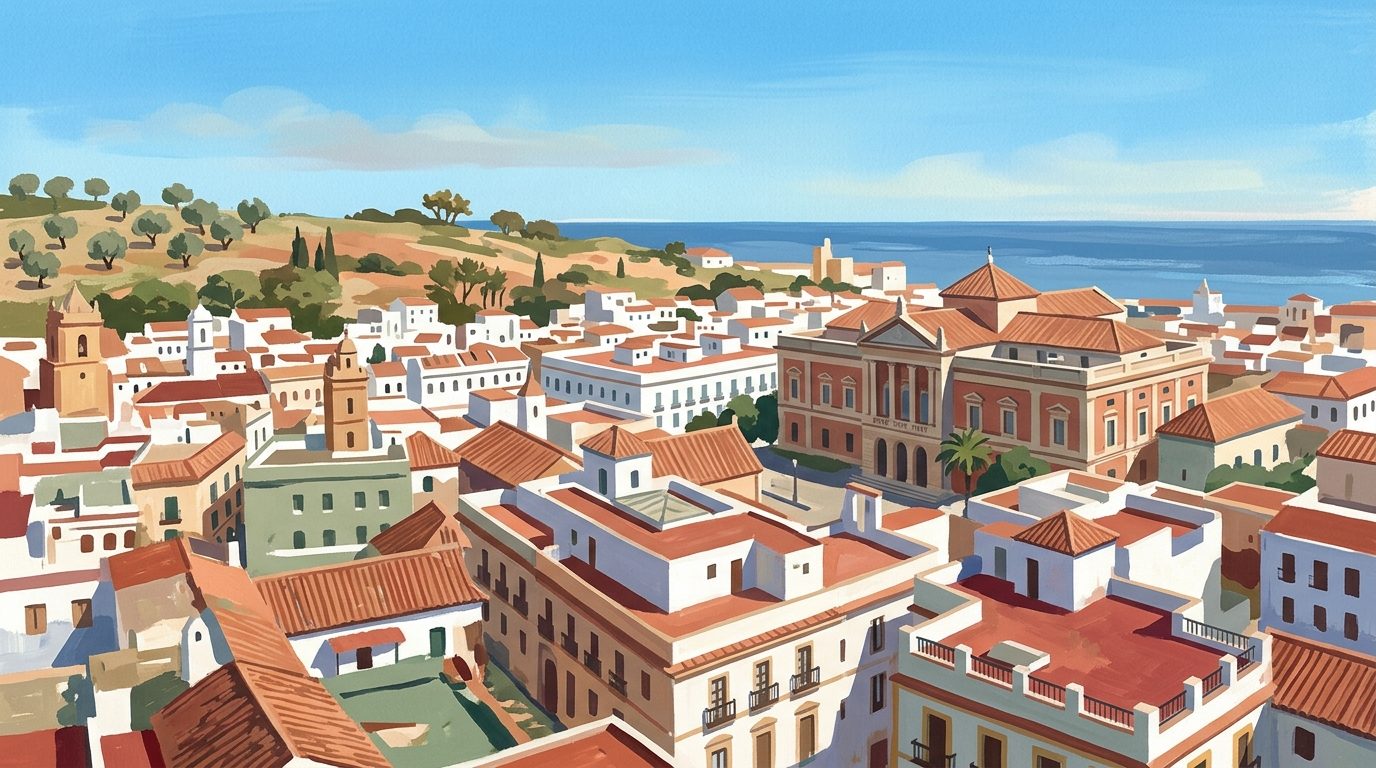
Cádiz Museum
“The Museo de Cádiz offers a vast, rewarding journey through three thousand years of Atlantic history, anchored by world-class Phoenician sarcophagi and exceptional Baroque masterpieces by Zurbarán. While the sheer volume of text-heavy archaeological exhibits requires significant patience, those who take their time will find a profound and meticulously curated tribute to Europe's oldest continuously inhabited city.”
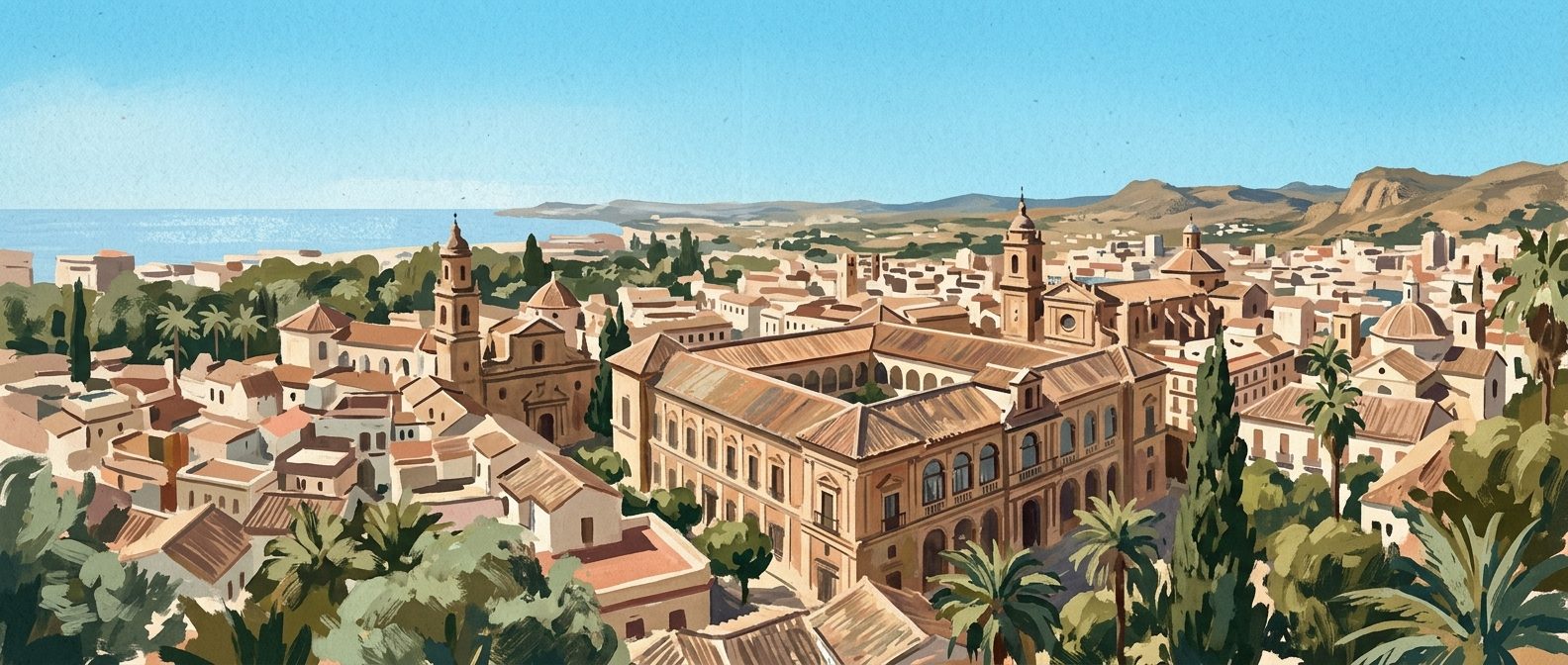
Malaga Museum
“The Museo de Málaga is an essential, substantial institution that grounds the city's modern art boom with deep historical context. Housed in a magnificent neoclassical building, it demands at least two hours to appreciate properly. It is perfect for those who prefer quiet, academic curation over crowded contemporary galleries.”
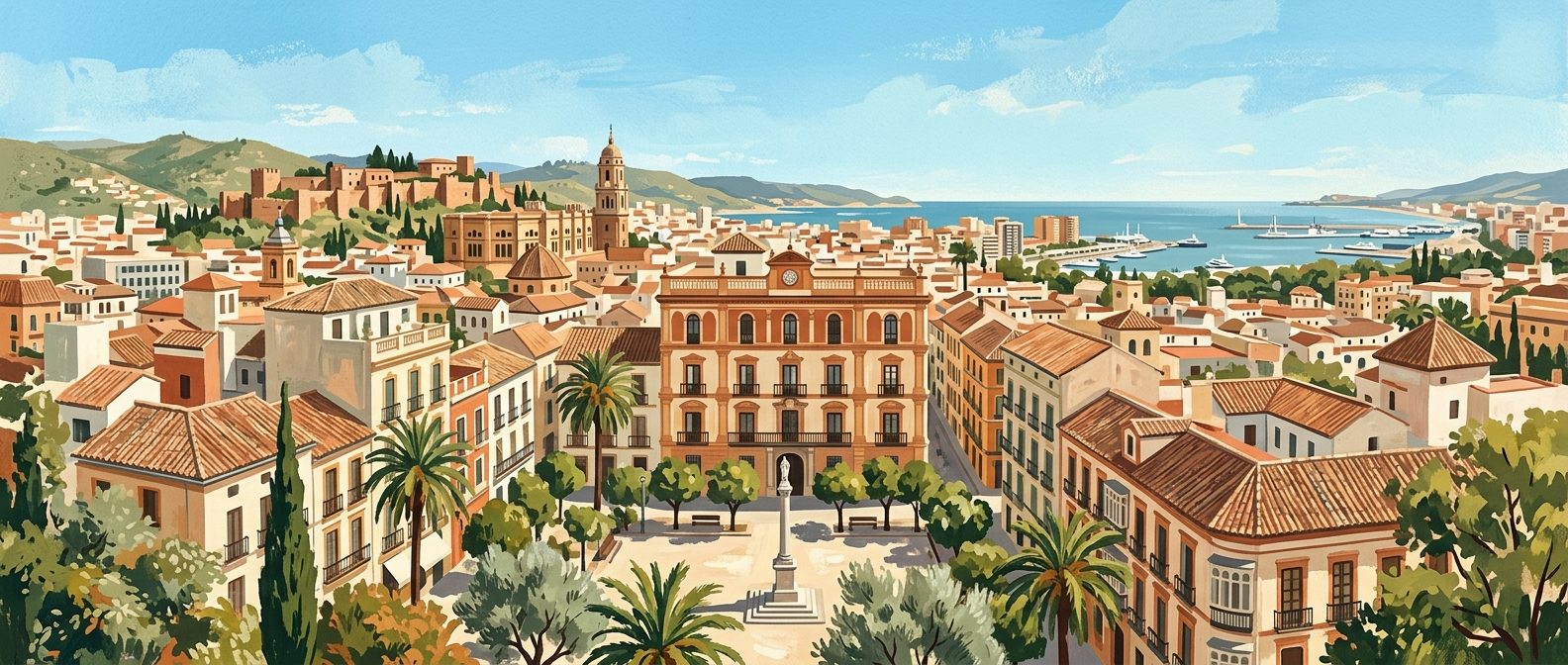
Museo Casa Natal de Picasso
“The Museo Casa Natal de Picasso is an intimate, biographical experience rather than a blockbuster gallery. Come here to explore the nineteenth-century family home and the early influences that shaped his genius, but head to the nearby Museo Picasso Málaga if you want to see his major painted masterpieces.”
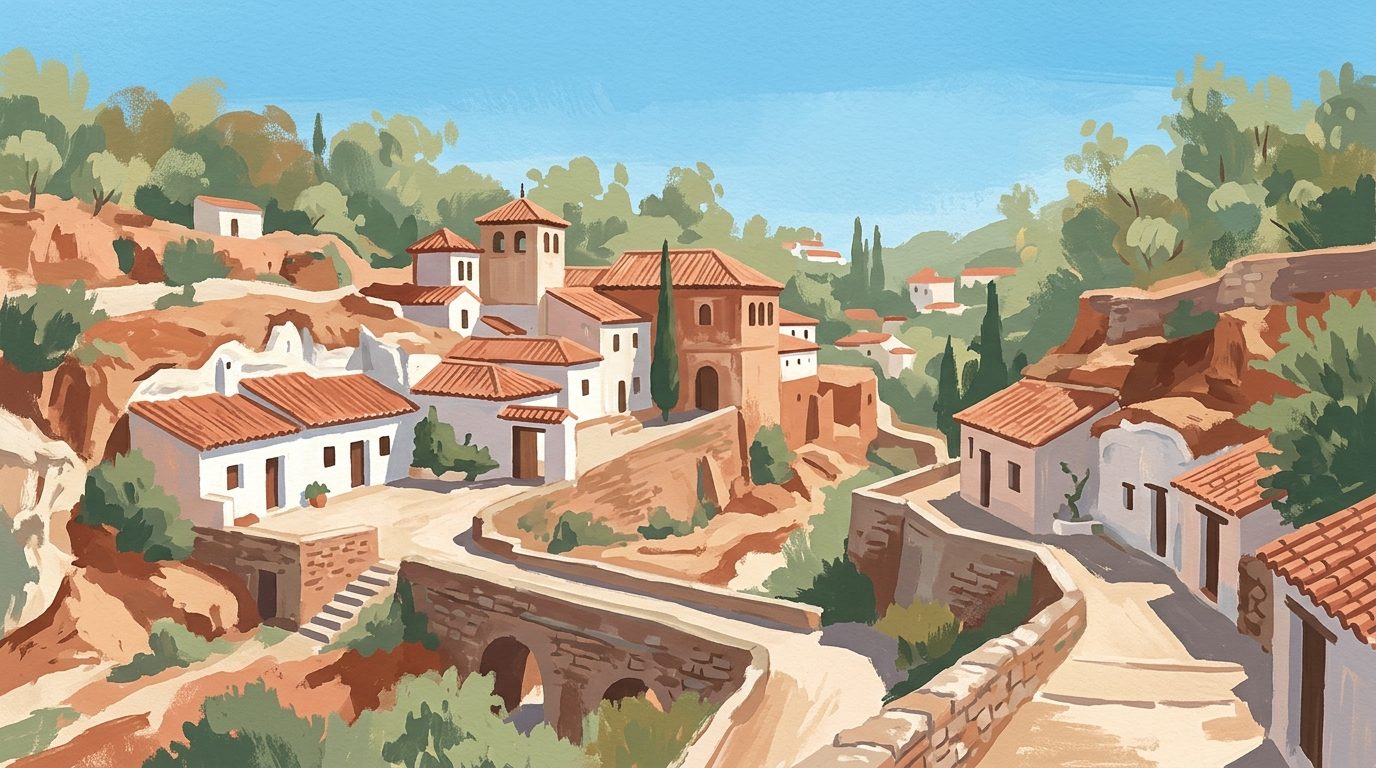
“The Museo Cuevas del Sacromonte offers a grounded look at Granada’s troglodyte history, stripping away modern romanticism to reveal the harsh realities of cave living. It is a highly visual, open air ethnographic centre that rewards history enthusiasts and photographers, though those seeking high tech exhibits may find it overly traditional.”
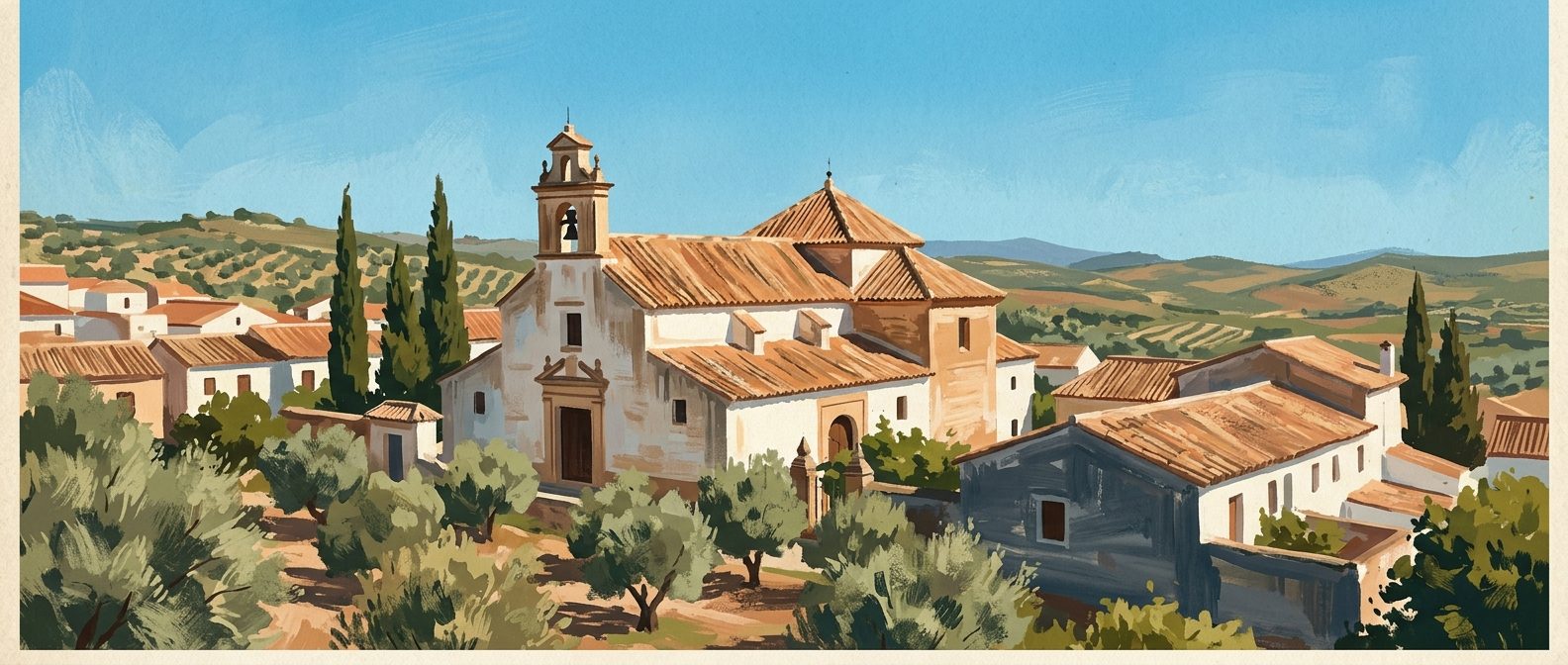
Museo Garnelo
“The Museo Garnelo elevates a provincial wine town into a serious destination for art historians. Housed in a 19th-century mansion, it offers a superb collection of academic painting. While modern art lovers might find it traditional, it is an essential, highly rewarding stop for anyone fascinated by classical Spanish portraiture.”
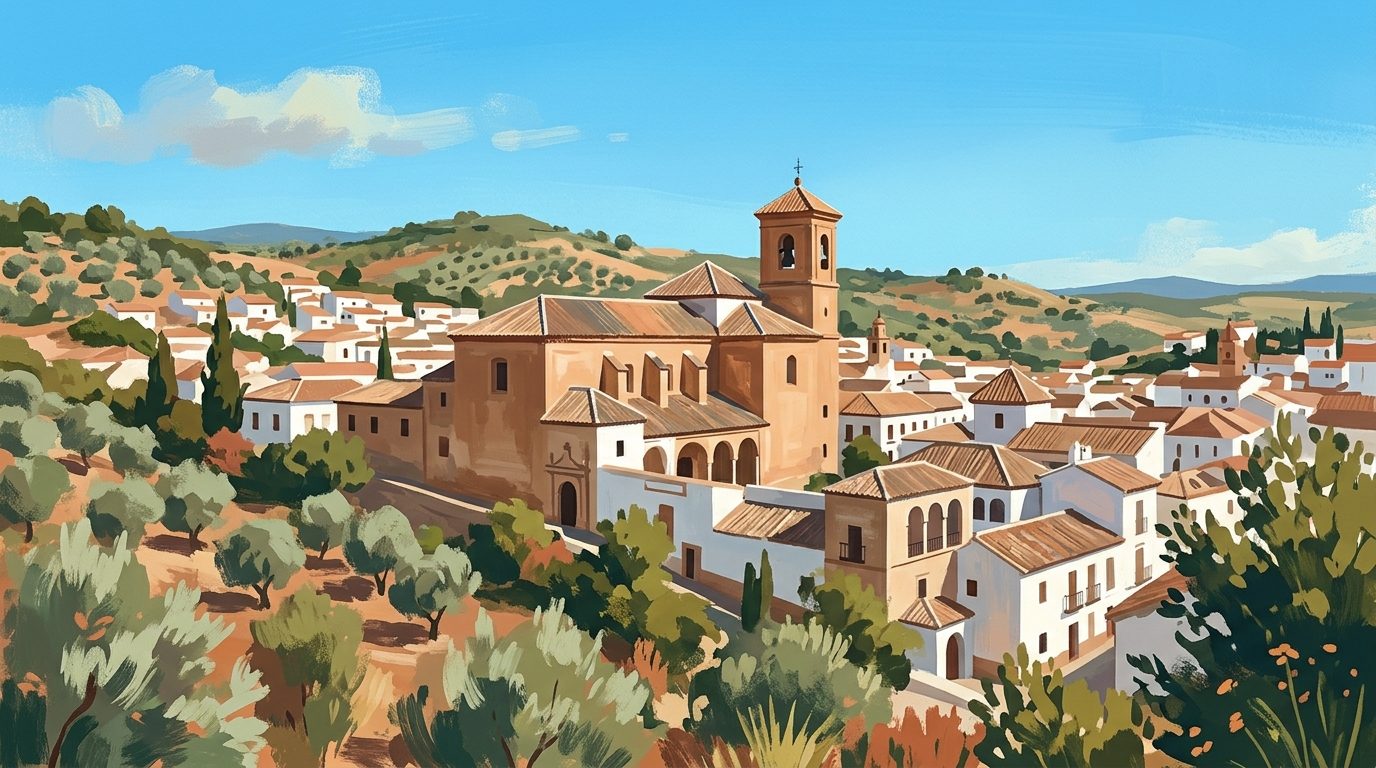
Museo Histórico Local de Montilla
“A modest, highly focused municipal museum that delivers its timeline of local history with genuine academic rigour. While its restricted hours demand careful planning, it is an essential stop for visitors who want to understand the ancient agricultural bedrock of the Montilla wine region.”
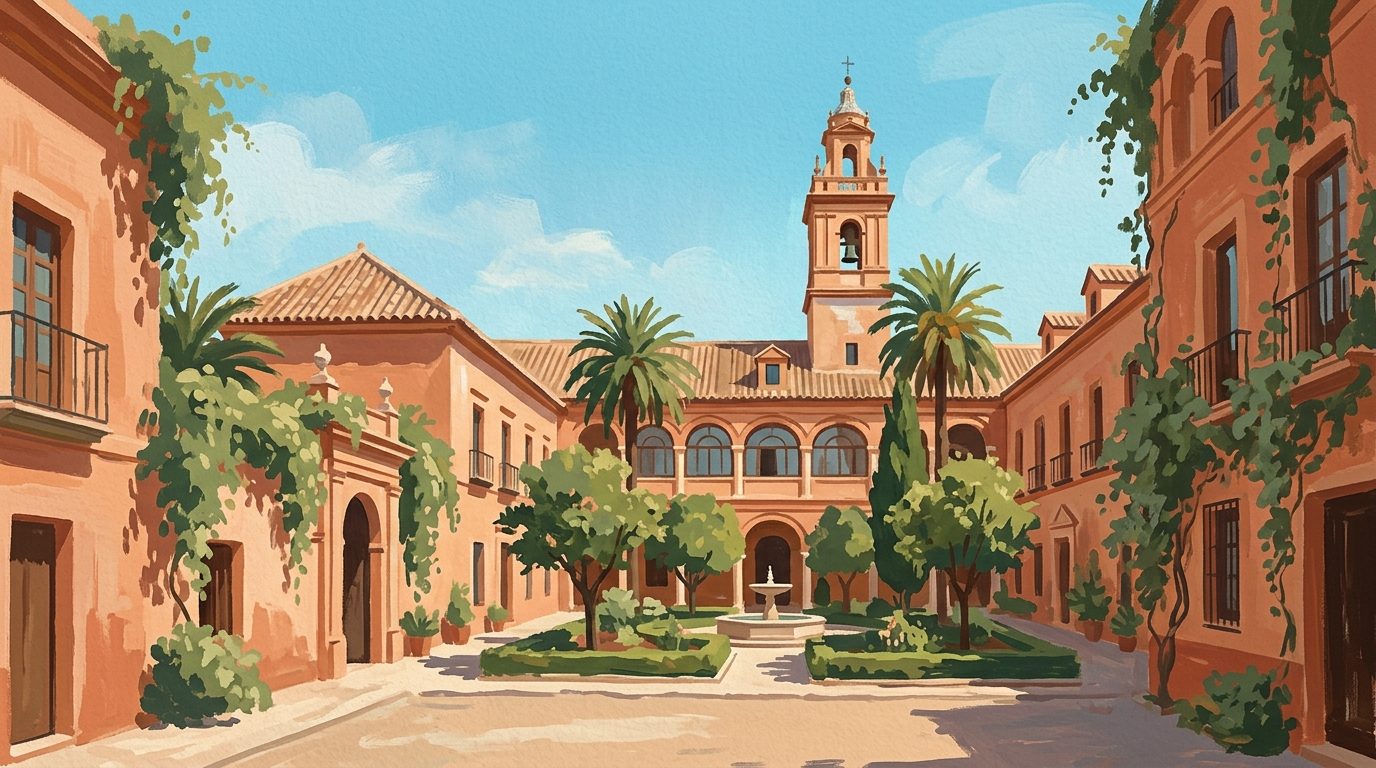
“The Palacio del Tiempo offers an extraordinary sensory experience, housing nearly 300 working historical clocks in an 1850 mansion. While a museum entirely dedicated to horology is highly specialised, the mechanical precision, intricate decorative arts, and the impressive chorus of hourly chimes make it a captivating detour.”
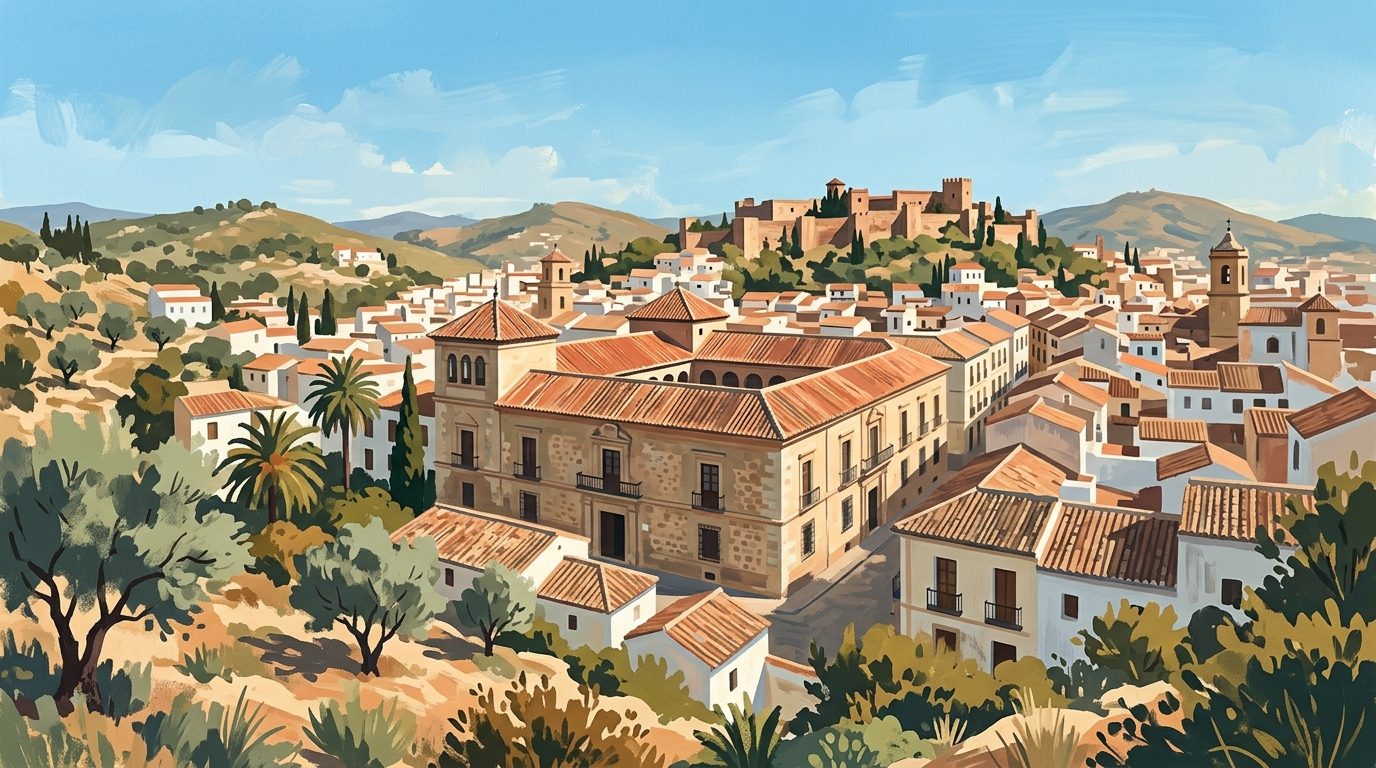
Museo Picasso Málaga
“The Museo Picasso Málaga succeeds by avoiding the overwhelming scale of global mega-galleries. Instead, it offers a highly personal, curated look at works the artist kept for his own family. The non-chronological display demands focus, but rewards visitors with a profound understanding of his lifelong creative obsessions.”
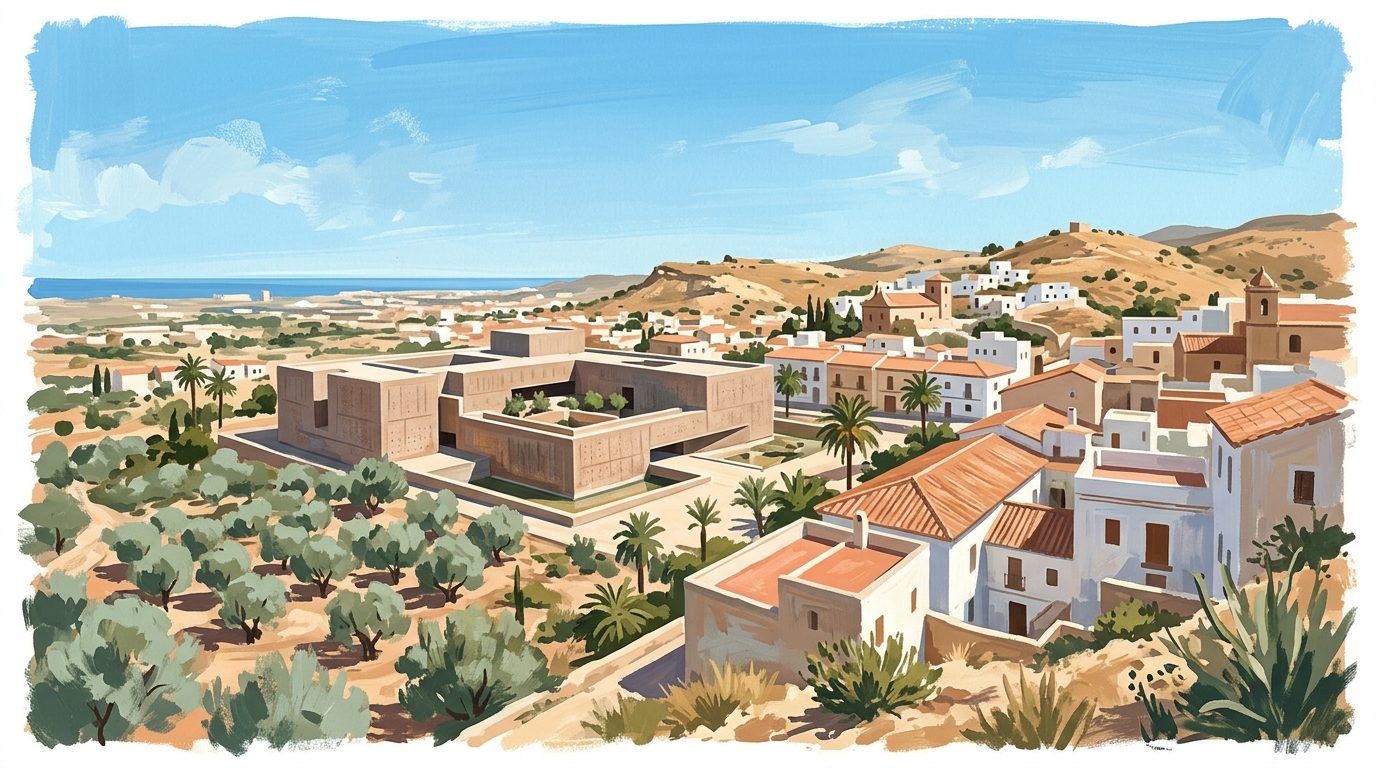
Museo de Almería
“The Museo de Almería is an outstanding, highly focused archaeological museum. While those looking for extensive Roman or Moorish collections might feel short-changed, visitors interested in prehistory will find an exceptional, modern presentation of two of Europe's most important ancient cultures. The logical layout and striking architecture make it a highly rewarding stop.”
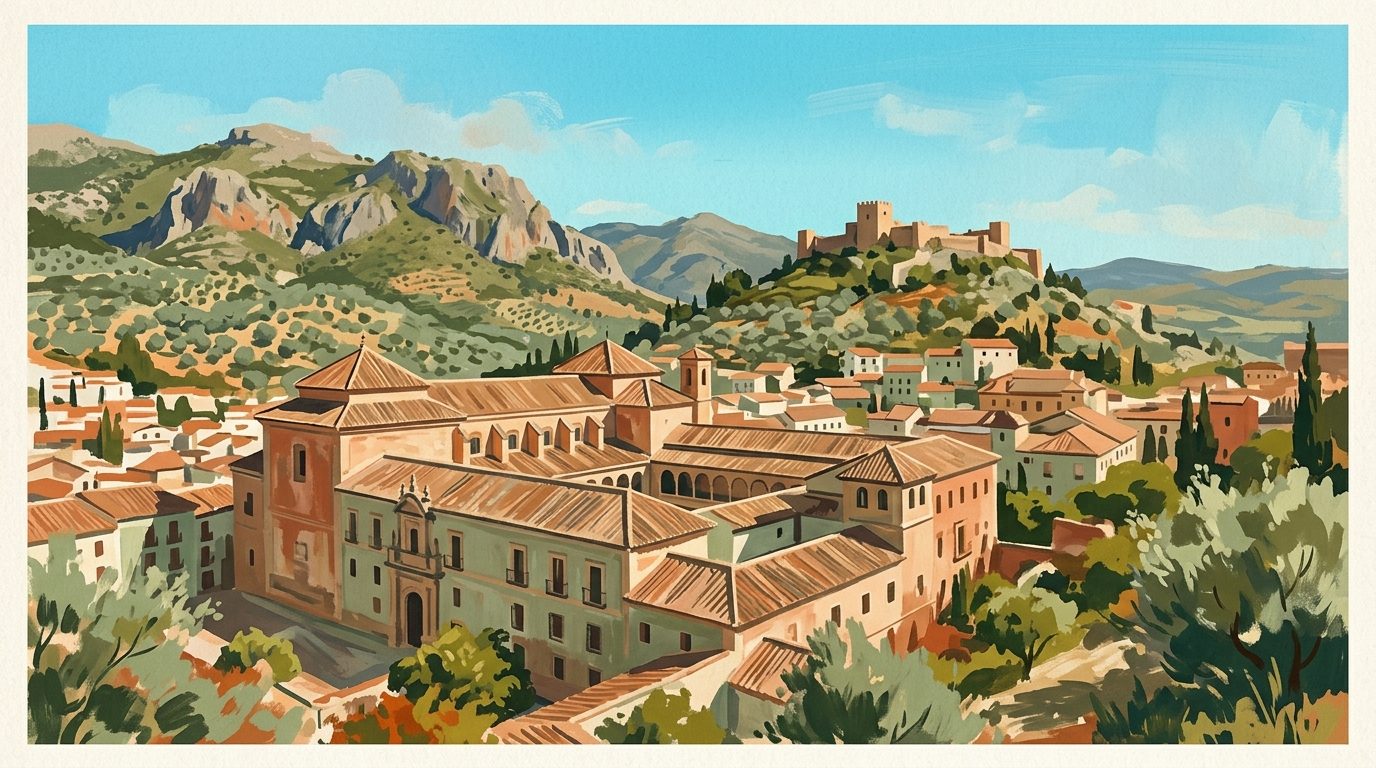
Museo de Jaén
“The Museo de Jaén rewards unhurried visitors with deep archaeological discoveries and impressive fine art collections. While the traditional curation lacks extensive English translations, the galleries offer a quiet, contemplative retreat. From Bronze Age artefacts to twentieth-century avant-garde canvases, this institution remains an essential, intellectually satisfying detour.”
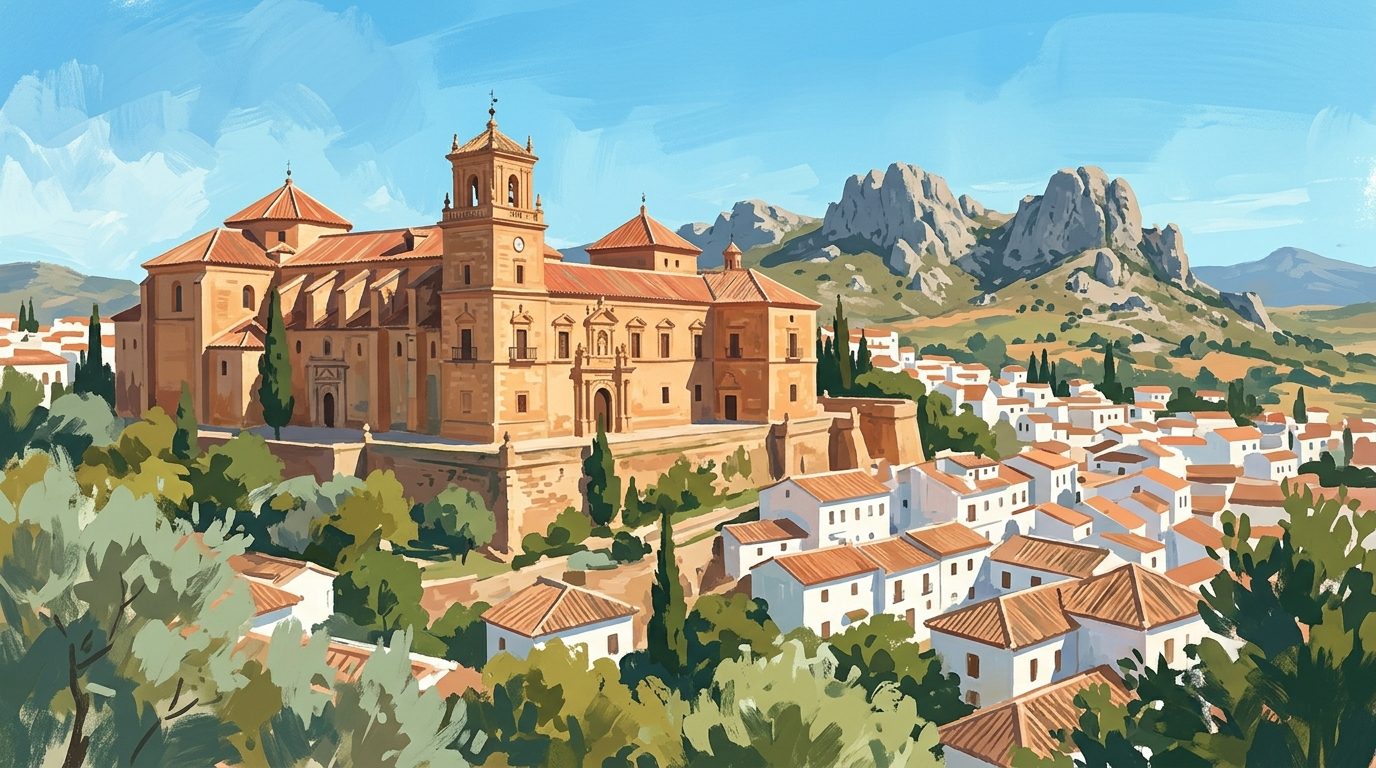
Museo de la Ciudad de Antequera (MVCA)
“The MVCA is a remarkably sophisticated institution that punches far above the weight of a typical municipal museum. While the sheer volume of Roman antiquities and Baroque art can induce fatigue, the collection's calibre, anchored by the stunning Efebo bronze, makes it an essential stop for history enthusiasts.”
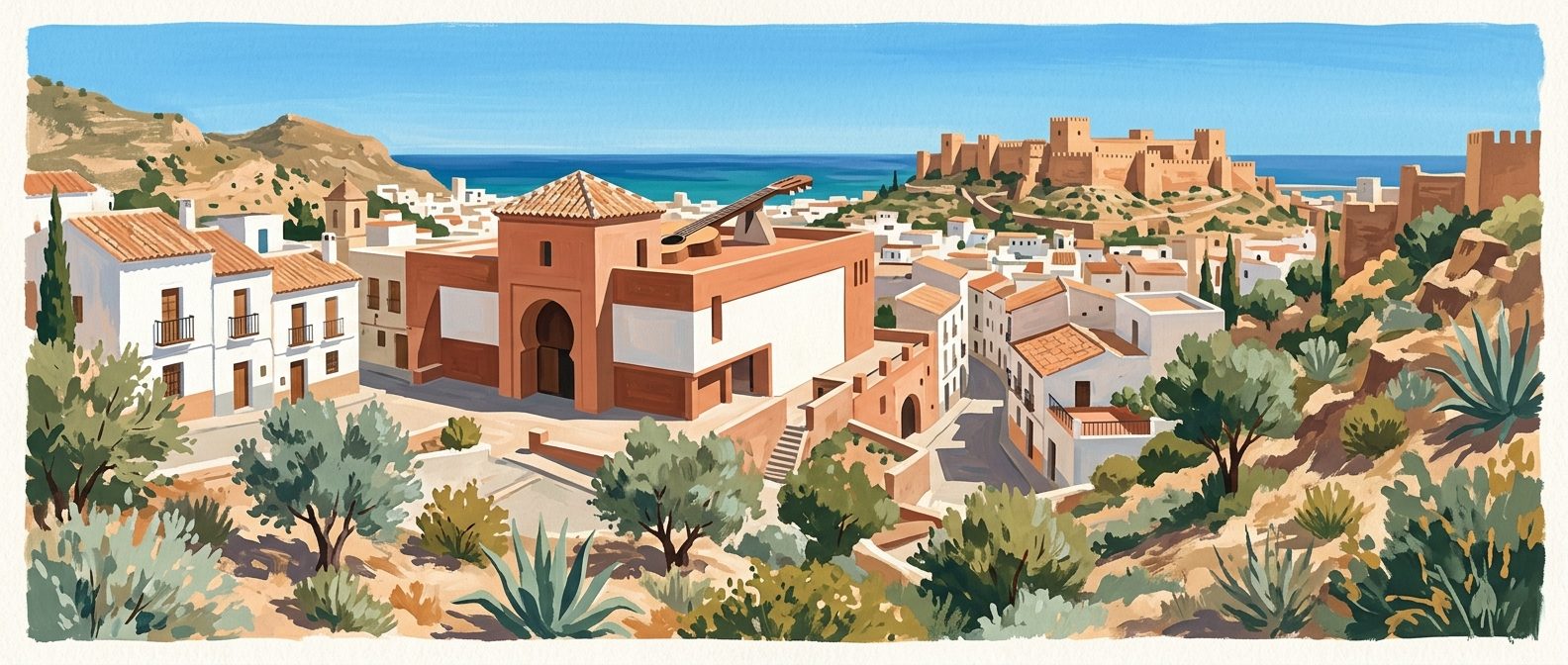
Museo de la Guitarra Almería
“This meticulously curated museum brilliantly balances serious historical scholarship with hands-on interactivity. While the deep organology might feel slightly niche for visitors with no musical interest, the chance to strum instruments in the Sound Room and view priceless 17th-century guitars makes it a standout cultural stop in Almería.”
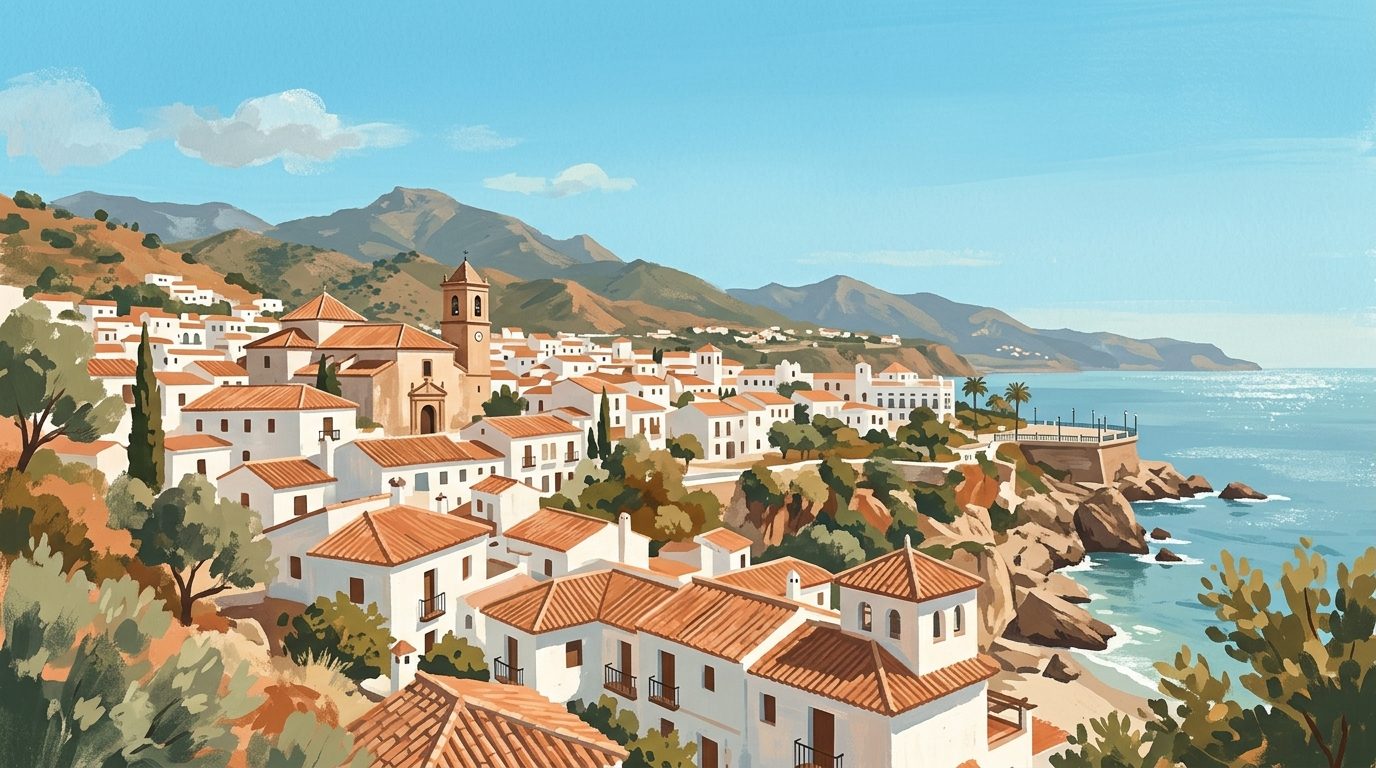
Museum of Nerja
“A well-structured and essential cultural companion to the Nerja Caves. While it lacks the sheer dramatic scale of the subterranean chambers, this fully accessible museum provides critical historical context. It effectively bridges the gap between the region's prehistoric inhabitants and its modern transformation into a Mediterranean holiday resort.”
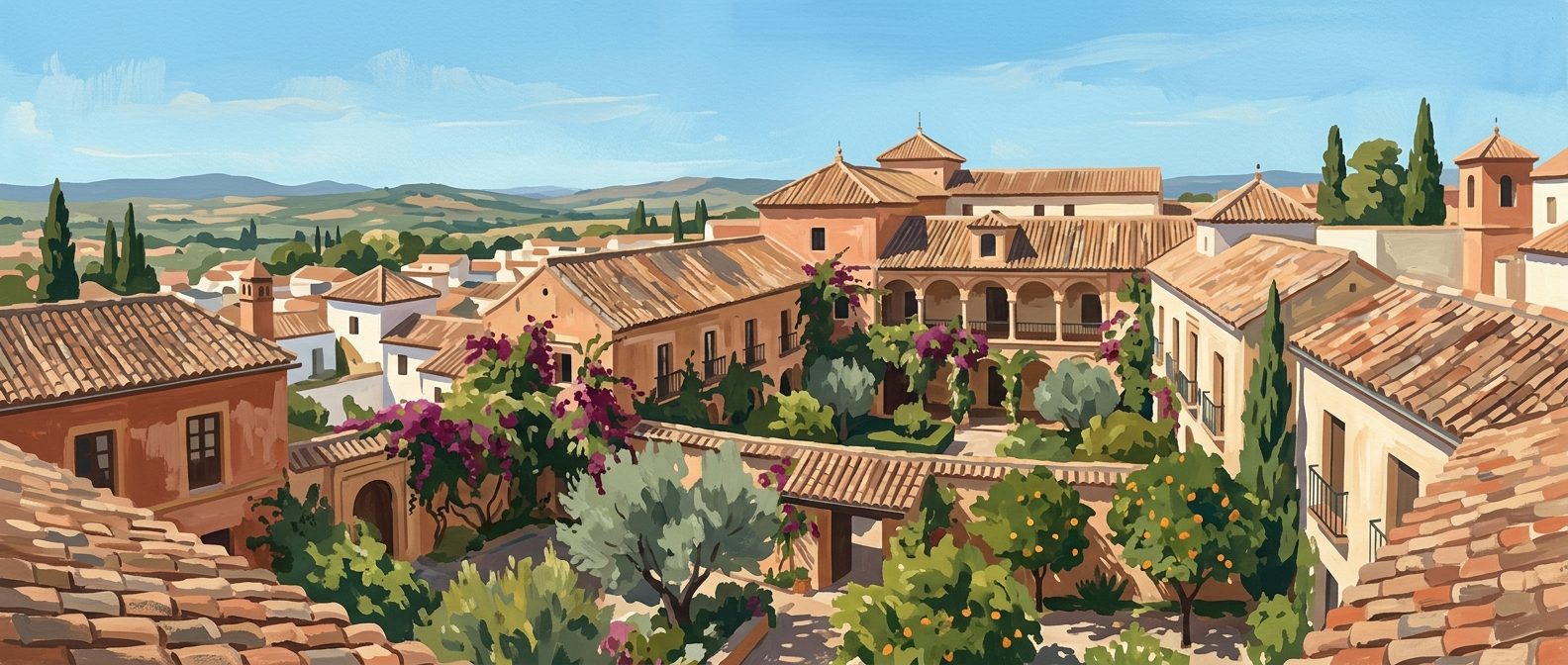
Palacio de Viana
“Palacio de Viana offers an exceptional masterclass in Andalucían garden design and aristocratic history. The sheer scale and variety of the twelve courtyards justify the visit alone. While the guided interior tour adds valuable historical context, the outdoor spaces remain the true highlight, providing a serene, fragrant escape from the busy city streets.”
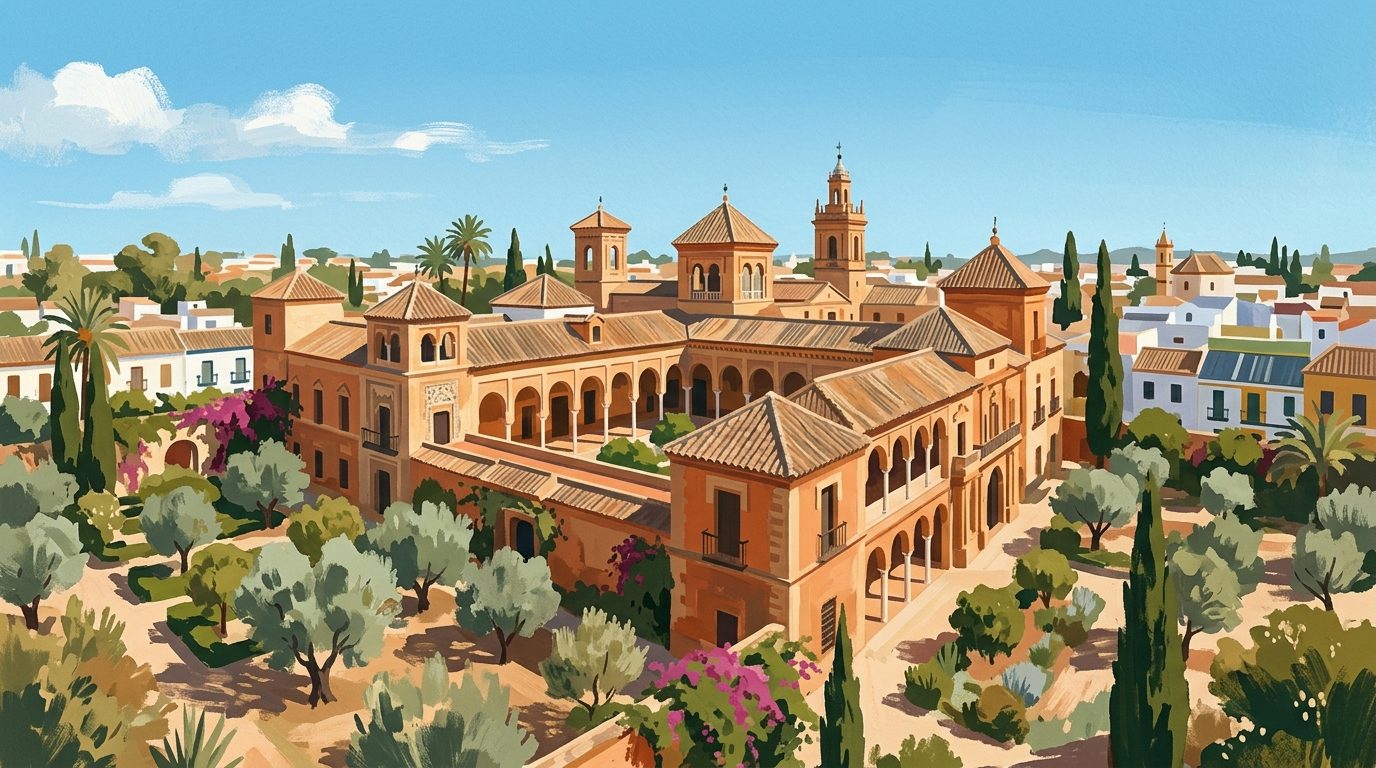
Palacio de las Dueñas
“Palacio de las Dueñas provides a deeply personal counterpart to the monumental scale of Sevilla's major royal sites. It rewards visitors who appreciate quiet horticultural beauty and a genuine glimpse into aristocratic domesticity. The lack of detailed curatorial signage means an audio guide is highly recommended, but the rich historic atmosphere makes this estate a tremendously worthwhile hour of exploration.”
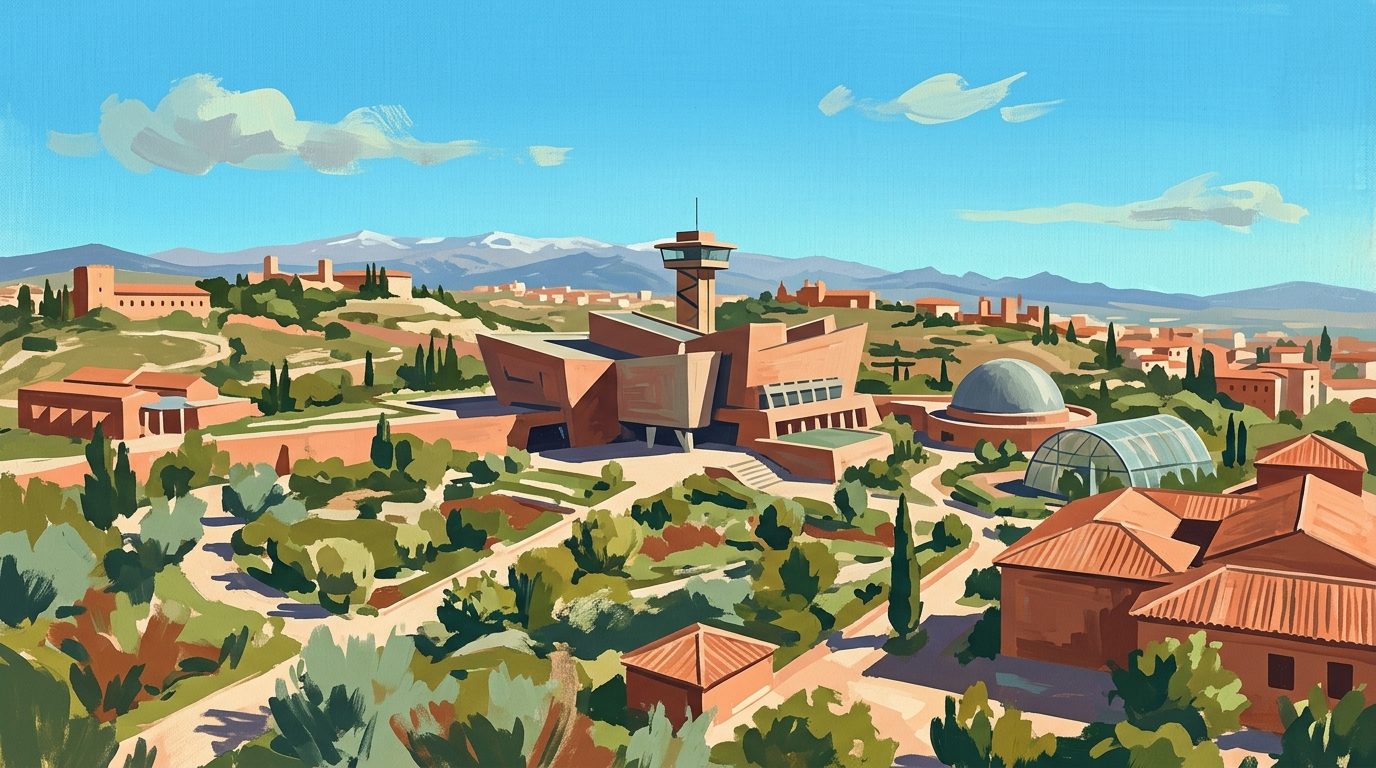
Parque de las Ciencias
“The Parque de las Ciencias is a world-class educational facility that trades dry observation for genuine interaction. While the sheer scale of the site can feel overwhelming if rushed, the meticulous BioDomo and the broad range of tactile physics experiments make it an essential, high-quality diversion from the historical monuments of Granada.”
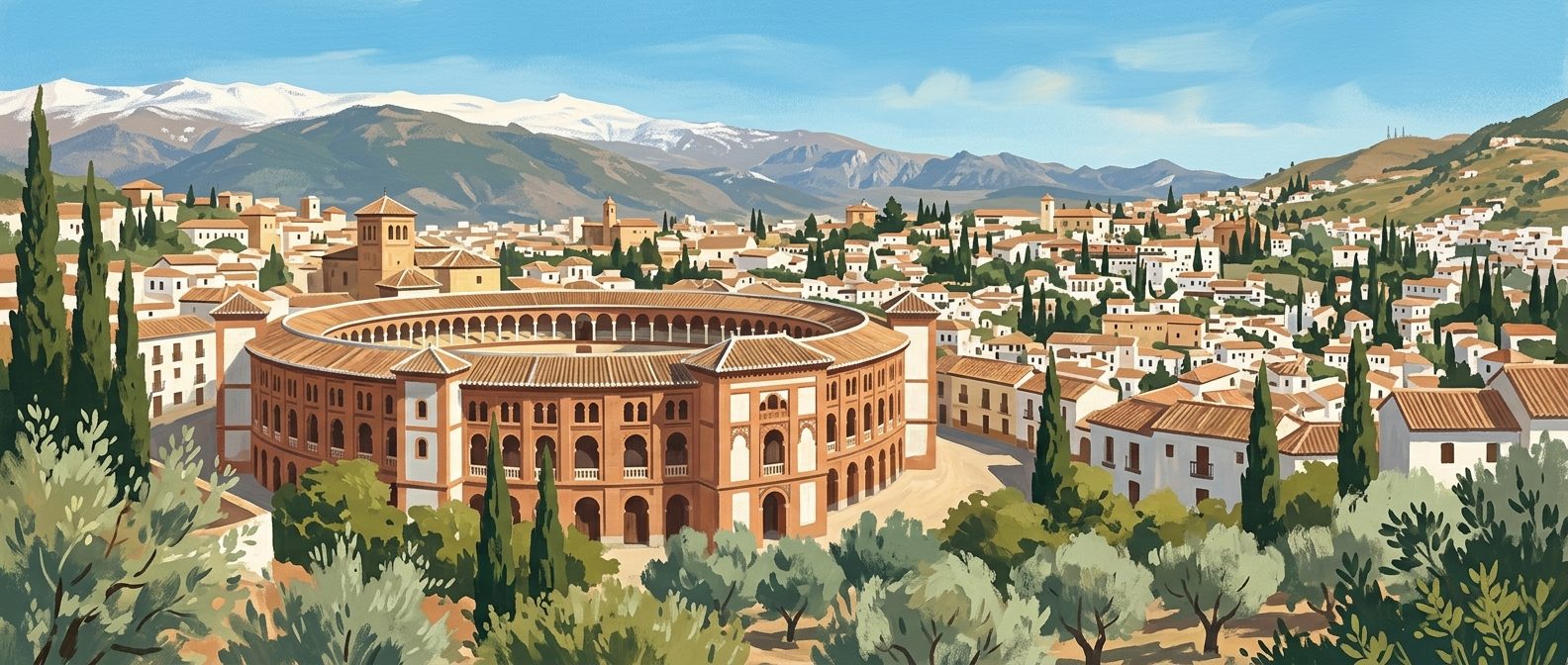
Plaza de Toros de Granada
“An imposing 1928 Neo-Mudéjar arena that remains a functioning piece of Granada’s civic life. While the focus on bullfighting polarises visitors, the architecture and integrated tapas bars provide a genuine look into twentieth-century Spanish traditions, free from the polished veneer of the typical tourist circuit.”
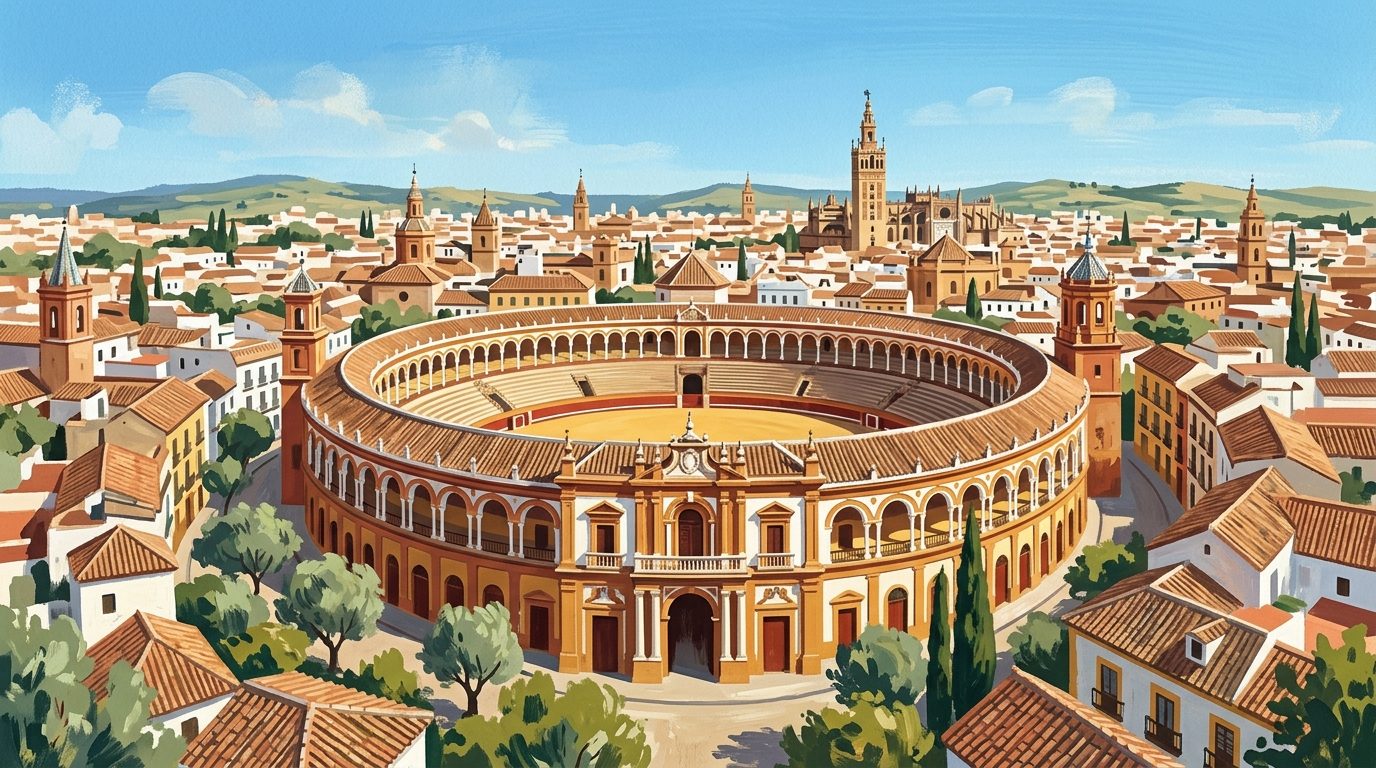
“Regardless of your stance on the events it hosts, the Real Maestranza is an essential architectural and historical site. The museum offers unmatched context for Andalucían traditions, while the sheer scale of the Baroque arena provides a fascinating, candid look into the opulent and perilous world of Spanish bullfighting.”
“The Refugios de la Guerra Civil offer a stark, sobering descent into Almería’s wartime history. This immaculately preserved subterranean labyrinth of brick and concrete showcases incredible architectural ingenuity under extreme duress. It is an emotionally heavy, essential experience that provides a profound counterpoint to the city's sunlit coastal attractions.”
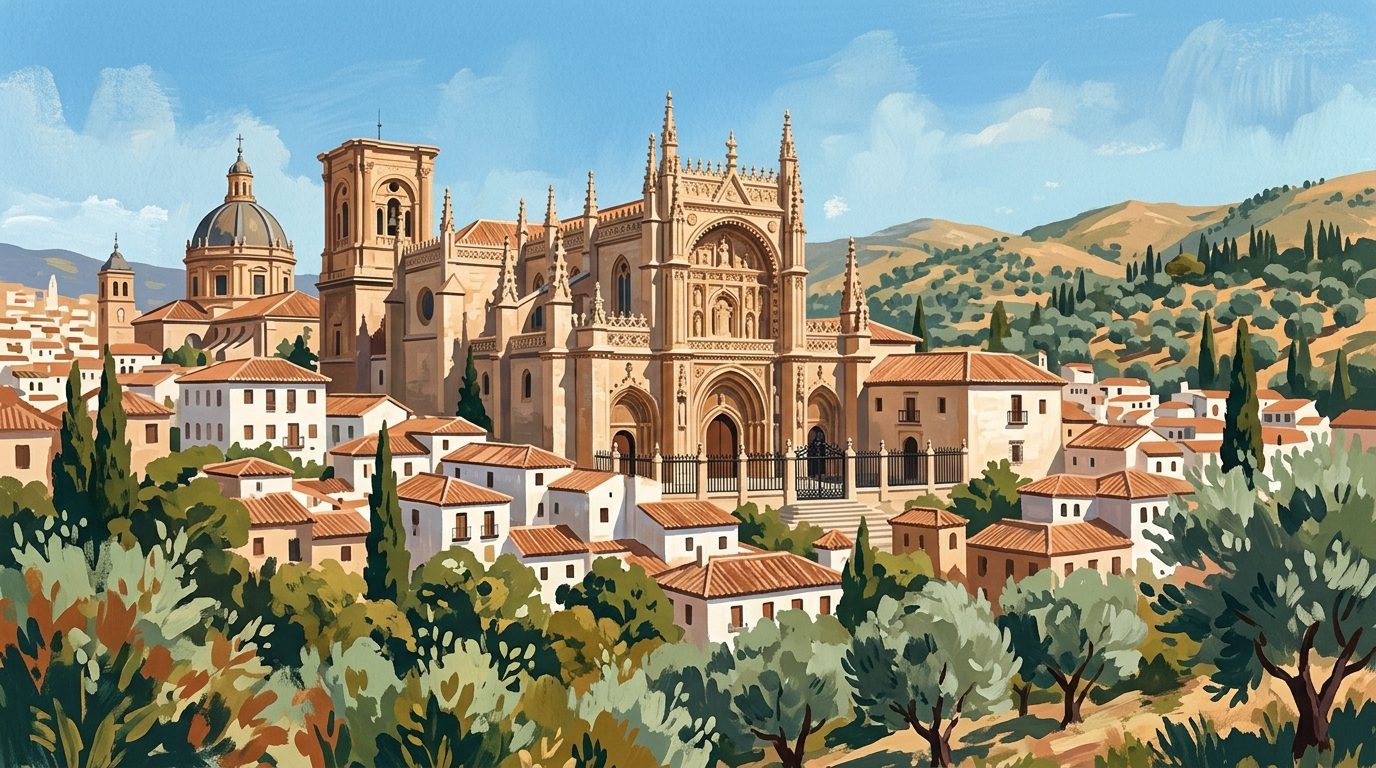
Royal Chapel of Granada
“The Capilla Real is a solemn, highly structured monument essential for anyone interested in the legacy of the Catholic Monarchs. While the strict no-photography rule and sombre atmosphere can feel rigid, the magnificent marble tombs and the astonishing collection of Flemish paintings reward careful observation.”
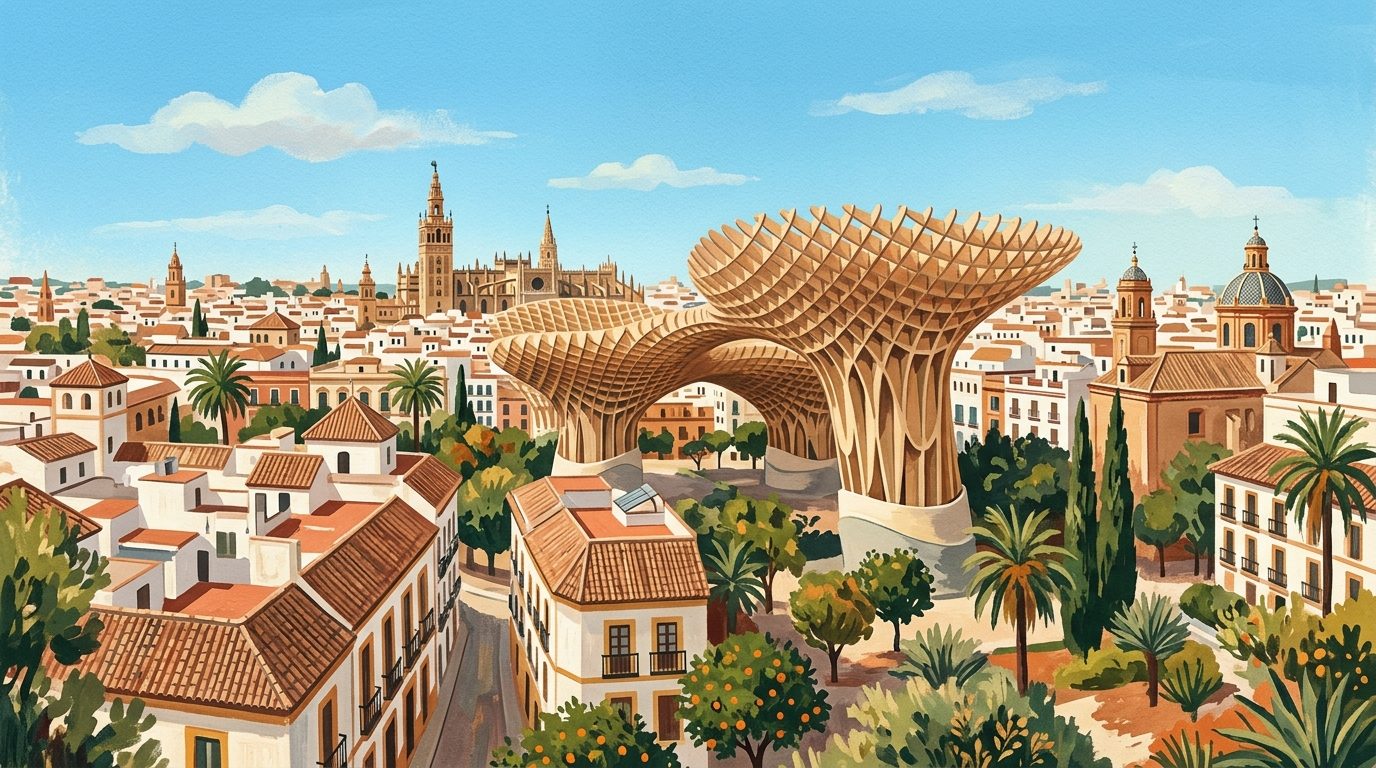
Setas de Sevilla
“Las Setas is a divisive but undeniably spectacular feat of modern engineering. While traditionalists may balk at its aesthetic, it offers the most comprehensive rooftop view of Sevilla without the need to climb a bell tower. It is an essential stop for architecture enthusiasts and photographers.”
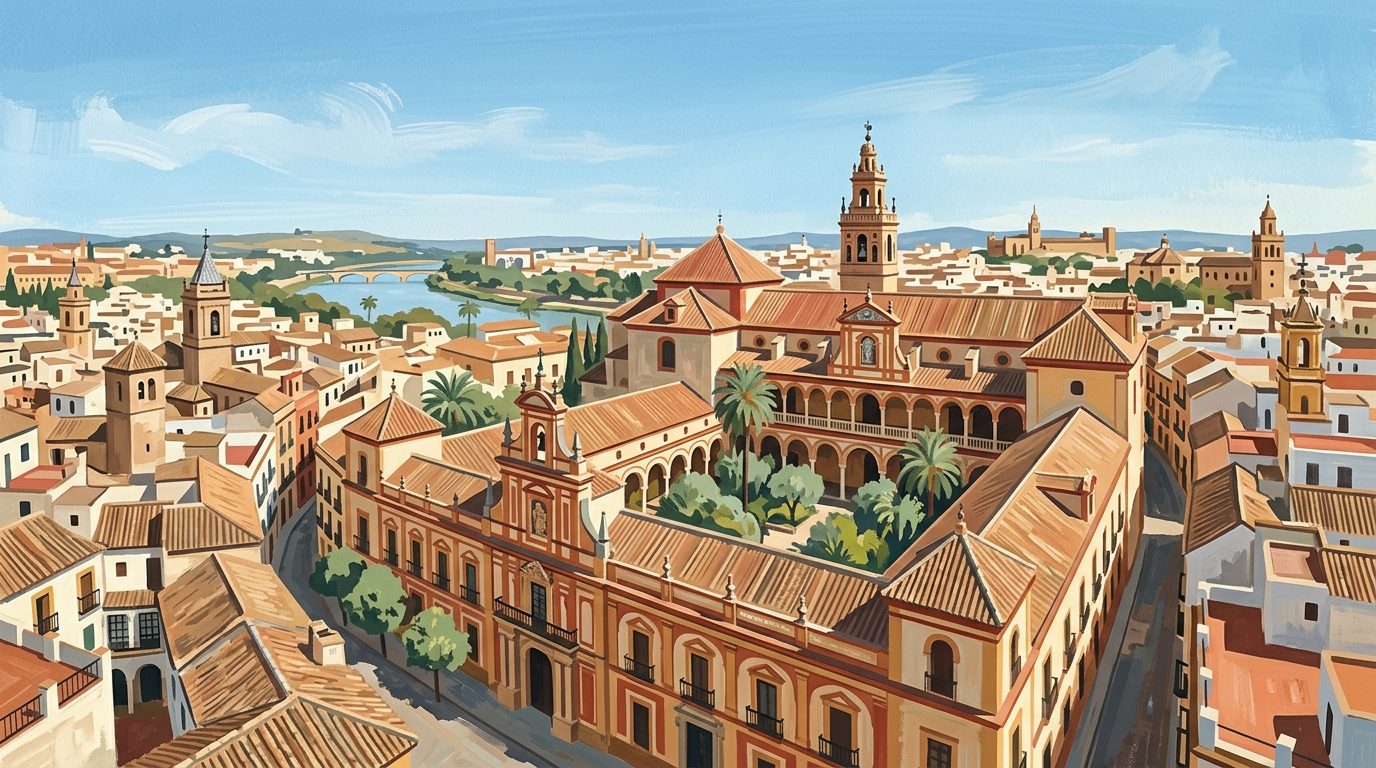
Seville Museum of Fine Arts
“Housed in a spectacular 17th-century convent, this definitive collection of Andalucían painting offers a quiet retreat from the busy streets. While the heavy focus on religious iconography requires a specific interest, the monumental works of Murillo and Zurbarán make it an essential stop for anyone studying the Spanish Golden Age.”
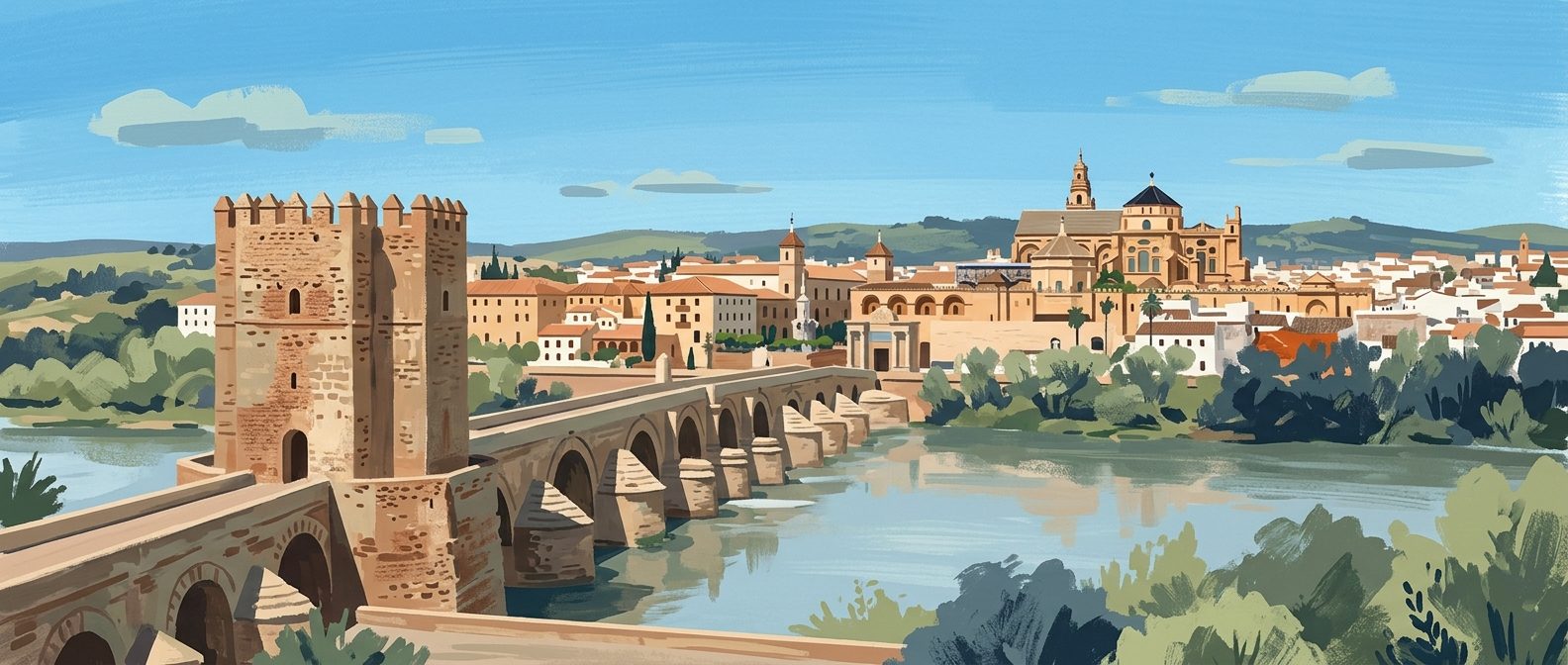
Torre de la Calahorra
“While the museum's dioramas feel dated and rely heavily on the audio guide, the historical context is invaluable. The architectural weight of the tower and the panoramic rooftop views make the entry fee worthwhile. It is highly recommended for history enthusiasts, architecture fans, and photographers.”
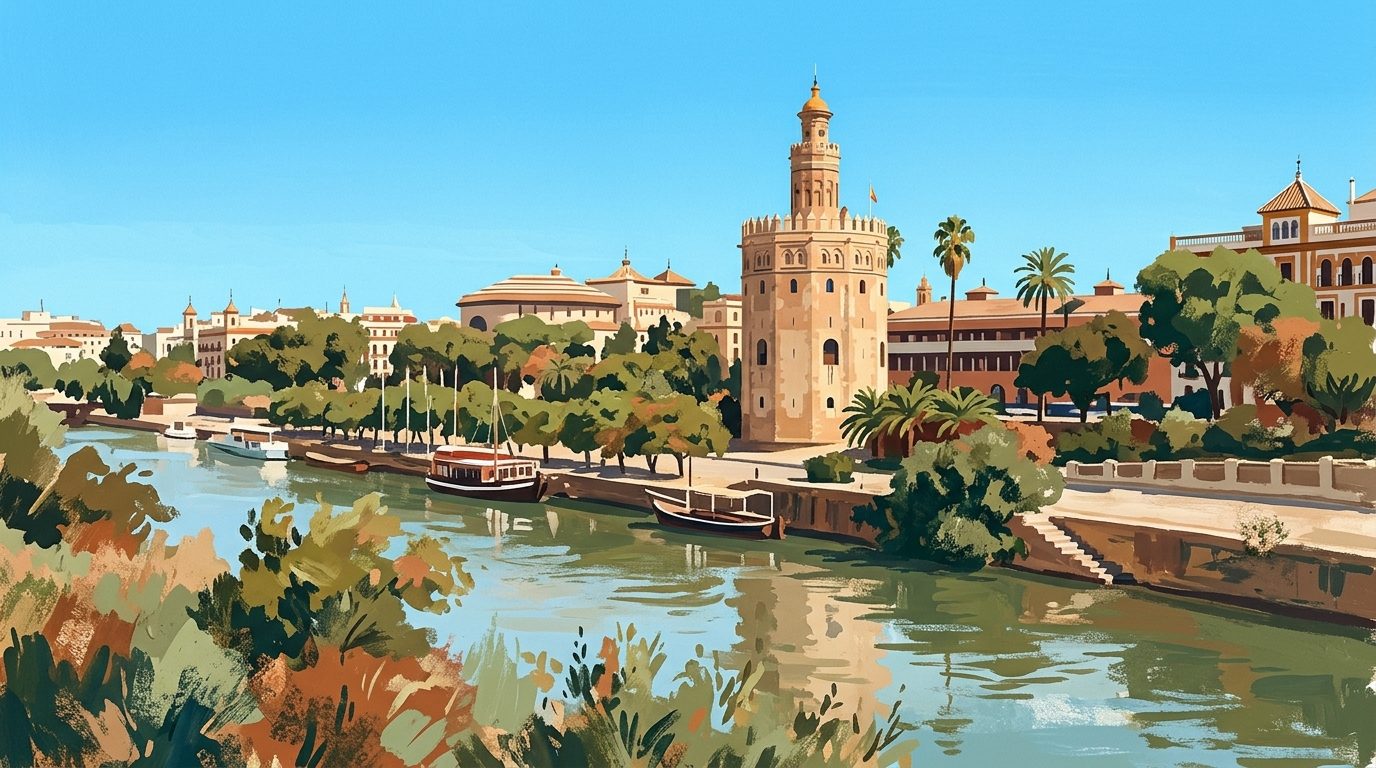
Torre del Oro
“The Torre del Oro pairs a compact naval museum with some of the best river views in Sevilla. While the maritime exhibits are traditional and mostly in Spanish, the short climb and lack of heavy crowds make its rooftop terrace a rewarding, stress-free stop for architecture and photography lovers.”